

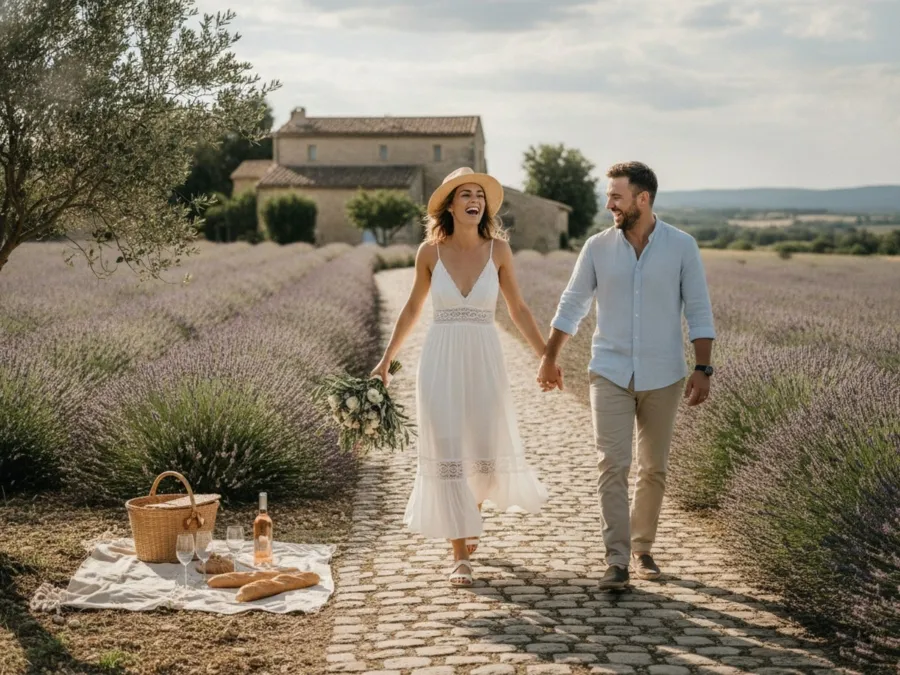
The aspirational images of overwater bungalows in the Maldives, cliffside sunsets in Santorini, and luxurious lunches in Capri have long dominated wedding Pinterest boards, yet for many couples, the reality of pricing these dream honeymoons quickly collides with practical budget constraints. However, a burgeoning trend of "honeymoon dupes" is revolutionizing how newly married couples approach their post-nuptial escapes, offering nearly identical experiences at a fraction of the cost. This strategic shift allows couples to indulge in picturesque landscapes, vibrant cultures, and romantic settings without the celebrity-tier price tag often associated with their more famous counterparts.
The Emergence of the "Dupe" Phenomenon in Travel
The concept of a "dupe," short for duplicate, originated in the beauty and fashion industries, where consumers actively seek affordable alternatives that mimic the aesthetic and functionality of high-end, designer products. This consumer-savvy approach has now seamlessly transitioned into the travel sector, particularly for significant life events like honeymoons. Economic shifts, including global inflation and rising costs of living, coupled with the pervasive influence of social media on travel aspirations, have propelled this trend forward. Couples, often burdened by the financial demands of a wedding, are increasingly pragmatic about their honeymoon budgets, seeking value without compromising on the dream experience.
The growing demand for accessible luxury in travel was formally quantified by a comprehensive 2026 study conducted by Sail Croatia, a prominent small-ship cruise company known for its Mediterranean itineraries. The study, titled "Destination Dupes," meticulously analyzed 20 of the world’s most-searched honeymoon destinations and identified a "cheaper twin" for each. These alternatives were selected based on their ability to deliver a comparable ambiance, natural beauty, cultural richness, or overall luxury feel. The findings provide a compelling roadmap for couples aiming to maximize their honeymoon experience while minimizing expenditure.
Methodology Behind the "Destination Dupes" Study
To establish a factual basis for comparison, Sail Croatia’s researchers developed a robust methodology. For each of the selected "dream" destinations and their identified "dupes," they calculated the average daily cost for two travelers. This cost was derived from three primary everyday line items: one night’s accommodation for two, two restaurant meals for two, and the price of a single cocktail. Hotel rates were sourced from Airbtics, a leading analytics platform for the short-term rental market, ensuring up-to-date and representative accommodation costs. Meal and drink prices were gathered from Numbeo, a global database of user-contributed consumer prices and quality of life indices. By standardizing these essential expenditures, the study offered a clear, quantifiable metric for comparison, allowing couples to understand the precise financial advantages of opting for a dupe. The savings, calculated per day for two people, accumulate rapidly over the typical length of a honeymoon, translating into substantial overall reductions.

Top 10 Honeymoon Dupes Offering Significant Savings
The "Destination Dupes" study revealed striking disparities in daily costs, with some dupe destinations offering savings exceeding 80%. These significant reductions demonstrate the power of strategic destination selection. Below are the top 10 pairings where couples stand to save the highest percentage, directly extracted from the May 2026 Sail Croatia study:
| Dream Destination | Avg. Daily Cost for Two | The Dupe | Avg. Daily Cost for Two | You Save |
|---|---|---|---|---|
| Maldives | $687 | Zanzibar, Tanzania | $122 | 82% |
| The Hamptons, NY | $1,135 | Outer Banks, NC | $348 | 69% |
| Capri, Italy | $757 | Procida, Italy | $284 | 62% |
| Maui, Hawaii | $580 | The Azores, Portugal | $236 | 59% |
| Portofino, Italy | $527 | Camogli, Italy | $303 | 43% |
| Amalfi Coast, Italy | $392 | Cilento Coast, Italy | $238 | 39% |
| Dubrovnik, Croatia | $325 | Kotor, Montenegro | $205 | 37% |
| Venice, Italy | $412 | Trieste, Italy | $276 | 33% |
| St. Tropez, France | $557 | Cassis, France | $373 | 33% |
| Mykonos, Greece | $382 | Paros, Greece | $259 | 32% |
Even for pairings with smaller percentage differences, such as Mykonos and Paros at 32% savings, a 10-day honeymoon can still yield hundreds, if not thousands, of dollars in savings. This freed-up capital can be reallocated towards other significant life goals, such as a down payment on a home, future investments, or even a single, unforgettable splurge during the honeymoon itself.
Detailed Examination of Key Honeymoon Swaps
A closer look at some of these pairings reveals the specific charms and advantages of the dupe destinations.
Maldives vs. Zanzibar, Tanzania: The Ultimate Tropical Escape
The Maldives, synonymous with unparalleled luxury and idyllic overwater bungalows, attracts over a million searches monthly, driving daily costs for couples close to $700. Its appeal lies in its pristine white-sand beaches, crystal-clear turquoise waters, and exclusive resort experiences. Zanzibar, an enchanting island archipelago off the coast of Tanzania, presents a remarkably similar landscape. Couples can find equally stunning beaches, vibrant coral reefs perfect for snorkeling and diving, and clear waters for around $122 per day, inclusive of hotel, meals, and drinks. Beyond its natural beauty, Zanzibar offers a rich cultural tapestry, particularly in Stone Town, a UNESCO World Heritage site known for its winding alleys, historic architecture, and spice markets. This cultural depth provides an enriching dimension often not found in the more resort-centric Maldives. Opting for Zanzibar can result in savings of nearly $4,000 on a week-long trip, making it a compelling alternative for an exotic, luxurious, yet budget-conscious honeymoon.
Capri vs. Procida, Italy: Neapolitan Bay Charms
Nestled in the Bay of Naples, both Capri and Procida boast breathtaking cliffside vistas, colorful pastel buildings cascading down to the azure sea, and quintessential Italian island charm. However, the experience and cost diverge significantly. Capri, a long-standing magnet for celebrities and luxury travelers, commands hotel rates nearing $600 per night. Its streets are often bustling with tourists, particularly during peak season. Procida, in contrast, remains a more authentic and less commercialized Italian gem. Hotel rooms in Procida average under $115, offering similar seaside accommodations without the premium. Procida also benefits from fewer tourist crowds, allowing couples to enjoy quiet beaches, local eateries, and an unhurried pace. By choosing Procida, couples can save approximately $470 per day, trading the selfie-stick scrum for serene, genuine Italian island life.

Maui vs. The Azores, Portugal: Volcanic Wonders and Verdant Landscapes
For couples dreaming of Hawaii’s dramatic volcanic landscapes, black-sand beaches, and lush hiking trails, Maui has long been the gold standard. However, the Azores, an autonomous region of Portugal in the mid-Atlantic, offers a strikingly similar experience for 59% less. While Maui hotels average around $350 per night, comparable stays in the Azores can be found for about $139. Dining out also costs roughly half as much. The Azores comprise nine volcanic islands, each offering unique natural beauty, from emerald-green lakes nestled in craters to thermal hot springs and vibrant flora. Activities like whale watching, hiking through ancient forests, and exploring charming coastal towns are abundant. The Azores provide the same dramatic, wild, and awe-inspiring natural beauty without the trans-Pacific airfare from the East Coast, making it a more accessible and affordable adventure honeymoon.
The Cost of Fame: Why Famous Destinations Command Higher Prices
The Sail Croatia study highlights a crucial factor contributing to the exorbitant costs of popular destinations: their fame. As a tourism expert from Sail Croatia explained, "Social media drives demand for specific locations, which then raises prices artificially. Everyone wants to photograph Santorini’s blue domes or Mykonos’ windmills these days. But Greece has dozens of islands with the same white buildings and sunset views. You see this with Croatia, too. Dubrovnik became a tourist magnet due to Game of Thrones, but Kotor across the border has the same stone streets and bay views. If you prefer staying in Croatia, then there is Sibenik, which has the lookalike old-town atmosphere without Dubrovnik’s crowds." This observation underscores how intense demand, often fueled by viral imagery, can inflate prices far beyond intrinsic value.
Dubrovnik vs. Kotor: Medieval Charm Across Borders
Dubrovnik, Croatia’s "Pearl of the Adriatic," became an international sensation, partly due to its role as King’s Landing in Game of Thrones. This fame, while boosting tourism, has also pushed prices upwards. Just across the border in Montenegro, Kotor offers an equally captivating experience. This UNESCO-protected town, nestled in a dramatic bay surrounded by towering mountains, boasts medieval stone streets, ancient fortifications, and a rich history, all for about 37% less than Dubrovnik. Couples can explore the Bay of Kotor, hike to panoramic viewpoints, and immerse themselves in a similar historical ambiance without the premium price tag or the relentless crowds.
Amalfi Coast vs. Cilento Coast, Italy: Southern Italian Splendor
The iconic Amalfi Coast, with its dramatic cliffs, fragrant lemon groves, and picturesque seaside towns like Positano and Ravello, is undeniably beautiful. However, just south of it, the Cilento Coast offers a remarkably similar landscape and authentic Italian experience. While it may have less international name recognition, it provides the same stunning coastline, charming villages, and delicious regional cuisine for roughly $150 less per day. The Cilento Coast is also a UNESCO World Heritage site, celebrated for its natural beauty and ancient Greek ruins. It offers a calmer, more local feel, allowing couples to enjoy the true essence of southern Italy without the high prices and crowded tourist hotspots.
Portofino vs. Camogli, Italy: Riviera Romance
Portofino, a glamorous fishing village on the Italian Riviera, is renowned for its colorful harbor, luxury yachts, and high-end boutiques. A single night in a Portofino hotel can average $333. A mere 30-minute drive along the same stunning coastline lies Camogli, a vibrant fishing village with equally tall, colorful harbor houses and a more laid-back atmosphere. A stay in Camogli runs closer to $130 per night. The savvy move for couples is to base themselves in Camogli, enjoying its authentic charm and lower costs, and then take a scenic day trip to Portofino to experience its famous allure, effectively pocketing the substantial difference in accommodation costs.
Mykonos vs. Paros, Greece: Cycladic Beauty without the Premium
Mykonos has cultivated a reputation for its iconic windmills, whitewashed Cycladic architecture, and a vibrant party scene that comes with a significant price tag. However, Paros, a short ferry ride away in the same Cycladic island chain, offers strikingly similar aesthetic beauty and beautiful beaches at a much friendlier price point—approximately 32% less per day. Paros features charming villages like Naoussa and Parikia, stunning golden beaches, and a lively, yet more relaxed, atmosphere. It provides the quintessential Greek island experience, from delicious Mediterranean cuisine to breathtaking sunsets, without the premium attached to Mykonos’s global fame.

Elevating the Dupe Honeymoon: Strategies for a Splurge-Worthy Experience
Choosing a dupe destination does not equate to settling for less. With thoughtful planning, couples can ensure their dupe honeymoon feels every bit as special, if not more so, than the pricier original.
Travel in Shoulder Season: Opting for the weeks just before or after the peak summer tourist season (e.g., late spring or early autumn) can yield significant benefits. The weather is often just as pleasant, but hotel rates are lower, and popular attractions are less crowded. This stretches the budget further and enhances the overall experience with more intimate encounters and shorter wait times.
Strategic Splurges: Bank the savings from the dupe destination and reallocate a portion towards one truly memorable experience. For instance, while staying in Camogli, indulge in a long, luxurious lunch in Portofino. Or, from a base in Kotor, take a private boat tour of the Bay of Kotor or a guided day trip to Dubrovnik. This allows couples to enjoy the "highlight reel" of the dream destination without committing to its daily exorbitant costs.
Reinvest the Savings: The financial difference saved from choosing a dupe can be substantial. Instead of simply letting this money "evaporate," couples can consciously reallocate it towards significant future goals. This could include contributing to a down payment for a home, funding a future anniversary trip, or building an emergency savings cushion. This approach aligns with broader financial planning for a shared future and transforms the honeymoon savings into a tangible asset. A dedicated honeymoon fund or registry can also help capture these savings efficiently.
Budget First, Book Later: Before diving into the overwhelming world of travel booking, couples should establish a clear, realistic honeymoon budget. This initial step prevents overspending and helps guide destination choices. Tools and guides for setting a wedding budget can be easily adapted for honeymoon planning, ensuring financial discipline from the outset.
Broader Implications for the Travel Industry and Couples

The rise of honeymoon dupes signifies a broader shift in travel consumer behavior. For the travel industry, it presents both challenges and opportunities. Established, high-cost destinations may face pressure to justify their premium pricing or risk losing segments of the market to more value-conscious travelers. Conversely, dupe destinations stand to benefit immensely from increased tourism, which can spur local economic development and create new opportunities. However, this growth must be managed sustainably to prevent over-tourism and preserve the authentic charm that makes these places attractive in the first place.
For couples, this trend empowers them to make choices that truly reflect their values and financial realities. It moves away from the pressure to conform to social media-driven travel ideals and instead encourages a personalized, meaningful experience. The goal is a trip that feels authentic to the couple, fostering lasting memories without the burden of excessive debt.
Conclusion
Ultimately, the decision between booking a celebrated destination or its more affordable dupe is a personal one. If a lifelong dream has been to experience an overwater bungalow in the Maldives and the savings are in place, then that dream should absolutely be realized. A honeymoon is, for many, one of life’s truly significant journeys worth a genuine splurge.
However, for those whose aspirations have been tempered by the harsh realities of a budget, the "honeymoon dupe" offers an elegant and practical solution. Thanks to comprehensive research like the 2026 Sail Croatia study, couples now have clear, data-backed alternatives that promise the same stunning beaches, charming villages, and golden-hour sunsets at dramatically reduced costs. This look-for-less mindset not only provides more honeymoon for the money but also eliminates the dreaded "budget guilt" often experienced upon returning home. Whether choosing the original or its savvy twin, the focus remains on creating an unforgettable beginning to a lifetime together.
For couples exploring further into destination weddings or honeymoons, resources like ranked guides to the best budget destination locations for 2026 can be a valuable next step. The overarching message is clear: a dream honeymoon is within reach, and smart planning is the key to unlocking it.
Data from the Sail Croatia “Destination Dupes” study, May 2026. Daily costs reflect average prices for two travelers covering one hotel night, two meals, and a cocktail, sourced from Airbtics (hotels) and Numbeo (food and drink).