


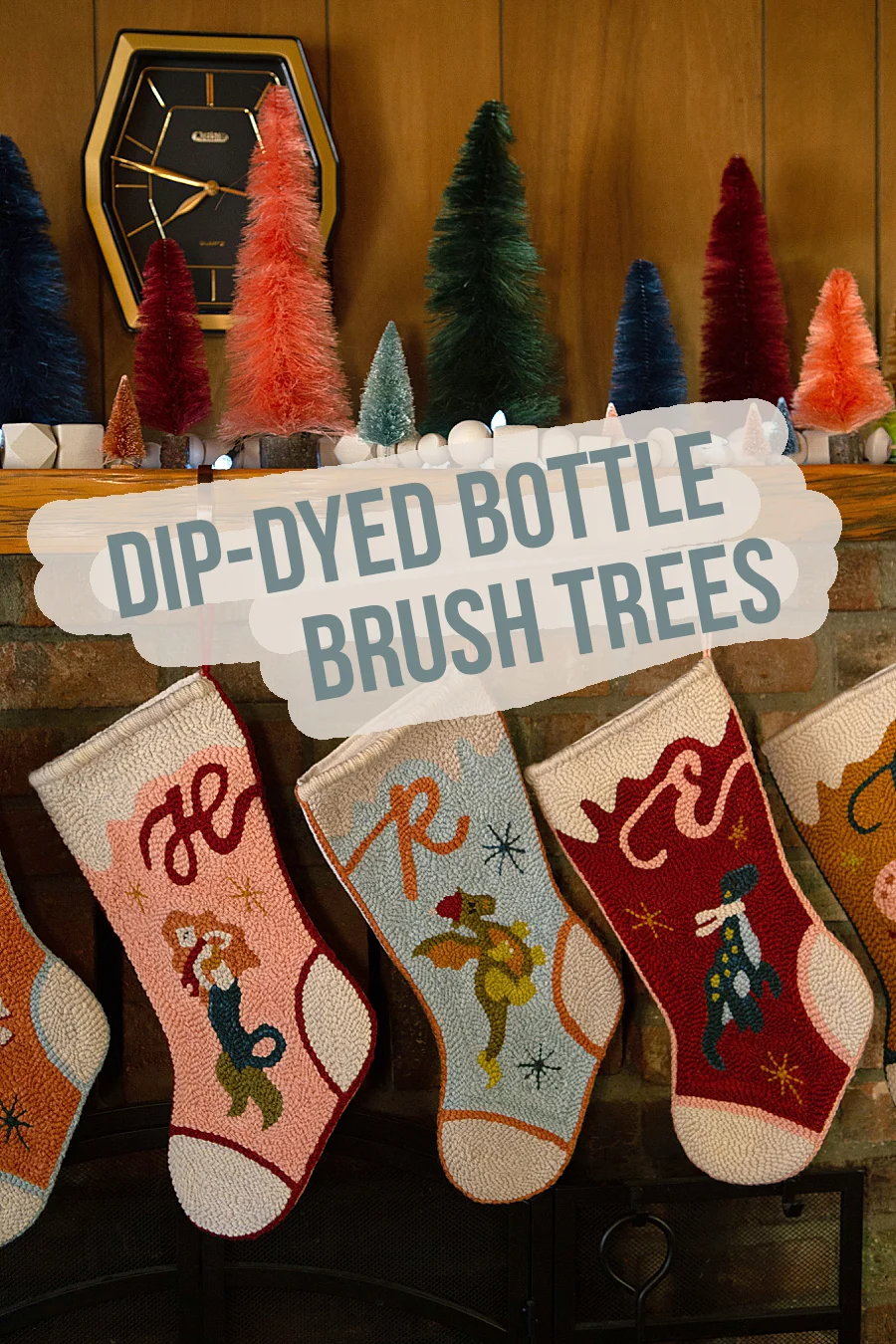
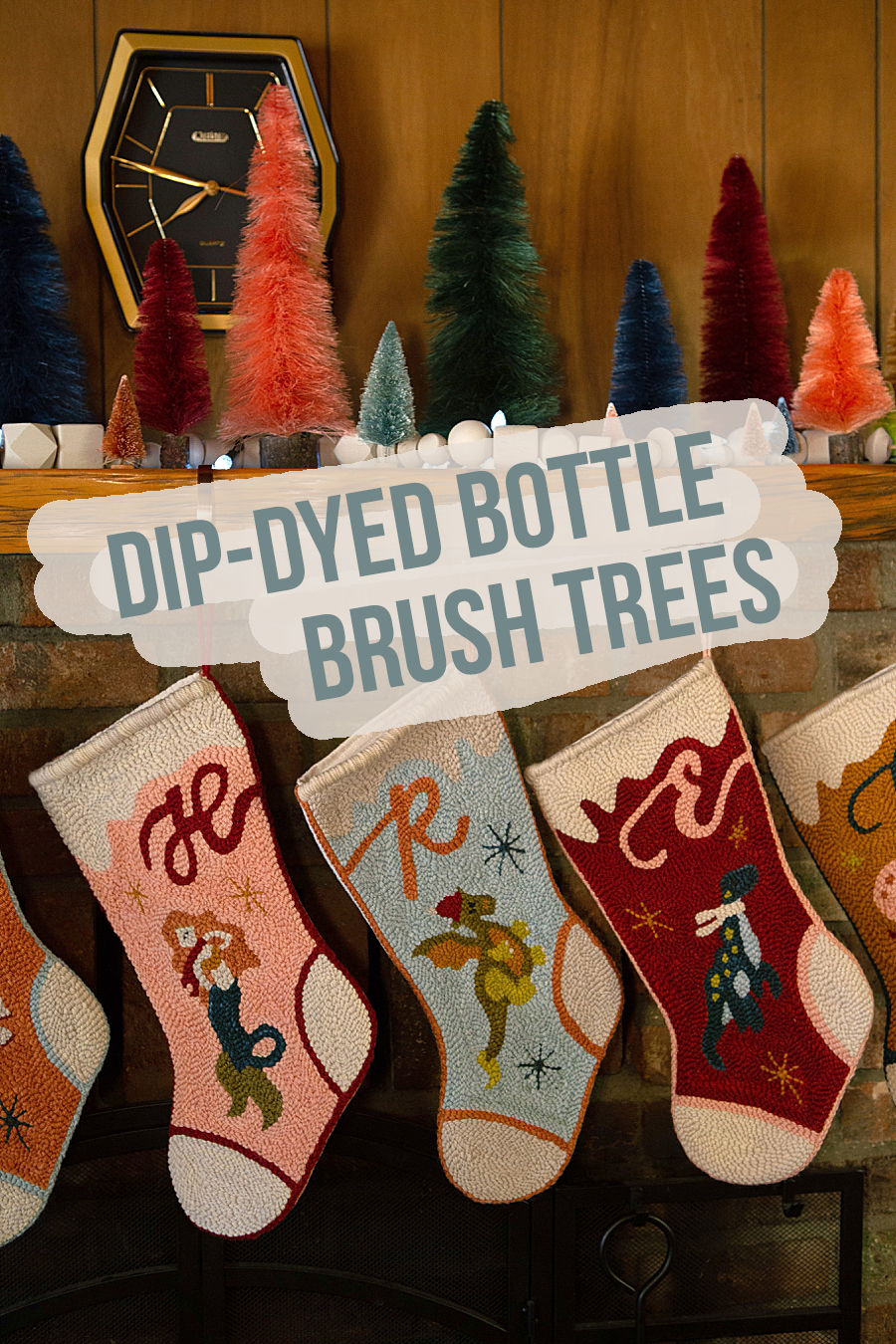
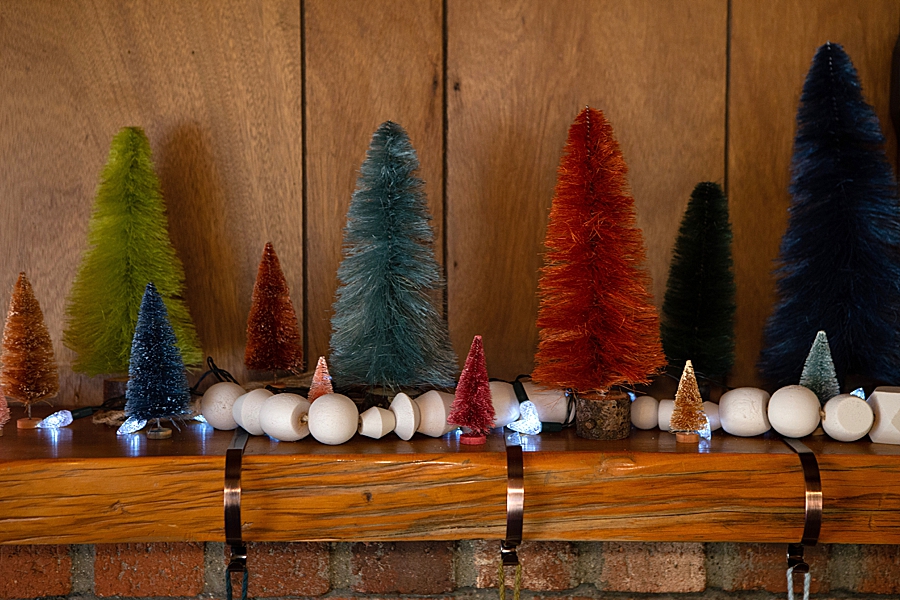
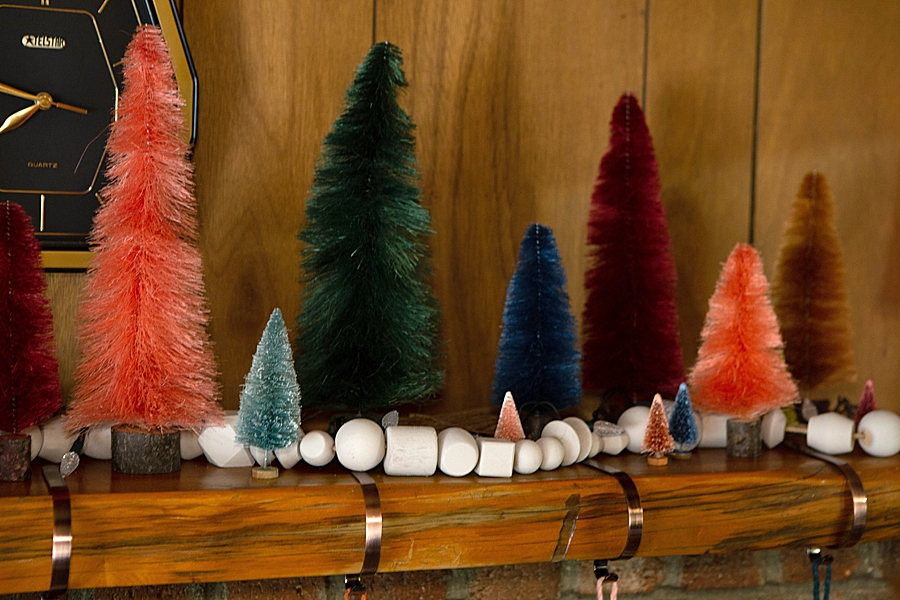
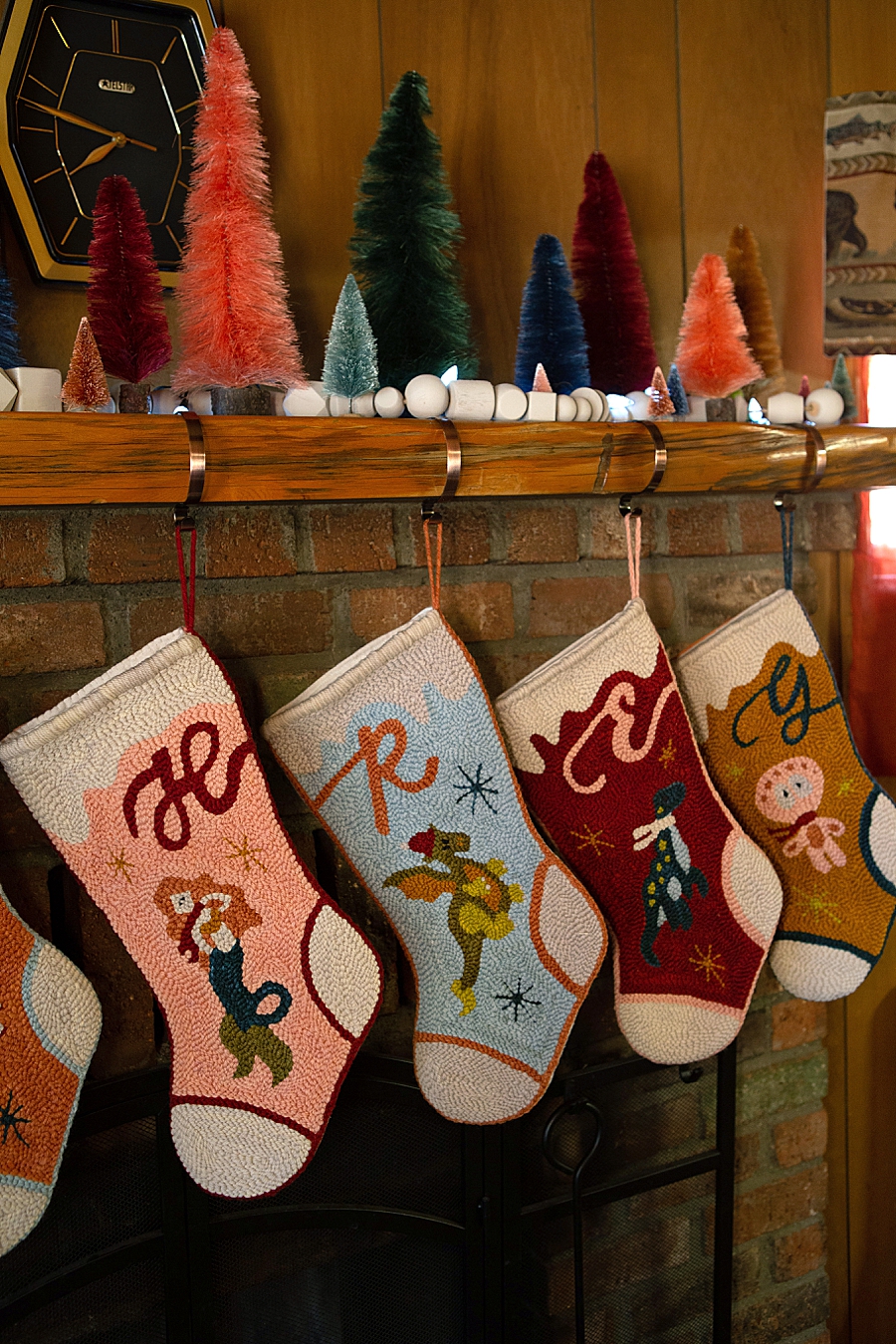
The domestic artisanal market is experiencing a significant shift as consumers increasingly prioritize high-quality, domestically manufactured goods over mass-produced imports, a trend exemplified by the recent technical integration of traditional fiber arts and seasonal home ornamentation. In a recent development within the specialized holiday decor sector, industry expert Jen Causey-Kidder of the creative platform Something Turquoise demonstrated a sophisticated methodology for the precision customization of bottle brush trees. This initiative, designed to achieve exact color synchronization with heirloom-quality punch needle stockings, highlights a growing demand for bespoke holiday environments and the technical processes required to achieve them. The project utilized natural sisal trees produced by Studio59 Handmade, an American artisanal workshop, and employed advanced immersion dyeing techniques to bridge the aesthetic gap between disparate decor elements.
The Shift Toward Domestic Artisanal Sourcing
The movement toward domestic manufacturing in the holiday sector is driven by a combination of consumer fatigue regarding imported mass-market products and a heightened appreciation for the structural integrity of handmade items. In the context of the bottle brush tree market—a staple of mid-century modern and contemporary holiday aesthetics—the majority of retail inventory is traditionally sourced from large-scale industrial facilities in East Asia. However, the limitations of these products, including uniform sizing, synthetic fiber constraints, and standardized color palettes, have catalyzed a migration toward independent creators.
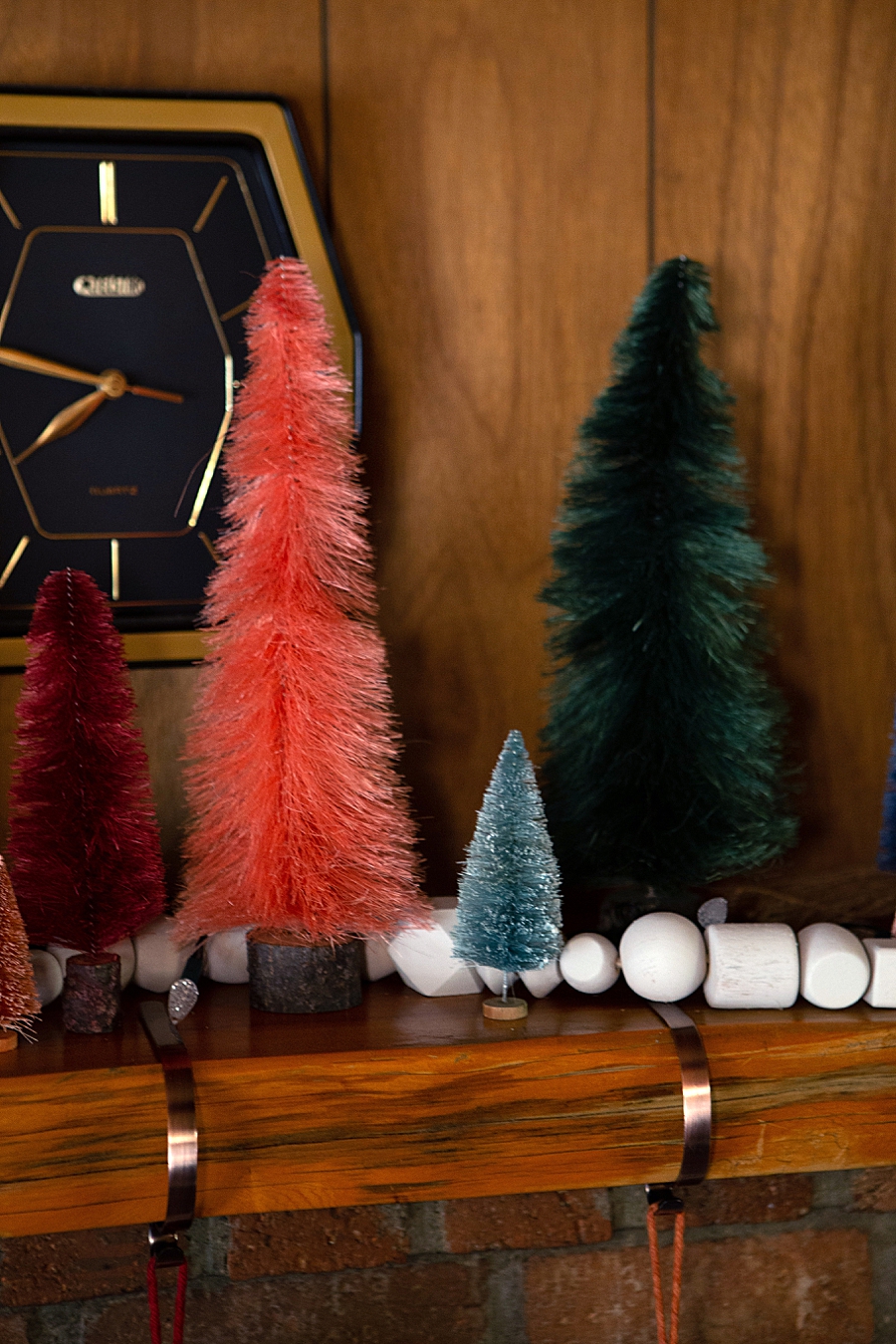
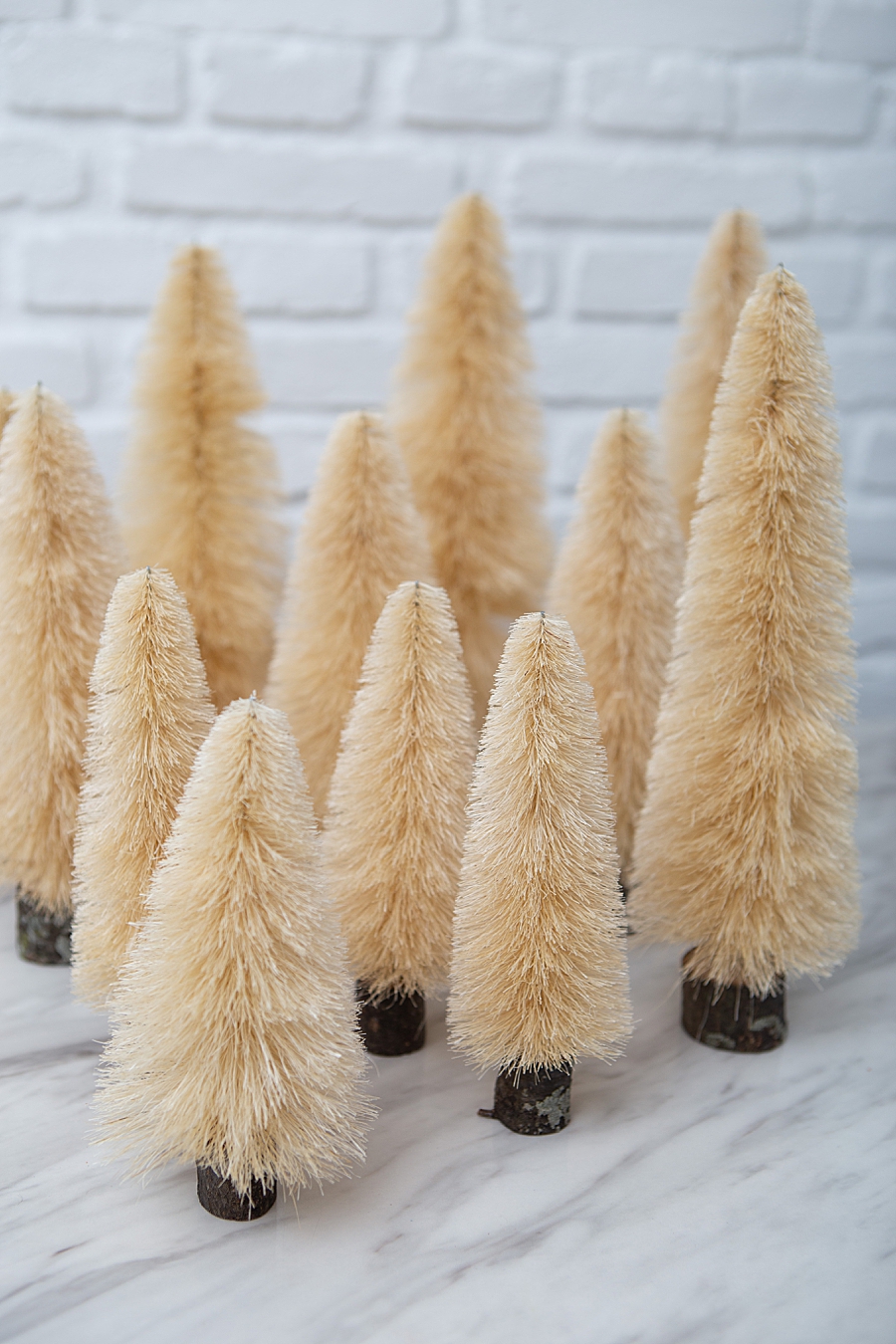
Studio59 Handmade, led by artisan Rachel, has emerged as a primary provider of high-specification bottle brush trees. These units are distinguished by their construction from natural materials and are offered in a diverse range of silhouettes, including classic, thin, and wide profiles. With height specifications ranging from four to twelve inches, these products provide a level of architectural variety that is largely unavailable in the mass-market sector. The decision to source "natural" or uncolored trees is a strategic one, allowing for post-production modification that aligns with specific interior design requirements.
Technical Methodology: The Precision Dyeing Process
The customization of sisal fibers involves a chemical and thermal process designed to ensure uniform pigment distribution and colorfastness. The methodology documented by Causey-Kidder follows a rigorous set of steps that transform a standard artisanal product into a coordinated component of a larger design scheme.
Preparation and Chemical Composition
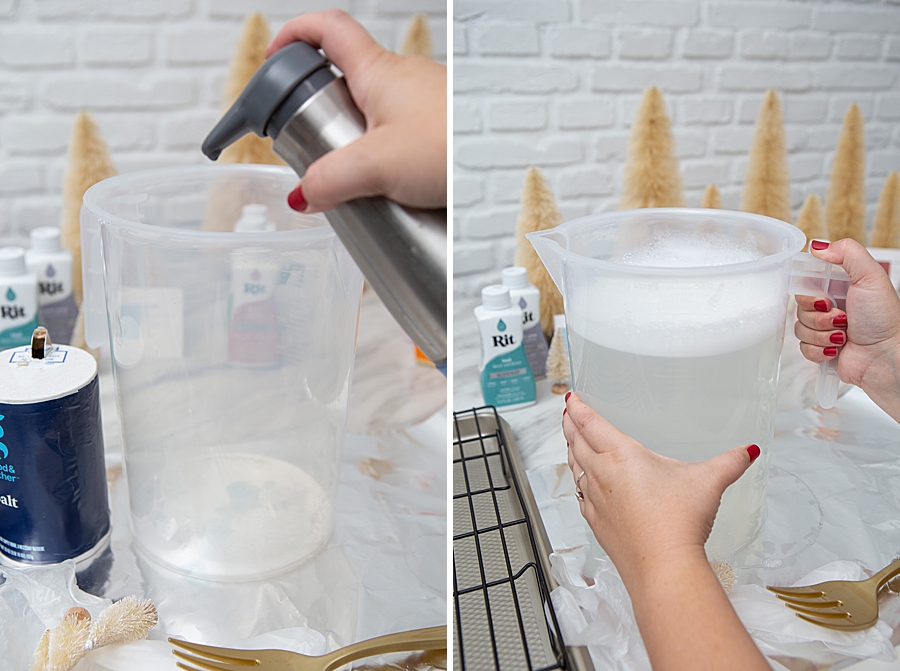
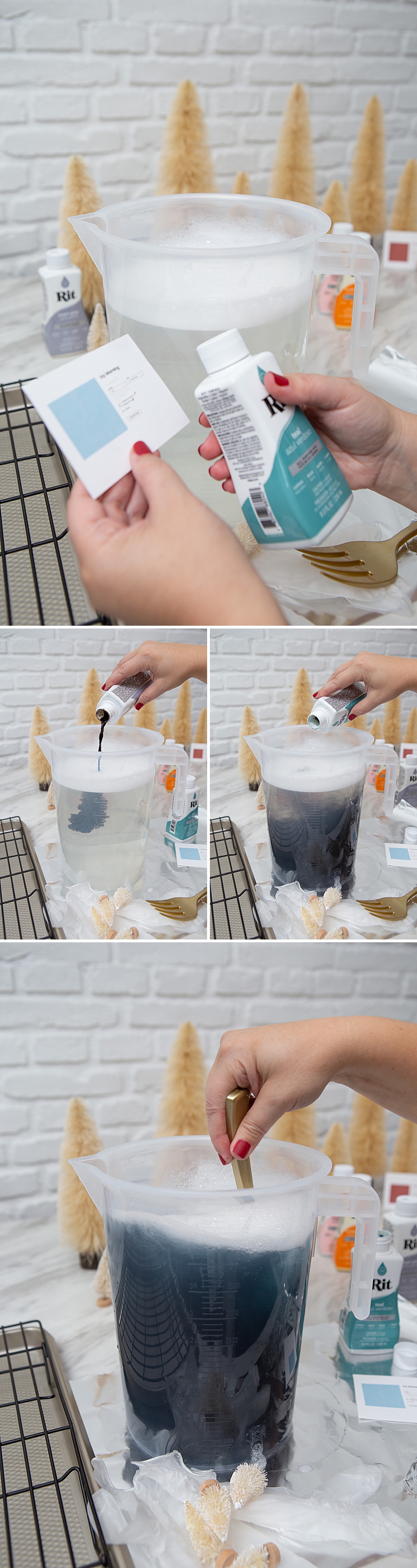
The process begins with the preparation of a dye bath. The technical requirements for an effective sisal dye solution include the use of high-temperature water to facilitate fiber expansion, allowing for deeper pigment penetration. The addition of a surfactant, typically in the form of dish soap, serves to reduce the surface tension of the water, ensuring that the dye flows evenly through the dense bristles of the brush. Furthermore, the inclusion of sodium chloride (table salt) acts as a fixative, particularly effective for natural fibers, to stabilize the dye molecules within the sisal structure.
Color Formulation and Synchronization
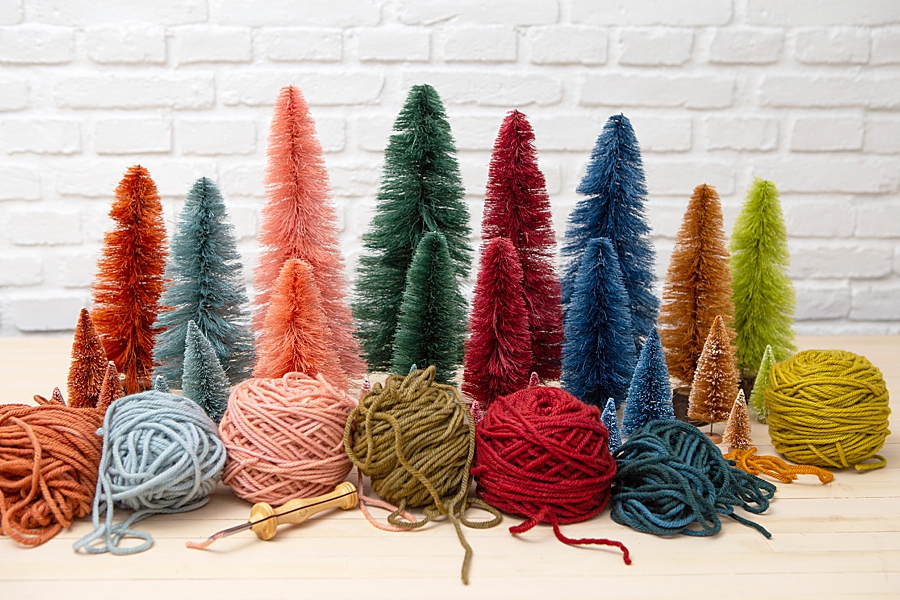
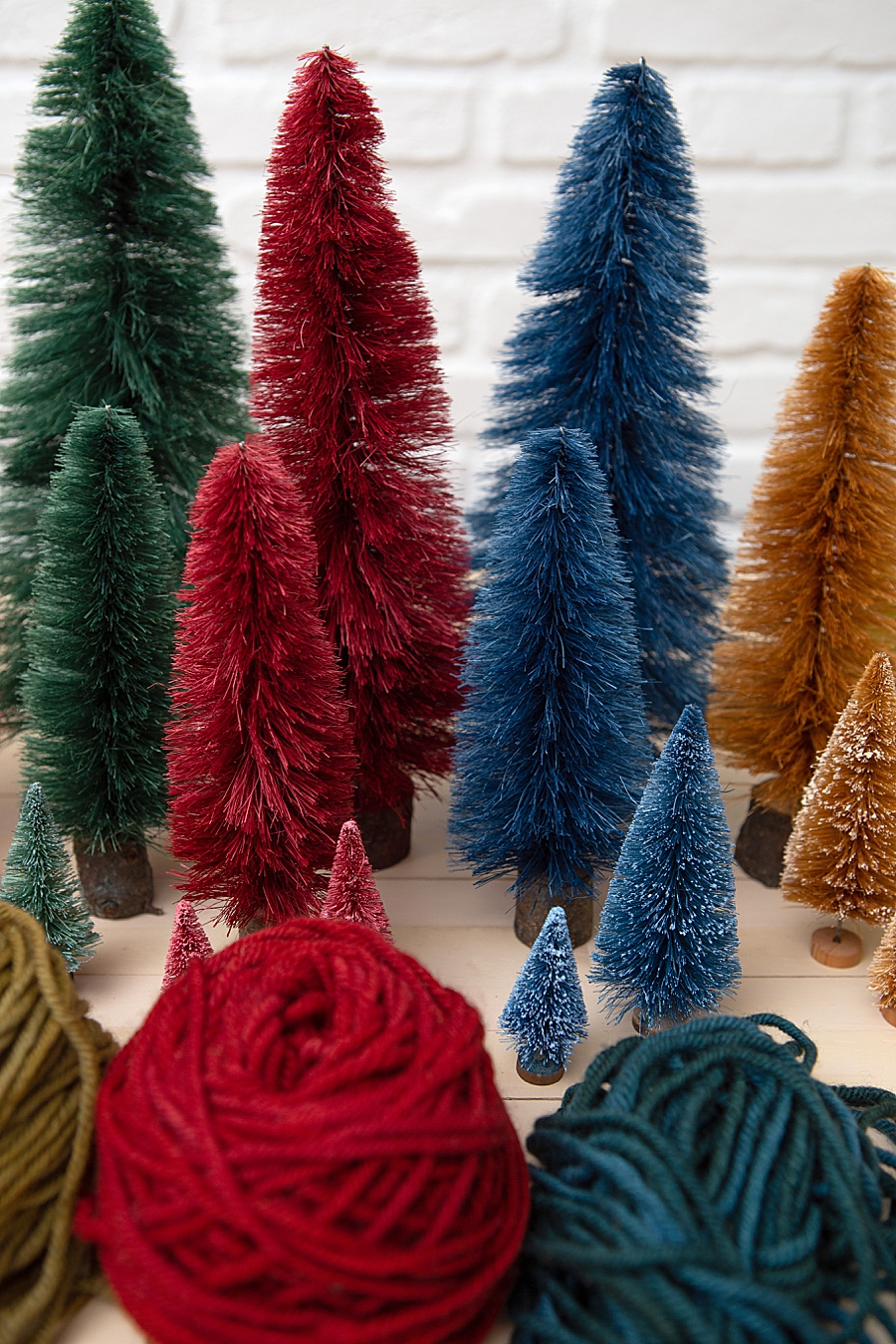
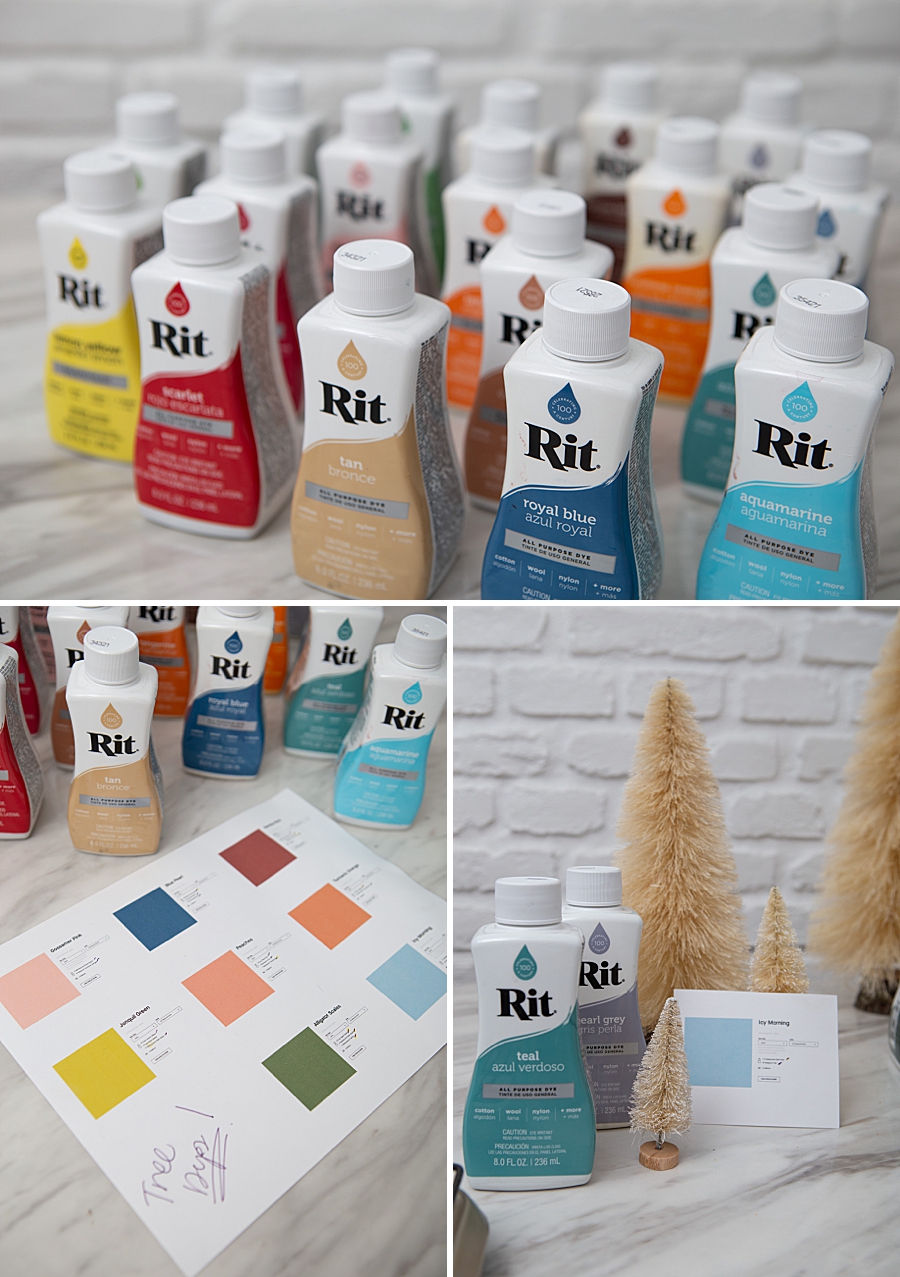
To achieve a precise match with high-end textiles—specifically the Cardo yarn by Manos del Uruguay used in the associated punch needle projects—specialized color formulas are required. Utilizing resources such as the Rit Dye Color Formula database, practitioners can calculate specific ratios of primary and secondary liquid dyes to replicate complex shades. This data-driven approach to color theory ensures that the resulting ornaments maintain visual harmony with other heirloom elements, such as custom-made family stockings.
Immersion and Saturation Parameters
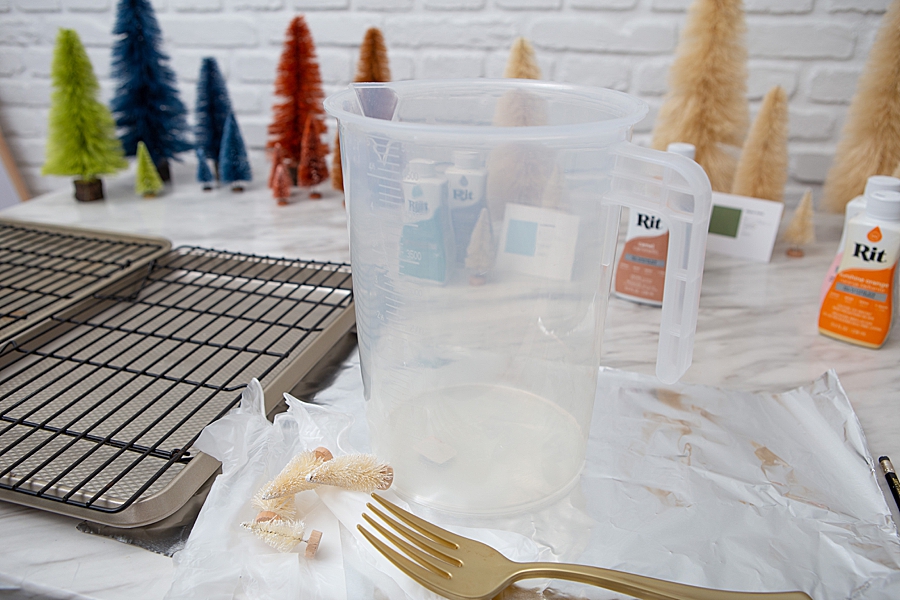
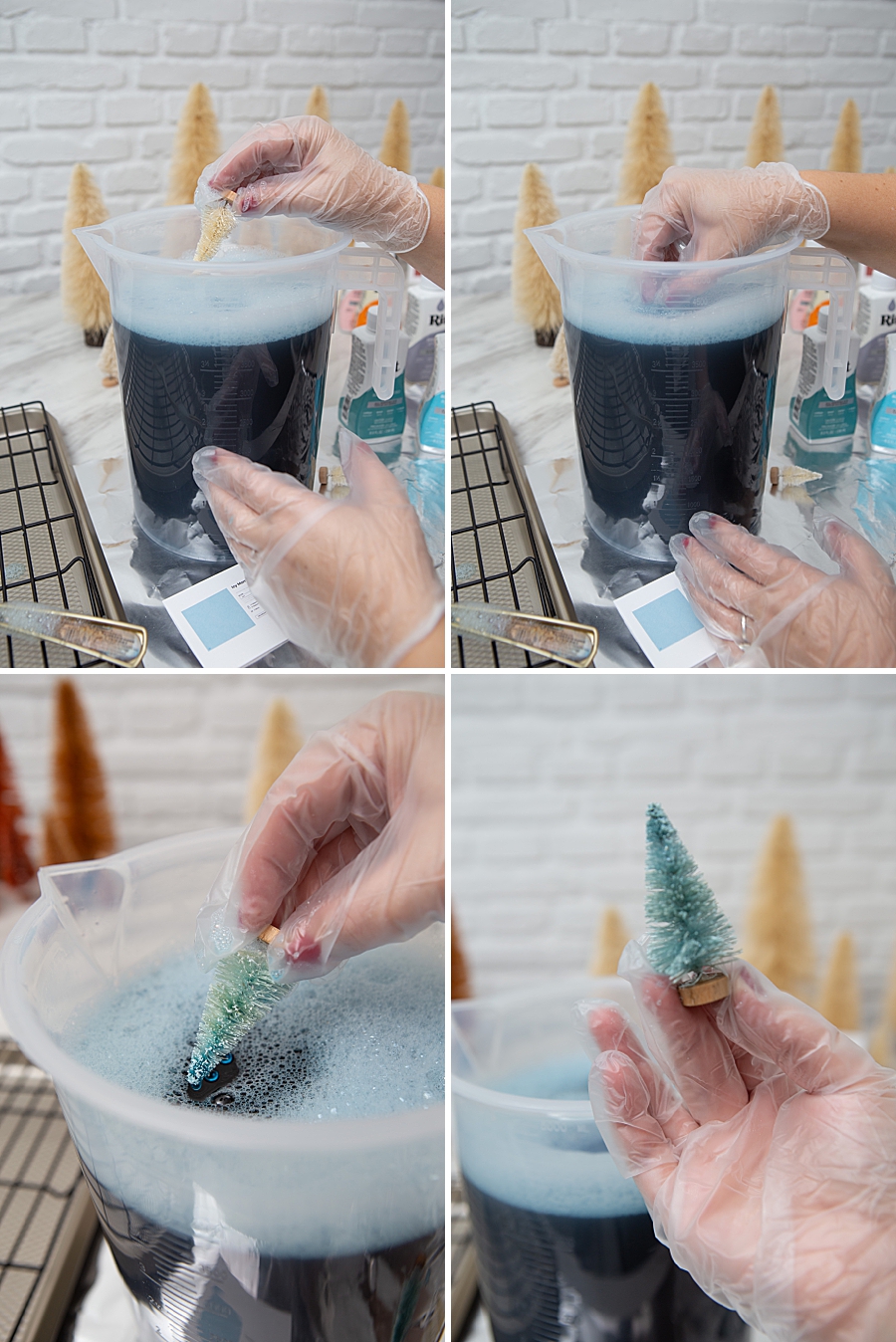
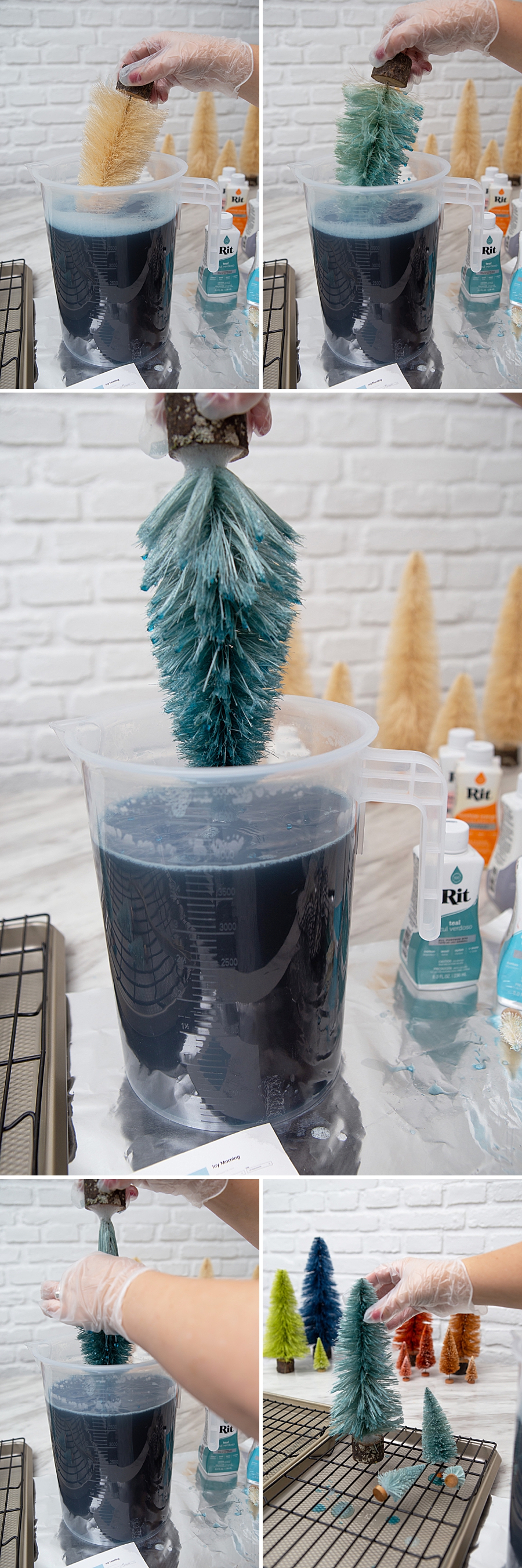
The physical application of the dye involves a controlled immersion technique. Data indicates that a 45-second submersion duration is optimal for achieving deep saturation without oversaturating the wooden base of the tree or causing fiber degradation. Following the immersion, the removal of excess moisture through manual compression and gravitational dripping is essential to prevent "pooling," which can lead to uneven color distribution or "hot spots" on the ornament’s surface.
Curing and Structural Maintenance
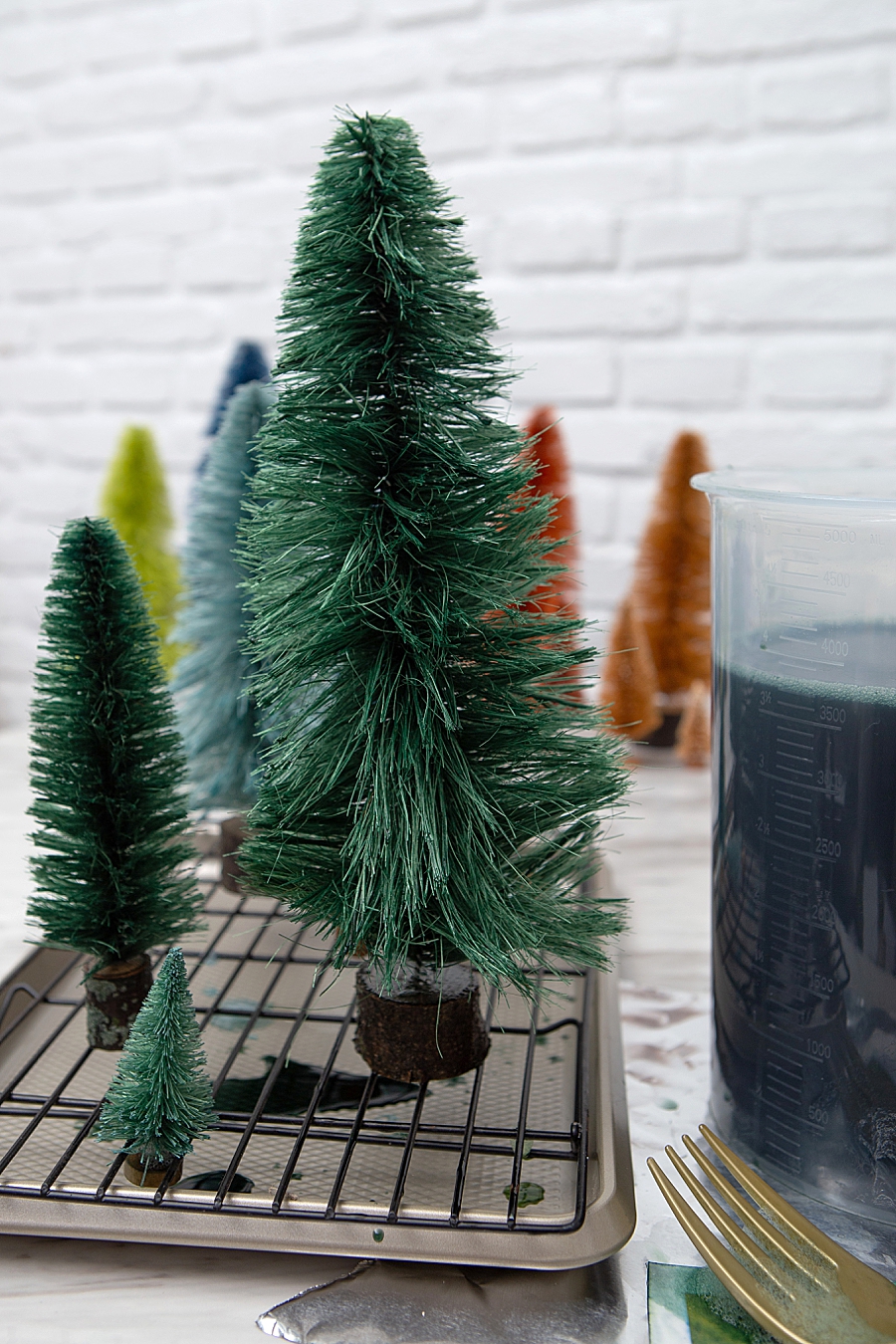
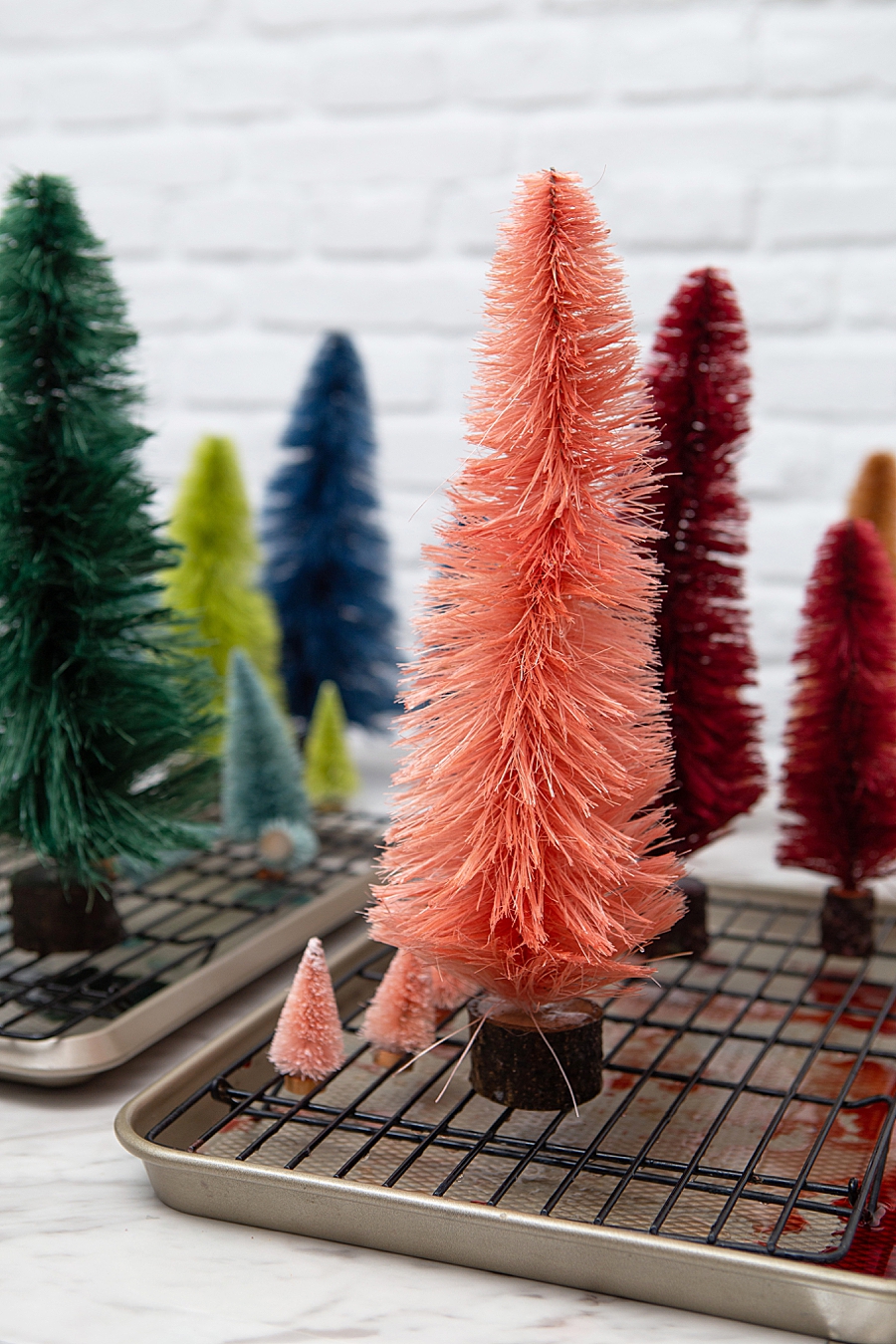
The final stage of the process is the drying phase, which requires a minimum of 12 hours in a temperature-controlled environment. The trees are typically positioned on elevated cooling racks to allow for 360-degree airflow. This prevents the flattening of the bristles and ensures that the structural integrity of the conical shape is maintained as the fibers contract during the evaporation process.
Economic and Market Context: The "Slow Decor" Movement
The resurgence of interest in DIY customization and artisanal sourcing is a subset of the broader "Slow Decor" movement. Much like "Slow Fashion," this philosophy emphasizes the acquisition of fewer, higher-quality items that possess a narrative or personal connection. According to market analysis of the craft and hobby industry, the domestic DIY sector has seen a compound annual growth rate (CAGR) of approximately 4.5% over the last five years, with a notable spike in the "home personalization" category.
The economic implications of this shift are twofold. First, it provides a robust platform for micro-manufacturers like Studio59 Handmade to compete with global conglomerates by offering customization and quality that industrial processes cannot replicate. Second, it increases the lifetime value of holiday decor. While a mass-produced plastic tree may be discarded after a single season, a hand-dyed sisal tree, coordinated with handmade stockings, is categorized as an heirloom item, intended for decades of use.
Environmental Impact and Sustainability Analysis
The transition from mass-produced synthetic decor to customized natural fibers also carries significant environmental implications. Industrial holiday decorations are frequently composed of PVC (polyvinyl chloride) and other non-biodegradable plastics, which contribute to long-term landfill waste. In contrast, sisal is a natural fiber derived from the Agave sisalana plant, a renewable resource that is biodegradable.
The use of concentrated dyes, when managed responsibly, represents a lower environmental footprint than the large-scale industrial painting and chemical coating processes used in overseas factories. By opting for a "dye-at-home" model, the carbon emissions associated with the global shipping of multiple color variations are reduced, as the consumer only requires the base natural product and small quantities of concentrated pigment.
Supporting Data and Consumer Trends
Recent surveys from artisanal marketplaces indicate that "customizable" and "handmade" remain top-performing search terms during the fourth-quarter retail period. Data from Etsy, Inc. suggests that consumers are willing to pay a premium of 20% to 35% for holiday items that are manufactured within their own region, citing "material quality" and "uniqueness" as the primary motivators.
Furthermore, the integration of social media platforms like Instagram and TikTok has transformed the DIY process from a private hobby into a collaborative public event. The documentation of the bottle brush dyeing process on "Instagram Reels" serves not only as an instructional guide but as a form of social proof, validating the feasibility of high-level customization for the average consumer. This "democratization of design" allows individuals to achieve professional-grade results through the application of specific technical instructions.
Broader Impact on the Fiber Arts Community
The project’s focus on matching trees to punch needle stockings highlights the cross-pollination of different craft disciplines. Punch needle embroidery, a technique that dates back to the 19th century, has seen a modern revival among younger demographics seeking tactile, meditative hobbies. By linking this traditional textile art with the customization of 3D ornaments, creators are building cohesive "aesthetic ecosystems" within the home.
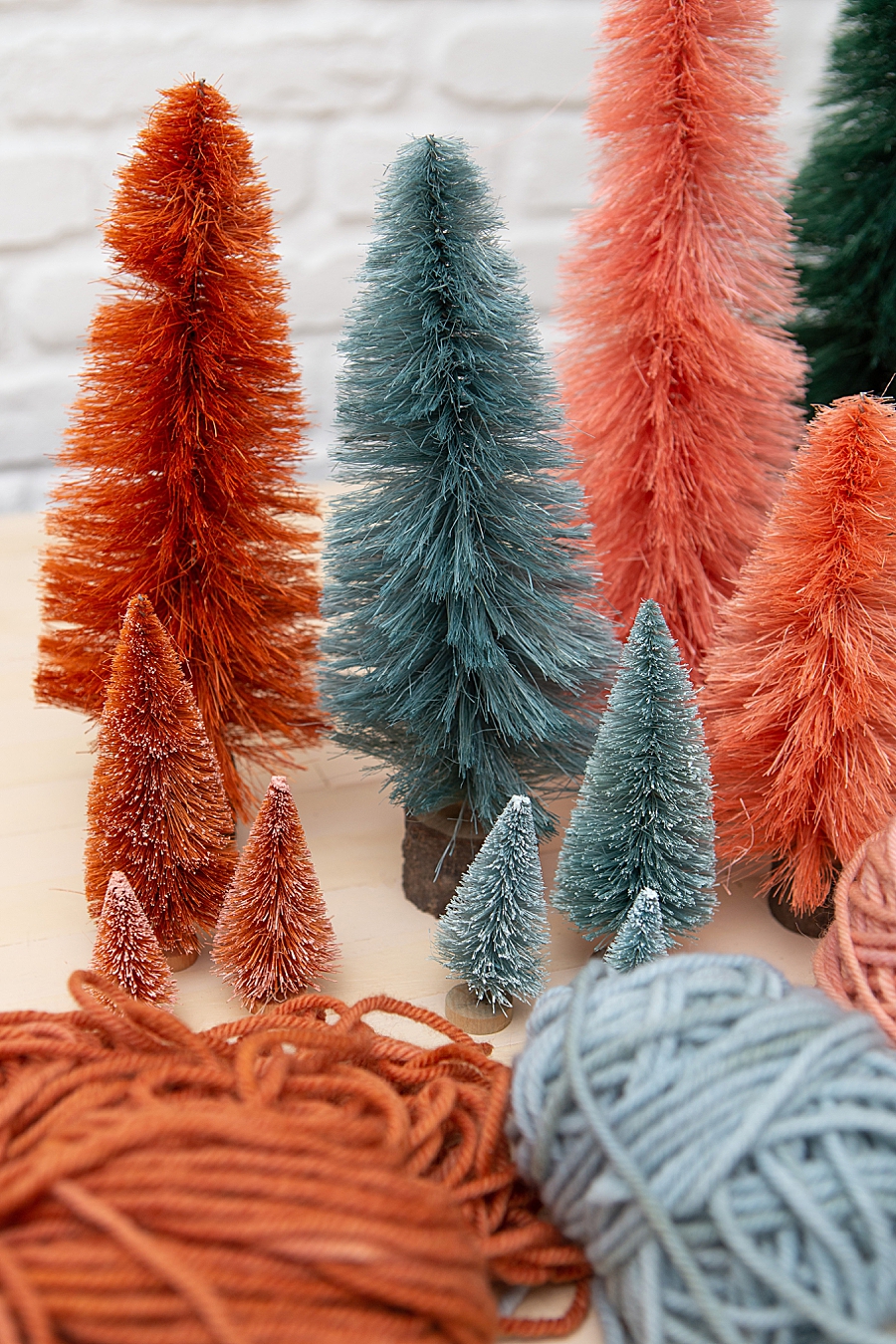
The Manos del Uruguay yarn mentioned in the project provides an additional layer of ethical significance. As a member of the World Fair Trade Organization, the production of this yarn supports rural women in Uruguay. The choice to use such materials reflects a sophisticated consumer profile that considers the entire supply chain—from the ethical sourcing of wool to the domestic manufacturing of sisal trees and the final chemical customization of the product.
Conclusion: The Future of Personalized Holiday Environments
The technical process of dip-dyeing bottle brush trees is more than a simple craft project; it is a manifestation of contemporary consumer values. As the market continues to evolve, the emphasis on precision, domestic sourcing, and material transparency is expected to intensify. The methodology developed by industry leaders like Jen Causey-Kidder provides a blueprint for how consumers can take agency over their environments, moving away from the "one-size-fits-all" model of the 20th century toward a more intentional, technical, and artisanal approach to seasonal celebration.
This shift suggests a future where holiday decor is not merely purchased, but "engineered" to fit the specific aesthetic and ethical parameters of the modern household. As domestic artisans continue to refine their offerings and technical guides become more accessible, the barrier between professional interior design and home-based craftsmanship will continue to dissolve, leading to a more diverse and sustainable holiday decor landscape.