If you have encountered the term "wedding maxxing" and instinctively associated it with opulent, layered decor, you are among many who misinterpret its true meaning. Far from being an aesthetic style, wedding maxxing represents a strategic financial reallocation within the increasingly complex landscape of modern nuptials, shifting investment from transient physical objects to enduring guest experiences. This evolving approach reflects a broader consumer trend towards value-conscious spending and sustainability, fundamentally reshaping how couples plan their most significant celebrations.
Unpacking the "Wedding Maxxing" Phenomenon
At its core, wedding maxxing is a philosophy of resource allocation, not a dictate on aesthetics. While maximalism refers to a decor style characterized by abundance, layers, and vibrant color, wedding maxxing is a deliberate decision-making process about where each dollar is spent. It can manifest in a minimalist design or an extravagant one; the key differentiator lies in the purpose of the expenditure. The guiding principle is elegantly simple: invest significantly in elements that directly enhance the guest experience, and reduce spending on physical objects that serve a singular, brief purpose before being discarded or stored indefinitely.
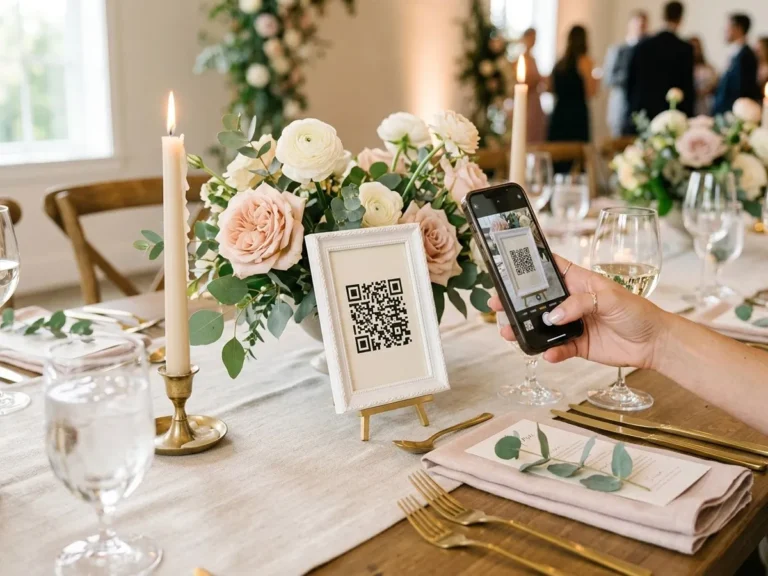
This strategic pivot challenges traditional wedding planning, which has historically placed a premium on visually impressive, often single-use items like elaborate signage, personalized favors, and intricate table settings. These elements, while aesthetically pleasing in the moment, are frequently forgotten by the next day. In contrast, the components that truly shape the atmosphere and lasting memories – exceptional food, engaging music, seamless event flow, and guest comfort – are the ones that resonate for years. The current trend suggests that couples are increasingly recognizing this disparity, opting to fund the intangible rather than the disposable.
The Evolving Economic Landscape of Weddings
The emergence of wedding maxxing is not occurring in a vacuum; it is a direct response to the persistent financial pressures and evolving consumer values within the wedding industry. Despite the strategic reallocation, the overall cost of weddings remains robust. According to Zola’s 2026 First Look Report, which surveyed over 11,500 couples planning weddings for that year, the average cost of a wedding is projected to remain at a record high of $36,000. This figure marks the second consecutive year at this elevated level, with a striking 85% of couples asserting that the investment will be "worth every penny." This data point is crucial: wedding maxxing is not primarily about reducing the overall budget, but rather optimizing its impact. The money isn’t disappearing; it’s simply being redirected to different, more impactful categories.
Simultaneously, a parallel shift is transforming the market for wedding-related goods. While average wedding costs hold steady, the lifecycle of physical decor items is dramatically shortening, with a significant movement towards the resale market. Data provided by BuyWander, an auction site specializing in returned and overstock retail inventory, offers compelling evidence of this trend. In the 12 months leading up to August 2026, the platform listed an astonishing 58,282 wedding-related items and successfully sold 55,879 of them, achieving an impressive 96% sell rate.
The financial implications of this shift are profound. These listed items carried a combined retail value of approximately $3.17 million but ultimately sold for a mere $665,871. This represents a colossal markdown, illustrating the rapid depreciation of new wedding items once they leave traditional retail channels. BuyWander reports that its wedding category is its fastest-scaling segment, with monthly wedding volume surging 23 times over and July 2026 marking its highest month on record. While these are first-party figures, the direction is unmistakable: physical wedding objects are increasingly bypassing, or quickly exiting, the traditional retail supply chain in favor of more circular, value-driven models. This suggests a systemic change, driven by both economic prudence and a growing consciousness about consumption.
The Impermanence of Objects vs. The Enduring Power of Experience
The rationale behind divesting from physical objects stems from a fundamental understanding of their "cost-per-use" value. A bespoke welcome sign, meticulously crafted table numbers, or individual guest favors typically have an extremely limited lifespan of utility – often just a few hours. Once the event concludes, these items either contribute to landfill waste or become forgotten clutter in a closet. This ephemeral nature means their initial cost, often significant, is quickly amortized over a minimal period of engagement, resulting in a poor return on investment from a purely practical standpoint.
Conversely, the same objects often retain a considerable "resale floor," meaning they can be acquired at a fraction of their original price by another couple planning their wedding. This creates a powerful incentive for buyers to seek out secondhand options and for sellers to recoup some of their initial outlay.
Experience spending operates on an entirely different principle. You cannot resell a gourmet dinner, a perfectly curated playlist that fills the dance floor, or the smooth execution of a timeline by a professional coordinator. The money invested in these services is "gone" the moment it is spent, yet it generates intangible value that is precisely why it is deemed worthwhile. The memories, the joy, the comfort, and the overall atmosphere created by these experiential elements are priceless and irreplaceable.
Jordan Allen, Co-Founder and CEO of BuyWander, encapsulates this sentiment: "Wedding maxxing is really just value-conscious shopping catching up with the rest of retail. Consumers have already gotten comfortable buying open-box electronics or returned furniture at lower prices, and we’re seeing that same mindset extend to weddings. In the last 12 months, more than 58,000 wedding-related items have been listed on BuyWander, and we’ve seen wedding dresses sell for as little as $5 at auction. You’re bidding on real supply instead of following a traditional retail path." This framing normalizes the practice, positioning it not as "penny-pinching" but as a smart, modern consumer behavior.
The regret associated with misallocated spending runs deep for many couples. Anna Gantt, Marketing Director at The Barn at Coley Creek, a budget-friendly wedding venue in North Carolina, frequently hears post-wedding feedback that underscores this point. "We often hear things like signage or trendy items that only serve one purpose can end up feeling like they wasted a lot of money for something that had a short lifespan," Gantt observes. "After the wedding day is over, our couples have come back to us and say they wish that they would have simplified the decor and put that money toward something more meaningful like food, photography, or their honeymoon." Her comments highlight a common sentiment that prioritizes lasting memories and genuine enjoyment over fleeting visual elements.
Strategic Reallocation: Where the Money Moves
When couples embrace wedding maxxing, their financial priorities shift dramatically towards elements that amplify the guest experience. Seasoned wedding planners consistently recommend investing in a core set of services that directly impact how guests perceive and remember the day. These typically include high-quality catering, exceptional entertainment, and professional coordination. Each of these categories compounds across the entire guest journey, influencing multiple touchpoints rather than being confined to a single, static display.
Anna Gantt confirms this trend at her venue: "We’re continuing to see couples shift their focus from decorations to the guest experience, regardless of their budget. They want their guests to feel something and have a memorable time, instead of attending and observing the venue space." In practice, this often translates into interactive food and drink stations, such as food trucks or specialized cocktail bars, which offer both novelty and engagement. Photo booths and disposable cameras provide entertainment and tangible keepsakes, while lawn games foster a relaxed, social atmosphere. Live music, from bands to DJs, is consistently prioritized for its ability to set the mood and energize the dance floor. Even niche services like live wedding painters, who create a unique piece of art capturing the day, are gaining popularity for their experiential value. Gantt notes that while these trends might be more prevalent at higher-budget weddings, "couples at any budget can prioritize experiences. It’s really about where they choose to spend their money."
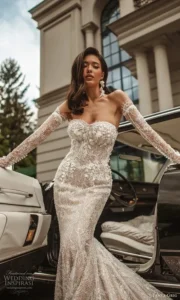
Conversely, the "spend-down" half of wedding maxxing targets items traditionally associated with decor and favors. This category includes signage, various decorative elements (vases, candles, lighting), favors, table extras like elaborate place settings or menu cards, specialized glassware, and often, even the wedding dress itself. This is where the secondhand market, including auction sites and peer-to-peer resale platforms, plays a pivotal role in delivering substantial cost savings. The discounts available can be staggering. BuyWander, for instance, reported a $400 wedding dress selling for $37.95 in Spokane, and two dresses that fetched just $4.60 each, representing a 97% discount off their retail price. While these are auction outliers, they powerfully illustrate the potential for drastic price reductions once an item is no longer considered brand new.
The Mechanics of Secondhand Sourcing: Auction vs. Resale
Navigating the secondhand market for wedding items requires understanding the distinctions between direct resale and auction platforms. Resale typically involves a listed price set by the seller, offering a more predictable transaction with often clearer condition descriptions. Popular platforms for this include specialized wedding resale sites, Facebook Marketplace, and even general e-commerce sites.
Auction, on the other hand, involves bidding on items, often starting at a low price, with the final cost determined by competitive bidding. While auctions can yield significantly greater savings, they come with increased risks. Items are often returned or overstock inventory, meaning their condition can vary widely, and they are frequently sold "as-is," with limited or no return options.
For those considering the auction route, due diligence is paramount. Prospective bidders must meticulously read condition notes, as "returned" can signify anything from a minor packaging defect to functional damage. It is crucial to set a hard maximum bid before entering the auction and adhere to it, avoiding emotional overspending. Critically, understanding the return window and policy before bidding is essential. Finally, bidders must assess their ability to absorb the item arriving in an unusable condition, as a replacement run on a wedding timeline can often negate any initial savings.
A significant, yet often overlooked, caveat for auction platforms like BuyWander is their operational model: they are local pickup only. As of August 2026, BuyWander operated eight locations across the U.S. (Spokane Valley WA, Kent WA, Portland OR, West Valley City UT, West Sacramento CA, Denver CO, Addison IL, and Plymouth MN). Their PR team indicates future expansion, but for now, the availability of these deep discounts is geographically restricted. The $37.95 wedding dress sold in Spokane because a buyer in Spokane was able to drive to a warehouse for pickup. If a couple does not live near one of these cities, these specific price points are simply inaccessible.
For the vast majority of couples without local access to such auction warehouses, the nationally available equivalents remain vital: online resale sites, local Facebook Marketplace groups, estate sales, and thrift stores. These avenues, while potentially slower and less dramatic in their discounts, offer universal accessibility and remain highly effective for sourcing secondhand wedding items.
It is also important to recognize when auction buying is not a suitable option. Couples should skip the auction route entirely if they have a highly specific vision for an item that leaves no room for variation, if their wedding timeline is too tight to accommodate potential replacements, or if they require items in pristine, guaranteed condition. There is no inherent shame in paying retail for the select few items that absolutely must be perfect for the big day.
Real-World Adoption and Shifting Priorities
To test the practical application of wedding maxxing beyond industry reports, an analysis of The Budget Savvy Bride’s own database of 940 real weddings offers unique insights. This internal archive tracks budget and vendor details, allowing for a retrospective look at couples’ spending patterns. Two key fields – whether a couple hired a planner or day-of coordinator (an "experience" investment) and whether they hired a professional florist (often a "decor/object" investment) – directly map onto the wedding maxxing framework.
Historically, the aggregate data from this archive suggested a trend opposite to wedding maxxing: roughly two-thirds of couples skipped coordination, while a majority still opted for professional florists. This indicates a traditional emphasis on visible aesthetics over unseen logistical support.
However, a closer examination of recent data reveals a compelling shift. When isolating the 168 weddings published since 2022, the picture changes significantly. Half of these recent couples (71 out of 142 who answered) hired a planner or day-of coordinator, a marked increase compared to under a third of earlier couples (192 out of 665). Importantly, other spending patterns remained relatively steady: approximately 60% of couples in both groups still hired a professional florist, and the median total budget for both sets remained around $10,000. This crucial detail indicates that newer couples are not spending more overall; they are actively reallocating existing funds towards coordination – a clear embodiment of the wedding maxxing instinct, even within constrained budgets.
It is vital to provide context for this internal data: it is not a representative national survey but rather a collection of weddings submitted by couples, predominantly predating 2022. The recent group is also considerably smaller. Nevertheless, the directional shift within this specific dataset is noteworthy, suggesting an emerging trend among a subset of budget-conscious couples.
The average budget within this dataset (approximately $11,600 for the 893 weddings reporting a total budget) is well below the national average of $36,000. At this budget level, the reallocation becomes even more critical. The trade-off is not merely between "experience" and "objects," but often between what will be visibly photographed and what will not. Flowers, for instance, easily pass the "visible and photographed" test, which likely explains why their inclusion held steady. Coordination, traditionally less visible, is now being prioritized by newer couples, demonstrating a deeper appreciation for its impact on the day’s seamless flow and overall guest enjoyment.
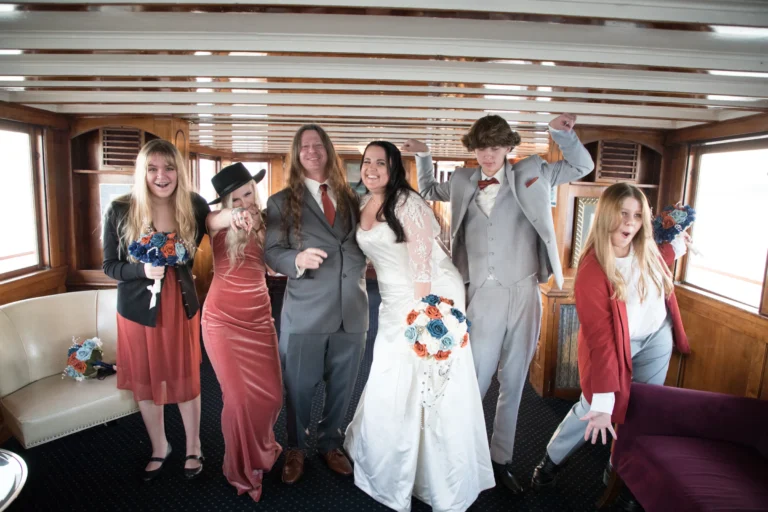
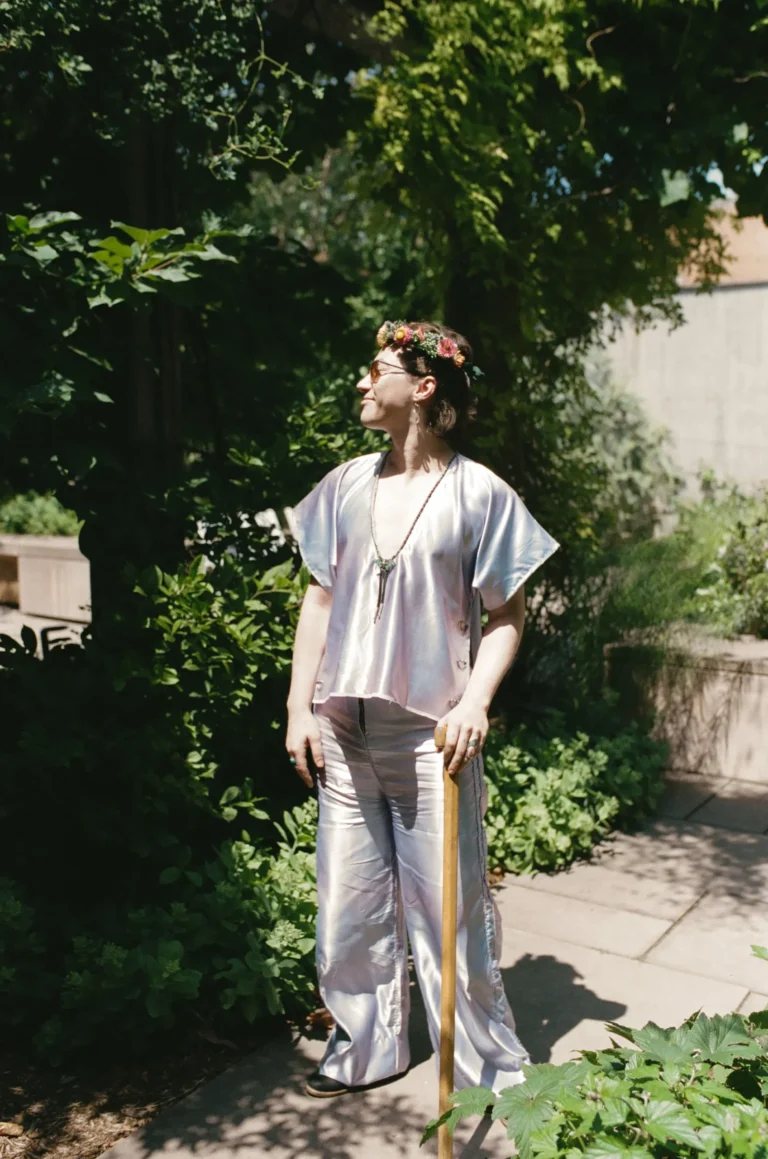
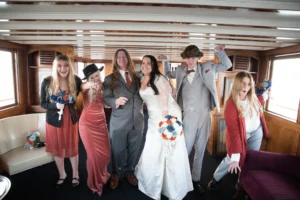
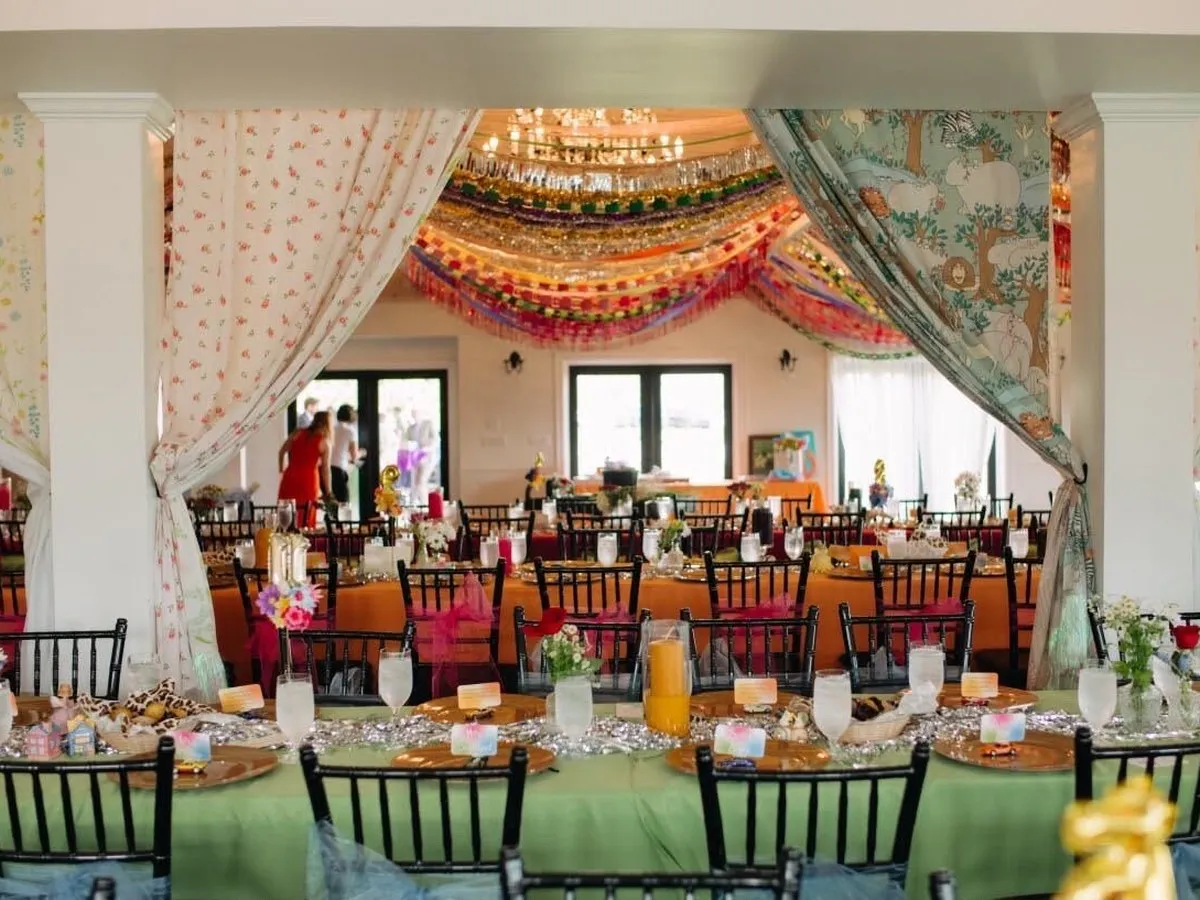
A compelling real-world example of wedding maxxing in action is Nixi Swedlund-Tomlinson’s wedding, which perfectly embodies this strategic trade-off. Nixi explicitly stated her desire for a "thrifty and crafty" wedding, driven not just by cost-saving but by a passion for "creativity and originality." Her celebration was a vibrant "colorful explosion" where almost every decision was influenced by vintage finds or the "incredible crafty skills of the women in my life."
The specifics of Nixi’s wedding are a testament to personalized, experience-focused planning. Her venue featured a ceiling drenched in decor, oversized letters spelling out her and her husband’s names, unique glassware for every guest, homemade tomato sauce as favors, and an 8-foot-long rug hand-latched by her mother. Even her wedding cake was "made with love or hunted down on Ebay." This level of personalization and creative sourcing was a collective effort, with "half a dozen friends and family members with the thrift list open and eyes peeled wherever they went." Crucially, her planner, Emily Hinshaw of Emerald Haus, and her mother managed the setup, allowing Nixi to enjoy her day without logistical stress – a clear "experience" investment. Nixi’s takeaway resonates with the core of wedding maxxing: "Our wedding screamed ‘joy’… because we put in the extra work to find the things that felt right." Her experience underscores that the value lies not in the newness or cost of items, but in their ability to reflect personality and create genuine happiness.
Strategic Planning: Implementing Wedding Maxxing in Your Budget
For couples inspired to apply the principles of wedding maxxing to their own celebrations, the process is straightforward and analytical. It requires a systematic review of planned expenditures rather than adherence to a specific trend.
- List Every Expense: Begin by compiling a comprehensive list of all anticipated wedding expenses, from major vendors to minor decorative details.
- Categorize Each Item: For each line item, determine whether it primarily contributes to the "Guest Experience" (e.g., food, beverages, entertainment, photography, coordination, comfortable seating, transportation) or falls into the "Single-Use Object/Decor" category (e.g., signage, favors, most decorative elements, specialized linens, disposable dinnerware).
- Prioritize Experience Investments: Identify the "Guest Experience" items that are most crucial for creating the desired atmosphere and lasting memories. These are the areas where full investment is justified and encouraged.
- Optimize Object Spending: For "Single-Use Object/Decor" items, actively explore alternatives to new retail purchases. This includes sourcing items secondhand (from online marketplaces, thrift stores, or specialized wedding resale groups), renting decor, or embracing DIY projects where feasible.
- Reallocate or Save: The savings generated from optimizing "Single-Use Object/Decor" spending can then be strategically reallocated to further enhance key "Guest Experience" categories or, if desired, contribute to reducing the overall wedding budget.
For a deeper dive into this process, resources that guide couples on where to splurge and save on a wedding can provide invaluable assistance in setting priorities and making informed financial decisions.
Broader Impact and Future Outlook
Wedding maxxing signifies more than just a passing trend; it represents a profound evolution in how modern weddings are conceptualized and financed. Its broader implications suggest a significant transformation within the wedding industry itself. We can anticipate continued growth in demand for experiential vendors such as caterers, entertainers, and, crucially, wedding planners and day-of coordinators. Conversely, traditional wedding decor retailers may need to adapt by offering more rental options, focusing on customizable and reusable pieces, or integrating with the burgeoning secondhand market.
Culturally, this shift aligns with a broader generational preference for authenticity, sustainability, and memorable experiences over material possessions. Younger couples, in particular, are often driven by a desire to reduce waste and create events that genuinely reflect their values, rather than conforming to conventional expectations of lavish, new purchases. By embracing the circular economy for wedding items, couples contribute to reducing environmental impact and promoting responsible consumption.
Furthermore, wedding maxxing has the potential to enhance accessibility within the wedding landscape. By providing viable avenues for significant cost savings on decor, it can empower couples with more modest budgets to invest in high-quality core experiences without compromising their financial stability. This democratizes the ability to create a truly memorable celebration, shifting the focus from overt displays of wealth to intentional, value-driven choices. The wedding sector of the resale market is poised for continued expansion, likely leading to the development of more dedicated platforms and specialized services catering to this growing demand.
The Bottom Line on Wedding Maxxing
Ultimately, wedding maxxing is not about spending less money overall, but about spending existing funds more intelligently. It empowers couples to direct their budgets towards elements that genuinely enhance the emotional resonance and practical enjoyment of their wedding day, while consciously opting out of the new-retail premium for items that have a robust and vibrant secondhand market.
Every couple’s version of wedding maxxing will be unique, reflecting their personal priorities, budget constraints, and aesthetic preferences. As demonstrated by the internal data from The Budget Savvy Bride, the specifics of this trade-off can vary significantly, especially as budgets shrink. There is inherent validity in a wedding that prioritizes a professional florist while opting out of favors, or one that invests heavily in coordination while sourcing all decor secondhand.
When preparing to plan a wedding, the most impactful first step is to engage in this sorting process. Utilize a comprehensive wedding budget spreadsheet to categorize each potential expenditure into "guest experience" or "single-use object." This analytical approach, coupled with an exploration of available resources for smart spending, will enable couples to create a celebration that is not only financially savvy but also deeply meaningful and truly unforgettable for themselves and their guests.