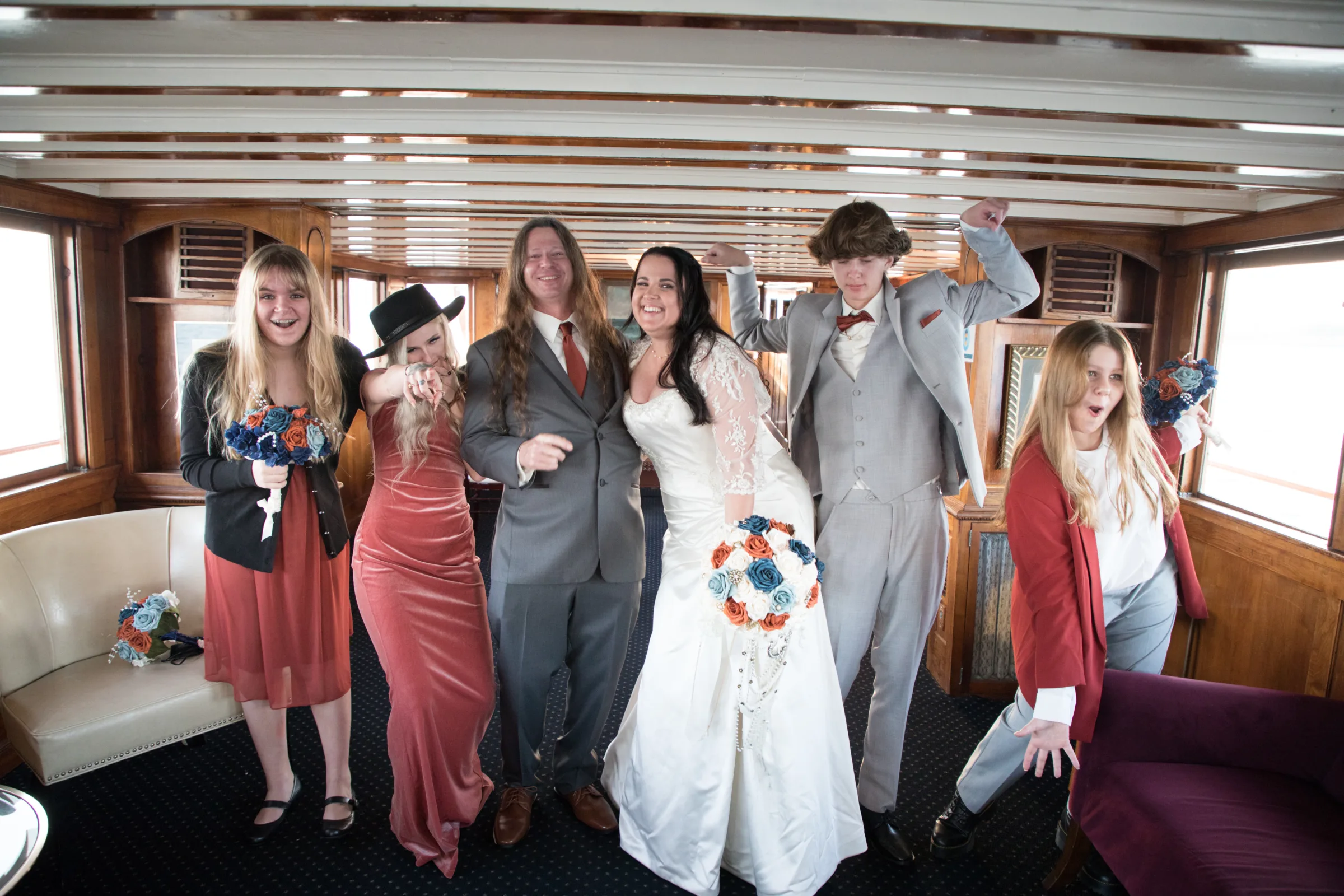
Navigating a wedding when one or both partners bring teenagers or adult children into the equation introduces a unique set of considerations often overlooked by conventional wedding planning guides. These ceremonies are not merely a union of two individuals, but the formation of a new, complex family unit, necessitating careful thought regarding the integration and emotional well-being of all involved, especially older children. Questions arise concerning their participation in planning, their roles in the ceremony itself, and how to respectfully address potential reluctance or apprehension. This article delves into expert insights and real-world examples to provide a comprehensive framework for thoughtfully involving teens and adult children in blended family weddings, emphasizing communication, empathy, and tailored approaches.
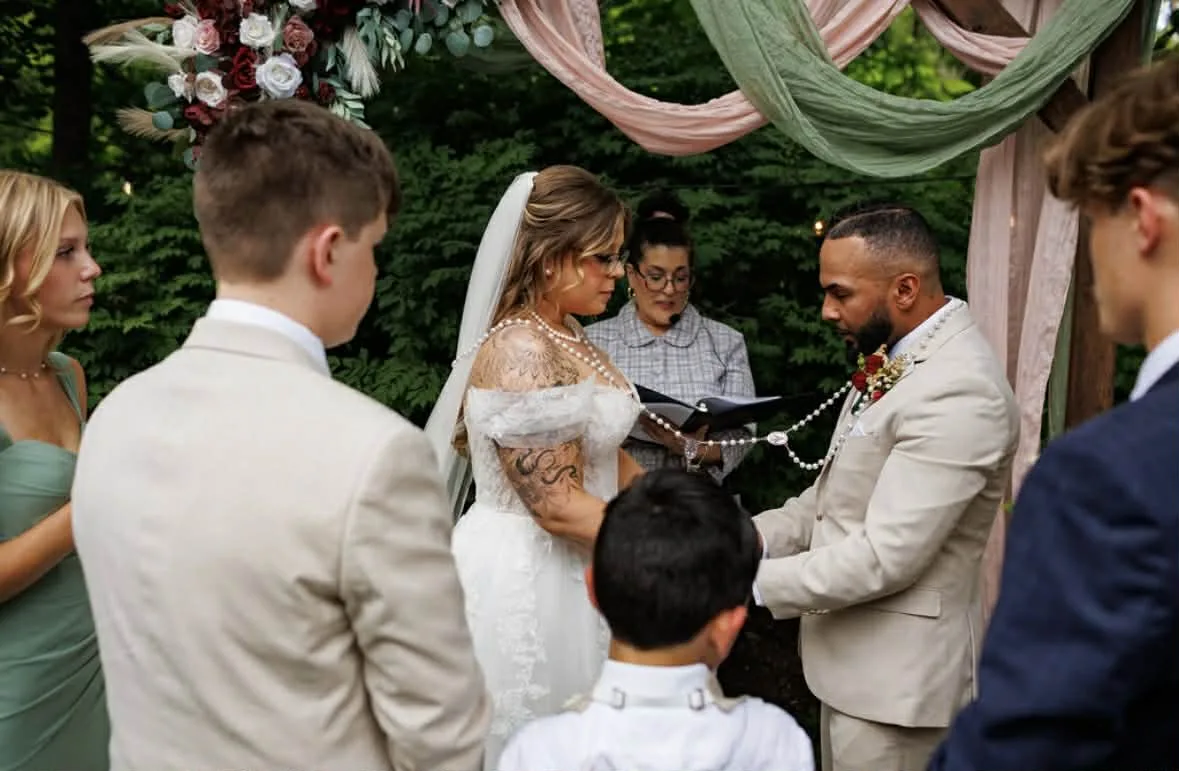
The Evolving Landscape of Modern Families
The rise of blended families is a significant demographic trend shaping contemporary society. According to the Pew Research Center, 16% of children in the U.S. live in a blended family, and the rate of remarriage has remained relatively stable, with about 40% of all marriages being remarriages for at least one spouse. Many individuals entering second or subsequent marriages are doing so in midlife, often bringing adolescent or adult children from previous relationships. This demographic shift underscores the critical need for wedding practices that acknowledge and embrace these complex family structures. For teens and adult children, a parent’s remarriage can evoke a spectrum of emotions, from excitement and happiness to apprehension, loyalty conflicts, or even unresolved grief from a previous family dissolution. Understanding these underlying dynamics is paramount for creating an inclusive and harmonious wedding experience.
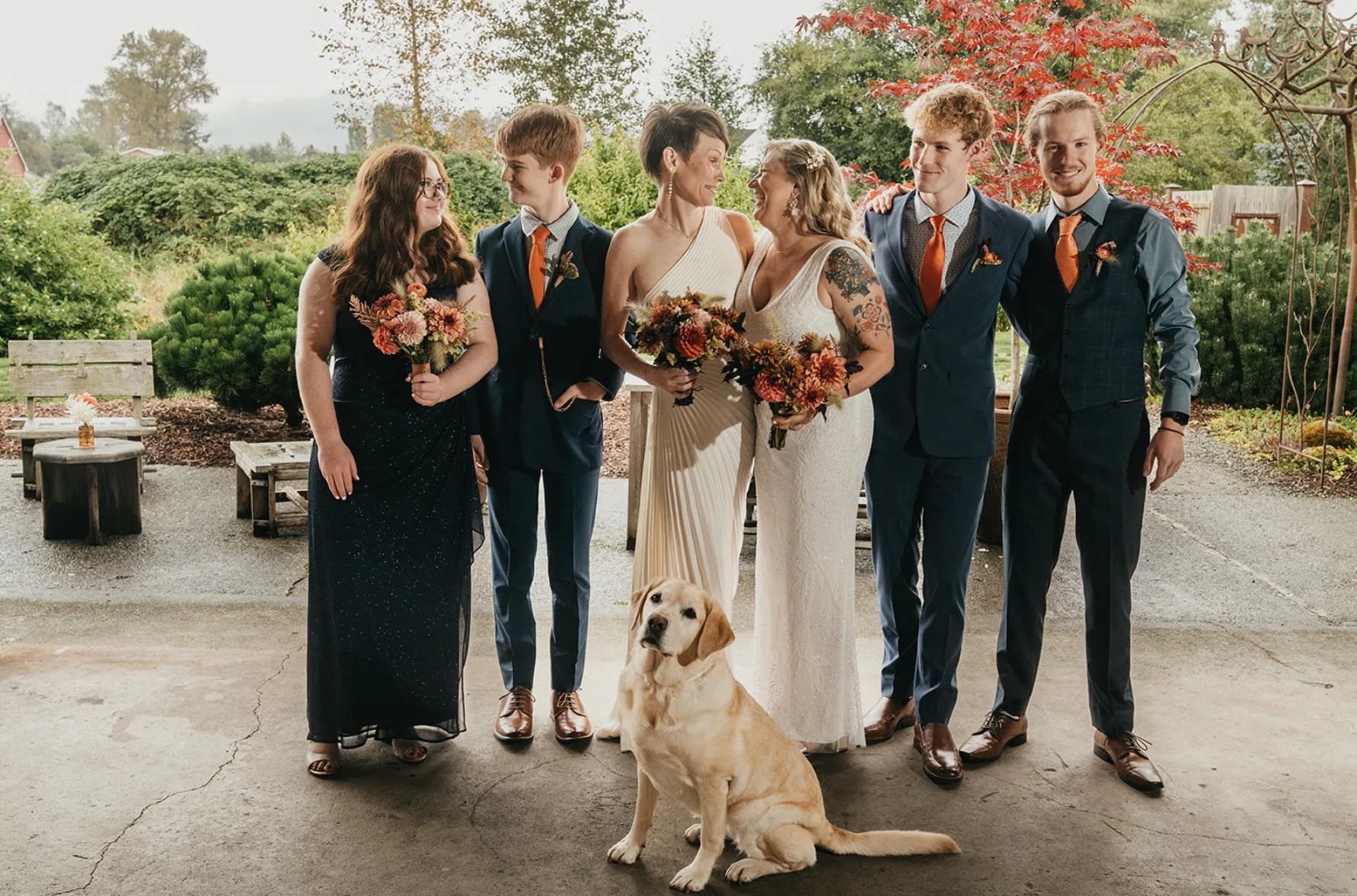
Beyond Traditional Roles: Expert Perspectives on Inclusive Planning
Wedding professionals specializing in blended family ceremonies consistently advocate for a flexible and sensitive approach to involving older children. Their experiences highlight that a one-size-fits-all model is ineffective, emphasizing personalized roles that honor individual comfort levels and strengthen new family bonds.
1. Strategic Pre-Wedding Engagement: Fostering Ownership
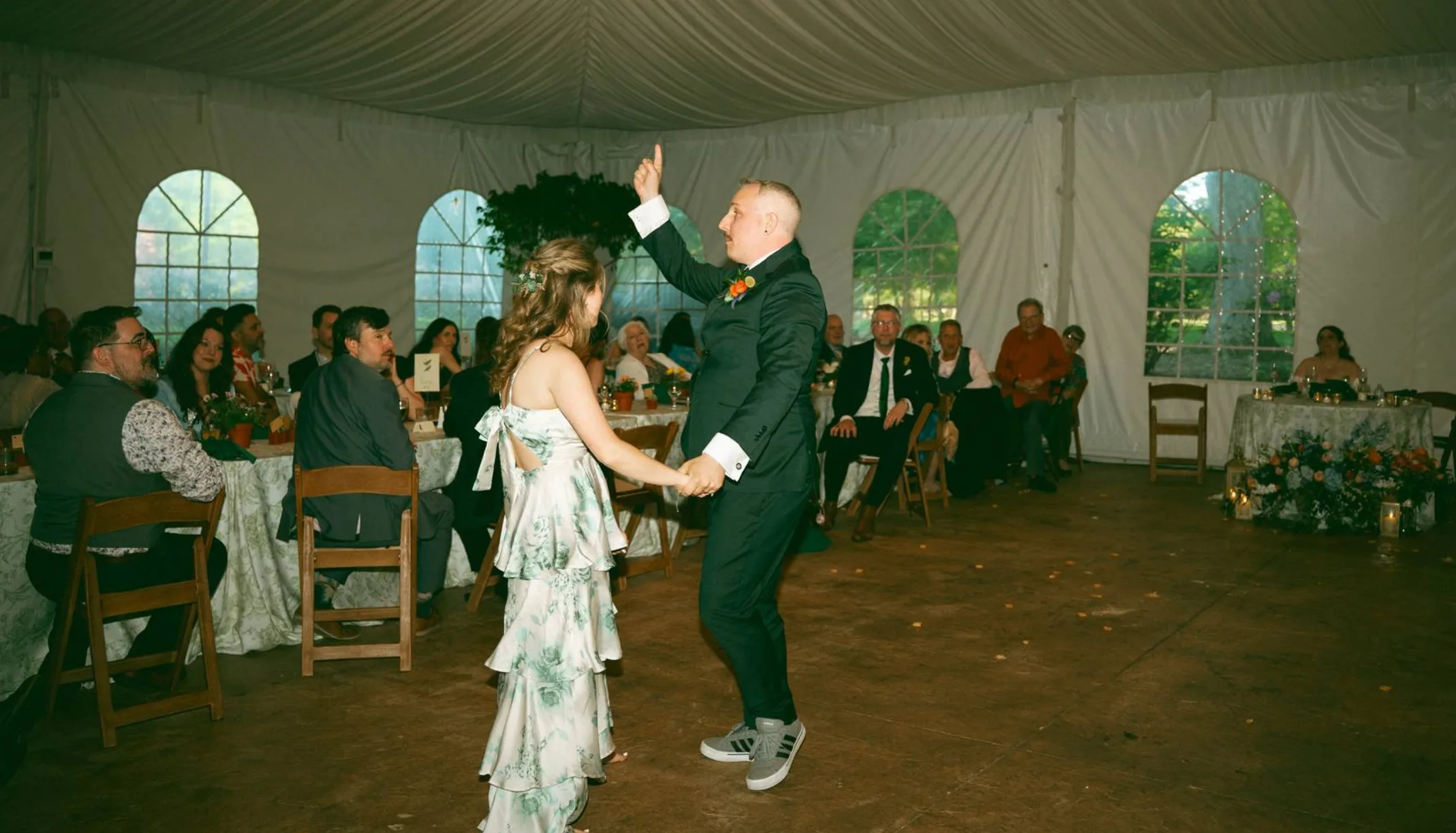
Involvement does not need to be confined to the wedding day itself; indeed, early engagement can be crucial for fostering acceptance and enthusiasm. Emily Berg, an Ohio-based wedding planner with Emily Berg Weddings & Events, recounts working with a groom whose 15-year-old daughter initially expressed hesitancy about the wedding. Berg’s strategy involved inviting the teen into the planning process, particularly in areas where her opinions would be genuinely valued, such as catering tastings. "Actually listen to what they have to say about the food," Berg advises, highlighting that giving teens a voice in tangible decisions, like selecting their attire, can transform apprehension into engagement. In this instance, the daughter transitioned from hesitant observer to an active participant, serving as an attendant, delivering a toast, and sharing a father-daughter dance. This demonstrates that early, meaningful involvement in logistical choices can build comfort and enthusiasm, laying a positive foundation. However, Berg cautions against assigning roles that force a child into the spotlight if they are inherently shy, underscoring the importance of respecting individual boundaries.
2. Ceremonial Integration: Meaningful Participation in the Spotlight
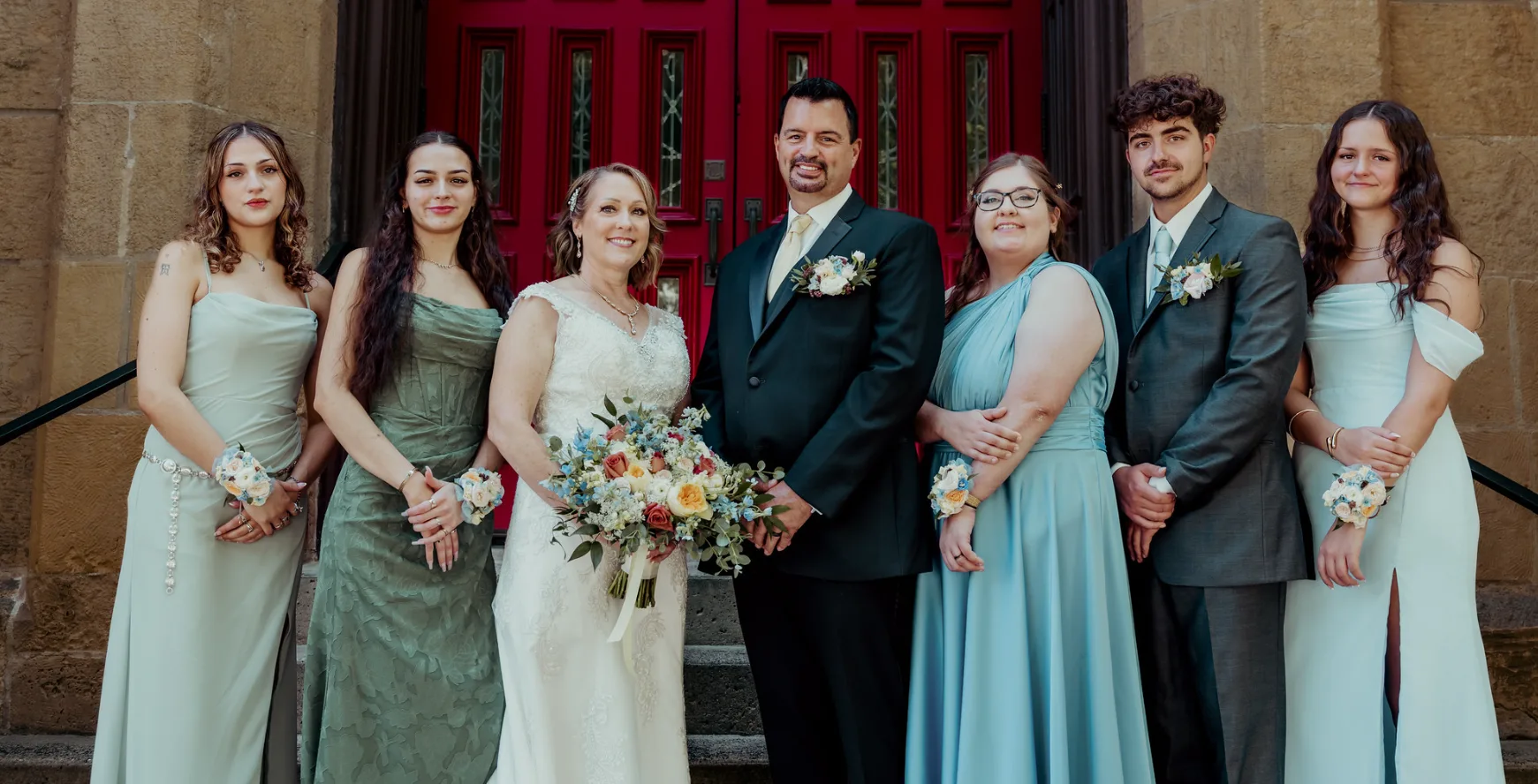
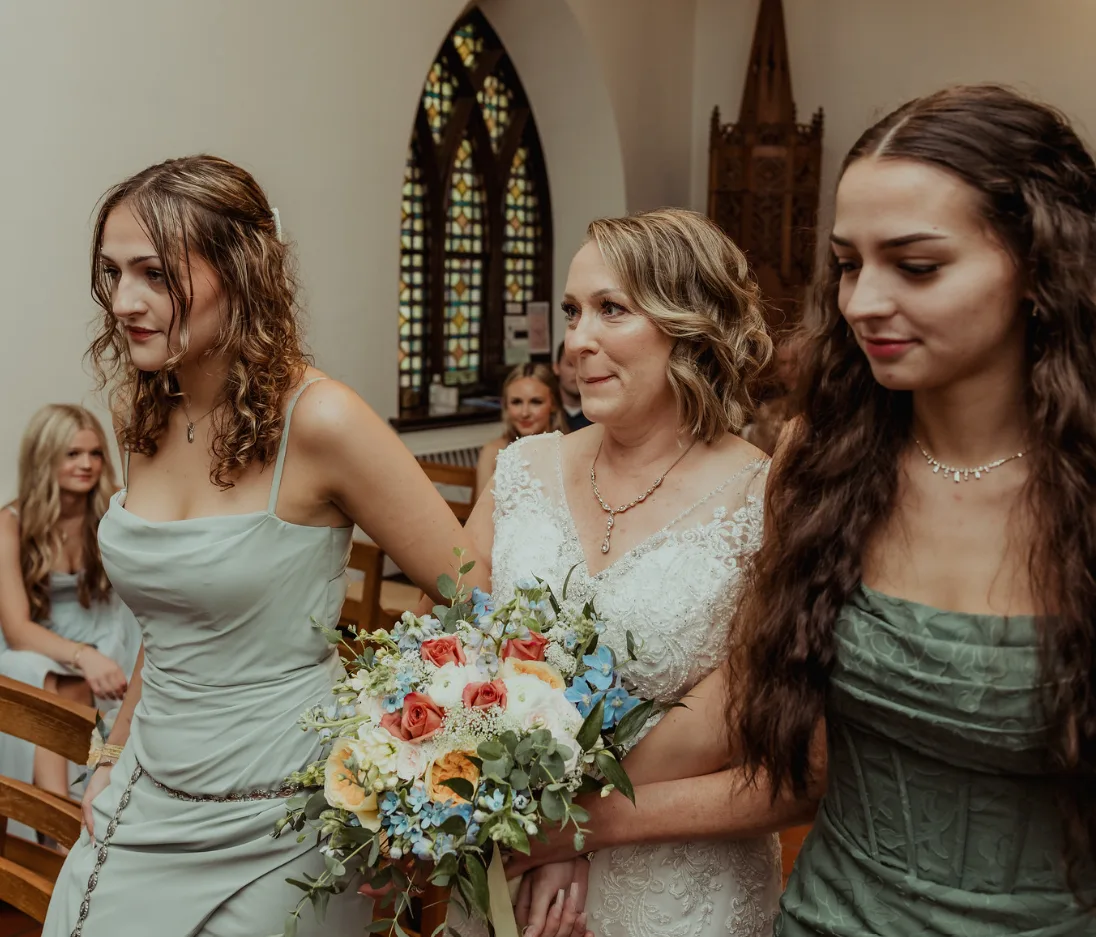
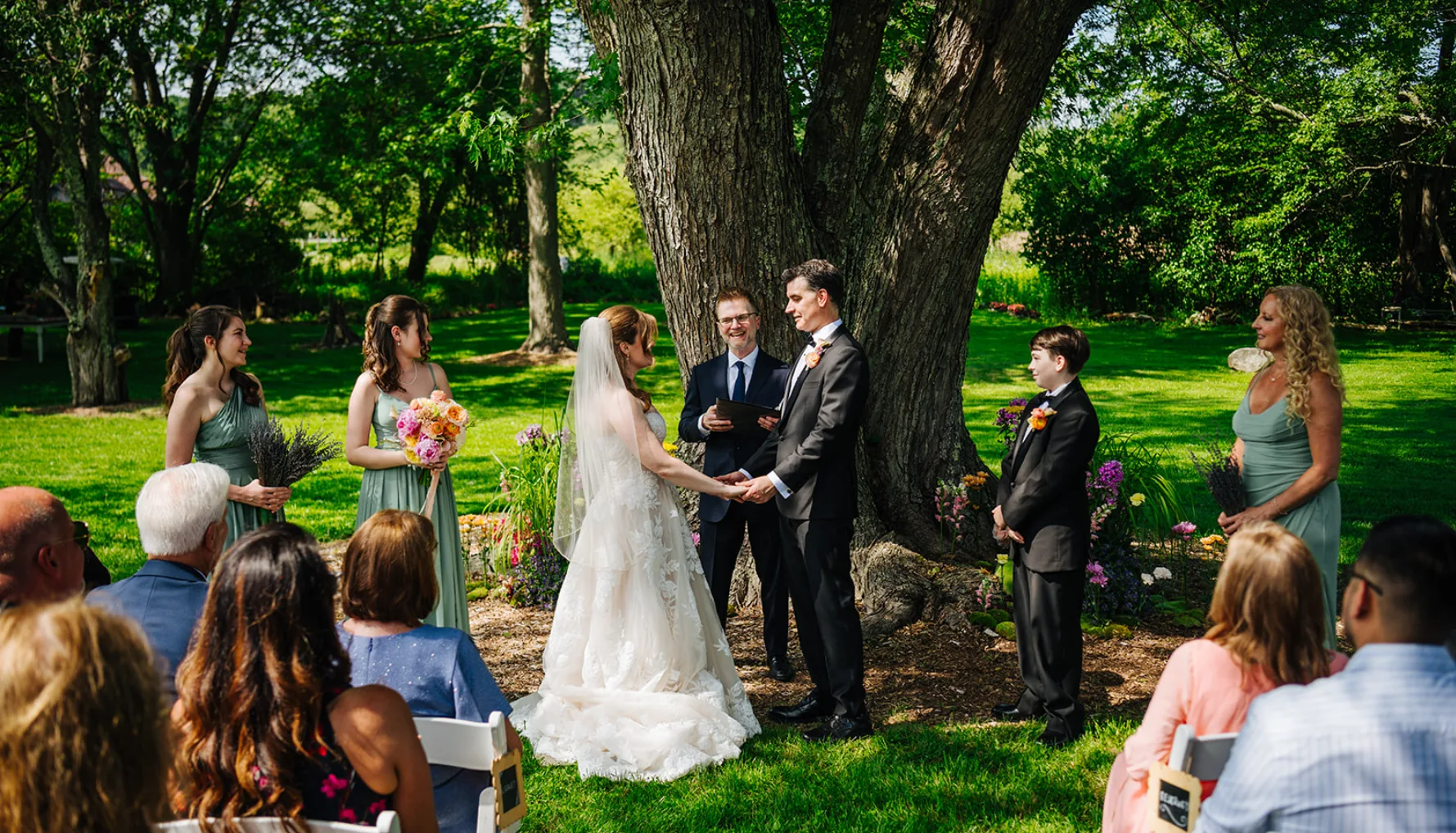
For children who are comfortable with visibility, various ceremonial roles can be deeply significant, symbolizing the merging of families. Samantha Waldron of Dutcher Photography in Wisconsin captured the wedding of Gloria and Jerry, where their five adult children collectively formed the entire wedding party. Gloria’s two adult daughters escorted her down the aisle, while Jerry’s two daughters walked him, and his son accompanied his mother to her seat. This collective processional not only honored the children’s place in their parents’ lives but also visually represented the unity of the new family. Waldron, drawing from her own experience of her then 8-year-old son walking her down the aisle at her remarriage, emphasizes the importance of making children feel "involved in the wedding day in a special way." She also notes the profound impact of couples making vows not only to each other but also directly to their partners’ children, solidifying the commitment to the entire family being created. Giving children a "real job," as Waldron puts it, makes the day "feel cohesive and like they’ve been considered."
3. The Power of the Spoken Word: Toasts and Readings with Consent
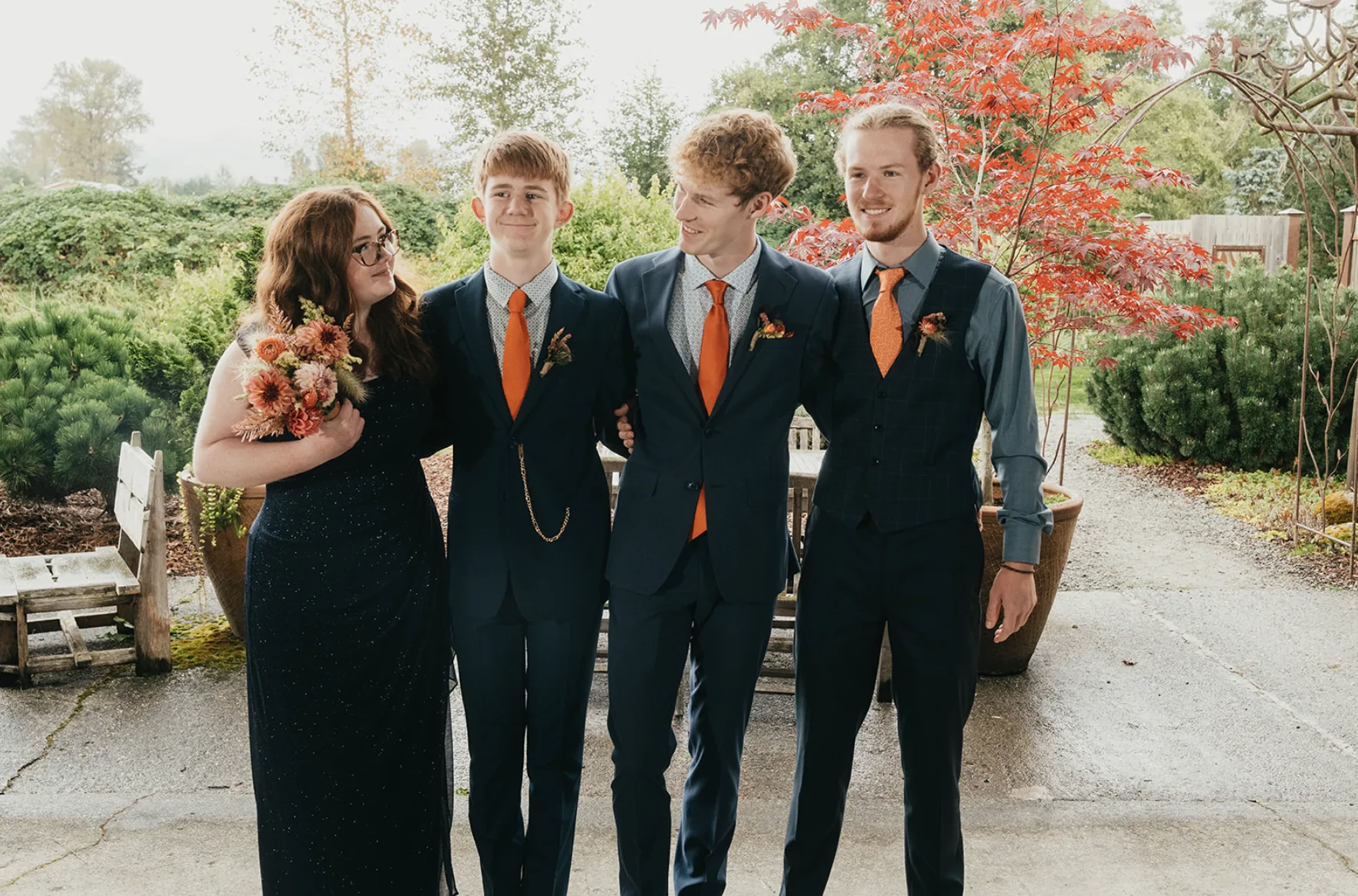
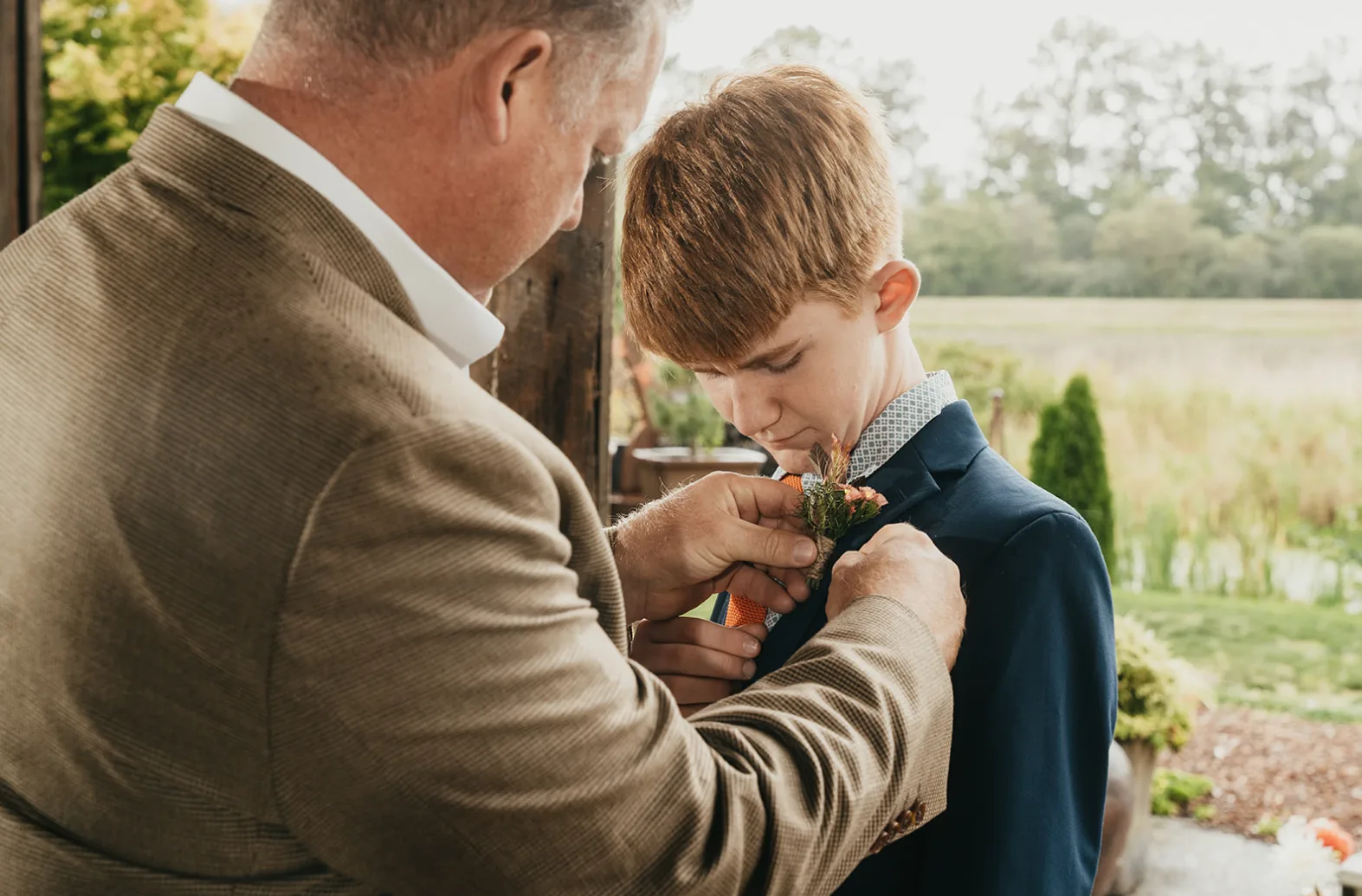
Allowing teens or adult children to deliver toasts or readings can be a powerful expression of their support and joy, provided it is a role they genuinely desire. Jamie Buckley, a Seattle-based photographer with Jamie Buckley Photography, photographed a wedding where one partner’s three teenage sons and the other’s teenage daughter were present. Two of the children chose to give toasts, with one son touchingly remarking that he had "always wanted a sister and now he had one." Such spontaneous expressions of acceptance can be incredibly moving. Conversely, Buckley issues a vital caution: "Meet your children where they are at. Don’t try to force cute moments if the kids aren’t there yet." He warns against couples performing a closeness that the children may not be ready for, stressing that "there’s nothing wrong with kids being hesitant or reserved. If it’s meant to be, those moments will come eventually." This highlights the delicate balance between inclusion and pressure.
4. Official Recognition: Roles with Weight and Purpose
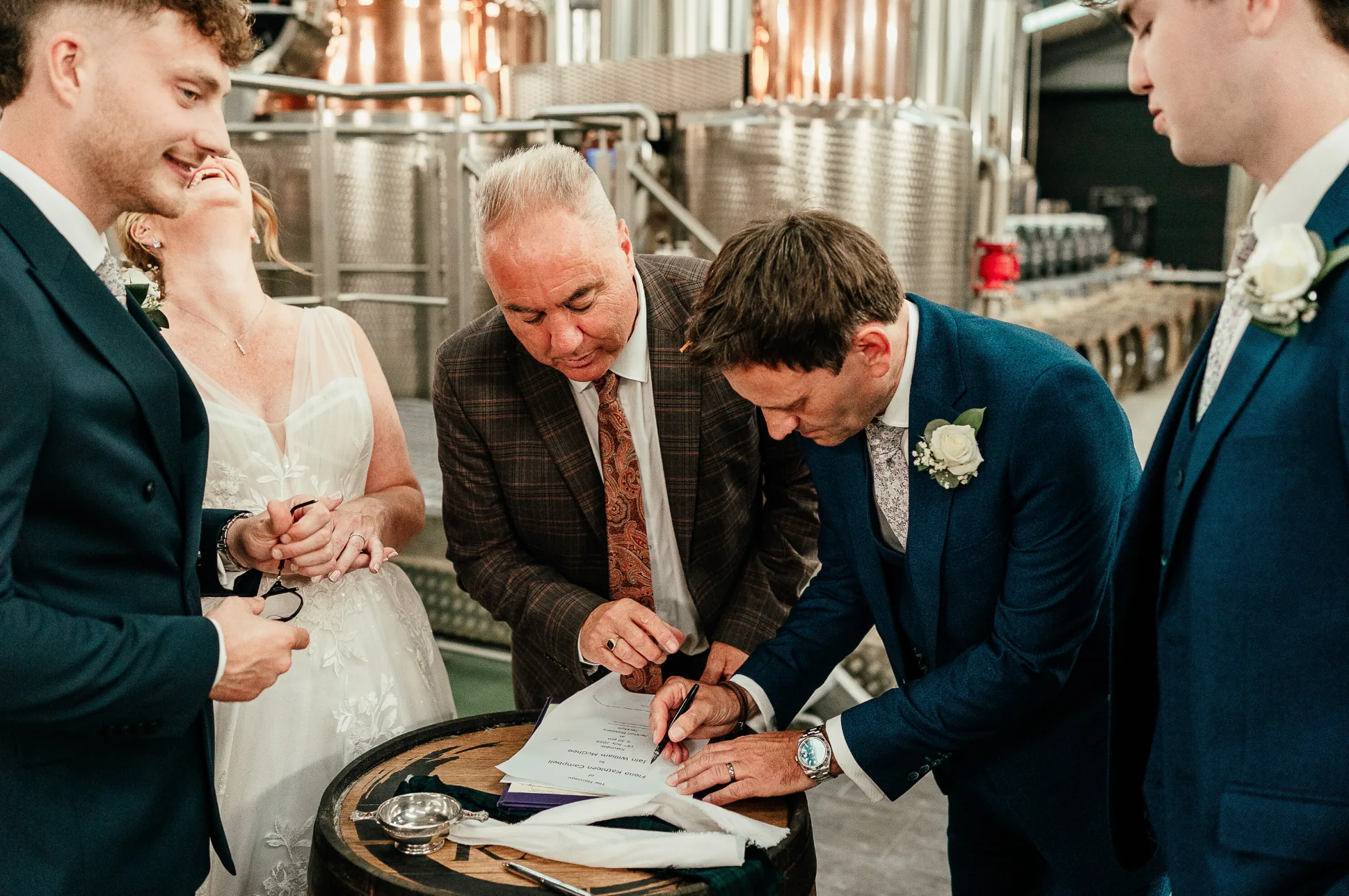
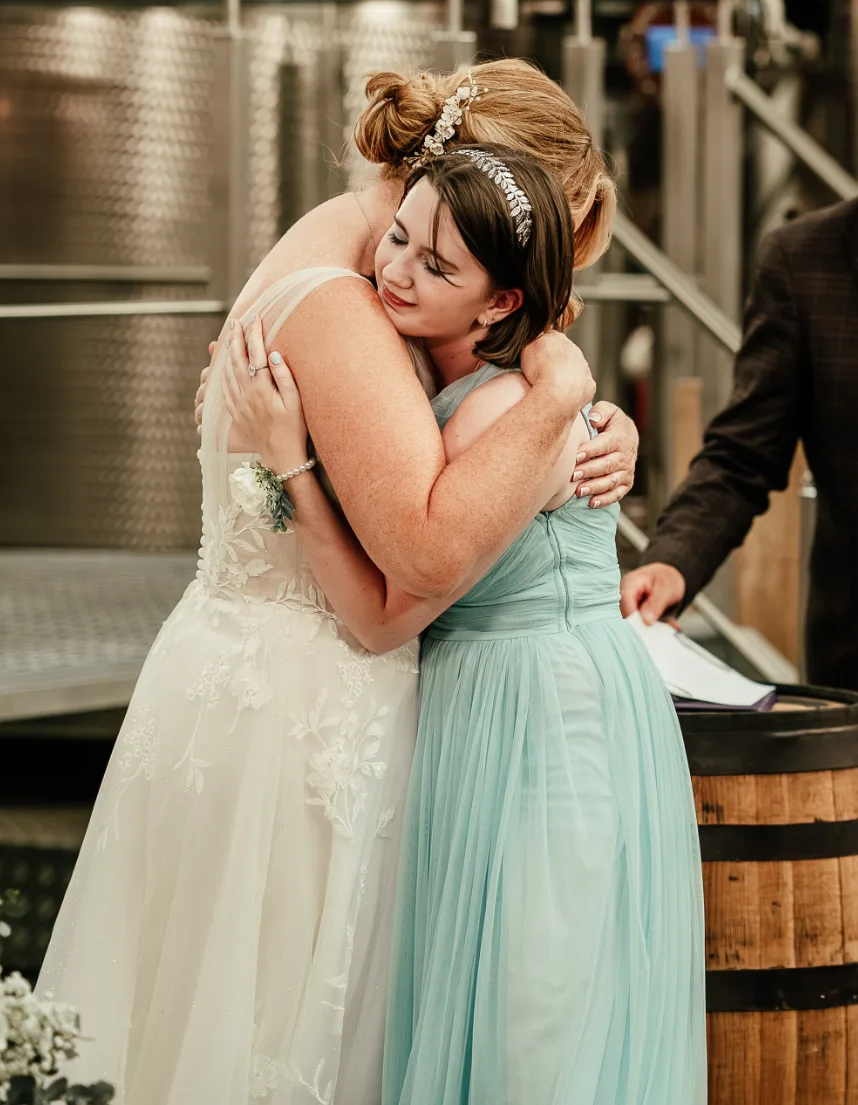
Beyond symbolic gestures, assigning official, document-based roles can provide a profound sense of responsibility and inclusion. Sarah Craig, a UK-based photographer with Joy Story, documented a second marriage for a couple in their fifties at a Scottish distillery, where each partner brought children from previous marriages. The celebrant expertly wove the family narrative into the ceremony, likening a blended family to a blended whisky, which "doesn’t dilute what came before." All three children had distinct roles: the youngest delivered a reading that concluded with a heartfelt hug, while the two adult children served as official witnesses, signing the marriage schedule. Craig notes that these roles "didn’t need to be big or performative; they just gave everyone a chance to be part of this new chapter as a family, rather than simply watching it happen." Her advice is unequivocal: "Don’t assume adult children don’t want to be involved," underscoring that open, curious conversation is always the optimal approach to understanding their desires.
5. Leveraging Unique Talents: Contributions Beyond Formal Titles
Not every child thrives in traditional wedding party roles, and recognizing their unique talents can lead to more authentic and meaningful participation. Kathryn Cooper, a New York-based photographer with Kathryn Cooper Weddings, photographed a ceremony where the bride’s teenage daughter sang during the ceremony. This allowed her to contribute her skill and passion without being forced into a role like flower girl or junior bridesmaid, which the couple hadn’t envisioned. "She felt involved," Cooper recalls, "and her parents were so proud." Cooper’s broader philosophy is that "your wedding doesn’t have to fit into a box anyway." She observes that a common mistake is assuming an older child’s feelings about the wedding are fixed, noting that the planning process, while potentially stressful, can also become "a unique opportunity to spend time with someone you may not know as well as you’d like."
6. The Unifying Power of Rituals: Collective Symbolism
When individual roles feel too distinct or potentially isolating, shared rituals can unite the entire blended family in a powerful symbolic act. Jen Sulak, photographer behind Weirdo Weddings in the Dallas-Fort Worth area, captured Kevin and Candy’s wedding, where all children participated in a sand ceremony. Each child poured a layer of sand into a shared vessel, creating a visual representation of their new, interwoven family unit. Sulak advises couples to "expect real emotion (in both directions!) and leave some space for that before, during, and after the wedding day." She strongly cautions against "leaving kids out of the ceremony and reception planning entirely," emphasizing that open, curious conversations about potential involvement are "such a unique gift."
7. Shared Tasks: Leveling the Playing Field
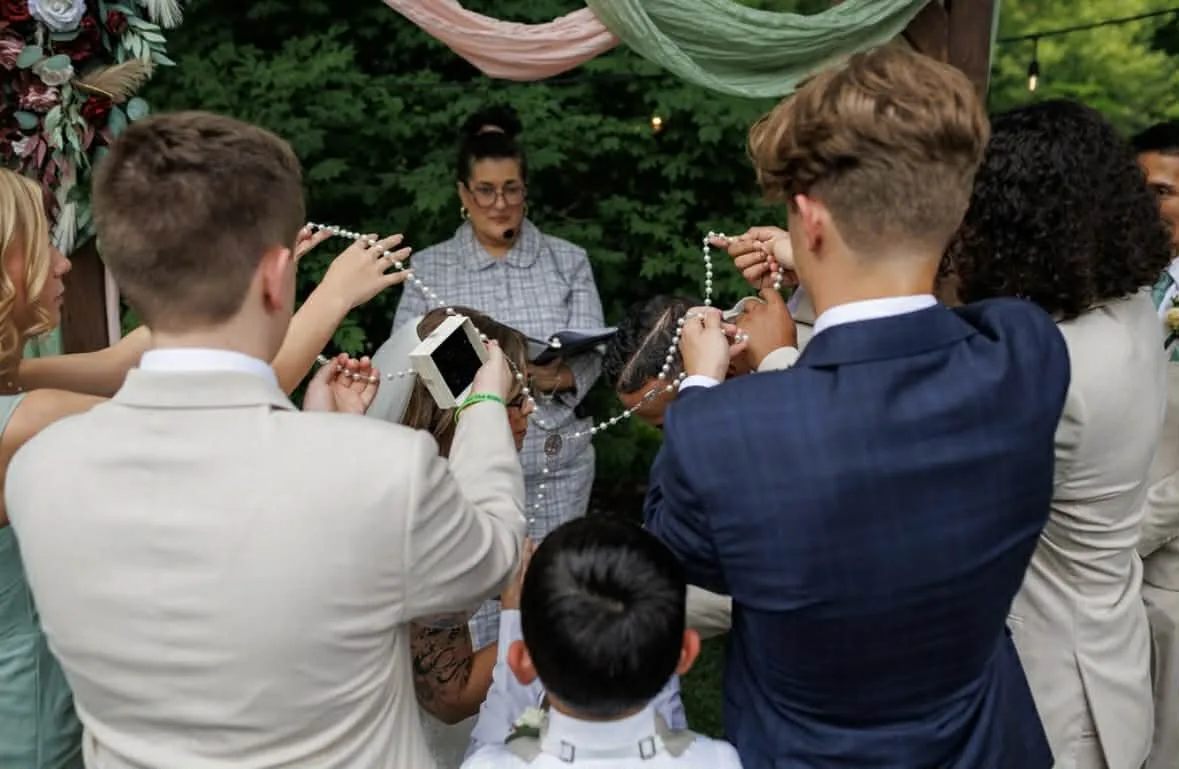
For families where some children are hesitant about individual spotlight roles, a single, shared task can provide inclusion without pressure. Reenie Panzini, an officiant with I Do For All, officiated Gabrielle and Eduardo’s wedding, where both brought teenage children. Recognizing that one child was comfortable being central while the other three were not, they centered the ceremony around the El Lazo tradition. Typically, godparents drape a lasso or oversized rosary around the couple to symbolize unity. Panzini’s couple adapted this, having all four teenagers walk the lazo up together, stand while she explained its significance, then unwind and carry it back to their seats. This collective, non-verbal task allowed all children to participate equally without the stress of delivering lines or being singled out. Panzini reiterates the crucial advice: "You may think you know your children’s thoughts about taking part in the ceremony, but ask anyway." She flags drafting children into readings they never wanted to do as a major red flag, recommending hands-on alternatives like a ring warming or carrying the lazo instead.
The Indispensable Throughline: Open and Curious Conversation
Across all expert insights and real-world scenarios, a consistent theme emerges: the paramount importance of open, curious, and ongoing conversation. This dialogue is not a one-time script but an evolving process of listening, validating, and adapting. Key questions that can initiate these vital discussions include:
- "How do you feel about [partner’s name] and me getting married?" – This broad question allows children to express a range of emotions without feeling judged.
- "What would make you feel most comfortable on the wedding day?" – This puts their comfort at the forefront.
- "Would you like to be involved in the wedding planning? If so, in what ways would you be interested?" – This empowers them to choose their level of engagement.
- "We’re thinking about having a special moment in the ceremony for all of us as a new family. Does that sound like something you’d be interested in?" – This introduces the idea of family unity ceremonies.
- "Is there anything you absolutely do not want to do at the wedding?" – This provides a safe space for them to set boundaries.
- "Is there anything you’d like to say to [partner’s name] or to all of us as a family?" – An open invitation for personal expression.
- "What part of the day are you most looking forward to?" – Shifts focus to positive anticipation.
These questions serve as a starting point, recognizing that children’s feelings and preferences may evolve. The goal is to cultivate an environment where "no" is as welcome an answer as "yes," and where their emotional landscape is respected above all else. A wedding with one child enthusiastically front and center and three others quietly observing from the second row can be just as much a blended family celebration as one where everyone holds a candle. The true success lies not in the uniformity of participation, but in the genuine process of open communication, empathy, and respect for each child’s individual journey toward accepting and embracing their new family.
Broader Implications and Long-Term Family Cohesion
The approach taken during wedding planning and the ceremony itself sets a crucial precedent for the long-term dynamics of a blended family. Thoughtful inclusion, even if it means respecting a child’s decision to have a minimal role, communicates respect and value, which are foundational for healthy family relationships. Conversely, forcing participation or ignoring their feelings can create resentment and long-lasting divisions. Research on successful blended families consistently highlights open communication, mutual respect, and clear, adaptable roles as key components. The wedding day, therefore, is not merely a celebration of a couple’s love but a foundational event for forging a cohesive new family identity. By prioritizing the emotional well-being and active involvement of teens and adult children, couples can lay the groundwork for a truly harmonious and resilient blended family unit, where every member feels seen, heard, and cherished.