


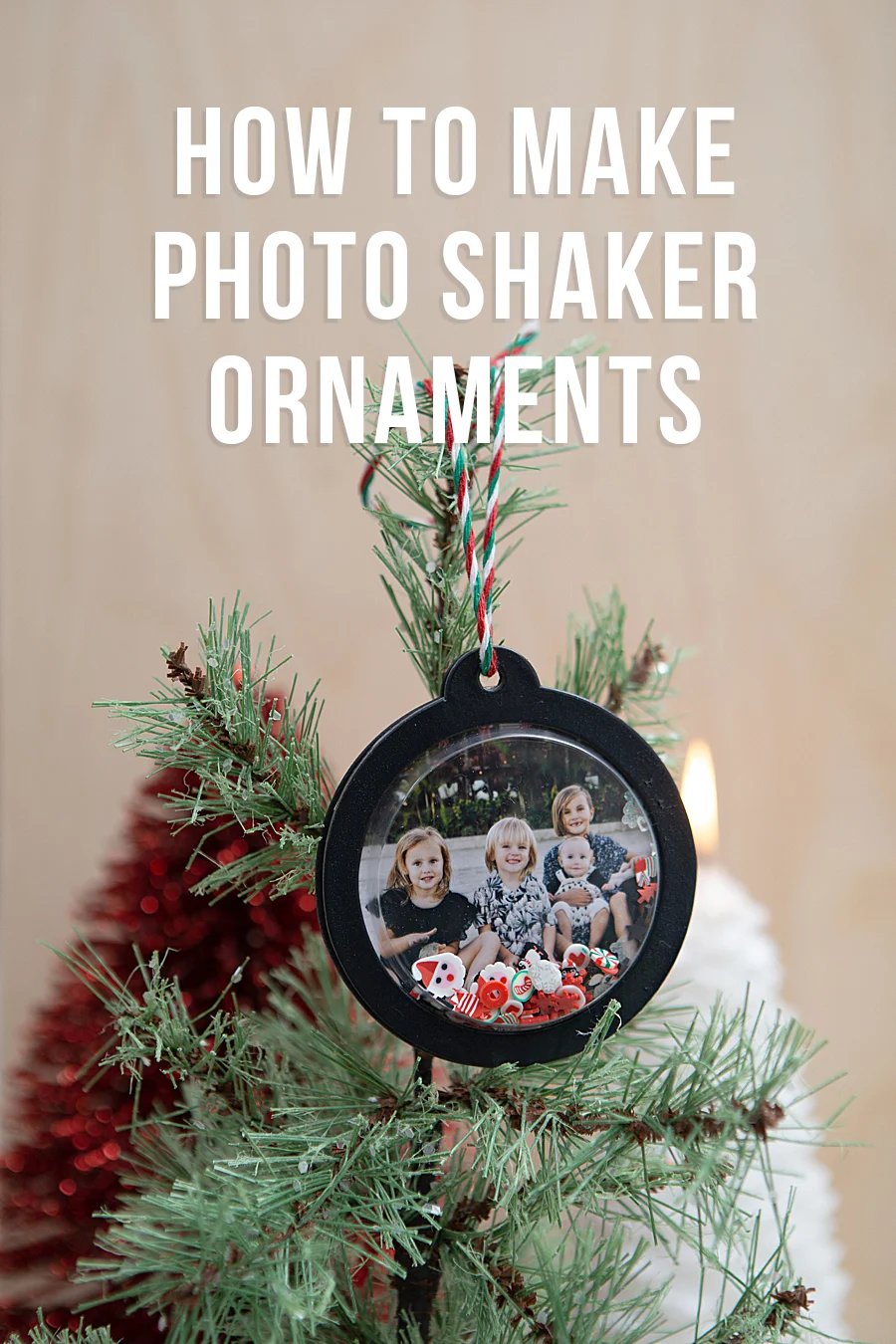
The integration of high-fidelity portable printing technology into the domestic creative sector has reached a new milestone with the deployment of the Canon SELPHY Square QX10, a device that bridges the gap between digital mobile photography and physical archival keepsakes. In a contemporary landscape where the majority of photographic data remains sequestered within mobile device storage, the emergence of compact dye-sublimation printers has catalyzed a resurgence in tactile media, particularly within the "Do-It-Yourself" (DIY) and personalized gifting markets. This technological shift is exemplified by the recent adoption of the SELPHY Square QX10 in specialized crafting projects, such as the production of multifaceted photo shaker ornaments, which utilize the printer’s unique adhesive-backed square format to transform digital memories into interactive holiday décor.
Technological Overview of the Canon SELPHY Square QX10
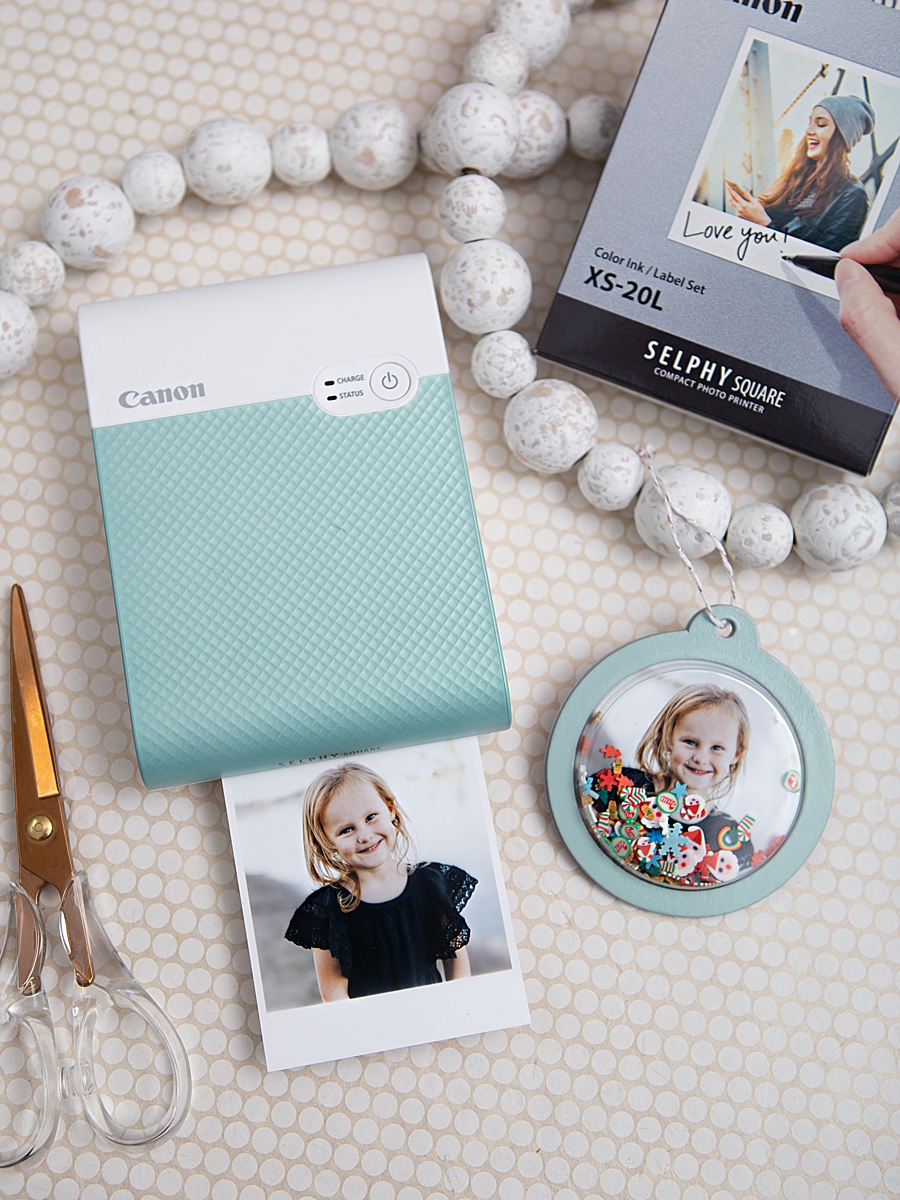
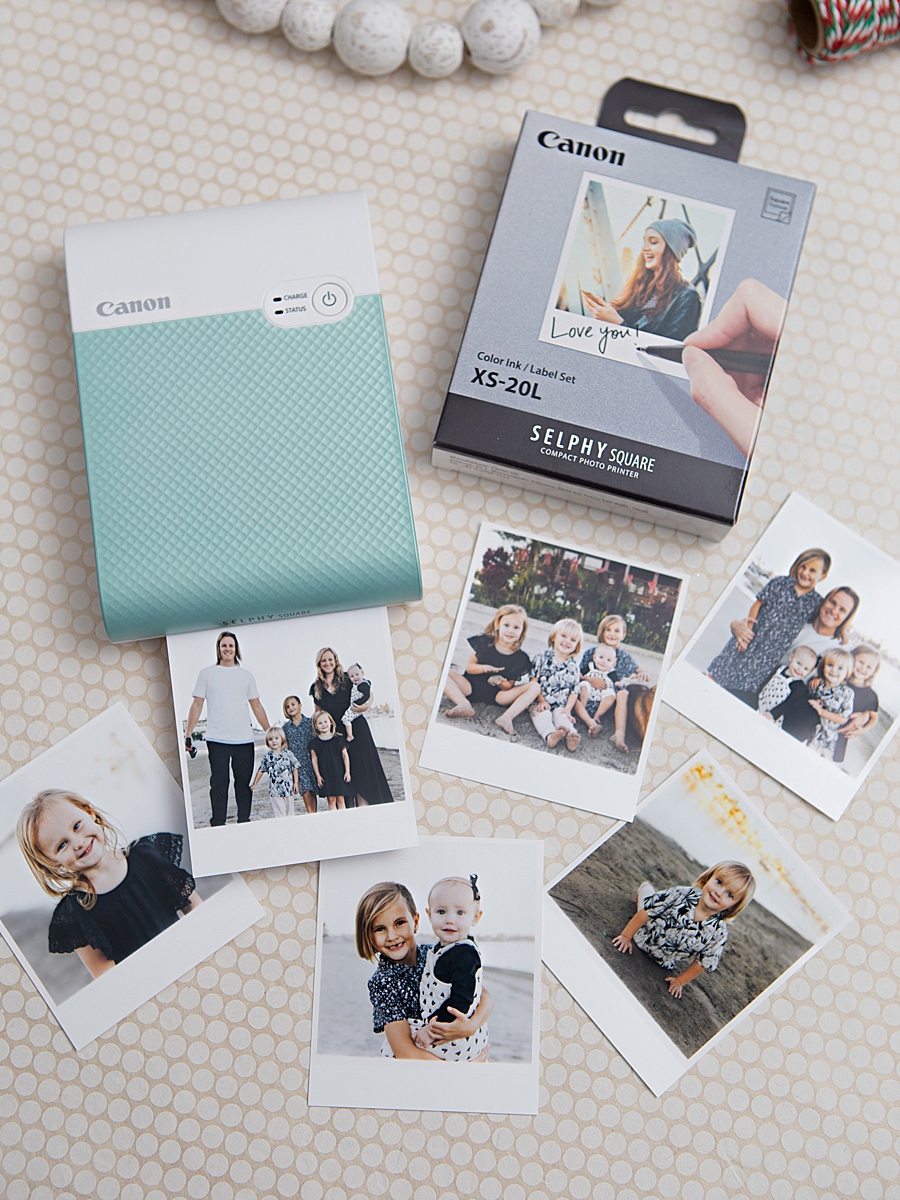
The Canon SELPHY Square QX10 represents a significant advancement in the miniaturization of thermal transfer technology. Weighing less than one pound and powered by an internal rechargeable battery, the device is designed for complete mobility, removing the traditional constraints of wired desktop printing. Unlike standard inkjet printers that utilize liquid pigments, the QX10 employs dye-sublimation technology. This process involves the application of heat to transfer dye from a ribbon onto a specialized paper substrate.
The printing cycle is characterized by a four-pass system: the paper moves through the device four times to receive successive layers of yellow, magenta, and cyan dyes, followed by a final clear overcoat. This "overcoating" layer is critical for durability, as it renders the prints water-resistant and protects them against smudging, fading, and environmental degradation. Canon U.S.A., Inc. reports that these prints possess an archival quality capable of lasting up to 100 years when stored under proper conditions. The resulting 2.7” x 2.7” prints are specifically scaled to mirror the popular square aspect ratio common in social media platforms, providing a physical manifestation of digital aesthetics.
Chronology of the Photo Shaker Ornament Project
The application of the QX10 in a domestic crafting environment follows a structured methodology that integrates digital preparation with manual assembly. The process, recently highlighted by creative professionals in the DIY space, illustrates the seamless workflow between hardware and software.
Phase I: Digital Capture and Layout
The process begins with the Canon SELPHY Photo Layout 2.0 application, available on major smartphone operating systems. Users select images from their digital galleries, utilizing the app’s internal editing suite to adjust composition, filters, and borders. The app connects to the QX10 via a QR code-based interface, ensuring a secure and rapid wireless link. Once the "print" command is initiated, the device executes its four-pass thermal transfer, producing a finished, dry-to-the-touch print in approximately 43 seconds.
Phase II: Component Preparation and Customization
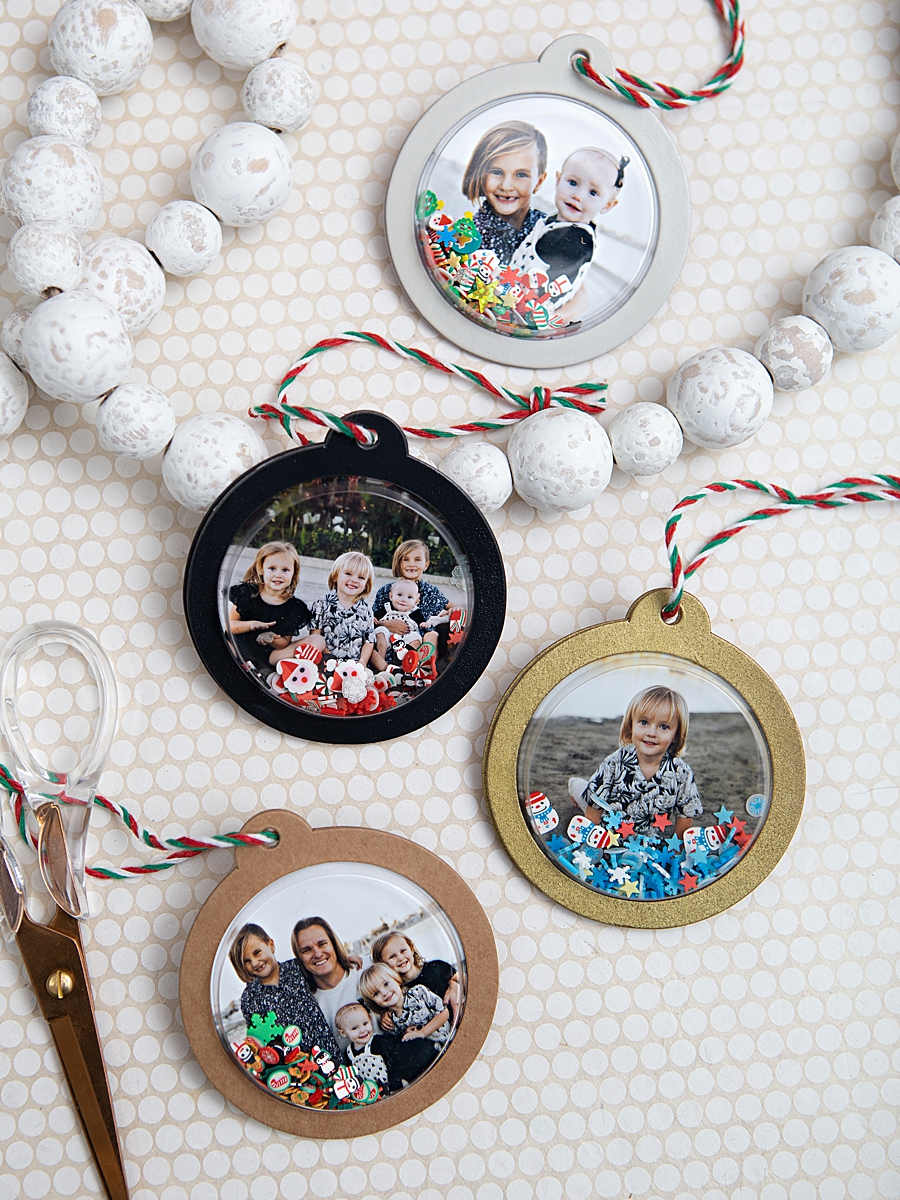
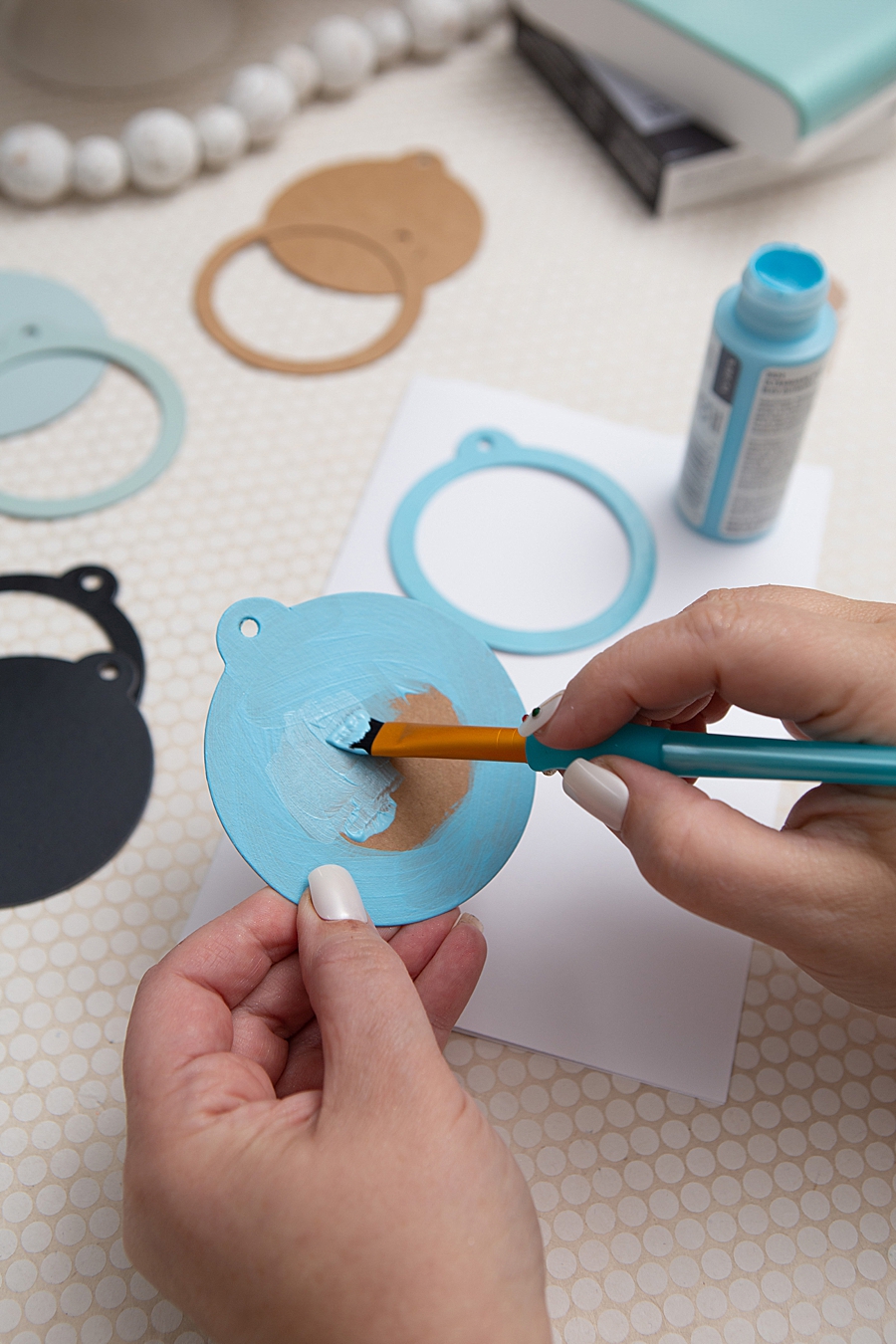
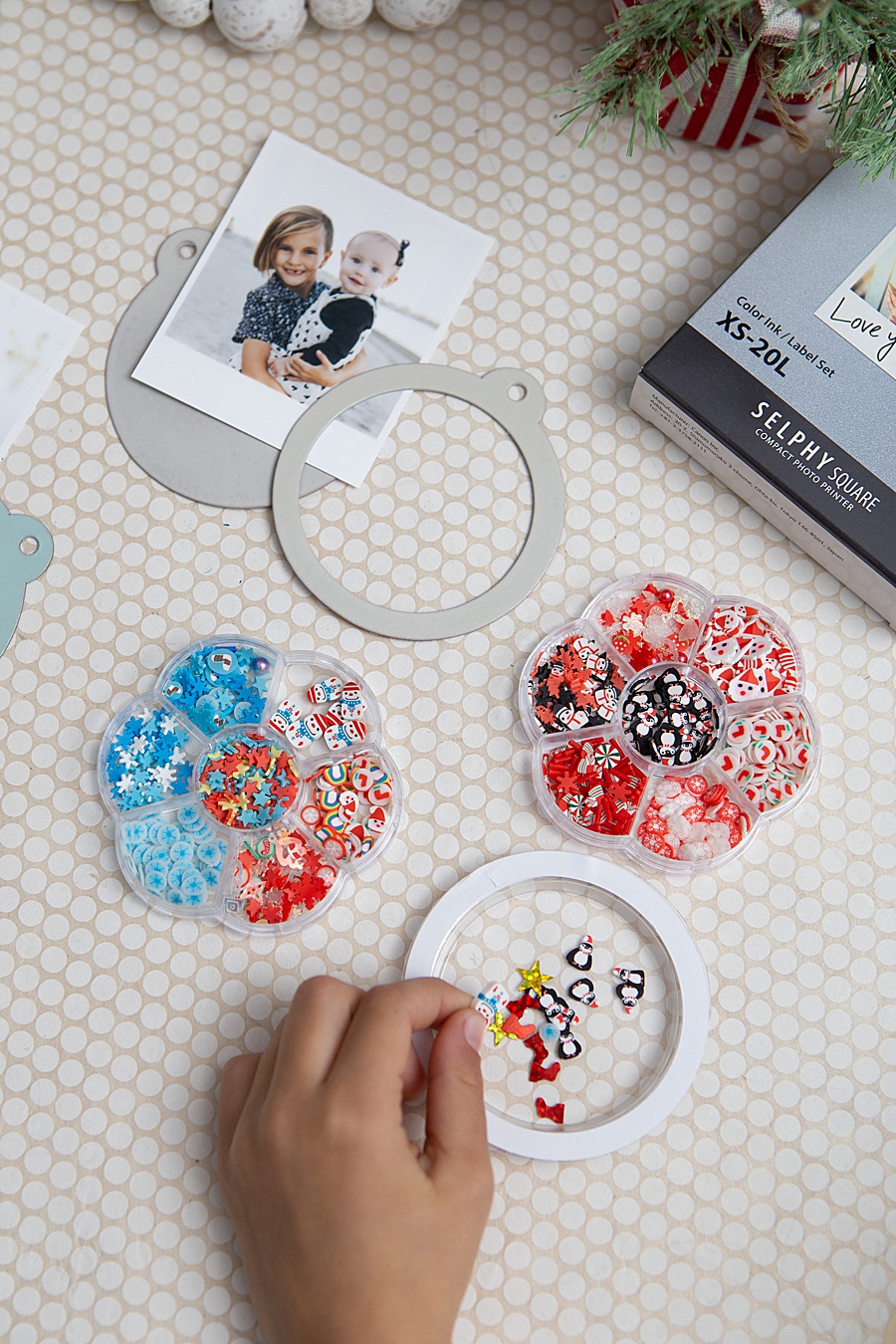
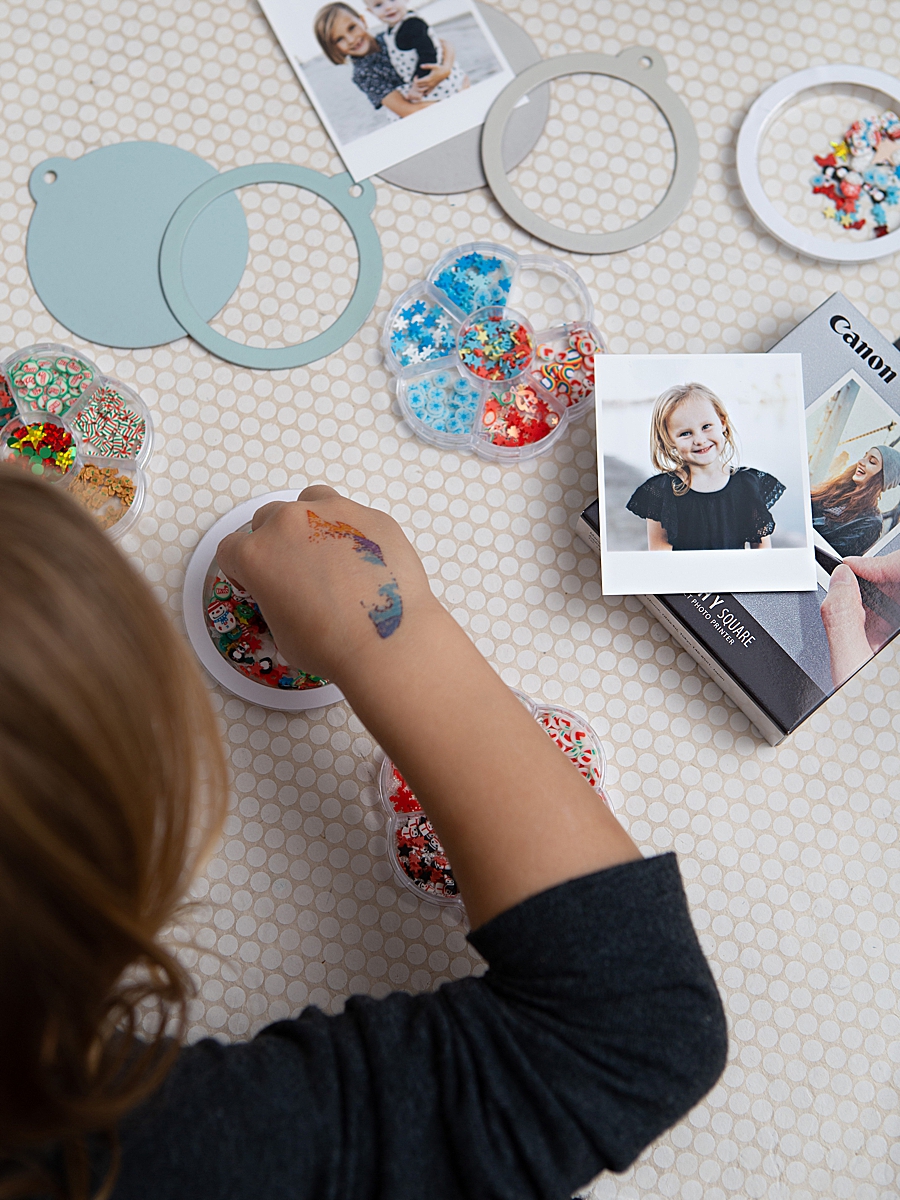
In the context of the shaker ornament project, the physical prints serve as the central visual element. Crafting specialists often opt to customize the structural components—typically kraft paper shaker tags—using acrylic craft paint or aerosol spray paint. This stage requires a systematic approach: applying three layers of craft paint or two layers of spray paint, followed by a clear gloss sealant to ensure the longevity of the frame.
Phase III: Volumetric Assembly
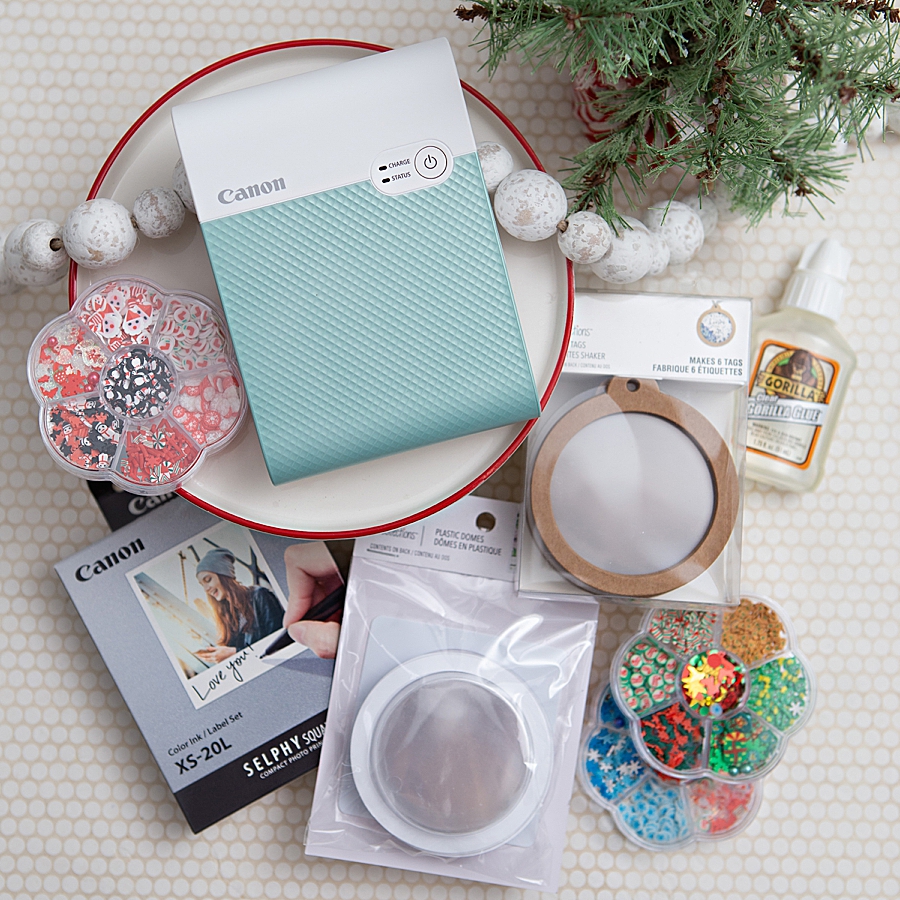
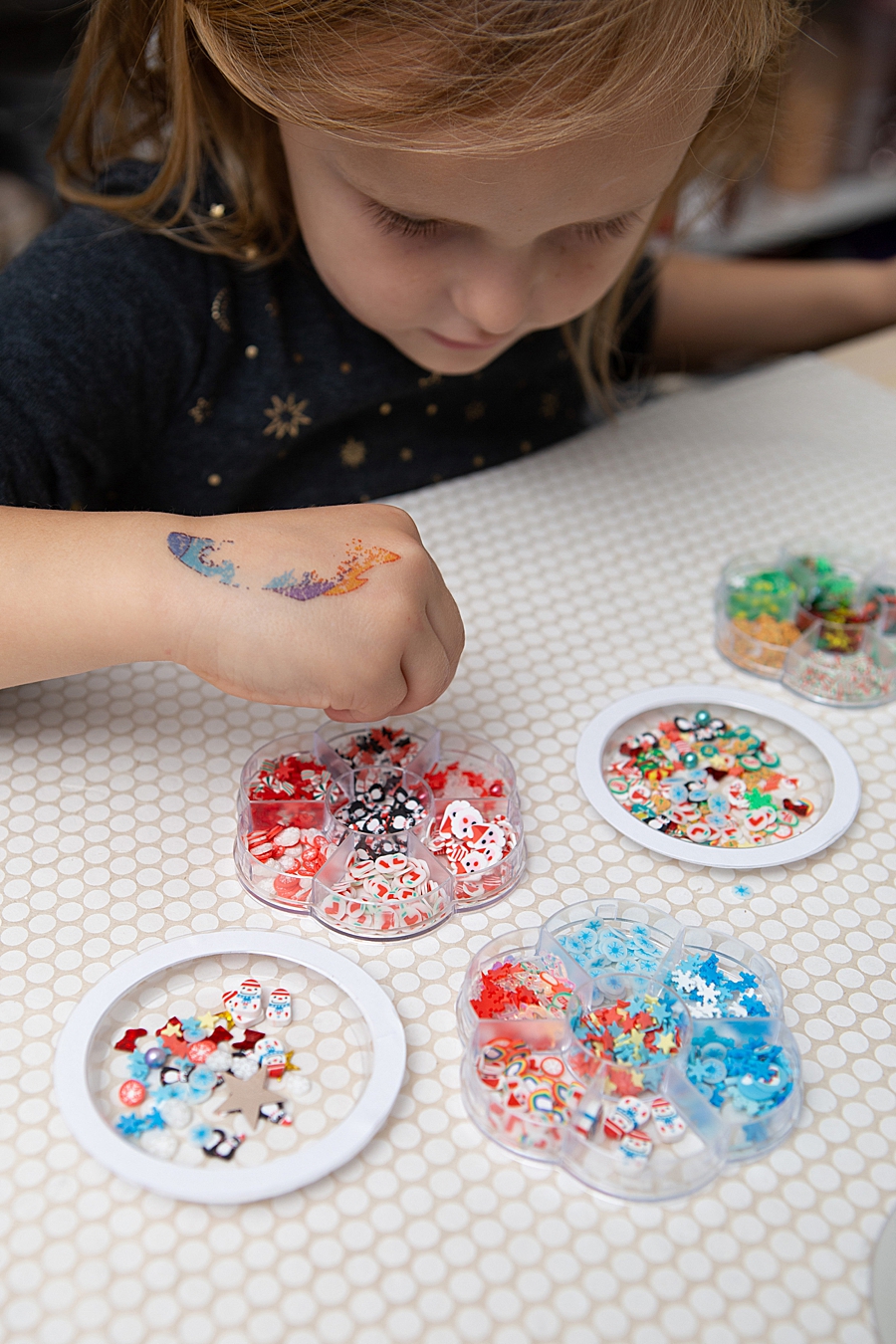
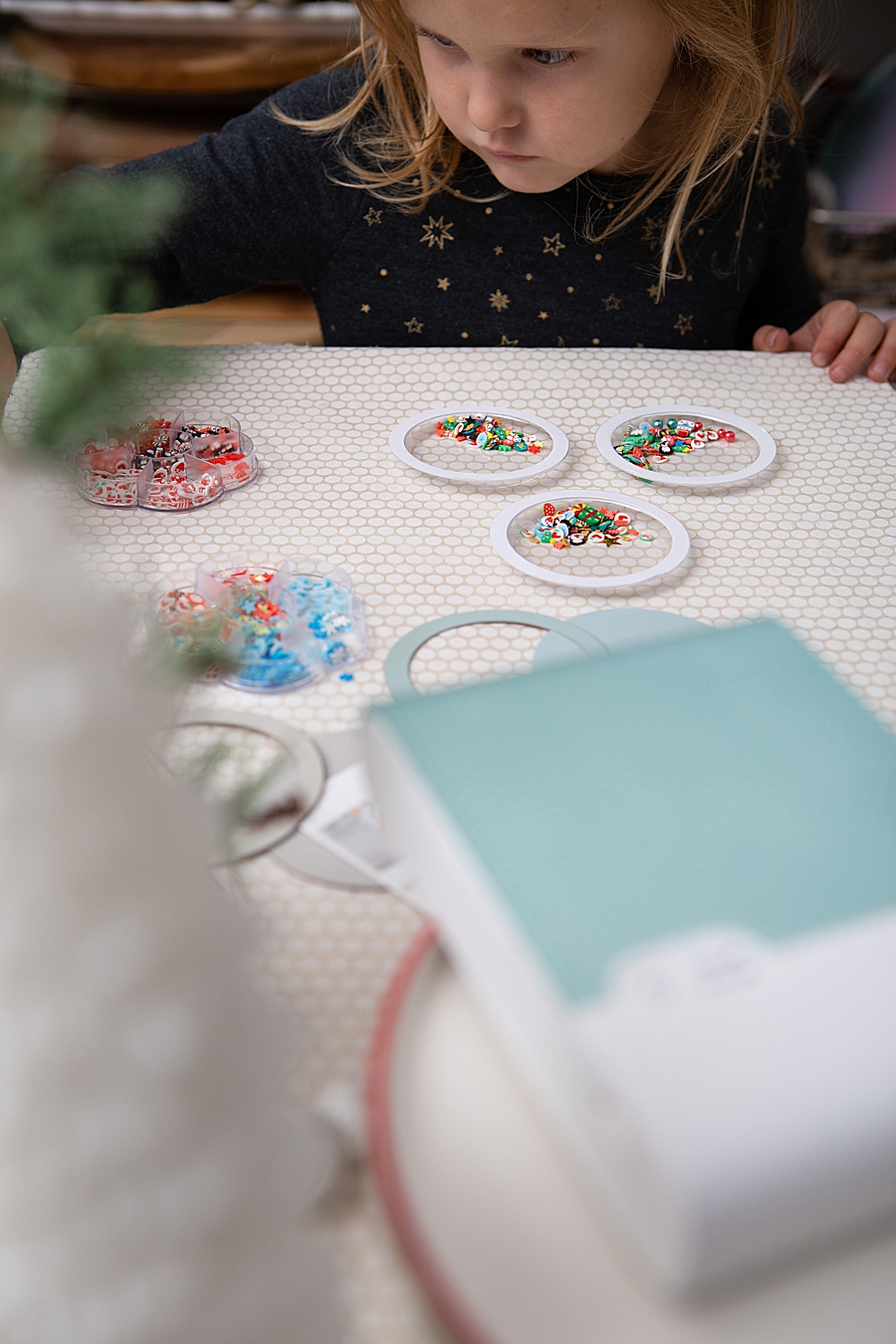
The "shaker" aspect of the ornament is achieved through the use of clear plastic domes and "shaker bits," which may include sequins, micro-beads, or glitter. To maintain the visibility of the underlying photograph, the domes are filled to approximately one-eighth of their capacity. This ratio allows for kinetic movement without obscuring the primary image.
Phase IV: Final Integration and Curing
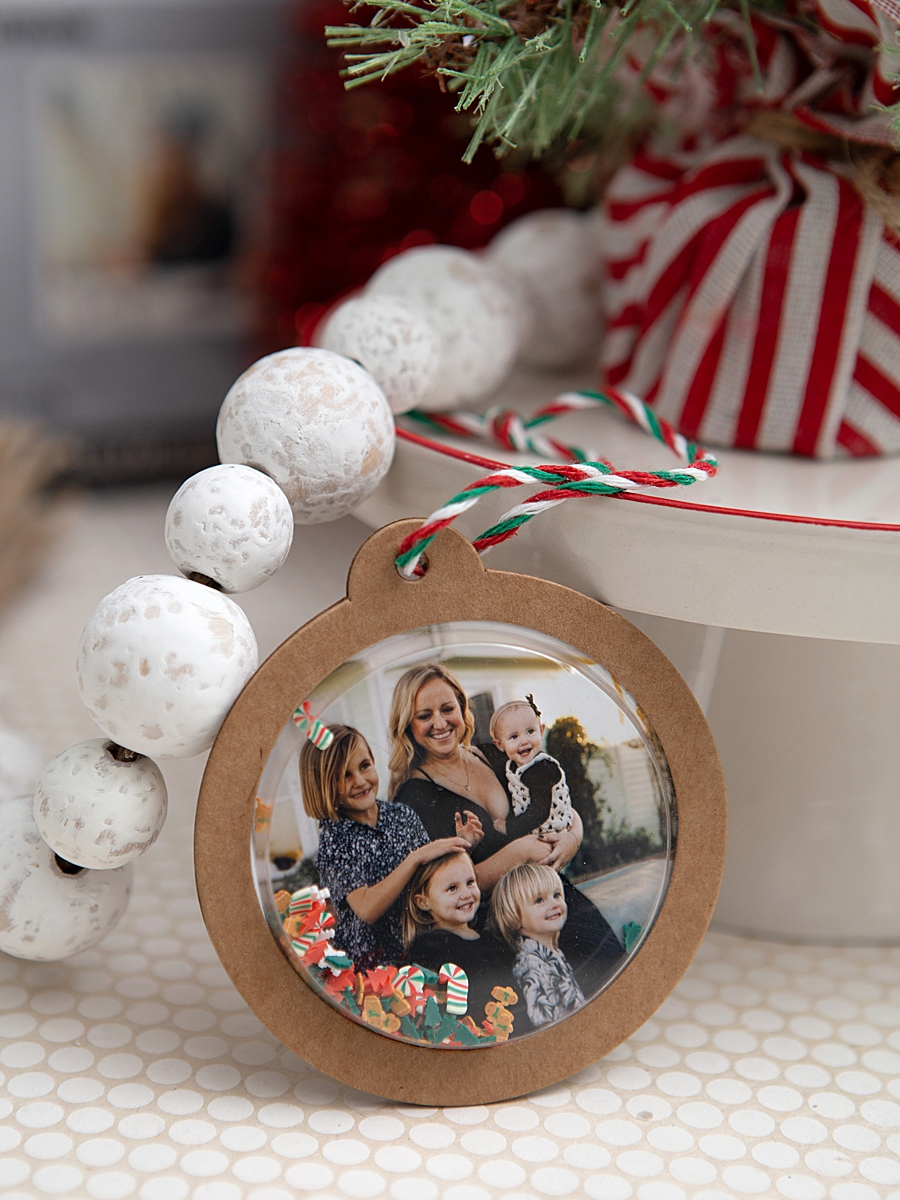
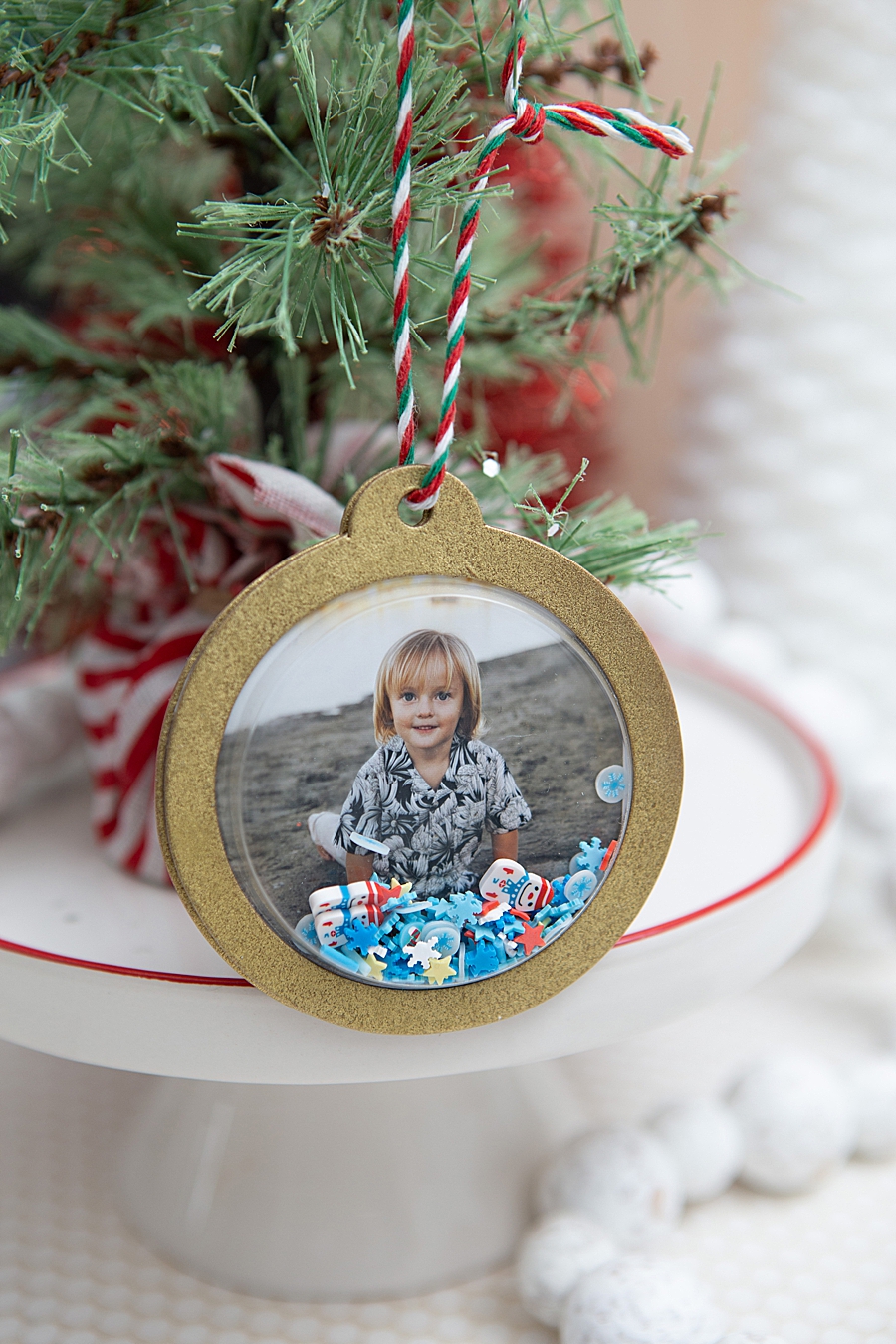
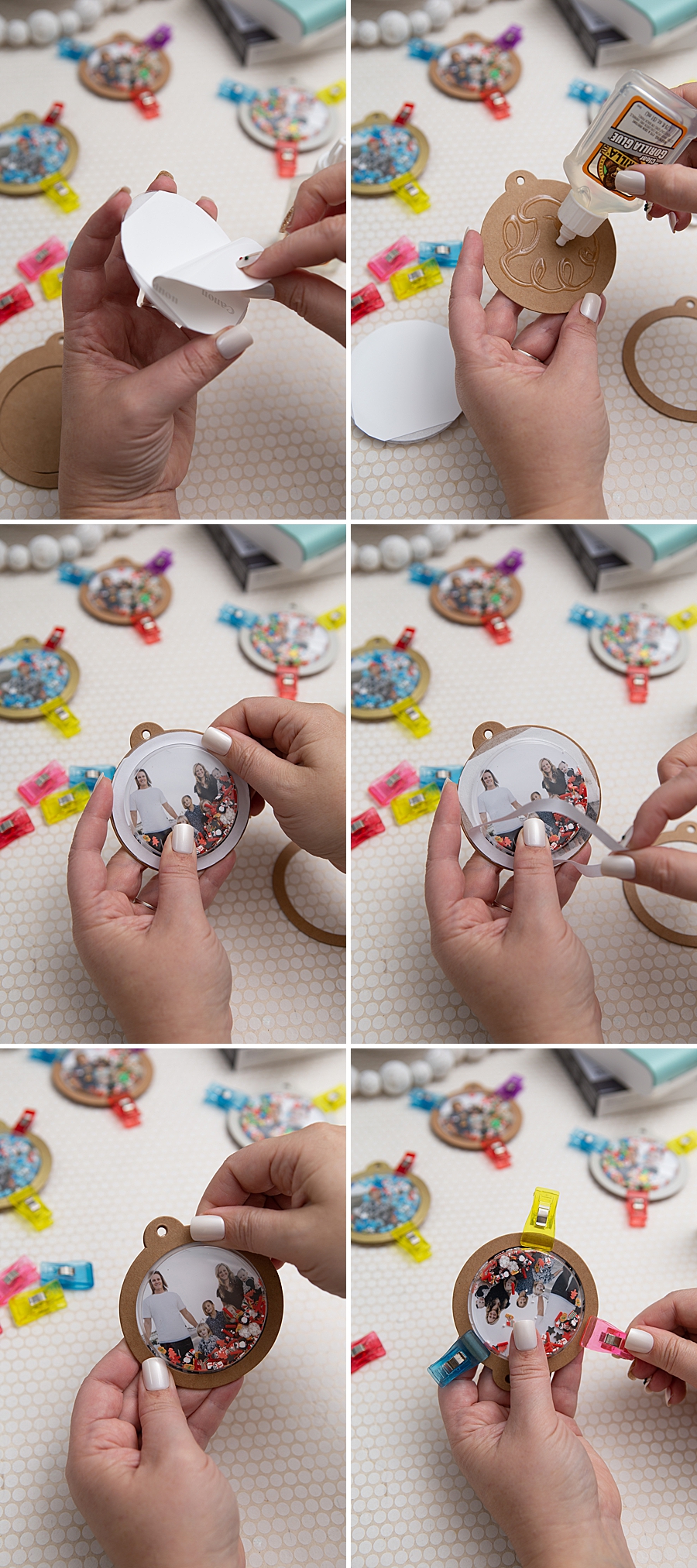
The assembly is finalized by adhering the photo print to the tag and securing the dome. The use of high-strength adhesives, such as cyanoacrylate-based Gorilla Glue, is recommended for structural integrity. While initial bond sets occur within two hours, a full 24-hour curing period is required before the ornaments can be subjected to the kinetic "shaking" for which they are designed.
Market Analysis and Supporting Data
The rise of devices like the Canon SELPHY Square QX10 is supported by significant shifts in the consumer electronics and hobbyist markets. According to market research, the global portable photo printer market is projected to expand at a compound annual growth rate (CAGR) of over 8% through 2028. This growth is driven by a demographic of "memory keepers"—consumers who prioritize the tangibility of physical photos despite the ubiquity of digital sharing.
Data suggests that while over 1.8 trillion photos are taken globally each year, less than 0.5% are ever printed. This "digital dark age" has created a counter-movement toward physical media. The QX10 addresses this by lowering the barrier to entry; the cost-per-print is stabilized by the inclusion of one ink cassette per 20-sheet pack of paper, ensuring that users do not face the unpredictable ink depletion issues common in inkjet systems.
Furthermore, the "sticker" functionality of the QX10 prints—facilitated by a peel-off adhesive backing—aligns with the booming journaling and "scrapbooking" industry, which was valued at approximately $3.5 billion in the United States alone as of the early 2020s.
Industry Perspectives and Official Responses
Canon U.S.A., Inc. has positioned the SELPHY line as a bridge between the professional imaging world and the casual consumer. In official statements, the company emphasizes that their mission is to allow consumers to "create and preserve beautiful imagery, from capture to print." This philosophy is reflected in the design of the XS-20L label paper, which is engineered specifically for the QX10 to ensure color accuracy and adhesion.
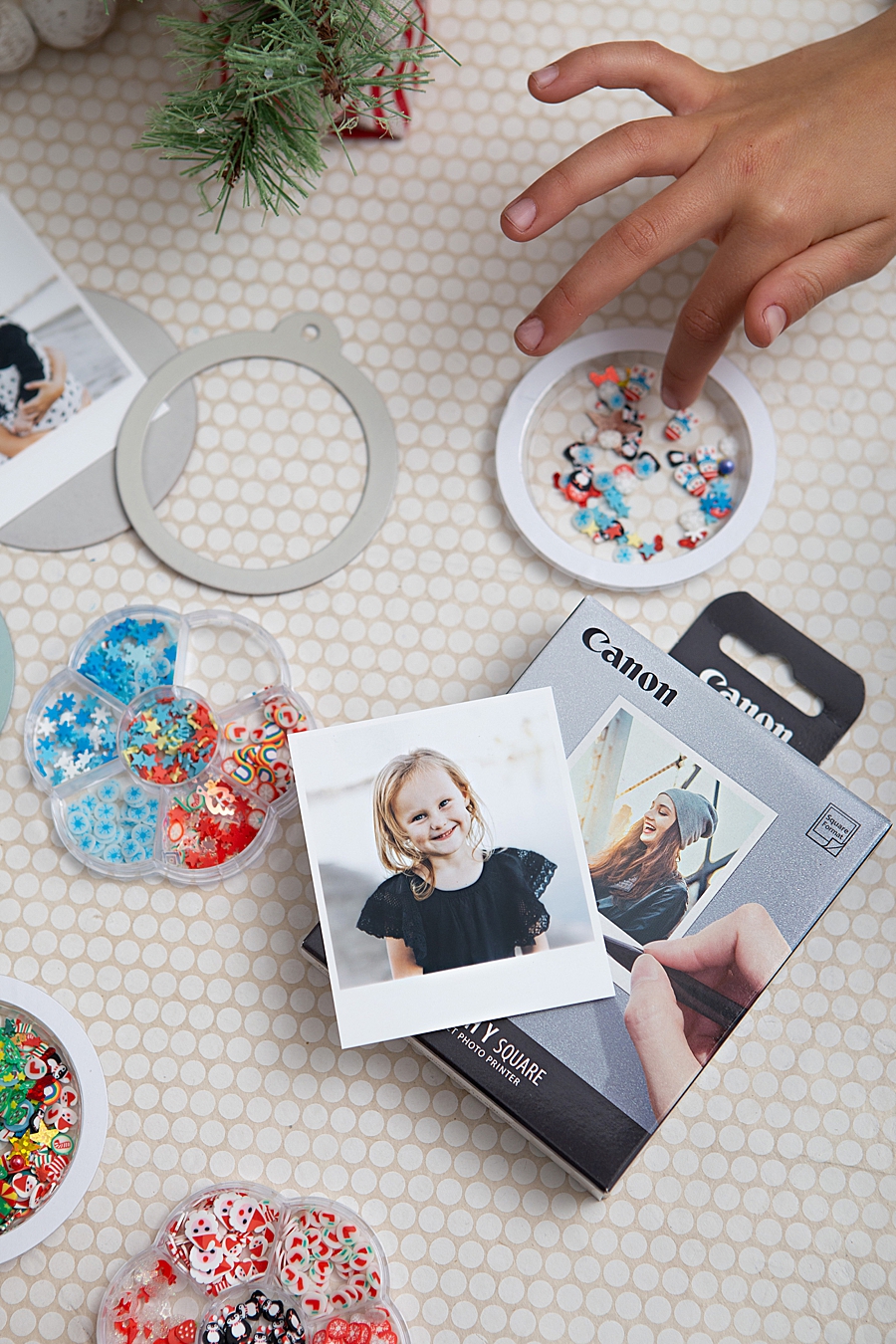
Professional DIY creators, such as Jen Causey-Kidder of Something Turquoise, have noted that the ease of use of the accompanying software is a primary factor in the device’s adoption. In recent demonstrations, Causey-Kidder highlighted that the "instant gratification" of the printing process makes it particularly appealing for family-oriented projects, where the speed of production keeps younger participants engaged. "Actually printing and seeing your photos—not on your phone—is so nice," Causey-Kidder remarked, echoing a sentiment prevalent among modern crafters who seek a more mindful connection with their digital archives.
Broader Impact and Educational Implications
The implications of portable dye-sublimation printing extend beyond mere decoration. In educational and developmental contexts, the tactile nature of these projects offers significant benefits. For children, participating in the creation of photo shaker ornaments provides sensory engagement and aids in the development of fine motor skills. The observation of the four-pass printing process—where colors are layered one by one—serves as a practical demonstration of color theory and mechanical engineering.
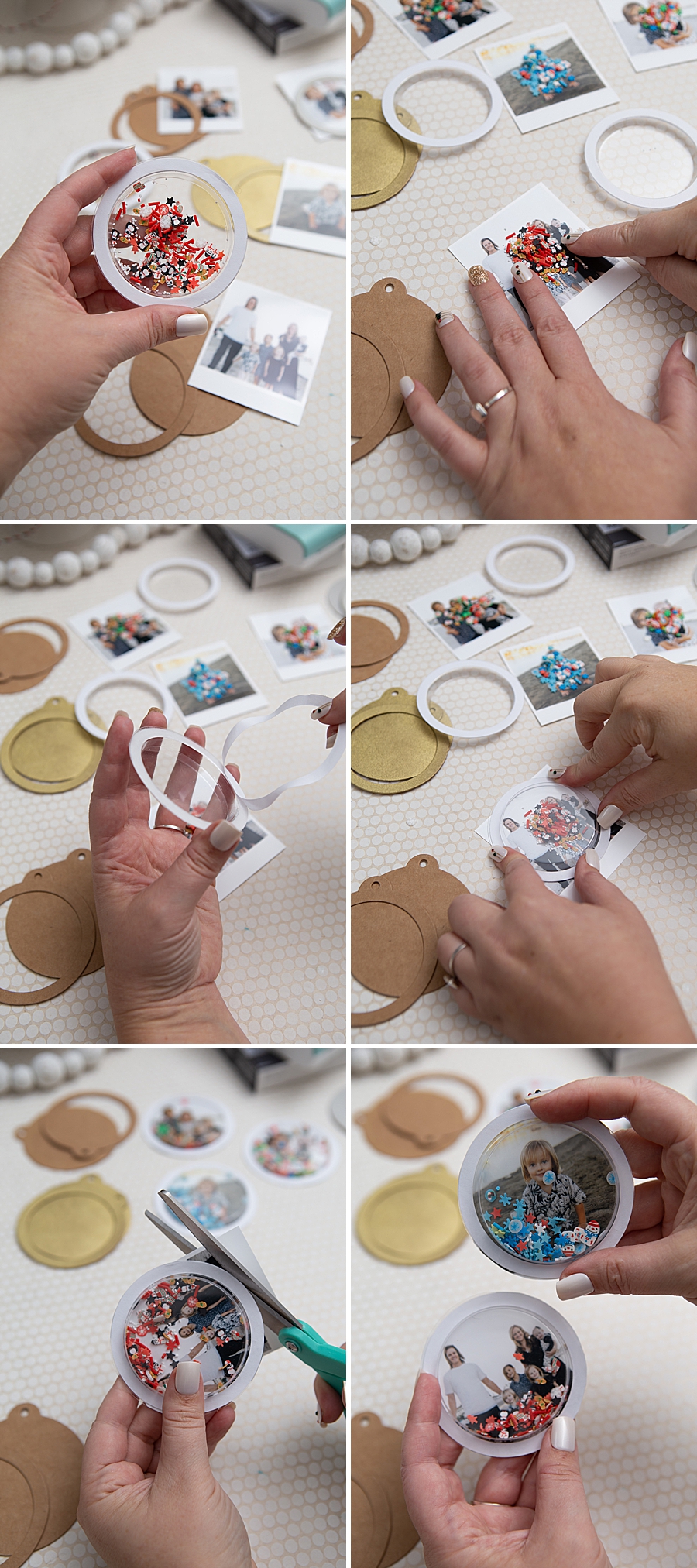
From a sociological perspective, the creation of these ornaments represents a form of "curated nostalgia." By selecting specific photos to be encased in a shaker dome, individuals are performing an act of digital curation, elevating ephemeral mobile snapshots to the status of family heirlooms. This transition from "data" to "object" is a critical component in how modern families maintain a sense of history in an increasingly transient digital world.
Conclusion
The Canon SELPHY Square QX10 has proven to be more than a peripheral device; it is a catalyst for creative expression that leverages the best of digital convenience and physical permanence. By providing a high-quality, archival-grade printing solution that fits within a handheld form factor, Canon has empowered hobbyists and professionals alike to reclaim their digital memories. As seen in the case of the photo shaker ornaments, the ability to rapidly produce durable, adhesive-backed prints allows for a level of personalization that was previously labor-intensive or technically out of reach for the average consumer. As the market for personalized goods continues to grow, the role of portable dye-sublimation technology will likely become an indispensable fixture in the modern creative toolkit, ensuring that the most cherished moments of the digital age are not lost to the ether of the cloud, but are instead held, shaken, and displayed for generations to come.