


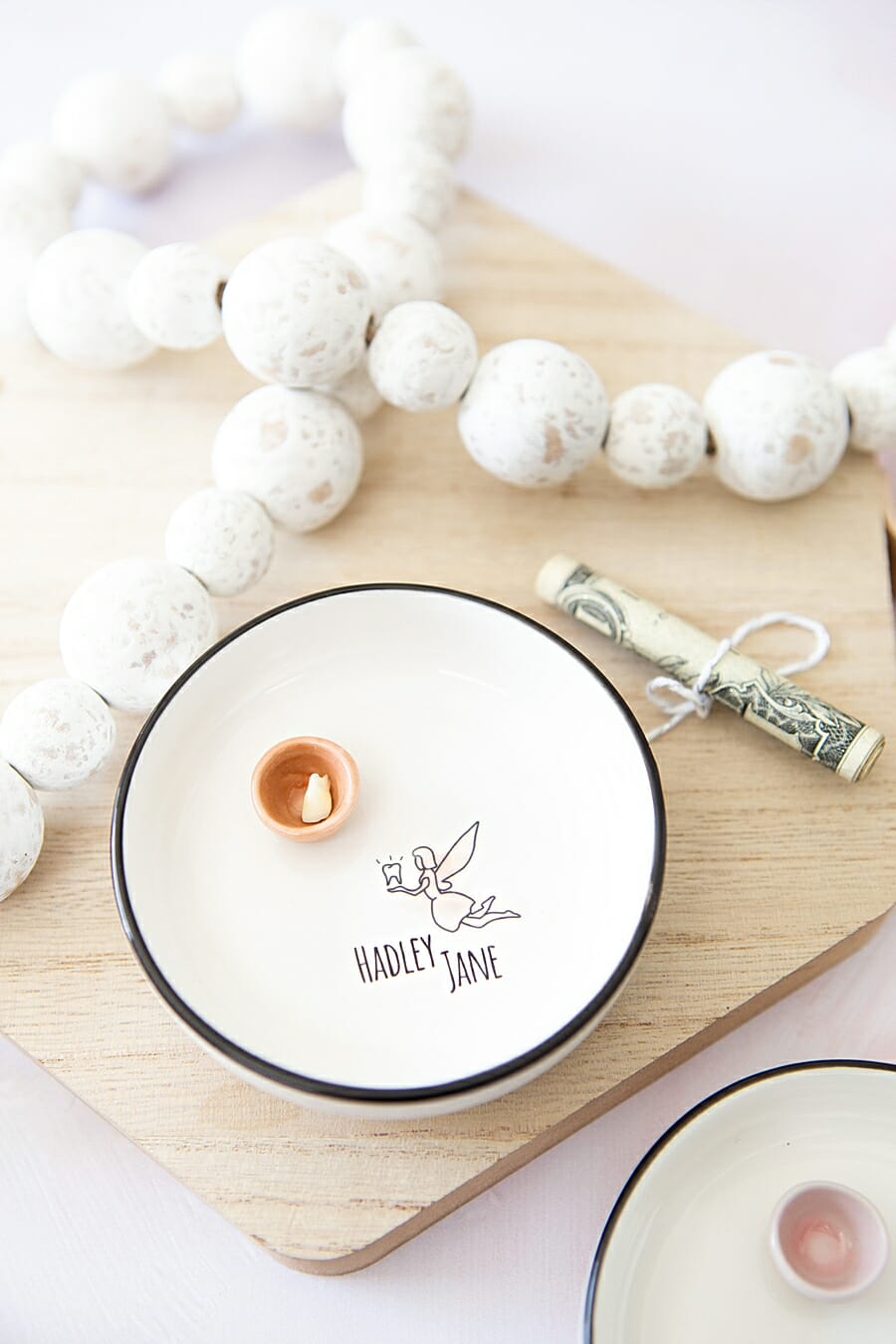
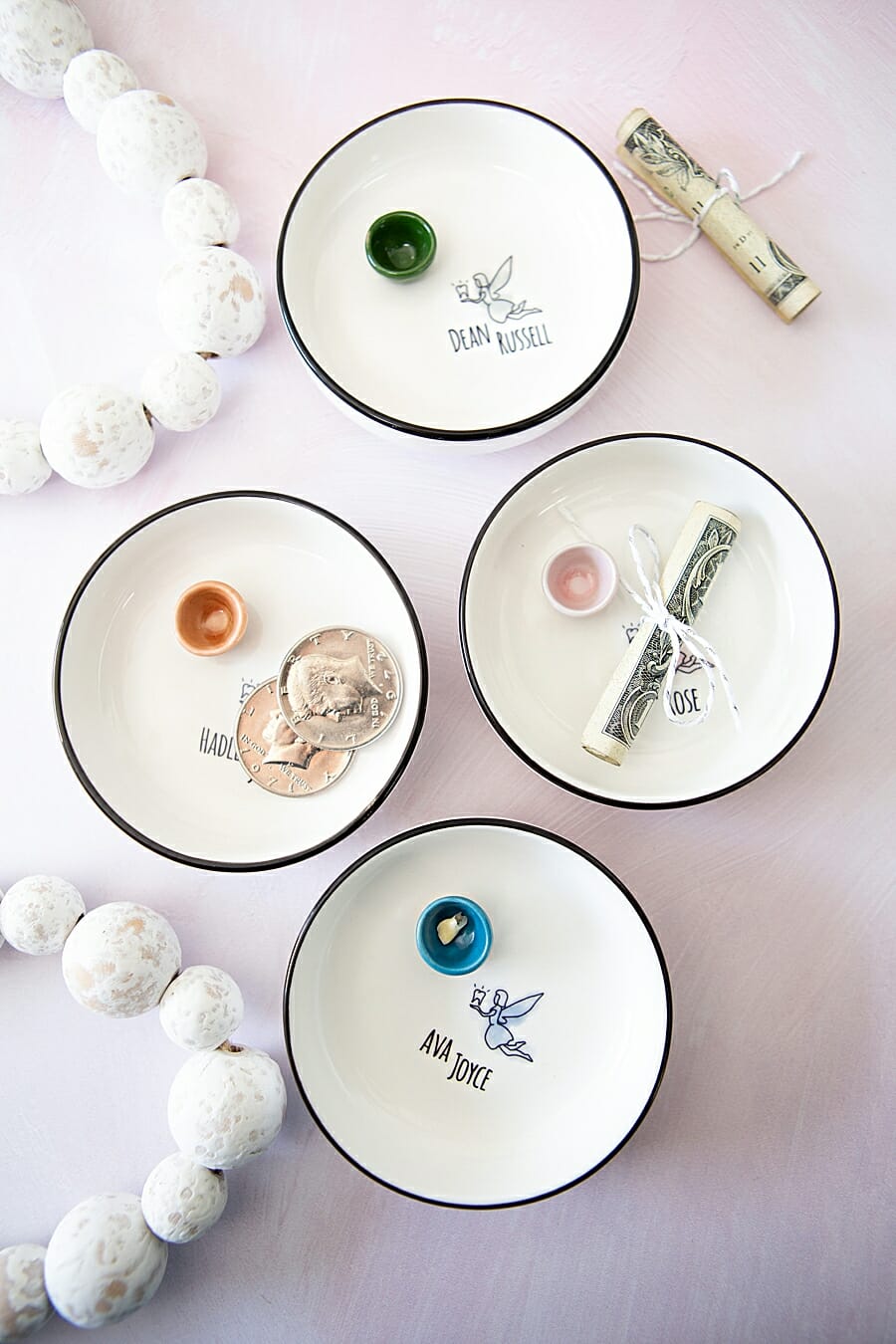
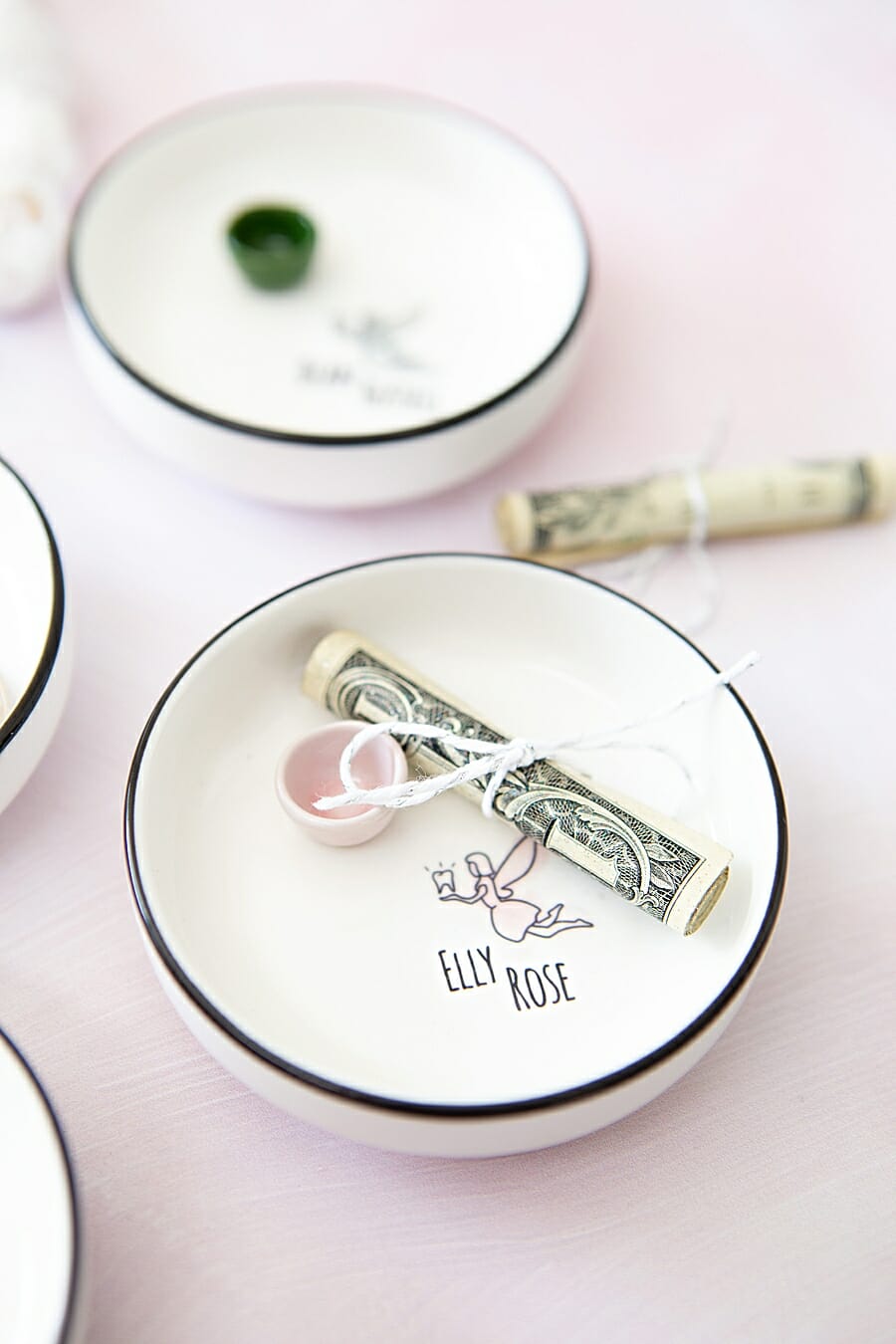
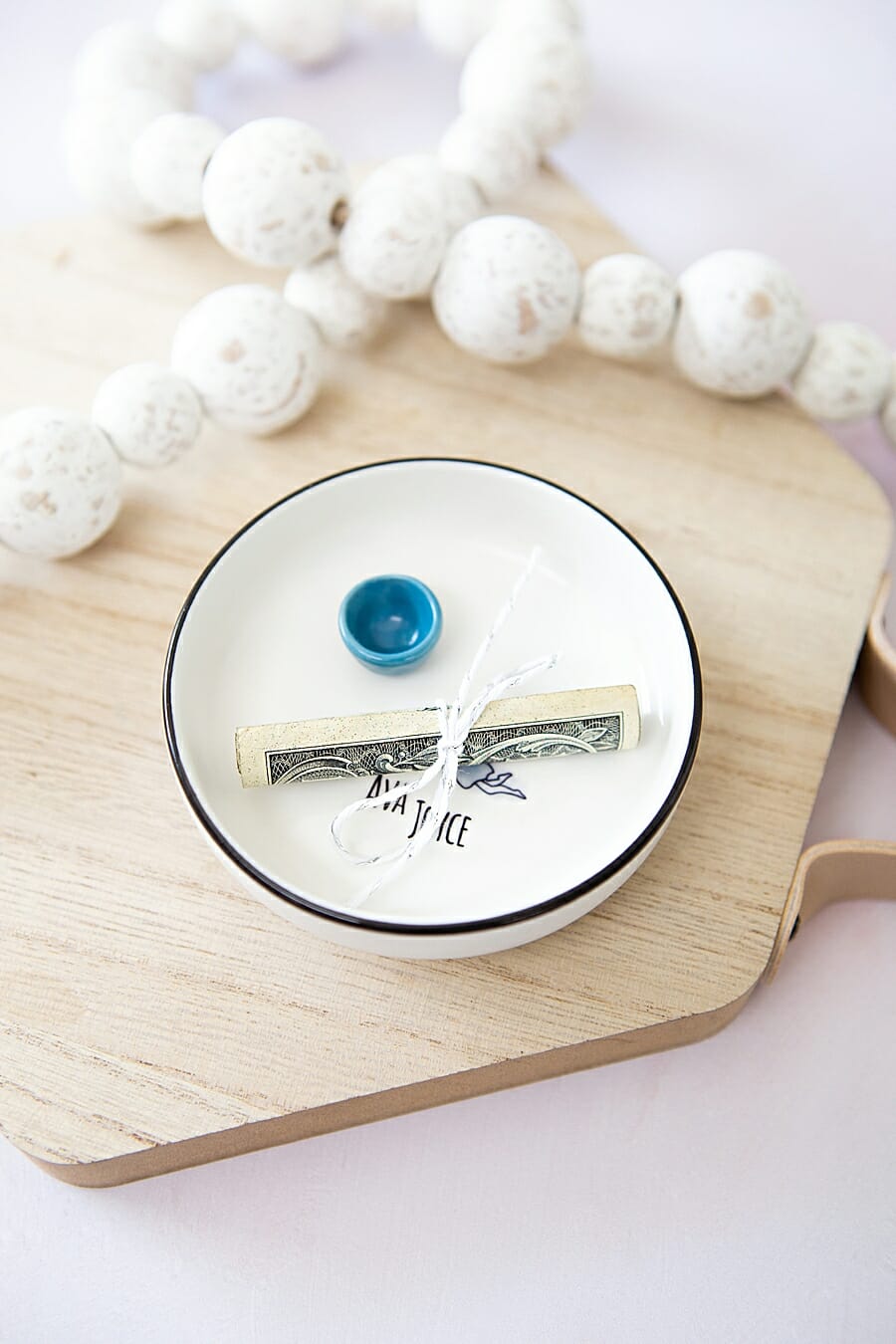
The landscape of childhood domestic traditions is undergoing a significant shift as modern parents increasingly move away from mass-produced items in favor of bespoke, artisanal alternatives. A prominent example of this trend is the recent emergence of personalized ceramic tooth fairy dishes, a creative departure from the traditional "tooth fairy pillow" that has dominated the American household for decades. This development, spearheaded by DIY expert Jen Causey-Kidder of the creative platform Something Turquoise, utilizes advanced home-printing technology and specialized materials to transform miniature household items into commemorative keepsakes. By leveraging waterslide paper technology and digital customization software, the project represents a fusion of traditional folklore and contemporary manufacturing techniques accessible to the average consumer.
Historical Context and the Shift in Ritualistic Memorabilia
The legend of the Tooth Fairy, while deeply ingrained in Western culture, is a relatively modern construct compared to other folkloric figures. While the practice of "tooth disposal" rituals dates back to ancient Northern Europe and the "tand-fé" (tooth fee) of the Vikings, the modern iteration of the Tooth Fairy did not gain widespread popularity in the United States until the early 20th century. The first notable mention in print appeared in a 1927 play by Esther Watkins Arnold. Historically, the ritual involved placing a lost tooth under a pillow, which would then be "exchanged" for currency overnight.
However, the traditional pillow has faced logistical and aesthetic criticism in recent years. Parents have noted that retrieving a tiny tooth from beneath a sleeping child’s head poses a risk of waking the child, thereby disrupting the "magic" of the experience. The shift toward a dedicated "tooth dish" or "tooth bowl" placed on a nightstand or dresser provides a stable, accessible alternative. Furthermore, the move toward personalization reflects a broader consumer trend toward unique, identity-focused children’s products—a market that has seen exponential growth in the digital age.
Technical Methodology: The Waterslide Decal Process
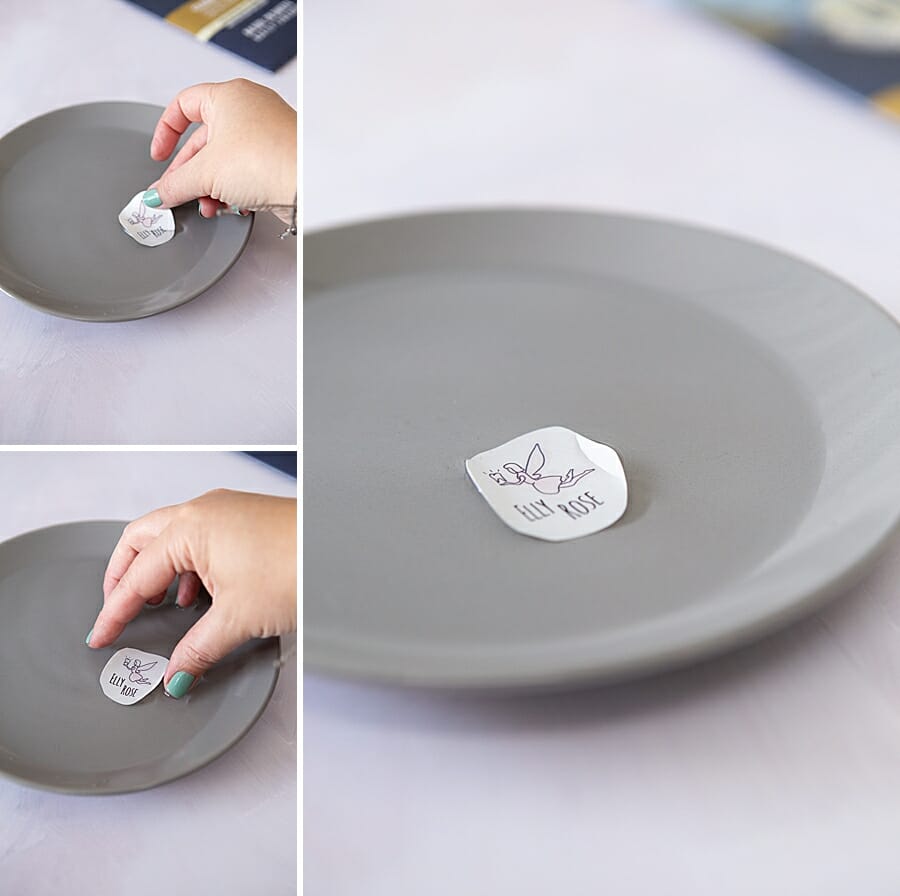
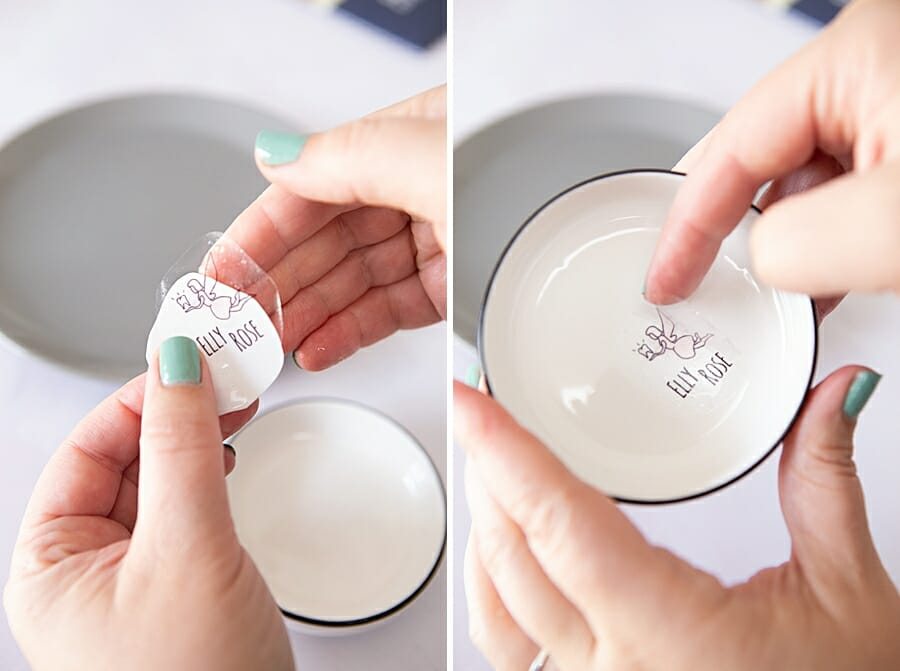
The creation of these personalized dishes involves a sophisticated yet accessible methodology known as waterslide decal transfer. This process allows for high-resolution graphics to be applied to non-porous surfaces like ceramic or plastic without the need for industrial kilns.
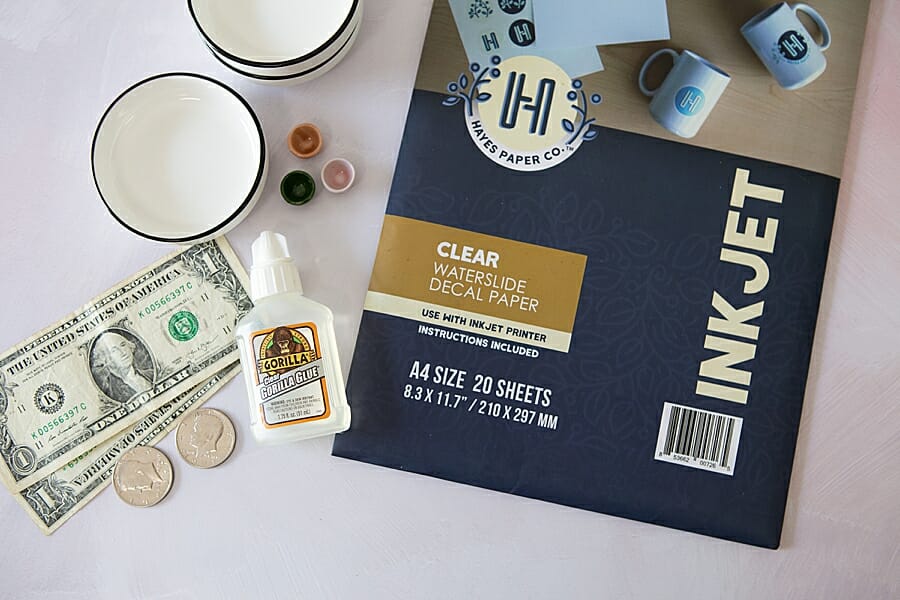
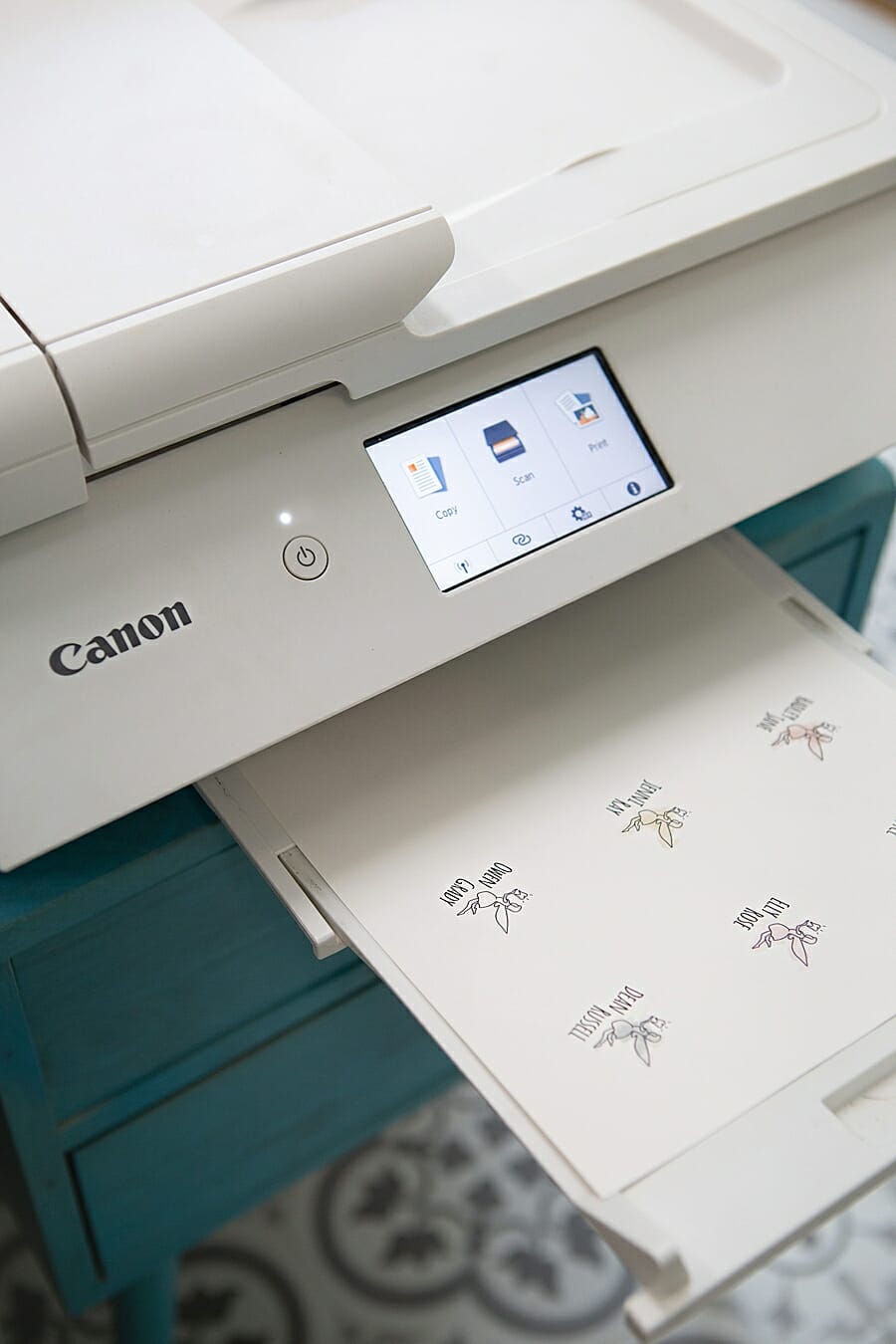
The primary innovation in this specific project is the utilization of inkjet waterslide paper. Unlike standard adhesive stickers, waterslide paper consists of a thin cornstarch-based film or dextrose layer that is activated by water. When printed with a standard inkjet printer—specifically high-quality crafting models such as the Canon PIXMA TS9521C—the ink sits atop this film.
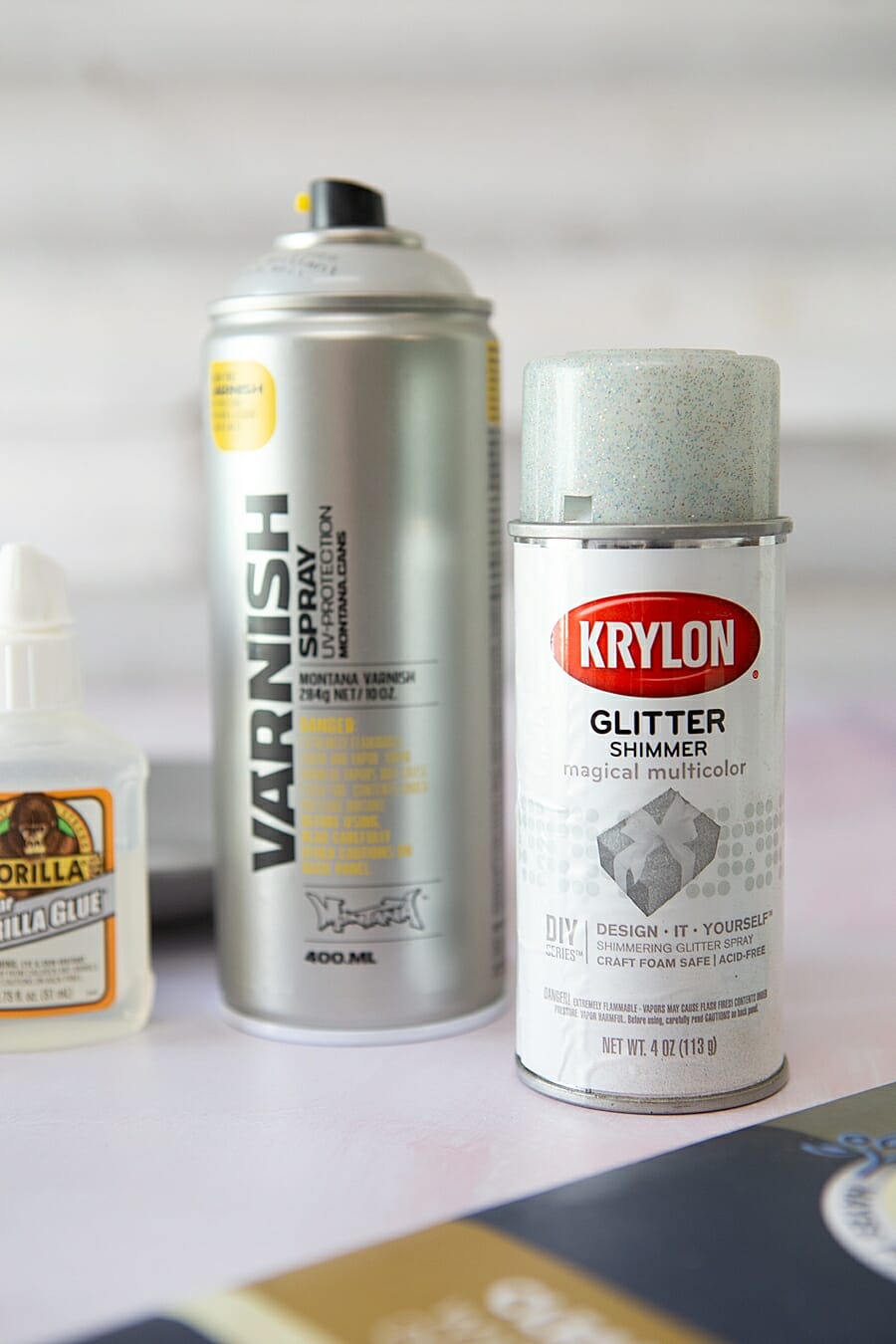
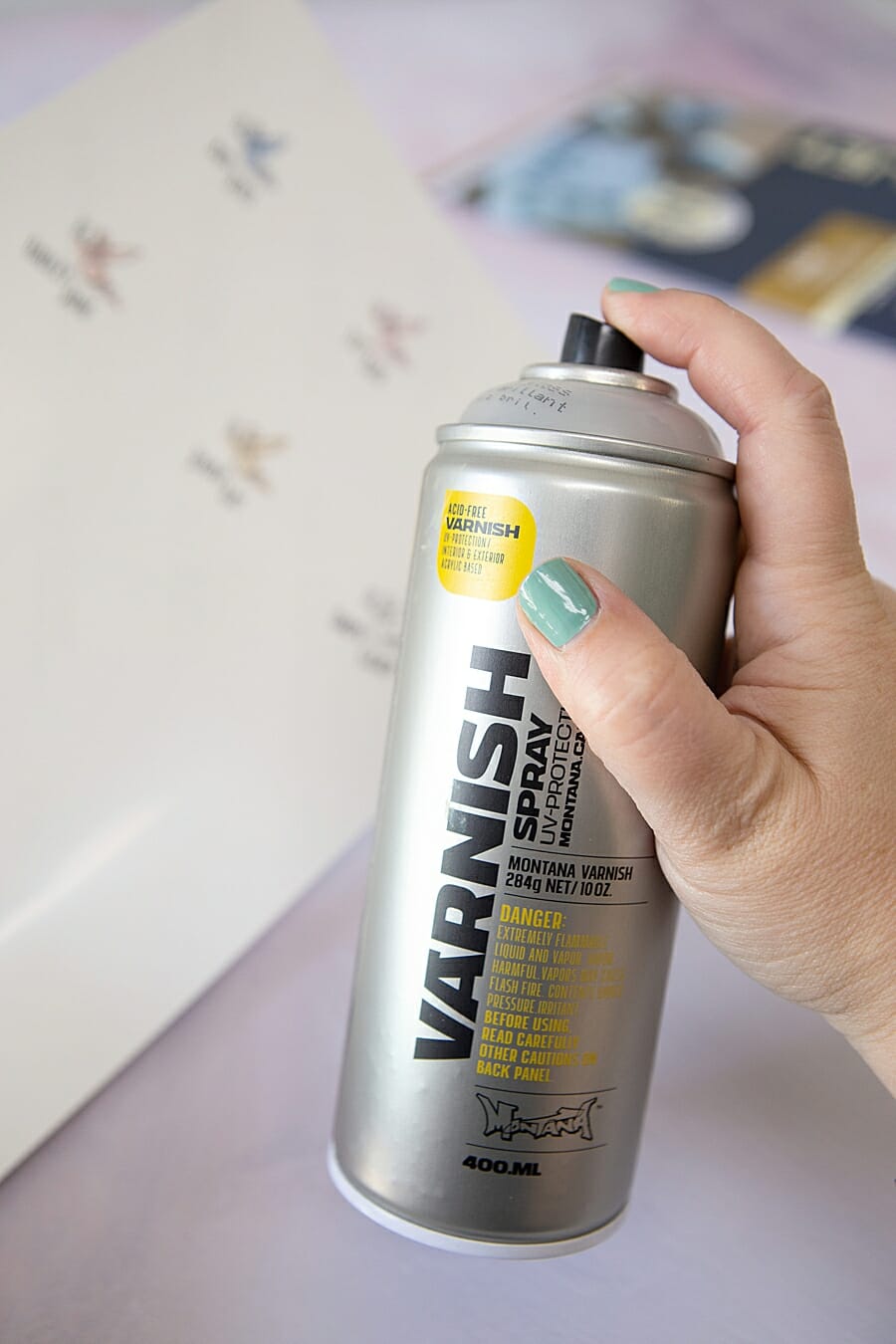
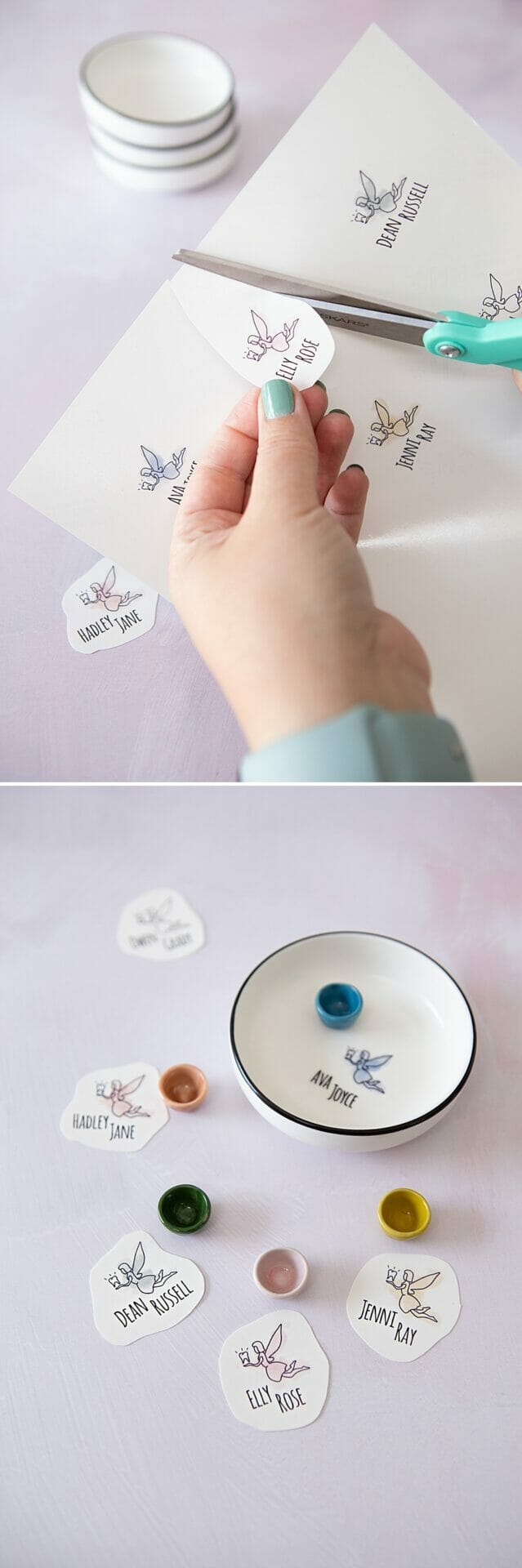
To ensure the permanence of the design, the process requires a rigorous sealing phase. The technical requirements specify the application of a clear varnish, such as Montana Brand Clear Varnish, applied in three distinct intervals. This chemical barrier prevents the water-soluble inkjet ink from bleeding when the decal is submerged. The chronology of the assembly is precise: the decal must dry for a minimum of five minutes post-printing, followed by the varnish application, and finally a 30-second immersion in water to separate the film from its paper backing.
Integration of Digital Customization Platforms
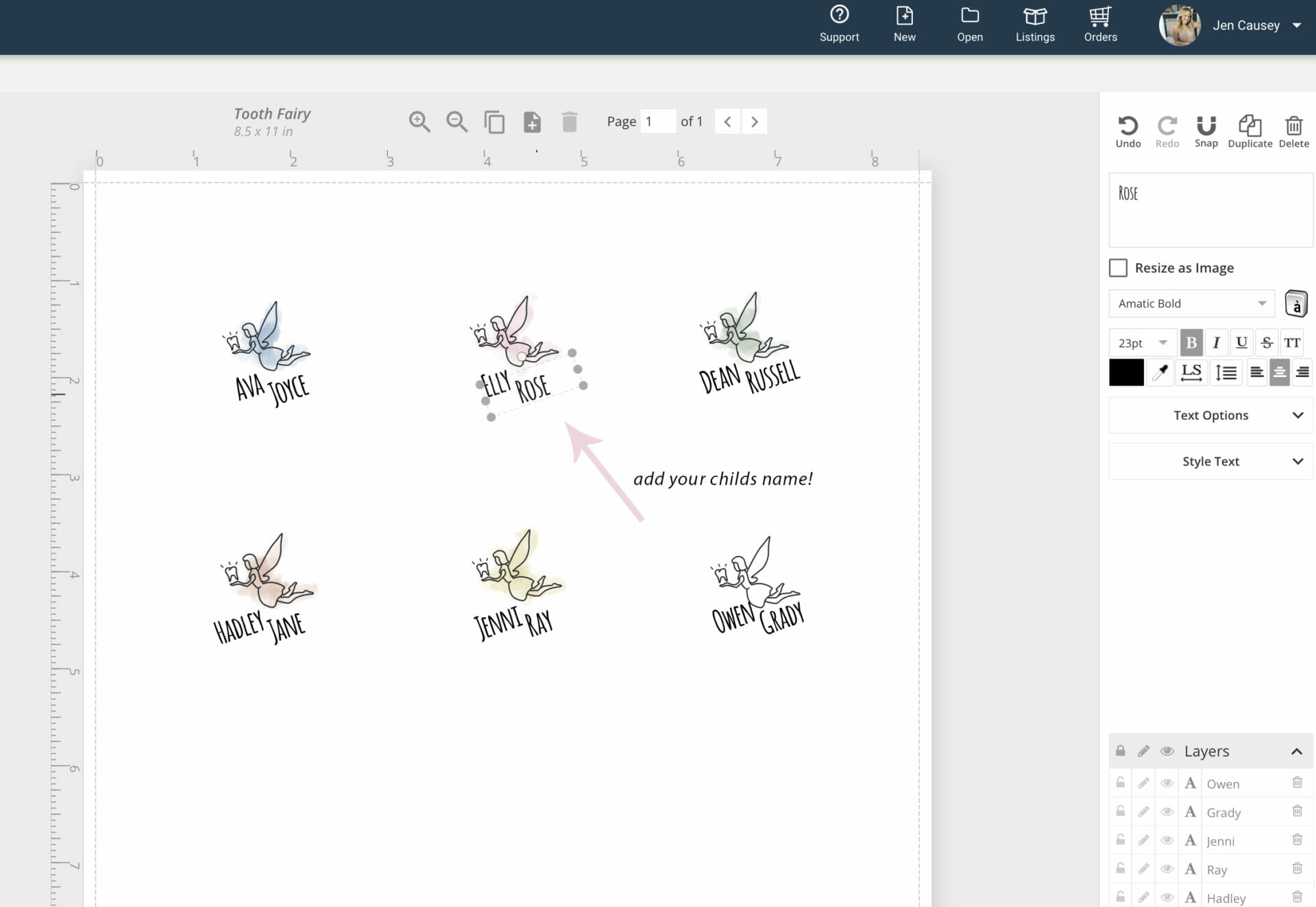
The democratization of professional design has been a key driver in the DIY movement. For this project, the integration of Corjl, an online editing platform, allows users to modify the "Amatic Bold" typography and fairy illustrations to include specific names or color schemes. This software-as-a-service (SaaS) model eliminates the need for expensive graphic design suites, allowing parents to create professional-grade aesthetics from mobile devices.
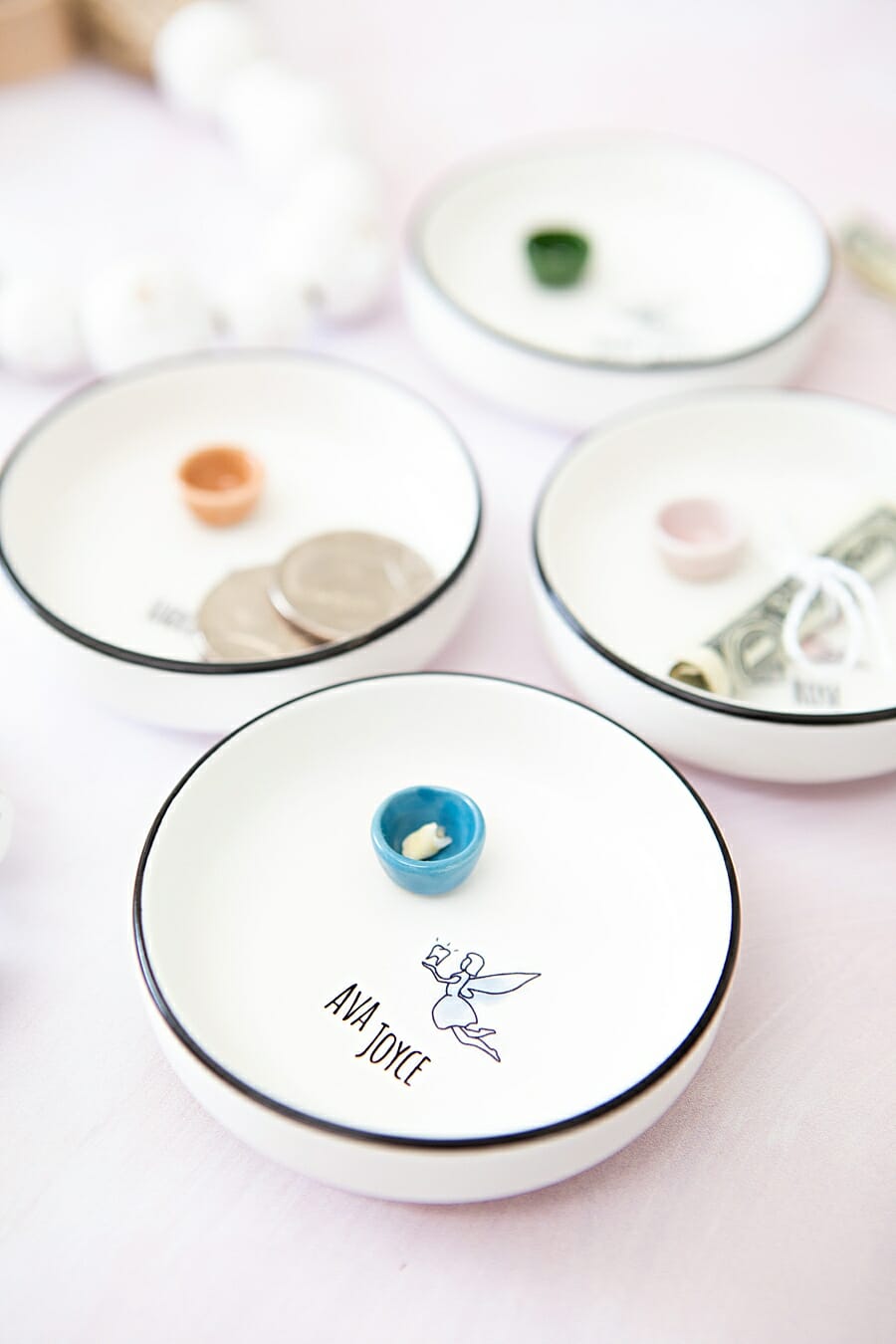
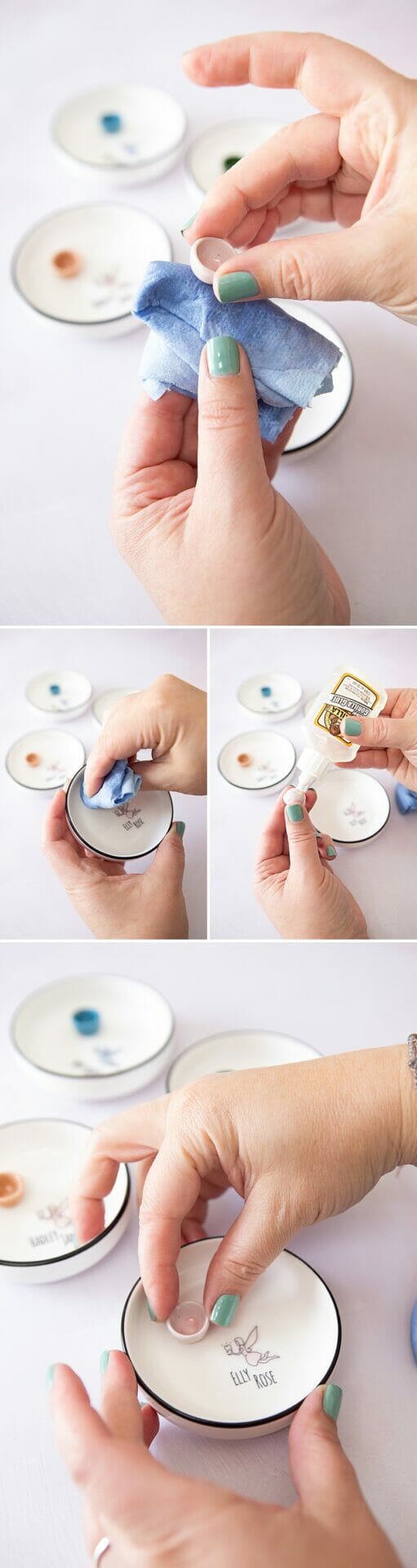
The design package includes a palette of five specific colors: green, peach, pink, blue, and yellow. This color-matching strategy extends to the physical components of the dish, which utilize "dollhouse-scale" bowls and miniature sauce dishes. By adhering these two components with a cyanoacrylate-based adhesive (Gorilla Glue), the creator achieves a tiered, pedestal-like structure that elevates the object from a simple container to a formal ritualistic vessel.
Safety Protocols and Material Limitations
As with any home-manufactured item involving chemical sealants and adhesives, the project adheres to specific safety and utility guidelines. The use of clear varnish and inkjet ink renders the dishes non-food safe. Consequently, these items are classified strictly as decorative memorabilia.
Furthermore, the longevity of the waterslide decal is dependent on environmental factors. While the decals can theoretically be oven-cured on ceramic surfaces to increase durability, the standard DIY recommendation involves a three-day air-drying period. This ensures that the adhesive bond between the decal and the ceramic substrate is fully stabilized. Maintenance is restricted to gentle handling, as the items are not compatible with high-temperature dishwasher cycles or abrasive cleaning agents.
Supporting Data: The Tooth Fairy Economy and DIY Market Trends
The rise of personalized tooth fairy accessories is supported by significant economic data regarding childhood traditions. According to the 2023 Delta Dental Tooth Fairy Index, the average value of a single lost tooth in the United States reached a record high of $6.23. This "inflation" of the tooth fairy ritual has transformed it from a minor exchange into a significant childhood milestone, justifying the creation of dedicated "ceremonial" hardware like the personalized dish.
Simultaneously, the global DIY and crafting market is projected to reach over $600 billion by 2027. This growth is driven by the "maker movement," where consumers find value in the process of creation rather than just the final product. The "Something Turquoise" project taps into this sentiment, emphasizing the "Instagrammable" nature of the process. Social media platforms, particularly Instagram Reels and TikTok, have become the primary vehicles for disseminating these tutorials, with the hashtag #somethingturquoisediy serving as a digital repository for consumer-generated versions of the project.
Broader Implications for the "Maker" Community
The success of the personalized tooth fairy dish highlights several broader implications for the contemporary crafting community:
- Technological Convergence: The project demonstrates how high-end software (Corjl), specialized materials (waterslide paper), and traditional assembly (Gorilla Glue) can converge to create a product that rivals mass-produced retail items.
- Ritual Innovation: By modifying the physical location of the tooth exchange (from under the pillow to a bedside dish), parents are re-engineering childhood rituals to better suit modern lifestyles and "stealth" parenting requirements.
- Monetization of DIY Content: The tutorial serves as a case study in how digital content creators can monetize free information through affiliate marketing (Amazon links) and the sale of digital assets (Corjl templates).
Conclusion and Future Outlook
The personalized tooth fairy dish is more than a simple craft; it is a reflection of the modern parent’s desire to curate and document childhood milestones with a high degree of aesthetic control. By moving the tradition out from under the pillow and into the light of a personalized ceramic bowl, the ritual becomes a shared visual experience, often captured and shared within digital social circles.
As home manufacturing technology continues to advance, it is likely that more childhood traditions will be "disrupted" by similar DIY innovations. For now, the combination of dollhouse miniatures and waterslide technology provides a clear example of how technical skill and creative vision can breathe new life into centuries-old folklore. The project stands as a testament to the enduring power of the Tooth Fairy legend and the evolving ways in which families choose to celebrate the small, yet significant, moments of growing up.