


The landscape of childhood milestones is undergoing a significant transformation as parents increasingly pivot from mass-produced items toward bespoke, handmade keepsakes. A prominent example of this shift is the rising popularity of personalized tooth fairy dishes, a modern alternative to the traditional tooth fairy pillow. By utilizing advanced crafting techniques such as inkjet waterslide decal transfers and mixed-media assembly, caregivers are now able to create permanent, individualized artifacts that commemorate the loss of primary teeth. This movement reflects a broader trend in the "handmade economy," where digital customization tools and accessible chemical sealants allow for professional-grade results within a domestic setting.
The Shift from Textile to Ceramic Traditions
For decades, the standard vessel for the tooth fairy ritual was the tooth fairy pillow—a small, often plush fabric square with a pocket intended to hold a tooth and, subsequently, a monetary reward. However, contemporary aesthetic preferences have begun to favor more durable and visually distinct options. The transition to ceramic dishes offers several advantages, including ease of sanitation, the ability to incorporate high-resolution digital art, and a smaller physical footprint that fits easily on a nightstand.
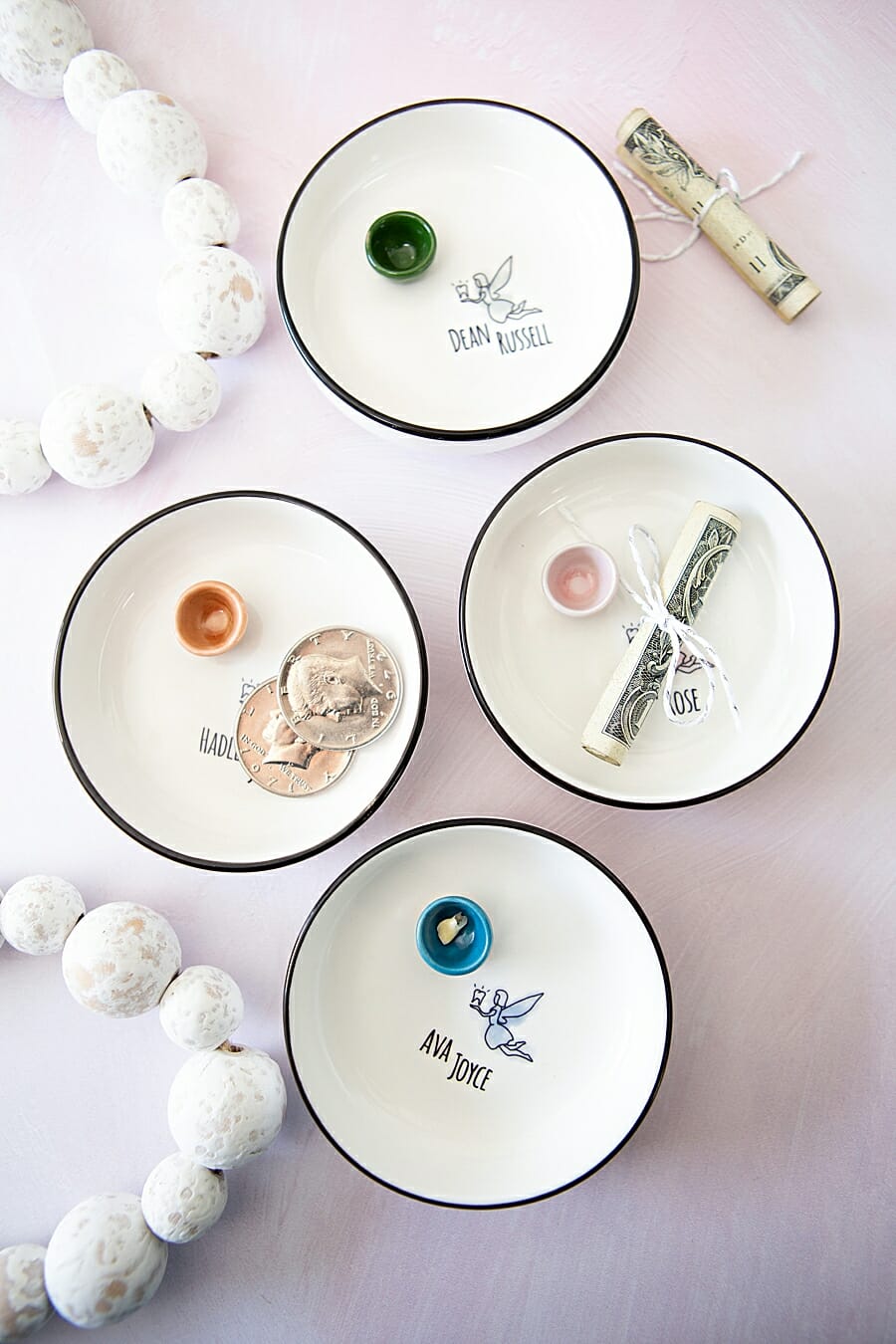
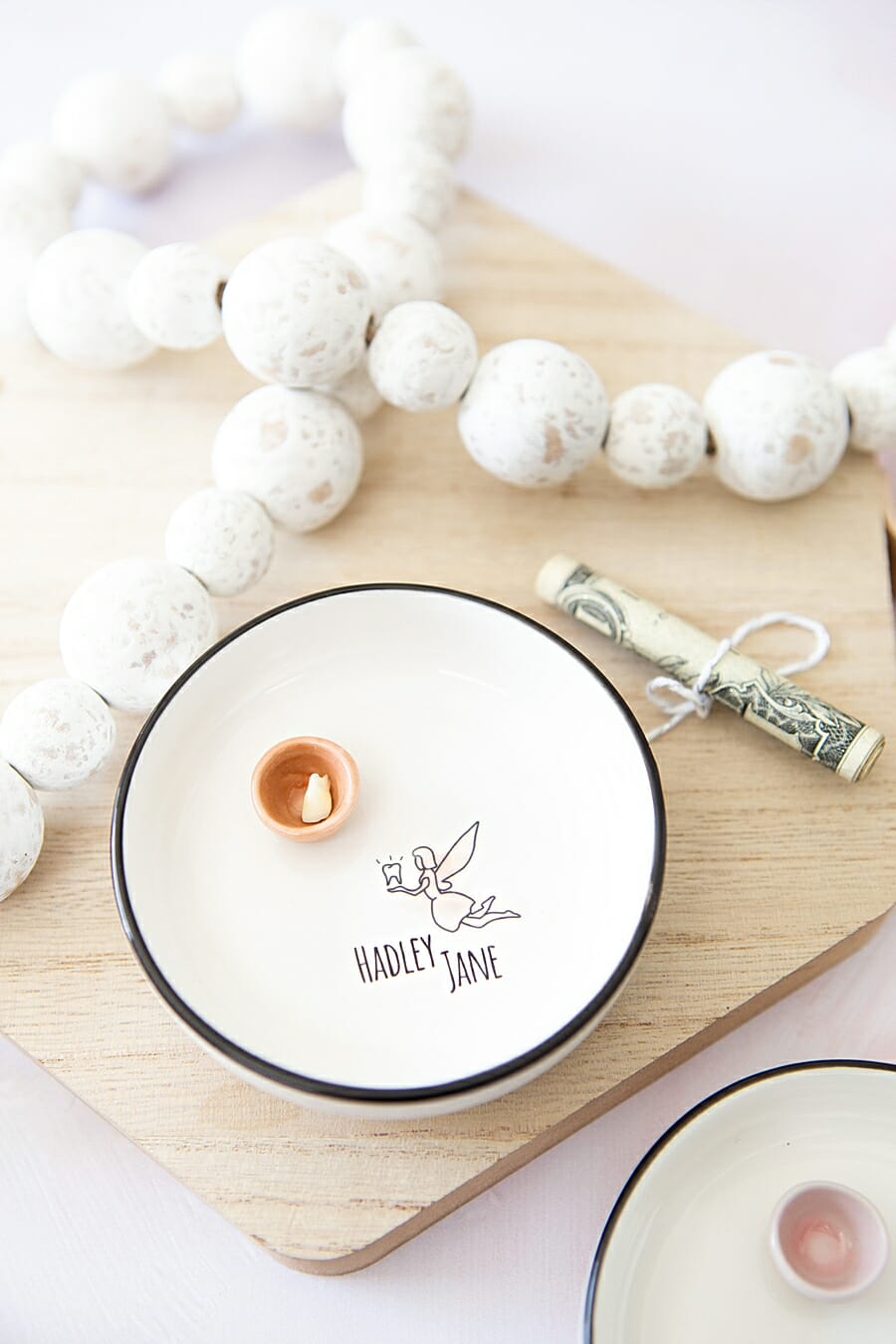
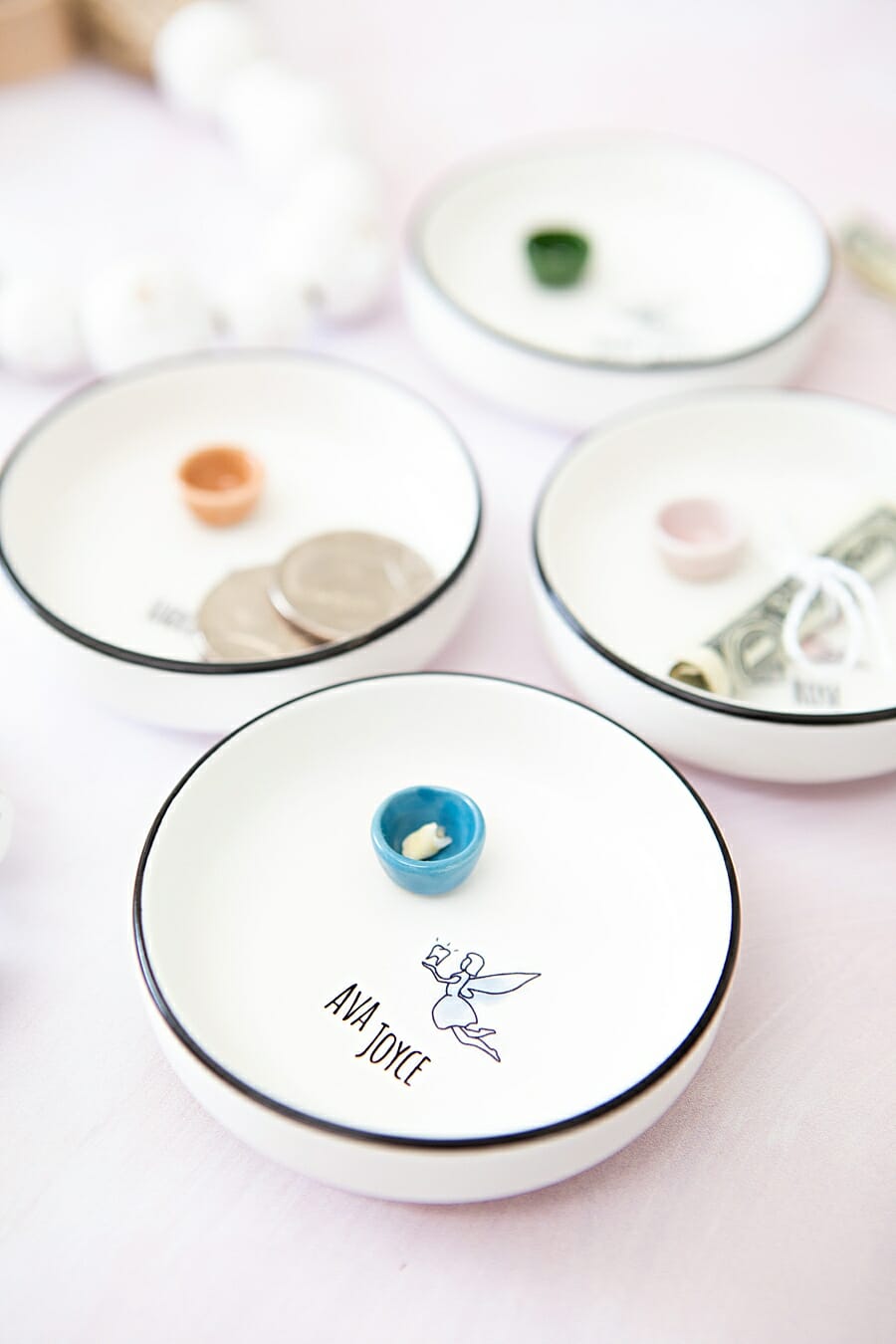
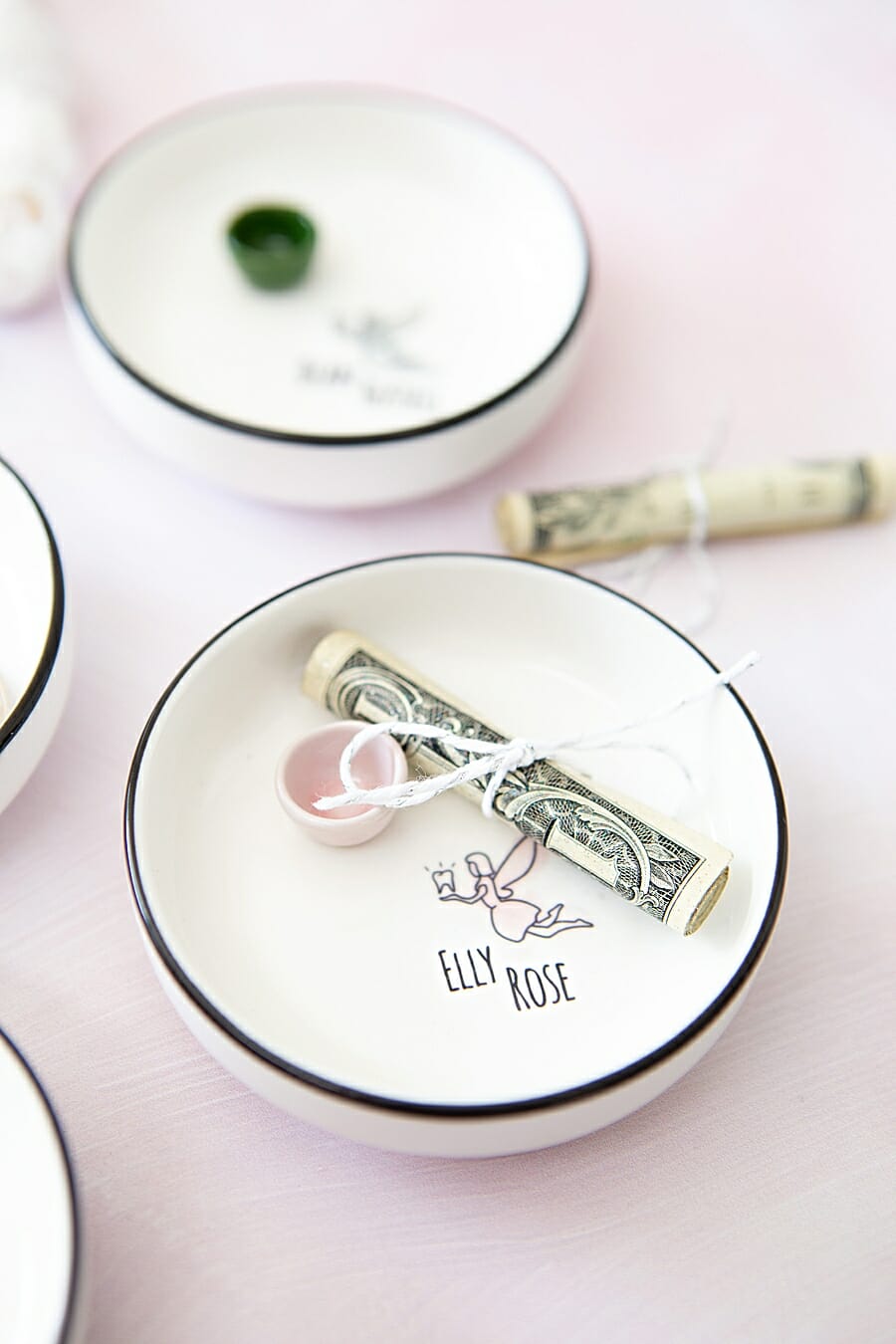
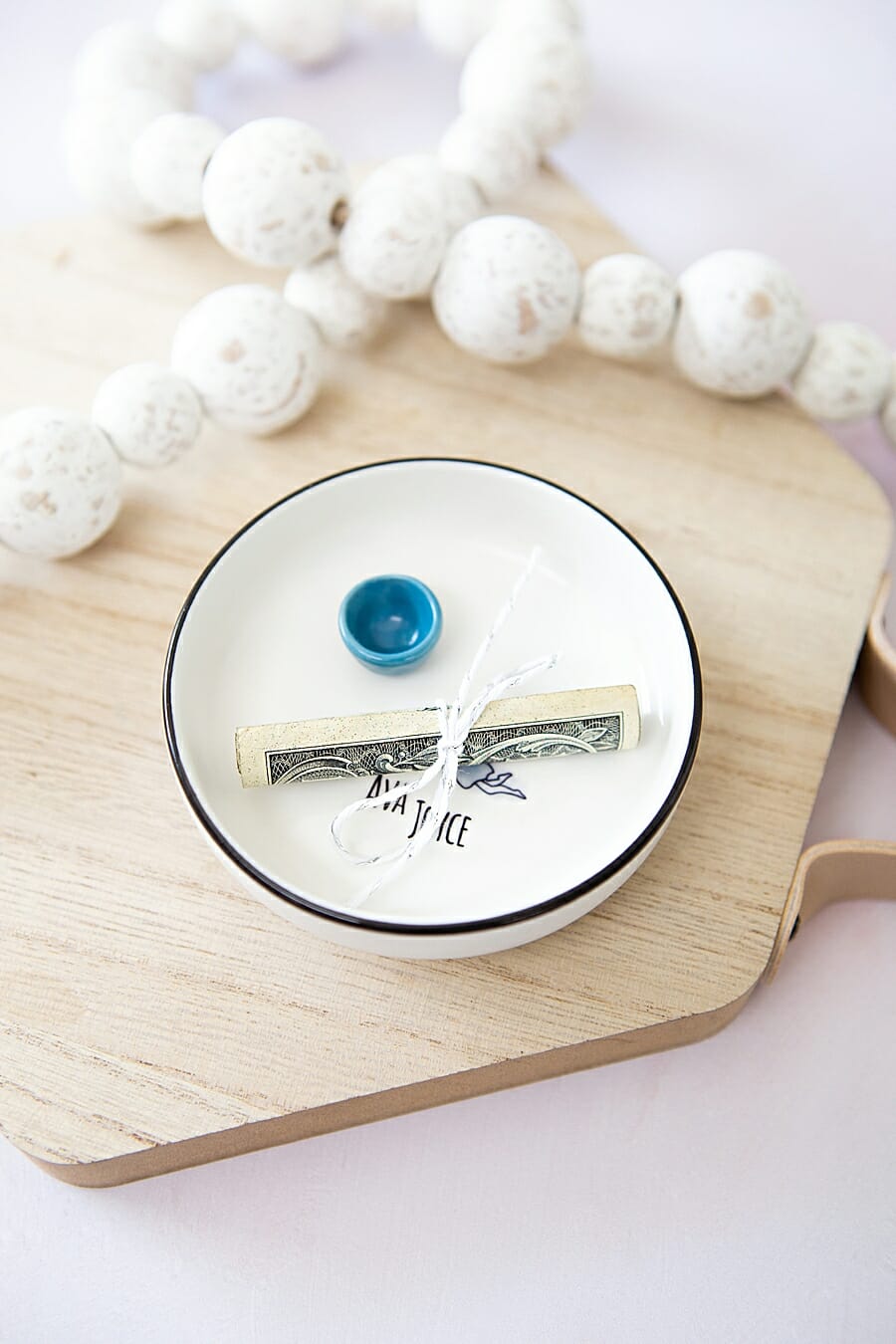
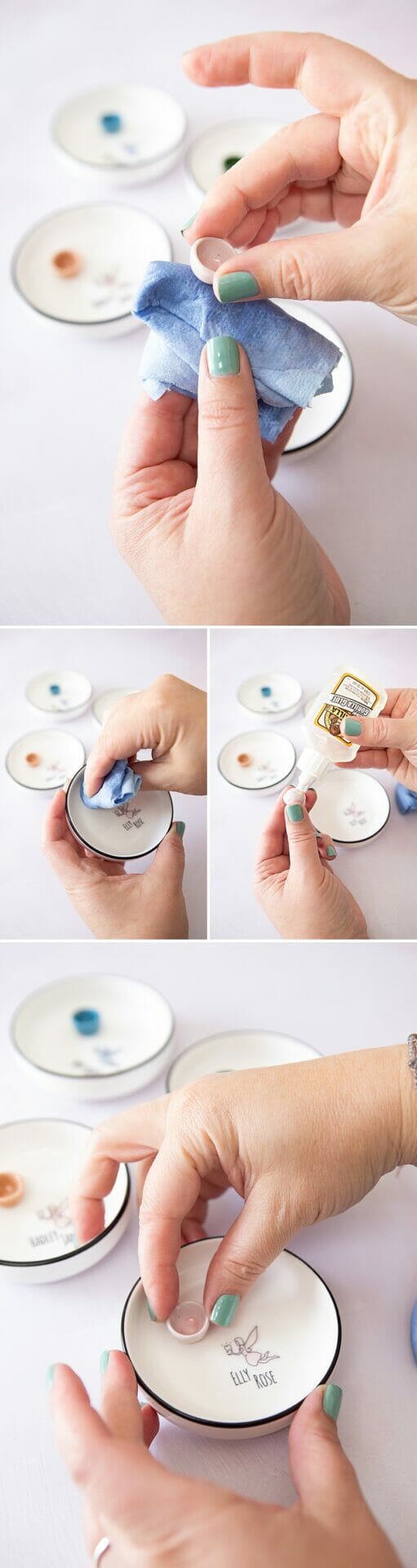
The project popularized by DIY experts involves the integration of two distinct components: a standard ceramic sauce dish and a miniature dollhouse bowl. This combination creates a tiered pedestal effect, elevating the ritual from a simple exchange to a curated display. The use of ceramic also allows for the application of waterslide paper, a sophisticated transfer medium that provides a level of detail previously unattainable through hand-painting or traditional embroidery.
Technical Methodology and Chronology of Construction
The creation of a personalized tooth fairy dish is a multi-stage process that requires a precision-based approach to digital design, chemical sealing, and structural bonding. The following chronology outlines the standard procedure for developing these artifacts.
Phase I: Digital Customization and Graphic Design
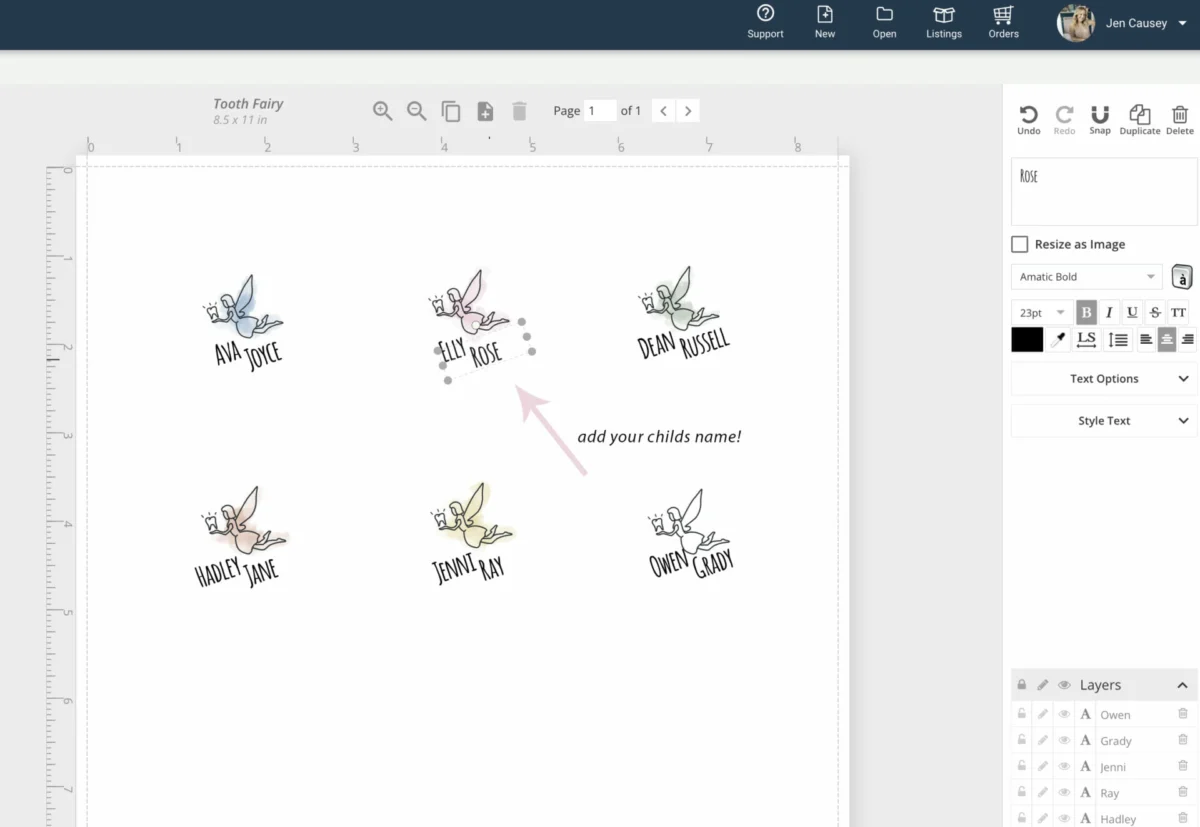
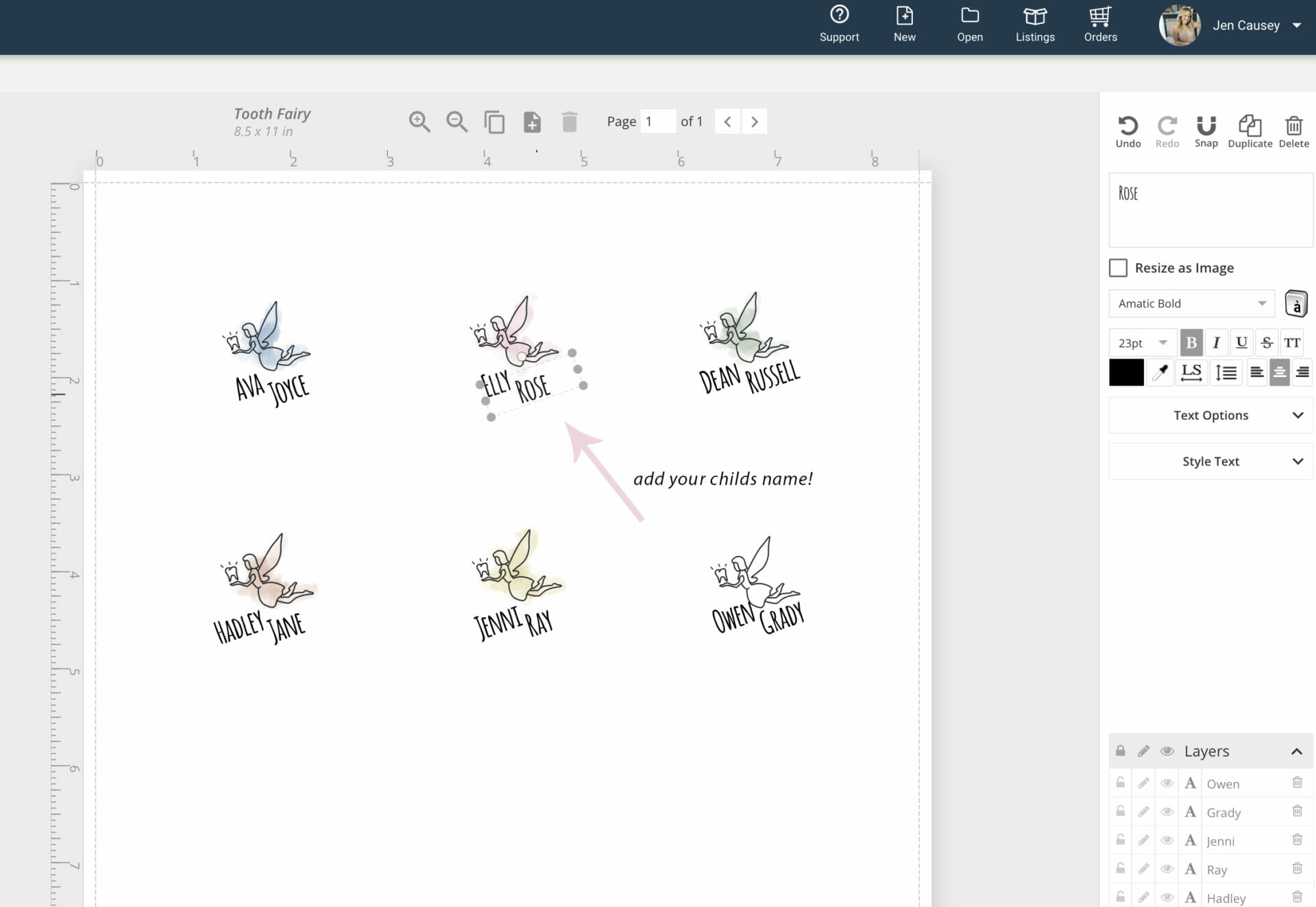
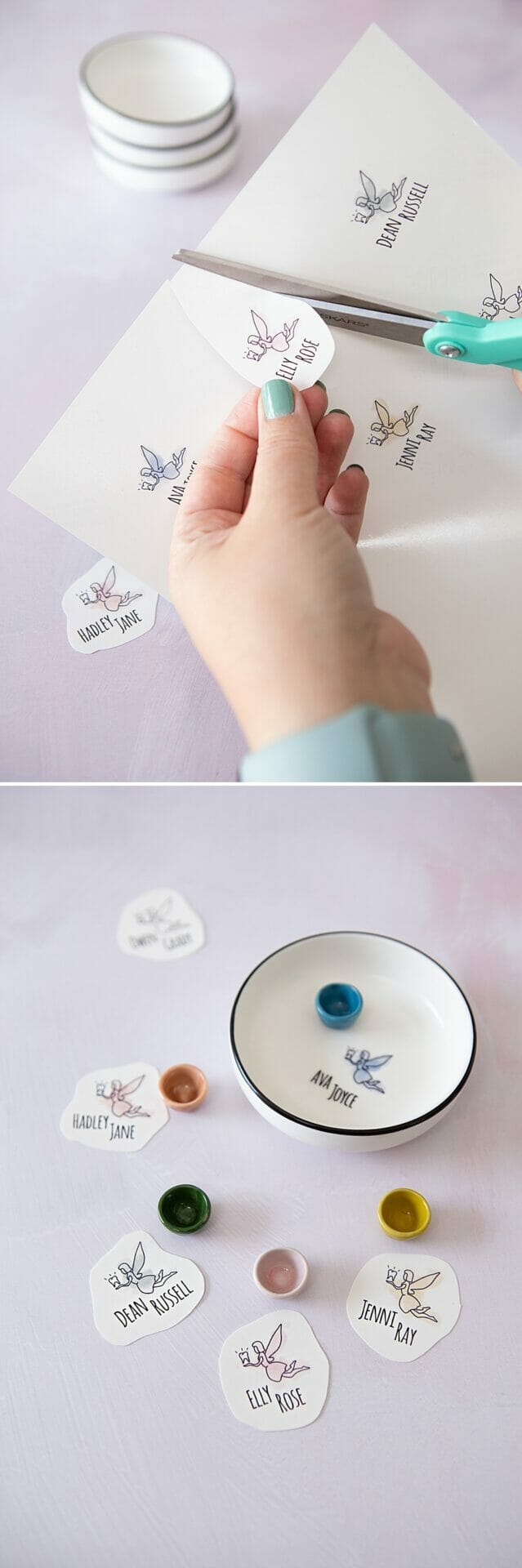
The process begins with the selection of a digital template. Modern platforms such as Corjl have revolutionized this stage by allowing users to edit graphics via mobile or desktop interfaces without requiring advanced design software. Parents can select from various color palettes—typically green, peach, pink, blue, and yellow—to match the child’s room or personal preference. The use of specific typography, such as Amatic Bold, has become a hallmark of this particular DIY aesthetic, providing a whimsical yet legible finish.
Phase II: Decal Production and Stabilization
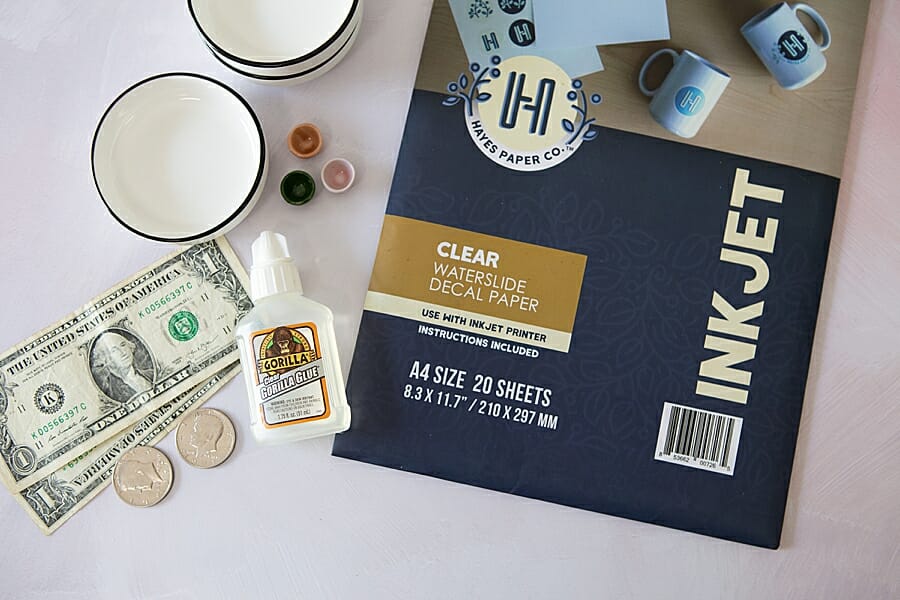
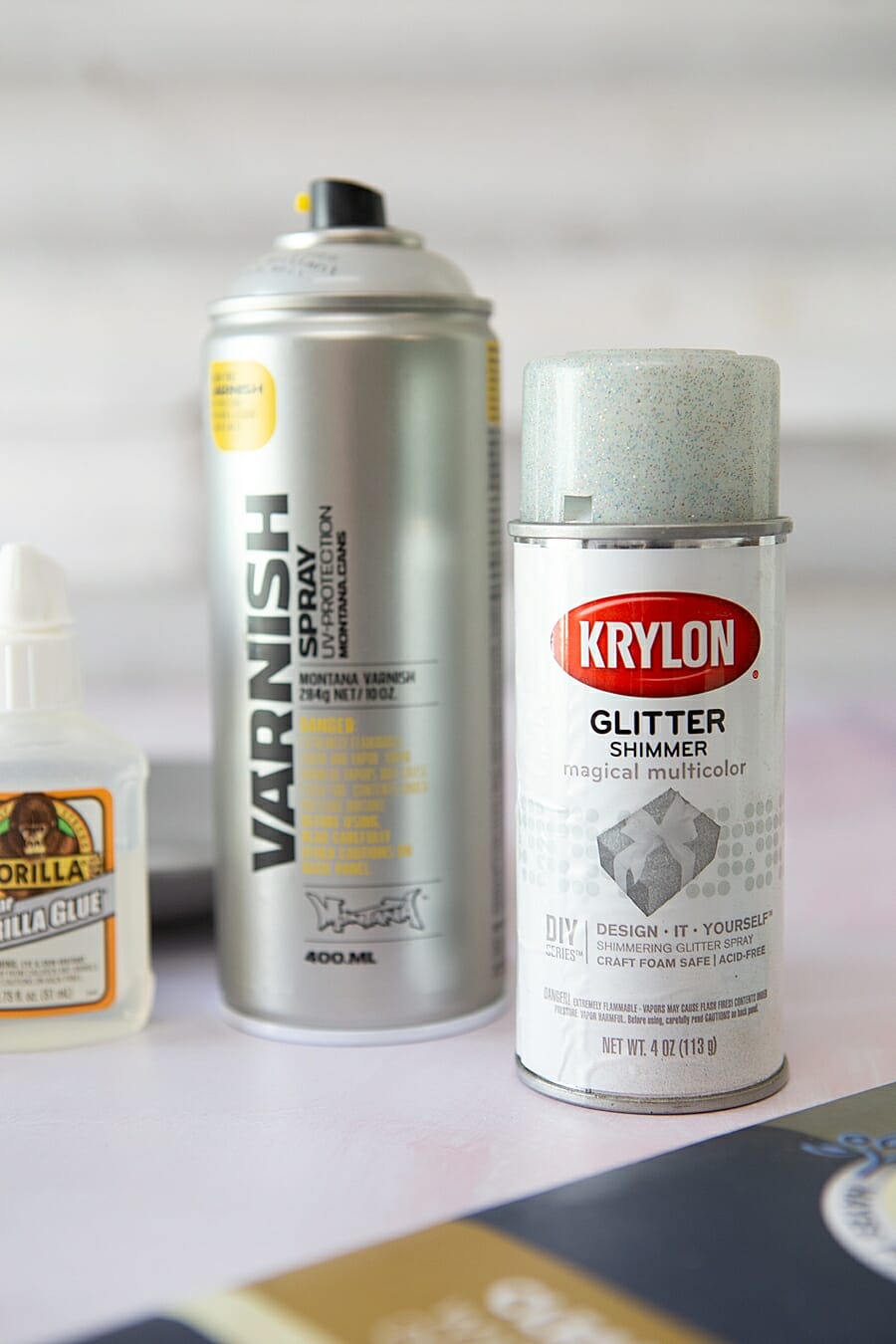
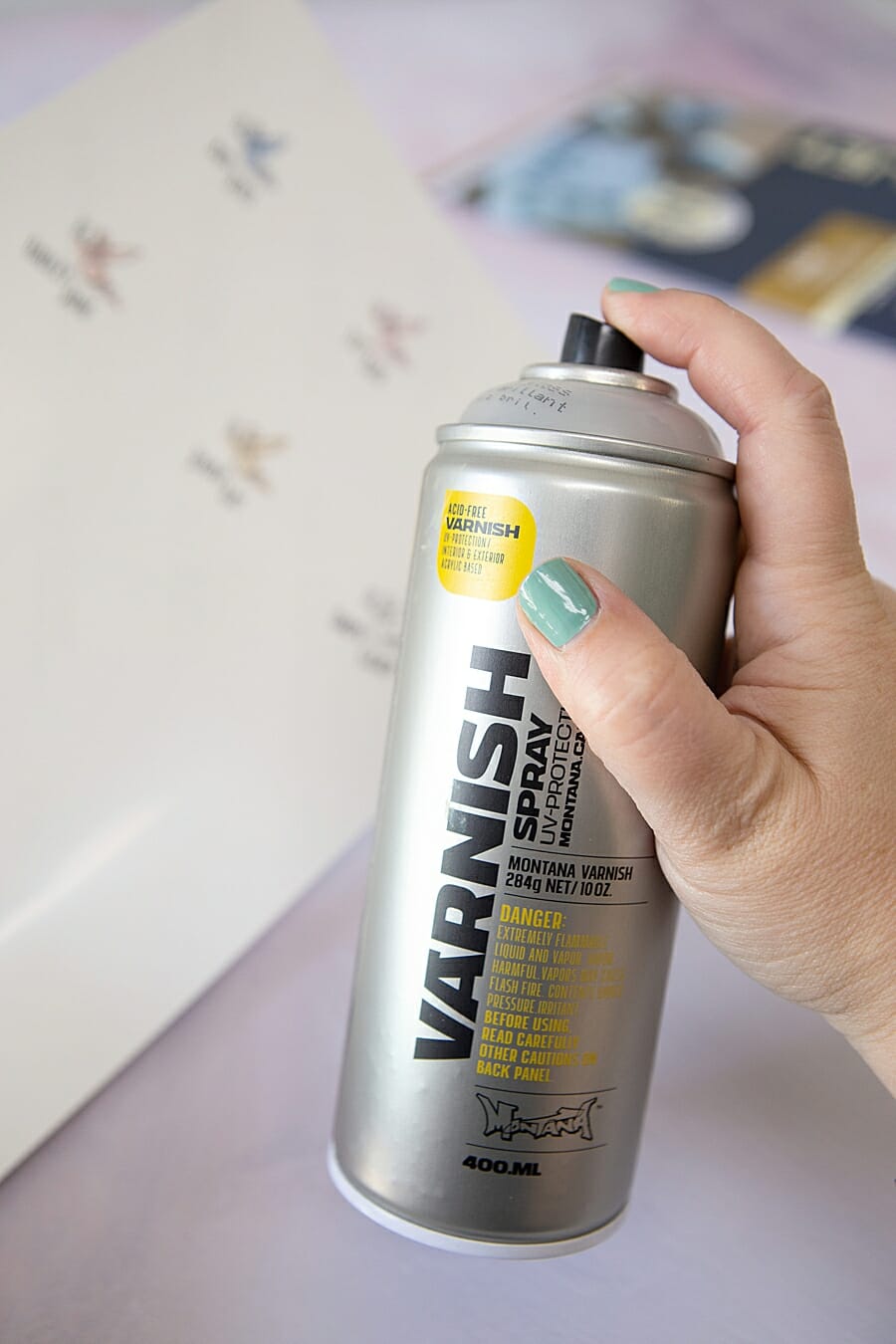
Once the design is finalized, it is printed onto inkjet waterslide paper. This material consists of a water-soluble adhesive layer on a paper backing, topped with a thin polymer film that holds the ink. Because inkjet ink is water-soluble, the printed design must be stabilized before it can be submerged. This is achieved through the application of a clear varnish, such as those produced by Montana. Industry standards suggest a minimum of three thin coats, with drying intervals between each, to ensure the ink is fully encased in a waterproof barrier.
Phase III: Application and Curing
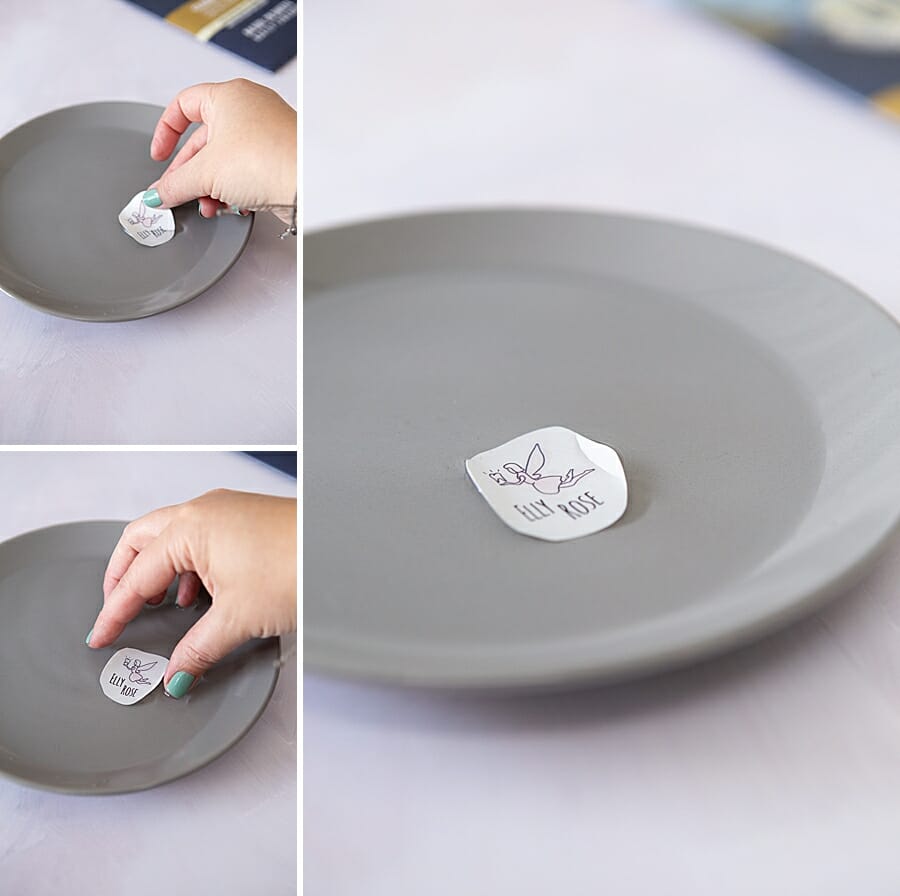
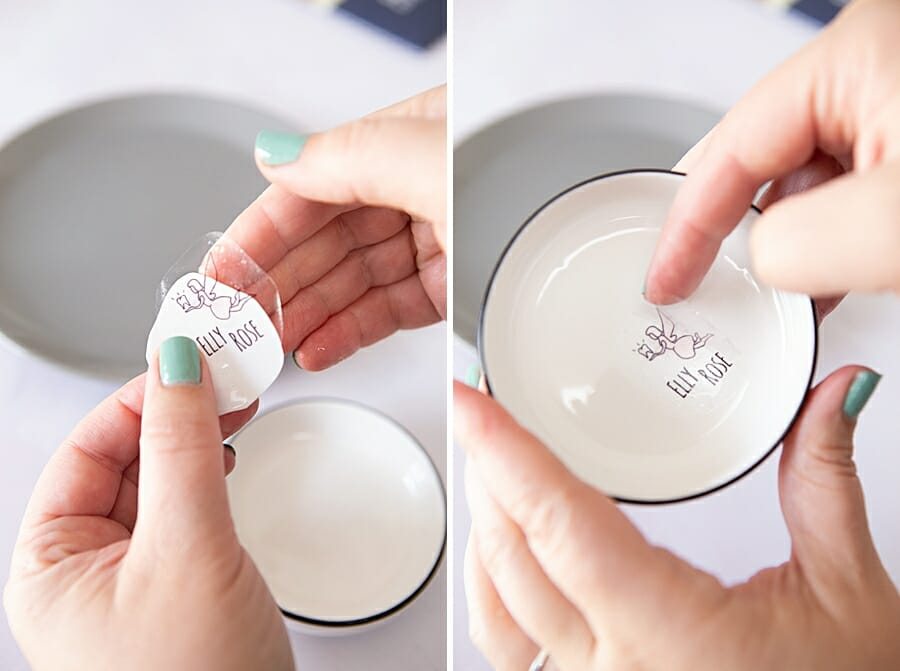
After the varnish has dried—a process often accelerated by natural sunlight—the decals are trimmed and submerged in water for approximately 30 to 60 seconds. This saturation allows the polymer film to slide off the paper backing. The decal is then positioned onto the ceramic surface. A critical component of this phase is the curing time; while some ceramic decals can be oven-cured for increased durability, many DIY practitioners recommend a three-day air-drying period to ensure the adhesive has fully bonded with the non-porous ceramic surface.
Phase IV: Structural Assembly
The final assembly involves bonding the ceramic dish to the dollhouse bowl base. This requires a high-strength adhesive capable of joining disparate materials. Polyurethane glues, such as Gorilla Glue, are frequently employed for this purpose. The surfaces are typically dampened to activate the glue’s bonding properties, and the entire structure is left to cure alongside the decal, ensuring a cohesive and sturdy final product.
Material Analysis and Safety Considerations
While these dishes are designed for aesthetic and ritualistic use, they present specific technical limitations regarding food safety and maintenance. The clear varnishes and waterslide polymers used to create the decals are not typically FDA-approved for food contact. Furthermore, the heat and high-pressure water of a dishwasher can cause the decal to delaminate or the adhesive bond of the pedestal to fail.
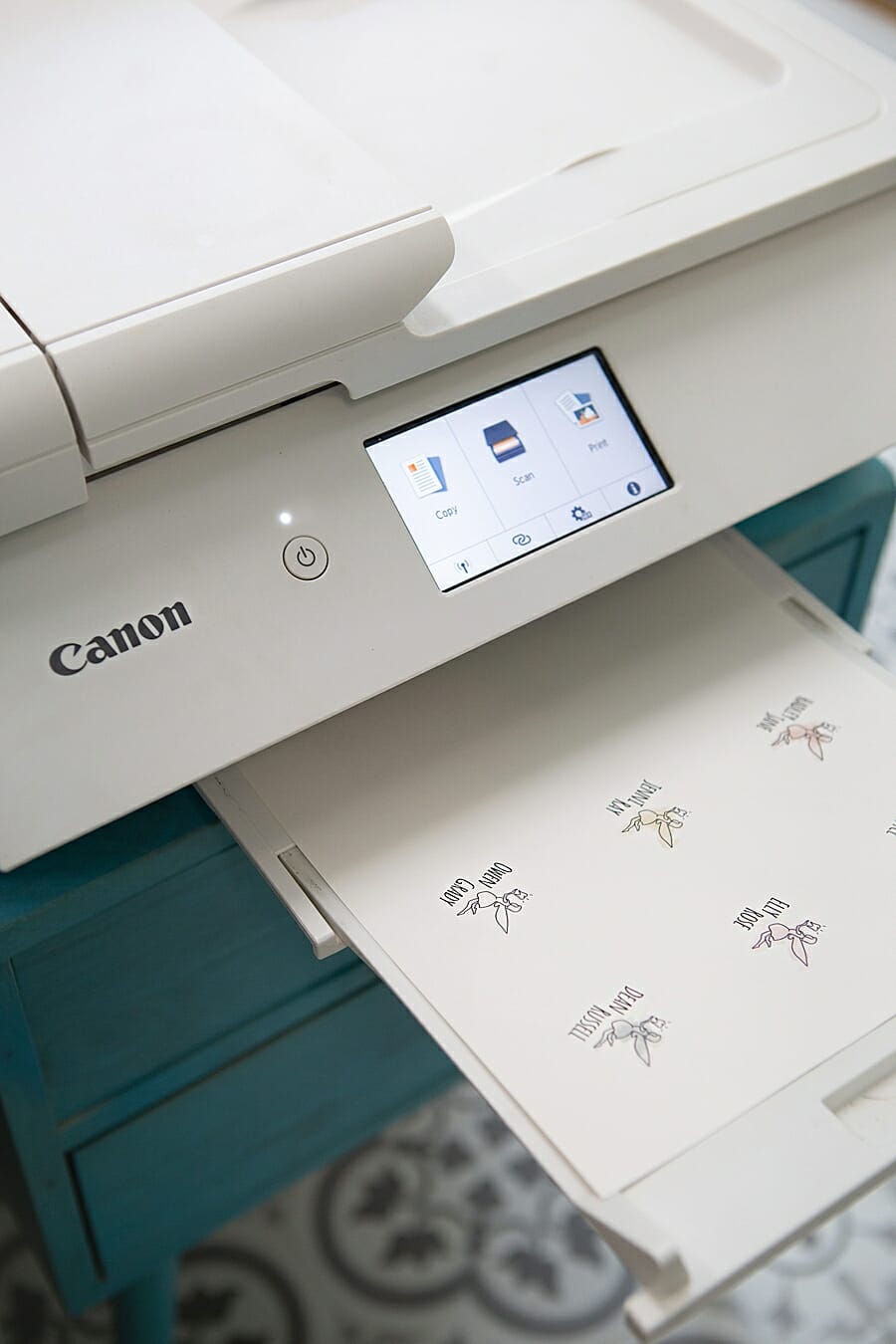
In a journalistic analysis of the materials, it is noted that these items are classified as "decorative keepsakes" rather than "utilitarian dinnerware." Parents are advised that the dishes should only be used for their intended purpose—holding teeth and currency—and should be cleaned only with a damp cloth if necessary. The use of high-quality crafting printers, such as the Canon PIXMA TS9521C, is often cited as a contributing factor to the longevity of the image, as these machines are calibrated for the heavy-duty stocks used in specialized paper crafting.
Supporting Data: The Rise of the "Experience Economy" in Parenting
The popularity of personalized tooth fairy dishes can be contextualized within the growth of the global "experience economy." According to market research, millennial and Gen Z parents are more likely to invest in "micro-moments"—small, highly curated experiences that can be shared on social media.
- Customization Trends: Data from e-commerce platforms indicates a 25% year-over-year increase in searches for "personalized childhood milestones" and "custom tooth fairy items."
- DIY Growth: The global handicraft market was valued at approximately $750 billion in 2022 and is projected to reach over $1.2 trillion by 2030. This growth is driven by the accessibility of tutorials on platforms like Instagram Reels and TikTok.
- Social Media Impact: Hashtags such as #somethingturquoisediy serve as digital repositories for these projects, creating a feedback loop where parents share their iterations, further driving the demand for specialized materials like waterslide paper and miniature dollhouse accessories.
Psychological and Social Implications
Psychologists suggest that the personalization of rituals like the Tooth Fairy can have positive effects on child development. Creating a "special place" for a lost tooth can help alleviate the anxiety some children feel regarding the physical loss of a part of their body. By involving children in the choice of color or design for their dish, parents foster a sense of agency and importance surrounding the milestone.
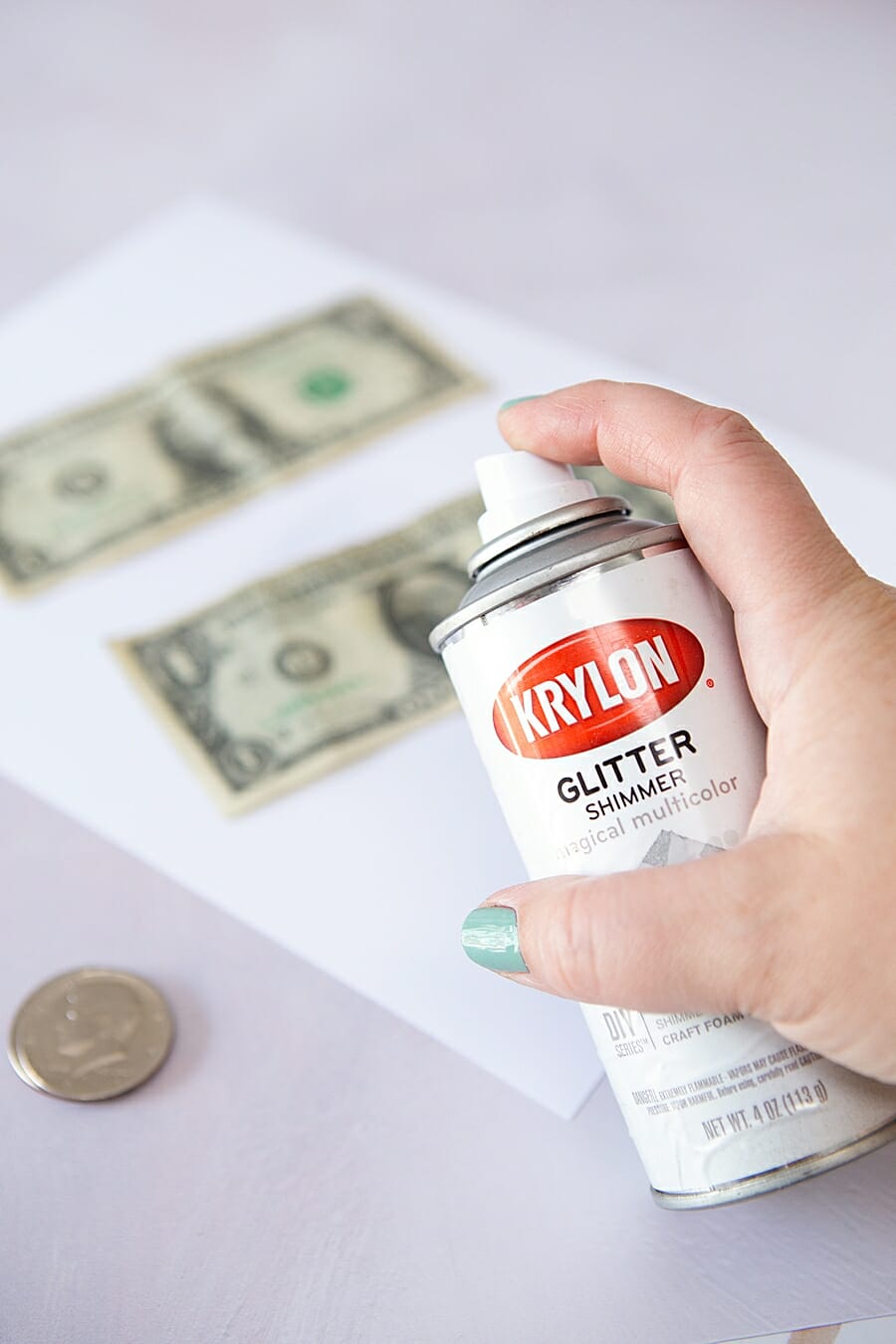
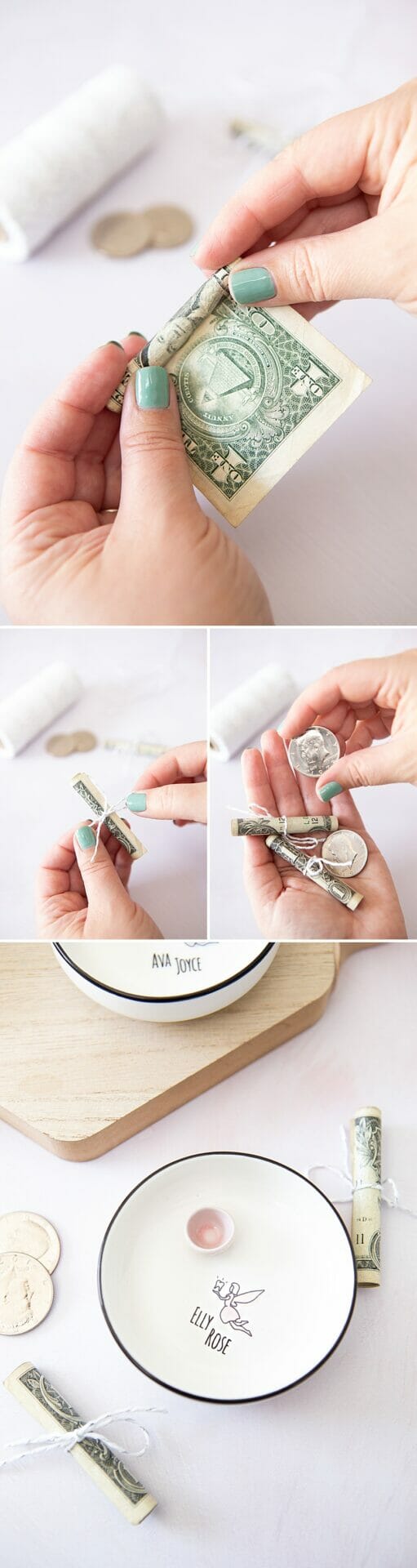
Furthermore, the "Tooth Fairy Money" aspect of the ritual has also seen a DIY upgrade. The practice of "glittering" dollar bills or polishing half-dollar coins to a high shine adds a layer of "magic" that distinguishes the money from ordinary currency. This attention to detail reinforces the narrative of the Tooth Fairy as a supernatural entity, extending the "age of magic" for children in an increasingly digital world.
Official Responses and Industry Perspectives
While there are no official governmental regulations specifically targeting tooth fairy dishes, the crafting industry has responded to this trend by producing more "home-user-friendly" versions of industrial materials. Manufacturers of waterslide paper have improved the thinness of the polymer film to make it nearly invisible once applied to ceramics, while adhesive companies have developed "non-foaming" versions of high-strength glues to ensure a cleaner aesthetic for clear or white ceramic joins.
Retailers on Amazon and specialized craft sites have also begun bundling these items—sauce dishes, dollhouse bowls, and decal paper—as suggested purchases, indicating a high level of consumer synergy. The platform Corjl has reported a surge in "instant download" templates for childhood rituals, suggesting that parents value the immediacy of digital delivery combined with the tangibility of a physical craft.
Conclusion: The Future of Domestic Crafting
The personalized tooth fairy dish represents a successful marriage of digital convenience and traditional sentimentality. As technology continues to lower the barrier to entry for professional-grade crafting, it is expected that more traditional childhood icons will be reimagined through the lens of DIY personalization.
The longevity of these dishes as keepsakes ensures that they will likely remain in families long after the child has lost their final primary tooth. By moving away from the ephemeral nature of a fabric pillow and toward the permanence of a sealed ceramic vessel, modern parents are quite literally "firing" their memories into a form that can withstand the passage of time. This trend underscores a broader cultural desire to find stability and personal meaning in the small, fleeting moments of domestic life.