


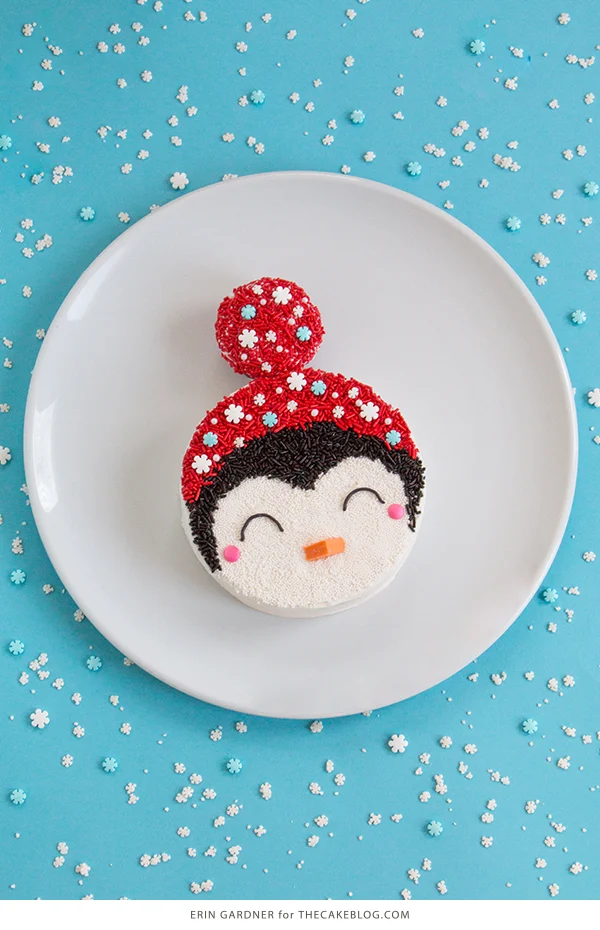
The culinary arts and home baking sectors have witnessed a significant shift toward highly visual, texture-driven designs, a trend further solidified by the recent release of a comprehensive tutorial from renowned pastry artist Erin Gardner. Hosted on the prominent digital platform The Cake Blog, the "Penguin Cake" tutorial introduces a sophisticated yet accessible method for creating a winter-themed centerpiece using a technique known as sprinkle-coating. This methodology, which relies on the strategic application of nonpareils and candy accents, represents a fusion of traditional buttercream icing and modern structural decorating.

Gardner, a frequent contributor to the platform and a recognized figure in the professional baking community, has developed this project as an extension of her "sprinkle universe" series. This thematic collection previously gained traction with her "sprinkle girl" cake designs, which utilized similar aesthetic principles to create characters with high visual impact. The penguin cake is positioned as a seasonal alternative, catering to the demand for winter birthday aesthetics and small-scale holiday celebrations.
The Evolution of the Sprinkle-Centric Aesthetic
The rise of the "sprinkle-coated" cake is not merely a stylistic choice but a response to the growing democratization of professional-grade cake decorating. Historically, intricate character cakes required advanced skills in fondant sculpting or airbrushing—techniques that often carry a steep learning curve and require specialized equipment. Gardner’s approach bypasses these barriers by utilizing the humble nonpareil as a primary medium.
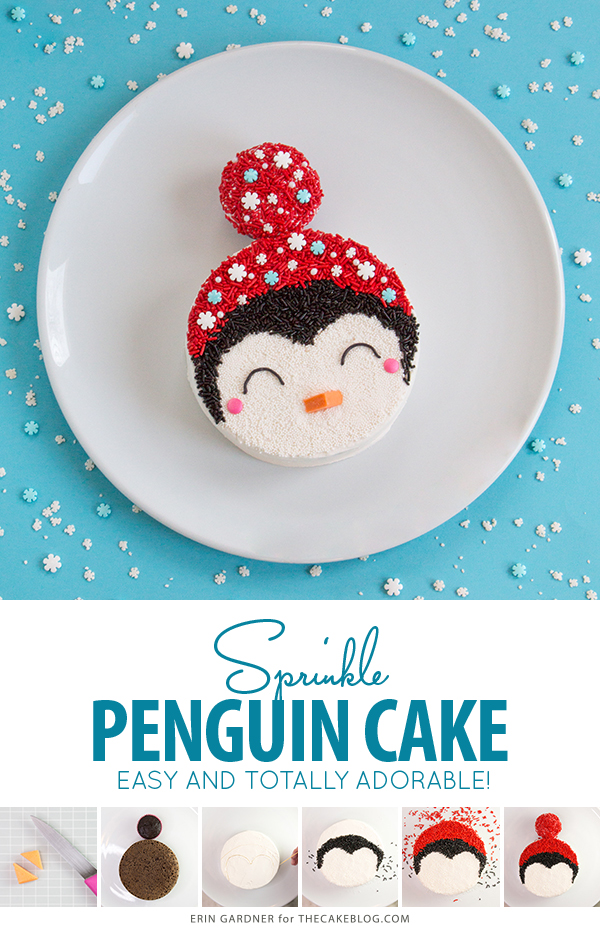
Industry analysts suggest that the popularity of these designs is rooted in the "kawaii" aesthetic—a Japanese cultural concept centered on cuteness—which has permeated global food trends. By focusing on simplified geometric shapes (the half-moon for the hat and the open-bottom heart for the face), the tutorial allows hobbyist bakers to achieve a professional finish. Furthermore, the use of sprinkles provides a tactile, three-dimensional quality that resonates well on social media platforms, where texture and vibrant colors drive engagement.
Technical Methodology and Chronology of Construction
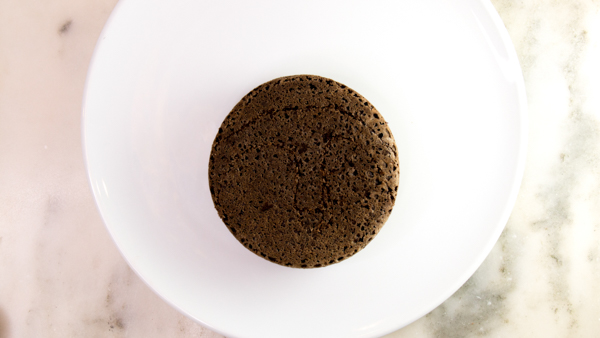
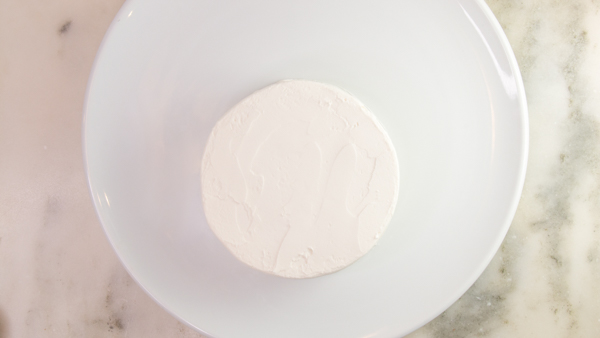
The construction of the Penguin Cake follows a rigorous chronological sequence designed to maintain structural integrity and visual clarity. The process begins with the "Prep the Cake" phase, where a standard round cake is coated in a thick layer of plain buttercream. Unlike traditional smooth-finish cakes, the "crumb coat" and final layer do not require perfect leveling, as the subsequent sprinkle application serves to mask minor surface imperfections.
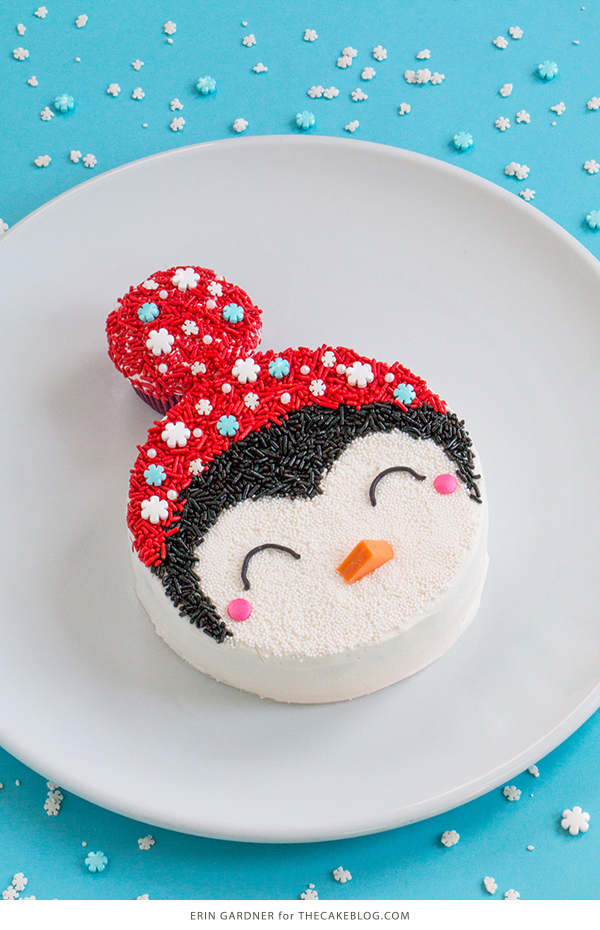
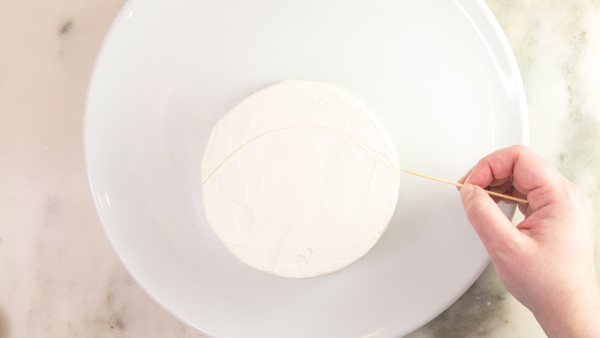
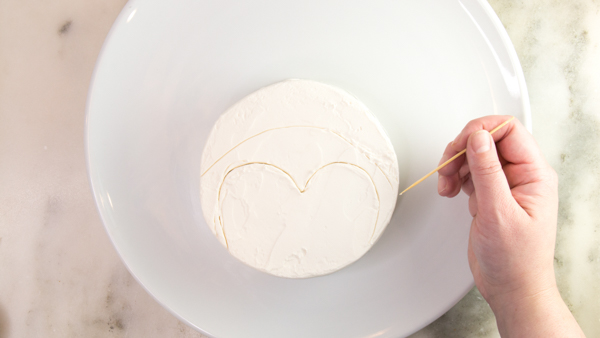
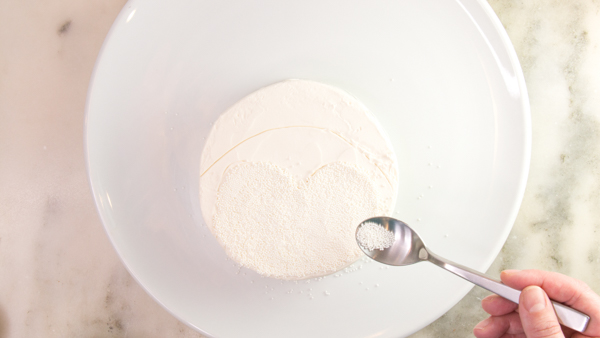
Following the initial icing, the decorator utilizes a toothpick or skewer to etch a blueprint directly onto the chilled buttercream. This mapping phase is critical; it defines the boundaries for the three distinct color zones: the red hat, the black "skin," and the white facial area. The tutorial emphasizes a "largest to smallest" application strategy. By filling the central white heart-shaped face first, the baker establishes a focal point around which the darker colors are layered.
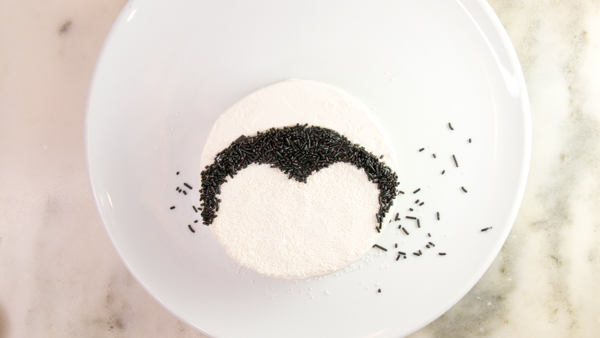
The application of nonpareils is a precision-based task. Gardner recommends placing the cake on a baking sheet to capture excess material—a nod to the logistical challenges of working with small-scale confectionery. The use of a spoon to smooth the sprinkles ensures a uniform density, preventing the underlying buttercream from showing through.
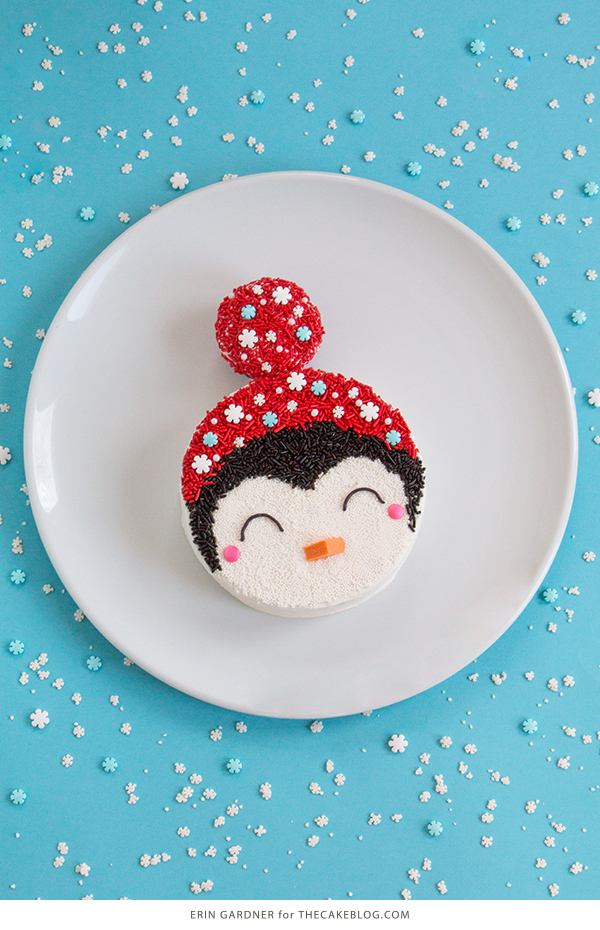
A unique structural element of this tutorial is the inclusion of a "pom-pom" for the penguin’s hat. This is achieved by repurposing a standard cupcake, icing it, and dipping it entirely in red sprinkles before adhering it to the cake platter with a dab of buttercream. This modular approach to cake design allows for a sense of scale and height that would be difficult to achieve with icing alone.
Materials and Confectionery Components
The tutorial specifies a list of accessible materials, emphasizing the "DIY" nature of the project. The components include:
- A pre-baked cake (flavor at the baker’s discretion)
- A single pre-baked cupcake
- Plain and black-tinted buttercream
- Nonpareils in white, black, and red
- Starburst fruit chews (orange or yellow for the beak)
- Pink confetti sprinkles (for cheek accents)
- Snowflake-shaped sprinkles (for hat ornamentation)
The choice of Starburst candy for the beak demonstrates a trend in "candy hacking," where mass-market confectionery is reshaped to serve specific decorative purposes. By cutting a square candy diagonally, the baker creates a sharp, triangular beak that provides a color contrast to the monochromatic face.
Culinary Science: The Impact of Moisture on Sprinkles
A critical technical consideration highlighted in the tutorial is the interaction between sugar-based sprinkles and the moisture content of buttercream. Gardner notes that "sprinkles can soften the longer they sit in the fridge." This is a result of hygroscopy—the process by which sugar absorbs moisture from the surrounding environment.
In a refrigerated environment, the humidity levels can cause the dye in the nonpareils to "bleed" into the white buttercream or cause the sugar pearls to lose their structural crunch. Consequently, the tutorial provides an official recommendation for timing: the decorative phase should be completed on the same day the cake is intended to be served. This ensures the integrity of the colors and the textural contrast between the soft cake and the crisp sprinkle exterior.
Storage recommendations vary based on the type of buttercream used. While American buttercream (a crusting icing) can often sit at room temperature in an airtight container, Swiss or Italian Meringue buttercreams, which have a higher butter content, require refrigeration for food safety. This technical nuance is vital for consumers planning events in different climates or venues.
Market Trends and the Home Baking Economy
The release of Gardner’s tutorial coincides with a broader surge in the home baking economy. Data from market research firms indicates that the global cake decorating market is expected to grow significantly through 2030, driven by the availability of online tutorials and the "premiumization" of home-baked goods. Consumers are increasingly opting to create high-concept cakes at home rather than purchasing from commercial bakeries, seeking both a creative outlet and a cost-effective way to provide "boutique" experiences for social gatherings.
The Penguin Cake tutorial fits into this market by offering a "modular" difficulty level. While the base design is straightforward, Gardner suggests several avenues for customization, such as adding chocolate sunglasses or alternating sprinkle colors to create a striped hat pattern. This ability to personalize a design without requiring additional specialized tools is a key driver of consumer interest in the digital tutorial space.
Institutional Responses and Community Impact
While formal "official responses" from culinary institutions regarding specific tutorials are rare, the reception within the online baking community has been overwhelmingly positive. Platforms like The Cake Blog serve as central hubs for "trend-setting" in the confectionery world. Educators in the space have noted that Gardner’s methods reduce the "barrier to entry" for novice decorators, encouraging a new demographic to experiment with character-based cakes.
The psychological impact of such projects should not be overlooked. During the winter months, there is a measurable increase in "nesting" behaviors, including indoor culinary activities. The "adorable" nature of the penguin character serves a dual purpose: it provides a festive aesthetic for children’s events while satisfying the adult baker’s desire for a project that is technically interesting yet achievable.
Broader Implications for Digital Culinary Content
The Penguin Cake tutorial is a microcosm of the current state of digital culinary instruction. It moves away from the "recipe-only" format of the past, focusing instead on the "visual choreography" of decorating. As video content continues to dominate the landscape, the inclusion of a video tutorial alongside written instructions caters to multiple learning styles, ensuring a higher success rate for the end-user.
Furthermore, this tutorial highlights the importance of contributor-led content in the digital media ecosystem. By leveraging the expertise of specialized artists like Erin Gardner, platforms can provide high-value, niche content that maintains a professional standard while remaining relatable to the average consumer.
In conclusion, the Penguin Cake tutorial is more than a guide for a seasonal treat; it is a testament to the evolving intersection of food science, artistic design, and digital education. By standardizing the "sprinkle-coating" technique, Gardner has provided a blueprint that is likely to be replicated and adapted across the global baking community this winter season. Whether used for a small holiday gathering or a winter birthday, the project stands as a prime example of how simple materials—buttercream, candy, and sprinkles—can be transformed into a sophisticated work of culinary art.