


In an evolving economic landscape where personal finance increasingly dictates life’s major milestones, engaged couples across the nation are confronting the formidable challenge of funding their weddings. Once largely supported by parental contributions, the onus of wedding expenses has significantly shifted, placing a greater emphasis on couples’ individual and joint savings strategies. This paradigm shift underscores the critical need for efficient, effective, and often automated methods to accumulate the necessary funds, especially amidst persistent financial pressures such as escalating monthly bills, student loan obligations, and economic uncertainties.
The Shifting Tides of Wedding Finance: A Historical Context
For generations, the tradition of parents, particularly the bride’s family, shouldering the majority of wedding costs was deeply ingrained in societal norms. This historical framework often alleviated significant financial strain on newly engaged couples, allowing them to focus on planning without immediate monetary concerns. However, the latter half of the 20th century and the early 21st century have witnessed a gradual but profound transformation in this dynamic. Societal changes, including later marriages, increased financial independence among young adults, and evolving family structures, have contributed to a re-evaluation of traditional funding models.
According to a 2023 study by The Knot, couples themselves now contribute an average of 60% of their total wedding budget, with parents contributing the remaining 40%. This represents a significant increase in self-funding compared to previous decades. The average cost of a wedding in the United States reached approximately $30,000 in 2023, a figure that can fluctuate wildly depending on location, guest count, and desired amenities. For a couple without substantial familial support, accumulating such a sum within a typical engagement period of 12-18 months presents a substantial financial undertaking.

Economic Realities Facing Engaged Couples
The current economic climate further complicates this savings endeavor. Many millennials and Gen Z individuals, who constitute the bulk of newly engaged couples, are grappling with unprecedented levels of student loan debt. The Federal Reserve reported that outstanding student loan debt in the U.S. exceeded $1.7 trillion in 2023. Coupled with rising costs of living, stagnant wage growth in some sectors, and a volatile job market, discretionary income for savings is often limited. The prospect of job losses or unexpected financial emergencies, as seen during recent global economic disruptions, adds another layer of anxiety for couples attempting to save for a significant expense like a wedding. This convergence of factors makes intentional and disciplined financial planning not just advisable, but imperative, for achieving a debt-free celebration.
Establishing a Realistic Wedding Budget: The Foundational Step
Before any savings can commence, couples must engage in a comprehensive and honest assessment of their financial capabilities and wedding aspirations. This initial phase involves several critical questions: What is the maximum amount we can realistically afford to spend? How much should we aim to save each month? What are the most effective strategies for allocating funds? And crucially, where should these dedicated wedding funds be housed?
Financial experts universally recommend that the very first step is to establish a detailed wedding budget. This process moves beyond a simple lump sum estimate, requiring couples to itemize every potential expense, from venue and catering to attire, photography, and floral arrangements. Tools such as personalized budget blueprints can guide couples through this process, helping them identify realistic costs based on their preferences and local market rates. By understanding the total financial commitment, couples can then reverse-engineer their savings plan.

Calculating Your Monthly Savings Target
Once a total wedding budget is established, the monthly savings target can be calculated with precision. The formula is straightforward: subtract any confirmed contributions from family members from the total wedding budget. The remaining sum is then divided by the number of months until the wedding date. For instance, if a couple aims for a $25,000 wedding and anticipates $5,000 in family contributions, they would need to save $20,000 themselves. If their wedding is 18 months away, their monthly savings goal would be approximately $1,111. This target increases significantly for shorter engagement periods; a 12-month timeline for the same amount would necessitate monthly savings of around $1,667.
As a general guideline, many financial advisors suggest dedicating 10% to 20% of one’s take-home pay toward specific savings goals. If the calculated monthly wedding savings target exceeds this percentage and feels unachievable, couples may need to adjust either their wedding timeline, allowing more months for saving, or re-evaluate and reduce their overall wedding budget. This iterative process ensures the savings plan remains sustainable and realistic.
The Rise of Automated Savings: A Modern Solution
In the quest for effortless and consistent savings, automated financial tools have emerged as a cornerstone strategy. The principle of "pay yourself first" is central to this approach, advocating for savings to be prioritized and transferred automatically before other expenses are considered. This method effectively minimizes the temptation to spend discretionary income and cultivates a disciplined saving habit.

Online banks and digital financial platforms have revolutionized this concept by offering sophisticated automation features. These platforms often boast lower overheads than traditional brick-and-mortar institutions, enabling them to provide competitive interest rates and frequently, no monthly maintenance fees. This means that not only is saving made easier, but the saved money also works harder for the couple, accruing interest over time.
Capital One 360: An Exemplar of Automated Savings
Among the digital banking solutions that cater effectively to goal-oriented savings, Capital One 360 stands out for its robust suite of automatic savings plans. Since its inception, Capital One 360 (originally ING Direct) has championed a digital-first approach to banking, making it a pioneer in providing accessible and efficient online financial tools. Its AutoSave features are particularly well-suited for couples aiming to build a substantial wedding fund with minimal manual intervention.
Capital One 360 offers three distinct AutoSave tools, allowing couples to tailor their automation strategy to their specific financial habits and income patterns:
- Autopilot: This feature facilitates small, daily transfers, ranging from a few cents up to $15, from a linked checking account into savings. The system intelligently analyzes recent checking activity to determine an appropriate transfer amount, making the savings accumulation almost imperceptible. This "slow-and-steady" method is ideal for those who prefer to build their fund incrementally without feeling a significant impact on their daily liquidity.
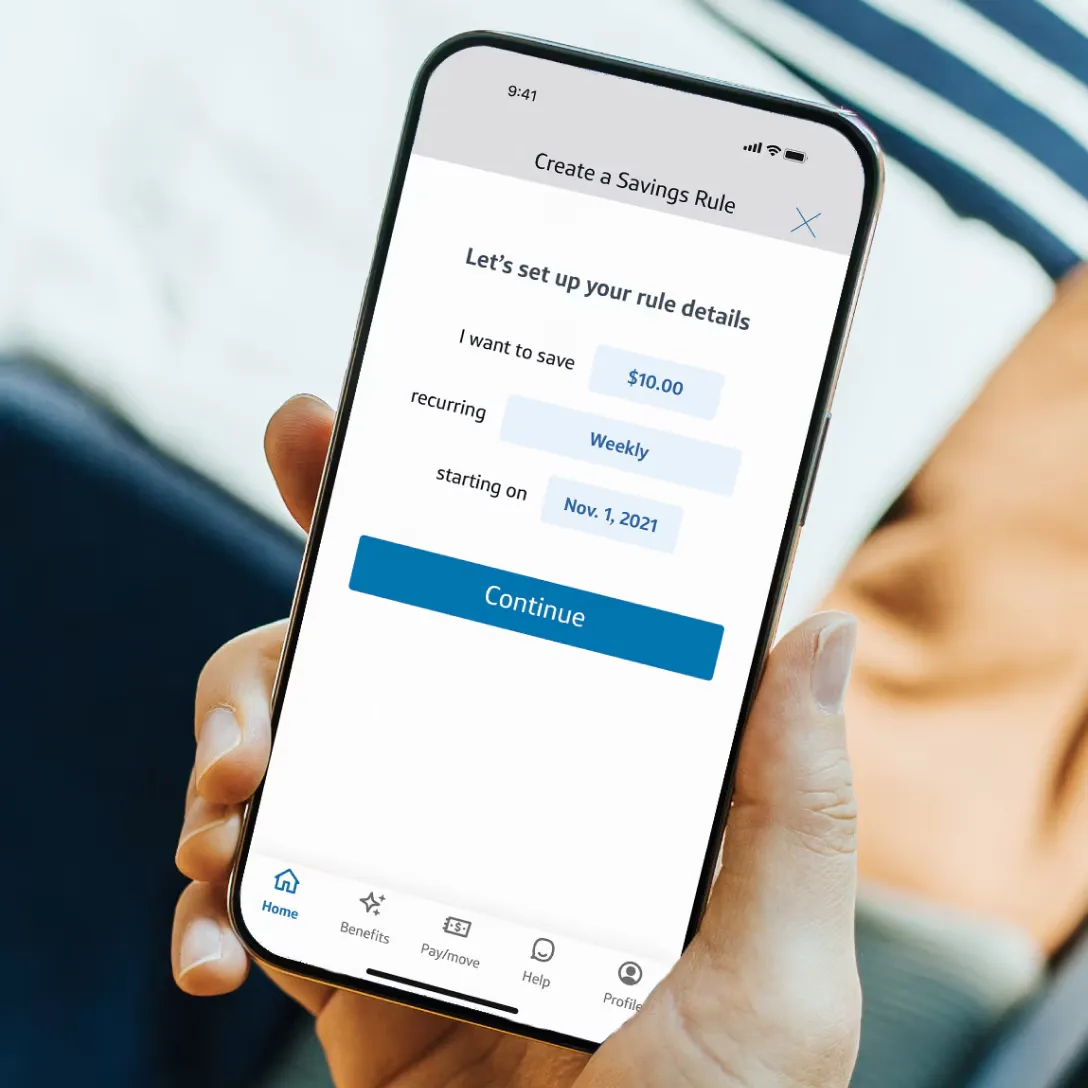
- Recurring Transfers: For couples with a fixed monthly savings goal, recurring transfers offer a predictable and reliable mechanism. Users can schedule regular transfers—weekly, biweekly, monthly, quarterly, semi-annually, or annually—from either a Capital One checking account or an external bank account directly into their Capital One 360 savings. This ensures that the determined monthly savings target is met consistently.
- Paycheck Percentage: This option is particularly beneficial for individuals whose income may fluctuate or those who prefer to allocate a consistent proportion of their earnings to savings. It allows for a set percentage of every direct-deposited paycheck to be automatically moved into savings. This feature adapts to varying income levels, ensuring a proportional contribution regardless of the paycheck amount.
The inherent flexibility of these AutoSave tools, coupled with 24/7 mobile banking access, empowers couples to adjust their savings rules at any time. This adaptability is crucial in the dynamic process of wedding planning, allowing for swift modifications in response to unforeseen expenses or changes in budget priorities. The psychological benefit of automation is profound: by removing the decision-making process and manual effort of transferring money, couples are less likely to divert funds for immediate gratification, thereby reinforcing their long-term savings goals.

Beyond Automation: Maximizing Your Wedding Fund
The advantages of utilizing a platform like Capital One 360 extend beyond mere automation. A key benefit lies in the ability to create multiple sub-savings accounts within a single primary account. This feature allows couples to compartmentalize their savings for various wedding-related expenses, such as a "Venue Fund," "Attire Fund," or "Honeymoon Fund." This granular approach not only makes saving more engaging by linking funds to specific goals but also provides a clear visual representation of progress toward each component of the wedding budget. Financial psychology studies suggest that earmarking funds for specific purposes significantly increases the likelihood of achieving those goals.
Furthermore, Capital One 360 typically offers competitive interest rates, often surpassing the national average found at traditional banks. This means that the money saved actively earns interest, contributing incrementally to the overall wedding fund without any additional effort from the couple. The absence of monthly fees is another significant financial advantage, ensuring that the entirety of the saved money, plus accrued interest, remains dedicated to the wedding. When the time comes to disburse funds for vendor payments, transfers back to a linked checking account are free and typically prompt, providing seamless access to the accumulated savings.
Incentives and Expert Endorsements
To further encourage new savers, many online banking platforms, including Capital One 360, offer welcome bonuses for opening new accounts and meeting specific deposit requirements. These bonuses, effectively "free money," can provide an initial boost to the wedding fund, further sweetening the deal for financially savvy couples. It is often recommended to open a Capital One 360 Checking account to qualify for such bonuses, then pair it with a 360 Performance Savings account to leverage the automated savings plans for the wedding fund.

The efficacy of Capital One 360’s approach is often highlighted by personal testimonies from financial experts and long-term users. For instance, Jessica Bishop, founder of The Budget Savvy Bride, has publicly endorsed Capital One 360, citing her extensive personal use of their savings accounts since 2007 for various significant life goals, including her own wedding, a down payment on a house, and numerous vacations. Her strategy of maintaining multiple distinct savings accounts within Capital One 360, each with its own automated deposit schedule, underscores the practical utility and organizational benefits of the platform for comprehensive financial planning.
Broader Implications for Financial Wellness
The disciplined approach to saving for a wedding, particularly through automated and goal-oriented platforms, extends beyond merely funding a single event. It instills crucial financial habits that contribute to overall financial wellness. By prioritizing savings, understanding budgeting, and actively managing funds, couples develop skills that will serve them well in future joint financial endeavors, such as purchasing a home, planning for a family, or saving for retirement. A debt-free wedding, while a significant achievement in itself, also sets a positive precedent for a couple’s financial future, reducing post-nuptial stress and allowing them to embark on married life with a stronger financial footing.
In an era where financial literacy and proactive money management are more critical than ever, the integration of digital tools for systematic savings represents a powerful strategy for couples navigating the complexities of modern life. It empowers them to achieve their dreams, from a memorable wedding day to long-term financial security, through intelligent and effortless financial planning.