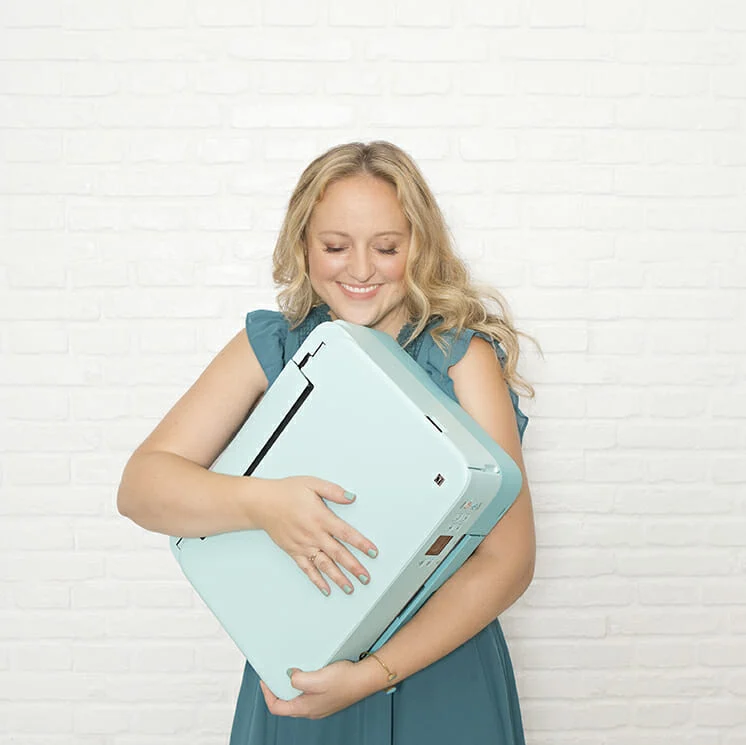


In an era increasingly dominated by ephemeral digital communication, the demand for tangible, high-quality physical stationery remains a significant segment of the consumer paper goods market. Recent developments in home-printing technology have bridged the gap between professional-grade print shop results and the convenience of domestic production. Highlighting this shift, Canon U.S.A., Inc. has collaborated with digital design expert Jen Causey-Kidder, founder of the prominent DIY platform Something Turquoise, to demonstrate the efficiency and creative potential of the Canon PIXMA TS9521C Crafting Printer in the production of bespoke holiday greeting cards.
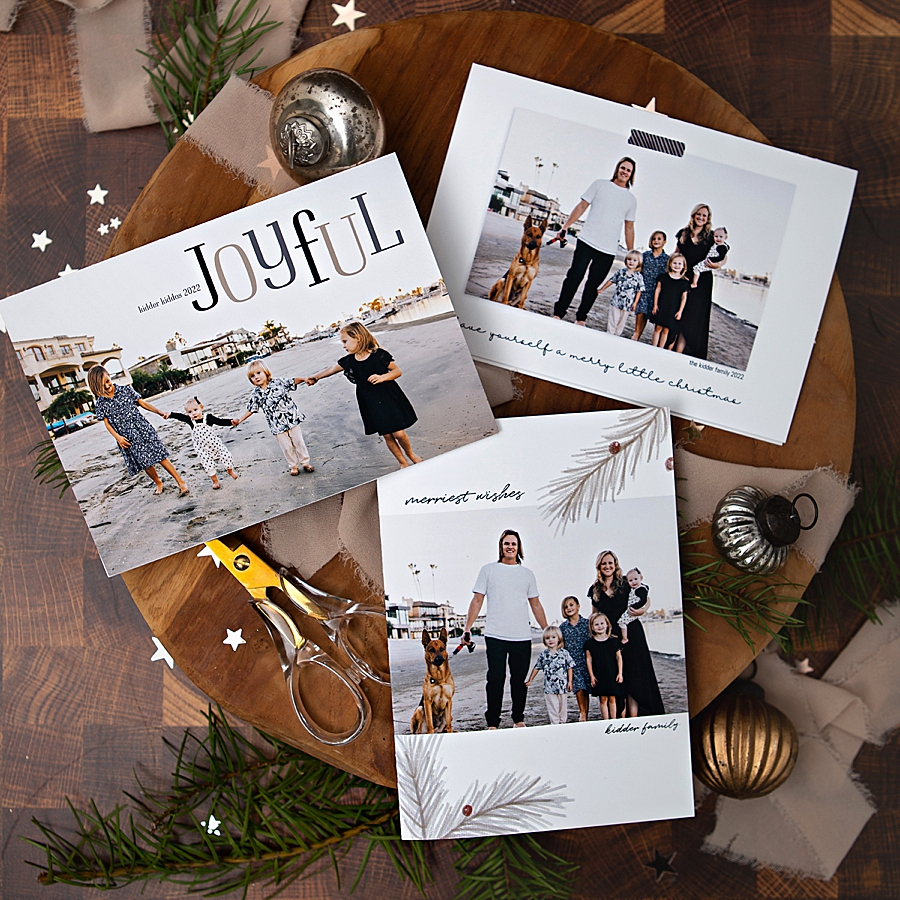
The initiative centers on providing consumers with the tools and templates necessary to bypass traditional bulk-purchased retail cards in favor of personalized, high-fidelity photographic correspondence. By integrating proprietary hardware, specialized media, and third-party design software, the collaboration aims to simplify the complex workflow typically associated with high-resolution, double-sided home printing.
The Evolution of Personal Stationery in the Digital Age
The greeting card industry, valued at billions of dollars globally, has undergone a transformation over the last decade. According to data from the Greeting Card Association, Americans purchase approximately 6.5 billion greeting cards annually, with seasonal holiday cards representing the largest category of sales. While e-cards and social media greetings saw a surge in the early 2010s, market analysts have observed a "resurgence of the physical," driven largely by younger demographics who value the authenticity and tactile nature of printed mail.
The "maker movement"—a contemporary subculture representing a technology-influenced resurgence of DIY (do-it-yourself) culture—has further fueled this trend. Consumers are no longer satisfied with generic "off-the-shelf" designs; there is a quantifiable shift toward "mass-personalization," where individuals use sophisticated technology to create professional-looking products at home. Canon’s focus on the "crafting" niche with the PIXMA TS9521C is a direct response to this consumer behavior, offering features such as 12×12-inch borderless printing and compatibility with a wide array of heavy-weight cardstocks.
Technical Specifications and Hardware Integration
Central to the DIY holiday card workflow is the Canon PIXMA TS9521C, marketed as the "Crafter’s All-In-One." Unlike standard office printers, this device is engineered to handle the specific needs of stationery designers. It utilizes a five-color individual ink system, which includes a pigment black ink for sharp text and dye-based colors for vibrant photographic reproduction.
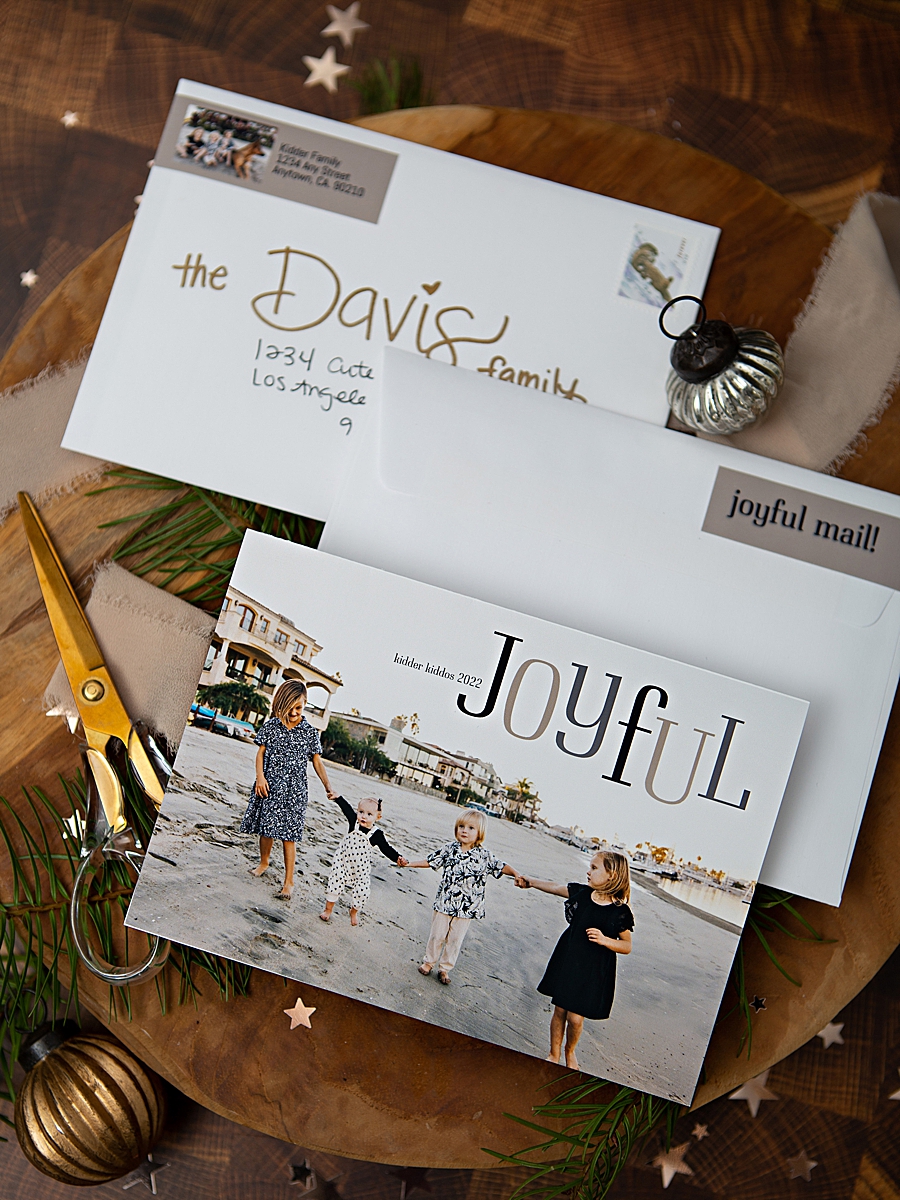
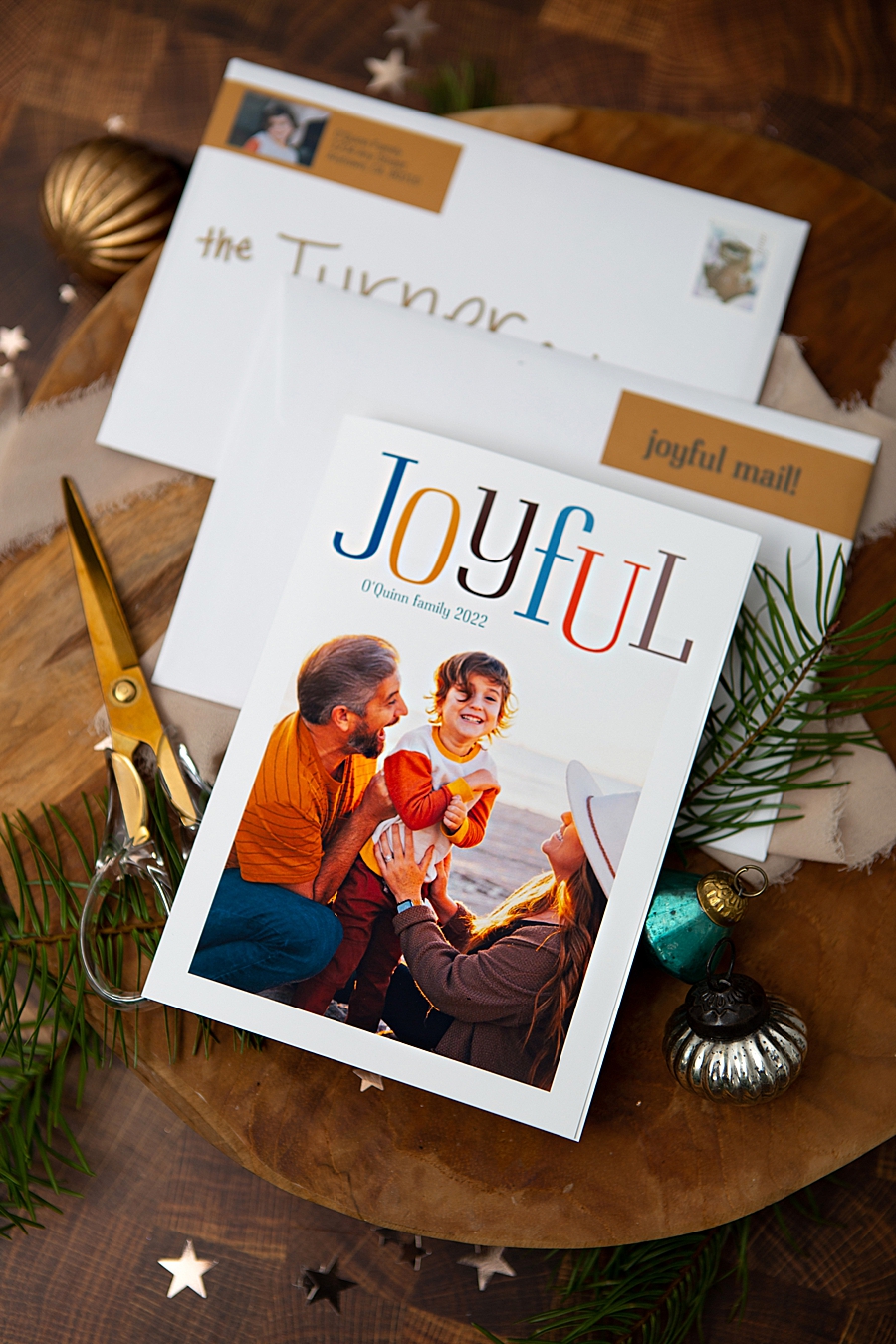
For the holiday card project, the printer is paired with Canon’s 7×10 Double-Sided Greeting Card Paper Pack. This specific media is critical for professional results; the paper is pre-cut to 7×10 inches and pre-scored, allowing it to be folded into a standard 5×7-inch card (A7 size). The matte finish on both sides ensures that ink dries quickly and does not smudge, a common issue when using standard glossy photo paper for double-sided projects. The inclusion of matching envelopes in the pack further streamlines the transition from the printer to the mailbox.
Streamlining the Design Workflow via Corjl Software
A significant barrier to entry for home-printed stationery has historically been the complexity of graphic design software. To mitigate this, the Canon-sponsored project utilizes Corjl, an online platform that allows creators to provide editable templates to end-users. This software enables consumers to upload personal family photographs, modify text, and adjust color palettes without requiring advanced knowledge of Adobe Creative Suite or other professional design tools.
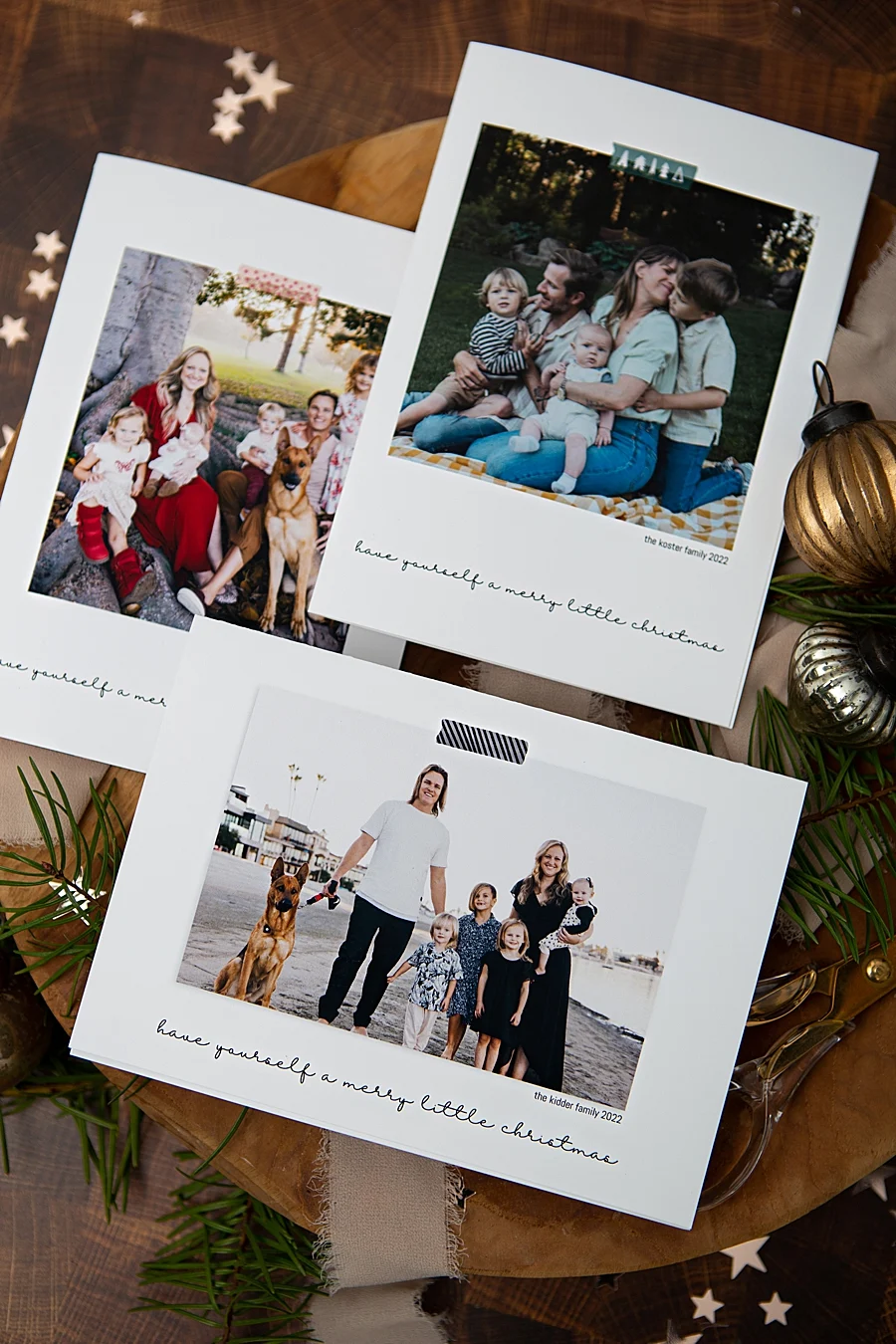
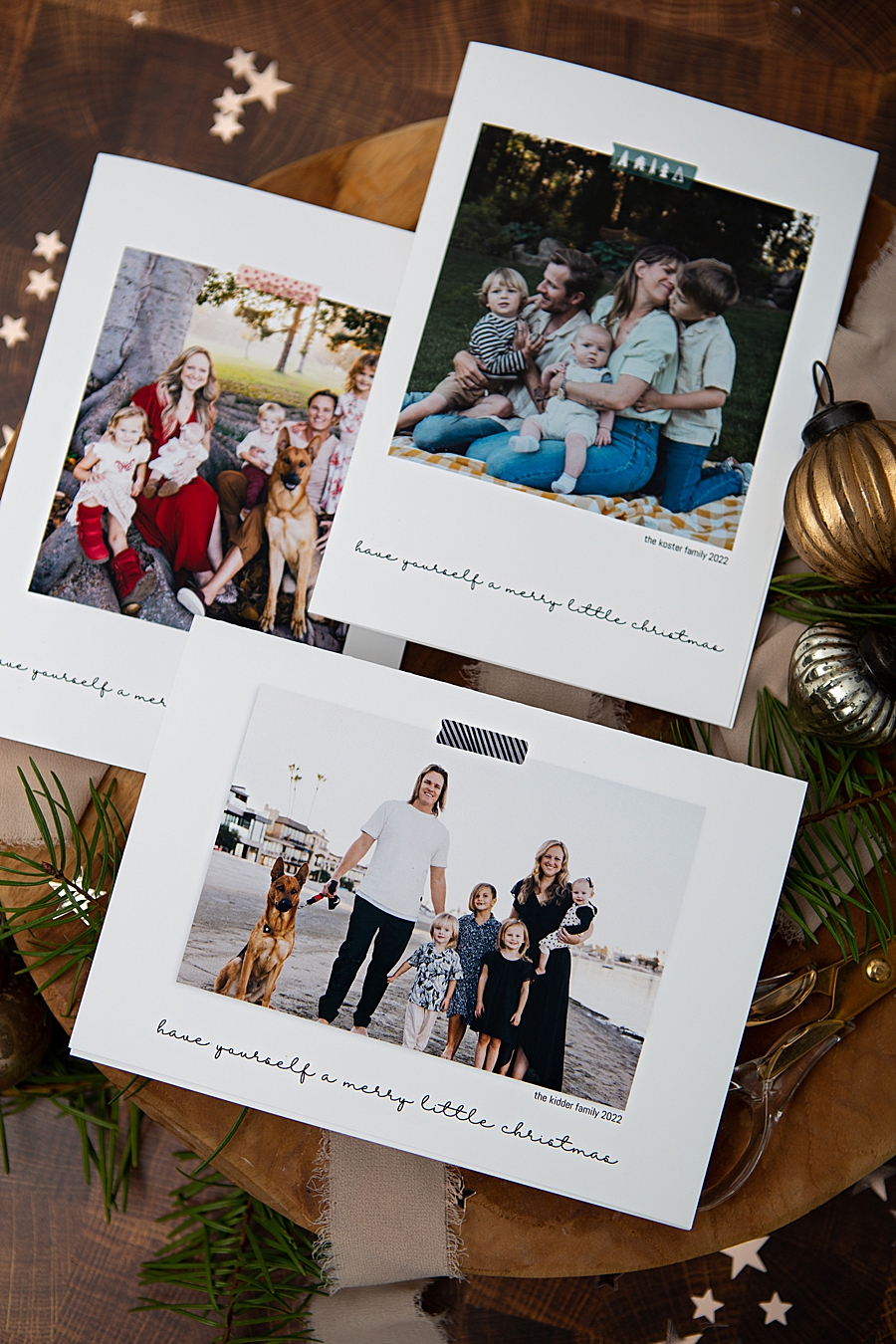
The collaboration features three distinct design archetypes tailored to current aesthetic trends:
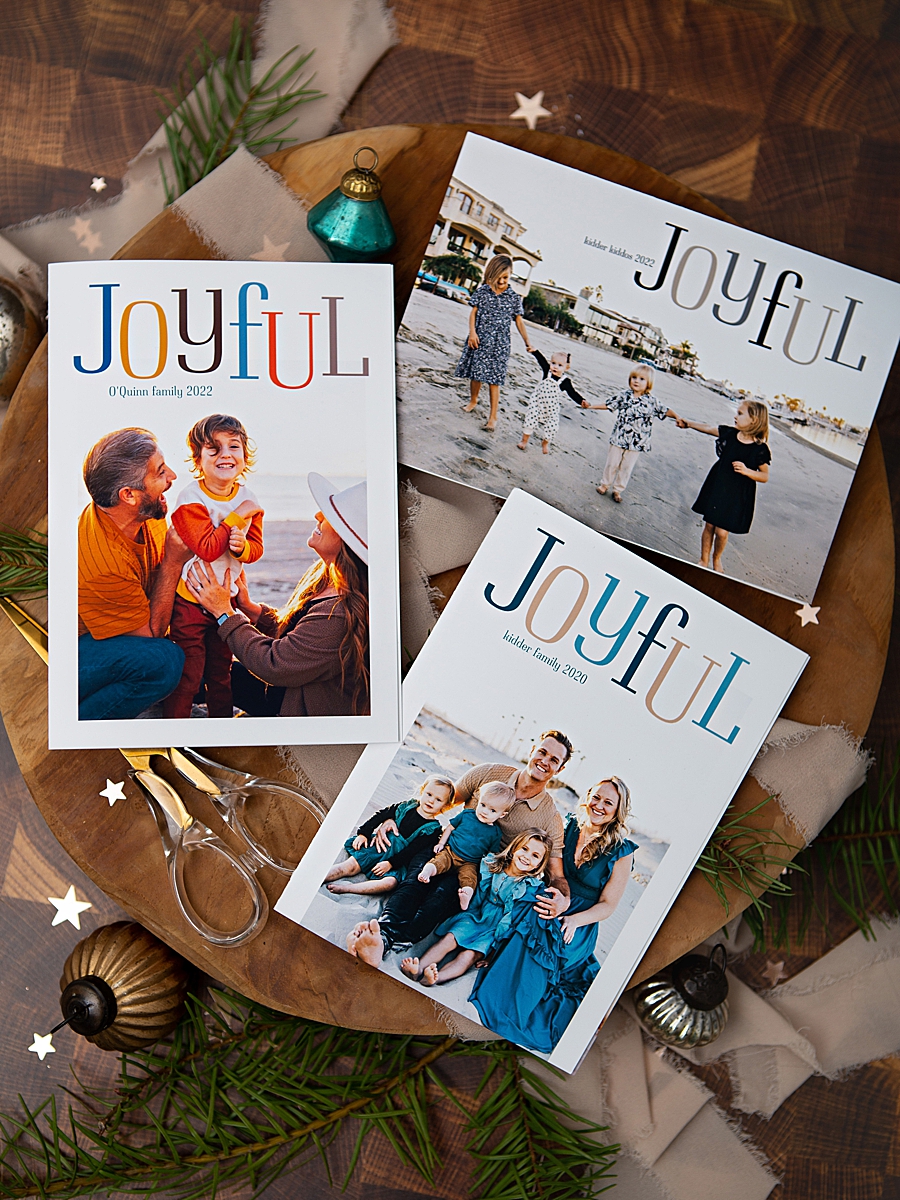
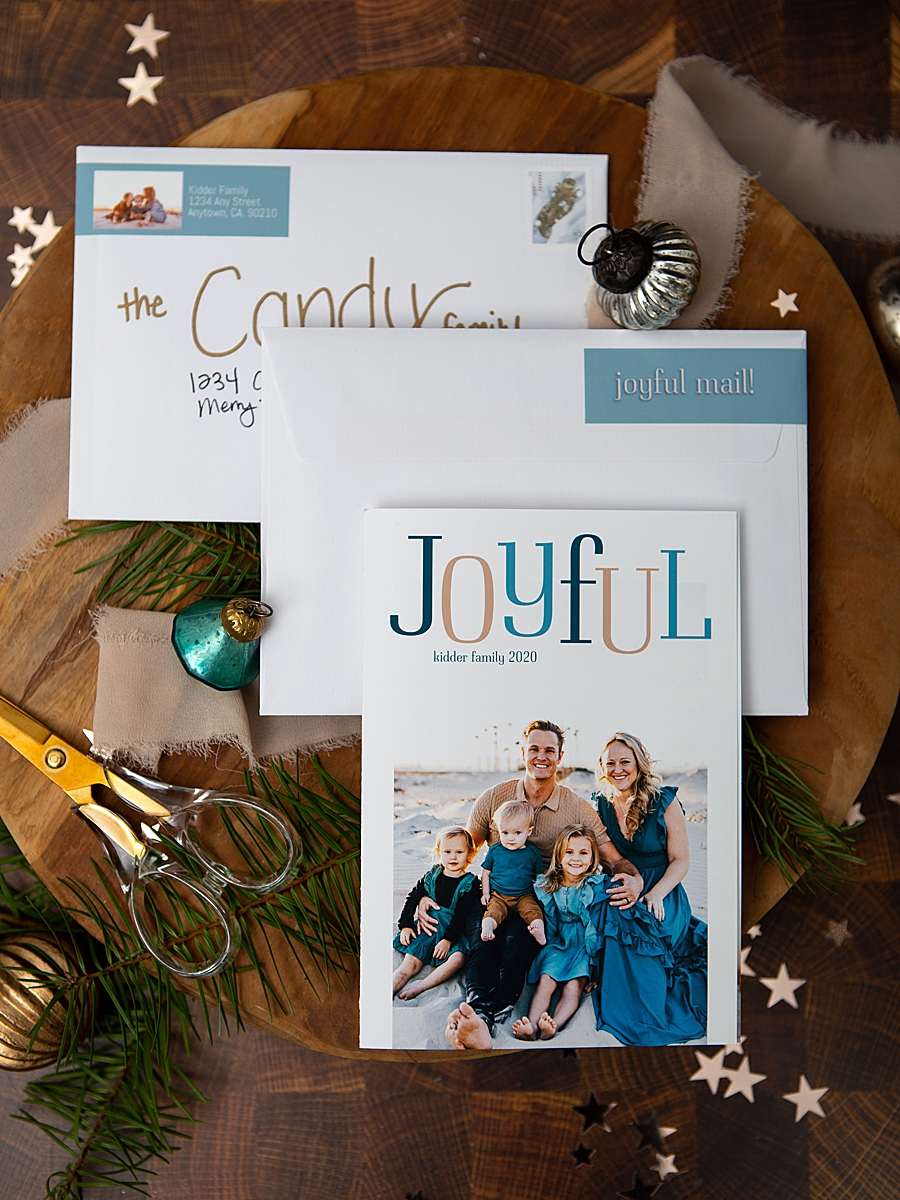
- The Joyful Design: A typography-centric layout that emphasizes bold lettering. The software allows users to synchronize the color of the text with the dominant hues in their uploaded photographs, ensuring visual harmony.
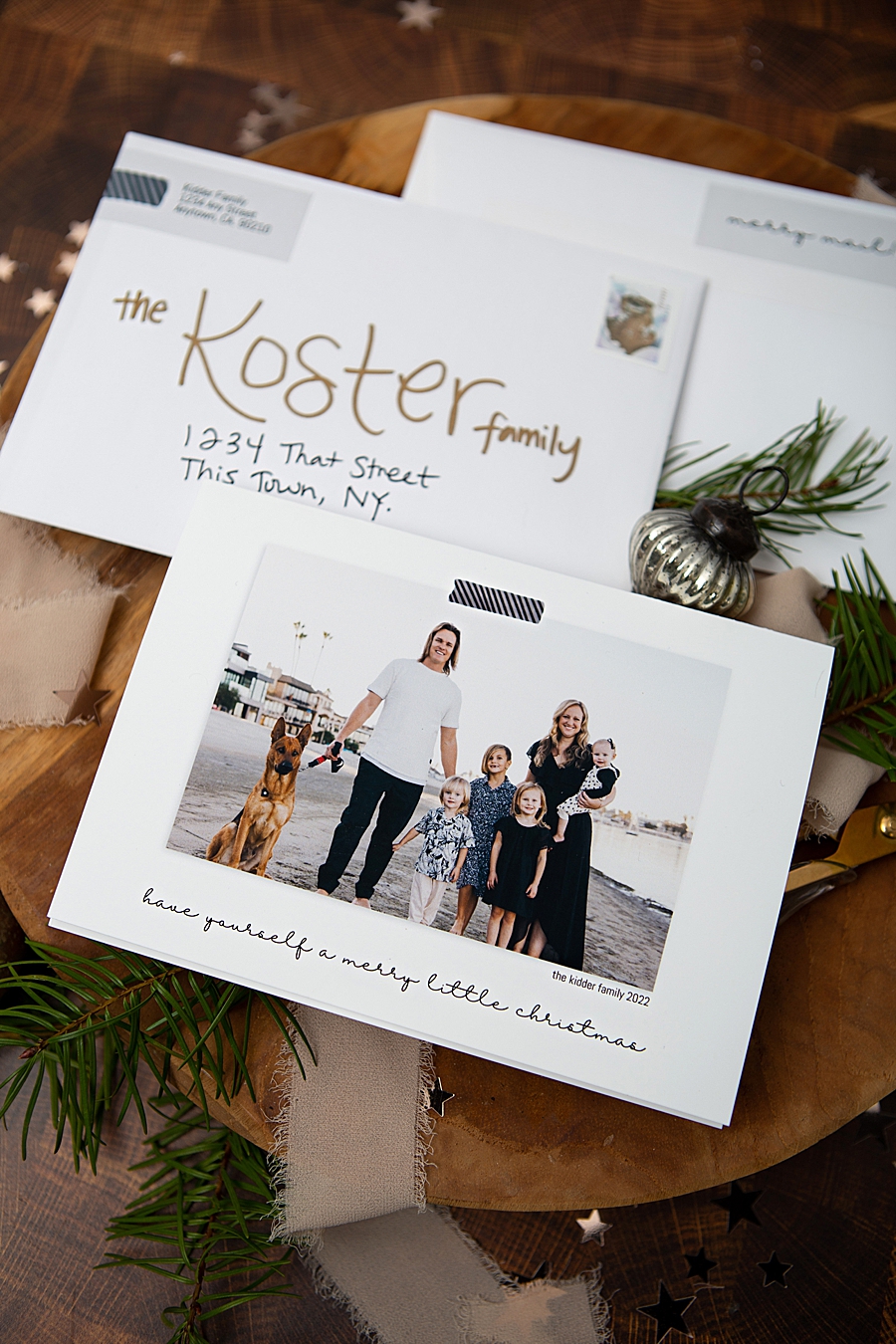
- The Tape Design: This aesthetic mimics the "scrapbook" or "junk journal" style, featuring digital overlays that resemble decorative washi tape. Users can choose from various patterns, such as black-and-white stripes or festive green trees, to "anchor" their photos to the card.
- The Berries Design: A botanical-themed option featuring hand-drawn berry branches in various color schemes, including traditional green and non-traditional pink and beige.
These templates provide a framework that ensures the final print maintains professional margins and bleed lines, which are often the most difficult aspects for hobbyists to master.
Chronology of the DIY Printing Process
The process of moving from a digital concept to a physical holiday card follows a specific chronological sequence designed to maximize efficiency and minimize material waste.
- Template Acquisition and Customization: Users access the designs via the Something Turquoise shop, applying promotional codes such as "canonholiday" to facilitate the partnership’s goal of widespread accessibility. Once in the Corjl interface, the user performs "drag-and-drop" photo placement and text editing.
- Printer Calibration: Before executing a full print run, the PIXMA TS9521C must be set to the correct media type. Utilizing the "Matte Photo Paper" setting ensures the printer applies the optimal amount of ink for the 7×10-inch sheets.
- The Double-Sided Execution: Because the cards are double-sided, the printing occurs in two stages. The front and back covers are printed first, followed by the interior message. The pre-scored nature of the Canon paper ensures that the alignment remains consistent across the fold line.
- Finishing and Distribution: After printing, the cards require a brief drying period before being folded along the pre-scored indentation. The workflow concludes with the printing of matching address labels, often using specialized media like Canon’s 4×6 Restickable Photo Paper, which adds a final layer of customization to the envelope.
Economic and Environmental Implications
The shift toward home-based "print-on-demand" for holiday correspondence carries several implications. Economically, while the initial investment in a specialized crafting printer is higher than that of a budget inkjet, the cost per card for high-end personalized stationery is often lower than the price of custom-ordered cards from premium online vendors. Furthermore, home printing allows for exact-quantity production, eliminating the waste associated with purchasing cards in fixed pack sizes.
From an environmental perspective, the "print-on-demand" model reduces the carbon footprint associated with shipping small batches of custom cards from centralized printing facilities to the consumer. However, the sustainability of this model depends largely on the recyclability of the inks and paper used, a factor Canon addresses through its various recycling programs for ink cartridges.
Broader Impact on the Consumer Electronics Market
The partnership between a major hardware manufacturer like Canon and a niche content creator like Jen Causey-Kidder reflects a broader strategy in the consumer electronics industry. Companies are increasingly moving away from selling "features" and toward selling "solutions" and "experiences." By providing free templates and detailed instructional content, Canon is positioning its hardware as an essential component of a creative lifestyle rather than a mere utility.
Industry analysts suggest that this approach is vital for the survival of the home printer market. As paperless offices become the norm, printer manufacturers must pivot toward the "creative" and "sentimental" markets—areas where physical paper remains superior to digital alternatives. The success of the #somethingturquoisediy social media campaign, where users share their results on platforms like Instagram and Twitter, serves as a real-time focus group for the manufacturer, providing data on which designs and features resonate most with the modern consumer.
Conclusion
The collaboration between Canon and Something Turquoise underscores a pivotal moment in the DIY stationery market. By combining high-resolution hardware, specialized media, and user-friendly digital templates, the project democratizes the production of professional-quality holiday cards. As consumers continue to seek more meaningful and personalized ways to connect with friends and family, the integration of technology and traditional crafting is likely to remain a dominant trend in the seasonal gift-giving landscape. The PIXMA TS9521C stands at the center of this intersection, proving that even in a digital-first world, the printed word—and the printed image—retains a unique and powerful value.