

Technical Methodology and Procedural Framework
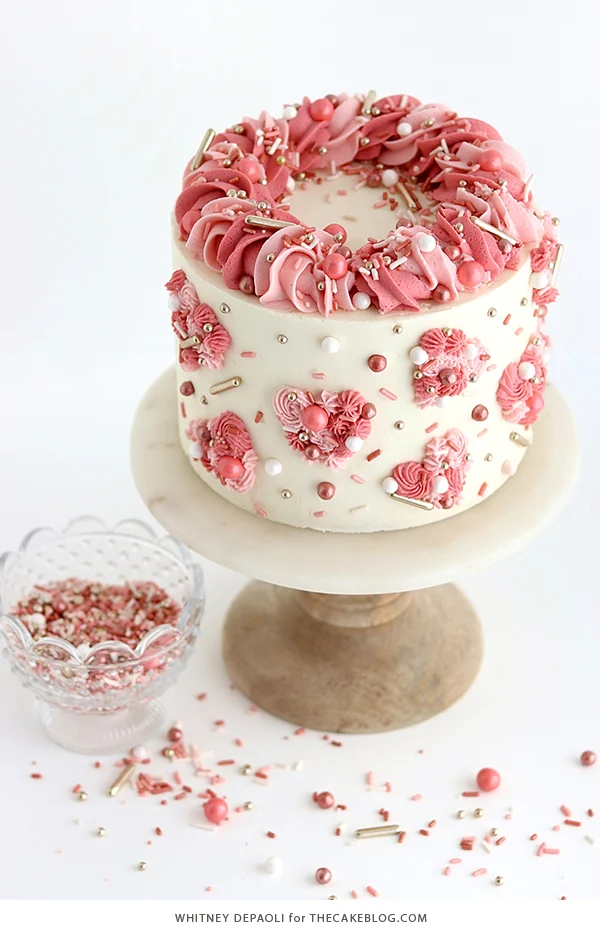
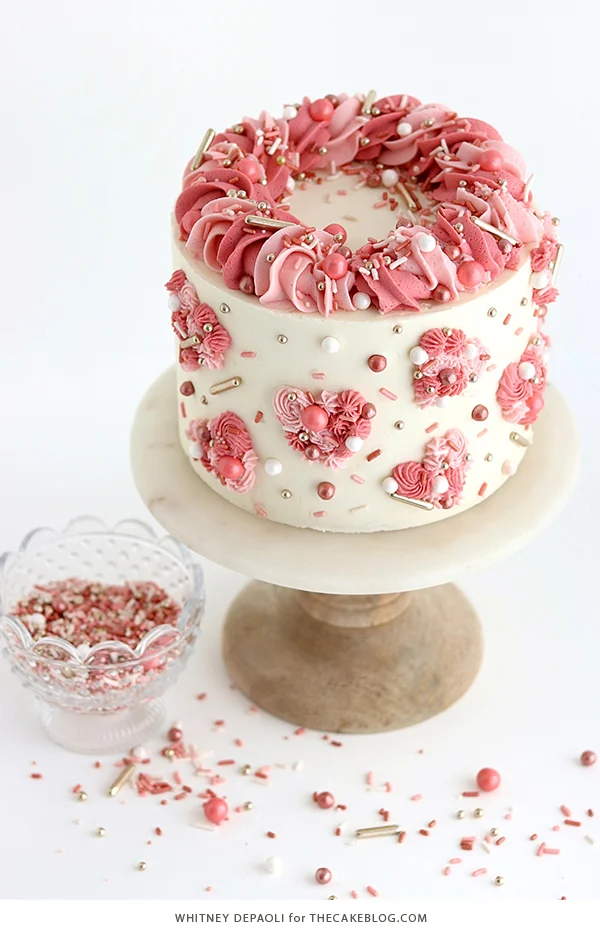
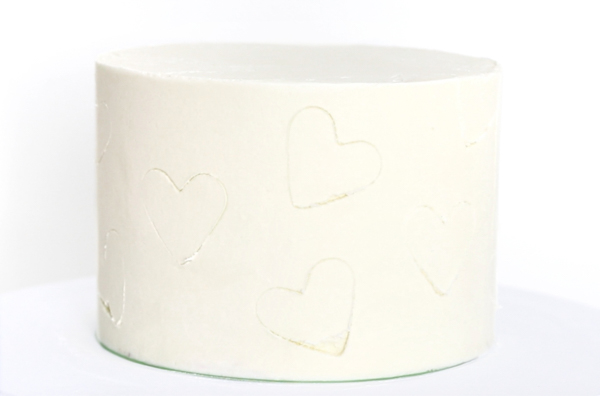
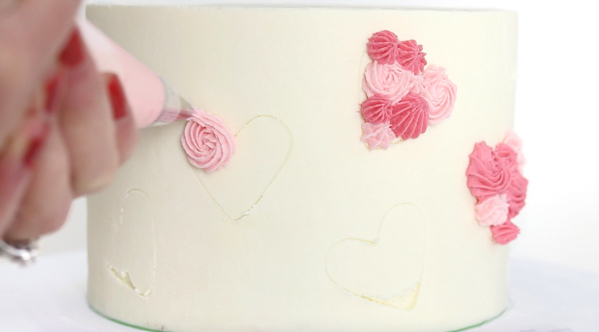
The execution of the Piped Hearts Valentine’s Cake relies on a systematic approach that prioritizes precision in the layout phase to ensure a balanced final product. The process begins with a foundation of a frosted and chilled cake, which provides a stable substrate for the subsequent layers of buttercream. The defining technical innovation of this method is the use of a heart-shaped cookie cutter as an imprinting tool. By gently pressing the cutter into the cold frosting, the baker creates a physical guide that ensures uniform shapes across the vertical and horizontal surfaces of the cake. This "imprint and fill" strategy mitigates the risks associated with freehand piping, allowing for a more structured geometric arrangement.
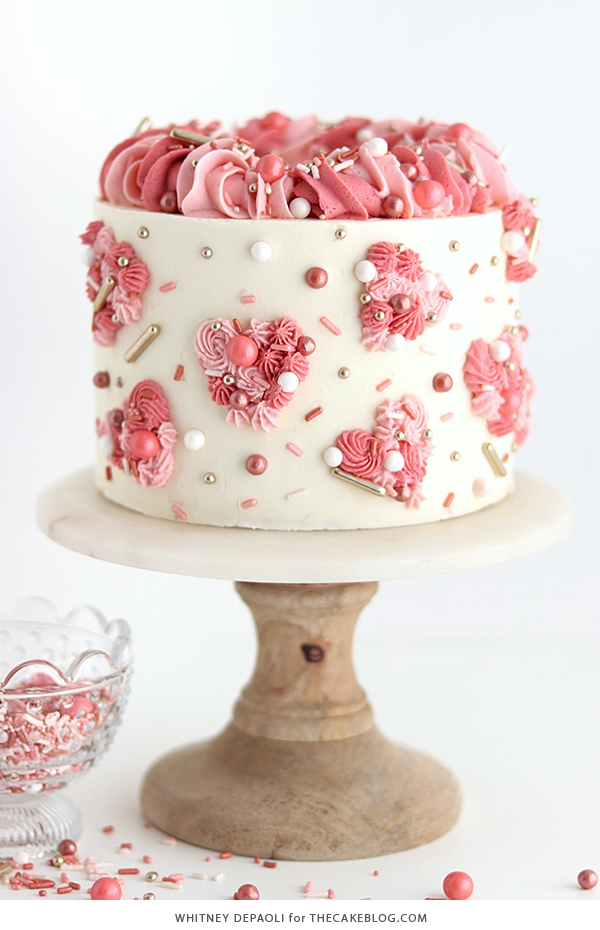
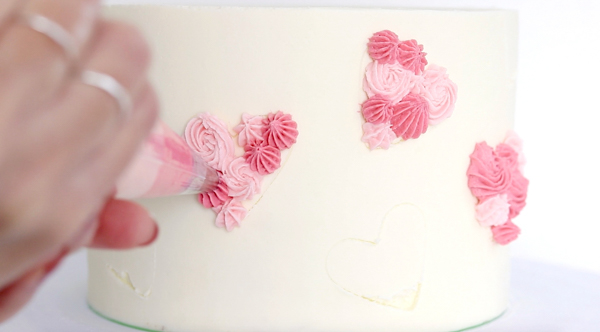
Following the imprinting phase, the technique employs a diverse array of piping tips—specifically the 1M, 199, and 21 tips—to fill the heart shapes. These tools are used to create a variety of "micro-textures," including small rosettes and star-shaped dollops. The variation in tip size and shape is critical to the design’s success, as it creates the visual density and "shag-like" texture that is currently trending in modern cake design. The tutorial advocates for the use of American buttercream due to its stability and ease of tinting, though the method is adaptable to any medium that maintains its shape after extrusion.
Chronological Development of the Design
The development of the Piped Hearts technique follows a clear chronological path from preparation to final assembly. Industry analysts note that such tutorials are typically released in the early first quarter to align with the peak consumer interest in Valentine’s Day preparations.
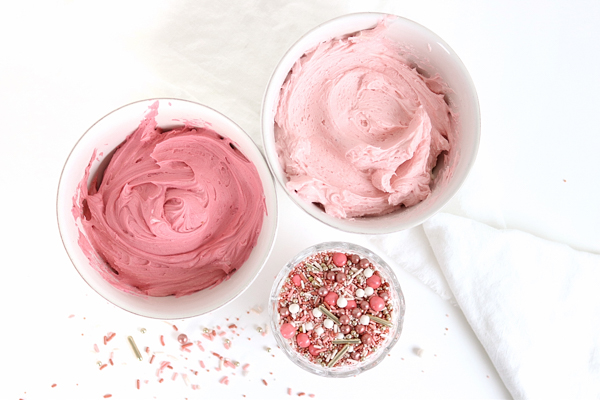
- Pigment Integration: The process commences with the division of buttercream into multiple batches, which are then tinted using professional-grade gel colors. In the featured design, Americolor Dusty Rose is utilized to achieve varying shades of pink, aligning with the "rose gold" trend that has dominated the luxury event sector for several years.
- Tool Configuration: Four distinct piping bags are prepared, each fitted with specific tips. This stage is crucial for efficiency, as it allows the decorator to alternate between textures without the need for frequent cleaning or tip changes.
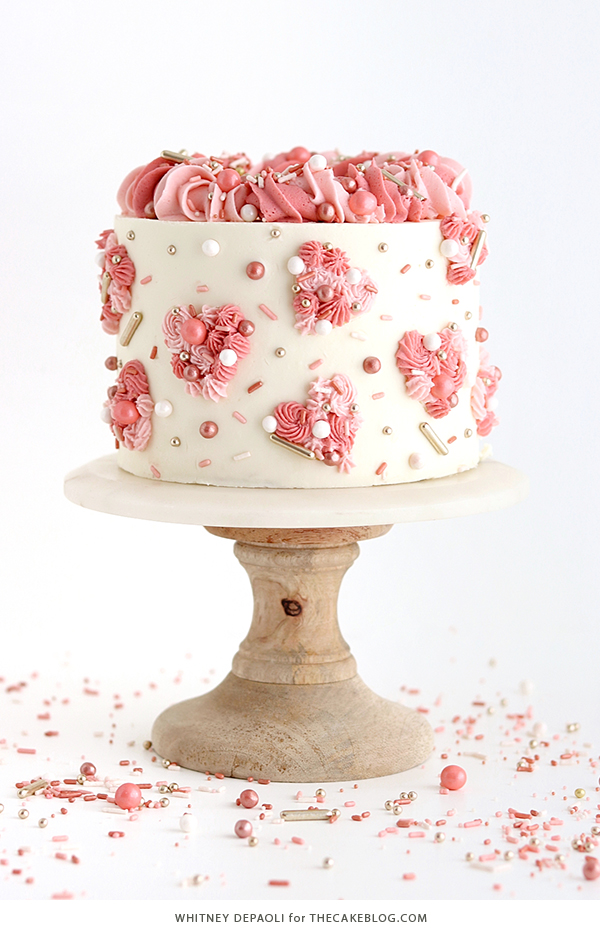
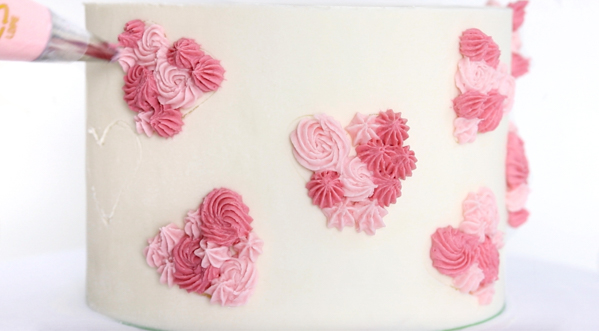
- Topographical Mapping: The heart imprints are applied at random intervals, with a technical recommendation of at least two inches of separation between each shape. This spacing prevents the visual "crowding" that can occur when using high-texture techniques.
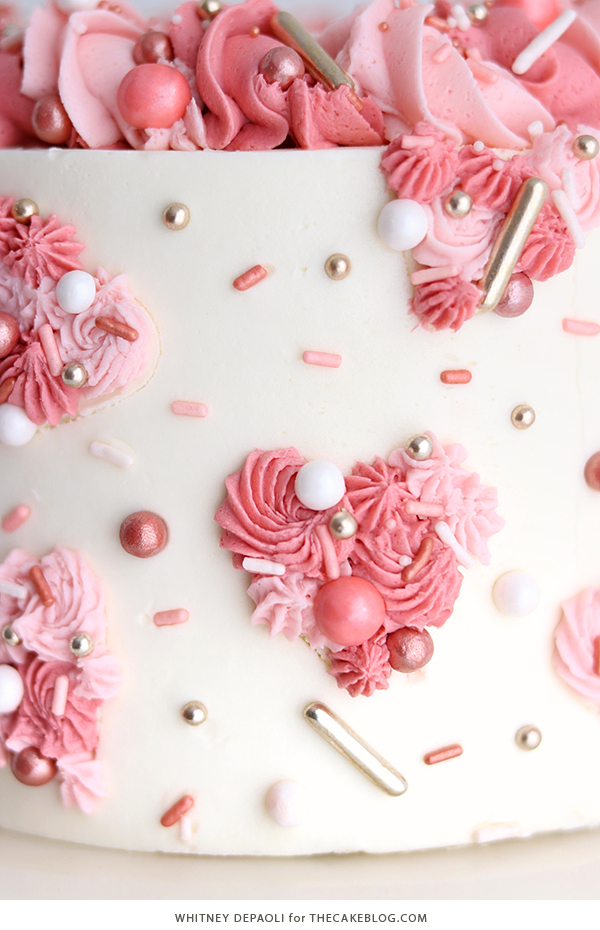
- Textural Application: The interior of each heart is filled with a dense collection of rosettes and stars. The objective is to obscure the flat surface of the cake entirely within the confines of the imprint.
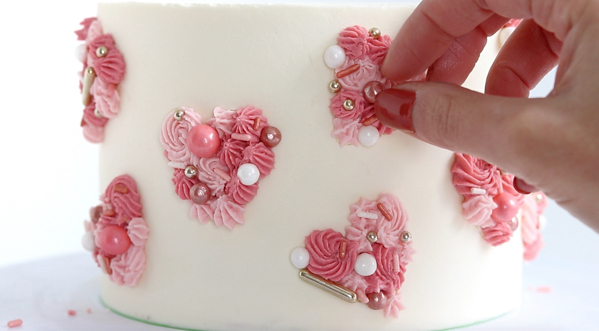
- Structural Enrichment: Sprinkles and metallic dragees are manually applied to fill remaining gaps. This step serves both a decorative and a functional purpose, as the hard confectionery elements provide a contrast to the soft buttercream.
- Peripheral Finishing: The final stage involves the creation of a "rosette rope border" around the top circumference of the cake. This is achieved by piping rosettes in a counter-clockwise motion at a 45-degree angle, creating a continuous, braided appearance.
Market Context and Consumer Trends
The release of the Piped Hearts Valentine’s Cake tutorial occurs within a broader economic context of high seasonal spending. According to the National Retail Federation (NRF), Valentine’s Day spending in the United States consistently exceeds $20 billion annually, with a significant portion of that expenditure directed toward food and confectionery. There has been a documented shift in consumer behavior toward "experiential" holiday celebrations, where DIY baking and home-based culinary projects serve as a form of entertainment and social connection.
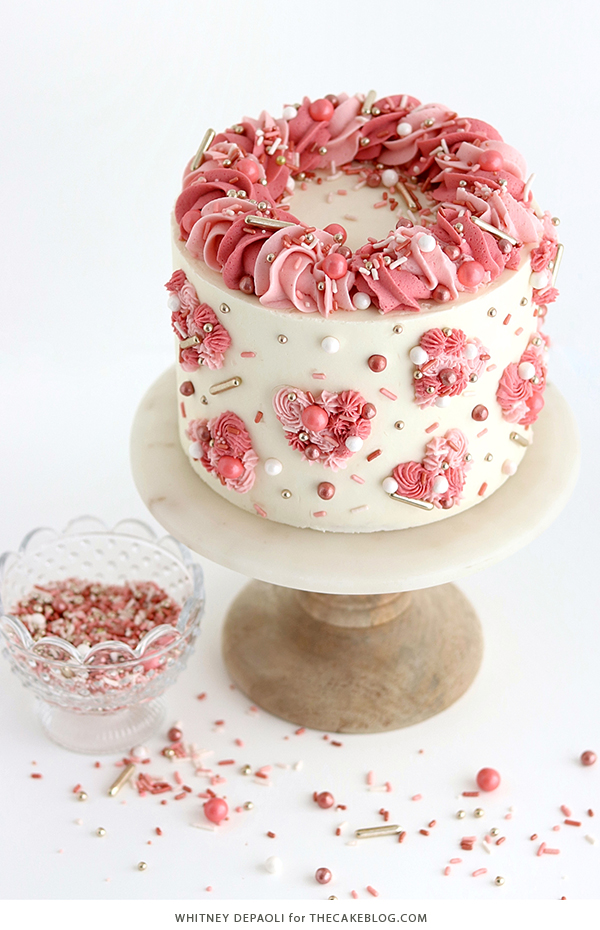
The popularity of this specific design is also reflective of the "Instagrammability" of modern food. The tutorial explicitly credits @frostedfujicakes, a prominent social media influencer, as the inspiration for the technique. This highlights the cyclical nature of modern culinary trends, where techniques are developed on social media platforms, refined by professional contributors, and then disseminated to a wider audience through instructional blogs. The use of rose gold and dusty rose tones specifically targets a demographic that values aesthetic cohesion and "lifestyle" branding.
Regulatory and Safety Considerations in Cake Decoration
A critical component of the Piped Hearts tutorial involves the use of metallic dragees—spherical or rod-shaped sugar decorations coated in silver or gold. The tutorial includes a necessary regulatory note regarding these items. While gold and silver dragees are widely sold as cake decorations, the U.S. Food and Drug Administration (FDA) has historically maintained a complex stance on their consumption.

In many jurisdictions, these items are labeled "for decoration only" because the metallic coatings, while non-toxic, have not been formally approved as food additives. The tutorial advises decorators to instruct guests to remove certain elements, such as long gold rods, before consumption. This highlights a growing trend in the artisanal baking community where the visual impact of a design occasionally utilizes components that exist in a regulatory gray area between "edible" and "non-toxic." Professional bakers are increasingly required to balance these aesthetic desires with consumer safety disclosures.
Industry Perspectives and Impact
Culinary experts suggest that the "imprint and fill" method represented by the Piped Hearts cake is part of a larger democratization of cake artistry. By providing a mechanical guide (the cookie cutter) for a complex visual task (piping), the tutorial lowers the barrier to entry for high-end cake design.
"The modern baker is looking for techniques that offer a high visual return for a manageable level of effort," says a representative of the digital baking industry. "The Piped Hearts design is successful because it utilizes tools that most hobbyists already own—like cookie cutters and standard piping tips—but applies them in a way that mimics the intricate work of a high-end boutique bakery."
Furthermore, the emphasis on texture over smooth surfaces marks a departure from the "fondant era" of the early 2000s. Buttercream-centric designs are currently favored for their superior flavor profiles and the organic, artisanal feel they provide. The Piped Hearts cake is a prime example of how "maximalist" textures can be achieved through repetitive, simple motions, making it a sustainable trend for both commercial bakeries and home kitchens.
Broader Implications for the Baking Supply Sector
The dissemination of such tutorials has a direct impact on the specialty baking supply market. When a high-profile tutorial specifies certain tools—such as the Wilton 1M tip or Americolor gel pastes—it often leads to a localized surge in demand for those products. Retailers specializing in cake decorating supplies have noted that seasonal tutorials are primary drivers for inventory turnover in the first quarter of the year.
The Piped Hearts Valentine’s Cake represents more than a seasonal recipe; it is a case study in how social media trends, technical instruction, and market demand converge. As the "Galentine’s Day" phenomenon—a celebration of platonic friendship—continues to grow alongside traditional romantic celebrations, the demand for versatile, visually striking designs like the Piped Hearts cake is expected to remain high. The technique’s adaptability to different color palettes and shapes suggests that the "imprint and fill" method will likely be repurposed for other holidays, further cementing its place in the modern baker’s repertoire.