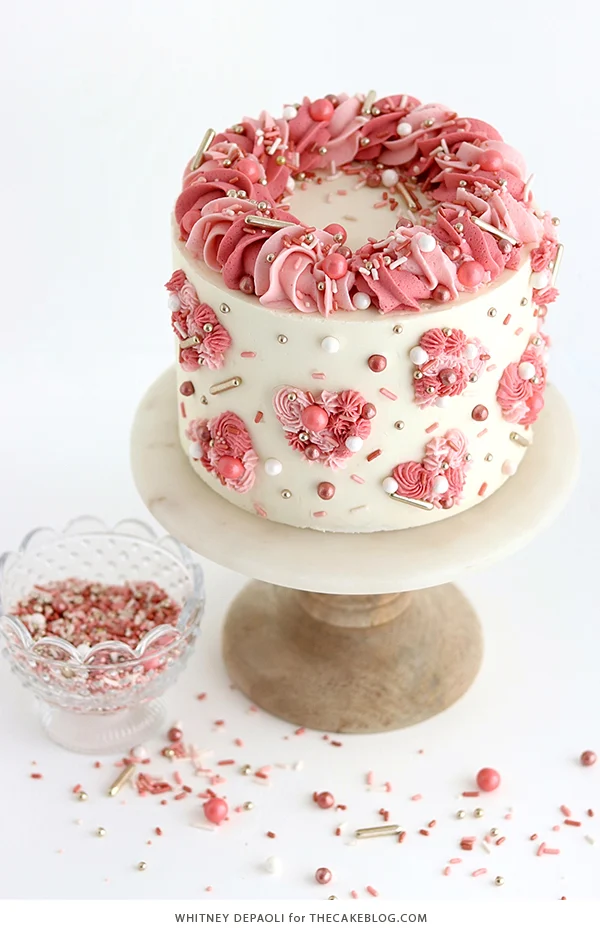
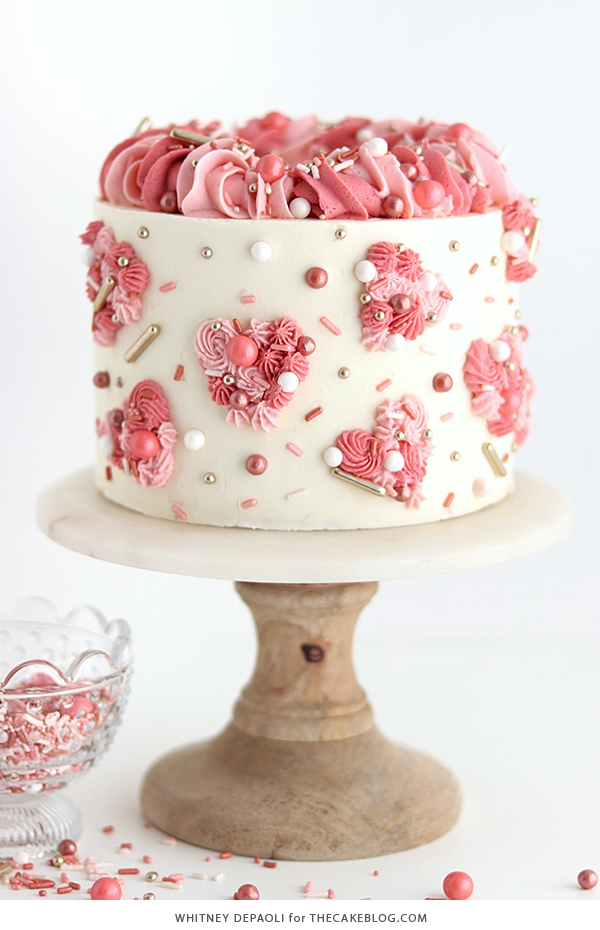
The culinary arts and home baking sectors have witnessed a significant shift toward textured, artisanal designs as the traditional Valentine’s Day confectionery market evolves to meet modern aesthetic demands. Central to this movement is a specialized technique popularized by professional contributors such as Whitney DePaoli of The Cake Blog, which emphasizes the use of multi-dimensional buttercream piping to transform the classic heart motif into a contemporary centerpiece. This methodology, which integrates precision imprinting with varied piping tip applications, reflects a broader trend in the $25.9 billion Valentine’s Day consumer market, where personalized and "Instagram-worthy" baked goods are increasingly prioritized over mass-produced alternatives.
Technical Methodology and Artistic Execution
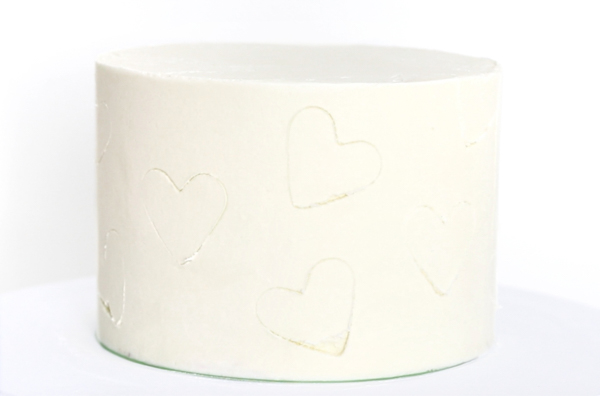
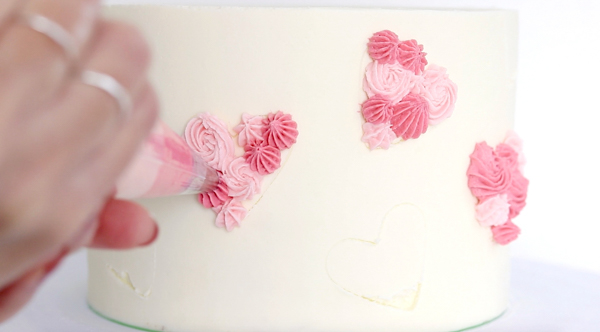
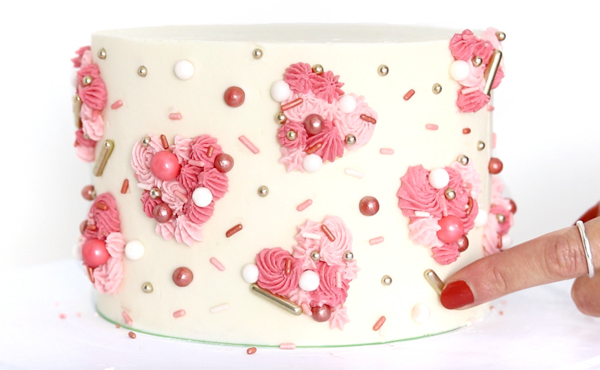
The "Piped Hearts" technique is characterized by its reliance on negative space and structural imprinting to guide the artistic process. Unlike traditional freehand piping, which can result in inconsistent proportions, this method utilizes a physical guide—a heart-shaped cookie cutter—to establish a blueprint on a pre-frosted and chilled cake surface. This foundational step ensures a balanced distribution of shapes, typically spaced at least two inches apart to maintain visual clarity and prevent a cluttered appearance.
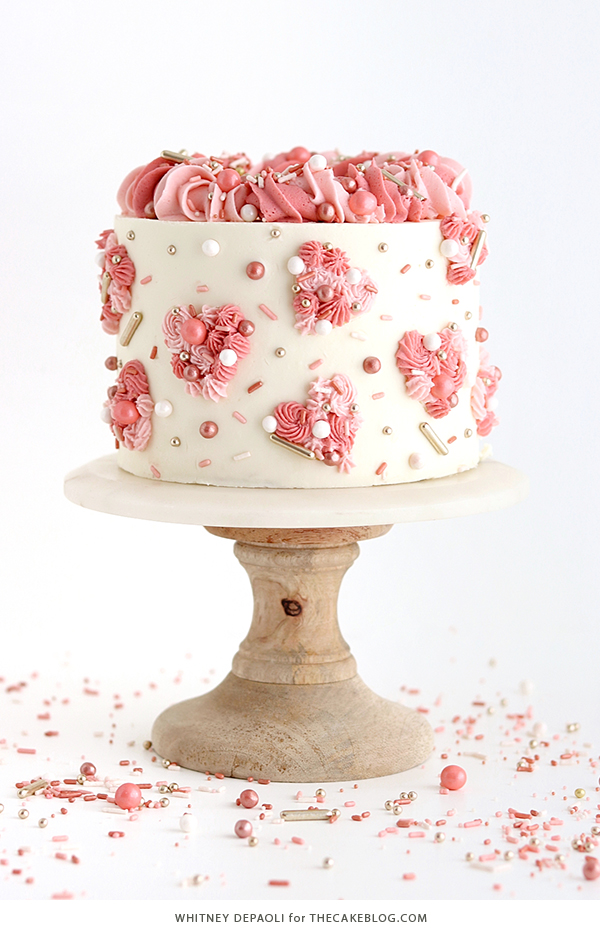
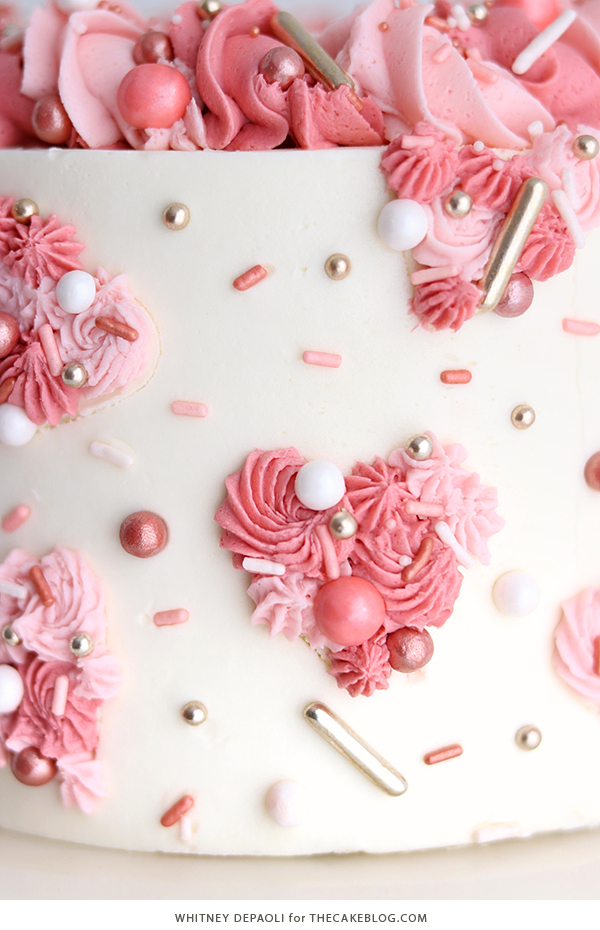
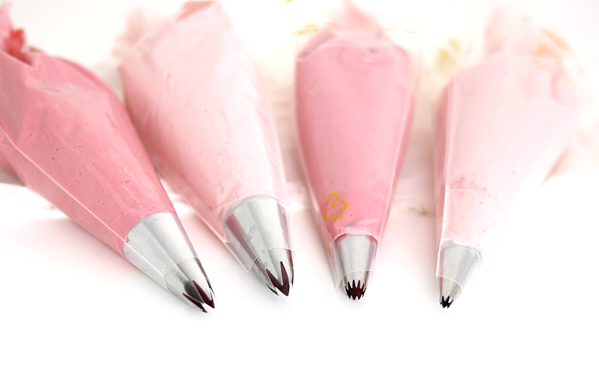
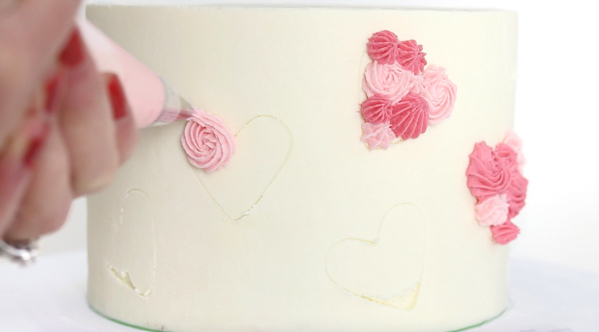
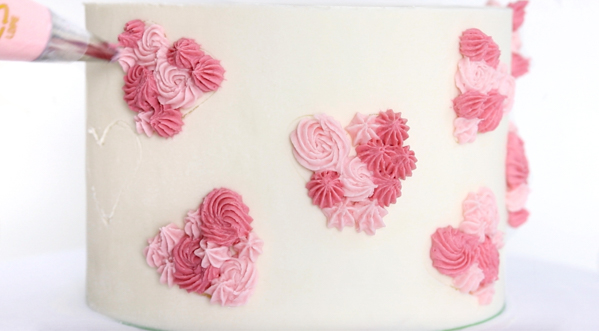
The core of the design lies in the "fill" process, where multiple piping tips are used to create a variety of textures within the imprinted boundaries. The use of the 1M tip for rosettes, combined with the 199 and 21 tips for star-shaped accents, introduces a level of depth that mimics high-end floral arrangements. By varying the pressure and rotation of the piping bag, the decorator can produce a "rosette rope" effect that adds a tactile quality to the cake’s exterior. This approach is highly adaptable, allowing for the use of American buttercream—favored for its stability and ease of tinting—or more delicate European-style meringues, provided the frosting maintains sufficient body to hold a sharp peak.
Chronology of the Decorating Process
The assembly of a professional-grade Piped Hearts cake follows a strict chronological sequence to ensure structural integrity and aesthetic consistency:
- Substrate Preparation: The cake must be frosted with a smooth base layer of buttercream and chilled for a minimum of 30 to 60 minutes. This refrigeration step is critical, as it hardens the surface, allowing for clean imprints without damaging the underlying structure.
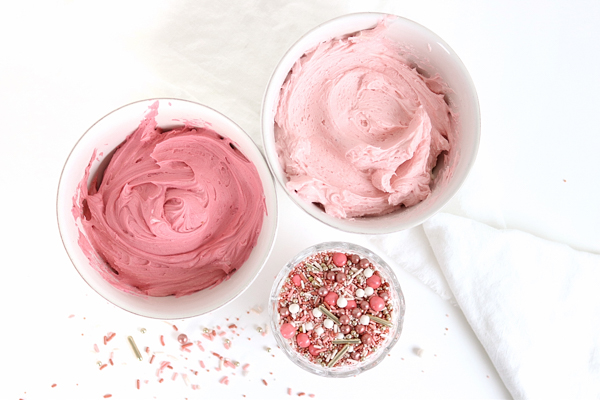
- Pigment Integration: Buttercream is divided and tinted using professional-grade gel colors. In recent trends, "Dusty Rose" and rose gold palettes have dominated, moving away from the primary reds of previous decades.
- The Imprinting Phase: A heart-shaped cutter is gently pressed into the cold frosting. This creates a faint but permanent guide for the subsequent piping.
- Textural Filling: Decorators apply a mixture of rosettes and stars within the guides. The recommendation is to fill the shape as completely as possible, using the varying tip sizes to eliminate gaps.
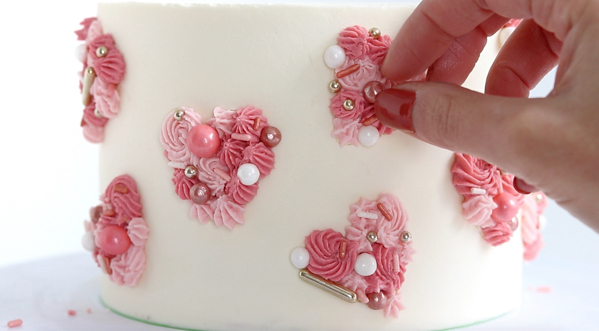
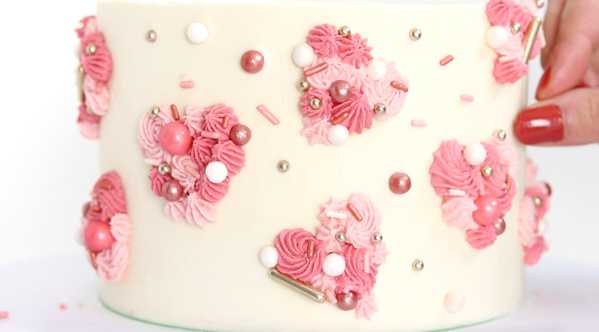
- Accessory Application: Sprinkles and metallic dragées are added while the piping is still fresh. This serves a dual purpose: it hides minor imperfections in the heart shapes and adds a secondary layer of light-reflective texture.
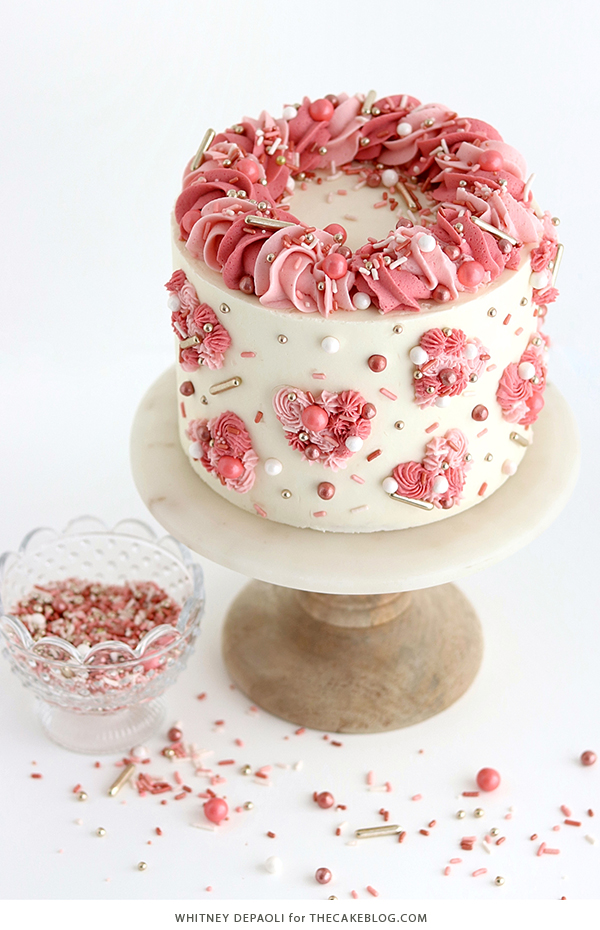
- The Final Border: The process concludes with a rosette rope border around the top perimeter, often using alternating colors to tie the design’s palette together.
Market Data and Economic Context
The rise of specialized tutorials like the Piped Hearts design coincides with substantial growth in the seasonal baking industry. According to data from the National Retail Federation (NRF), Americans spent an estimated $4.4 billion on candy and confectionery items for Valentine’s Day in recent years, with a growing percentage of that expenditure shifting toward premium, artisanal cakes.
Market analysis suggests that the "DIY" (Do-It-Yourself) movement in baking has been fueled by a 15% year-over-year increase in social media engagement for "cake decorating" content. Professional contributors like DePaoli bridge the gap between amateur hobbyists and professional pastry chefs, providing accessible yet sophisticated techniques that drive the sales of specialized baking supplies, such as piping tips and gel pigments. Retailers have reported a corresponding spike in the sale of "open star" tips (like the 1M) during the first quarter, directly linked to holiday-specific tutorials.
Regulatory Oversight and Food Safety Standards
As cake designs become more intricate, involving non-traditional decorations, regulatory bodies such as the U.S. Food and Drug Administration (FDA) have increased their focus on edible safety. A critical component of the Piped Hearts design involves the use of metallic accents, such as gold and silver dragées.
Current FDA guidelines distinguish between "edible" and "non-toxic" decorations. While many metallic rods and pearls are sold in the cake decorating aisle, they are often labeled "for decoration only" in the United States because they contain silver or other metals not approved as food additives. Professional bakers and contributors now include mandatory safety disclosures, advising consumers to instruct guests to remove these items before consumption. This shift toward transparency reflects a maturing industry that prioritizes consumer safety alongside artistic innovation.
The Influence of Digital Communities
The Piped Hearts technique is not an isolated development but rather a product of the "caker" community’s collaborative nature on platforms like Instagram. Whitney DePaoli’s tutorial explicitly credits @frostedfujicakes for the inspiration, highlighting the cross-pollination of ideas that defines modern digital artistry.
Social media has transformed the lifecycle of a baking trend. A technique can move from a single post to a global phenomenon within days, leading to a standardized visual language among bakers worldwide. This digital ecosystem allows for rapid feedback and iteration, where followers suggest color modifications or alternative tip combinations, further enriching the original concept. The "Galentine’s Day" sub-trend, which celebrates female friendships, has also expanded the market for these designs, moving beyond traditional romantic pairings to broader social celebrations.
Analysis of Stylistic Implications
The transition from smooth, fondant-covered cakes to highly textured buttercream designs represents a significant aesthetic pivot in the confectionery world. For much of the early 2000s, the industry was dominated by the "clean" look of rolled fondant. However, modern consumers are increasingly favoring the "maximalist" texture of buttercream piping.
Experts in food styling suggest that texture communicates freshness and "handmade" quality in a way that smooth surfaces cannot. The Piped Hearts design, with its variety of star and rosette shapes, creates a play of light and shadow that makes the cake appear more dynamic in photographs. This "visual flavor" is a key driver in consumer choice, as the appearance of the cake is now considered as important as its taste profile for special events and social media documentation.
Future Outlook for Artisanal Baking
As Valentine’s Day continues to serve as a primary catalyst for innovation in the baking industry, techniques like the Piped Hearts tutorial are expected to become more complex. Future iterations may include the integration of dried botanicals, hand-painted watercolor accents on the base frosting, or the use of "stamped" buttercream textures.
The enduring appeal of the heart motif, combined with the technical versatility of modern piping tools, ensures that this specific style will remain a staple of holiday confectionery. As long as digital platforms continue to facilitate the sharing of professional techniques, the boundary between professional patisserie and home baking will continue to blur, resulting in a more vibrant and creative marketplace for consumers and artists alike. The Piped Hearts cake stands as a testament to this evolution—a blend of traditional symbolism and modern technical precision that defines the current state of the culinary arts.