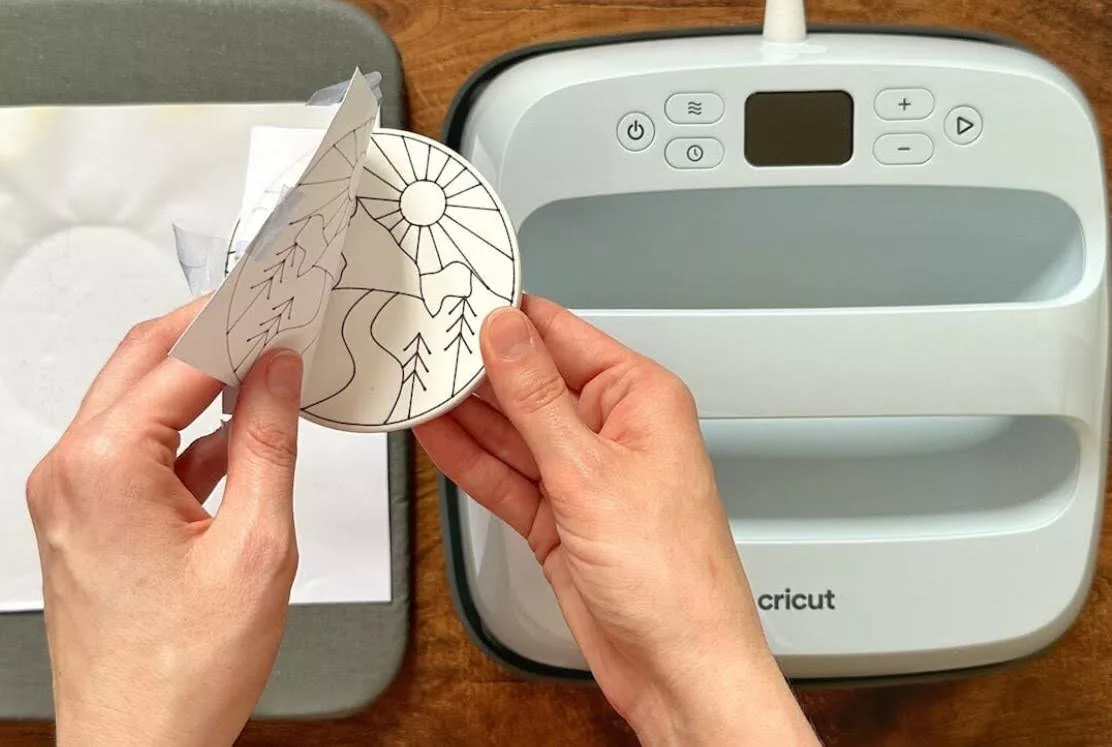
The landscape of home-based textile and product customization underwent a significant shift with the introduction of Cricut Infusible Ink, a proprietary sublimation system designed to bring factory-quality results to the consumer market. Unlike traditional heat-transfer methods that rely on an adhesive-backed vinyl sitting atop a substrate, Infusible Ink utilizes a chemical process that bonds the pigment directly into the fibers or coating of the target material. This technology has effectively democratized the production of high-end, personalized goods, allowing independent creators and small-scale entrepreneurs to produce items that are resistant to peeling, cracking, and fading.
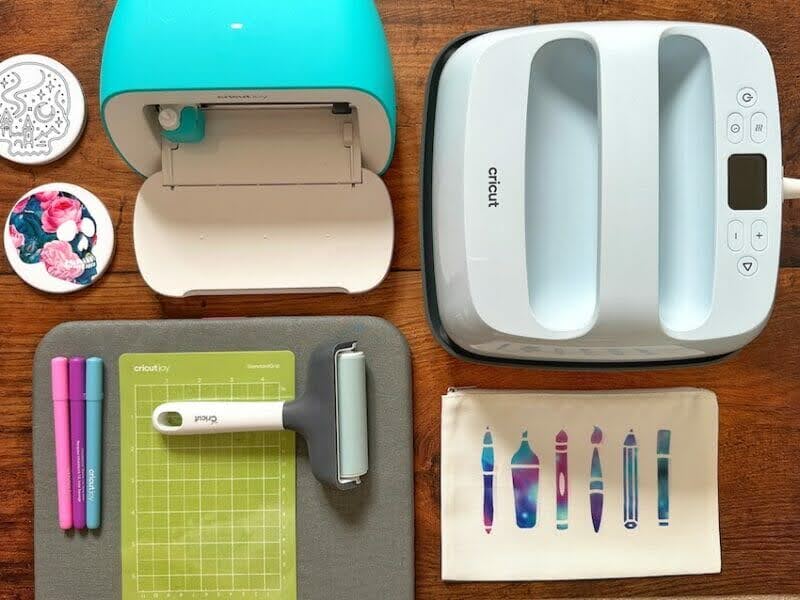
The Evolution of Home Customization Technology
Historically, the DIY crafting community relied heavily on Heat Transfer Vinyl (HTV). While HTV remains a versatile tool for many applications, its physical properties are limited by the nature of its application; because it is a layer of plastic-based material adhered to a surface, it is susceptible to mechanical wear and thermal degradation over time. The launch of the Infusible Ink line by Cricut in 2019 marked a strategic move to bridge the gap between hobbyist crafting and industrial sublimation printing.
Sublimation, the scientific principle underlying Infusible Ink, involves a phase transition where a solid substance turns into a gas without passing through a liquid state. When subjected to high heat—typically between 385°F and 400°F—the solid ink on a transfer sheet or drawn with a marker converts into a gas. Simultaneously, the pores of the polymer-based substrate (such as polyester fabric or a treated ceramic surface) open. The gaseous ink permeates these pores, and as the heat source is removed, the pores close, trapping the ink as it reverts to a solid state within the material itself. This results in a permanent, flush finish that is indistinguishable from the original texture of the item.
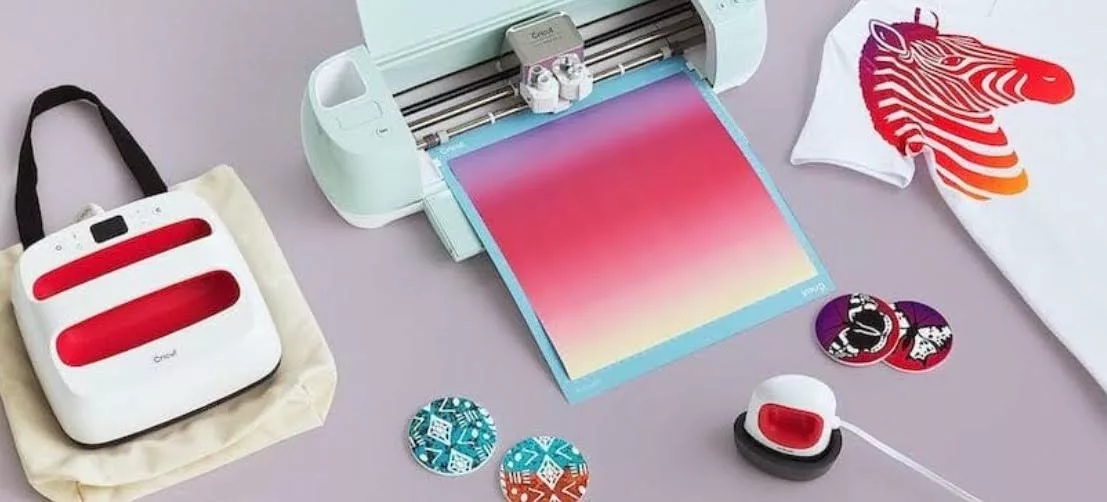
Comparative Analysis: Infusible Ink vs. Traditional Heat Transfer Vinyl
To understand the market positioning of Infusible Ink, one must analyze its performance metrics against traditional iron-on materials.
- Durability: HTV is an additive process, meaning it adds a layer to the garment. Over multiple wash cycles, the adhesive bond can weaken, leading to "peeling." In contrast, Infusible Ink is a subtractive/integrated process. Because the ink is part of the fiber, its lifespan is identical to the lifespan of the garment itself.
- Texture and "Hand": In the textile industry, the "hand" refers to the feel of the fabric. HTV often results in a stiff, plastic-like section on a shirt. Infusible Ink has zero "hand," meaning the user cannot feel the design at all once the transfer is complete.
- Complexity of Design: While HTV requires "layering" for multi-colored designs—which adds thickness and weight—Infusible Ink allows for complex, multi-tonal patterns via pre-printed transfer sheets or hand-drawn illustrations that remain a single, seamless layer.
Market Impact and the Rise of the "Cricut Economy"
The introduction of professional-grade tools like Infusible Ink has contributed to the rapid expansion of the global personalized gifts market, which was valued at approximately $26.3 billion in 2022 and is projected to reach $47.6 billion by 2030. Industry analysts suggest that the accessibility of sublimation technology has lowered the barrier to entry for "side-hustle" businesses. Platforms such as Etsy and Shopify have seen a surge in listings for "sublimation-ready" products, driven by the ability of home crafters to produce professional-grade apparel and home decor without the five-figure investment previously required for industrial sublimation printers.
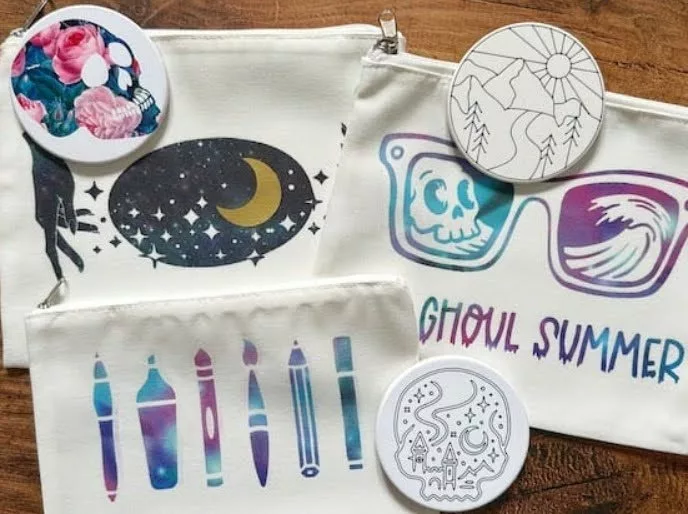
Technical Implementation: The Cosmetic Bag Protocol
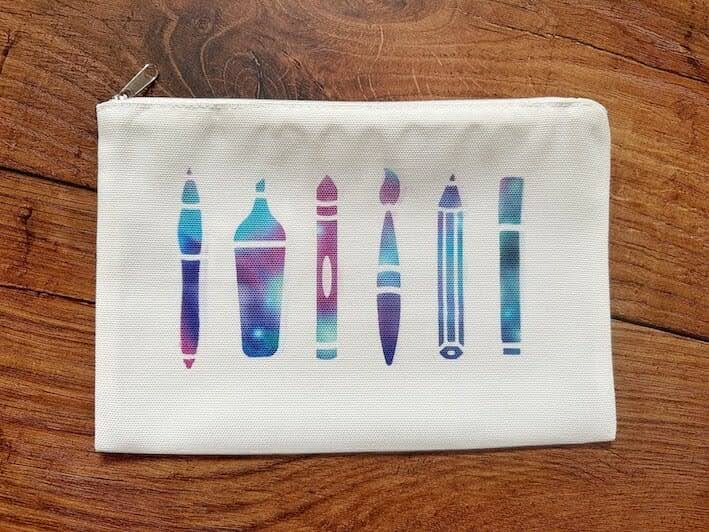
For practitioners looking to utilize Infusible Ink Transfer Sheets, the process requires a high degree of precision regarding temperature and pressure. The following protocol outlines the steps for customizing a polyester-based cosmetic bag, a common entry point for professional-grade sublimation.
Phase 1: Digital Design and Preparation
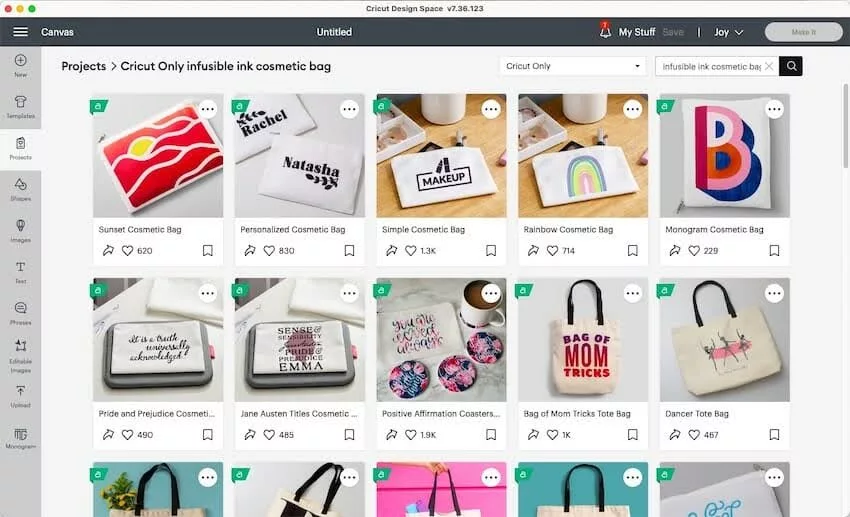
The design process begins in a digital environment, typically Cricut Design Space. Because the transfer involves flipping the sheet onto the substrate, all designs containing text or asymmetrical elements must be "Mirrored" before cutting. Failure to mirror the design results in a reversed final product, a common error in the sublimation workflow.
Phase 2: Mechanical Cutting and Weeding
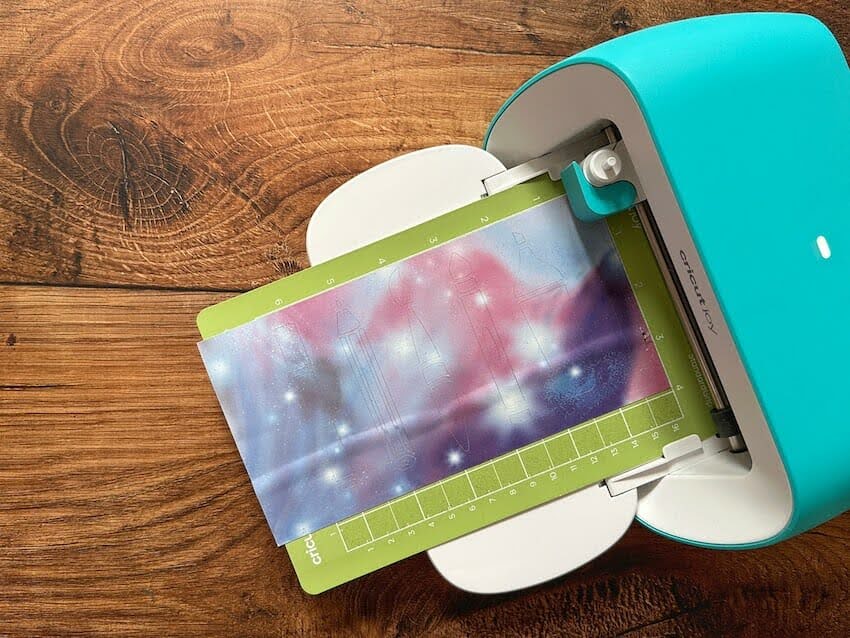
Once the design is sent to the cutting machine (such as a Cricut Explore 3 or Maker 3), the Infusible Ink Transfer Sheet is placed "ink side up" on a StandardGrip mat. Unlike vinyl, which is pliable, Infusible Ink sheets are made of a specialized paper-like material. The "weeding" process—removing the excess negative space—is performed by gently "cracking" the paper and using tweezers or fingers rather than a sharp weeding tool, which can damage the delicate carrier sheet.
Phase 3: Thermal Transfer
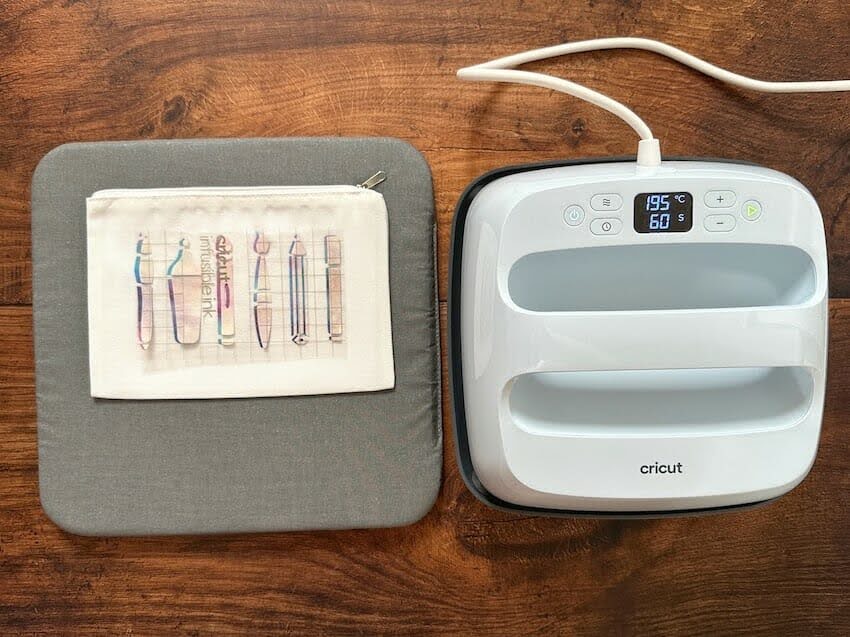
The application phase is the most critical. A heat press, such as the Cricut EasyPress, is required because household irons typically cannot maintain the consistent, high temperatures (385°F+) necessary for the sublimation gas transition.
- Preparation: A piece of cardstock is placed inside the bag to prevent the ink from "bleeding" through to the back side.
- Pre-heating: The substrate is pressed for 15 seconds to remove moisture and wrinkles.
- Placement: The design is placed face down on the bag. A sheet of clean butcher paper (included with the transfer sheets) is placed on top to protect the heat press from stray ink gas.
- Pressing: The heat is applied with light pressure for 60 seconds. It is imperative that the press remains completely still; any movement during the gaseous phase can cause "ghosting," a blurred or shadowed effect on the edges of the design.
Hand-Drawn Customization: The Ceramic Coaster Protocol
Infusible Ink Pens and Markers offer a different utility, allowing for freehand drawing or machine-drawn illustrations that can be transferred to hard surfaces like ceramic or aluminum.
Phase 1: Illustrative Drawing
Using a standard sheet of laser copy paper, the design is either drawn by hand or executed by the Cricut machine using the pen housing. It is important to note that the colors on the paper will appear dull and muted; the true vibrancy of the pigment is only revealed once the heat-activated chemical reaction occurs.
Phase 2: Surface Preparation
Ceramic coasters must be "sublimation blanks," meaning they are treated with a special polymer coating. Standard ceramic tiles from a hardware store will not work, as the ink has no polymer pores to enter. The surface is cleaned with a lint-free cloth and glass cleaner to remove any oils or fingerprints that could interfere with the ink bond.
Phase 3: High-Heat Application
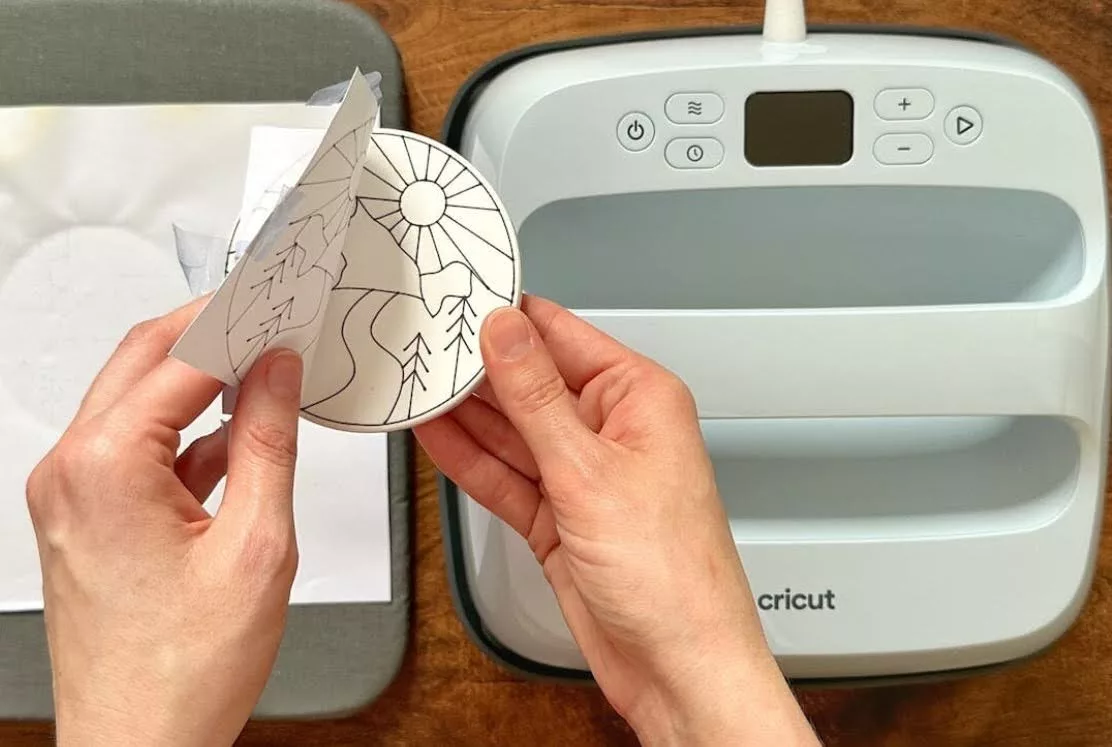
For coasters, the transfer sheet is taped to the substrate using Heat Resistant Tape. The coaster is then placed face down on the heat press mat. The heat is applied to the bottom of the coaster (the ceramic side) to allow the heat to radiate through the material, ensuring an even distribution. This process typically requires 400°F for 240 seconds. Once completed, the coaster is extremely hot and must be allowed to cool completely before the paper is removed to avoid "smearing" the set ink.
Material Science and Compatibility Requirements
A frequent point of inquiry involves the compatibility of Infusible Ink with natural fibers like 100% cotton. From a chemical standpoint, sublimation is only possible with polymers. Cotton fibers do not have the molecular structure required to trap sublimation gas. If applied to cotton, the design will appear faint and will likely wash out entirely during the first laundry cycle.
To achieve the "factory-finish" results advertised, the substrate must have at least a 65% polyester content, though 100% polyester is recommended for maximum color saturation. For non-fabric items, the use of "blanks" specifically labeled for sublimation is mandatory. These items are pre-treated with a clear polyester coating that acts as the host for the ink.
Critical Success Factors and Troubleshooting
Professional crafters and industry experts emphasize several "best practices" to ensure high-yield results:
- Moisture Control: Moisture is the enemy of sublimation. Even invisible humidity in fabric can turn to steam under the heat press, causing uneven ink transfer. Pre-pressing the material is a non-negotiable step.
- Oil Contamination: Human skin oils can create a barrier on the transfer sheets. Handling the sheets with clean, dry hands—or even wearing gloves—can prevent "spotting" in the final design.
- Pressure Consistency: Unlike HTV, which requires firm pressure to "squish" the adhesive into the weave, Infusible Ink requires only light, even pressure. Excessive pressure can cause the butcher paper or carrier sheet to leave indentations in the fabric.
Implications for the Future of Personalization
The broader implications of Infusible Ink technology extend into the realms of sustainability and economic empowerment. Because the designs are permanent, garments customized with this technology have a longer functional life than those decorated with temporary methods, potentially reducing textile waste. Furthermore, the ability to produce "on-demand" customized goods allows small businesses to operate with zero inventory risk, printing items only after a sale is made.
As Cricut and other competitors continue to refine these chemical processes, the line between "homemade" and "store-bought" continues to blur. The democratization of sublimation technology represents a significant chapter in the ongoing "Maker Movement," shifting the power of manufacturing from centralized factories to the kitchen tables of individual creators worldwide. Infusible Ink is not merely a crafting supply; it is a sophisticated chemical tool that has redefined the standards of quality in the DIY industry.