

The Strategic Expansion of Digital Culinary Instruction
The release of the Penguin Cake tutorial follows a period of significant growth in the home-baking sector. Market analysis indicates that the global baking ingredients market is projected to expand at a compound annual growth rate (CAGR) of approximately 5.6% through 2026. Within this market, "visual-first" baking—designs optimized for social media engagement—has become a dominant sub-sector. Gardner’s tutorial capitalizes on this trend by offering a design that is both photogenic and technically approachable.
The Penguin Cake is positioned as a thematic extension of Gardner’s previously successful "sprinkle girl" series. By establishing a cohesive "universe" of characters, content creators like Gardner are able to build brand loyalty and encourage repeat engagement from their audience. This methodology mirrors the character-franchise models seen in larger media industries, applied here to the niche of artisanal cake decoration.
Procedural Chronology and Technical Execution
The construction of the Penguin Cake is a multi-phase process requiring precision in both structural preparation and aesthetic application. The tutorial outlines a specific chronology that ensures the stability of the design and the vibrancy of the visual elements.
Phase I: Foundation and Topographical Mapping
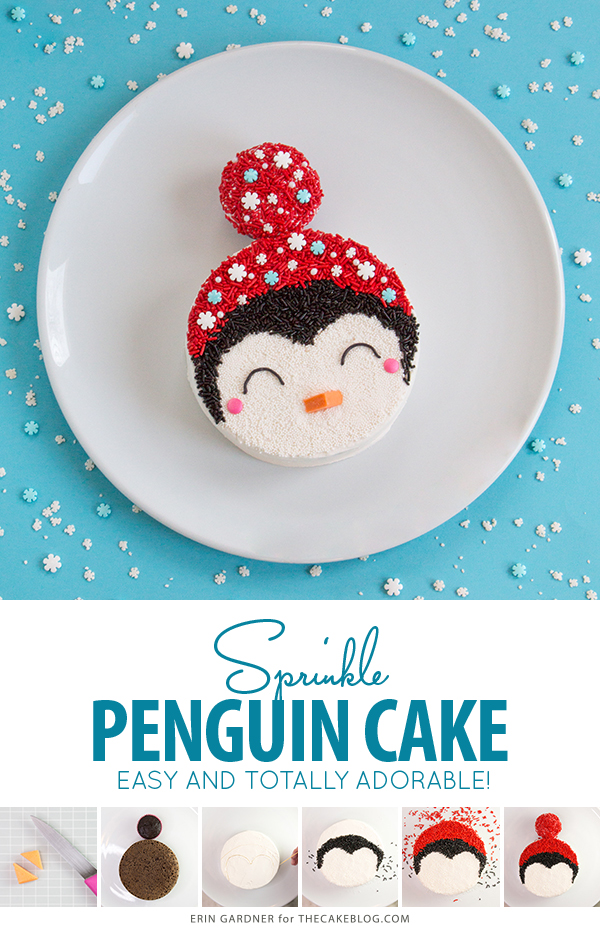
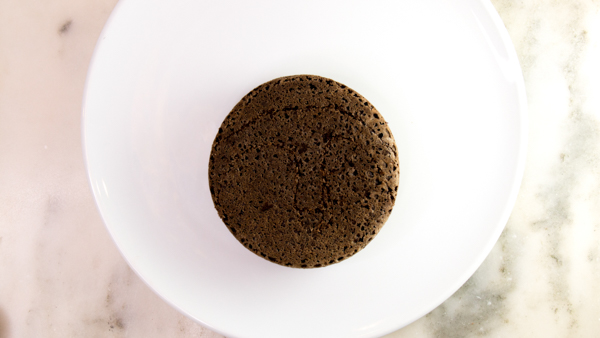
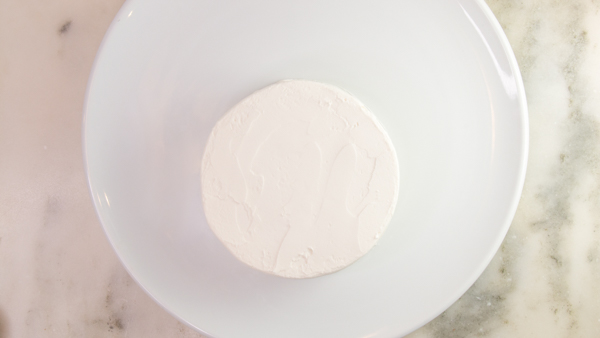
The process begins with the preparation of a standard round cake, which must be iced with a substantial layer of plain buttercream. The thickness of the buttercream is a critical technical requirement, as it serves as the adhesive substrate for the subsequent sprinkle application.
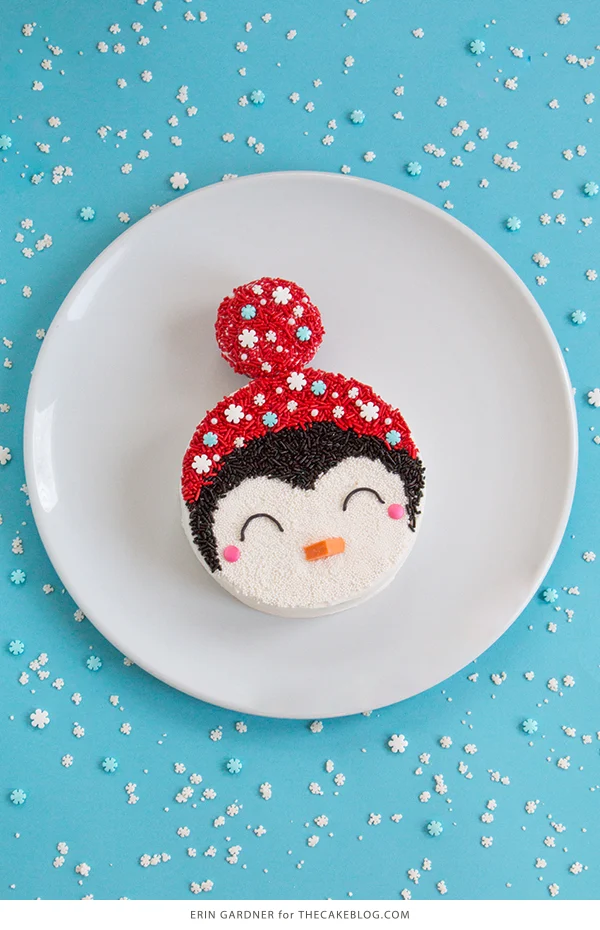
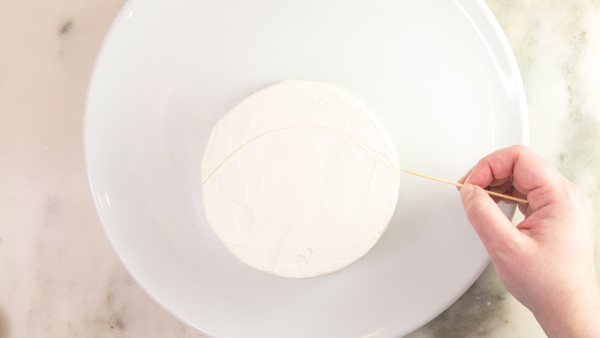
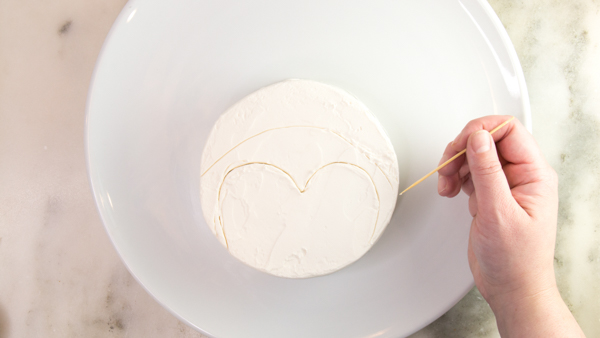
Once the base layer is applied, the baker must engage in "topographical mapping." Using a toothpick or skewer, the designer is instructed to etch a half-moon shape across the superior surface of the cake to delineate the "hat" area. This is followed by the sketching of an open-bottom heart shape to define the facial features of the penguin. This step is vital for ensuring symmetry and proportion before any permanent decorative elements are added. A key advantage noted in the tutorial is that the eventual sprinkle coating effectively masks any minor imperfections in the underlying buttercream, reducing the barrier to entry for novice decorators who may struggle with achieving a perfectly smooth finish.
Phase II: Systematic Sprinkle Application
The application of nonpareils (tiny spherical sprinkles) requires a controlled environment to minimize waste and ensure uniform coverage. The tutorial recommends placing the cake platter onto a larger baking sheet to capture stray particulates.
The application follows a specific order of operations:
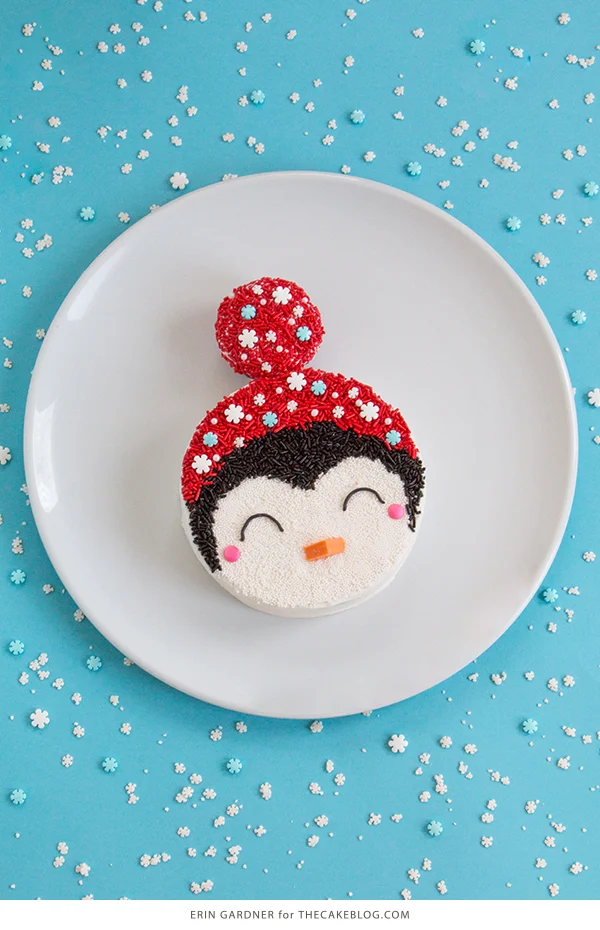
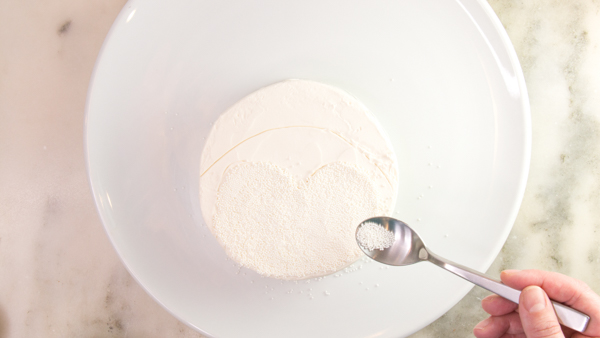
- Facial Features: The interior "face" area is filled first using white nonpareils. Gardner suggests using a spoon for distribution and the convex side of the spoon to compress and level the sprinkles.
- Epidermal Contrast: Black sprinkles are then applied to represent the penguin’s skin. This requires a higher degree of precision to maintain the boundaries established during the mapping phase. Any "rogue" black sprinkles that migrate into the white facial area must be manually removed with a toothpick to maintain the integrity of the color block.
- Thematic Elements: The "hat" section is filled with red sprinkles. This area offers the highest degree of customization, with the tutorial suggesting the potential for striped patterns or alternating color palettes to suit specific holiday themes.
Phase III: Three-Dimensional Component Integration
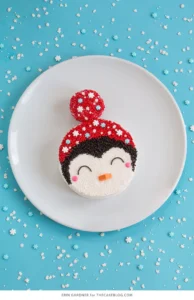
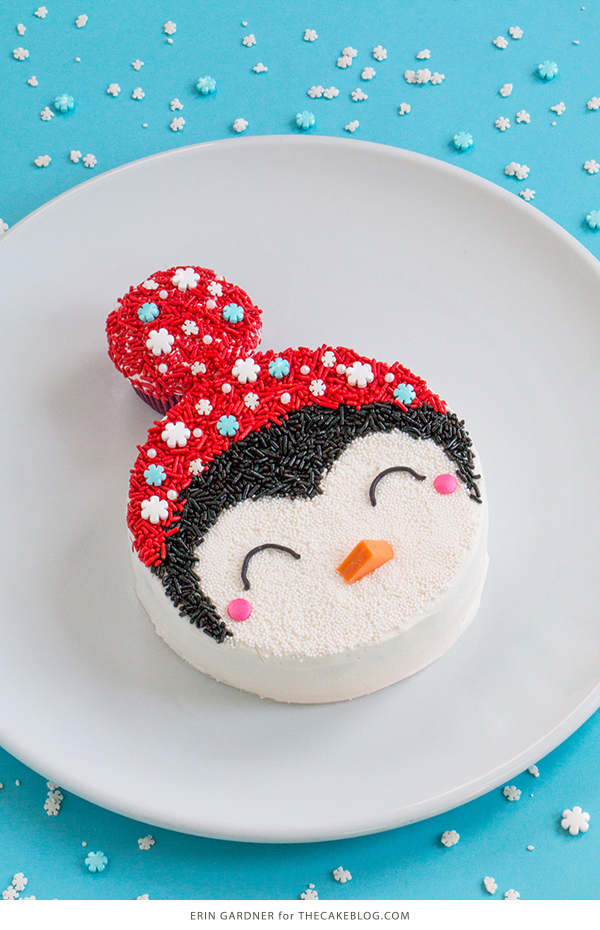
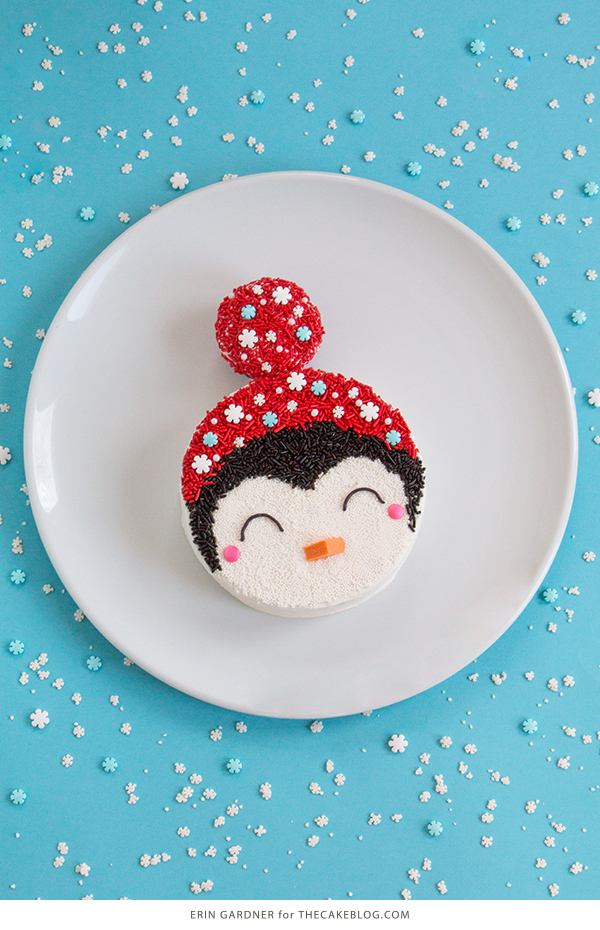
A unique aspect of the Penguin Cake design is the use of a standard cupcake to serve as the "pom-pom" for the penguin’s hat. This cupcake is coated in a matching layer of red sprinkles and adhered to the main cake structure using a small amount of buttercream as a bonding agent. This integration of a secondary baked good adds verticality and a three-dimensional quality to the otherwise flat top of the round cake.
Material Specifications and Decorating Details
The final aesthetic of the Penguin Cake is achieved through the strategic use of confectionery accessories. The tutorial specifies several key materials:
- Beak Construction: A yellow or orange chewy candy (such as a Starburst) is bisected diagonally to create a triangular prism, which is then positioned as the beak.
- Facial Accents: Pink confetti sprinkles are utilized for the cheeks, providing a "blushing" effect that contributes to the character’s appeal.
- Optical Details: Black buttercream is piped through a small round tip to create semi-circular "closed eyes," a design choice that evokes a sense of whimsy and "cuteness" (kawaii) often found in modern character design.
- Seasonal Embellishments: Snowflake-shaped sprinkles are applied to the red hat area to reinforce the winter theme.
Culinary Science: Texture Stability and Environmental Factors
A significant portion of the tutorial is dedicated to the preservation of the cake’s integrity. Gardner highlights a common challenge in sprinkle-heavy designs: the softening of nonpareils due to moisture absorption. Sprinkles are primarily composed of sugar and cornstarch, making them hygroscopic—meaning they readily absorb water from the surrounding environment and the underlying buttercream.
To mitigate this, the tutorial advises that the sprinkle application be completed on the day of service. Prolonged refrigeration can lead to "bleeding" (color migration) or a loss of the characteristic "crunch" that defines the texture of a sprinkle-coated cake. Furthermore, the storage requirements vary based on the type of buttercream used; while American buttercream is relatively stable at room temperature, Swiss or Italian meringue buttercreams require refrigerated environments, which necessitates a more precise timeline for decoration.
Broader Impact on the Home-Baking Industry
The Penguin Cake tutorial is more than a simple recipe; it is a manifestation of the "democratization of design" in the culinary arts. By utilizing tools like toothpicks for sketching and spoons for sprinkle leveling, Gardner removes the need for expensive, specialized equipment like airbrushes or fondant extruders.
Industry experts suggest that this "low-tech, high-impact" approach is a primary driver of the current DIY movement. According to data from the Specialty Food Association, consumers are increasingly seeking "experience-based" food products. The act of decorating a complex-looking cake like the Penguin Cake provides a sense of accomplishment and creative expression that traditional baking does not.
Furthermore, the versatility of the design—allowing for the addition of chocolate sunglasses or different hat colors—encourages consumer agency. This modular approach to design is a hallmark of modern instructional content, allowing a single tutorial to serve multiple occasions, from children’s birthdays to formal holiday gatherings.
Market Implications and Seasonal Trends
The timing of the tutorial’s release aligns with the "Q4/Q1" peak in baking activity. Retail data shows that sales of decorating supplies, including sprinkles and food coloring, increase by over 40% during the months of November through January. By providing a high-quality, free-to-access tutorial during this window, The Cake Blog and Erin Gardner position themselves as central influencers in the seasonal market.
The "Penguin Cake" also reflects a shift in winter aesthetics. While traditional holiday baking often focused on intricate gingerbread structures or heavy fruitcakes, modern consumers are gravitating toward "cleaner," character-driven designs that utilize bright, contrasting colors like the red, black, and white palette featured in this project.
Conclusion: The Future of Digital Pastry Education
As digital platforms continue to evolve, the role of contributors like Erin Gardner becomes increasingly vital in bridging the gap between professional pastry kitchens and the home enthusiast. The Penguin Cake serves as a case study in effective instructional design, combining clear procedural steps with a deep understanding of material science and market trends.
The success of such tutorials indicates a robust future for the intersection of culinary arts and digital media. As home bakers continue to refine their skills, the demand for designs that offer professional results through accessible means is expected to grow. The Penguin Cake, with its "too adorable for words" aesthetic and rigorous technical foundation, stands as a benchmark for this new era of domestic confectionery excellence. Through the careful application of sprinkles and a strategic approach to design, Gardner has provided a blueprint that is likely to be replicated on dessert tables across the globe this winter season.