
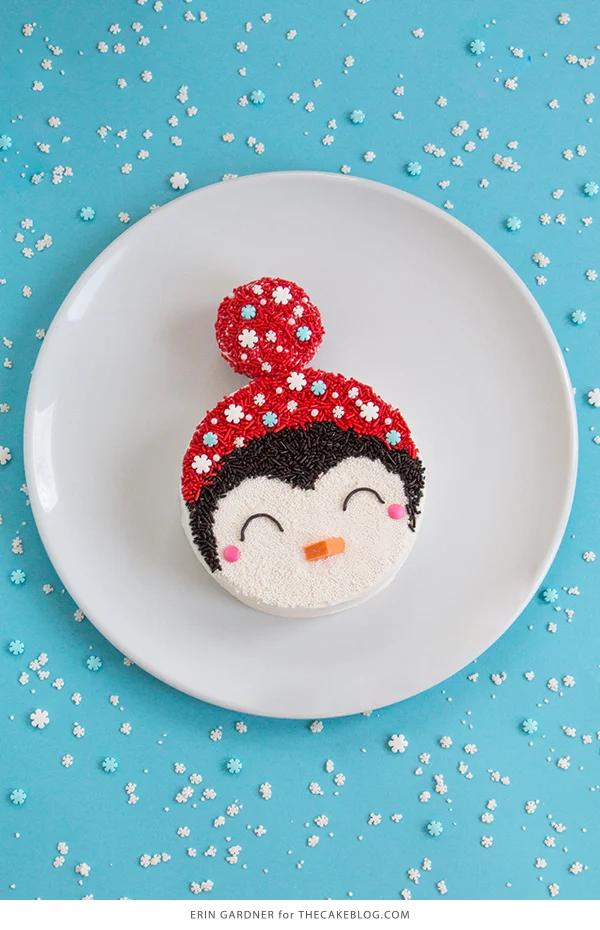
The intersection of culinary arts and seasonal aesthetics has reached a new milestone with the release of the Penguin Cake tutorial, a comprehensive guide developed by renowned pastry artist and author Erin Gardner. Published as a centerpiece for winter celebrations, this design represents a sophisticated evolution of Gardner’s previous "Sprinkle Girl" series, a collection of confectionery works characterized by dense nonpareil application and high-contrast character designs. The tutorial arrives at a time when the global home baking market is experiencing unprecedented growth, driven largely by the digital dissemination of high-visual-impact tutorials that bridge the gap between professional craftsmanship and domestic accessibility.

The Evolution of Character-Based Confectionery Design
Erin Gardner’s latest contribution to the culinary world is not merely a recipe but a structural study in textural application. The Penguin Cake is conceived as part of a broader "sprinkle universe," a conceptual framework Gardner has utilized to create a cohesive aesthetic across various seasonal themes. By utilizing a foundation of buttercream and a diverse palette of sprinkles, Gardner demonstrates how a standard round cake can be transformed into a three-dimensional character without the need for complex fondant sculpting or expensive specialized equipment.
This specific project is designed to cater to the winter demographic, targeting small holiday gatherings and seasonal birthdays. The design’s versatility allows for significant customization, a hallmark of Gardner’s teaching style. Variations suggested by the designer include the addition of chocolate-molded accessories, such as sunglasses, or the implementation of geometric patterns within the penguin’s winter headwear. This flexibility is a strategic response to the increasing consumer demand for "bespoke" home-baked goods that reflect personal style while maintaining a professional finish.
A Chronology of Construction: The Technical Process
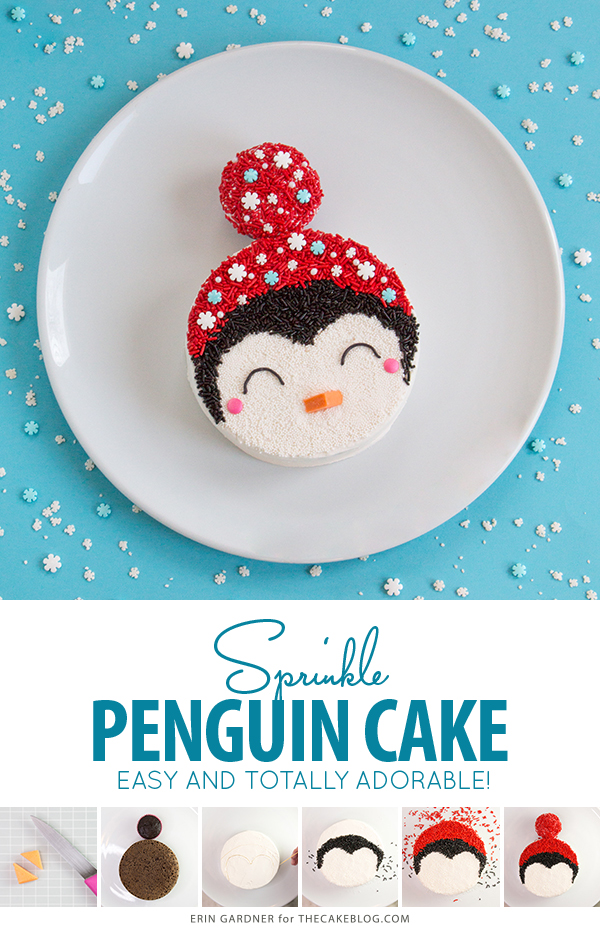
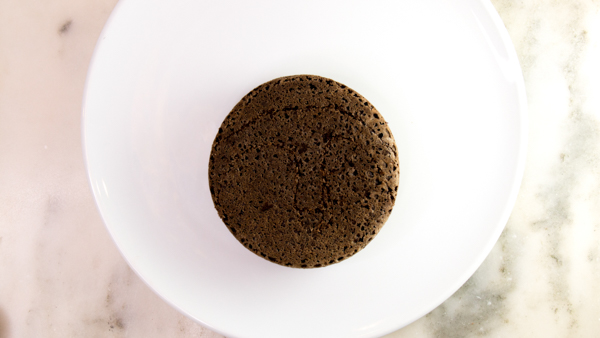
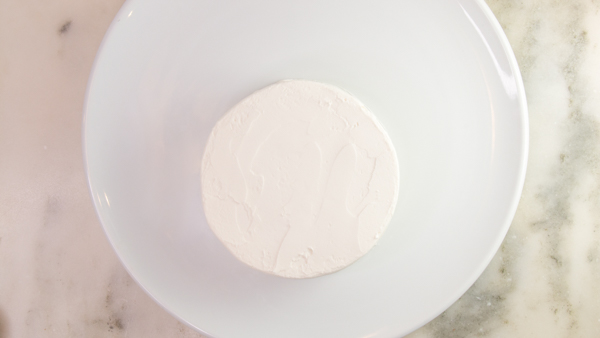
The assembly of the Penguin Cake follows a precise chronological sequence designed to ensure structural integrity and visual clarity. The process begins with the preparation of the canvas—a standard cake layered with a substantial coating of plain buttercream. Unlike traditional cake decorating, where a perfectly smooth "crumb coat" and final layer are paramount, this technique leverages the upcoming sprinkle application to mask any underlying imperfections in the icing.
Phase One: Mapping and Structural Outlining
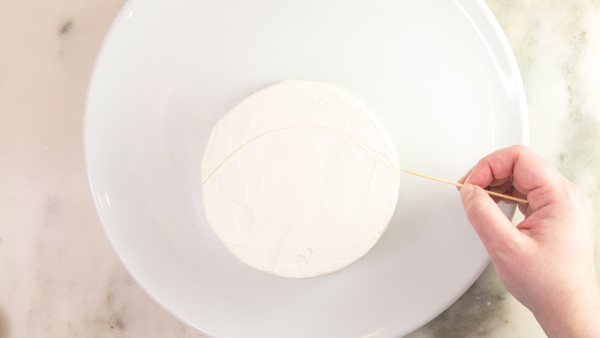
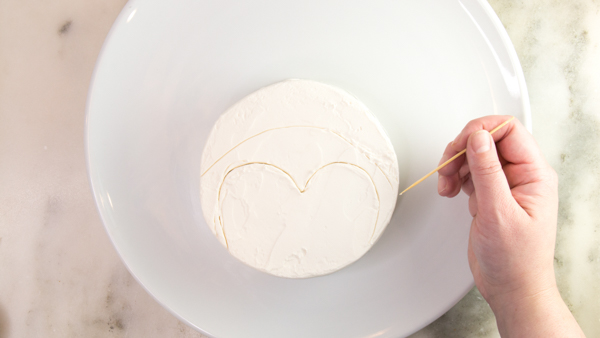
The initial phase involves the use of a precision tool, such as a toothpick or skewer, to etch the "map" of the penguin’s features directly into the chilled buttercream. This step is critical for maintaining symmetry. The artist outlines a half-moon shape across the superior portion of the cake to designate the hat, followed by an open-bottom heart shape to define the facial structure. This architectural approach allows the baker to visualize the final product before any permanent decorative elements are applied.
Phase Two: Systematic Sprinkle Application
The core of the tutorial focuses on the "fill-in" method of sprinkle application. To manage the inherent mess of working with nonpareils, Gardner advises placing the cake platter onto a larger baking sheet—a practical solution for reclaiming fallen decorative elements. The application begins with the largest surface area: the white facial region. By using a spoon to distribute the sprinkles and the back of the tool to smooth them into the buttercream, the baker creates a dense, velvet-like texture.
Following the facial application, the process moves to the black "skin" of the penguin and finally to the red "hat" section. This sequence—working from the center outward—is a strategic choice designed to minimize cross-contamination of colors. If stray sprinkles migrate into the wrong color zone, Gardner recommends using a toothpick for surgical extraction, ensuring the lines between the black, white, and red sections remain crisp and defined.
Phase Three: Three-Dimensional Accents and Finishing
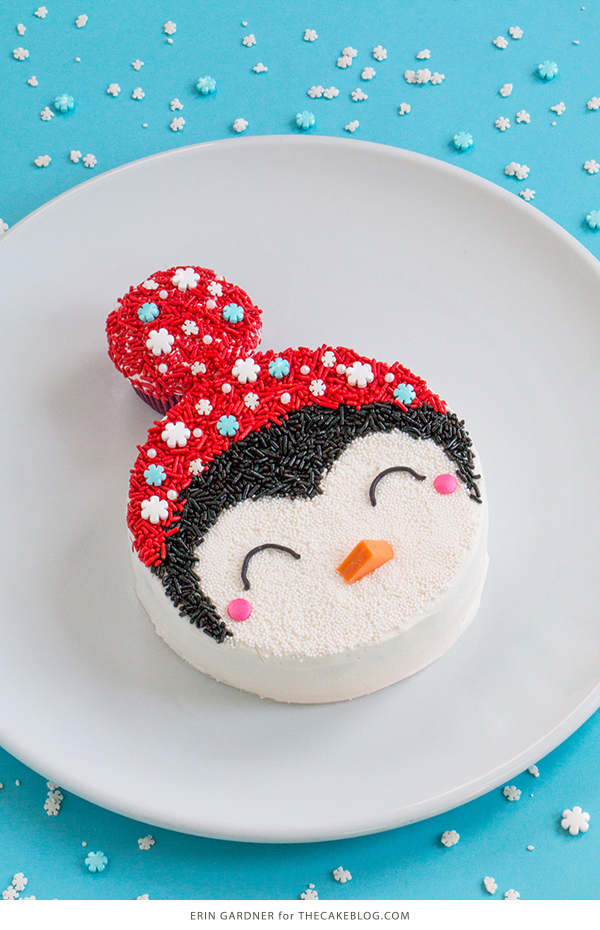
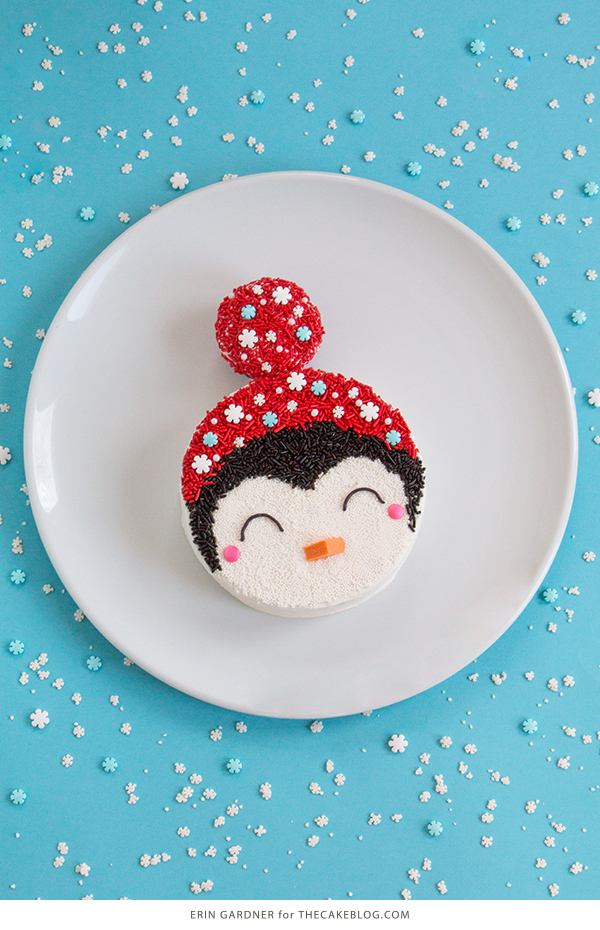
The final phase of construction involves the integration of external elements to create depth. A standard cupcake, coated in buttercream and dipped in matching red sprinkles, is affixed to the top of the cake to serve as a pom-pom for the penguin’s hat. For the facial features, Gardner moves away from sugar-based decorations toward modified confectionery items. A fruit chew (specifically a Starburst) is sliced diagonally to create a triangular beak, providing a color and texture contrast to the surrounding nonpareils.
The eyes are executed using black buttercream piped through a small round tip in semi-circular shapes, creating a "sleeping" or "content" expression that aligns with the "kawaii" (cute) aesthetic prevalent in modern food styling. The final flourishes include pink confetti sprinkles for the cheeks and snowflake-shaped sprinkles to add thematic detail to the hat.
Market Data and the Cultural Context of Home Baking
The release of the Penguin Cake tutorial aligns with significant shifts in the global confectionery market. According to recent market research, the global cake decorating supplies market was valued at approximately $1.2 billion in 2022 and is projected to expand at a compound annual growth rate (CAGR) of 7.2% through 2030. This growth is largely attributed to the "prosumer" movement, where hobbyist bakers invest in professional-grade techniques and tools.
Furthermore, search engine data indicates a 45% year-over-year increase in queries for "beginner-friendly character cakes" during the fourth quarter. The Penguin Cake addresses this market gap by providing a high-reward visual outcome that relies on "patience over prowess." The use of sprinkles as a primary medium is particularly effective for the amateur demographic, as it bypasses the steep learning curve associated with fondant work or advanced palette knife painting.
Professional Insights and Technical Considerations
Industry experts have noted that the success of Gardner’s design lies in its sensory appeal. The "crunch" of the nonpareils against the soft buttercream provides a textural contrast that is often missing from modern, highly smoothed cakes. However, the tutorial also includes a critical technical warning regarding the hygroscopic nature of sugar sprinkles.
Gardner notes that sprinkles have a tendency to soften or "bleed" their dyes when exposed to the moisture of a refrigerator for extended periods. Consequently, the tutorial recommends a "just-in-time" assembly model, where the final decorative layers are applied on the day of service. This insight is vital for ensuring the longevity of the cake’s aesthetic, particularly for events where the cake serves as a central decorative piece. The storage of leftovers is similarly nuanced, with recommendations varying based on the specific stability of the buttercream used—whether American, Swiss Meringue, or Italian Meringue.
Broader Implications for the Confectionery Industry
The Penguin Cake tutorial is more than a seasonal novelty; it is a case study in the democratization of professional food styling. By utilizing accessible ingredients like fruit chews and store-bought sprinkles, Gardner is part of a movement that deconstructs the "gatekeeping" of high-end pastry arts.
From a commercial perspective, such tutorials drive significant sales in the secondary market. Retailers of baking supplies often see a localized spike in the sale of specific sprinkle shapes—such as snowflakes or black nonpareils—following the release of high-profile tutorials from contributors like Gardner. This "influencer effect" has become a cornerstone of the modern retail strategy for culinary brands.
Official Responses and Community Engagement
While official statements from "The Cake Blog" emphasize the tutorial’s role in fostering creativity, the community response has been overwhelmingly focused on the "stress-free" nature of the design. Preliminary feedback from social media platforms suggests that the "no-stress" approach to icing smoothness is the most valued aspect of the guide. One industry observer noted, "Gardner has identified a pain point for home bakers—the struggle for a perfectly smooth finish—and has turned it into an opportunity for textural exploration."
As the winter season progresses, the Penguin Cake is expected to remain a prominent fixture in digital baking circles. Its success serves as a reminder that in the modern culinary landscape, the value of a design is measured not just by its complexity, but by its ability to be replicated, customized, and shared across a global community of enthusiasts. The tutorial stands as a testament to Erin Gardner’s ongoing influence in the field, reinforcing her status as a key figure in the contemporary "sprinkle universe."