
The traditional exchange between children and the mythical Tooth Fairy is undergoing a modern transformation as parents increasingly pivot from classic fabric pillows toward personalized ceramic dishes. This shift reflects a broader trend in the DIY (Do-It-Yourself) crafting community, where the integration of digital design tools and specialized printing materials allows for professional-grade customization at home. By utilizing miniature dollhouse accessories, standard kitchen sauce dishes, and advanced inkjet waterslide paper, creators are developing a new category of childhood memorabilia that emphasizes aesthetic appeal and durability.
The Mechanics of Modern Keepsake Production
The production of these personalized dishes relies on a sophisticated yet accessible intersection of digital graphic design and chemical transfer processes. At the center of this DIY movement is the use of inkjet waterslide paper, a medium that functions similarly to a temporary tattoo but is designed for permanent application on non-porous surfaces such as ceramic or glass.
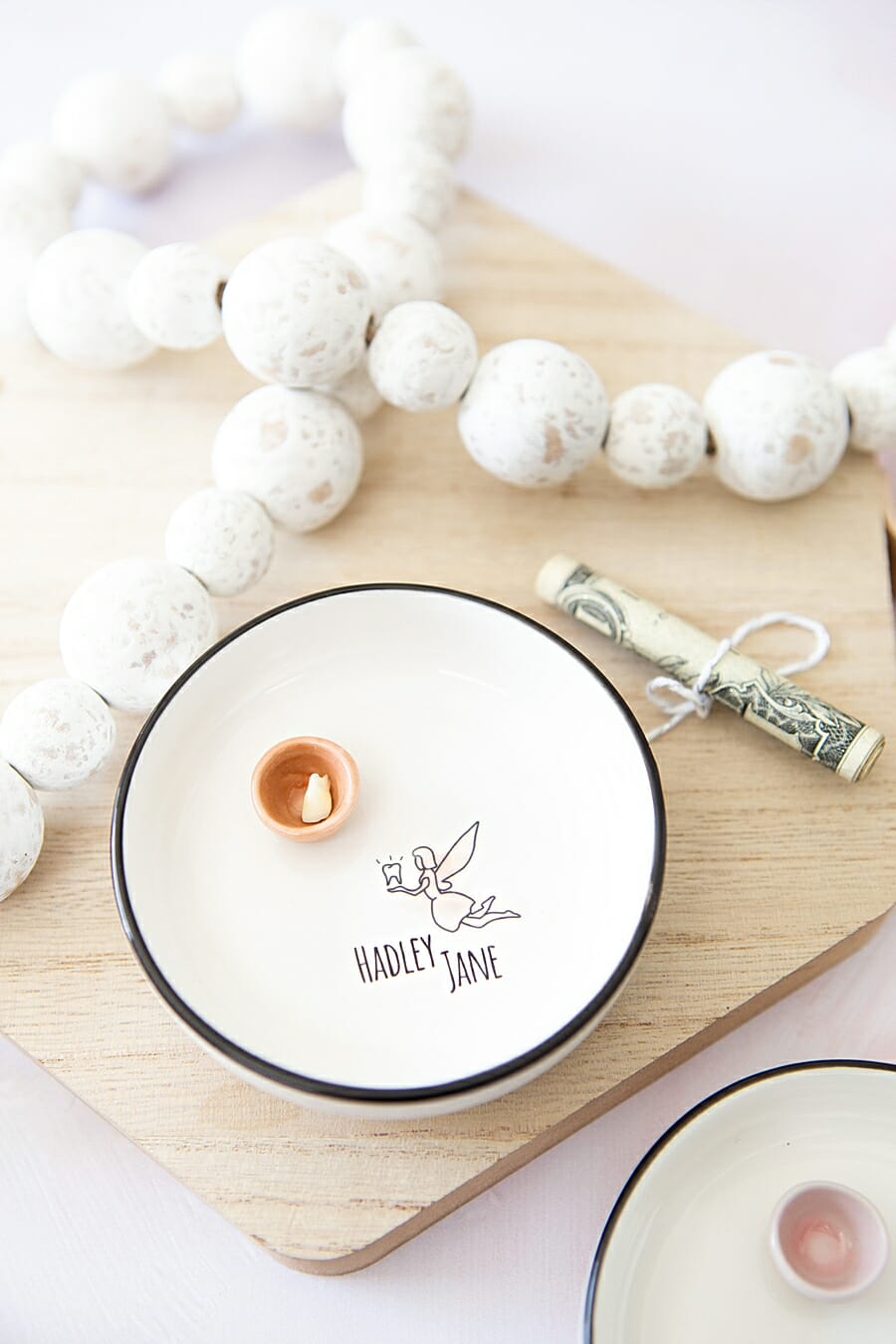
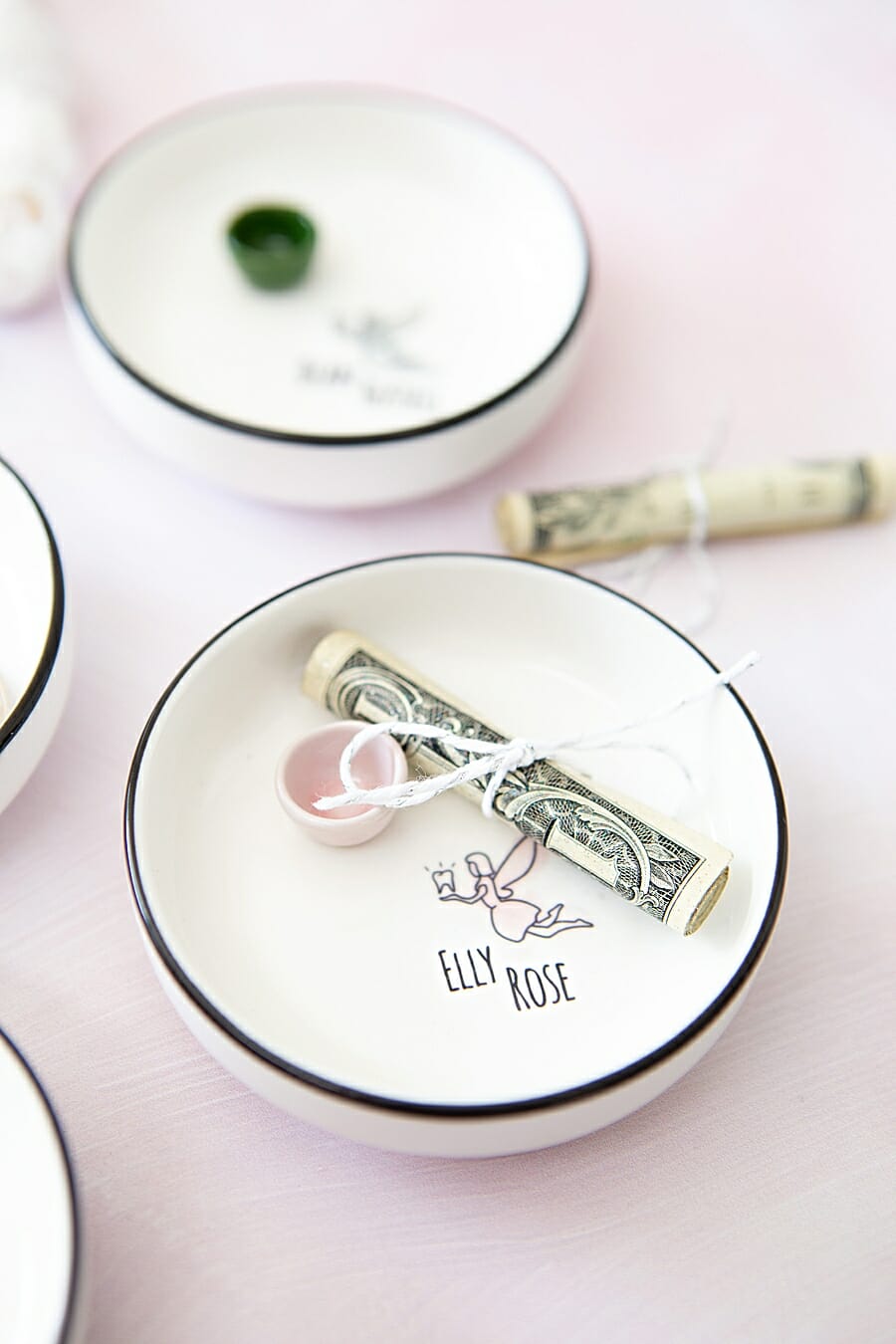
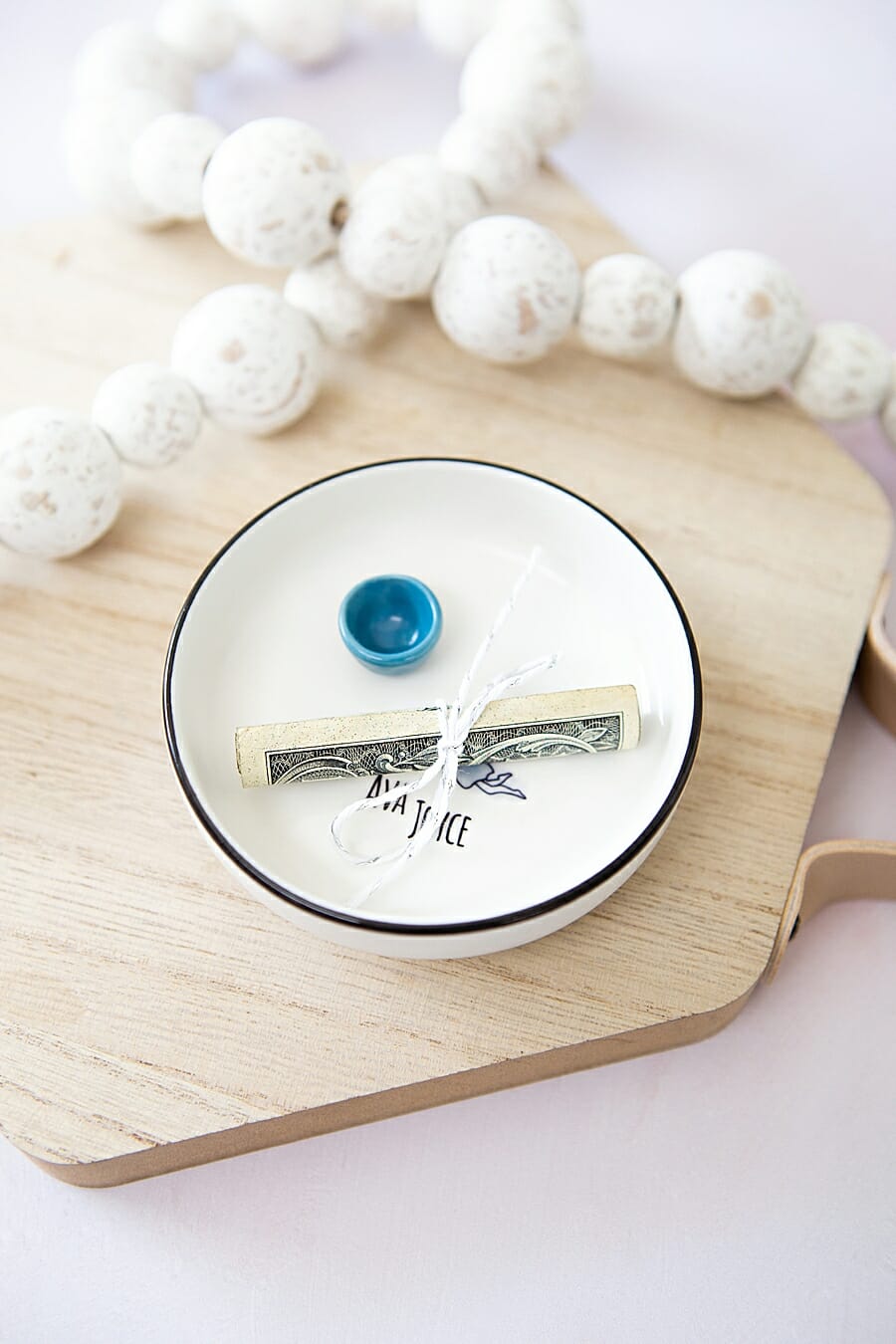
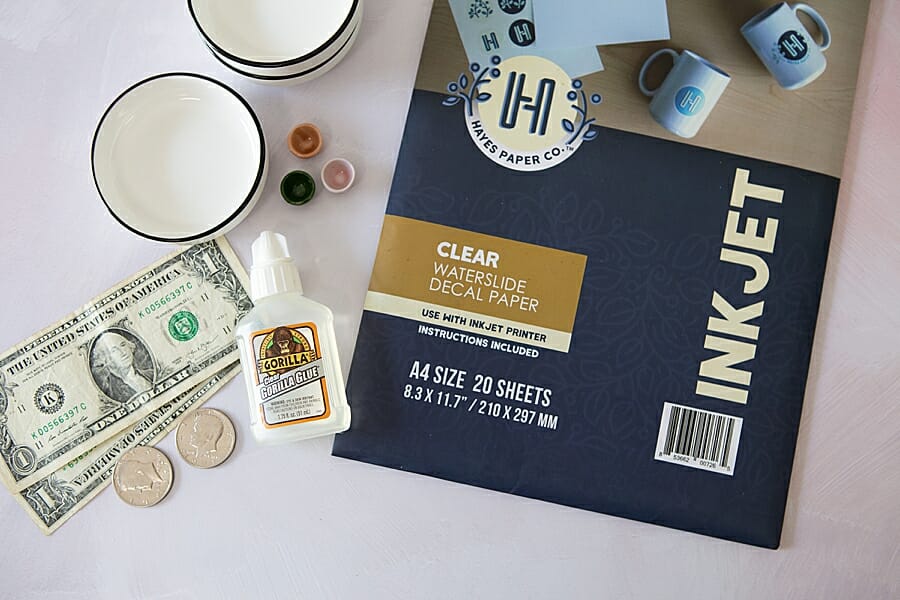
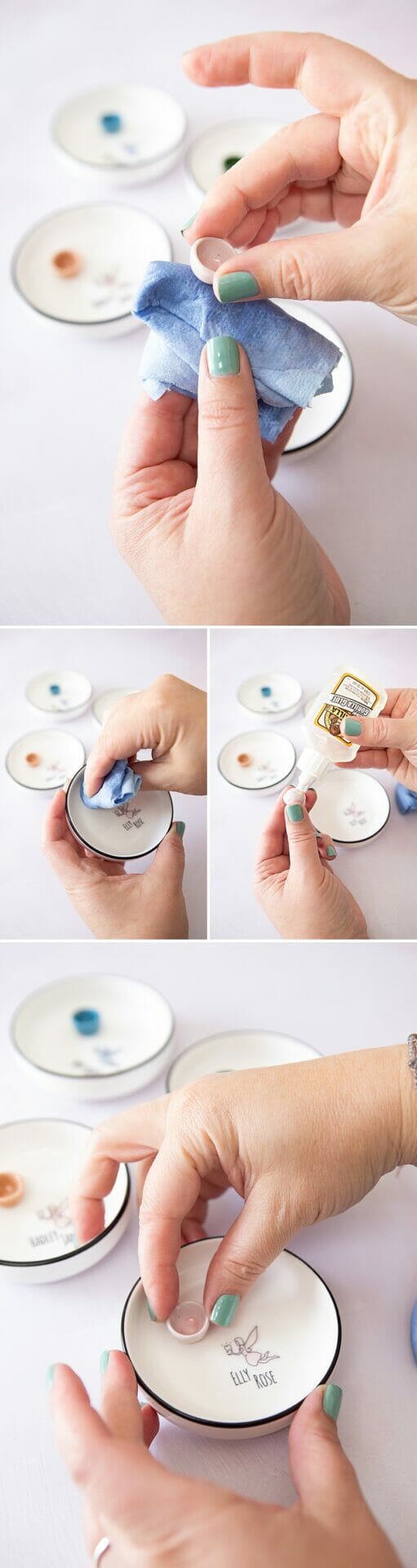
The process begins with the procurement of specific miniature components. Industry data suggests a surge in the "miniatures" market, with dollhouse accessories being repurposed for various home organization and ritualistic uses. For this specific project, 1:12 scale dollhouse bowls are paired with standard ceramic sauce dishes. These two components are joined using high-strength adhesives, such as cyanoacrylate-based Gorilla Glue, to create a tiered pedestal effect.
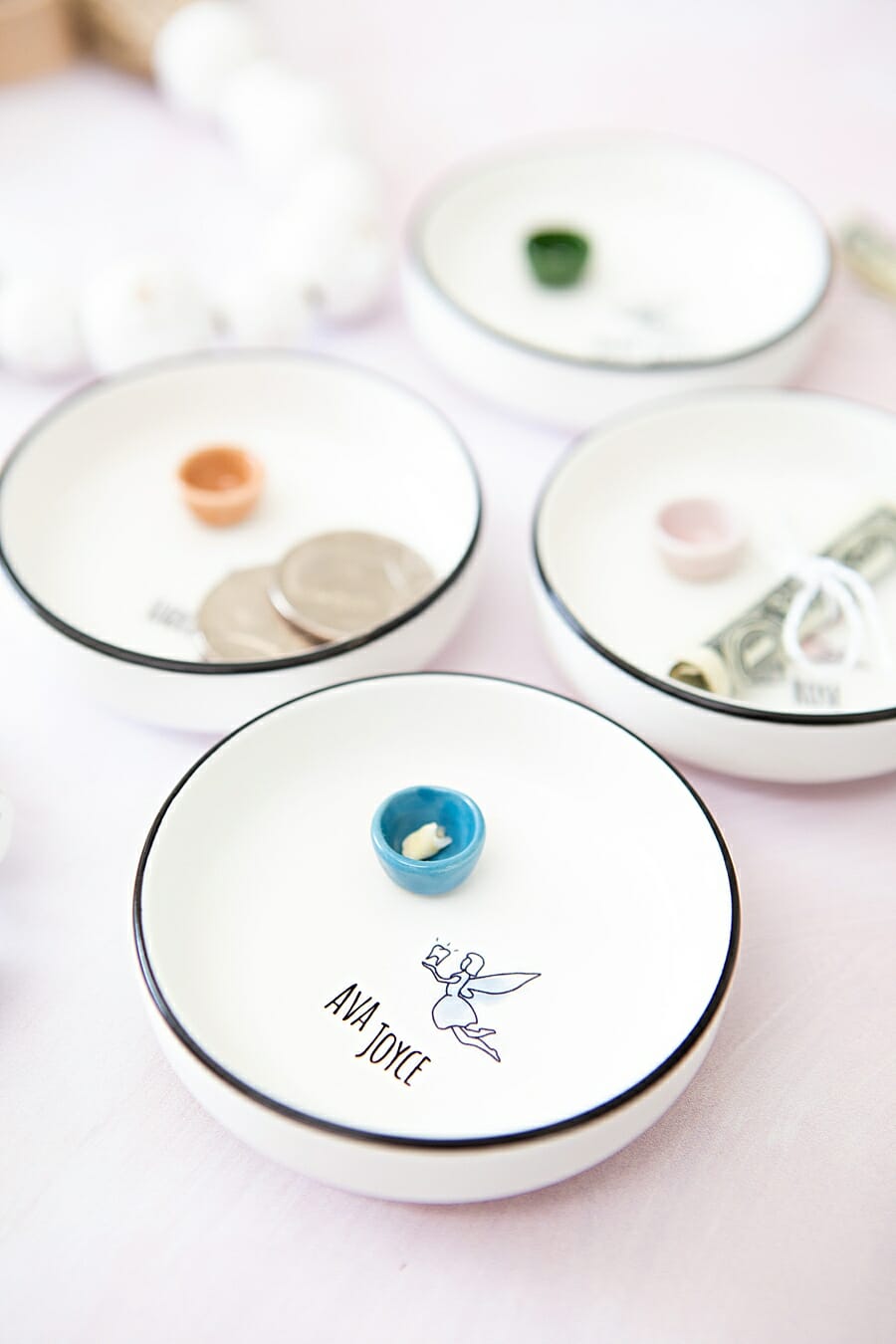
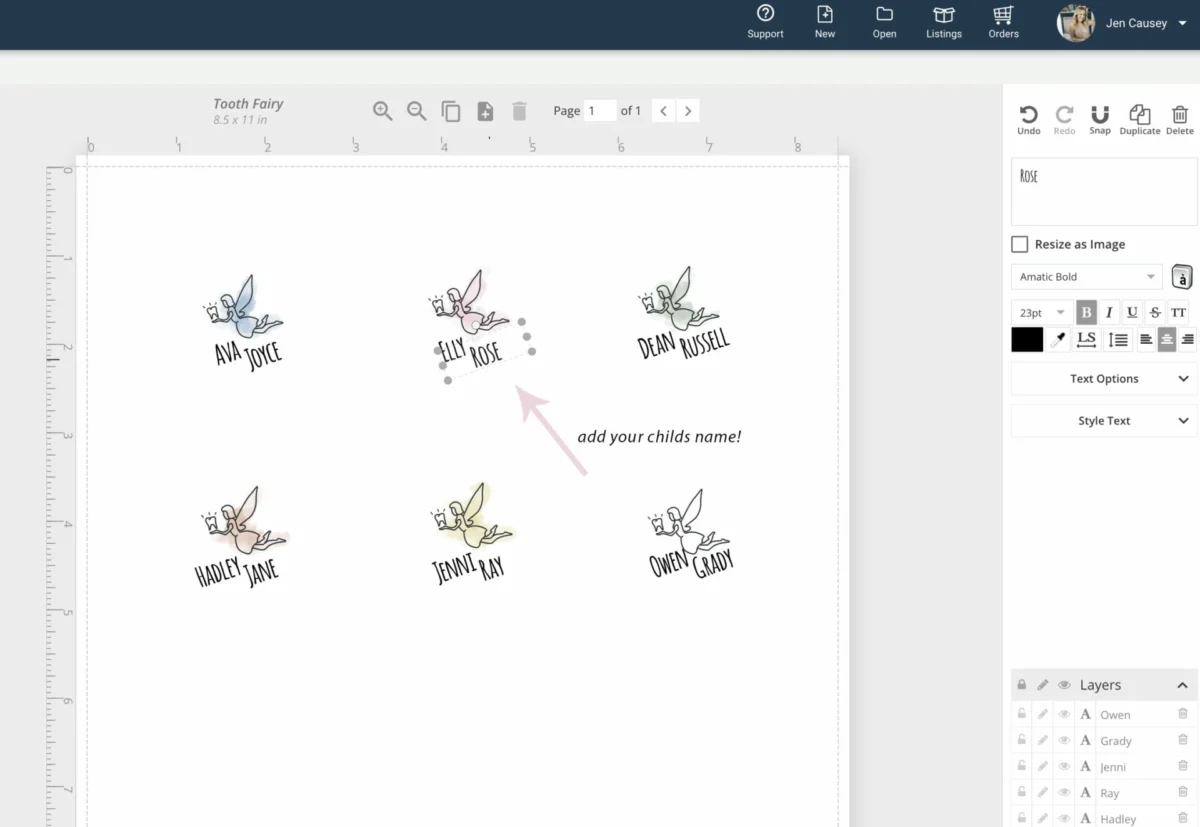
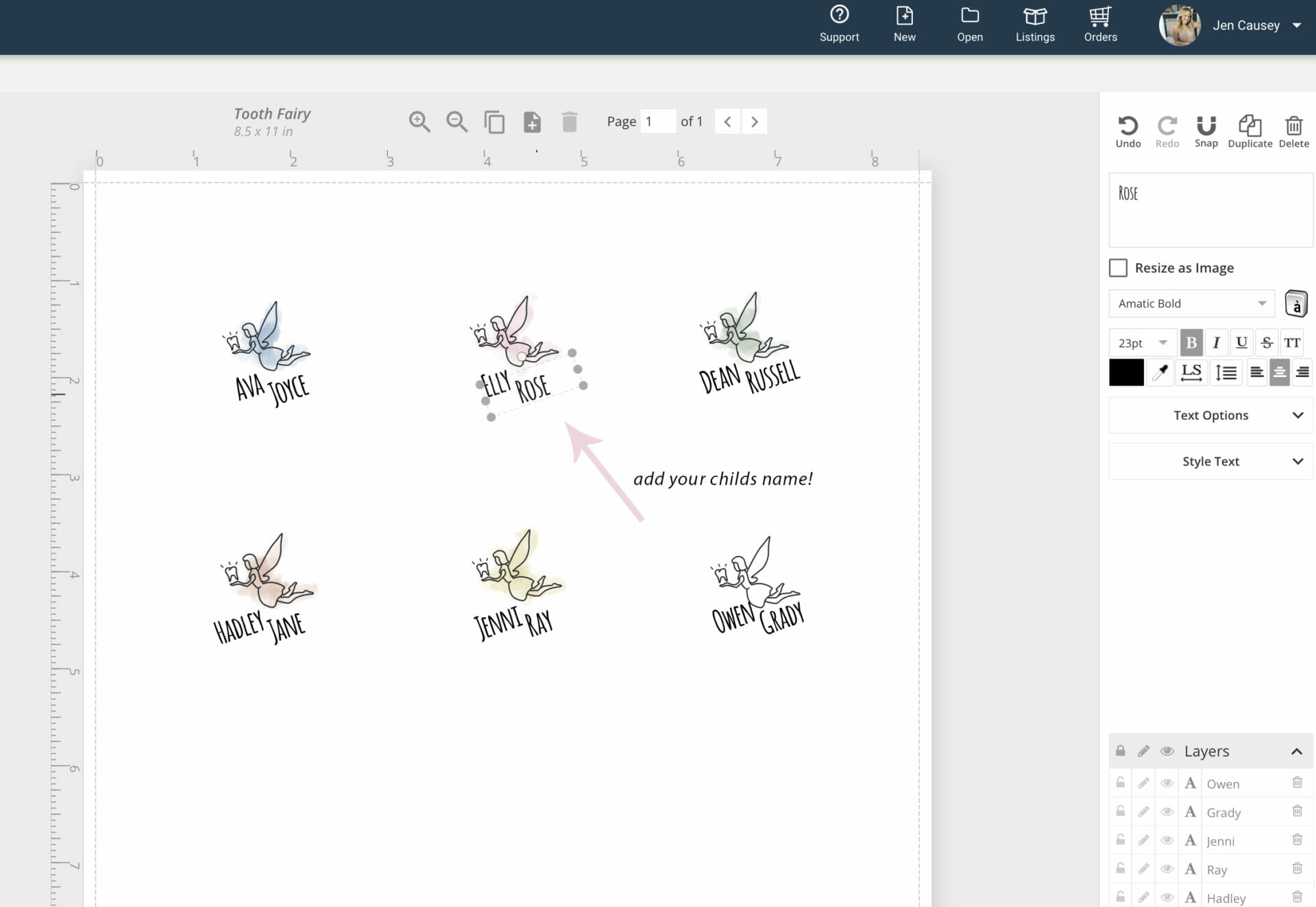
The personalization aspect is handled through digital platforms like Corjl, which allows users to edit templates in real-time. This reflects a significant shift in the crafting industry toward "editable digital assets," where the consumer purchases a design framework and inputs specific data—such as a child’s name or preferred color scheme—before printing. The typography often used in these designs, such as "Amatic Bold," reflects current "hand-lettered" aesthetic trends popular on social media platforms like Instagram and Pinterest.
Chronology of the Creation Process
The development of a personalized tooth fairy dish follows a strict technical timeline to ensure the longevity of the decal and the structural integrity of the ceramic bond.
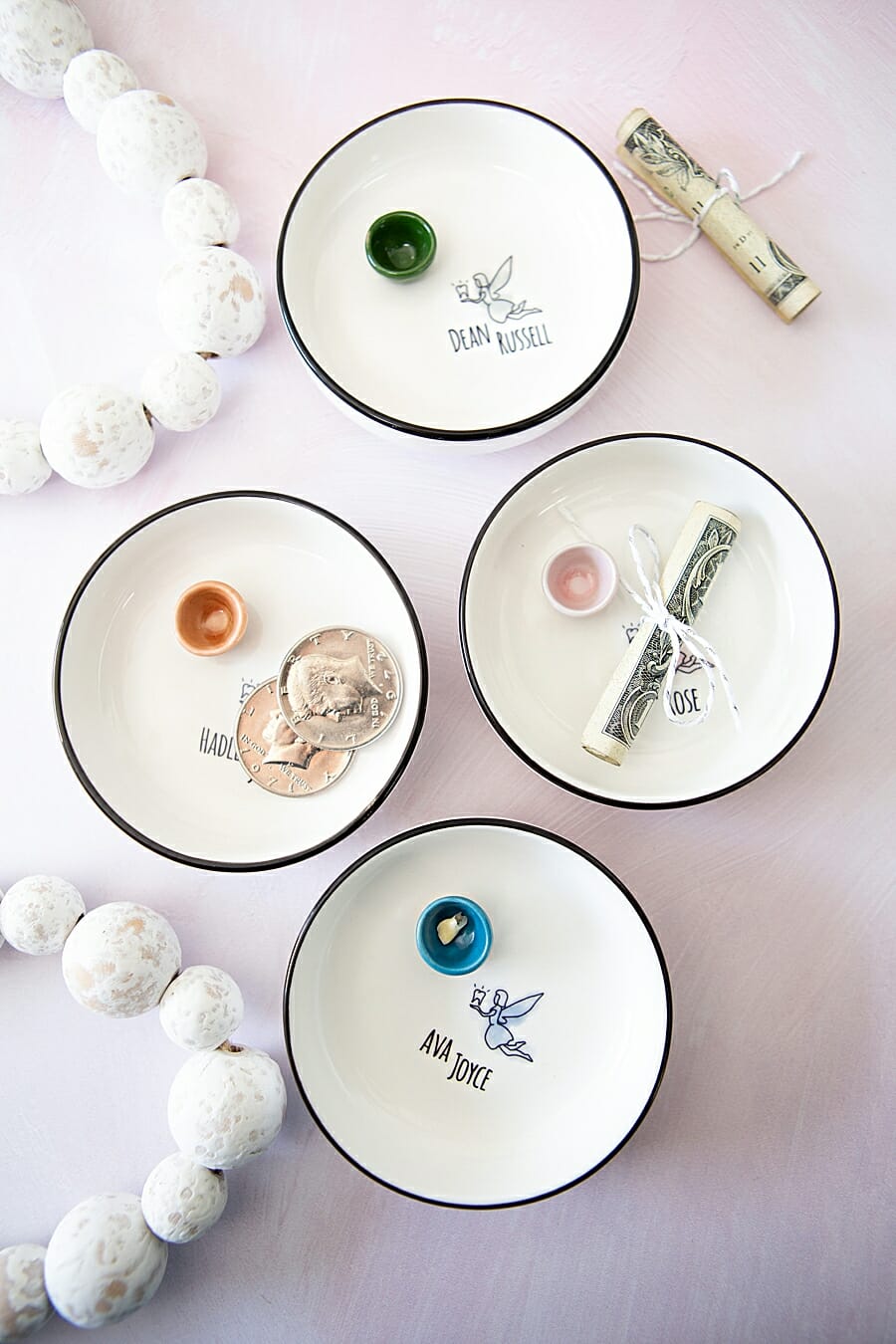
- Design and Customization: Users access digital templates to select from various color palettes—typically green, peach, pink, blue, and yellow—matching the decal’s background to the physical hue of the dollhouse bowl.
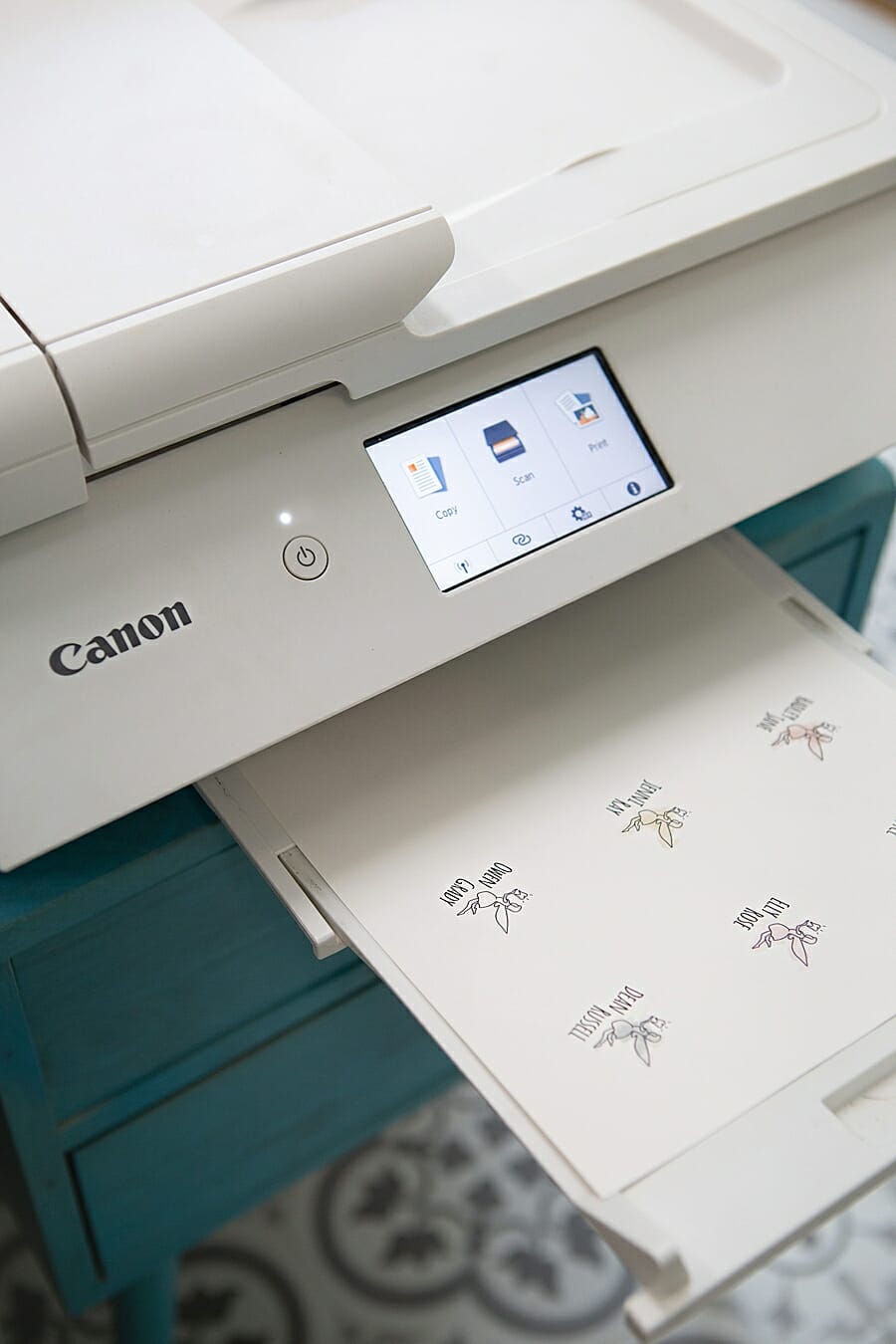
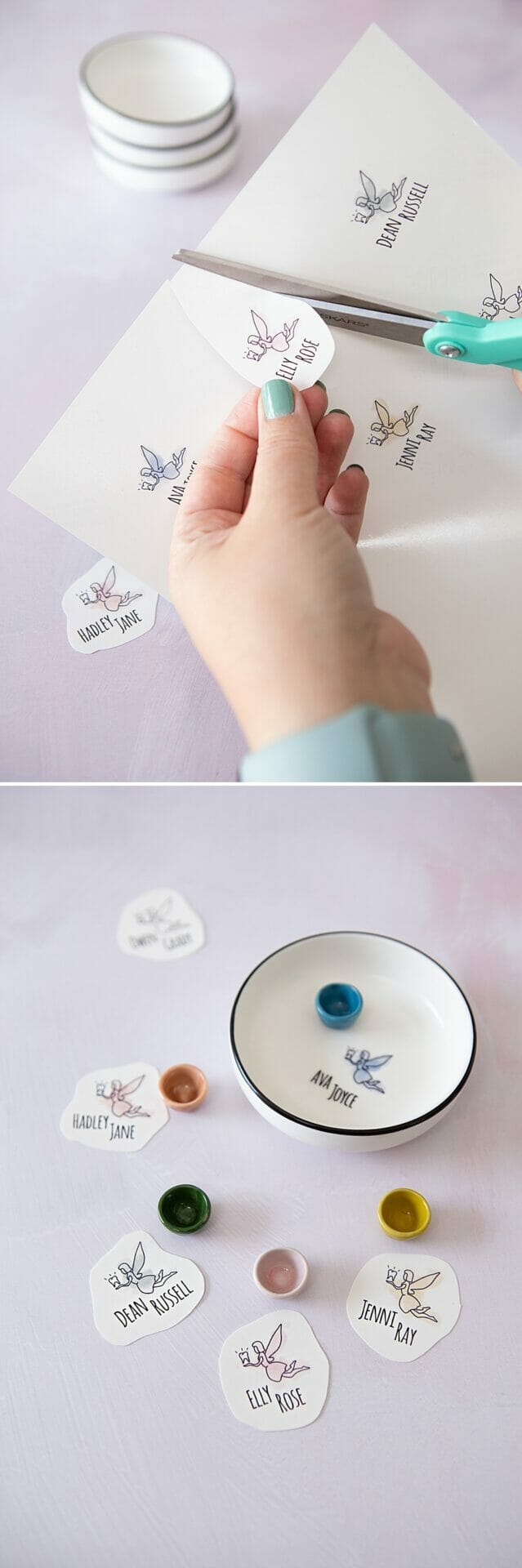
- Printing Specifications: The design is printed onto inkjet waterslide paper using high-resolution settings. Technical experts recommend a drying period of at least five minutes immediately following the print cycle to prevent ink smearing.
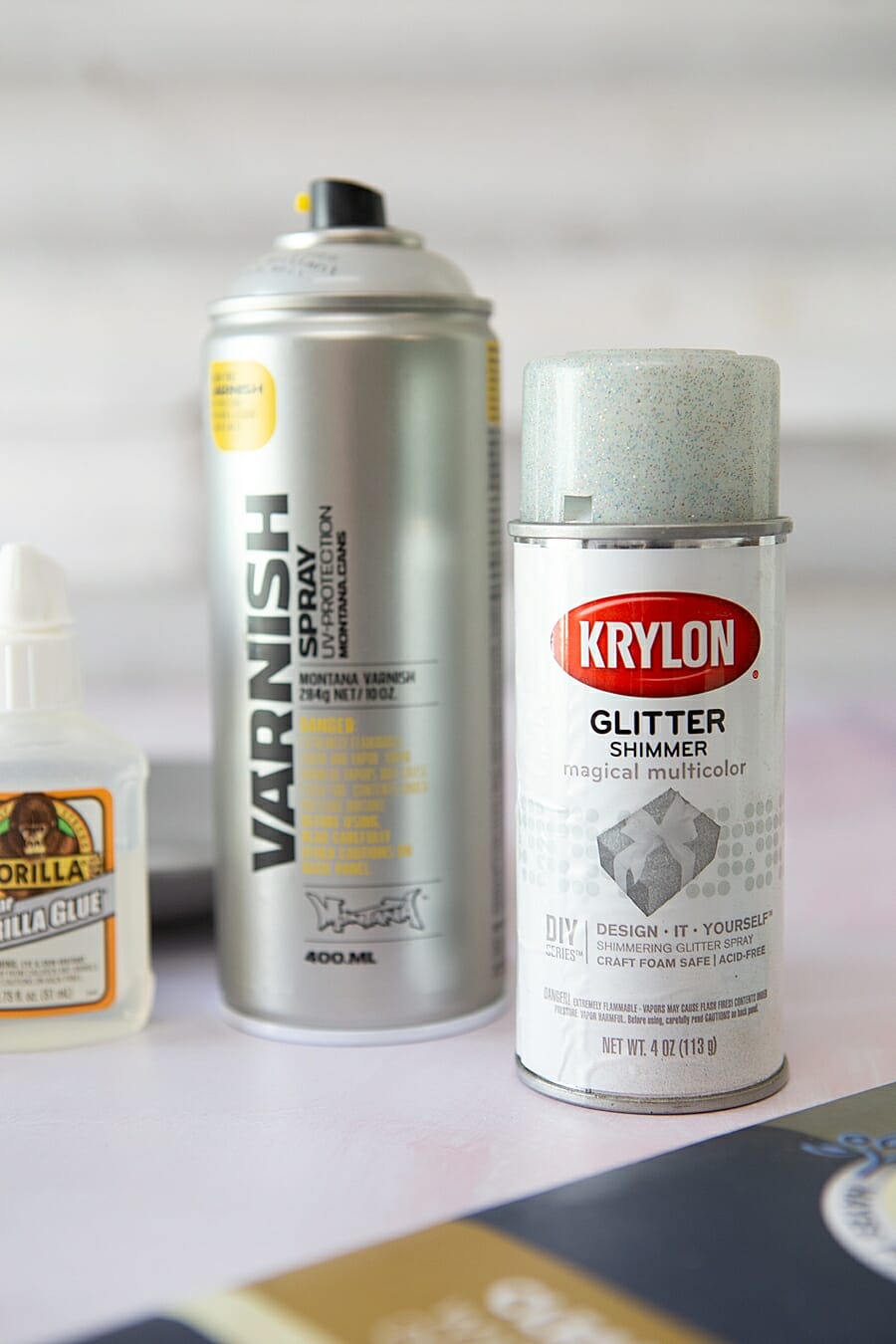
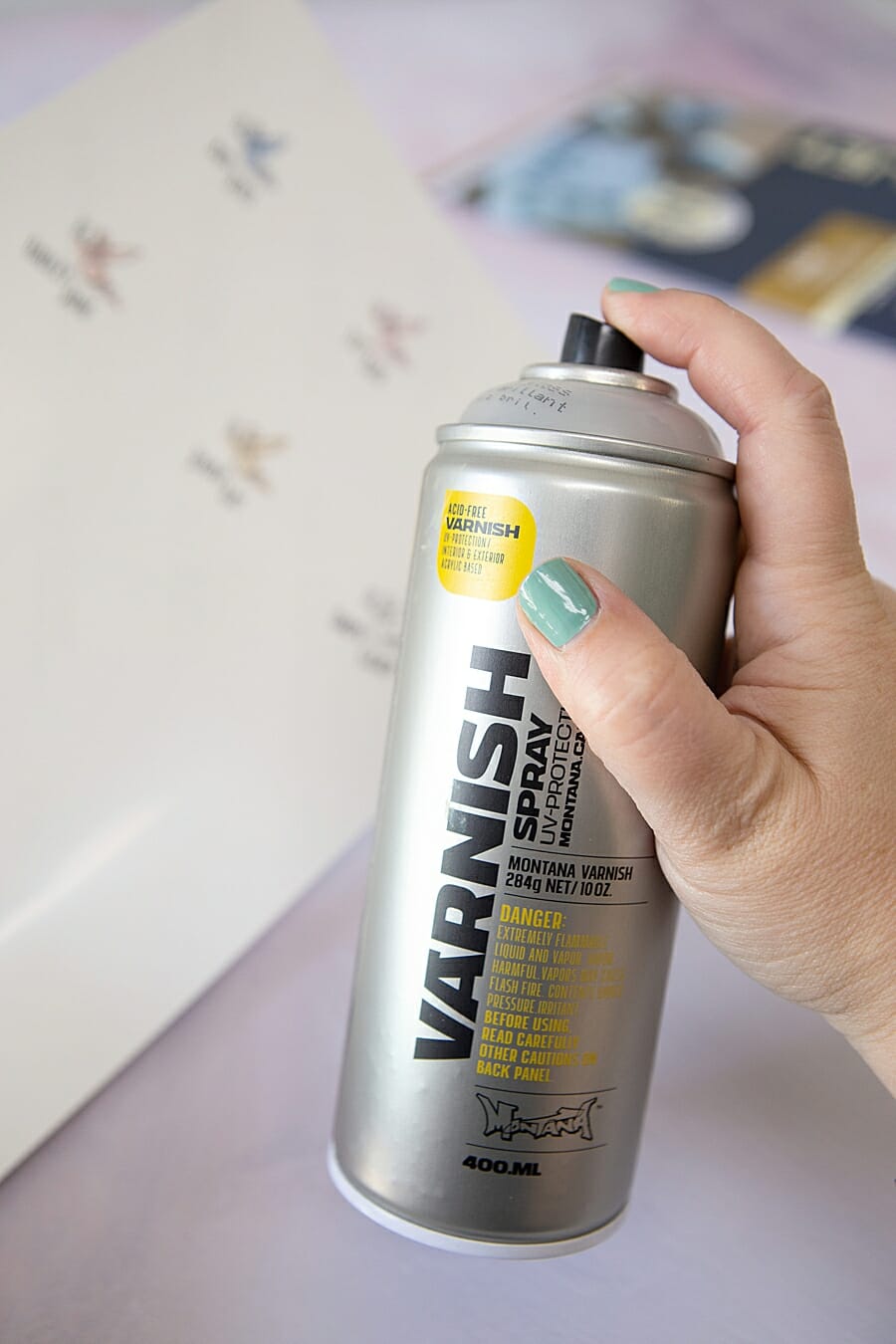
- Sealing the Decal: Because inkjet ink is water-soluble, the printed decal must be sealed with a clear acrylic varnish, such as those produced by Montana Cans. This involves a three-stage application process with one-minute intervals between sprays, followed by a final curing period, often accelerated by UV exposure or natural sunlight.
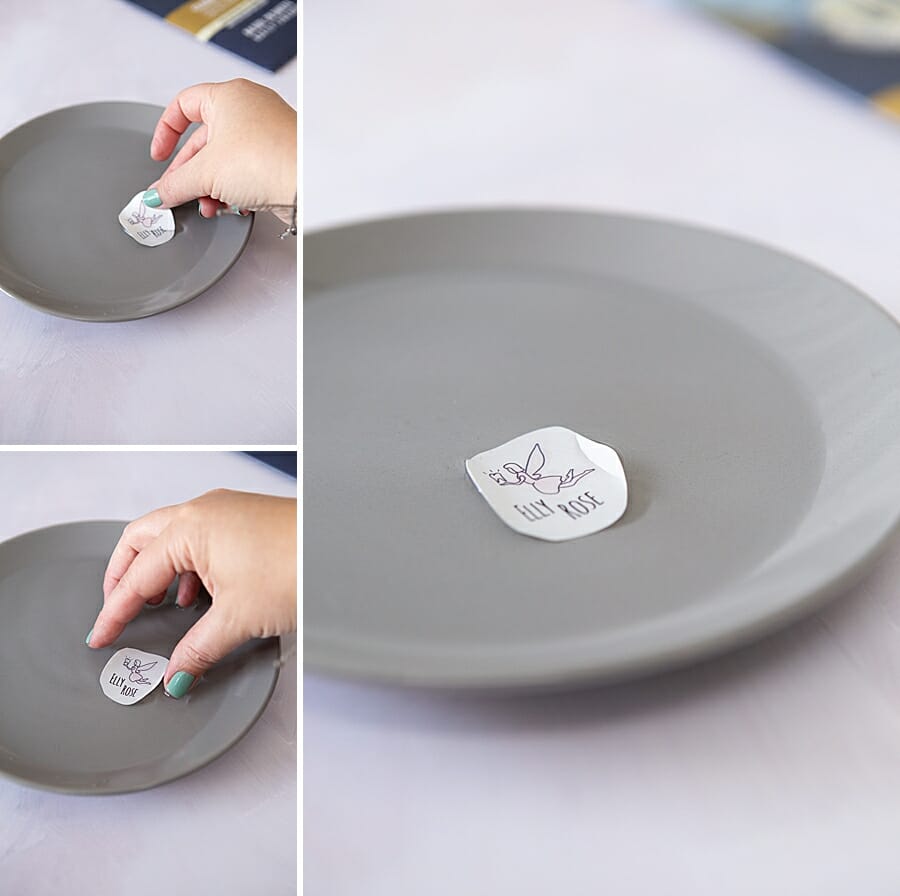
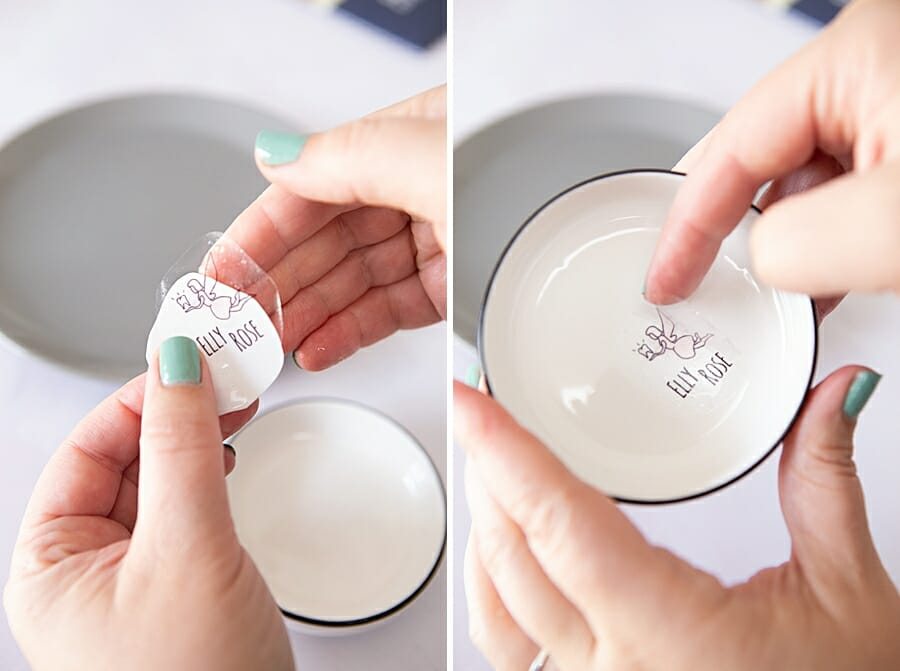
- Submersion and Application: The sealed decal is trimmed and submerged in water for approximately 30 seconds. This activates the release agent on the paper backing, allowing the thin polymer film to slide onto the ceramic surface.
- Curing and Assembly: Once the decal is positioned and air bubbles are removed, the dish requires a 72-hour drying period. Simultaneously, the dollhouse bowl is bonded to the base dish using a moisture-activated adhesive. While some ceramic decals can be oven-cured for food safety, these specific keepsakes are classified as "decorative use only" due to the chemical nature of the sealants used.
Cultural Context: The Evolution of the Tooth Fairy Ritual
The transition to specialized dishes is the latest chapter in a long history of "tooth rituals." Anthropological records indicate that various cultures have long practiced traditions surrounding the loss of primary teeth. In early Europe, "tooth-fees" were paid when a child lost a tooth, while other traditions involved burying the tooth to prevent it from falling into the hands of witches.
The modern iteration of the Tooth Fairy, as recognized in North America, solidified in the early 20th century. The move from hiding a tooth under a pillow to placing it in a dedicated vessel—like the dishes described—addresses several practical concerns. Parents and child development specialists note that a stationary dish on a nightstand reduces the "tactile risk" of the "fairy" (the parent) having to reach under a sleeping child’s head, thereby preserving the magic of the encounter without waking the child.
Market Data and Economic Implications
The rise of personalized tooth fairy accessories is supported by significant economic data within the parenting and crafting sectors. According to the Delta Dental Tooth Fairy Index, which has tracked the "going rate" for a lost tooth since 1998, the average payout has seen a steady increase, reaching record highs in recent years. In 2023, the average value of a single tooth in the United States was reported at approximately $6.23.
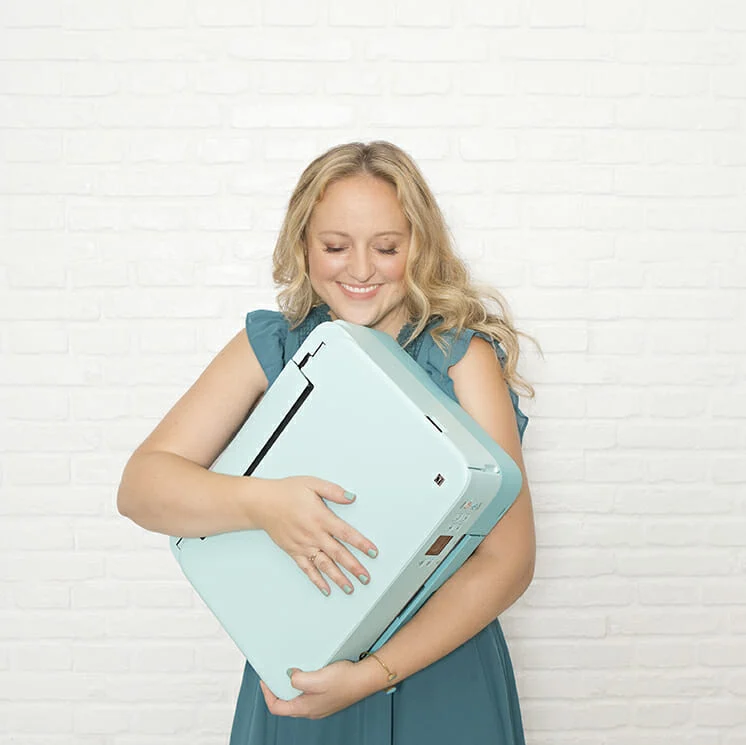
As the financial stakes of the ritual increase, so does the demand for "ceremonial infrastructure." The crafting industry has responded with specialized tools. Printers like the Canon PIXMA TS9521C, marketed specifically as "crafting printers," have seen increased adoption among hobbyists looking to produce professional-quality transfers at home. This democratization of manufacturing technology allows individual households to create items that were previously only available through specialized boutiques.
Safety and Material Analysis
A critical component of the reporting on these DIY projects involves the safety of the materials used. The clear varnishes and adhesives required for waterslide transfers are generally not food-safe. Journalistic investigation into the chemical composition of clear acrylic sealants reveals that while they are durable, they can emit volatile organic compounds (VOCs) during the curing process and should not come into contact with ingestible items.
Project creators emphasize that these dishes are intended solely for the exchange of teeth and currency. The use of "glitter spray" on currency, a common secondary ritual mentioned by practitioners, also raises questions regarding the "defacement of currency" laws, though legal experts generally agree that minor cosmetic alterations to banknotes for personal use do not meet the threshold for federal prosecution unless there is an intent to defraud.
Broader Impact on Parenting and Social Media
The emergence of the "personalized tooth fairy dish" is symptomatic of the "Aesthetic Parenting" movement. On platforms like Instagram, the hashtag #somethingturquoisediy and similar tags serve as a repository for highly stylized versions of childhood milestones. This trend is driven by a desire to create "Instagrammable" moments that serve as digital scrapbooks.
Psychologically, these rituals serve a dual purpose. For the child, the dish provides a concrete, physical location for a transition that can otherwise be frightening or uncomfortable (the loss of a body part). For the parent, the act of crafting the dish serves as a form of "sentimental labor," a way to tangibly express care and document the passage of time.
Industry analysts suggest that the DIY market for childhood milestones will continue to grow as 3D printing and advanced transfer technologies become more affordable. The shift from mass-produced "tooth pillows" to bespoke ceramic pedestals represents a move toward the "premiumization" of childhood, where every event, no matter how small, is treated as an opportunity for customized design and artistic expression.
Conclusion: The Future of Childhood Milestones
As digital crafting continues to evolve, the boundaries between professional manufacturing and home DIY projects will continue to blur. The personalized tooth fairy dish is more than a simple craft; it is a intersection of historical ritual, modern technology, and the current economic trends of the "maker" economy. By documenting these processes, it becomes clear that the value of the object lies not just in its function as a holder for teeth and money, but as a permanent artifact of a specific era in parenting and design. For the modern household, the Tooth Fairy no longer arrives to find a tooth hidden in the folds of a pillow, but rather waits to find it presented on a custom-designed, color-matched ceramic pedestal—a testament to the enduring power of childhood myths and the modern tools we use to sustain them.