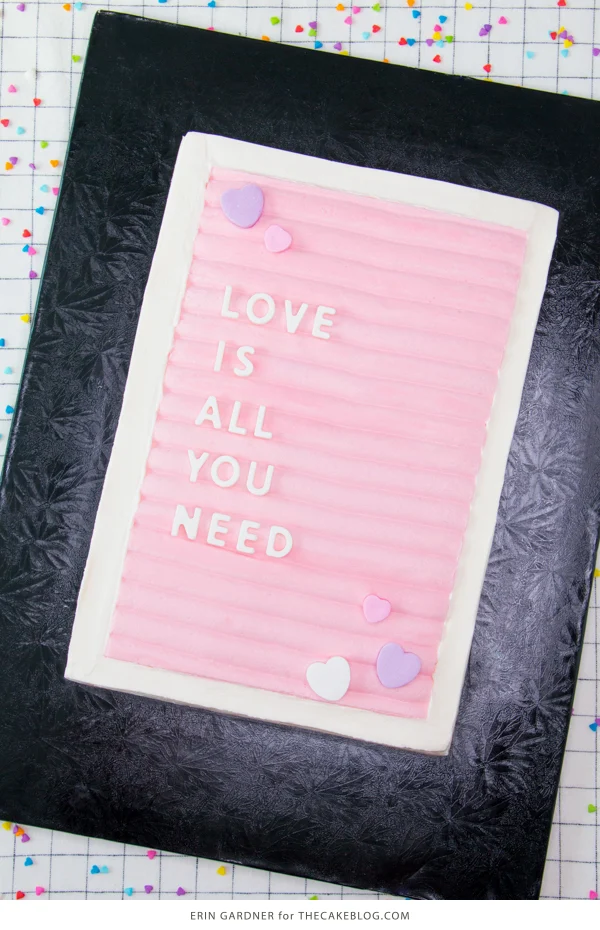
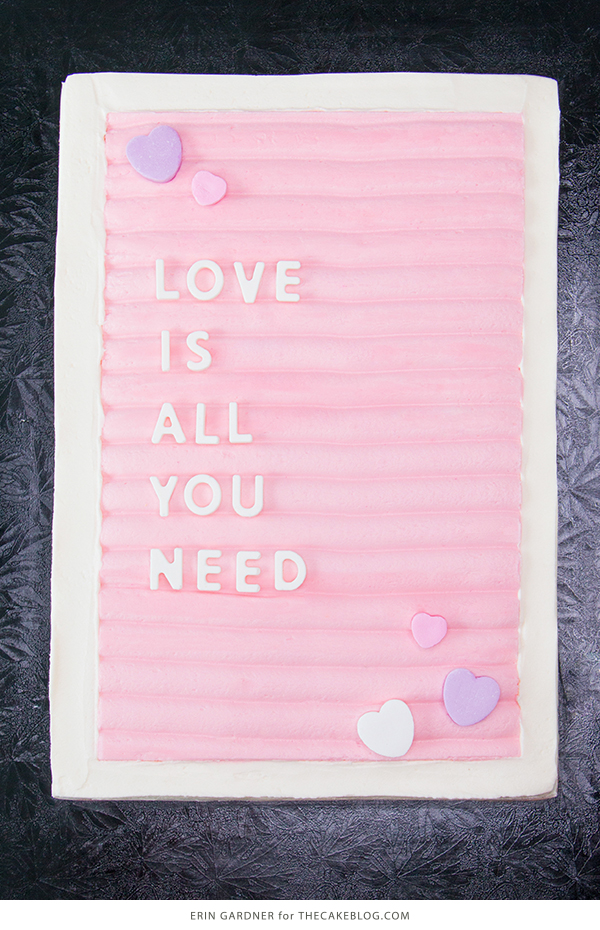
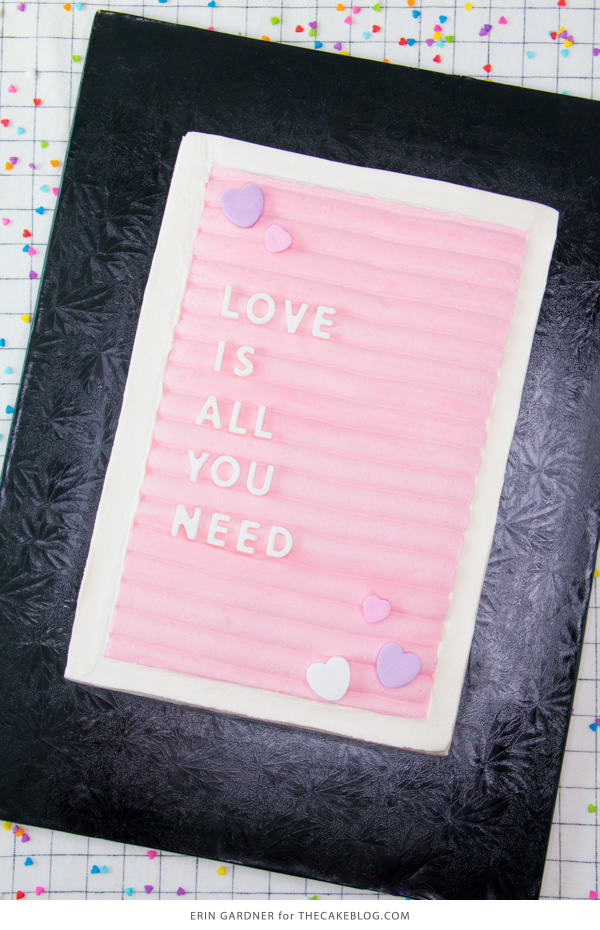
The intersection of interior design aesthetics and culinary arts has reached a new milestone with the introduction of the message board sheet cake, a design concept that translates the popular felt letter board home decor trend into a functional, edible medium. Developed by renowned pastry contributor Erin Gardner for the industry-leading platform The Cake Blog, this decorating technique offers a versatile solution for personalized confectionery. The design leverages structural buttercream techniques and chocolate typography to allow bakers to "write" messages on cakes in a style that mimics the modular, retro-modern look of office directories and home announcement boards. This development comes at a time when the custom cake market is seeing a significant shift toward minimalist, text-centric designs that prioritize clear communication and social media shareability over traditional floral or piped adornments.
The Evolution of the Sheet Cake as an Artisanal Canvas
Historically, the sheet cake was categorized as a utilitarian dessert, often associated with high-volume events such as office parties, school functions, and large family reunions. Its primary appeal lay in its ease of transport and portioning. However, over the last decade, the global baking industry has witnessed a transformation of the sheet cake from a grocery store staple into a sophisticated canvas for artisanal expression. Market analysts attribute this shift to the "Instagrammability" of flat surfaces, which provide a more stable and readable background for photography compared to the curved surfaces of tiered round cakes.
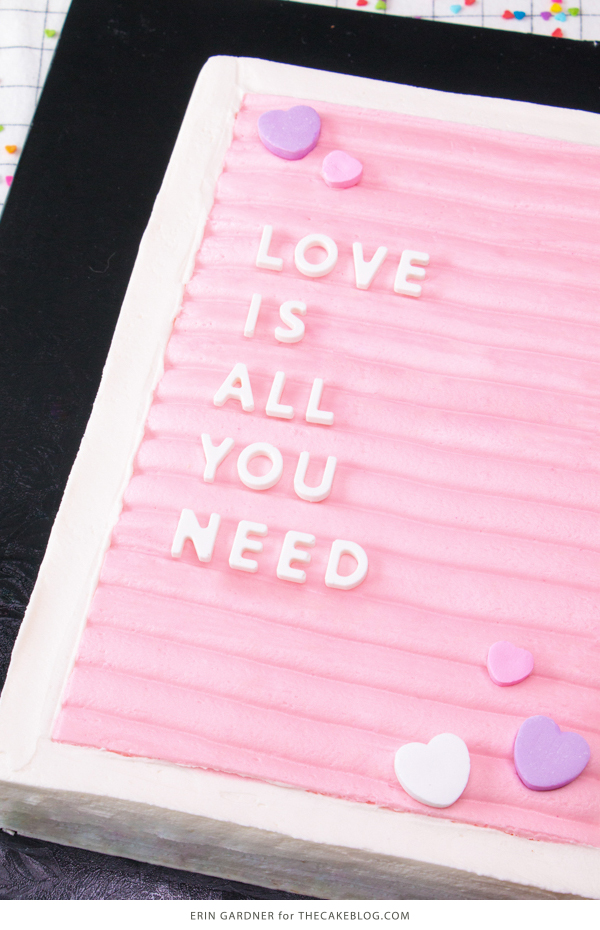
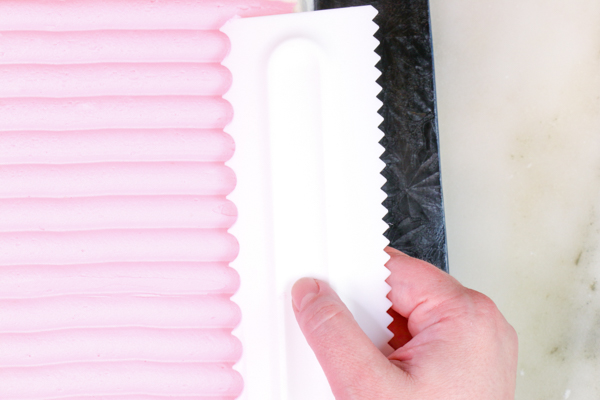
The message board cake represents the latest iteration of this trend. By utilizing a scalloped cake comb—a tool traditionally used for creating uniform textures on the sides of round cakes—Gardner demonstrates how to repurpose industrial baking tools to create the "slotted" appearance of a felt board. This technique effectively bridges the gap between high-end professional finishing and accessible home baking, a hallmark of modern culinary tutorials that have seen a 35% increase in engagement across digital platforms since 2020.
Technical Methodology and Chronological Execution
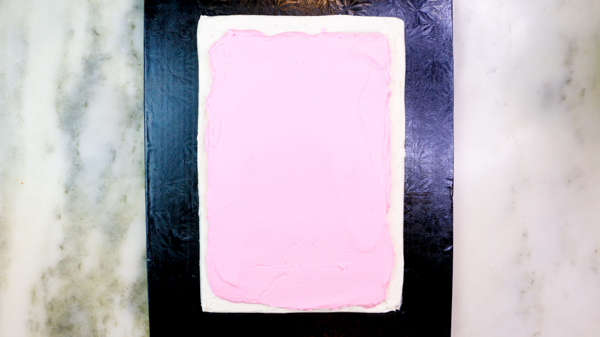
The construction of a message board sheet cake follows a rigorous technical sequence designed to ensure structural integrity and visual clarity. The process begins with the preparation of a level sheet cake, which serves as the foundation. Unlike traditional frosting methods that prioritize a smooth finish, this design requires a specific thickness of buttercream to accommodate the depth of the "ridges."
Phase One: Constructing the Board
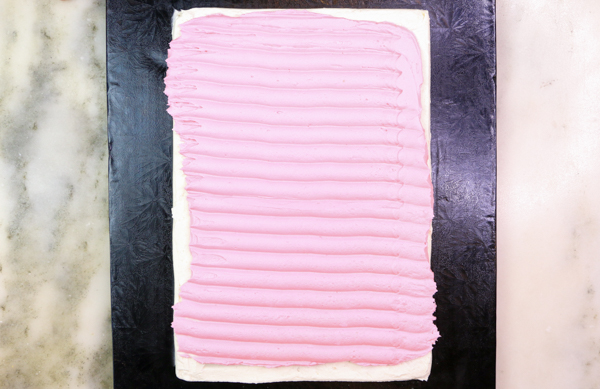
The initial step involves applying a thick layer of tinted buttercream, typically in a soft pastel or neutral tone to mimic the fabric of a physical letter board. The technician then utilizes a scalloped cake comb, dragging it lengthwise across the surface. This creates a series of uniform horizontal parallel lines. To achieve a professional finish, the cake must be chilled until the buttercream reaches a state of firm set. This "cold-setting" phase is critical; it prevents the ridges from collapsing when the border is applied and provides a stable surface for the placement of letters.
Phase Two: The Border and Framing
A defining characteristic of the message board aesthetic is the frame. Gardner’s methodology employs a bench scraper dipped in warm water to excise a precise one-inch border from the edges of the chilled cake. This removal of excess frosting creates a recessed area that is subsequently filled with a contrasting "frame" of plain buttercream. Using a basketweave piping tip, the baker creates a flat, ribbon-like border that simulates the wood or plastic frame of a real letter board. This architectural approach to frosting provides the necessary visual "weight" to anchor the design.
Phase Three: Typography and Lettering
The most complex element of the design is the creation of the letters. The tutorial outlines two primary paths: the use of silicone alphabet molds or the manual tracing of letters on parchment paper using melted white chocolate. Professional bakers often prefer the mold method for its uniformity and speed, while the tracing method offers a "no-tool" alternative for hobbyists. The letters are cast in white chocolate or compound coating, providing a stark, legible contrast against the colored background. Once the chocolate is tempered and set, the letters are arranged from the center outward to ensure perfect alignment and spacing—a technique borrowed from traditional typesetting and graphic design.
Market Data and Consumer Trends in Personalized Confectionery
The rise of the message board cake aligns with broader economic data within the specialty food sector. According to a 2023 report on the Global Bakery Market, the "Personalized Food" segment is projected to grow at a Compound Annual Growth Rate (CAGR) of 6.2% through 2028. Consumers are increasingly seeking products that allow for "micro-personalization," where the food itself becomes a medium for specific, often humorous or highly niche, communication.
Furthermore, data from seasonal retail cycles suggests that Valentine’s Day, which Gardner cites as a primary occasion for this cake, remains the second-highest spending holiday for the baking industry, trailing only the December holiday season. The ability to customize a cake with a specific "inside joke" or a direct sentiment provides a competitive edge for small-scale bakeries and home-based businesses over mass-market retailers that offer generic "Happy Birthday" or "I Love You" templates.
Industry Perspectives and Professional Responses
Professional pastry chefs have largely welcomed the democratization of these techniques. By simplifying complex structural concepts—such as using a cake comb to create depth—contributors like Gardner are expanding the skill set of the general public. This has a secondary benefit for the industry: as consumers become more aware of the labor and precision required for custom cake design, their willingness to pay premium prices for professional work increases.
"The beauty of the message board cake is its modularity," says an industry consultant specializing in bakery trends. "It moves away from the ‘perfect’ floral arrangement, which can be intimidating for beginners, and moves toward a geometric, logic-based design. It’s essentially the ‘Legos’ of cake decorating. It appeals to a demographic that values clean lines and modern typography over traditional rococo piping."
Broader Implications for Culinary Arts and Digital Media
The success of the message board sheet cake tutorial also highlights the evolving role of digital contributors in the culinary ecosystem. Platforms like The Cake Blog act as research and development hubs for the baking community. By providing high-quality, step-by-step visual documentation, these sites have replaced traditional cookbooks as the primary source of innovation for both amateur and professional bakers.
Moreover, the design has implications for "interactive" food. Because the letters are made of chocolate and set upon a chilled surface, they can technically be rearranged before the cake is served, making it a unique, interactive centerpiece for events like gender reveals or bridal showers. This "playability" of food is a growing trend in experiential dining, where the boundary between the guest and the meal is increasingly blurred.
Conclusion: The Future of Edible Communication
As the message board sheet cake continues to gain traction, it serves as a case study in how analog trends—like the resurgence of mid-century office supplies—can find a second life in the digital age through different mediums. The technical precision required to execute the design, combined with the infinite possibilities for personalization, ensures its longevity in the repertoire of modern decorators.
In a world where digital communication is often fleeting, the act of "saying it with a cake" remains a powerful form of social currency. The message board cake, with its clear font and structured layout, ensures that the message is not only heard but also admired for its craftsmanship. As the baking industry continues to innovate, the focus on legible, structured, and customizable designs is expected to remain a dominant force, influencing everything from wedding cake trends to the humble Sunday afternoon bake. The work of Erin Gardner and similar innovators ensures that the sheet cake will continue to be a relevant, evolving, and highly valued component of the global culinary landscape.