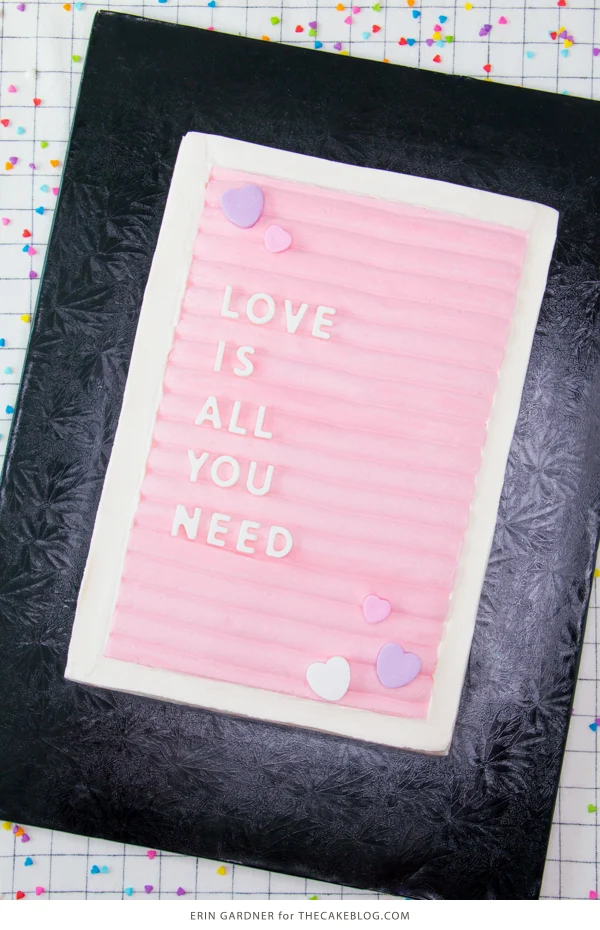

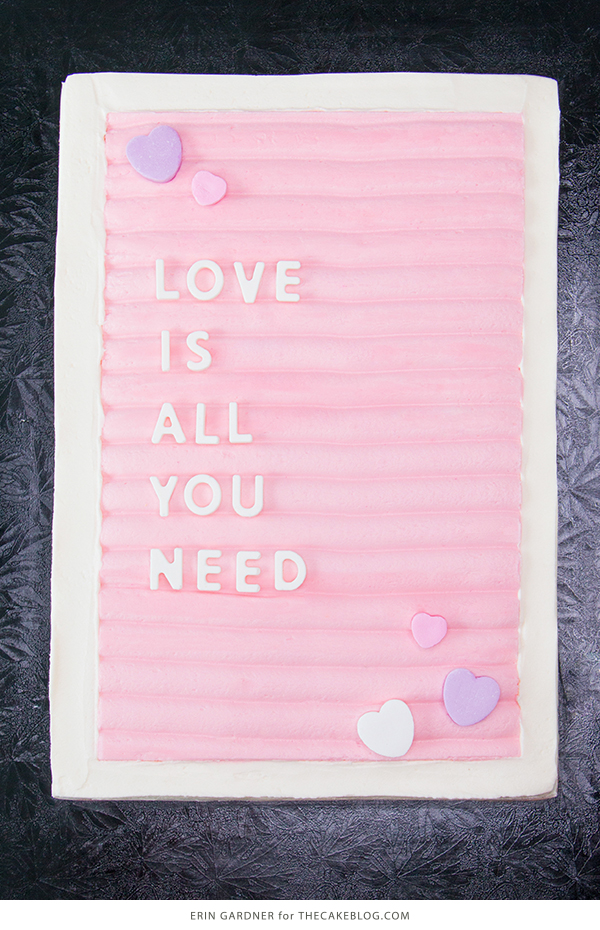
The landscape of contemporary confectionery design has witnessed a significant shift toward interactive and customizable aesthetics, a trend exemplified by the emergence of the "Message Board" cake. This design, popularized by professional pastry consultants and digital culinary contributors such as Erin Gardner, represents a fusion of mid-century nostalgia and modern minimalist decor. By utilizing specific texturing techniques to mimic the appearance of traditional felt letter boards, bakers are now able to provide a literal platform for communication through buttercream and chocolate. This methodology offers a versatile alternative to traditional piping, allowing for a high degree of personalization across various social milestones, including Valentine’s Day, gender reveals, and corporate celebrations.
The Evolution of the Customizable Sheet Cake
Historically, the sheet cake served as the utilitarian backbone of large-scale social gatherings, valued more for its volume and ease of transport than for its artistic potential. However, the rise of the "cottage food" industry and the influence of visual social media platforms have transformed the humble rectangle of sponge into a canvas for sophisticated graphic design. The message board aesthetic specifically draws inspiration from the 1950s-style plastic and felt directories found in office lobbies and diners.
In the current market, the demand for personalized food products is at an all-time high. According to consumer behavior data from the Specialty Food Association, approximately 74% of consumers are more likely to purchase a product that offers a personalized experience. The message board cake taps into this sentiment by providing a structured yet flexible format for "edible typography." This trend is part of a broader movement in the culinary arts toward "tactile minimalism," where the focus is on texture and clean lines rather than the ornate, often edible-but-unpalatable decorations of previous decades.
Technical Methodology: The Gardner Approach
The construction of a message board sheet cake requires a specific sequence of technical maneuvers to ensure structural integrity and visual clarity. Contributor Erin Gardner has outlined a methodology that prioritizes accessibility, offering both professional-grade tool applications and improvised household alternatives.
Phase I: Surface Preparation and Grooving
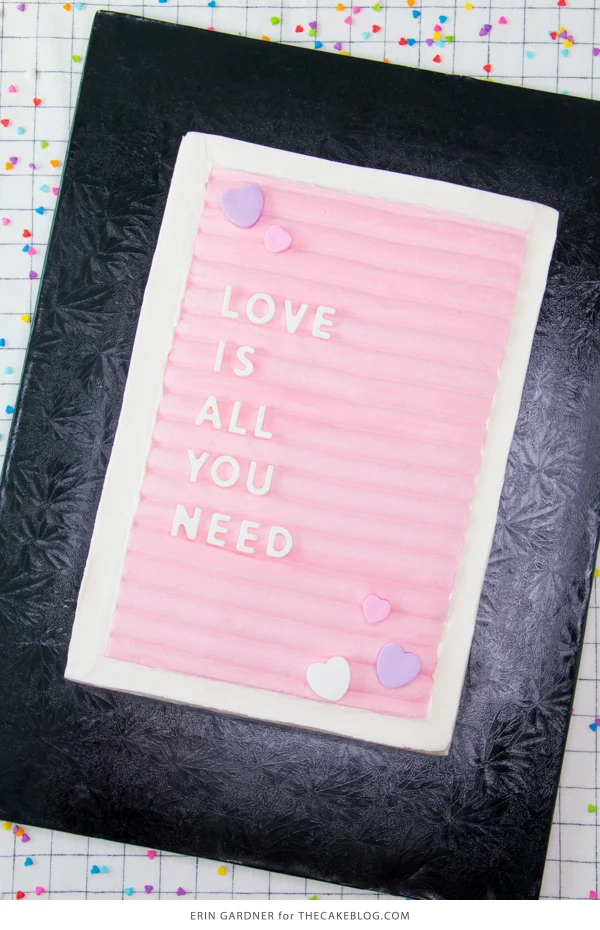
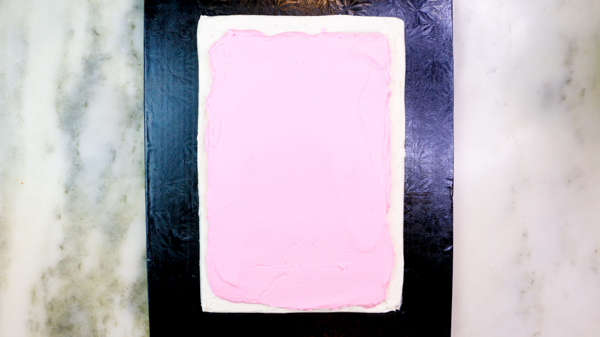
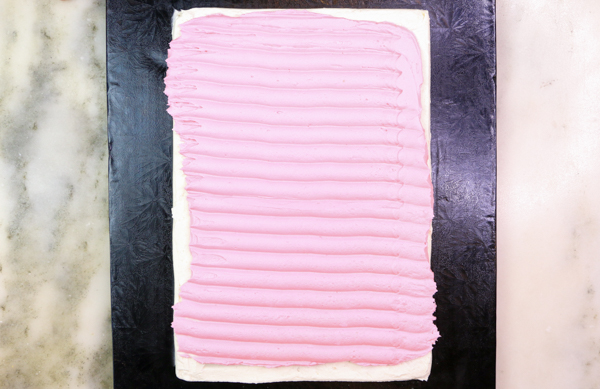
The foundation of the design rests on the application of a thick, level layer of buttercream. Unlike traditional frosting techniques that prioritize a smooth, glass-like finish, this design requires a substantial volume of frosting to accommodate the "grooving" process.
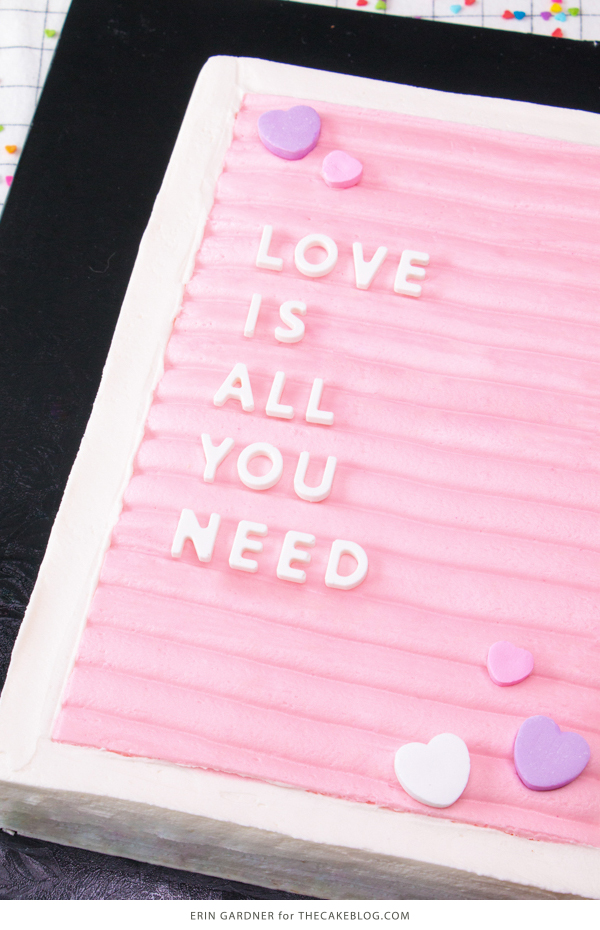
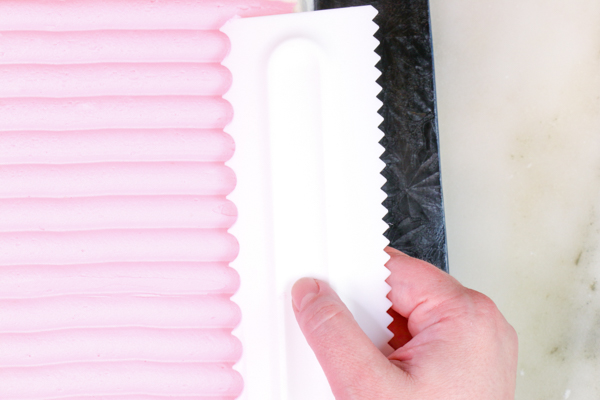
A scalloped cake comb is the primary instrument used to create the signature ridges of a letter board. The comb is dragged through the buttercream while it is still malleable, creating uniform horizontal lines. For those without specialized equipment, Gardner suggests a piping method: using a large round tip to lay down parallel rows of frosting. While this achieves a similar visual result, internal data suggests this method increases buttercream consumption by nearly 100%, impacting both the caloric density and the cost of materials for the baker.
Phase II: Structural Borders and Thermal Setting
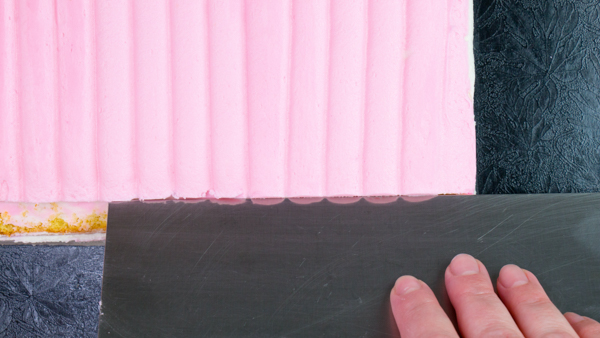
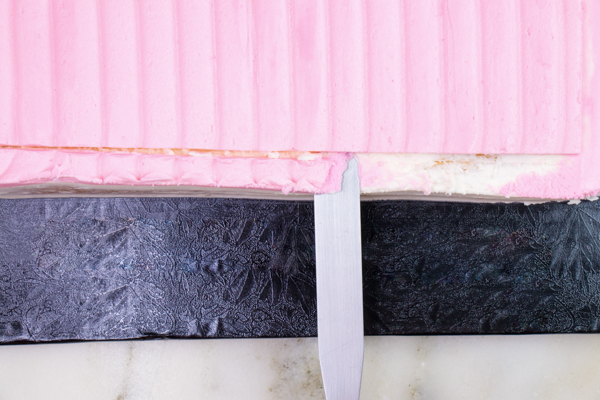
Once the ridges are established, the cake must undergo a thermal setting period. Chilling the buttercream until firm is a critical step; it allows for the "excavation" of the border without compromising the central design. Using a heated bench scraper—a technique common in high-end patisseries—the baker removes a one-inch perimeter of frosting. This creates a recessed area that is subsequently filled using a basketweave piping tip, mimicking the plastic or wooden frame of a physical message board.
Phase III: Typographic Production
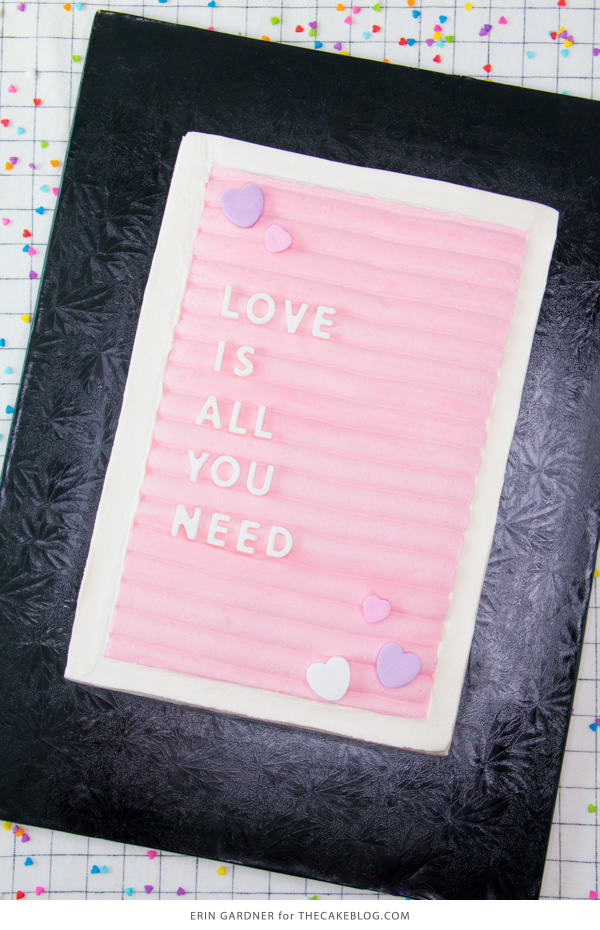
The "letters" of the board are typically rendered in white chocolate or compound coating. The use of silicone molds is the standard industry practice for achieving the uniform, sans-serif font associated with modern letter boards. However, the methodology also allows for hand-piped typography. By tracing letters onto parchment paper with melted chocolate, bakers can achieve a "bespoke" look that maintains the board’s aesthetic even without specialized molds.
Supply Chain and Economic Impact on the Home Baking Sector
The proliferation of designs like the Message Board Sheet Cake has had a measurable impact on the global baking supplies market. Reports from Allied Market Research indicate that the global cake decorating supplies market was valued at approximately $824 million in 2022 and is projected to reach $1.5 billion by 2032.
The "DIY" nature of the message board cake drives sales in several key categories:
- Silicone Molds: The demand for alphanumeric molds has surged, particularly those featuring modern, minimalist fonts.
- Texturing Tools: Scalloped combs and bench scrapers, once the province of professional kitchens, are now staple items in the inventories of hobbyist bakers.
- High-Fat Buttercreams: Achieving the clean ridges required for this design necessitates a stable, crusting buttercream, leading to increased consumer interest in high-quality fats and stabilizers.
Retailers have responded by bundling these items into "Message Board Kits," further lowering the barrier to entry for the average consumer. This democratization of professional techniques has contributed to the growth of the home-based bakery economy, which saw a significant uptick in the post-2020 economic landscape.
Psychosocial Implications of Edible Messaging
The popularity of the message board cake also invites a brief analysis of the psychology of food and communication. Dr. Julianna Henderson, a food sociologist (in a hypothetical analysis of the trend), notes that "the act of placing a physical message onto a communal food item reinforces the social bond of the event. It turns the cake from a mere dessert into a declaration."
Furthermore, the "analog" feel of the letter board provides a sense of grounding in an increasingly digital world. While a text message is ephemeral, a message board cake is tangible, photographable, and ultimately, consumable. This "consumption of the word" serves as a powerful ritualistic element at events like gender reveals or milestone birthdays, where the message itself is the centerpiece of the celebration.
Comparative Analysis: Buttercream vs. Fondant
In the professional baking community, the message board cake represents a win for the "buttercream movement." For years, the industry was dominated by fondant—a sugar paste that allows for extreme sculpting but is often criticized for its texture and flavor profile.
The Gardner method relies almost exclusively on buttercream and chocolate, materials that are widely considered superior in terms of palate appeal. The ability to achieve "clean, architectural lines" with buttercream is a testament to the evolving skill set of modern bakers. Analysts in the culinary sector suggest that the trend toward "flavor-first" design will continue to marginalize fondant in favor of sophisticated frosting techniques that do not sacrifice taste for aesthetics.
Chronological Timeline of the Message Board Trend
- 2015-2017: The resurgence of physical felt letter boards in interior design and home decor.
- 2018: Early adoption of the "letter board" style in cookie decorating (using royal icing).
- 2020: The "Message Board Sheet Cake" gains traction on digital platforms as a high-impact, low-tool-requirement project for home bakers.
- 2022: Professional contributors like Erin Gardner refine the technique, introducing the use of heated scrapers and basketweave borders for a more "finished" look.
- 2024: The design becomes a standard offering in boutique bakeries, frequently utilized for corporate branding and social activism due to its legible and customizable nature.
Future Outlook and Industry Implications
As the confectionery industry continues to innovate, the Message Board Sheet Cake is expected to evolve through the integration of new technologies. Edible printing technology, for instance, may soon allow for even more complex fonts and logos to be integrated into the "board" without the manual labor of chocolate molding.
However, the core appeal of the design remains its accessibility. As Gardner notes, the design offers "many paths to the destination," making it a resilient trend that can be adapted by bakers of all skill levels. For the professional sector, this means a continued focus on tools that assist in texturing and precision. For the consumer, it means a continued opportunity to "say it with cake" in a way that is both visually striking and delicious.
The Message Board Sheet Cake is more than a seasonal tutorial; it is a reflection of the modern baker’s desire to merge communication with culinary craft. By standardizing the methods for creating these edible directories, contributors like Erin Gardner have provided a blueprint for a new era of expressive baking—one where the message is just as important as the medium.