



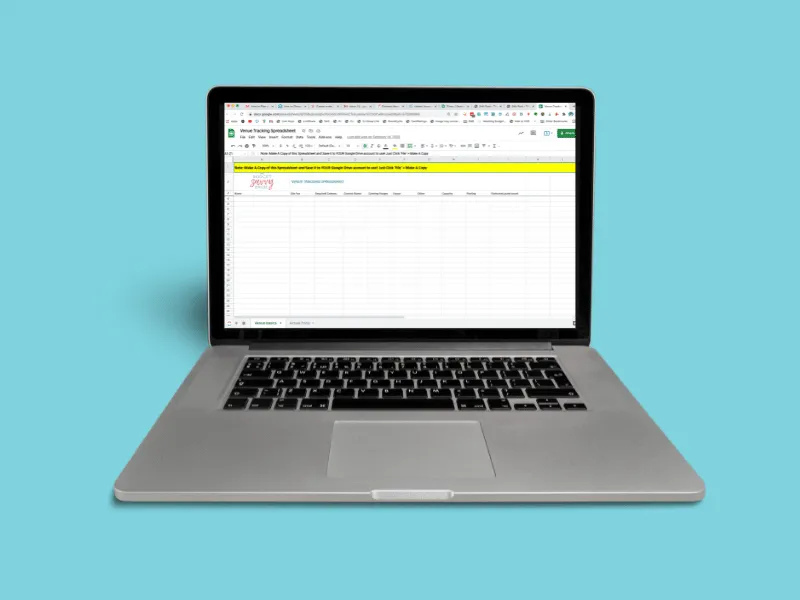
The journey of planning a wedding is frequently described as exhilarating yet overwhelmingly complex, with the selection of a suitable venue standing as perhaps the most critical and financially significant decision. Couples often find themselves navigating a labyrinth of options, each presenting a unique ambiance, package, and set of contractual intricacies. Without a structured approach, the initial excitement of venue tours can quickly devolve into a confusing blur, where key details like corkage fees, service charges, and true "all-in" costs become muddled, hindering an objective decision. This challenge underscores the paramount importance of a dedicated wedding venue comparison spreadsheet, a tool designed to transform subjective impressions into quantifiable data, thereby facilitating a clear and confident choice.
The High Stakes: Understanding Wedding Venue Economics
The financial implications of venue selection are profound, typically consuming the largest share of a couple’s wedding budget. Industry reports consistently indicate that the venue and catering combined account for an average of 40% to 50% of the total wedding expenditure. This substantial allocation means that the venue choice dictates not only the aesthetic and logistical framework of the event—such as the date, guest capacity, and overall "vibe"—but also the remaining financial resources available for other crucial elements like floral arrangements, photography, entertainment, and the honeymoon. Consequently, a methodical approach to identifying a venue within budget is not merely advisable but essential for overall financial prudence.
Recent trends in the wedding industry have seen average wedding costs steadily rise. For instance, data from leading wedding planning platforms in the United States often cite average wedding costs exceeding $30,000, with metropolitan areas frequently reporting figures significantly higher. This upward trajectory is influenced by factors such as increasing demand, evolving aesthetic preferences, and the desire for highly personalized experiences. As costs escalate, the potential for budget overruns becomes a greater concern for couples, making precise financial tracking an imperative. The inherent complexity of venue pricing, often presented through tiered packages, minimum spends, and a myriad of potential additional fees, further complicates direct comparisons, reinforcing the need for a standardized analytical framework.
A Systematic Approach: The Wedding Venue Spreadsheet in Action
A comprehensive wedding venue comparison spreadsheet serves as a centralized repository for all pertinent information, ensuring an "apples-to-apples" evaluation across diverse options. By structuring data capture, it enables couples to move beyond superficial impressions to a detailed, cost-informed assessment. The application of such a tool can be broken down into distinct phases, each crucial for a robust decision-making process.
-
Phase 1: Initial Prospecting and Data Capture
The initial stage involves identifying potential venues and gathering preliminary information. This typically begins with online research, reviewing venue websites, and perhaps making initial phone inquiries. During this phase, the spreadsheet should be populated with foundational details for each prospective location. Essential data points include the venue’s official name, geographic location, maximum guest capacity, availability for preferred dates (or peak season rates), and a preliminary "sticker price" or starting package cost. While these figures are often subject to change or hidden conditions, they provide a vital baseline for initial screening, allowing couples to quickly filter out options that are clearly beyond their logistical or budgetary parameters before investing time in physical tours. Additional basic columns might include contact information, website links, and a brief description of the venue’s style or aesthetic. -
Phase 2: On-Site Due Diligence and Detailed Inquiry
Once a shortlist of viable venues is established, the next critical step involves conducting site visits. This phase demands meticulous preparation and active engagement. Couples should arrive at each tour armed with a standardized checklist of questions derived directly from the columns within their comparison spreadsheet. This proactive approach ensures that no crucial detail is overlooked and that consistent data is collected for every option. Key inquiries during these tours extend beyond the aesthetic and logistical to delve deeply into financial specifics.
Critical questions to pose include:
- What is the exact rental fee for the desired date and time? Are there different rates for peak season, weekdays, or Sundays?
- What is included in the base rental fee (e.g., tables, chairs, basic linens, sound system, bridal suite)?
- Are there any minimum spend requirements for food and beverage?
- What are the per-person costs for catering and bar services? Are these inclusive of taxes and service charges?
- What is the venue’s policy on outside vendors (e.g., caterers, florists, photographers)? Are there any preferred vendor lists, and are their services mandatory or merely recommended?
- Are there additional fees for specific services such as cake cutting, corkage for outside alcohol, security personnel, parking, or extra setup/teardown time?
- What are the terms for deposits, payment schedules, and cancellation policies?
- Is there a dedicated on-site coordinator, and what are their responsibilities?
- What is the contingency plan for inclement weather if an outdoor space is planned?
- Are there any restrictions on decorations, noise levels, or event end times?
The responses to these questions must be promptly and accurately recorded in the spreadsheet. This immediate data entry prevents the loss of crucial information and ensures that the details from each venue remain distinct and retrievable for later comparison. The goal is to capture the "true cost" of each venue, moving beyond the headline figures to unearth all potential expenditures.
-
Phase 3: Comprehensive Analysis and Strategic Decision-Making
With the spreadsheet fully populated, the final phase involves rigorous analysis. This is where the tool truly earns its value, enabling side-by-side comparisons that clarify tradeoffs and reveal hidden values. The focus shifts to calculating the "all-in" cost for each venue. This involves summing the base rental fee, per-person catering and beverage costs (multiplied by the estimated guest count), service charges (which can range from 18-25% and are often applied to the entire bill, including taxes), mandatory extras, and any identified hidden fees.A powerful analytical technique is to calculate the "cost per guest" for each venue’s total all-in price. Dividing the comprehensive cost by the guest count often uncovers scenarios where a seemingly "expensive" venue might actually offer better value per guest once all services and fees are factored in, especially if it includes more amenities or fewer external vendor requirements. Conversely, an initially "affordable" option might escalate significantly once hidden costs are applied.
Beyond pure economics, the analysis phase also involves weighting subjective priorities. If a stunning outdoor setting is non-negotiable, a slightly higher rental fee might be justified. If gourmet catering is paramount, budget reallocation towards food and beverage might be prioritized over elaborate decor. The spreadsheet serves as the factual basis for these value judgments, allowing couples to make decisions that are not only financially sound but also deeply aligned with their vision for their wedding day.
Expert Perspectives and User Experiences
Leading wedding planners and financial advisors consistently advocate for a structured approach to venue selection, echoing the principles embodied by a comprehensive comparison spreadsheet. "The biggest mistake couples make is falling in love with a venue before understanding its true financial implications," states a prominent wedding planner, emphasizing the need for objective data. "A spreadsheet forces you to look beyond the aesthetics and confront the numbers, which is crucial for preventing budget blowouts."
Financial experts specializing in personal budgeting also highlight the utility of such tools. "Weddings represent a significant financial investment, often rivaling a down payment on a car or even a house," notes a certified financial planner. "Applying sound financial principles, like detailed cost tracking and comparative analysis, is simply smart money management, regardless of the occasion." These professionals often recommend that couples treat wedding planning with the same rigor they would apply to any major financial decision.
Couples who have utilized such tools frequently report a significant reduction in stress and an increased sense of control over their planning process. "Before the spreadsheet, everything felt like a guessing game," recounted one recent bride. "After we started tracking everything, the decision became clear, and we felt so much more confident that we were getting the best value for our money." This sentiment underscores the psychological benefit of organized data—it transforms uncertainty into clarity, allowing couples to focus on the joy of their impending celebration rather than the anxiety of unforeseen expenses.

Beyond the Numbers: The Broader Impact of Informed Choice
The adoption of detailed venue comparison tools has implications extending beyond individual couples, influencing the broader wedding industry.
-
Financial Prudence and Value Maximization: For couples, the most immediate impact is the ability to maintain budget integrity. By meticulously tracking costs and comparing all-inclusive figures, they can avoid the common pitfall of exceeding their financial limits. This analytical approach empowers them to negotiate more effectively, challenge opaque pricing structures, and ultimately secure the best possible value for their investment. It fosters a culture of informed consumerism, where decisions are driven by data rather than emotion or fleeting impressions.
-
Mitigating Stress and Enhancing the Planning Journey: The psychological benefits are substantial. The wedding planning process is notoriously stressful, and financial anxieties are a primary contributor. A clear, organized spreadsheet demystifies complex pricing and reduces the likelihood of unwelcome "surprise costs" later in the planning cycle. This transparency allows couples to make decisions with greater confidence and less apprehension, enabling them to enjoy the journey of planning their special day rather than being consumed by financial worry.
-
Shaping the Wedding Industry Landscape: As more couples adopt sophisticated comparison methods, the wedding industry is subtly nudged towards greater transparency and competitive pricing. Venues that offer clear, comprehensive pricing structures and fewer hidden fees may gain a competitive advantage. Furthermore, it encourages venues to articulate the value proposition of their services more clearly, fostering a healthier market dynamic where consumers are empowered by information. The rise of non-traditional venues, such as restaurants, public parks, or private estates, as cost-effective alternatives is also highlighted by such comparative analyses, pushing the industry to innovate and diversify its offerings. Many restaurants, for example, are increasingly open to full buyouts for weddings, offering a unique setting often with fewer of the traditional "wedding-specific" surcharges (like corkage or cake-cutting fees) that can inflate costs at conventional venues.
Conclusion: Empowering Couples for a Seamless Celebration
The wedding venue spreadsheet is far more than a simple organizational tool; it is an indispensable strategic asset for couples navigating the complexities of modern wedding planning. It transforms what could be the most overwhelming and expensive decision into a structured, side-by-side comparison grounded in verifiable data. By tracking consistent details, posing incisive questions during tours, diligently logging all potential fees, and analyzing the true all-in costs, couples can make a choice that is financially sound, logistically viable, and perfectly aligned with their personal vision.
In an era where wedding costs are continually rising and options are proliferating, such systematic methodologies are not just helpful; they are essential. Embracing a data-driven approach ensures that the foundation of the wedding—the venue—is selected with confidence and clarity, setting the stage for a celebration that is both memorable and within budget. This commitment to informed decision-making reflects a savvy approach to wedding planning, empowering couples to embark on their marital journey with peace of mind and financial integrity.