


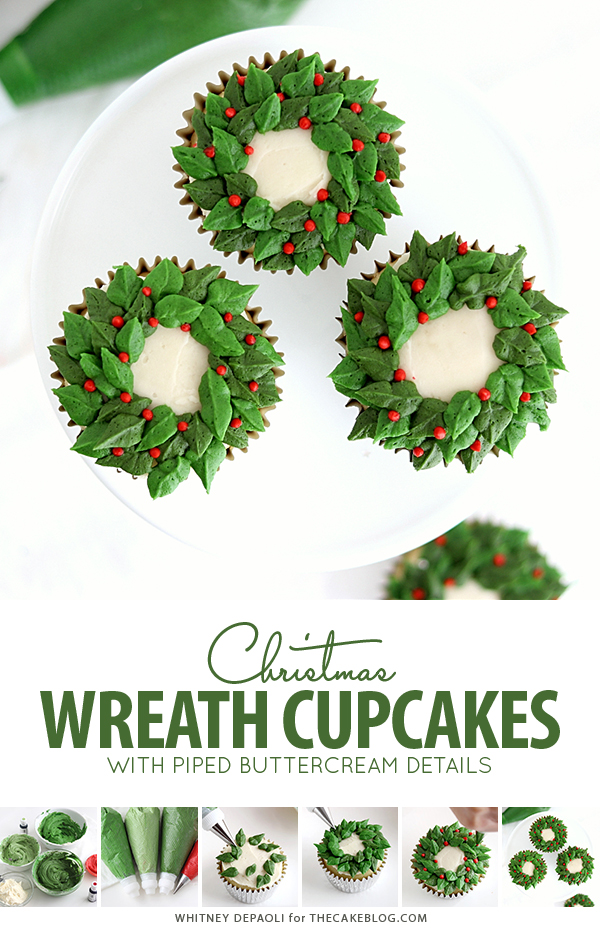
The advent of the winter holiday season has traditionally catalyzed a surge in domestic and professional baking, with a heightened focus on intricate, visually stimulating dessert presentations. Among the most prominent trends in contemporary confectionery is the miniaturization of classic holiday symbols, a movement exemplified by the development of specialized cupcake designs. Whitney DePaoli, a noted contributor to the culinary platform The Cake Blog, has recently introduced a sophisticated tutorial focusing on Christmas Wreath Cupcakes. This instructional guide delineates three distinct buttercream wreath designs, emphasizing technical precision, color theory, and the utilization of professional-grade piping equipment. The move toward such detailed, small-scale edible art reflects a broader shift in the culinary industry toward high-aesthetic, portion-controlled holiday treats that serve as both sustenance and seasonal decor.
Conceptual Framework and Inspiration for Seasonal Edible Art
The inspiration for the Christmas Wreath Cupcake project stems from a desire to translate large-scale holiday iconography into a manageable, individual format. Historically, holiday baking revolved around substantial centerpieces, such as towering Christmas tree cakes or expansive gingerbread structures. However, the current market landscape shows an increasing preference for "snackable" luxury. DePaoli’s creative process began with a literal drawing board, a standard practice in professional pastry arts where visual layouts precede physical execution. The objective was to capture the essence of festive wreaths—symbols of growth and everlasting life—using the medium of buttercream frosting.
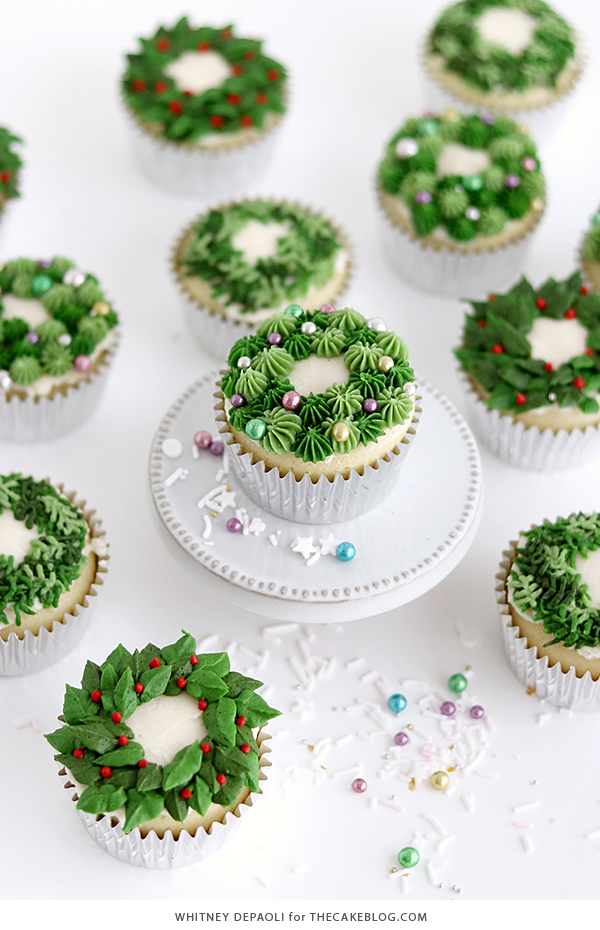
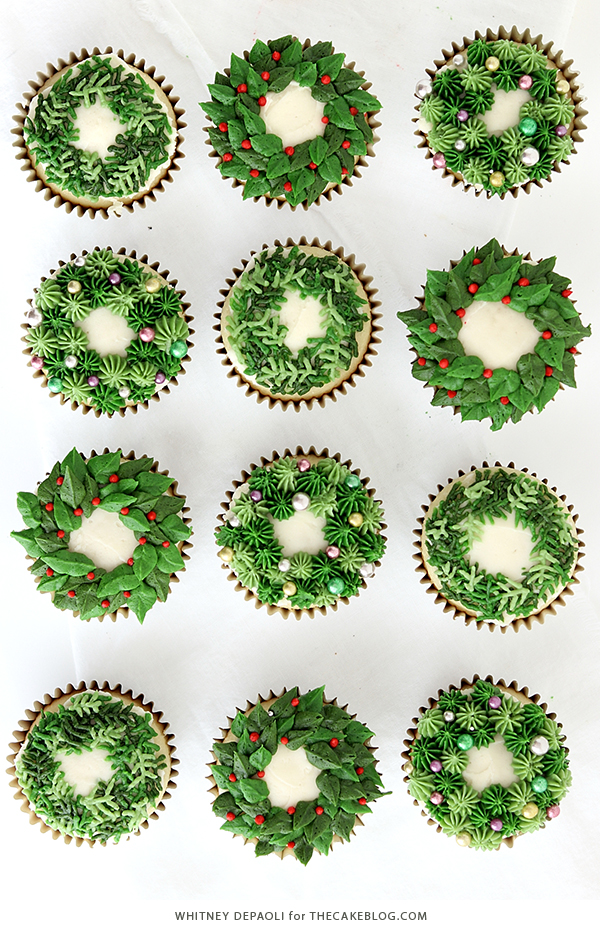
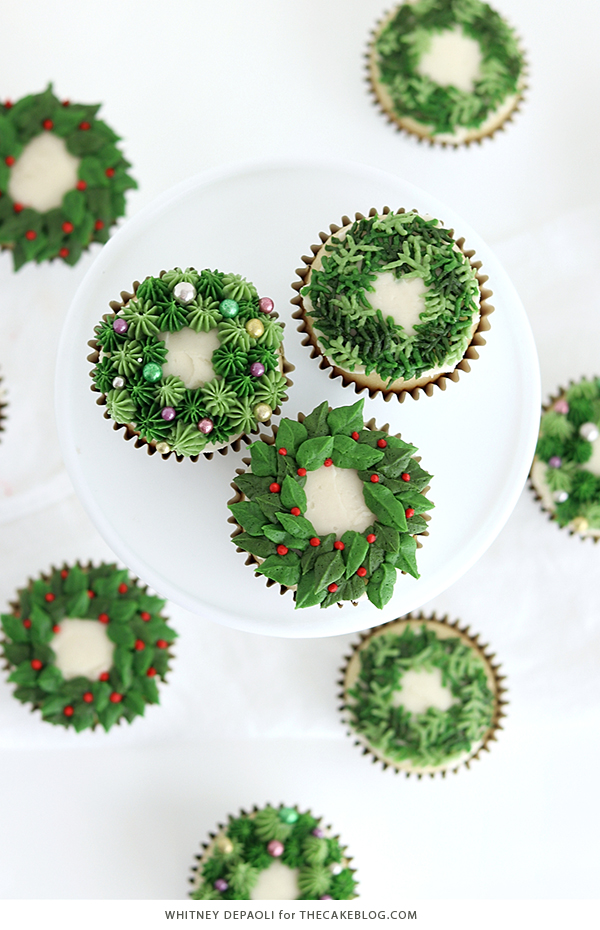
This conceptualization aligns with the seasonal transformation of retail and urban environments, where the visual language of the holidays is dominated by lights and greenery. By applying these themes to cupcakes, bakers can create a cohesive aesthetic that mirrors traditional decorations. The three designs developed for this series—the Berry Wreath, the Pine Sprig Wreath, and the Sprinkled Wreath—offer a spectrum of textures and technical challenges, catering to various skill levels within the baking community.
Technical Requirements and the Role of Piping Ergonomics
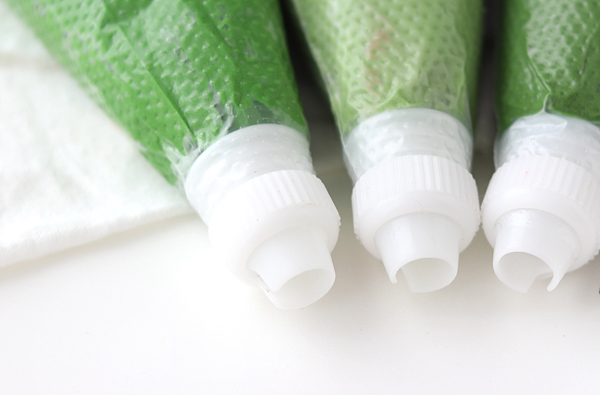
The execution of professional-grade cupcakes requires a specific inventory of tools designed to ensure consistency and ease of use. A critical component of this project is the utilization of coupler sets. In the context of pastry arts, a coupler is a two-part plastic apparatus that allows the baker to interchange piping tips without emptying the contents of the piping bag. This tool is essential for designs requiring multiple textures in the same color palette, as it significantly reduces material waste and operational downtime.
The tutorial specifies the following primary supplies:
- Standard cupcakes (pre-baked and cooled).
- A versatile buttercream base (American Buttercream is cited for its stability, though other pipeable varieties are applicable).
- Piping tips: #352 (leaf tip), #3 (small round tip), and #199 (open star/drop star tip).
- Gel-based food coloring (specifically Americolor Super Red, Forest Green, and Avocado).
- Small icing spatulas and multiple piping bags.
From a technical standpoint, the choice of American Buttercream is noteworthy. Known for its high crusting potential and structural integrity, this medium is ideal for the "piped wreath" format, which requires the frosting to hold sharp edges and resist wilting under ambient temperatures.
Chronology of Production: From Color Theory to Final Execution
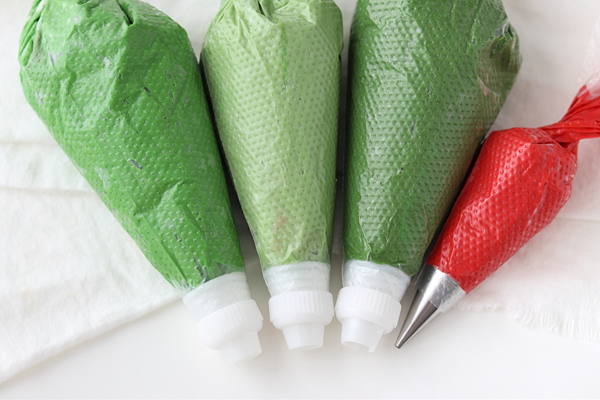
The production process follows a strict chronological sequence to ensure color consistency and structural stability. The first phase involves the "Coloring of the Buttercream," an exercise in tonal variation. According to the tutorial, the buttercream is divided into various portions: a small uncolored amount for the base layer, a small red portion for berries, and three larger portions for varying shades of green.
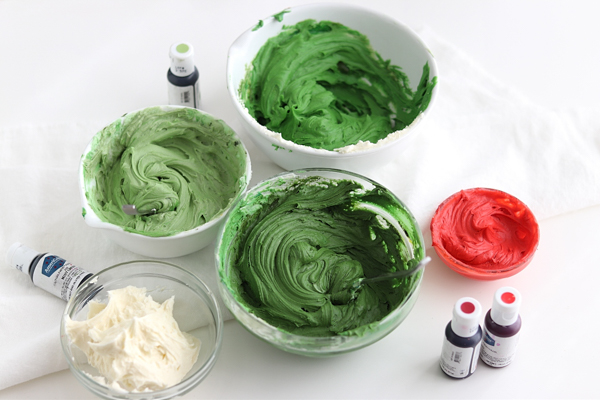
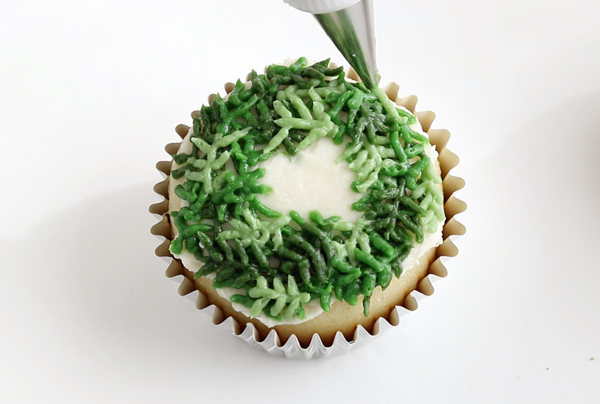
The application of color theory is vital here. By utilizing a mix of "Forest Green" and "Avocado," the baker can achieve a naturalistic gradient. The goal is to produce light, medium, and dark green hues. This depth of color is what elevates a standard cupcake to a professional-grade confection, as it mimics the natural shadows and highlights found in real evergreen foliage. Once colored, the red frosting is fitted with a #3 tip, while the green shades are loaded into bags equipped with couplers.
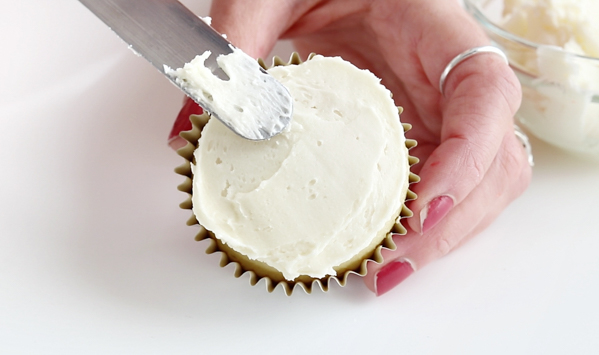
The second phase is the "Base Frosting." Before any intricate piping occurs, each cupcake receives a thin, even layer of uncolored buttercream applied with a small spatula. This serves as a "crumb coat" and a neutral canvas, ensuring that the subsequent wreath designs adhere properly to the surface and that no cake crumbs interfere with the delicate piping.
Analytical Breakdown of the Three Wreath Designs
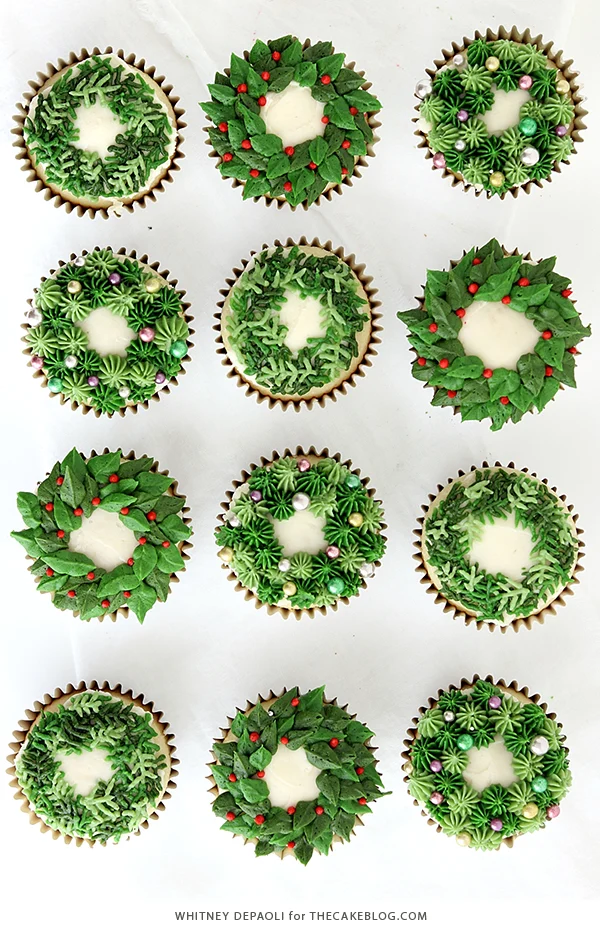
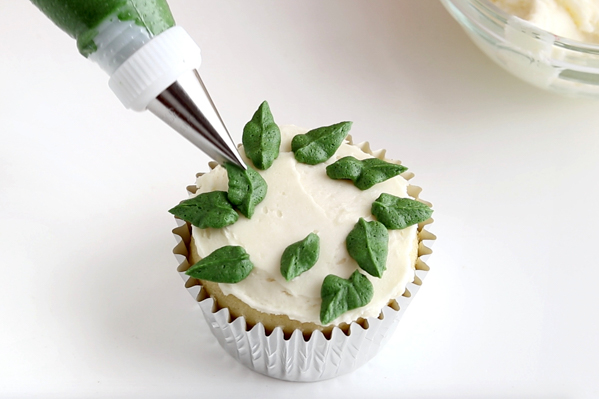
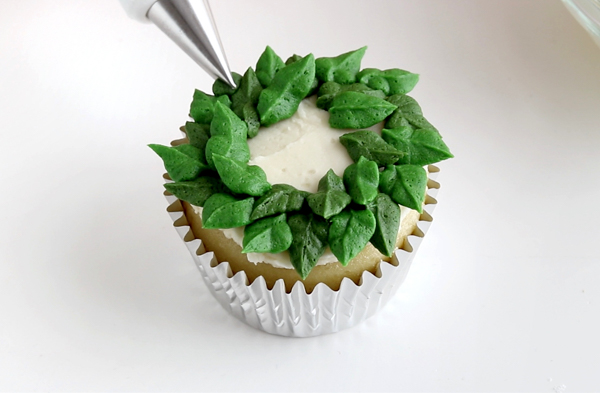
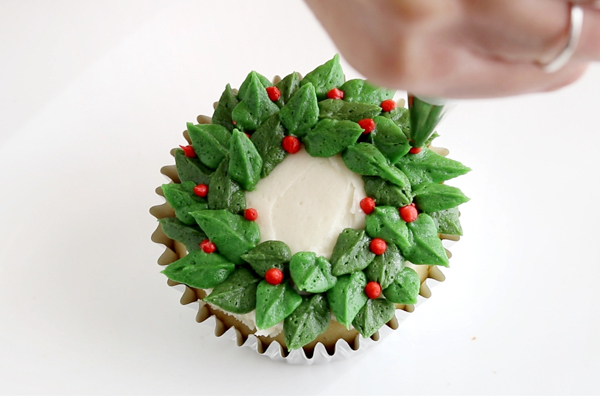
The Berry Wreath: Utilizing the #352 Leaf Tip
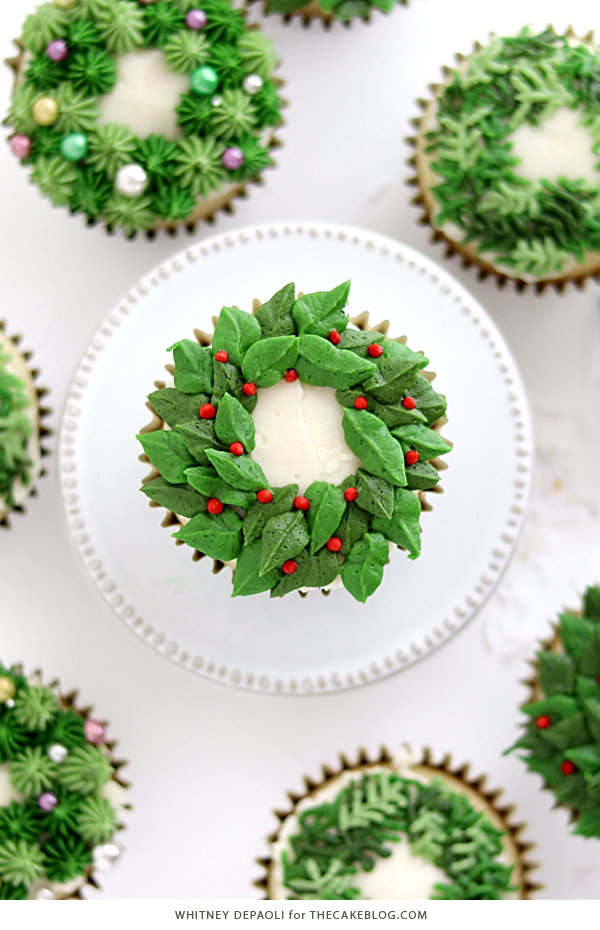
The Berry Wreath design focuses on broad, leafy textures. The technical execution involves the #352 tip, which is characterized by its "open beak" shape. The operator must hold the tip parallel to the cupcake surface with the points aligned vertically. By applying consistent pressure and pulling the bag toward the body, the baker creates a series of overlapping leaves. The use of two different green shades in this design creates a two-toned effect, providing visual density. The final touch involves piping small red dots using the #3 tip to simulate holly berries, a classic motif in Christmas iconography.
The Pine Sprig Wreath: Precision and Repetition
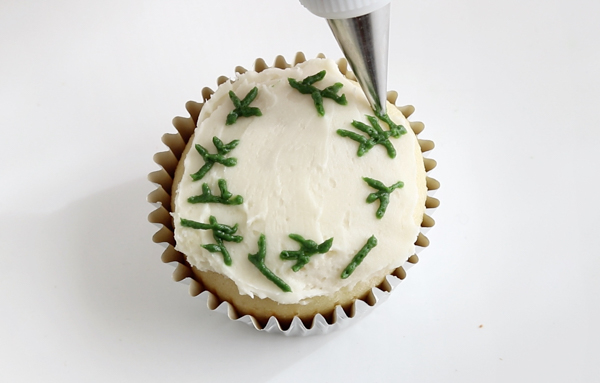
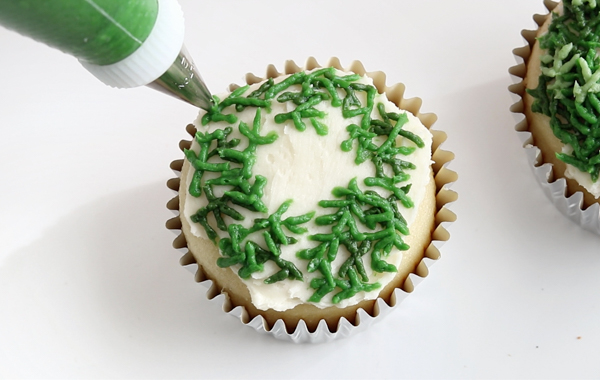
The Pine Sprig Wreath is arguably the most labor-intensive of the three designs, requiring a high degree of manual dexterity. Using the #3 round tip for all three green shades, the baker must pipe a central line for each sprig, followed by a series of "v" shapes layered over the top. This technique replicates the needle-like texture of pine or fir branches. The process is repeated across the circumference of the cupcake, layering the light, medium, and dark greens until the white base is no longer visible. This design is highly valued for its realism and textural complexity.
The Sprinkled Wreath: High-Volume Texture and Ornamentation
The third design, the Sprinkled Wreath, utilizes the #199 piping tip to create "drop stars." This technique involves holding the tip vertically and emitting short bursts of frosting to create small, ridged mounds. By alternating between the darker shades of green, the baker builds a dense, crown-like structure. The final stage involves the application of spherical sprinkles—such as the "Serendipity" mix by Fancy Sprinkles—to mimic the appearance of Christmas ornaments. This design is particularly effective for high-volume production, as the drop star technique is faster than the sprig method while still maintaining a premium aesthetic.
Market Trends and the Economic Impact of DIY Baking Tutorials
The release of high-quality tutorials like the Christmas Wreath Cupcakes series reflects a significant trend in the global baking supplies market. According to industry reports, the global cake decorating supplies market is projected to grow substantially, driven by the rising popularity of home baking and the influence of social media platforms like Instagram and Pinterest. Tutorials that provide specific "how-to" information for professional techniques empower amateur bakers to purchase specialized equipment, such as specific Wilton or Americolor products.
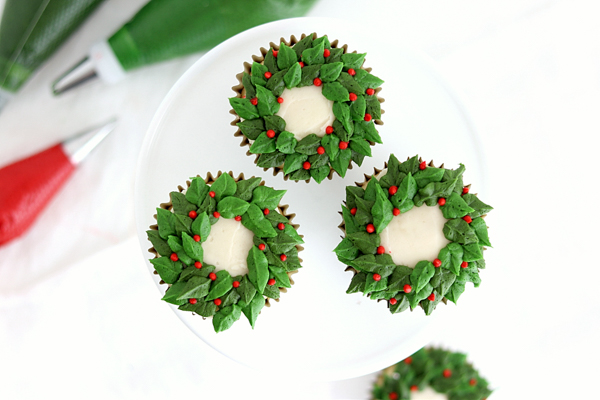
Furthermore, the "Instagrammability" of food has become a primary driver of consumer behavior. The visual appeal of an assortment of wreath cupcakes—featuring varied textures and colors—is designed to be shared digitally. This creates a secondary value for the baker beyond the consumption of the food itself: the social capital gained from presenting a professional-level aesthetic. For small-scale bakeries, adopting these designs can lead to increased seasonal revenue, as customers are often willing to pay a premium for "artisan" or "hand-piped" holiday goods.
Broader Implications and Official Responses from the Baking Community
While there are no official "regulatory" responses to cupcake designs, the reception within the online baking community has been overwhelmingly positive. Professional pastry chefs often note that the democratization of these techniques through contributors like Whitney DePaoli raises the overall standard of the industry. By sharing the "secrets" of tip numbers and color mixing, the barrier to entry for high-end confectionery is lowered, fostering a more creative and competitive market.
From a psychological perspective, the act of creating and consuming festive food is deeply tied to "holiday nostalgia." The wreath, as a symbol of welcome and celebration, evokes positive emotional responses. When these symbols are rendered in sugar and butter, they serve as a focal point for holiday gatherings. The tutorial emphasizes that while the designs look complex, the use of couplers and systematic piping makes the process accessible, thereby reducing the stress often associated with holiday preparation.
Conclusion: The Intersection of Tradition and Technique
The Christmas Wreath Cupcake tutorial represents a sophisticated intersection of traditional holiday themes and modern culinary technique. By breaking down complex floral and evergreen textures into repeatable piping motions, Whitney DePaoli has provided a blueprint for seasonal success. Whether used by a home enthusiast looking to impress guests or a professional baker expanding a holiday line, these designs offer a versatile and high-impact solution for festive dessert tables. As the culinary arts continue to evolve, the emphasis on precision, tool mastery, and aesthetic harmony remains the hallmark of successful seasonal baking. The transition from a simple cupcake to a "piped wreath" is more than a decorative choice; it is a testament to the enduring appeal of craftsmanship in the digital age.