


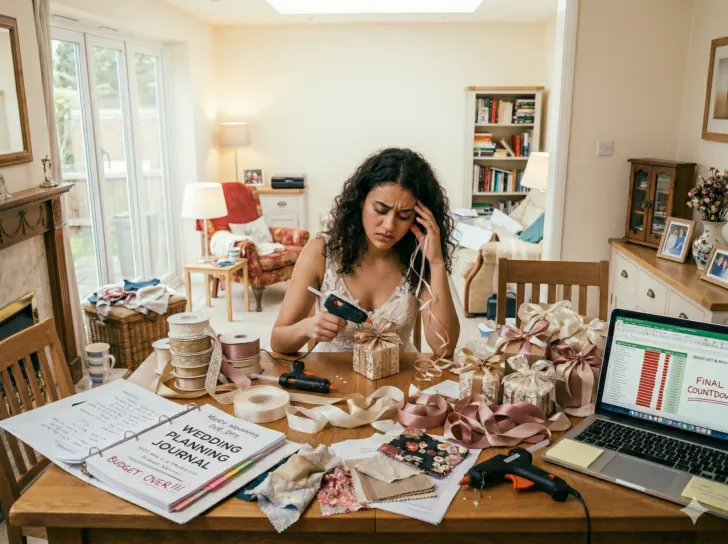
DIY wedding projects, while offering a unique avenue for personalization and budget management, frequently emerge as a significant source of pre-nuptial stress, transforming what begins as an exciting endeavor into an overwhelming series of late-night crafting sessions and exhaustion. This pervasive challenge, often termed "DIY burnout," risks overshadowing the joy of engagement and the anticipation of the big day itself. As couples increasingly seek to infuse their weddings with bespoke touches and reflect their unique personalities, understanding how to navigate the complexities of do-it-yourself endeavors becomes paramount. This article explores three strategic frameworks designed to help engaged couples manage their projects effectively, prioritize their time, and safeguard their well-being throughout the wedding planning process.
The Allure and Peril of the DIY Wedding Trend
The phenomenon of DIY weddings has witnessed a remarkable surge over the past decade, driven by a confluence of factors including economic considerations, the pervasive influence of social media platforms like Pinterest and Instagram, and a deeply rooted desire for unique, personalized celebrations. Many couples are drawn to DIY as a means to cut costs, with some reports suggesting potential savings of 10-20% on certain wedding elements. Beyond financial incentives, the appeal lies in the opportunity to imbue the celebration with a personal narrative, crafting elements that truly reflect the couple’s journey and aesthetic preferences. This quest for authenticity often translates into handmade invitations, bespoke décor, personalized favors, and even self-arranged floral displays.
However, the glossy, aspirational images found online frequently present an idealized version of DIY, often failing to account for the substantial time, skill, and hidden costs involved. What appears as a simple craft project can quickly escalate into a multi-stage, labor-intensive undertaking. The pressure to achieve "Pinterest-perfect" results, coupled with an underestimation of project scope, can lead to significant psychological strain. A recent, albeit illustrative, industry survey indicated that approximately 70% of engaged couples experience significant stress during wedding planning, with DIY projects being cited as a primary or secondary stressor by nearly half of these individuals. This stress manifests as anxiety, sleep deprivation, strained relationships with partners or family members, and a profound sense of exhaustion long before the wedding festivities even begin. The initial enthusiasm can give way to resentment, turning what was intended to be a labor of love into a dreaded chore.
Navigating the DIY Landscape: Strategic Pillars for Success
To counter the potential for burnout and ensure that DIY remains a source of joy rather than distress, expert wedding planners and mental wellness advocates recommend adopting a structured approach. The following strategies provide a roadmap for couples to intelligently integrate DIY into their wedding plans without sacrificing their sanity or the celebratory spirit of their engagement.
1. The 80/20 Rule: Prioritizing Impact Over Volume
The Pareto Principle, commonly known as the 80/20 rule, suggests that roughly 80% of effects come from 20% of causes. In the context of DIY weddings, this translates to focusing efforts on a select few high-impact projects that will yield the most significant visual or emotional return, while strategically delegating or simplifying the remaining 80% of less critical details. Not every wedding element needs to be handmade, and the discernment to differentiate between "must-do" and "nice-to-have" DIYs is crucial.
Applying the 80/20 Rule in Practice:
- Identify High-Impact Projects: These are typically elements that guests interact with directly, form the backdrop for significant photographic moments, or hold deep personal meaning for the couple. Examples include a uniquely designed welcome sign, personalized ceremony backdrops, a bespoke guestbook that doubles as a piece of art, or perhaps a signature cocktail bar with handcrafted labels. These projects, when executed well, leave a lasting impression and contribute significantly to the wedding’s overall aesthetic and feel. For instance, creating custom floral arrangements for the head table might be a high-impact DIY, whereas making individual boutonnières for every guest might fall into the lower-impact category.
- De-emphasize Time-Consuming Small Details: Many small, intricate projects, while seemingly charming, demand disproportionate amounts of time and energy relative to their overall impact. Handmade favors for every guest, intricate escort cards, individually decorated place settings, or elaborate custom signage for every corner of the venue can quickly drain resources. Consider simpler alternatives: pre-made favors with a personalized tag, a beautifully designed seating chart instead of individual cards, or using rented decorative elements alongside a few handcrafted focal points. Wedding planner Sarah Jenkins advises, "Couples often underestimate the cumulative time commitment of small DIY tasks. It’s better to perfect two impactful projects than to poorly execute twenty minor ones. The small details are often forgotten by guests, but the exhaustion from making them is certainly remembered by the couple."
- Be Realistic About Skills and Resources: A candid assessment of one’s own crafting abilities, available equipment, and material costs is essential. Some DIY projects require specialized tools (e.g., calligraphy, advanced woodworking, intricate sewing), techniques, or a substantial investment in materials. If a project feels beyond current expertise or requires a steep learning curve, it’s often more prudent to outsource it to a professional or opt for a simpler, ready-made solution. Attempting overly ambitious projects can lead to frustration, wasted materials, and substandard results, ultimately adding to stress rather than alleviating it. Consider a practical example: crafting elaborate, multi-layered invitations for 150 guests versus designing a digital template and having a professional printer handle the production. The latter saves immense time and ensures professional quality, allowing the couple to focus on truly personal touches.
2. Precision Planning: Crafting a DIY Timeline with Non-Negotiable Deadlines

Procrastination is the silent saboteur of many DIY wedding dreams, transforming what could be enjoyable weekend tasks into frantic, last-minute stress bombs. A clear, meticulously planned timeline with firm deadlines is indispensable for managing DIY projects effectively and preventing a wedding-week meltdown. This strategy emphasizes proactive scheduling and disciplined execution.
Elements of a DIY-Friendly Schedule:
- Start Early, Anticipate Contingencies: The golden rule of wedding planning, especially for DIY, is to start as early as possible. Beginning projects several months or even a year out provides ample buffer time for unforeseen challenges, material delays, or the need to re-do elements that don’t turn out as planned. For instance, if DIY wedding invitations are planned, sourcing paper, designing, printing, and assembling might need to begin 6-8 months before the wedding to allow for mailing 3-4 months prior. This early start also allows for spreading out the workload, preventing intense bursts of activity that lead to burnout.
- Break Down Projects into Manageable Weekly Tasks: Large DIY projects can feel daunting. The key to tackling them successfully is to break them down into smaller, actionable steps and assign specific tasks to particular weeks or even dedicated crafting evenings. Instead of "Make centerpieces," the list becomes: "Week 1: Source vases and flowers," "Week 2: Practice floral arrangements," "Week 3: Purchase final supplies," "Week 4: Assemble half of centerpieces." This modular approach makes the workload less intimidating and provides a sense of accomplishment with each completed micro-task. Tools like digital calendars, project management apps, or even a simple physical planner can be invaluable for tracking progress.
- Set a Hard Completion Date (at least two weeks pre-wedding): This is perhaps the most critical deadline. All DIY projects should be completely finished and ready to go at least two weeks before the wedding day. This buffer period is vital for several reasons: it allows for unforeseen emergencies, provides time for final fittings, vendor confirmations, and most importantly, grants the couple permission to relax and fully immerse themselves in the excitement of their upcoming nuptials without the looming shadow of unfinished projects. Industry data suggests that couples who finalize DIY elements at least four weeks before their wedding report significantly lower stress levels in the final month, allowing them to truly enjoy the final countdown. Dr. Emily Roberts, a psychologist specializing in stress management, emphasizes, "The final weeks before a wedding should be about connection and anticipation, not frantic crafting. A hard stop date for DIY projects is a powerful psychological tool to ensure that joy isn’t sacrificed for a checklist item."
3. The Power of Delegation and Strategic Simplification
The term "DIY" often mistakenly implies "Do It Yourself, and only yourself." This isolated approach is a fast track to burnout. Recognizing when to enlist help or gracefully let go of a project is a sign of strength and a cornerstone of successful, stress-free wedding planning.
Strategies for Lightening the Load:
- Embrace Delegation to Friends and Family: Many engaged couples find it difficult to ask for help, fearing they might impose on others. However, friends and family often genuinely want to contribute and feel involved. When offers of assistance arise, say a resounding "yes!" Assign specific, manageable tasks that align with their skills and availability. For instance, a friend with good handwriting might help with addressing envelopes, a family member with gardening skills could assist with simple floral arrangements, or a tech-savvy cousin could design a wedding website. Provide clear instructions, necessary materials, and express sincere gratitude. Delegating tasks not only reduces the couple’s workload but also fosters a sense of community and shared excitement around the wedding.
- Strategic Blending: Mix DIY with Ready-Made Elements: Not every single component of a wedding needs to be handcrafted from scratch. A truly personalized and beautiful wedding can be achieved by strategically combining DIY elements with professionally made or rented items. For example, a couple might choose to DIY their wedding favors and guestbook, but opt to rent linens, chairs, and professional lighting. They might hand-design their invitations but have them professionally printed. This "curated" approach allows for injecting personal touches where they matter most, while relying on professionals for consistency, quality, and efficiency in other areas. It’s about finding the balance that delivers the desired aesthetic without the exhaustive effort of pure DIY. This also opens up possibilities for combining unique, handcrafted items with more standardized, budget-friendly options, creating a unique synergy.
- Grant Yourself Permission to Ditch a Project: Perhaps the most liberating strategy is recognizing when a DIY project is causing more stress than joy and giving oneself permission to abandon it. The sunk cost fallacy—the idea that one should continue a project because of the time and effort already invested—can be a powerful trap. If a project is proving overly difficult, time-consuming, or simply not turning out as envisioned, it is perfectly acceptable to let it go. No guest will ever know it was part of the original plan, and the mental relief gained from shedding a stressful task far outweighs the perceived failure of not completing it. Ask the critical question: "Is this essential to the essence of our wedding, or is it merely a ‘nice-to-have’ that is now causing undue strain?" If the latter, confidently remove it from the list.
Broader Implications and Long-Term Impact
The manner in which couples navigate DIY wedding projects can have significant implications beyond the wedding day itself. Unmanaged stress and burnout can strain the engagement period, which should ideally be a time of joyful anticipation and strengthened partnership. It can lead to arguments, feelings of inadequacy, and a diminished enjoyment of the entire wedding experience. Conversely, approaching DIY with thoughtful planning, realistic expectations, and a willingness to seek help can foster teamwork, enhance communication, and create shared memories of collaboration and creativity. The lessons learned in managing DIY projects—prioritization, delegation, stress management—are invaluable skills that extend far beyond wedding planning and can positively impact the marital journey. The ultimate goal of a wedding is not merely to host a visually perfect event, but to celebrate the union of two individuals in a meaningful and joyful way. When DIY efforts detract from this core purpose, their value must be re-evaluated.
Conclusion: Reclaiming Joy in the DIY Journey
DIY wedding projects offer an unparalleled opportunity to infuse a celebration with deeply personal touches and manage budgets effectively. However, without strategic planning, realistic expectations, and a proactive approach to managing workload and stress, they can quickly become a significant source of anxiety and burnout. By judiciously applying the 80/20 rule to prioritize high-impact endeavors, establishing rigid timelines with non-negotiable completion dates, and embracing the power of delegation and strategic simplification, couples can transform potential pitfalls into opportunities for creativity and shared joy.
The journey to the altar should be marked by excitement, connection, and anticipation, not by exhaustion and regret. Remember that the true essence of a wedding lies in the love shared and the commitment made, not in the perfection of every handcrafted detail. By staying savvy, keeping it simple, and most importantly, allowing themselves to have fun, couples can craft a beautiful, personal wedding that truly reflects their unique story, without sacrificing their well-being in the process.