

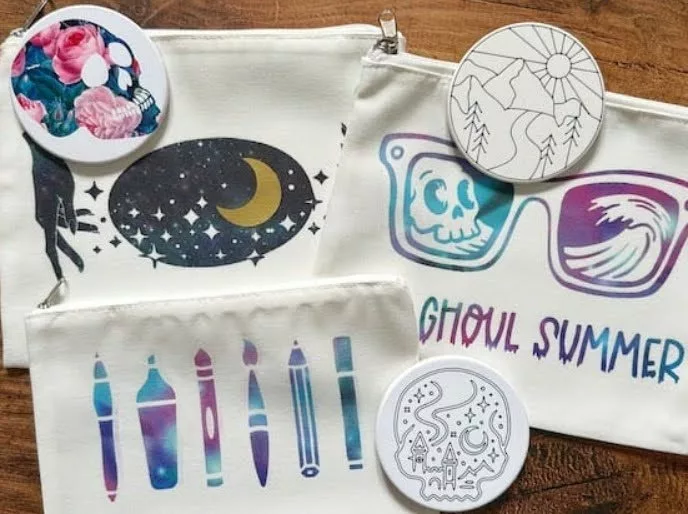
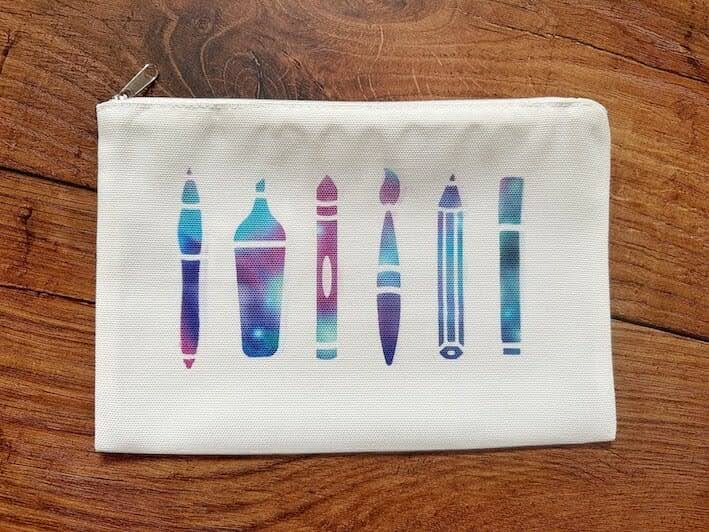
The landscape of home-based textile and gift customization has undergone a significant technological shift with the integration of sublimation-style processes into the consumer market. Leading this transition is Cricut Infusible Ink, a proprietary system designed to provide professional-grade, permanent graphic transfers that bypass the traditional limitations of heat-transfer vinyl (HTV). Unlike surface-level applications, this technology utilizes a chemical process to fuse ink directly into the fibers or coatings of a substrate, resulting in a finish that is indistinguishable from factory-printed merchandise. This advancement allows independent creators, small business owners, and hobbyists to produce items that are resistant to the typical degradation associated with home-crafted goods, such as peeling, cracking, or fading over time.
The Science and Mechanics of Infusible Ink
To understand the impact of Cricut Infusible Ink, one must examine the underlying science of sublimation. In a standard heat-transfer application, a solid layer of vinyl or pigment is adhered to the top of a fabric using a heat-sensitive glue. In contrast, Infusible Ink operates via a phase transition. When subjected to high temperatures—typically between 385°F and 400°F—the solid ink on the transfer sheet or pen-drawn design converts directly into a gas without passing through a liquid state.
Simultaneously, the high heat causes the polymers in the base material (the "blank") to expand and open. The gaseous ink permeates these open pores. As the heat source is removed and the material cools, the pores close, trapping the ink inside the structure of the material. The ink reverts to a solid state, becoming a permanent part of the molecular makeup of the item. This results in a "zero-hand" feel, meaning the user cannot feel the design on the surface of the fabric, a characteristic highly valued in professional apparel production.
Chronology of the Customization Process
The successful implementation of Infusible Ink technology follows a rigorous chronological workflow. Deviating from these steps often results in "ghosting" (blurred edges) or inconsistent color saturation.
Phase 1: Digital Design and Preparation
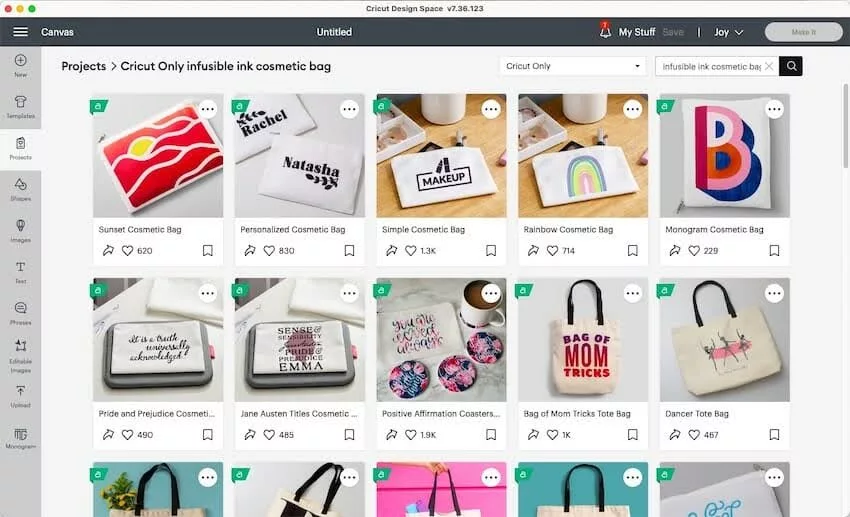
The process begins in a digital environment, typically Cricut Design Space. Users select or create vector graphics or text. A critical technical requirement at this stage is the "Mirror" function. Because the design is placed face-down onto the substrate for transfer, the image must be mirrored horizontally in the software to ensure the final output is oriented correctly.
Phase 2: Precision Cutting or Drawing
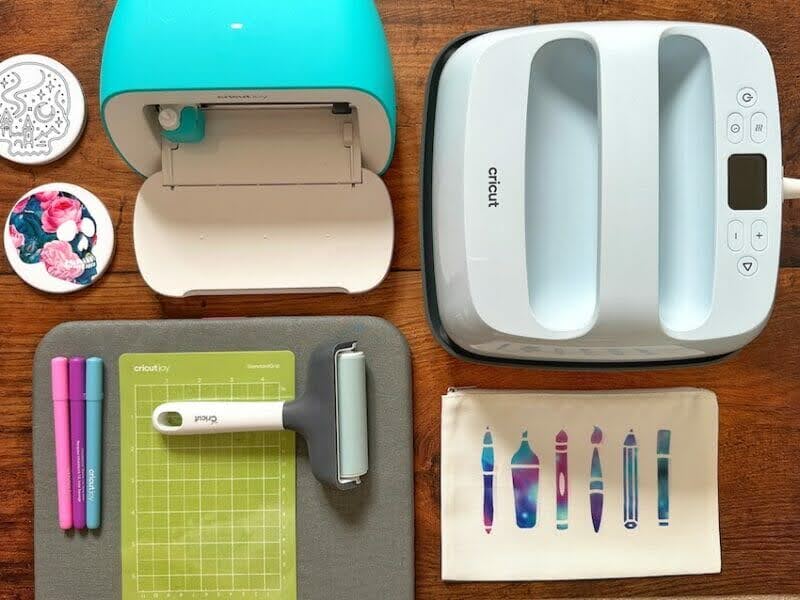
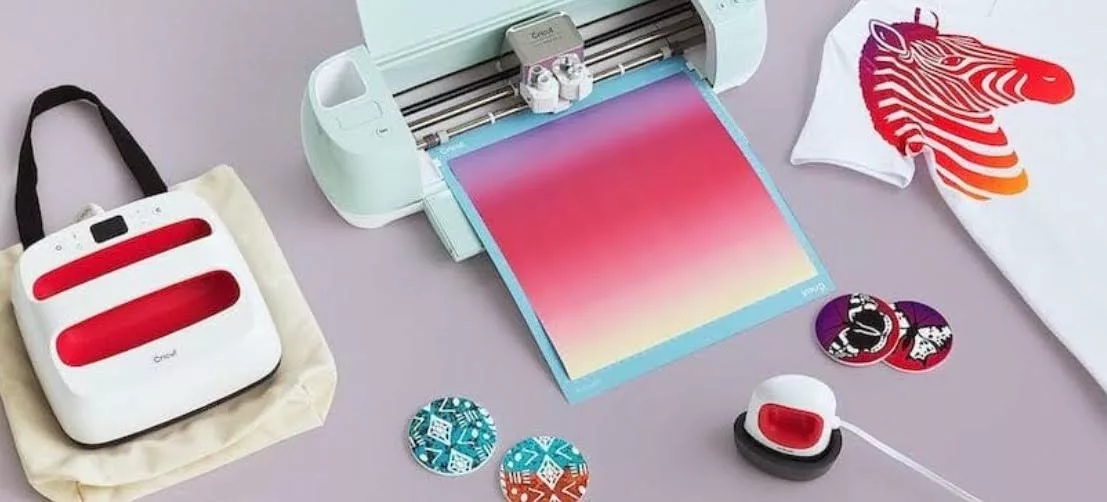
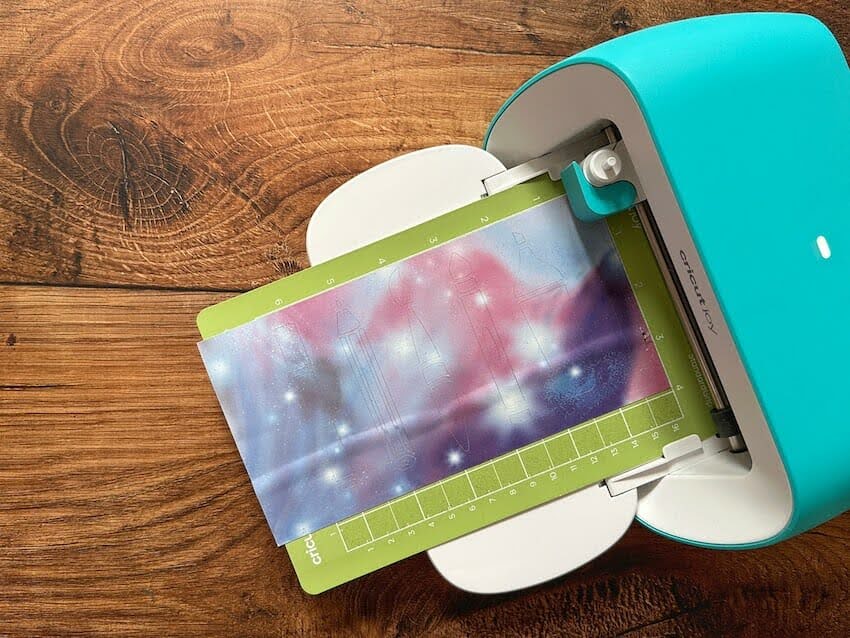
For Infusible Ink Transfer Sheets, a cutting machine—such as the Cricut Explore, Maker, or Joy series—uses a fine-point blade to cut the design into the ink-saturated liner. For Infusible Ink Pens and Markers, the machine draws the design onto standard laser copy paper. This stage requires specific pressure settings; the goal for sheets is a "kiss cut," where the blade cuts through the ink layer but leaves the clear carrier sheet intact.
Phase 3: Weeding and Substrate Preparation
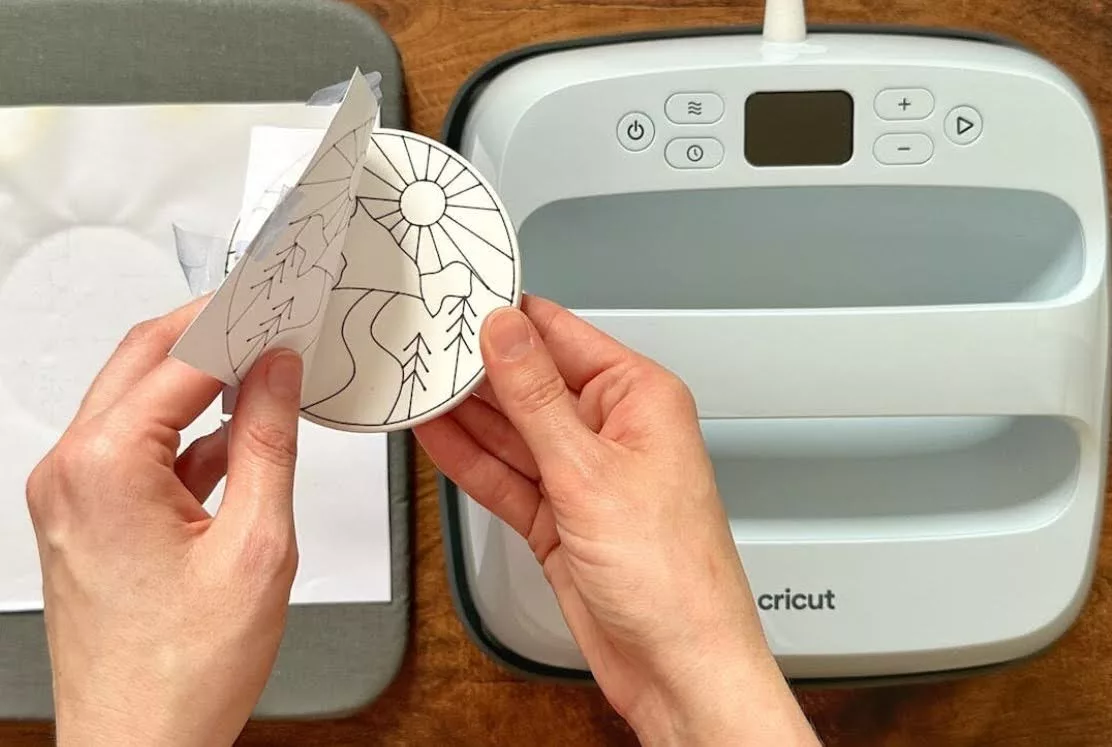
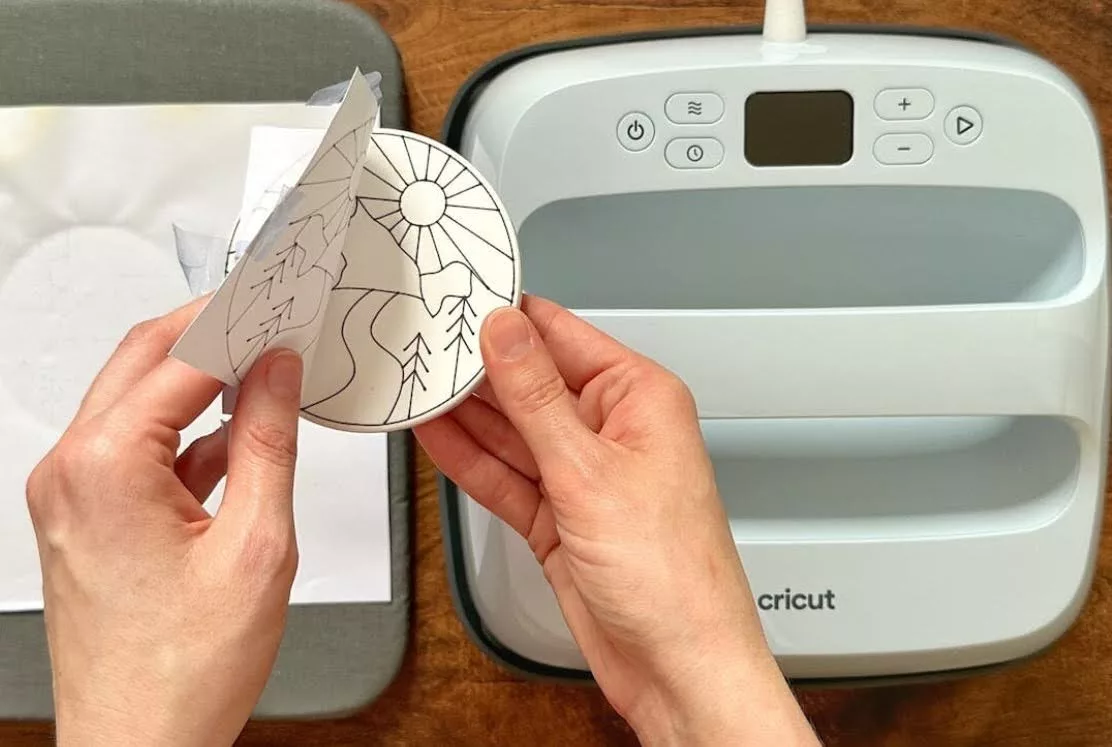
"Weeding" in the context of Infusible Ink differs from vinyl. Because the sheets are made of a paper-like material, users typically "crack" the paper by slightly bending it, then use their fingers or tweezers to remove the negative space. The substrate (T-shirt, tote, or coaster) must be prepped to remove moisture and debris. A lint roller is used on fabrics, while a lint-free cloth is used on hard surfaces. A "pre-heat" of the substrate for 15 seconds is standard practice to eliminate any latent humidity that could turn to steam and interfere with the gas transfer.
Phase 4: Thermal Transfer
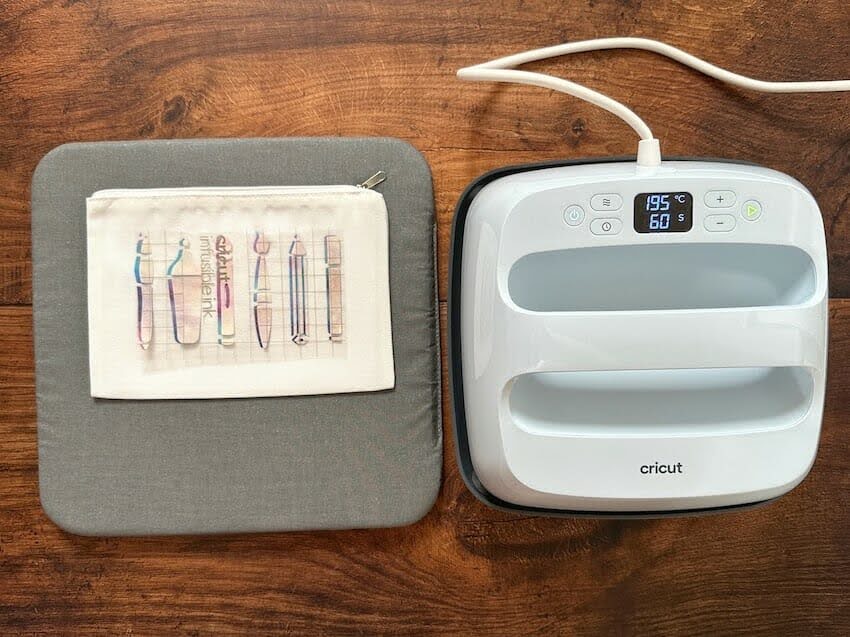
The final stage involves the application of a heat press. Unlike a household iron, which has fluctuating temperatures and steam holes, a dedicated heat press (like the Cricut EasyPress) provides the edge-to-edge consistent heat and heavy pressure required for sublimation. The design is placed face-down, covered with butcher paper (to protect the press from escaping gas), and heated for 40 to 240 seconds depending on the material.
Material Compatibility and Technical Constraints
A primary constraint of Infusible Ink technology is the requirement for specific chemical compositions in the "blank" materials. The sublimation process only bonds with polymers, specifically polyester.
- Apparel: For optimal results, fabrics should have at least an 80% polyester content. While the ink will bond with a 65% polyester blend, the colors will appear "vintage" or faded. It will not bond with 100% cotton, as natural fibers do not have the necessary pores to trap the gaseous ink; the design would simply wash away in the first laundry cycle.
- Hard Surfaces: Items such as ceramic coasters, mugs, and aluminum sheets must be manufactured with a special poly-coating. Without this synthetic layer, the ink has no medium to inhabit.
- Color Constraints: The technology is additive. Because the ink is transparent in its gaseous state, it must be applied to white or very light-colored backgrounds. Applying a blue ink design to a red shirt will result in a purple-tinted, muddy output.
Market Analysis and Consumer Impact
The introduction of accessible sublimation technology has significantly lowered the barrier to entry for the "Maker Economy." According to market research on the global personalized gift market—which is projected to reach several billion dollars by the end of the decade—the demand for high-durability, custom-made goods is at an all-time high.
Industry analysts note that Cricut’s simplification of the sublimation process has disrupted the traditional screen-printing and professional sublimation industries. Previously, sublimation required expensive wide-format printers and specialized software. By providing pre-inked sheets and pens that work with existing cutting machines, the company has democratized professional-grade manufacturing. This has empowered a new demographic of "micro-entrepreneurs" who sell bespoke items on platforms like Etsy and Shopify, providing them with a product that rivals the quality of large-scale retail manufacturers.
Safety and Maintenance Protocols
From a journalistic and safety perspective, users must be aware of the environmental factors involved in thermal ink transfer. The heating of polymer-based inks can release minor fumes; therefore, operation in a well-ventilated area is recommended.
Regarding the longevity of the finished product, the maintenance protocols are strictly fact-based. Because the ink is embedded, it can withstand high-frequency washing. However, to prevent the breakdown of the polyester fibers themselves, manufacturers recommend:
- Laundry: Machine wash cold with mild detergent. Avoid fabric softeners, which can coat the fibers and dull the design’s appearance.
- Drying: Tumble dry on low or air dry.
- Hard Goods: For coasters and mugs, hand-washing is generally preferred to maintain the integrity of the poly-coating, though many Infusible Ink-compatible blanks are rated as dishwasher safe.
Comparative Analysis: Infusible Ink vs. Heat Transfer Vinyl (HTV)
The decision between using Infusible Ink or HTV depends on the desired outcome and the material used. HTV remains the industry standard for 100% cotton fabrics and dark-colored materials, where the opacity of the vinyl allows the design to stand out. HTV is also more versatile in terms of "specialty" finishes, such as glitter, holographic, or flock textures.
However, Infusible Ink is superior in terms of durability and "wearability." In a side-by-side comparison after 50 wash cycles, an HTV design may show signs of "spider-webbing" or lifting at the edges due to the degradation of the adhesive. An Infusible Ink design remains unchanged, as there is no adhesive to fail. For items subject to heavy use, such as athletic wear or frequently washed baby onesies, the sublimation process is the more technically sound choice.
Broader Implications for the DIY Industry
The evolution of Cricut Infusible Ink represents a broader trend in the DIY industry: the shift from "crafty" aesthetics to "professional" results. As the technology continues to iterate, it is expected that the range of compatible materials will expand. There is ongoing research into pre-treatment sprays that could potentially allow sublimation on natural fibers, though these are currently in the experimental phase and not yet standardized for consumer use.
For the modern creator, mastering these tools is less about traditional crafting and more about understanding the intersection of chemistry and design. The ability to produce fade-proof, flake-proof, and wash-proof items at home marks a significant milestone in the decentralization of manufacturing, allowing the individual to compete with established brands in the personalized merchandise space. Through precise temperature control, material selection, and digital design, the "magical" process of Infusible Ink is revealed to be a robust, scientific solution for high-end customization.