


The holiday retail landscape is witnessing a significant shift as consumers increasingly pivot away from mass-produced seasonal goods in favor of personalized, cost-effective alternatives. As the cost of pre-packaged advent calendars continues to rise—often exceeding $40 per unit for licensed toy brands—families with multiple children are facing substantial financial outlays for traditions that frequently yield diminishing returns in engagement. In response to this trend, home organization experts and DIY designers are championing the use of repurposed household items, such as over-the-door shoe organizers, to create high-capacity, customized advent calendars that cater to large households while maintaining a strict budget.
The Economic Impetus for Customized Holiday Countdowns
The traditional advent calendar market has expanded far beyond simple chocolates, now encompassing luxury beauty products, high-end spirits, and elaborate toy sets from franchises such as LEGO, Star Wars, and Disney. For a family with four children, the purchase of individual themed calendars can easily exceed $160. Market analysis suggests that while these products offer initial excitement, the "novelty fatigue" often sets in by the third week of December, as children lose interest in repetitive small plastic figures or similar trinkets.
By transitioning to a DIY model, families can redirect these funds toward a curated selection of unique items. Recent consumer data indicates that a $150 budget for a DIY project can cover 24 days of gifts for multiple children, providing a higher perceived value and a more diverse experience than four separate $40 commercial calendars. Furthermore, the DIY approach allows for the inclusion of "family gifts"—such as board games or shared treats—that foster communal interaction rather than individual consumption.
Structural Engineering and Material Selection
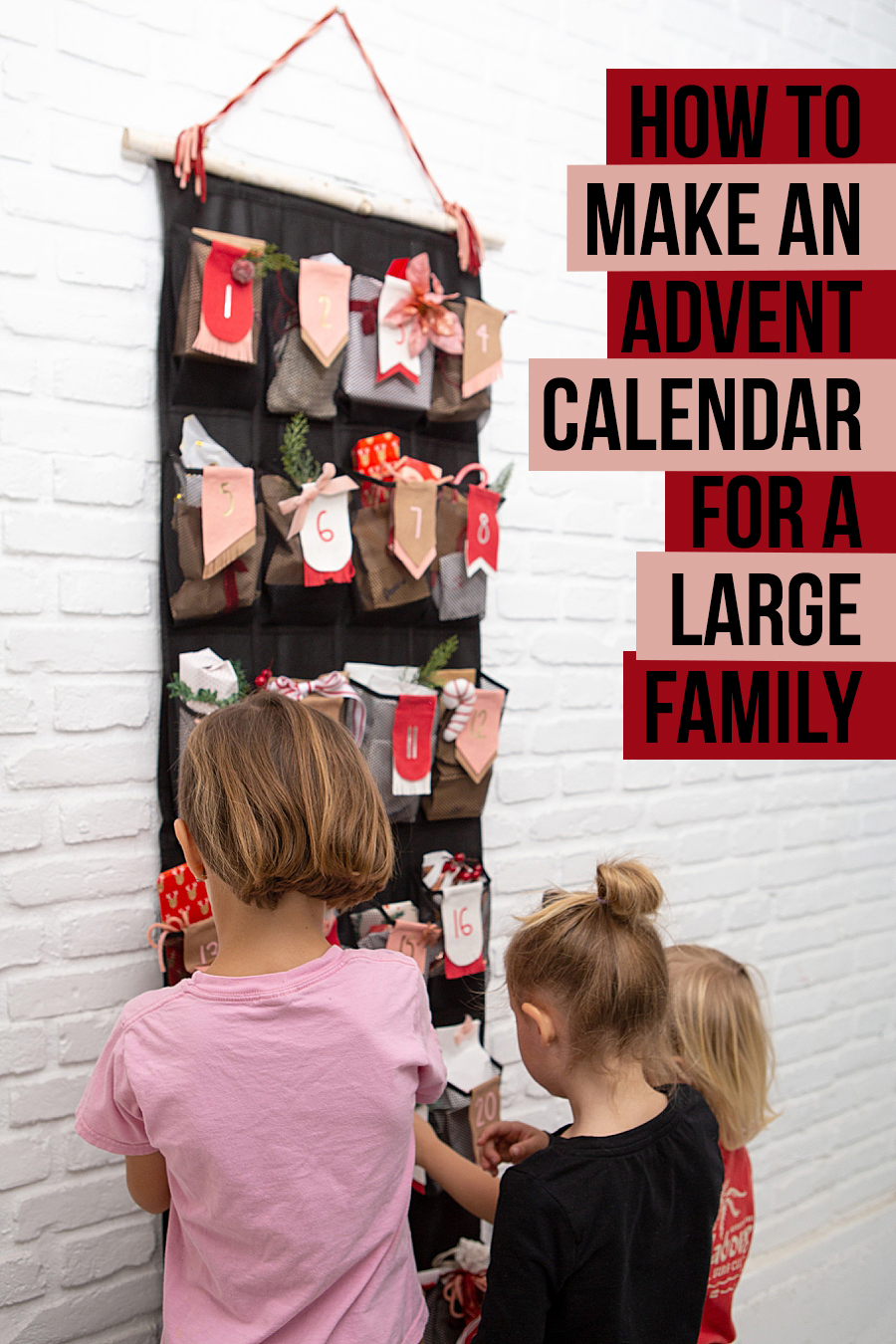
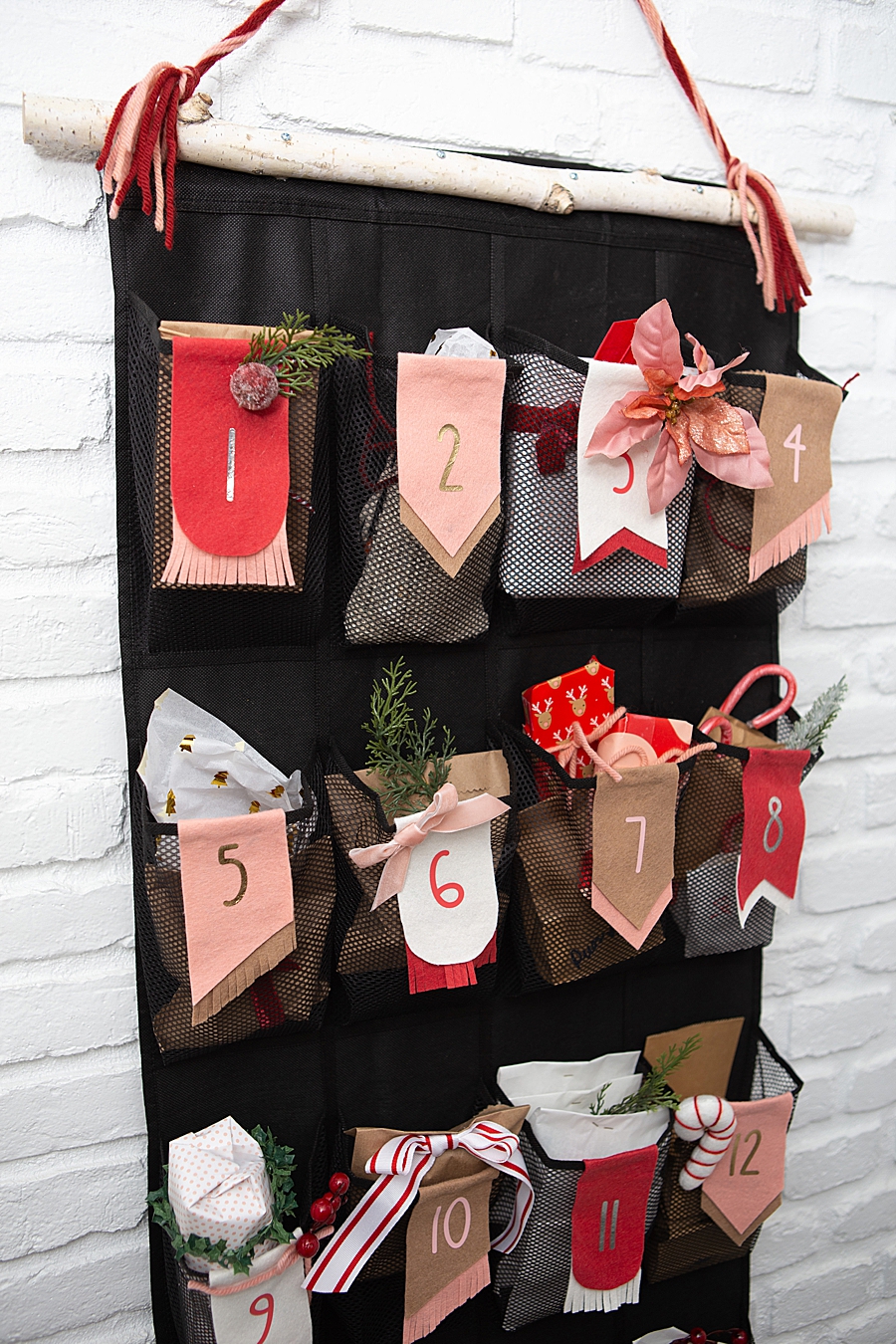
The centerpiece of this innovative holiday solution is the standard 24-pocket back-of-the-door shoe organizer. Typically manufactured from reinforced canvas or heavy-duty plastic, these organizers provide the ideal grid for a 24-day countdown. However, the weight of 24 or more wrapped gifts necessitates a structural upgrade to ensure the calendar remains secure throughout the month.
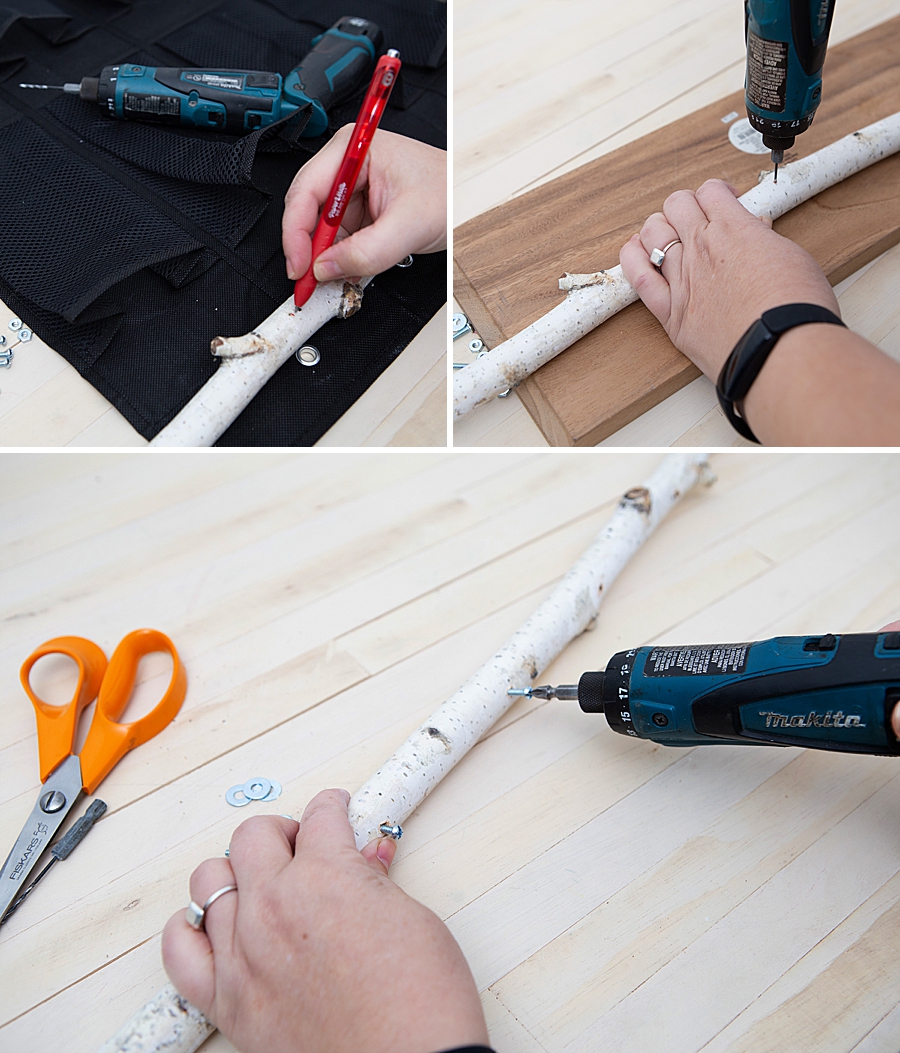
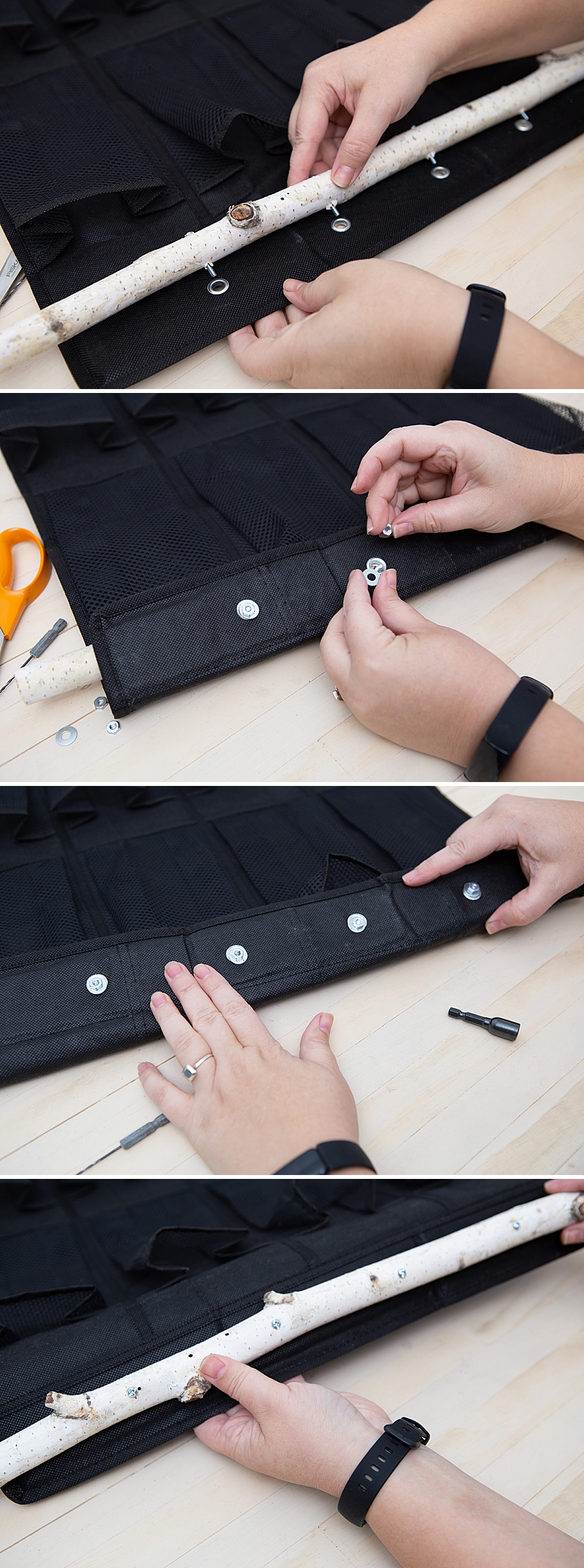
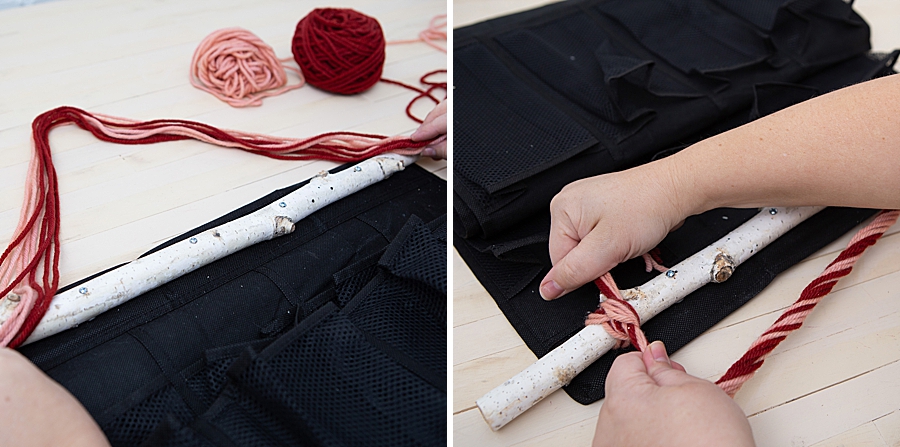
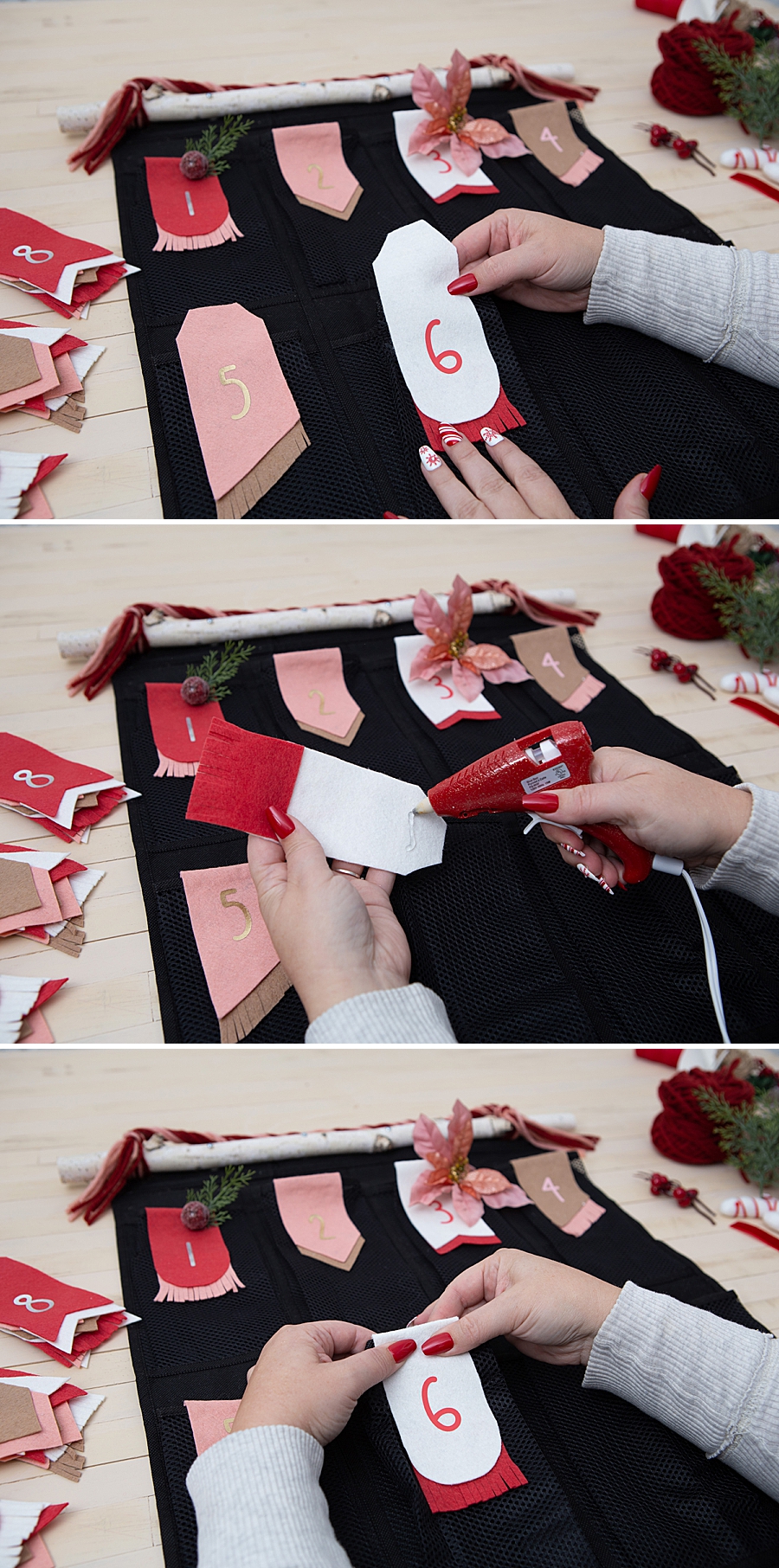
To address the load-bearing requirements, designers recommend the integration of a structural anchor. In a recent implementation by DIY specialist Jen Causey-Kidder of Something Turquoise, a sturdy decorative branch was utilized as a mounting bar. The technical process involved drilling through the wood and attaching the shoe organizer using 1.25-inch bolts, washers, and nuts. This mechanical fastening system prevents the fabric from sagging or tearing under the cumulative weight of the gifts. The assembly was then suspended using high-tensile yarn or cord, distributing the weight evenly across the mounting point.
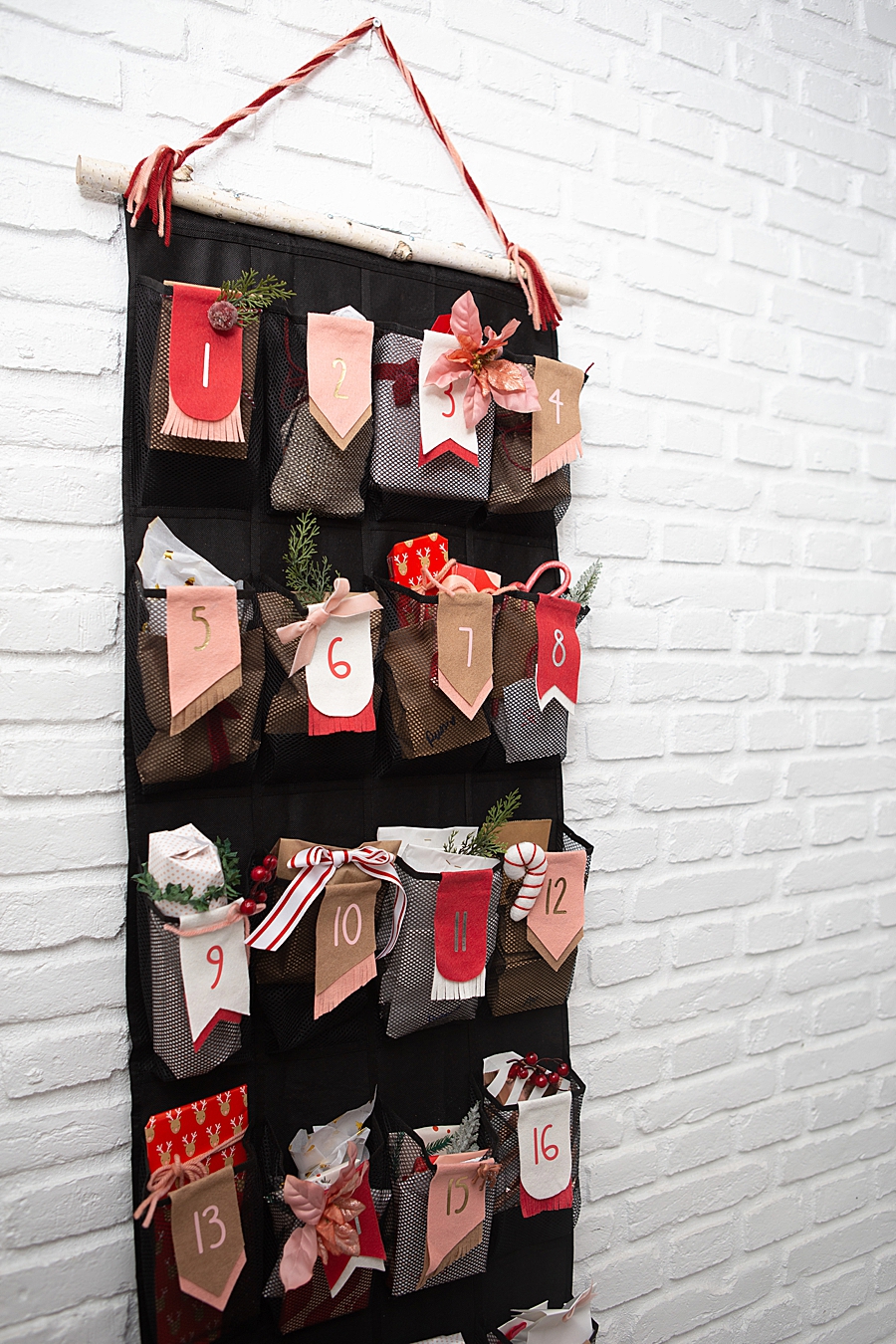
For the aesthetic components, the project utilized high-quality materials to ensure durability for multi-year use:
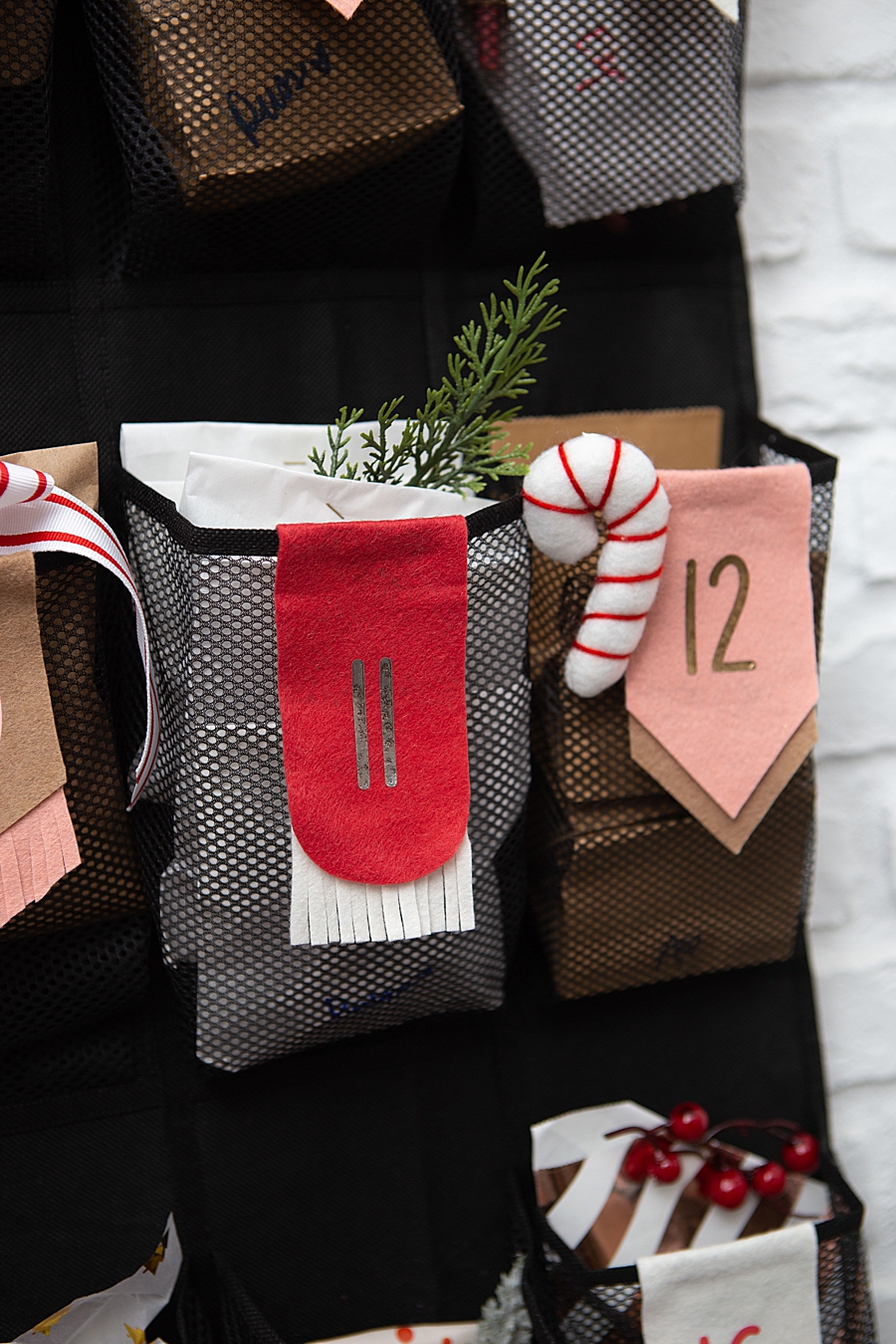
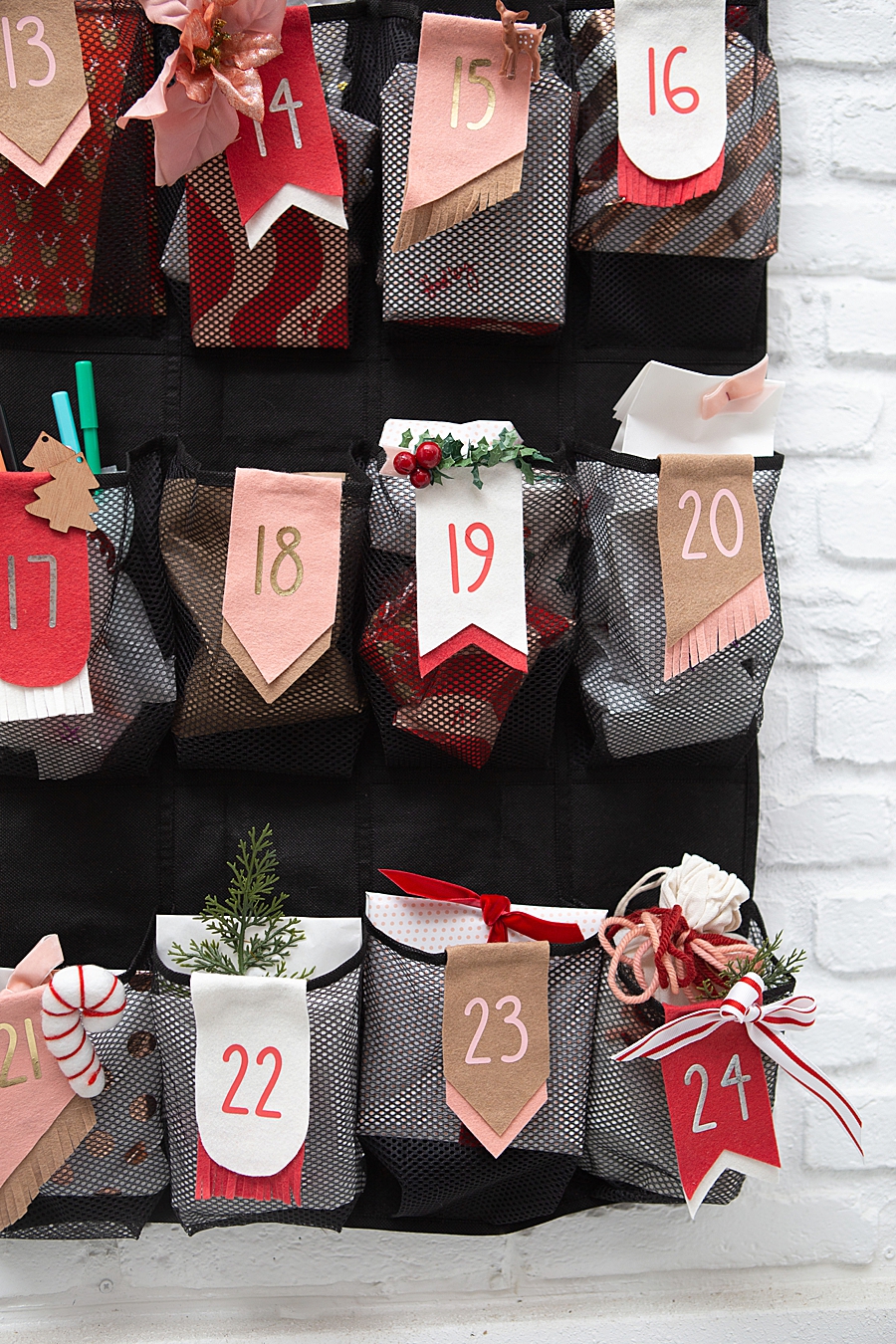
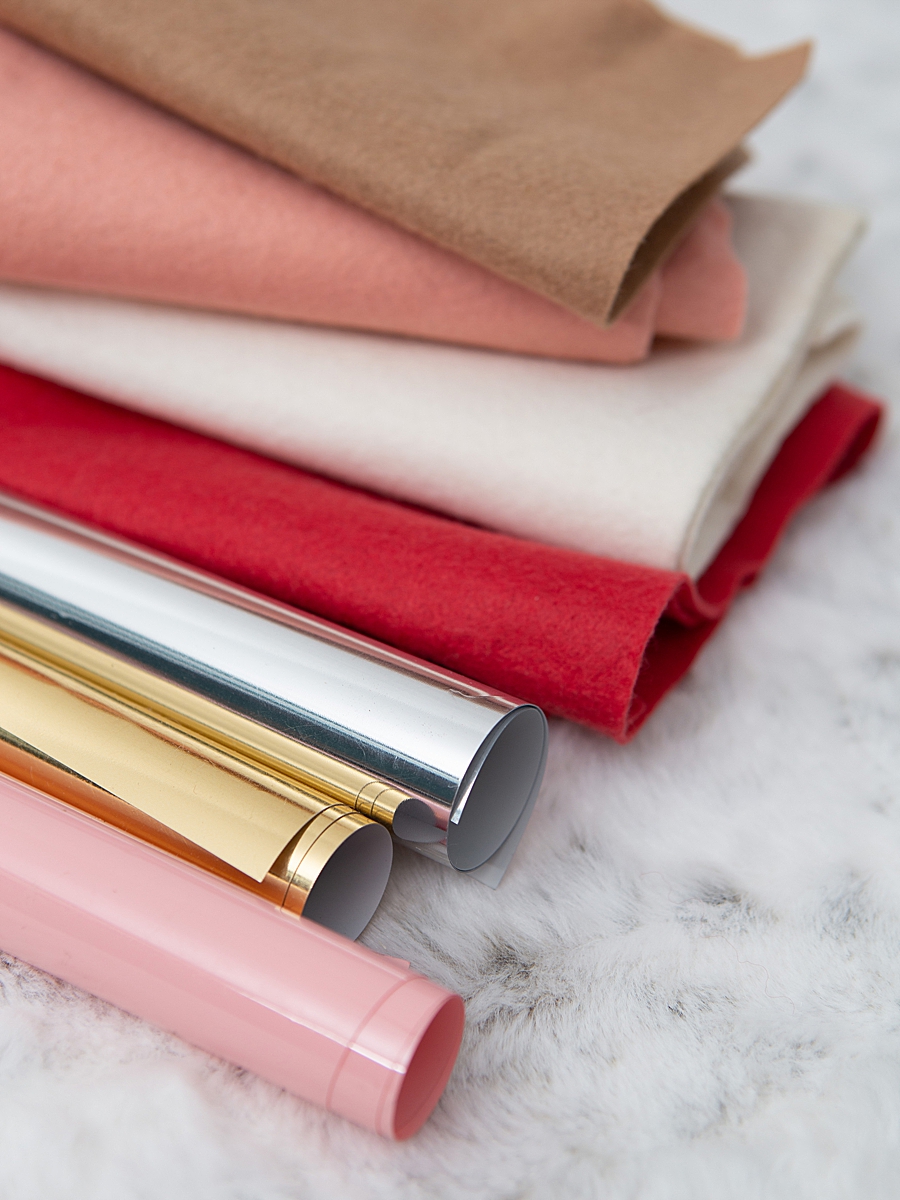
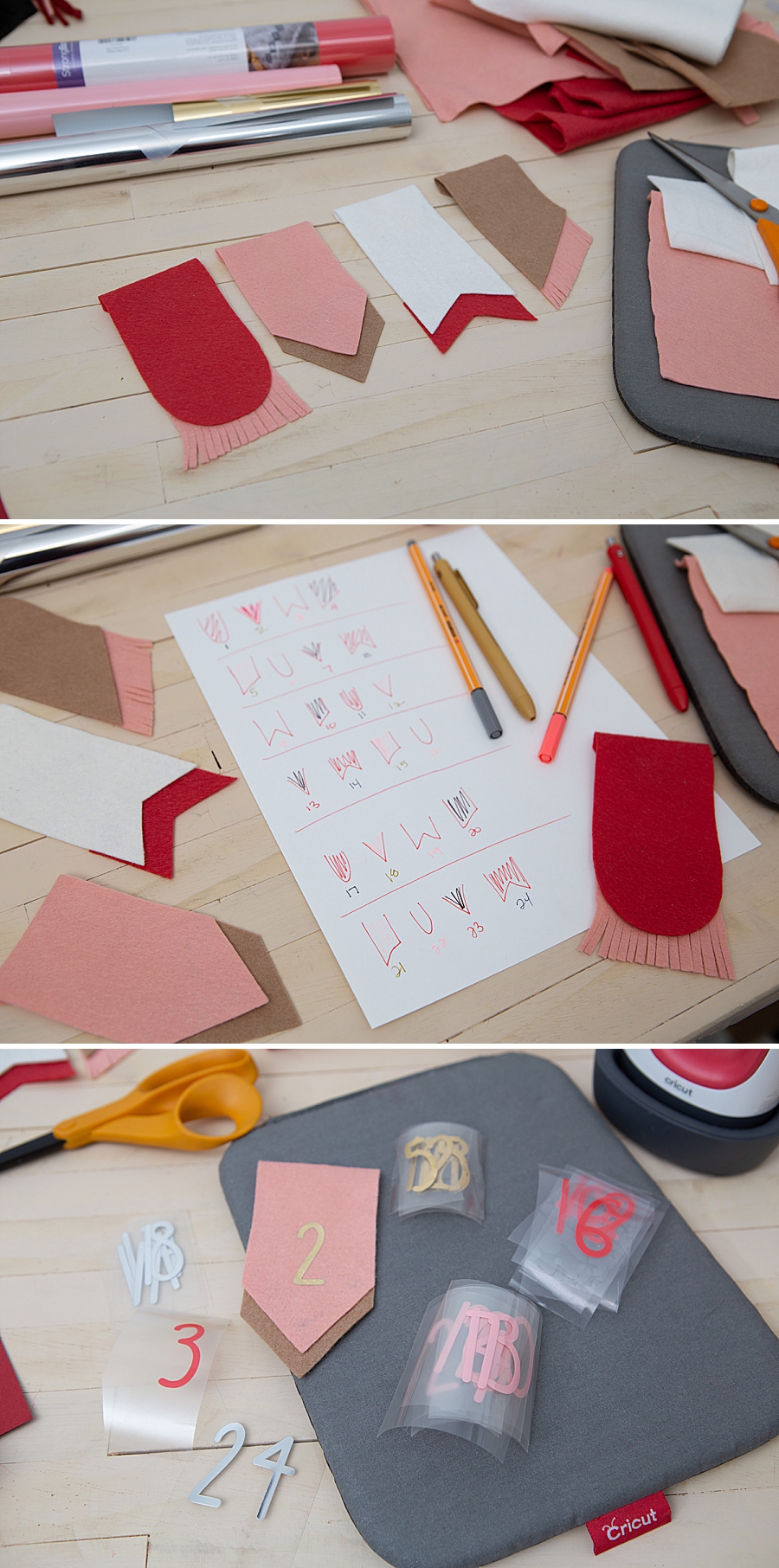
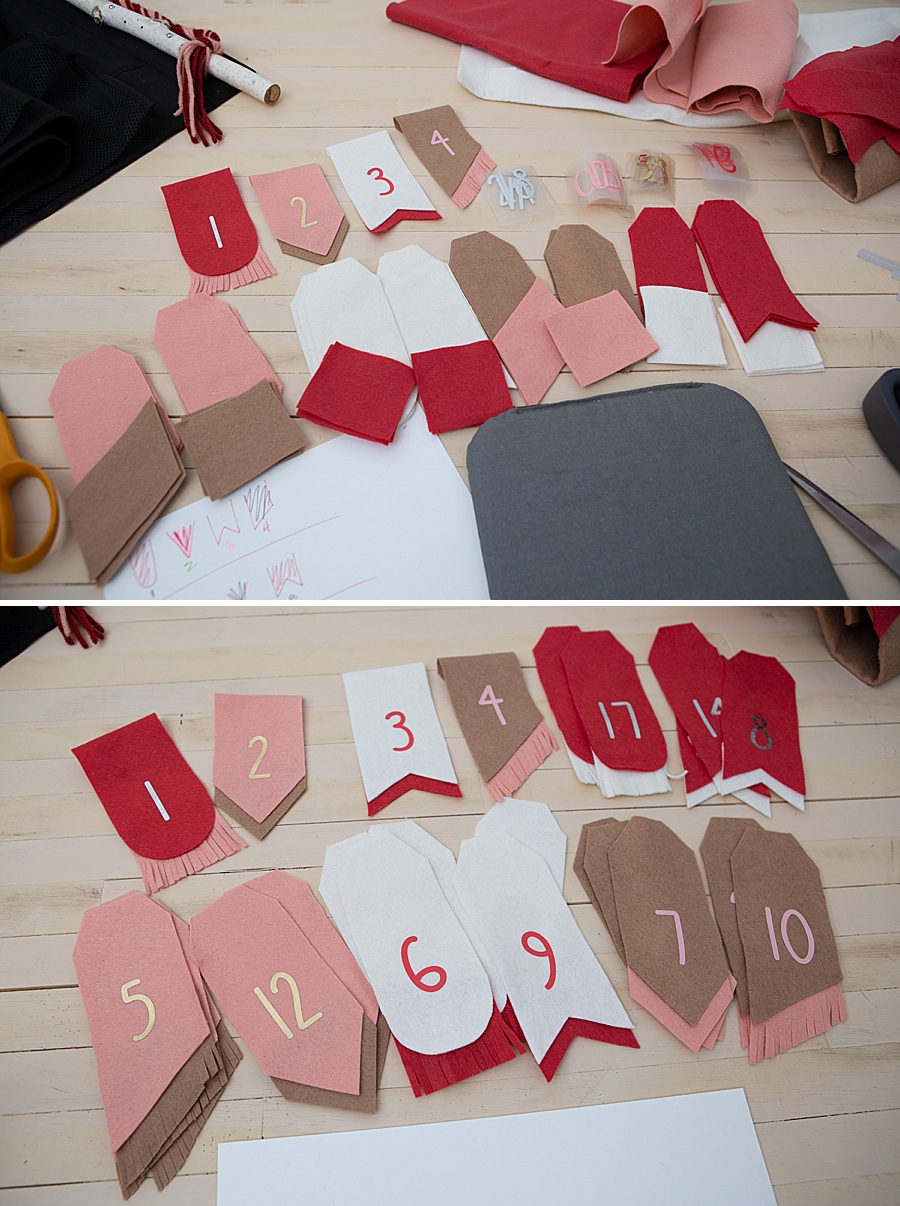
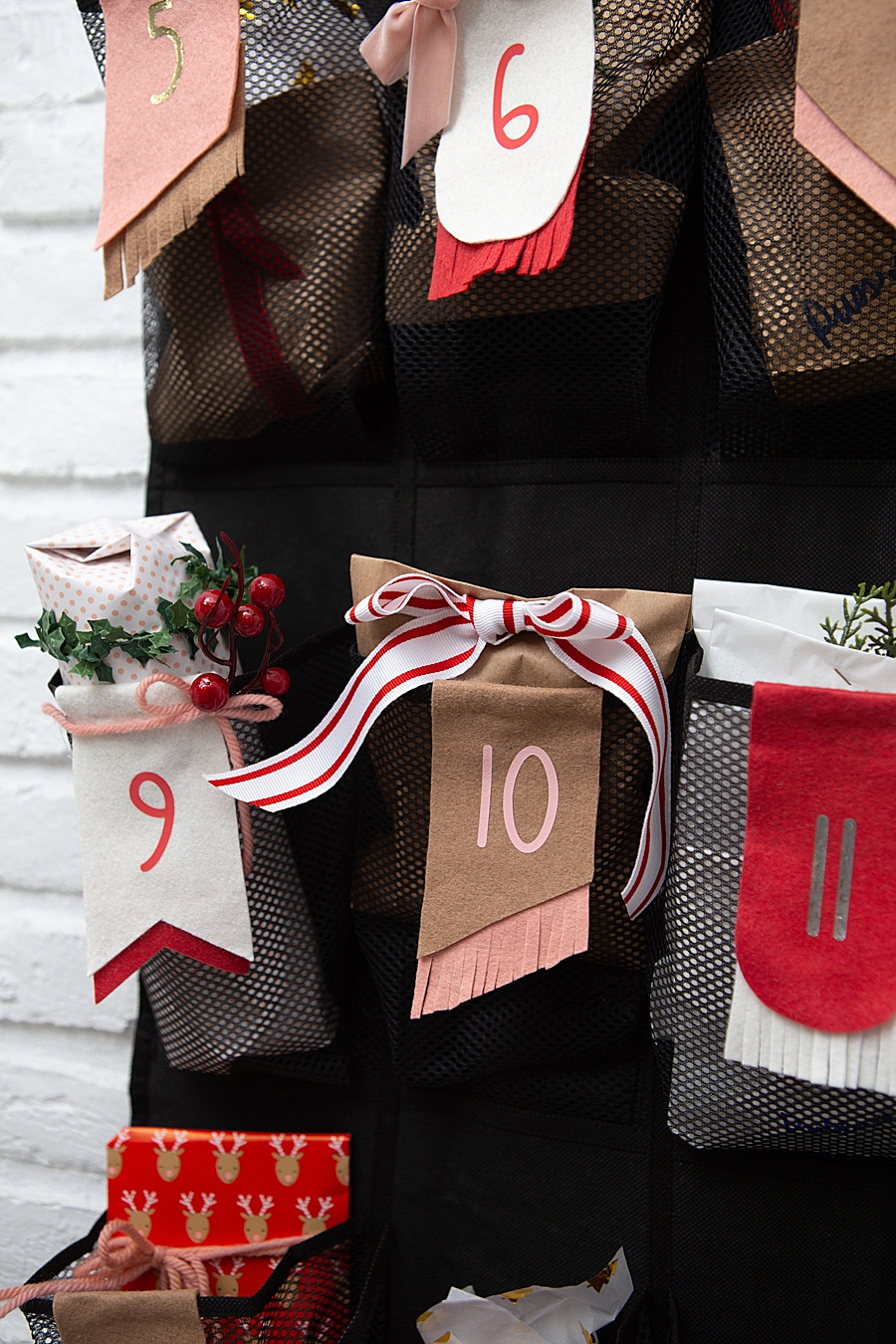
- Felt Accents: Premium felt from specialized suppliers like Benzie Design (in palettes such as Red, Blush, and Castle) provides a tactile and visually appealing base for date tags.
- Adhesion: Industrial-grade hot glue is the preferred adhesive for securing felt tags to the shoe organizer pockets, offering a bond strong enough to withstand daily interaction from young children.
- Textiles: The use of iron-on vinyl allows for professional-grade numbering, ensuring clarity and a polished finish that rivals commercial products.
Technological Integration in Modern Crafting
The intersection of traditional crafting and modern technology is evident in the production of the calendar’s numbering system. The use of digital cutting machines, such as the Cricut, has revolutionized the precision with which DIY projects are executed. By utilizing platforms like Cricut Design Space, creators can design intricate typography—such as the "BFC Autumn Harvest" font—and cut uniform iron-on transfers in various finishes, including gold and silver foil.
This technological approach allows for a level of customization unavailable in mass-market products. Designers can color-code tags or create specific patterns that signal which child should open a gift on a specific day, or simply create a cohesive visual theme that matches the home’s interior holiday decor. The planning phase often involves digital charting to ensure a balanced distribution of colors and styles across the 24-day grid.
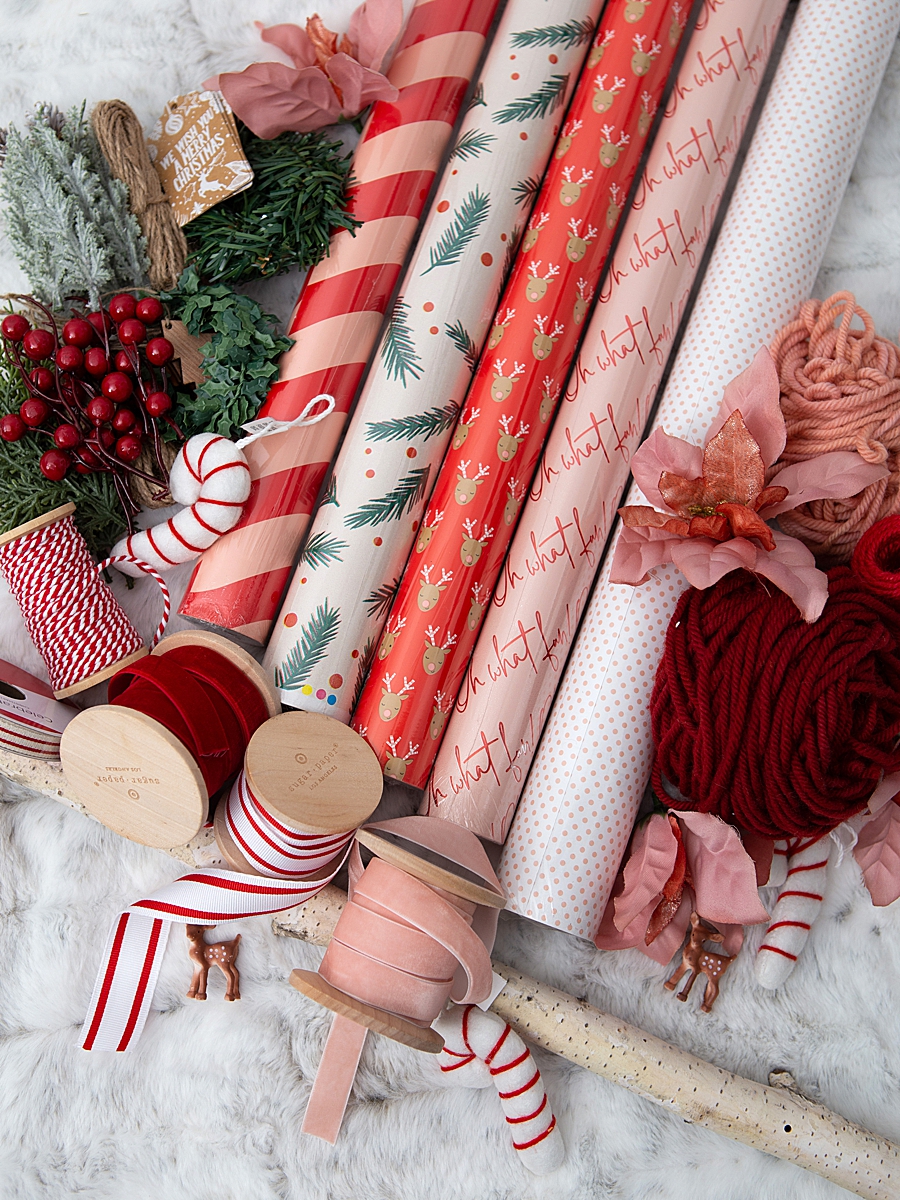
Curatorial Strategy: Diversifying the Gift Inventory
The primary advantage of a high-capacity DIY advent calendar is the ability to customize the contents to the specific ages and interests of the children. While commercial calendars are limited by a single theme, a manual curation allows for a "mix-and-match" strategy.
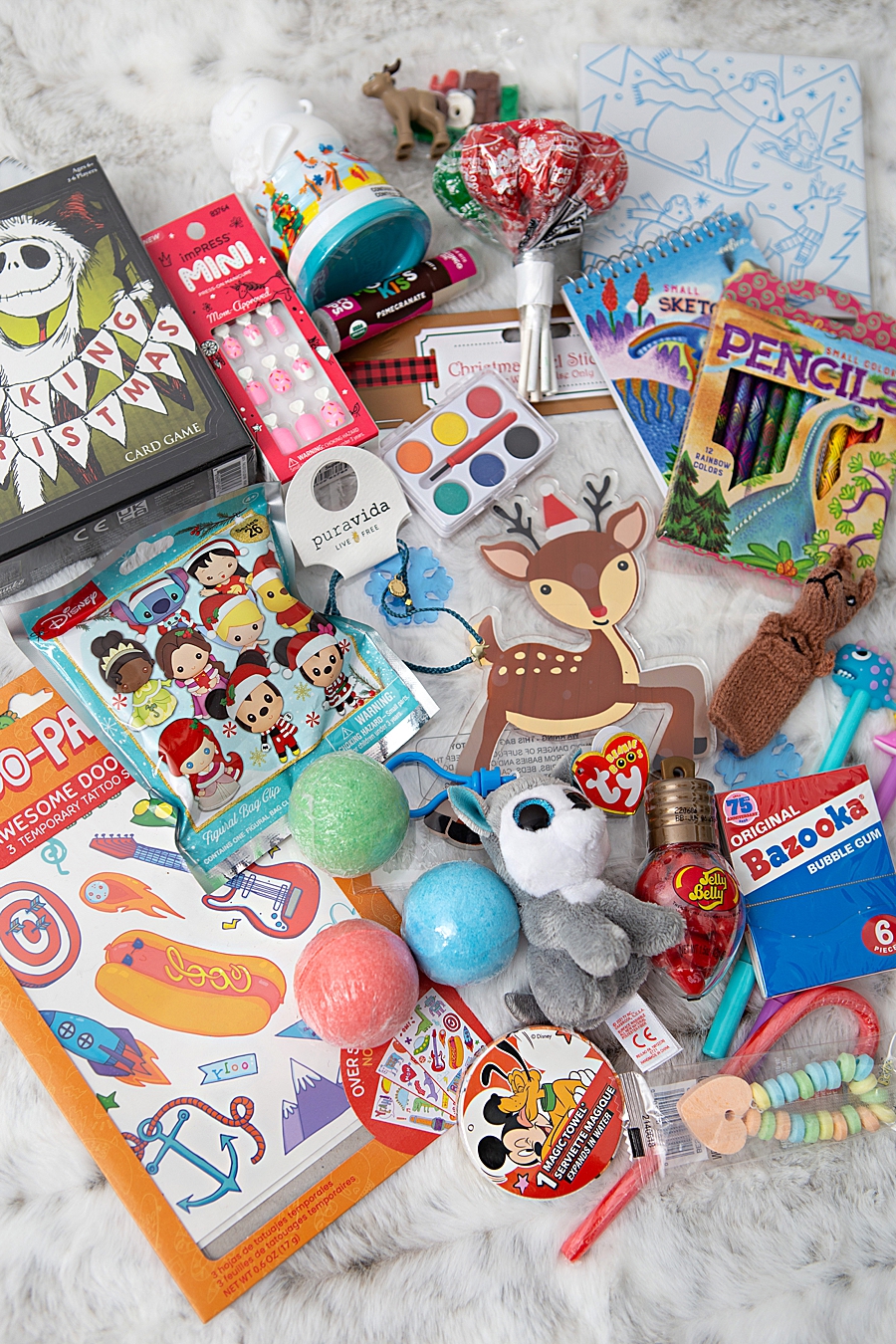
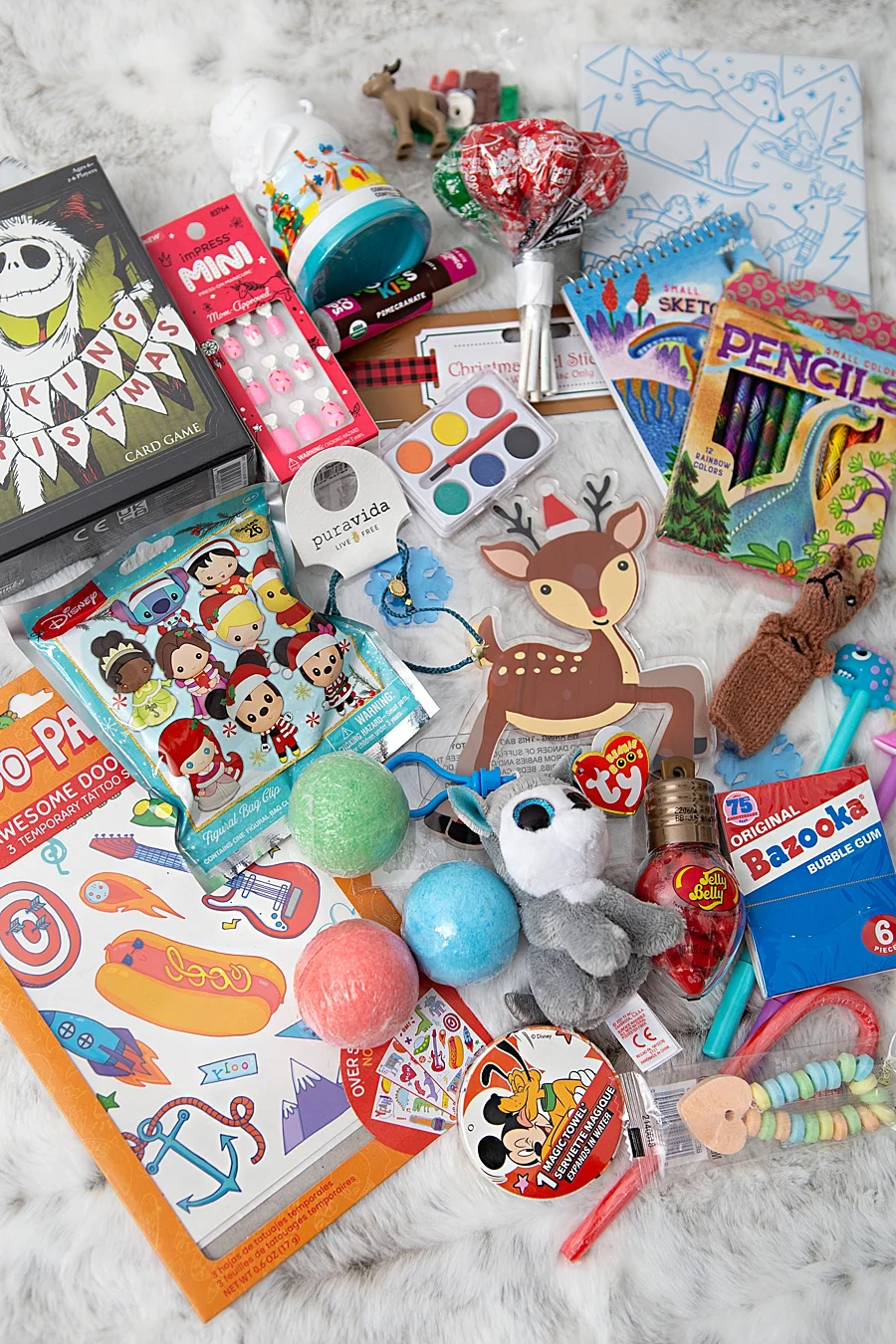
A comprehensive inventory for a diverse age range (from toddlers to elementary-aged children) might include:
- Creative Supplies: Mini watercolor sets, colored pencils, mini notebooks, and paper scratchers.
- Sensory Toys: Play-Dough, bath bombs, and "magic towels" that expand in water.
- Fashion and Accessories: Pura Vida bracelets, press-on nails (such as KISS imPress), and temporary tattoos.
- Traditional Toys: Die-cast cars, dinosaurs, finger puppets, and small LEGO polybags.
- Practical Items: Chapstick, scented gum, and festive stationery.
The procurement process for these items typically spans several months, with savvy consumers sourcing inventory from a variety of retailers, including Target, Dollar Tree, and specialized boutiques. This "slow collection" method allows for a more thoughtful selection of gifts and helps distribute the financial impact over a longer period.
Logistical Challenges in Multi-Generational Households
Managing a shared advent calendar in a household with children of vastly different ages requires strategic planning. In a family with children ranging from 14 months to 7 years old, safety and "gift envy" are primary concerns.
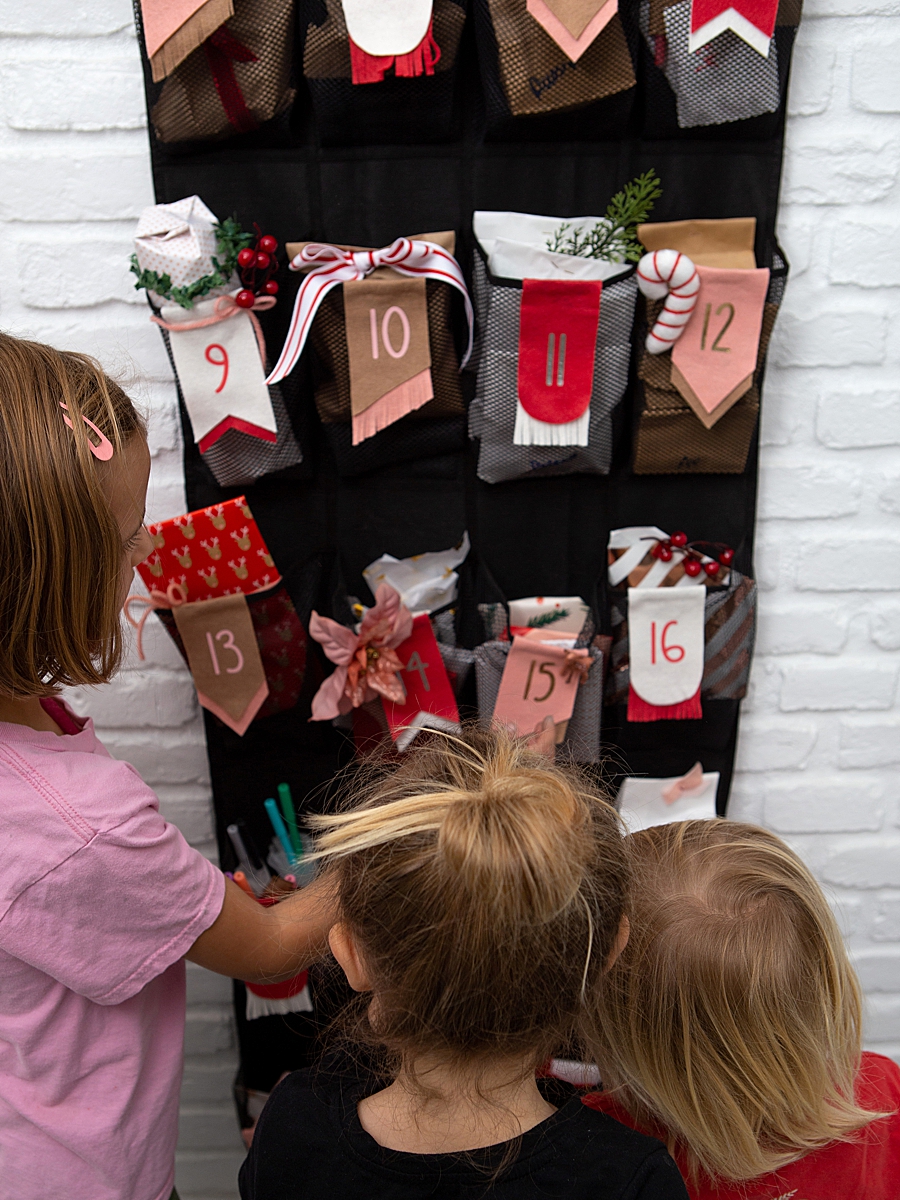
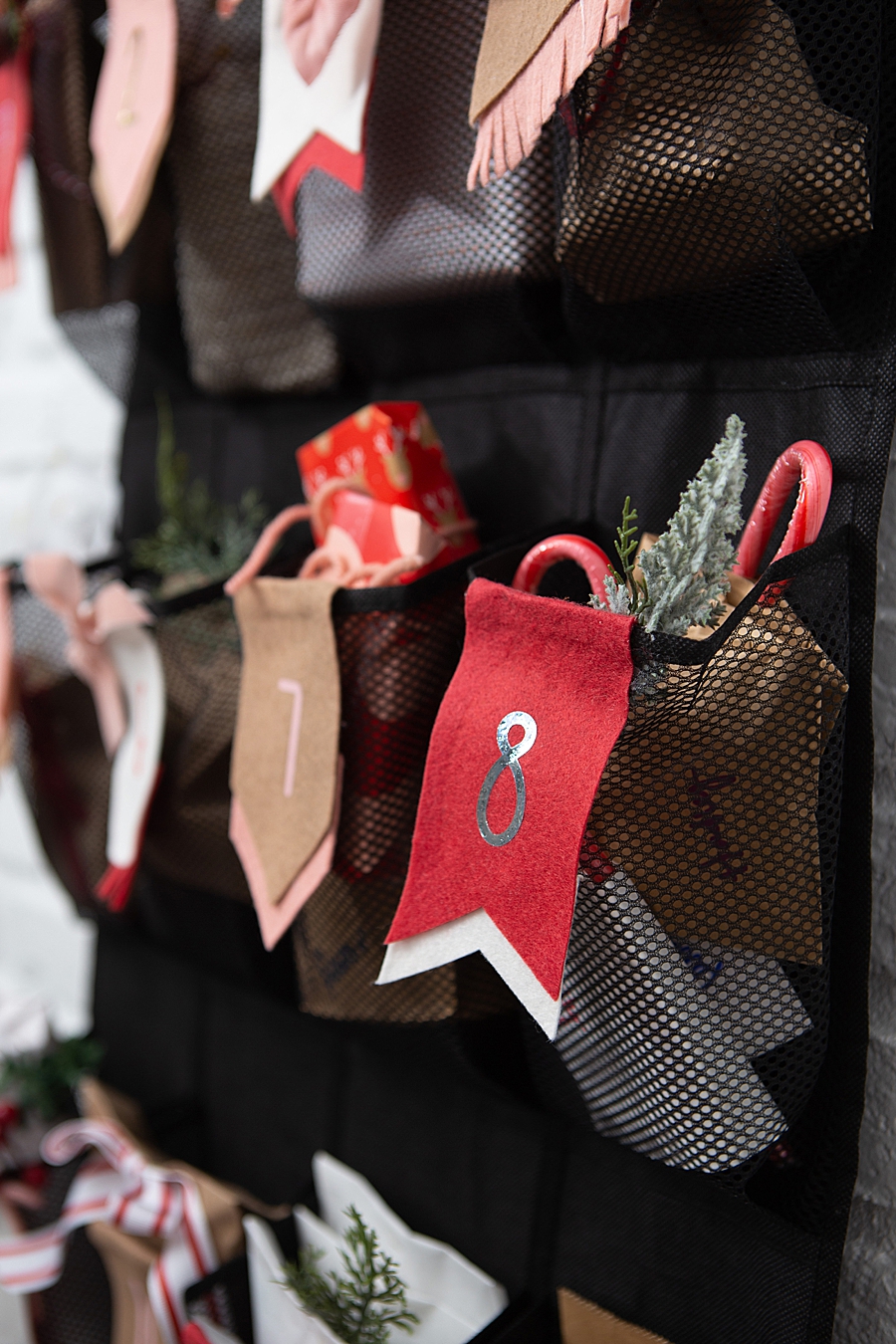
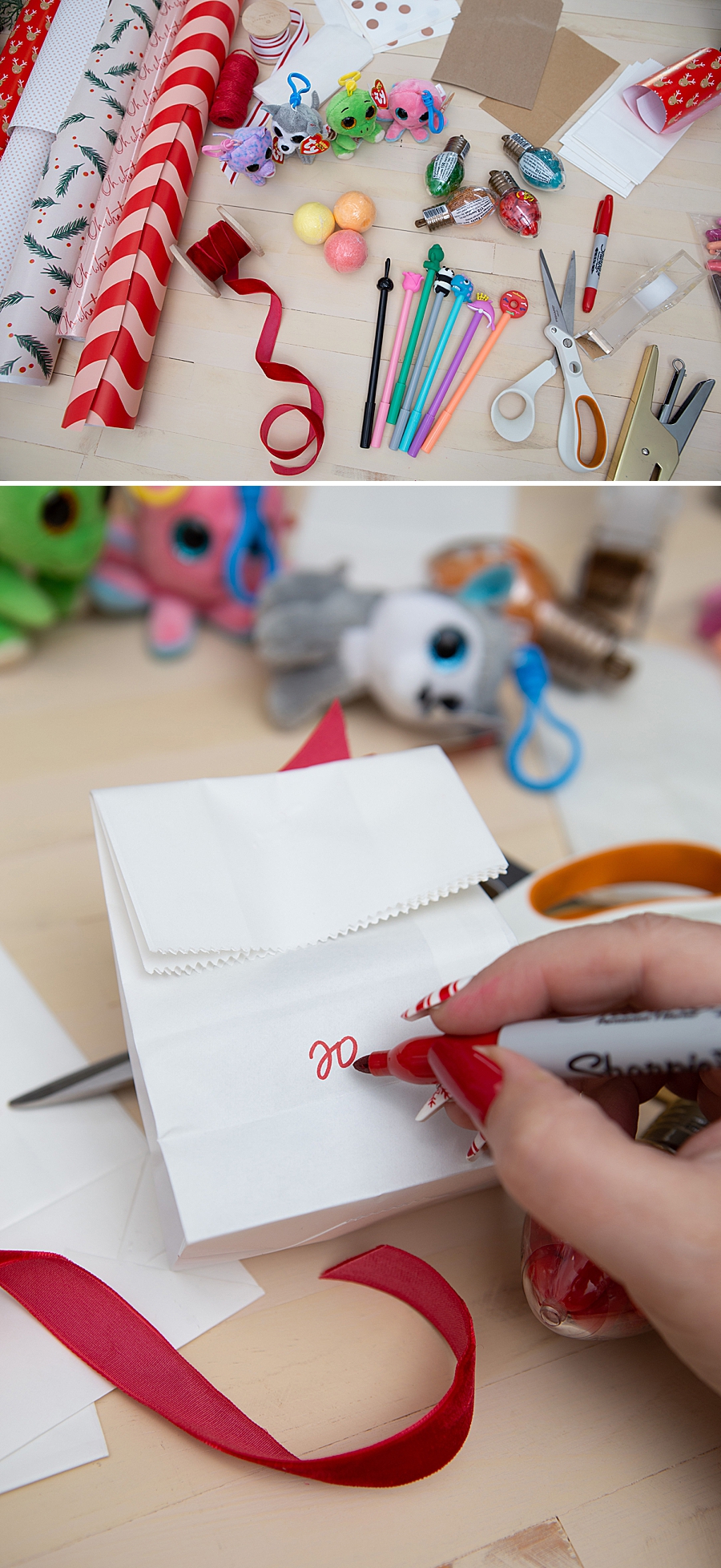
One effective organizational technique is the "pre-dated wrapping" method. By writing the specific date of opening on the exterior of each wrapped gift before placing it in the pocket, parents can manage the flow of the month and ensure that age-appropriate gifts are opened by the correct child. Furthermore, placing more fragile or complex items in the higher pockets—out of reach of toddlers—prevents premature opening or accidental damage.
This system also allows for the occasional inclusion of "parental gifts." On specific days, such as weekends or Christmas Eve, the pockets can hold small treats for the adults, transforming the advent calendar from a child-centric activity into a full-family tradition.
Sustainability and Long-Term Value Analysis
From a sustainability perspective, the DIY shoe-organizer advent calendar offers a significant reduction in waste compared to traditional options. Most commercial toy calendars utilize large amounts of single-use plastic tray packaging and non-recyclable cardboard. In contrast, the shoe organizer is a durable item that can be reused for years, either as a calendar or for its original purpose of storage.
The long-term value is also found in the "refillable" nature of the project. While the initial setup—purchasing the organizer, the branch, and the crafting tools—requires an upfront investment, subsequent years only require the cost of the gifts themselves. If the felt tags and decorations are applied with care, the calendar becomes a family heirloom that carries sentimental value, evolving as the children grow.
The Psychological Impact of Personalized Traditions
Child development experts often emphasize the importance of "anticipatory joy" during the holiday season. While commercial calendars provide this through brand recognition, personalized calendars enhance the experience by reflecting the child’s individual identity. The effort invested by parents in curating a "labor of love" is often sensed by children, creating a deeper emotional connection to the holiday countdown.
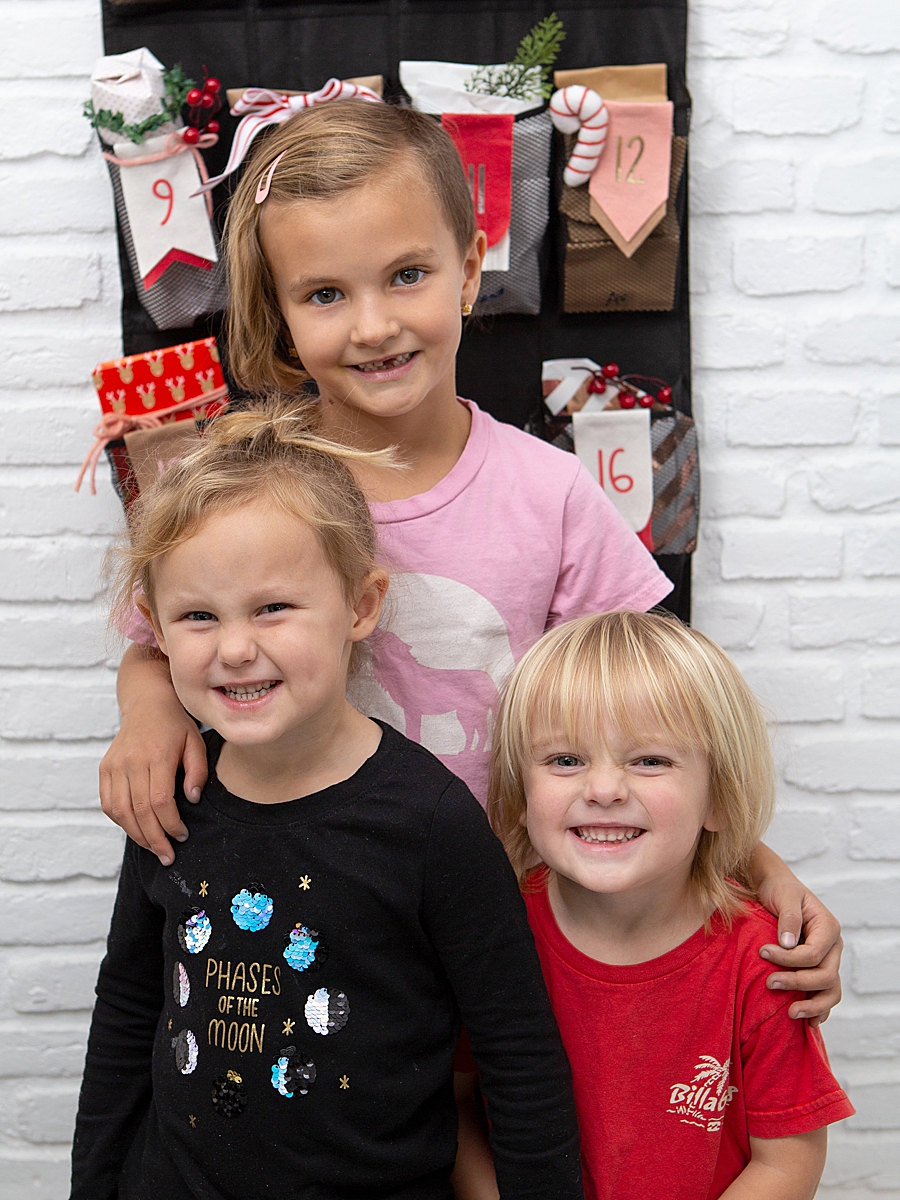
Moreover, the DIY model allows parents to inject "experience-based" gifts into the pockets. A slip of paper promising a "hot cocoa night" or a "drive to see Christmas lights" shifts the focus from material acquisition to shared family experiences. This flexibility is a key differentiator that is driving the popularity of custom advent solutions across North America.
Conclusion: A New Standard for Holiday Celebrations
The rise of the shoe-organizer advent calendar is more than a simple crafting trend; it is a pragmatic response to the commercialization of the holidays. By combining structural ingenuity, technological tools, and a thoughtful curatorial approach, families can create a tradition that is economically sustainable, environmentally conscious, and deeply personal.
As retail prices for licensed goods continue to fluctuate, the "labor of love" embodied in DIY projects provides a stable and rewarding alternative. The success of such projects, as shared through social media platforms and DIY communities like Something Turquoise, serves as a blueprint for large families looking to maximize their holiday budget while creating lasting memories. Through careful planning and a bit of creative engineering, the humble shoe organizer is being elevated to a central role in the modern American Christmas.