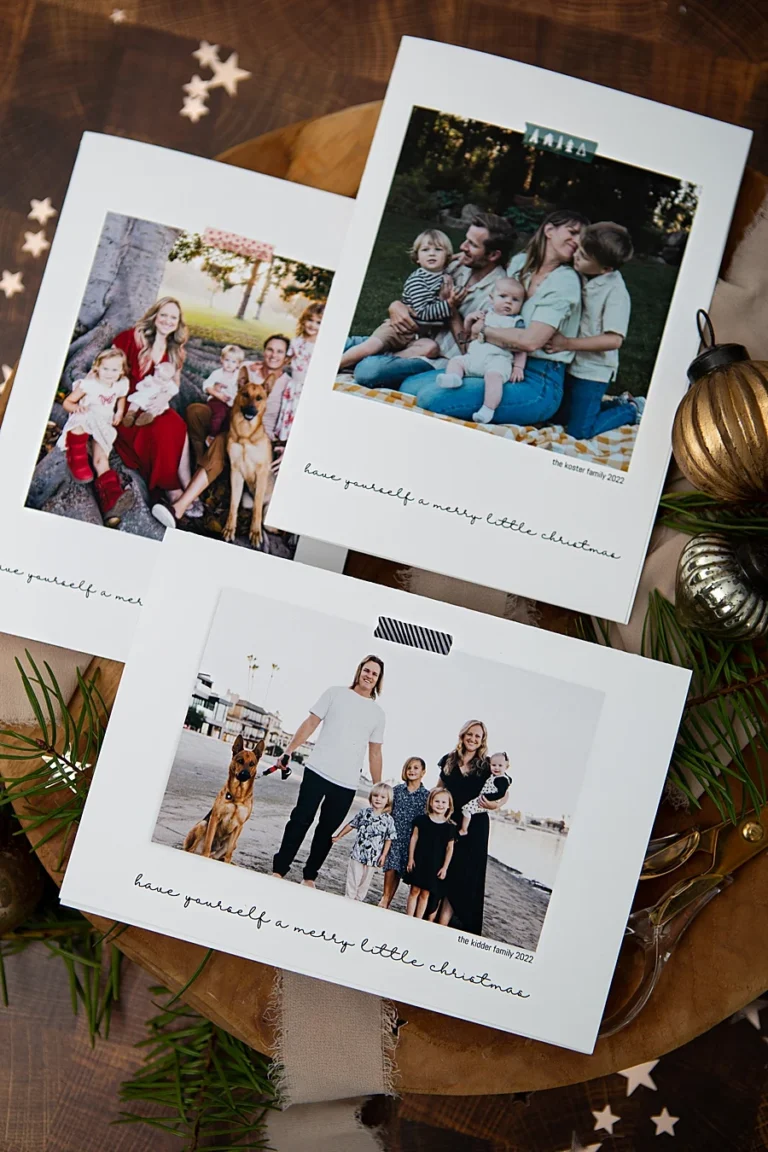



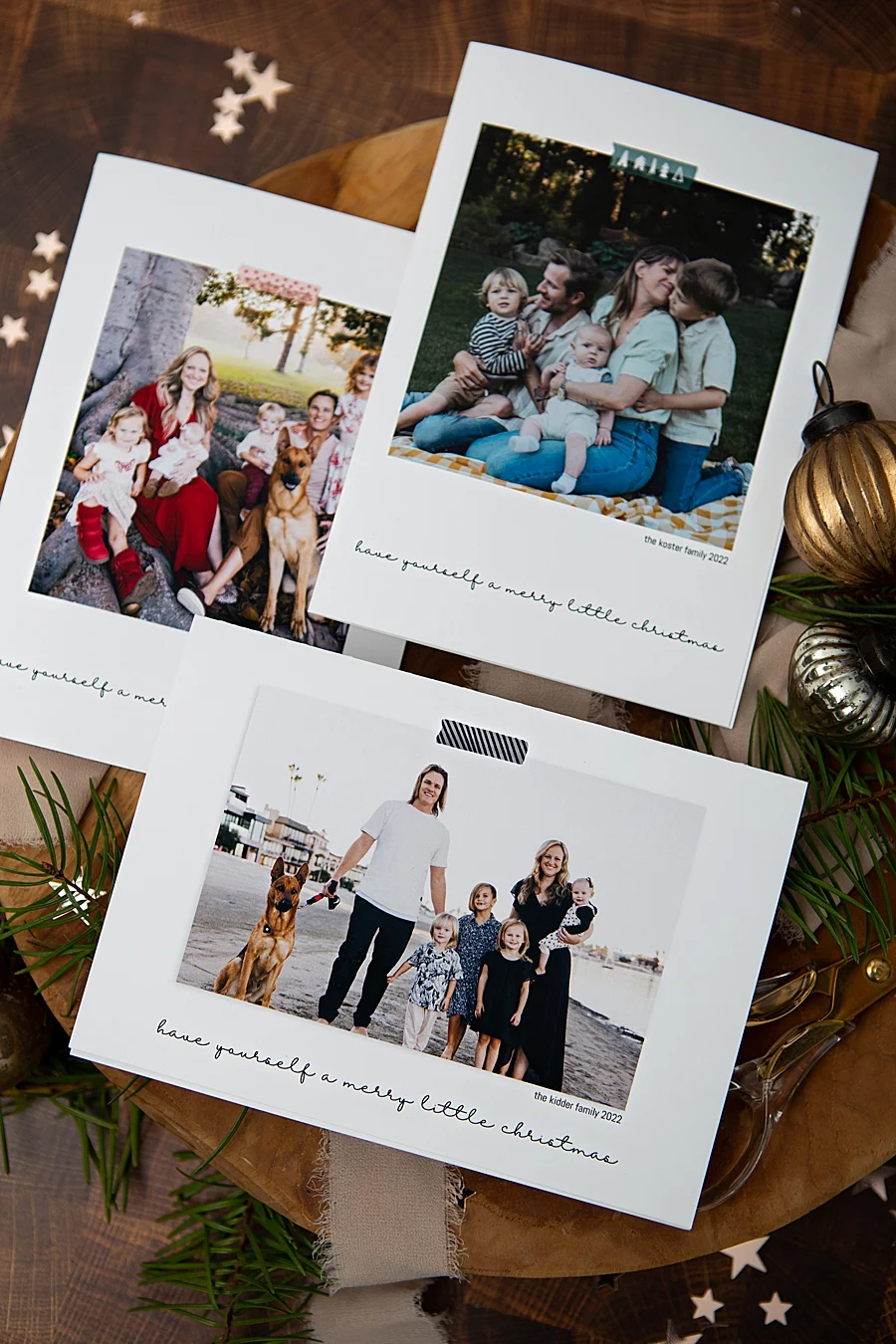
The traditional practice of sending physical holiday greeting cards has undergone a significant technological transformation, moving from mass-produced commercial purchases to highly personalized, home-printed bespoke creations. In a recent initiative highlighting the capabilities of modern consumer printing hardware, craft expert Jen Causey-Kidder of Something Turquoise has detailed a comprehensive workflow for producing professional-quality photo Christmas cards using the Canon PIXMA TS9521C Crafting Printer. This collaborative effort between digital design platforms and hardware manufacturers underscores a growing trend in the "maker movement," where consumers utilize specialized equipment to bypass traditional retail limitations. By leveraging the 7×10 Double-Sided Greeting Card Paper Pack—which includes 20 pre-cut, pre-scored matte sheets and matching 5×7 envelopes—users are now able to achieve laboratory-grade print results within a domestic setting.
The Evolution of the Home Crafting Ecosystem
The democratization of high-end printing technology has been a pivotal factor in the resurgence of personalized stationery. Historically, high-fidelity photo printing on heavy-duty, double-sided cardstock was the exclusive domain of professional print shops. However, the introduction of the Canon PIXMA TS9521C, often referred to as the "Crafter’s Printer," has bridged this gap. This specific model is engineered to handle various media types that standard office printers typically struggle with, including thick cardstock and 12×12-inch scrapbook paper.
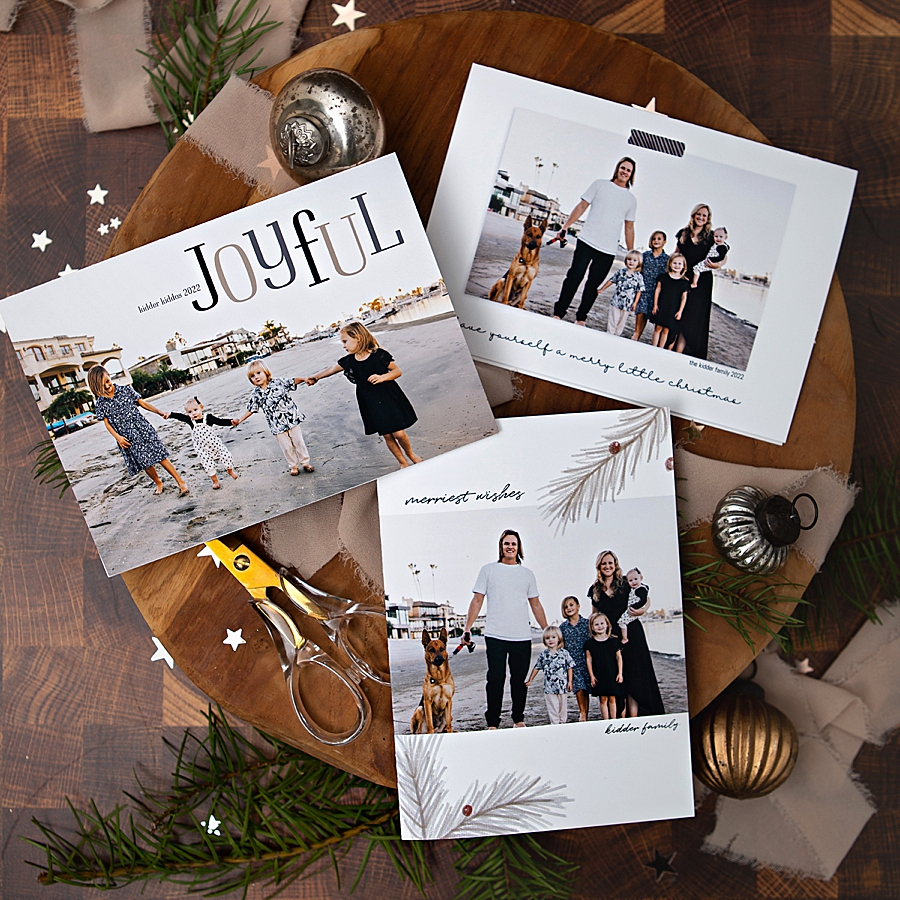
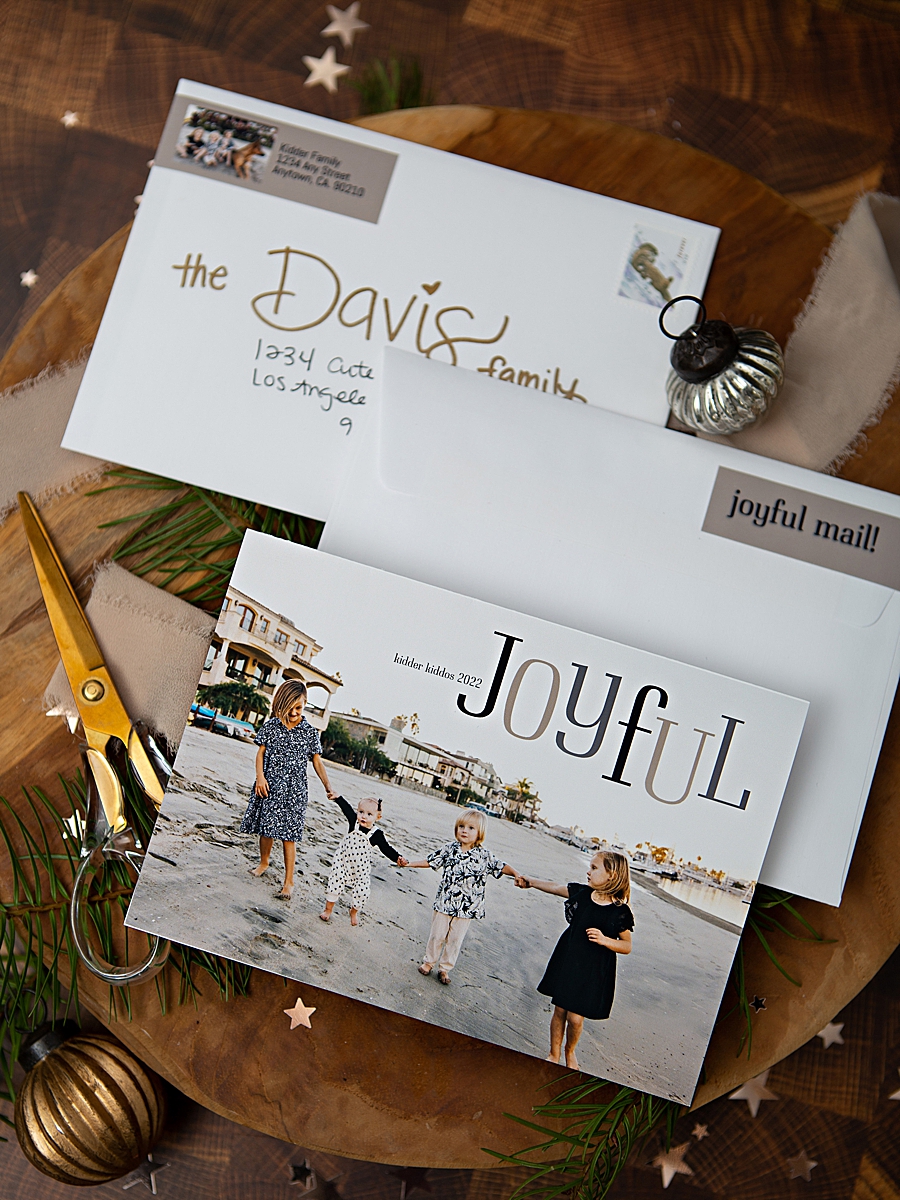
The integration of cloud-based editing software such as Corjl has further simplified the production pipeline. This allows users to manipulate complex design templates—such as the "Joyful," "Tape," and "Berries" motifs featured in the recent Canon-sponsored showcase—without requiring advanced graphic design training. The ability to modify text, upload family photography, and adjust color palettes to match specific visual themes represents a significant shift toward the hyper-customization of seasonal correspondence.
Technical Specifications and Material Requirements
To achieve the results described in the professional tutorial, specific hardware and media configurations are utilized. The Canon 7×10 Double-Sided Greeting Card Paper is a critical component, featuring a matte finish designed to prevent ink smearing while maintaining high color density. The paper is pre-scored, a technical detail that ensures a clean, professional fold without the cracking of paper fibers often seen when folding standard photo paper.
The printing process is supported by the following technical framework:
- Hardware: The Canon PIXMA TS9521C, utilizing a five-individual ink system to ensure color accuracy in both vibrant graphics and skin tones.
- Software Interface: The Corjl platform, which facilitates real-time editing and provides a "what-you-see-is-what-you-get" (WYSIWYG) interface for the end-user.
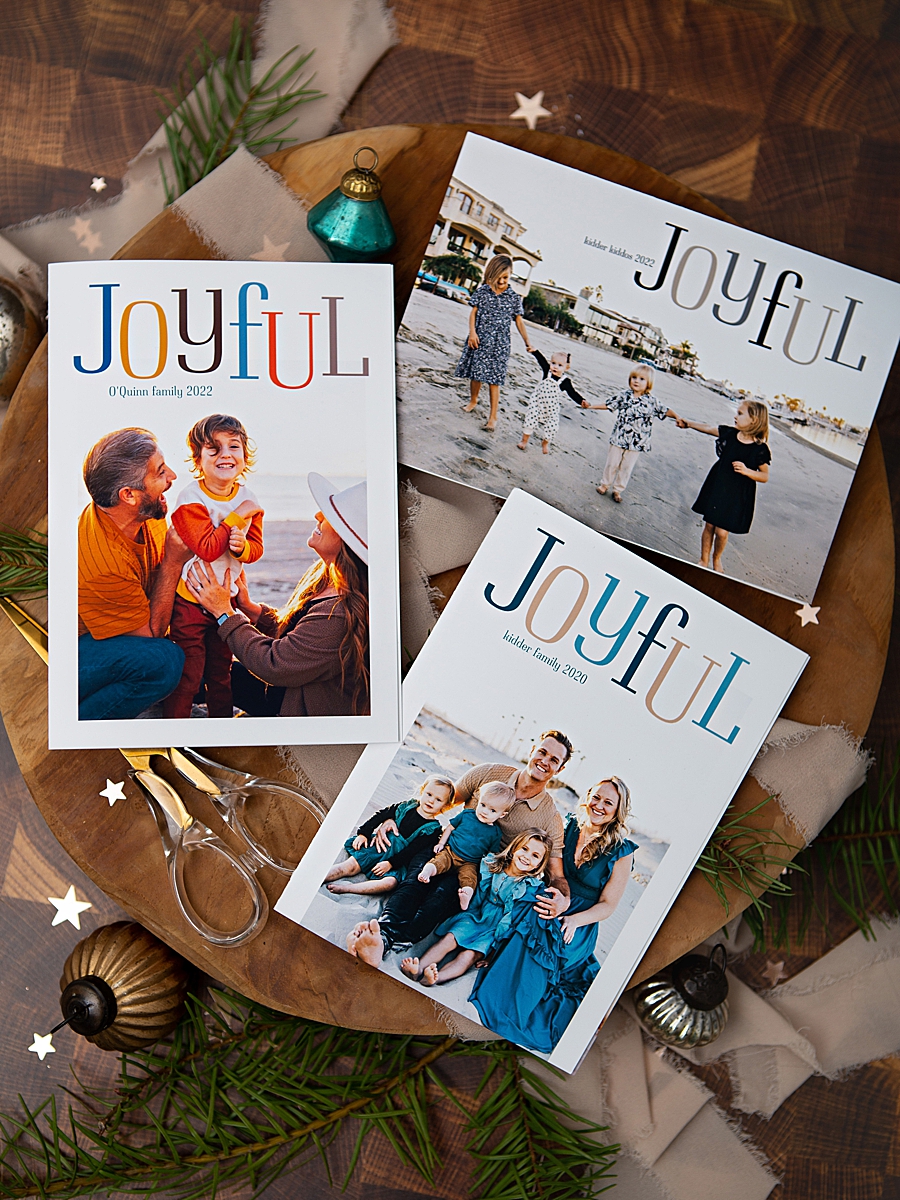
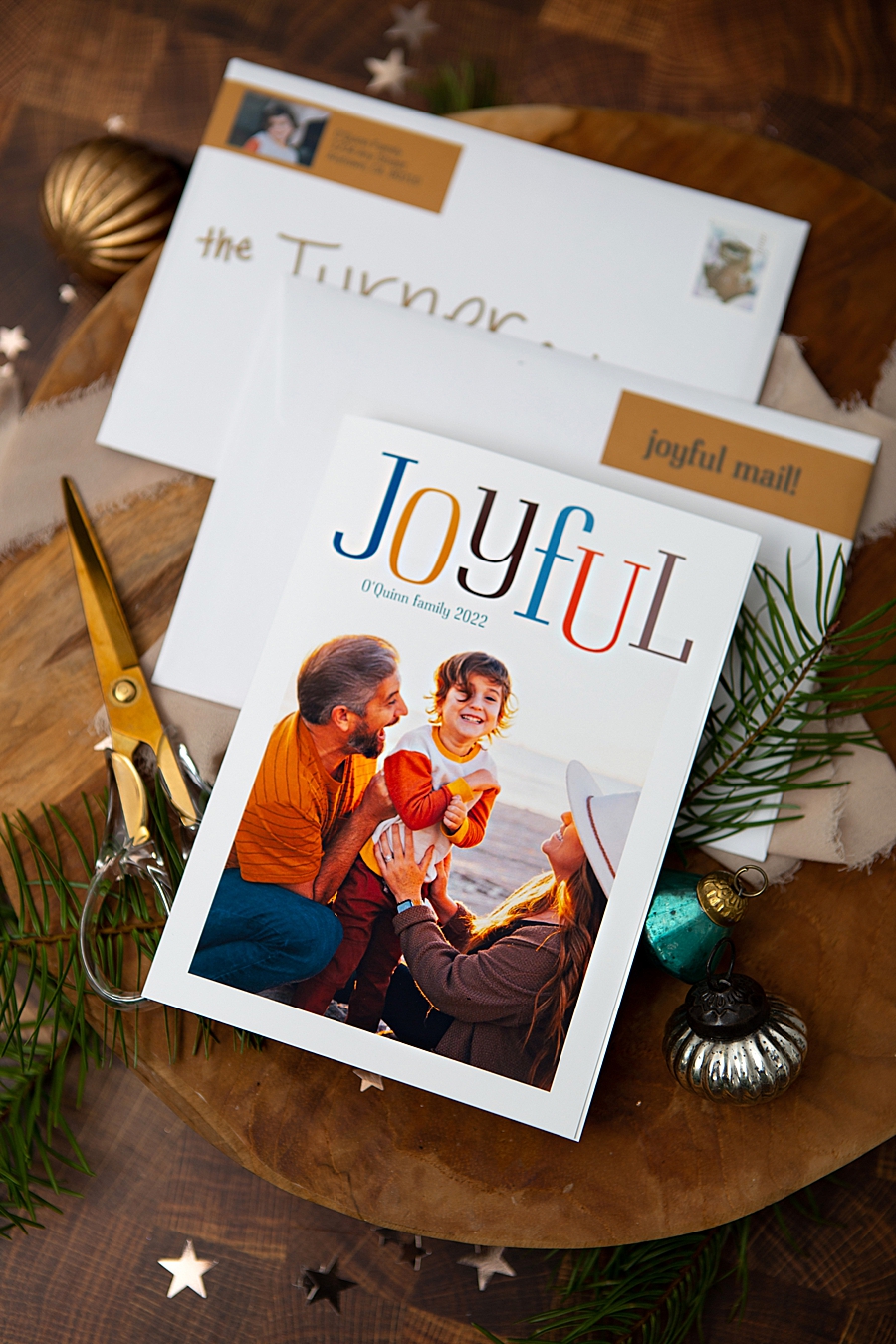
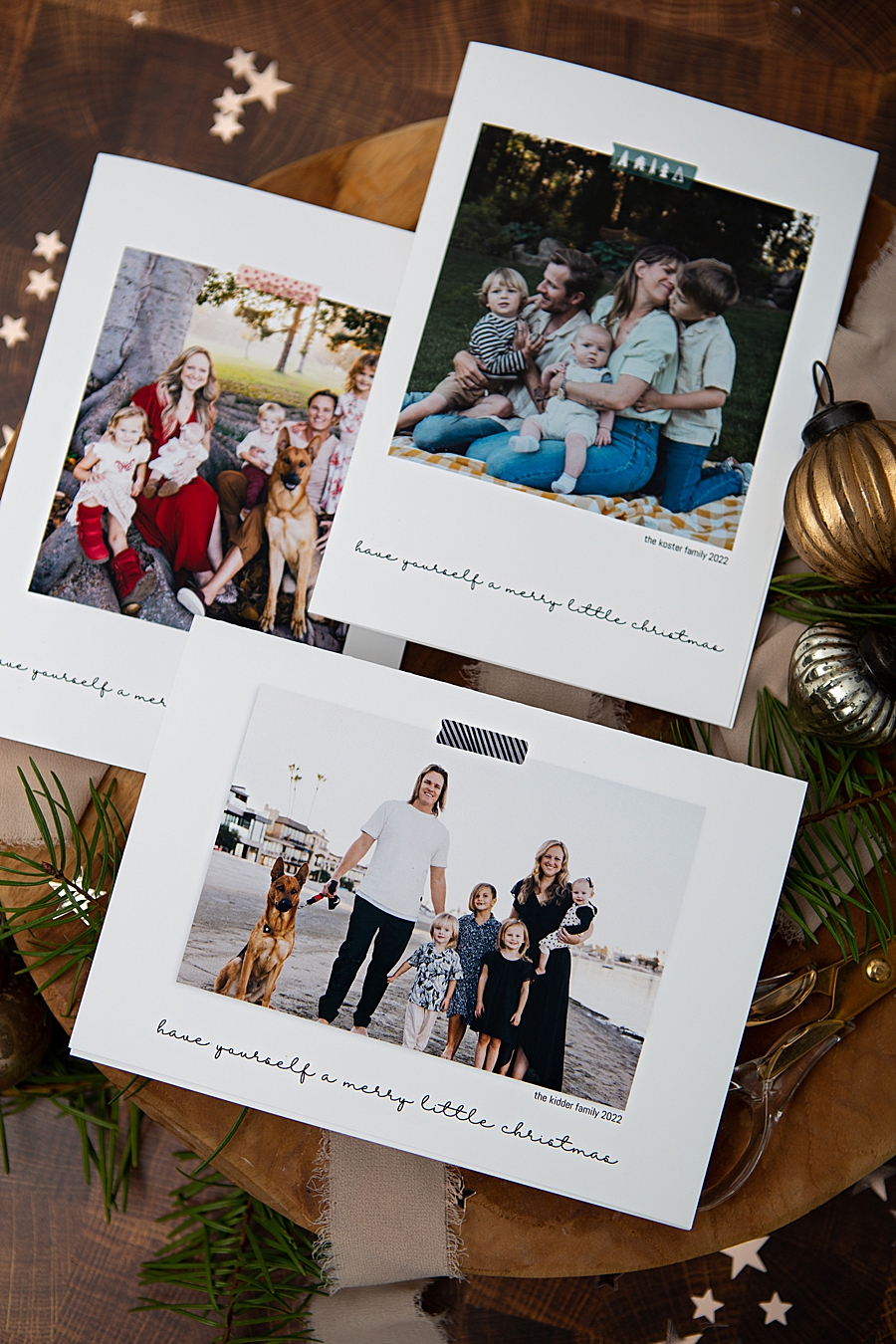
- Design Assets: Three distinct seasonal templates—"Joyful" (typographic focus), "Tape" (scrapbooking aesthetic), and "Berries" (botanical illustration)—offered in both vertical and horizontal orientations.
- Post-Production: The use of Fiskars paper trimmers for precision edges and metallic markers for personalized hand-written additions.
Chronology of the DIY Printing Process
The workflow for producing these cards follows a structured chronological sequence designed to minimize waste and maximize output quality. The process begins with the digital acquisition of templates via a specialized checkout code, "canonholiday," which grants free access to the proprietary designs.
Once the user enters the Corjl editing environment, the timeline of production proceeds as follows:
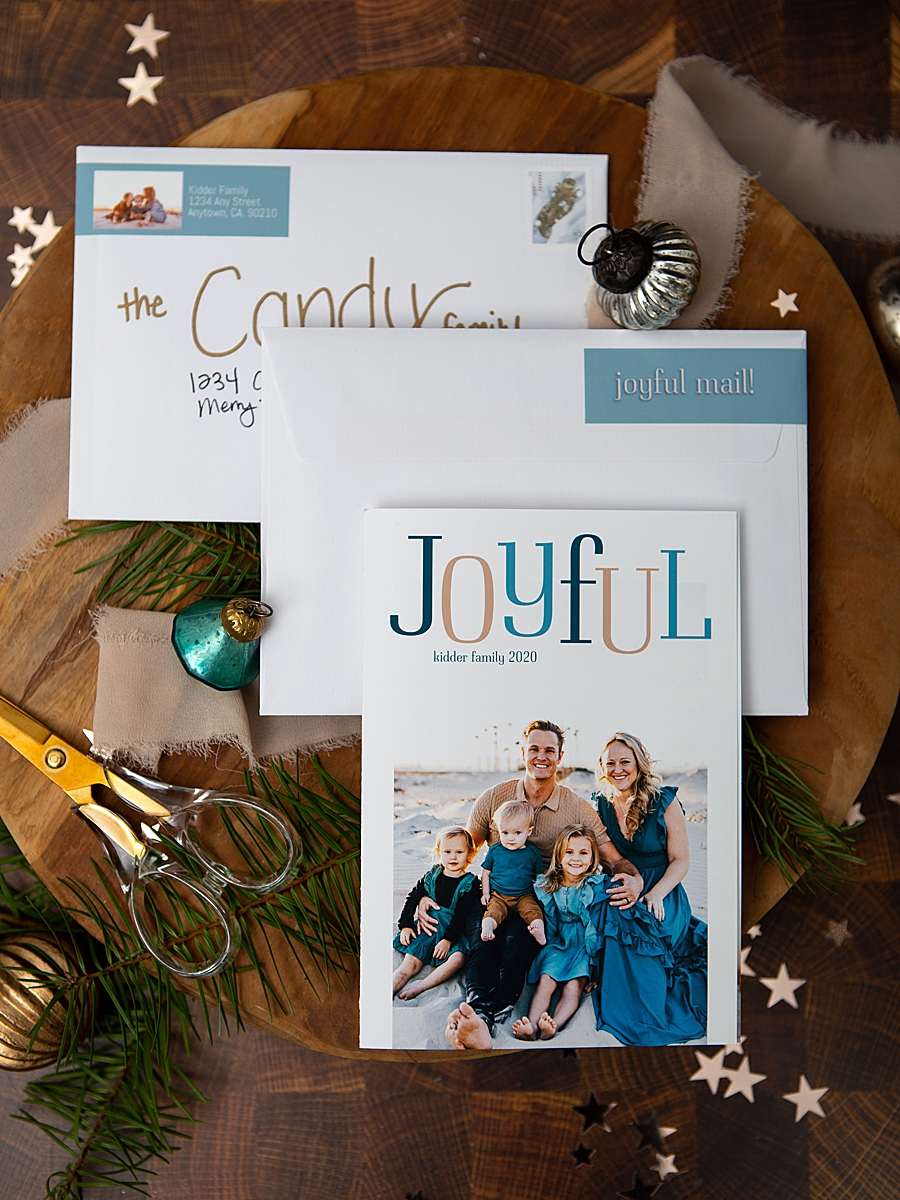
- Design Customization: The user selects a template that aligns with their family’s aesthetic. For instance, the "Joyful" design allows for color-matching the typography to the specific hues found in the uploaded family photograph.
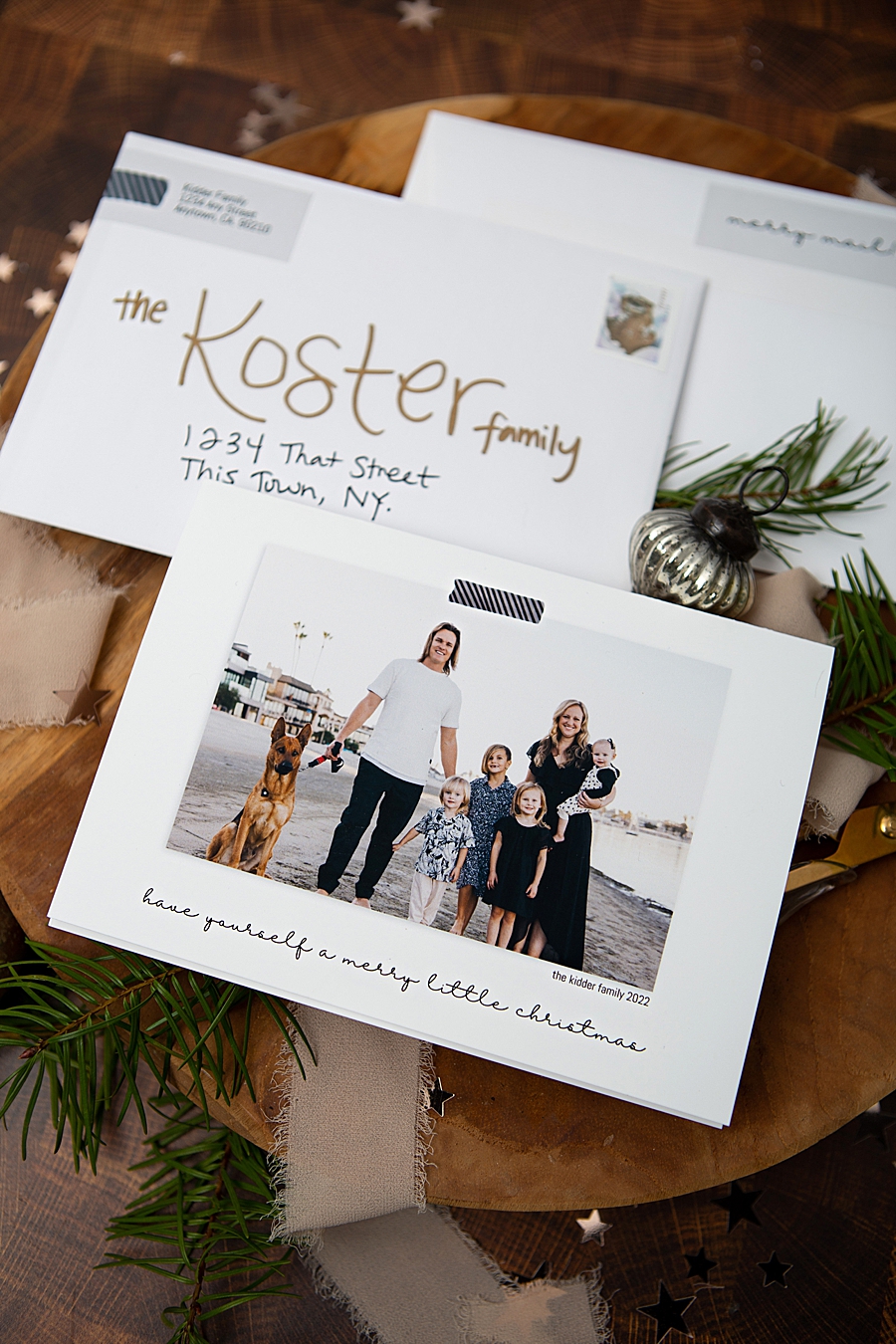
- Graphic Integration: High-resolution images are uploaded. The "Tape" design offers a unique digital overlay of four different "washi tape" styles—black and white stripe, pink polka dot, green trees, and beige—to simulate a physical scrapbooked appearance.
- Text Finalization: Inside and back-of-card text is updated to reflect the sender’s personal message and year.
- Mechanical Printing: The printer is loaded with the 7×10 matte paper. The TS9521C’s rear tray is typically utilized for thicker media to ensure a straight paper path, reducing the risk of jams.
- Assembly: Following the print cycle, the pre-scored lines are used to fold the cards. Matching address labels, included in the design suite, are printed to ensure a cohesive visual identity across the entire mailing package.
Supporting Data: The Greeting Card and DIY Market
The move toward home-printed holiday cards is supported by broader economic data regarding the greeting card industry and consumer behavior. According to the Greeting Card Association (GCA), Americans purchase approximately 6.5 billion greeting cards annually, with annual retail sales estimated between $7 billion and $8 billion. Household penetration remains high, with seven out of ten Americans reporting that greeting cards are a "meaningful" part of their lives.
Market analysis indicates a specific surge in the DIY crafting sector, which was valued at approximately $36 billion in the United States alone as of the early 2020s. This growth is driven by a desire for "creative wellness" and the psychological benefits of tactile activities. Data suggests that 80% of consumers find personalized gifts more meaningful than mass-produced items. By providing free design assets and specialized hardware, companies like Canon are tapping into this preference for personalization while lowering the barrier to entry for high-quality production.
Industry Response and Brand Philosophy
Canon U.S.A., Inc. has positioned its crafting line as a bridge between digital photography and physical mementos. In official statements regarding their consumer imaging products, the company emphasizes a "capture-to-print" philosophy. This strategy focuses on wireless technology and seamless integration, allowing consumers to move from a smartphone photograph to a physical card with minimal friction.
Industry analysts note that this approach serves to protect the relevance of home printing in an increasingly digital world. By specializing in "crafting" rather than just "document printing," Canon has carved out a niche for the PIXMA series among wedding planners, DIY enthusiasts, and family historians. The inclusion of unique media, such as restickable photo paper and double-sided matte cardstock, reflects a product development strategy aimed at versatility.
Broader Impact and Implications for Consumer Behavior
The shift toward home-based professional printing has several long-term implications for the retail and tech sectors. First, it challenges the traditional business models of large-scale commercial printers (e.g., Shutterfly, Vistaprint) by offering a "print-on-demand" alternative that eliminates shipping wait times and allows for last-minute corrections.
Second, the use of editable software platforms like Corjl suggests a future where professional designers and hardware manufacturers work in a more integrated ecosystem. This "subscription or template-based" model allows designers to reach a wider audience while ensuring that their designs are executed on hardware capable of doing the work justice.
Finally, the environmental impact of this trend is noteworthy. Home printing allows for exact-count production, reducing the waste associated with minimum-order requirements common in commercial printing. When paired with sustainably sourced paper and recyclable ink cartridges, the DIY model offers a potentially smaller carbon footprint for the seasonal consumer.
Analysis of Design Trends in the "Something Turquoise" Collection
The three designs released in this initiative reflect current aesthetic trends in the stationery market. The "Joyful" template utilizes bold, modern serif typography, a staple in contemporary minimalist design. The "Tape" design appeals to the "maximalist" and "vintage" trends, mimicking the look of physical scrapbooks that have seen a resurgence on social media platforms like Pinterest and TikTok. The "Berries" design leans into organic, hand-drawn botanical illustrations, which remain a perennial favorite for winter holidays.
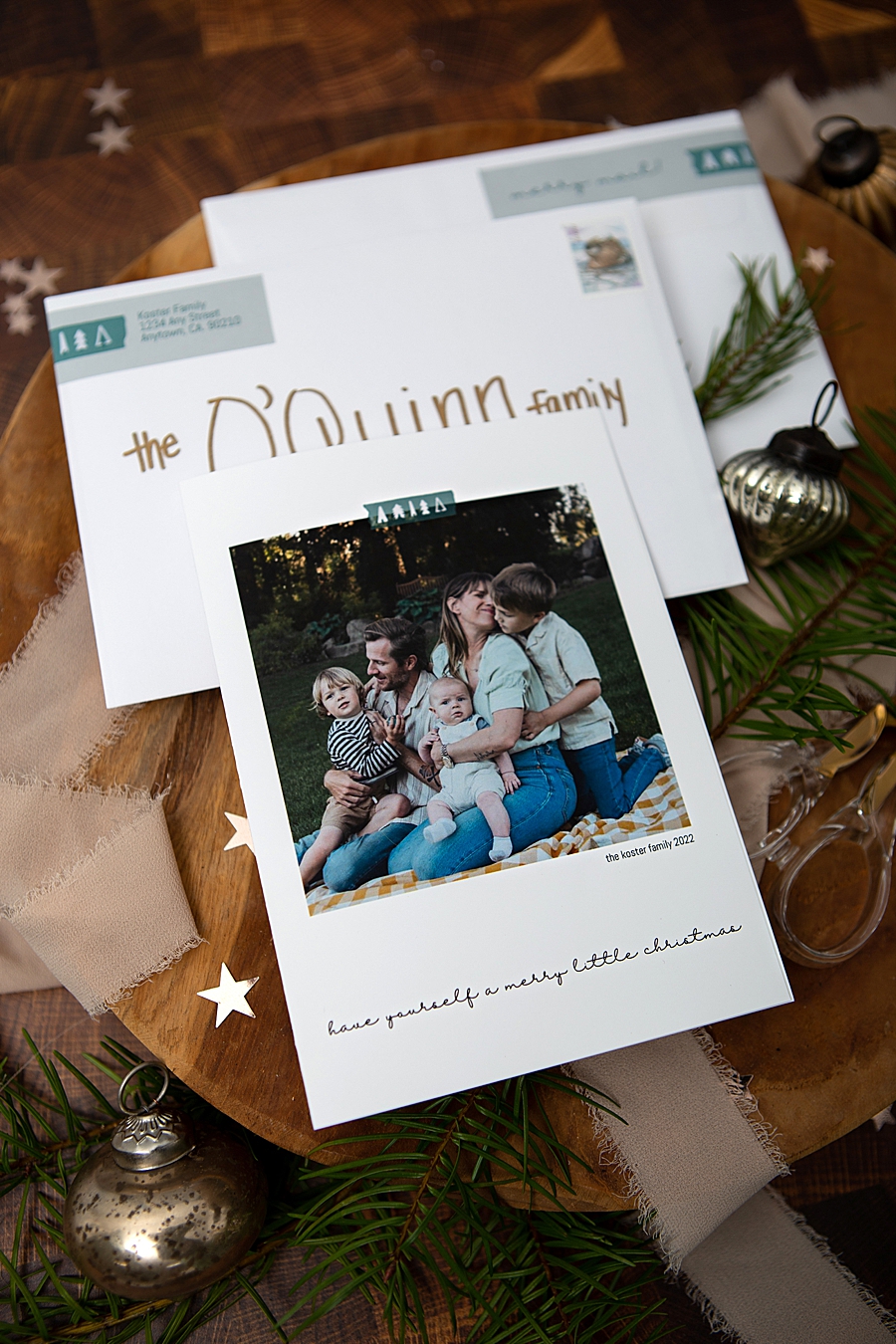
The flexibility of these designs—offering pink and beige color schemes alongside traditional greens and reds—indicates a move away from rigid holiday color palettes. This allows consumers to coordinate their cards with their home decor or the specific fashion choices in their holiday photography, further emphasizing the "lifestyle" aspect of modern crafting.
As the holiday season progresses, the success of such initiatives is often measured by community engagement. Something Turquoise encourages users to share their results via social media using specific hashtags like #somethingturquoisediy, creating a digital feedback loop that benefits both the content creator and the hardware sponsor. This modern "community of practice" ensures that DIY techniques are passed from expert to amateur, maintaining the vitality of the physical card-giving tradition in the 21st century.