


The Economic and Psychological Drivers of Custom Advent Solutions
The traditional advent calendar market has seen a significant surge in variety over the last decade. Once limited to simple chocolates or religious imagery, the market is now dominated by licensed toy sets that retail between $35 and $50 each. For a family of four children, this represents a significant seasonal expenditure. Beyond the financial aspect, parents have reported a psychological disconnect; the excitement of opening a daily surprise often wanes when the items are too similar in nature, such as twenty-four consecutive days of plastic figurines or building blocks.
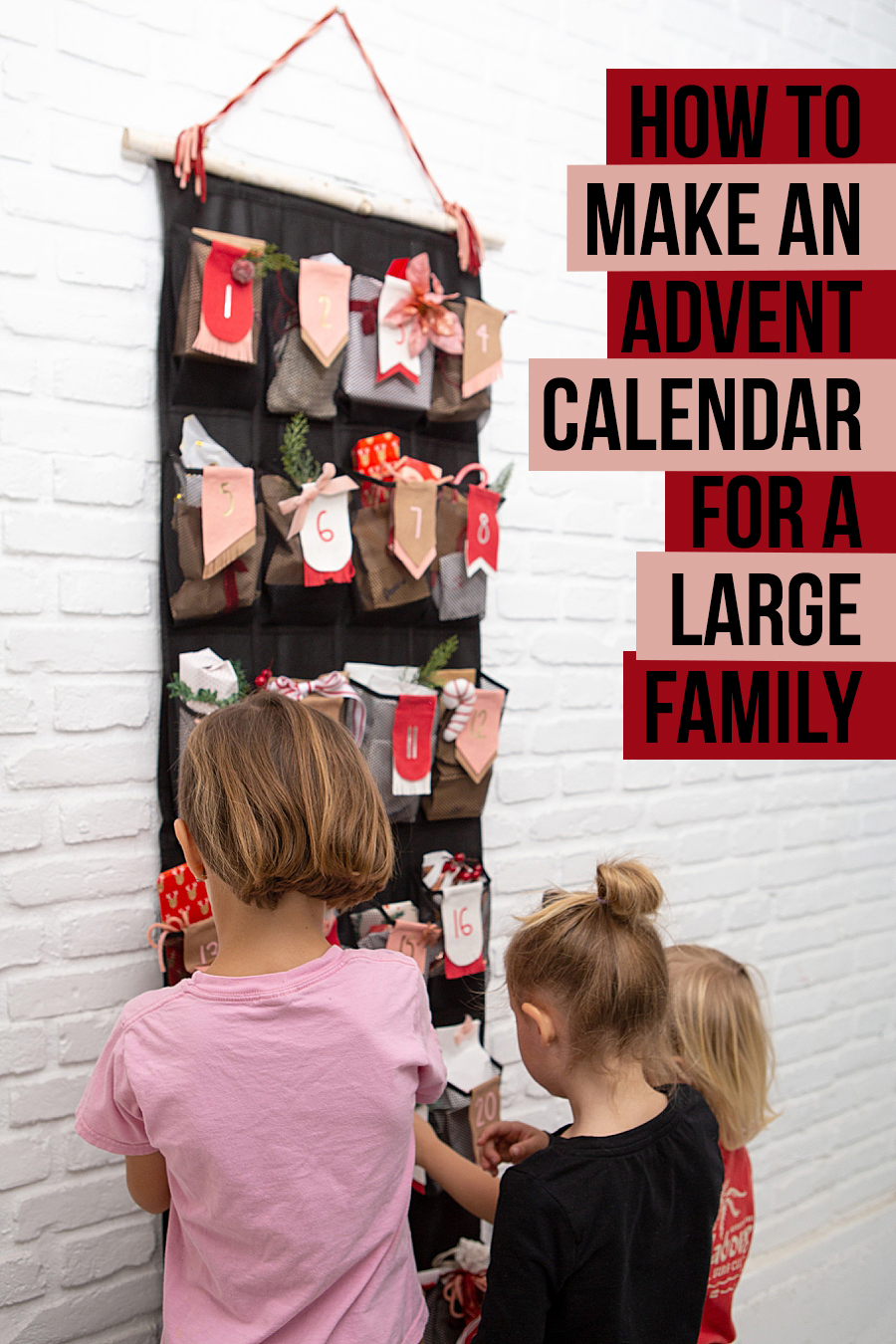
In response to these trends, Jen Causey-Kidder of Something Turquoise developed a modular system designed to accommodate large families while maintaining a strict budget and high engagement levels. By repurposing a standard back-of-the-door shoe organizer, she created a 24-day system that allows for a diverse array of gifts tailored to the specific interests and developmental stages of her four children, ages seven, four, three, and one. This strategic pivot allows for a total budget of approximately $150—less than the cost of four premium commercial calendars—while providing a higher volume of personalized items.
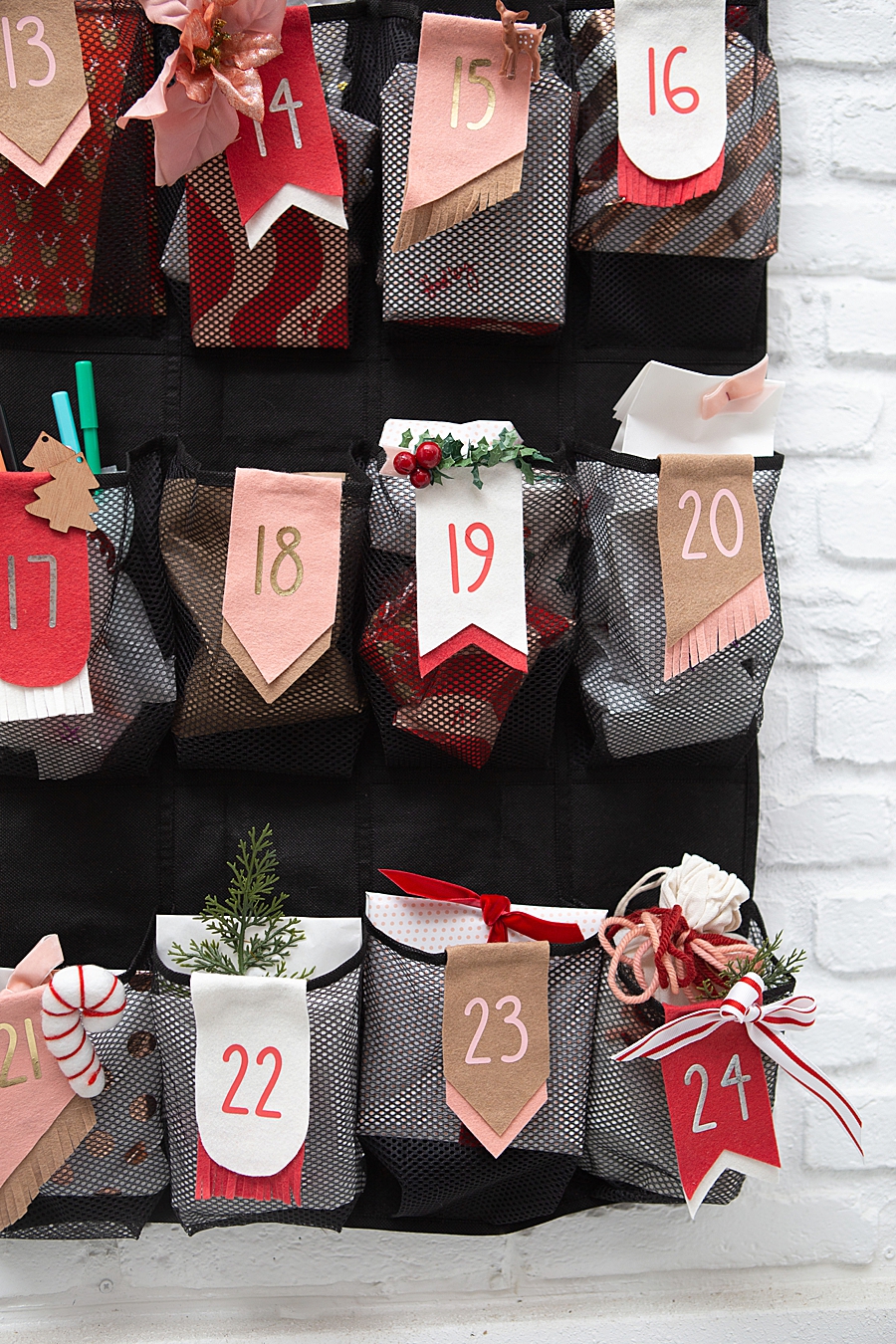
Structural Engineering: The Shoe Rack Foundation
The core of this DIY initiative is the utilization of a black, heavy-duty shoe organizer designed to hang over a door. This choice is rooted in practicality; shoe racks typically feature 24 pockets, perfectly aligning with the traditional December 1st to December 24th countdown. However, the weight of nearly 100 small gifts (distributed among four children over 24 days) poses a significant structural challenge.
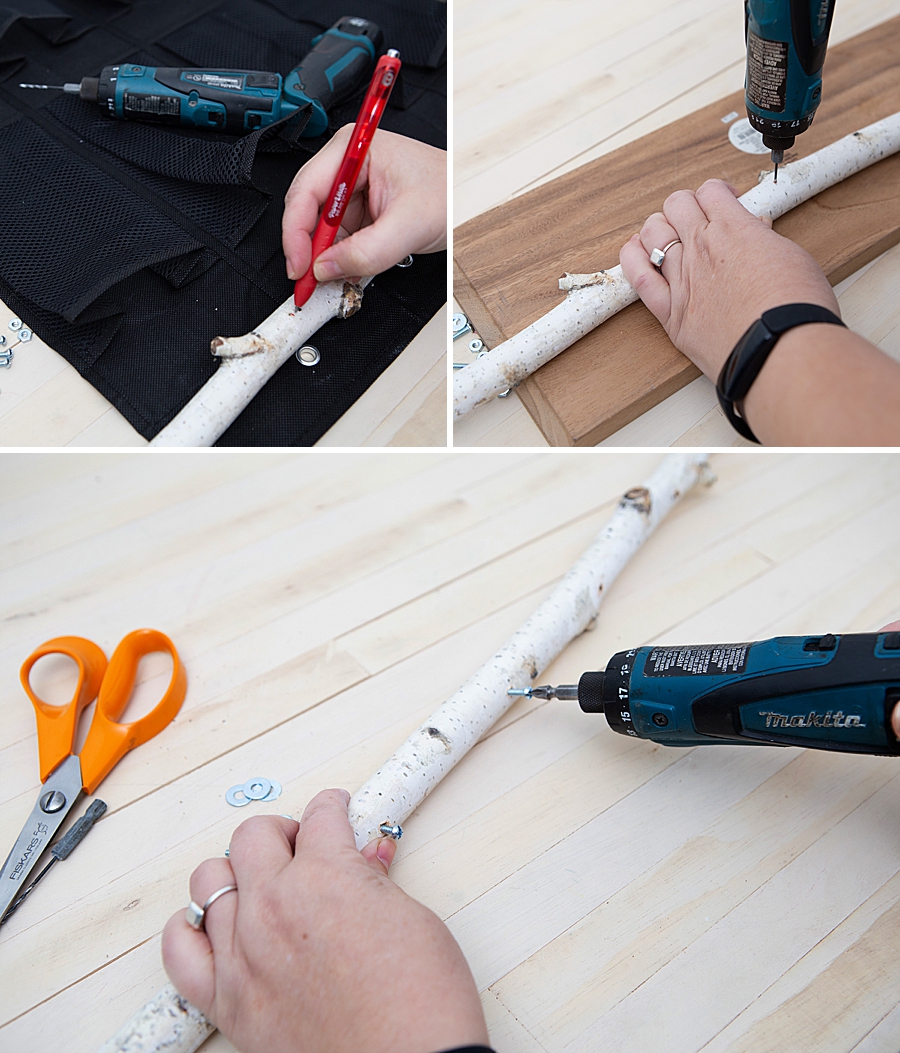
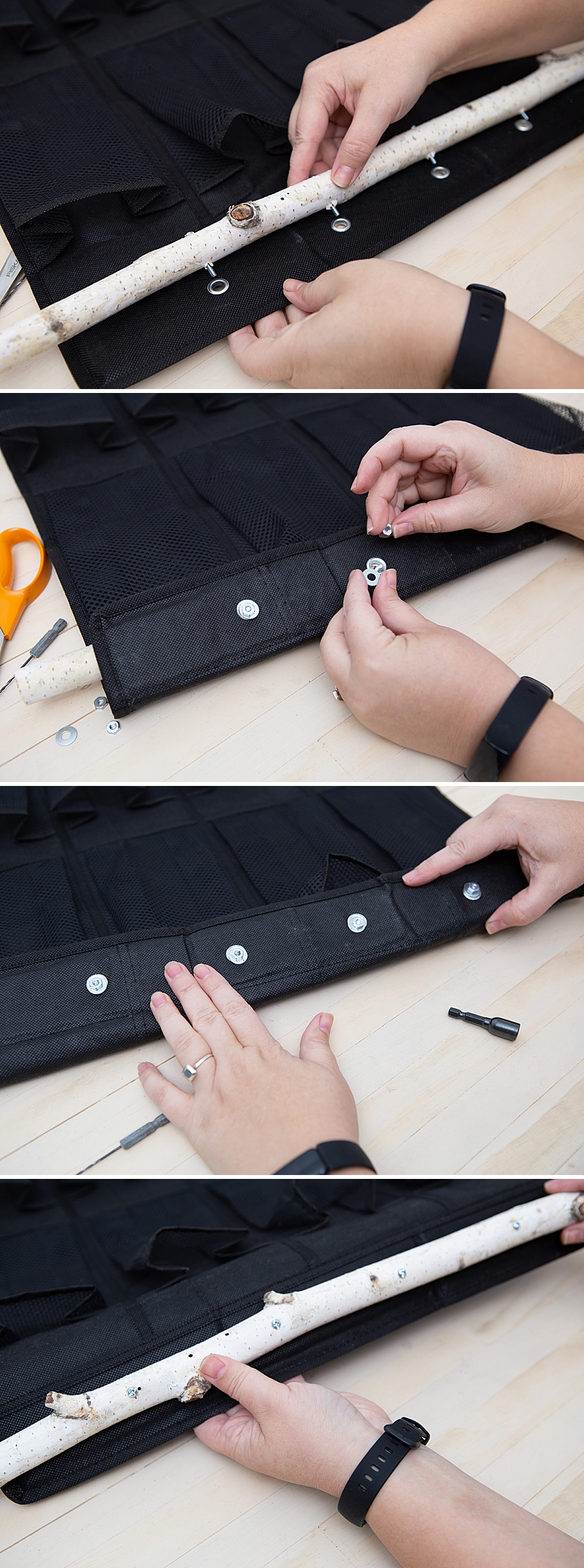
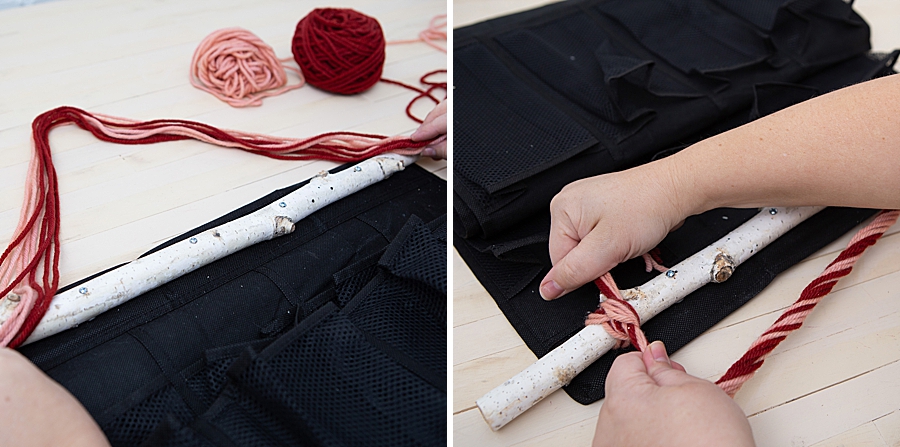
To ensure the calendar could withstand the daily tugging of young children, Causey-Kidder implemented a structural reinforcement strategy. Rather than relying on the standard metal hooks provided with shoe organizers, she utilized a sturdy white decorative branch as a mounting bar. Following professional recommendations, the branch was drilled through and secured to the shoe holder using 1.25-inch bolts, washers, and nuts. This assembly was then suspended using 12 strands of high-tensile yarn, ensuring the weight was evenly distributed. This "labor of love" approach prioritizes durability, allowing the framework to be reused for subsequent years, further amortizing the initial cost of materials.
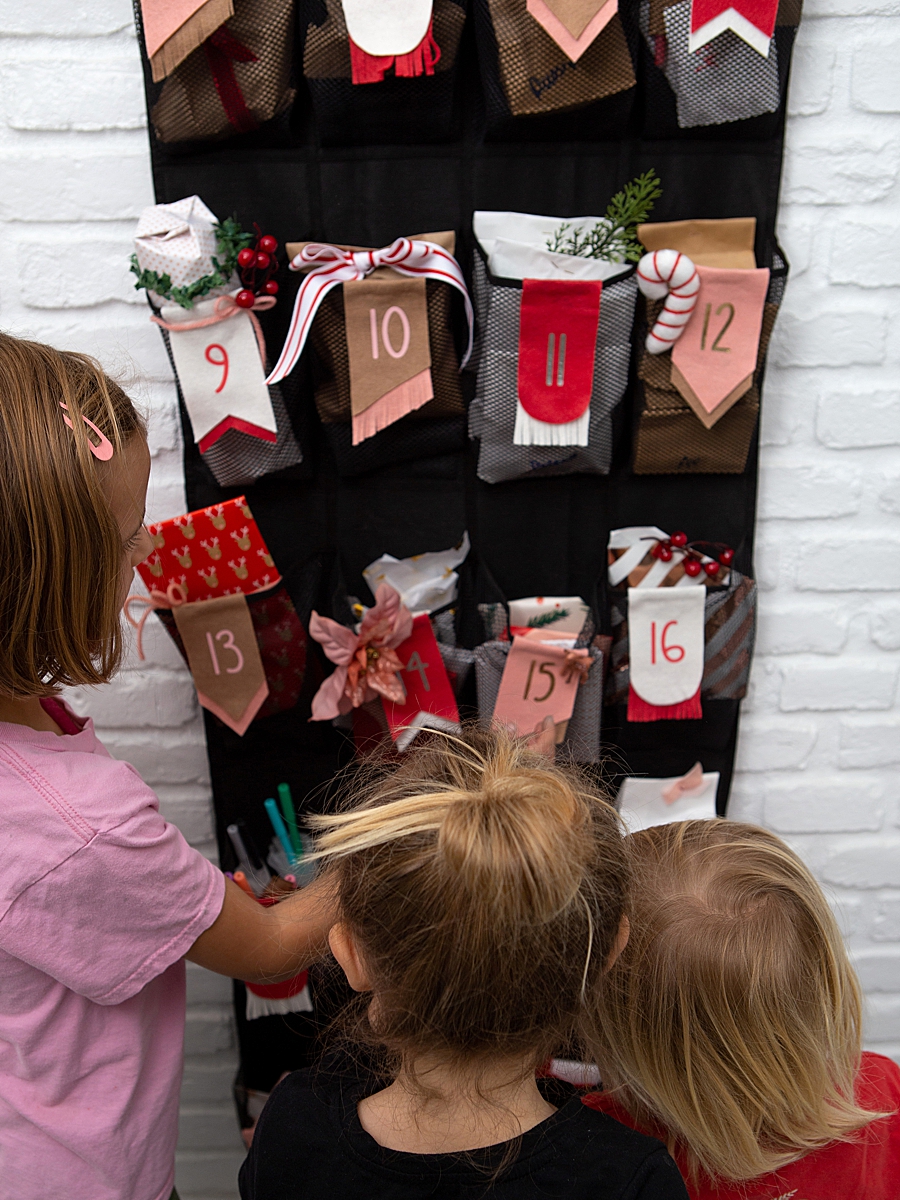
Design and Aesthetic Customization
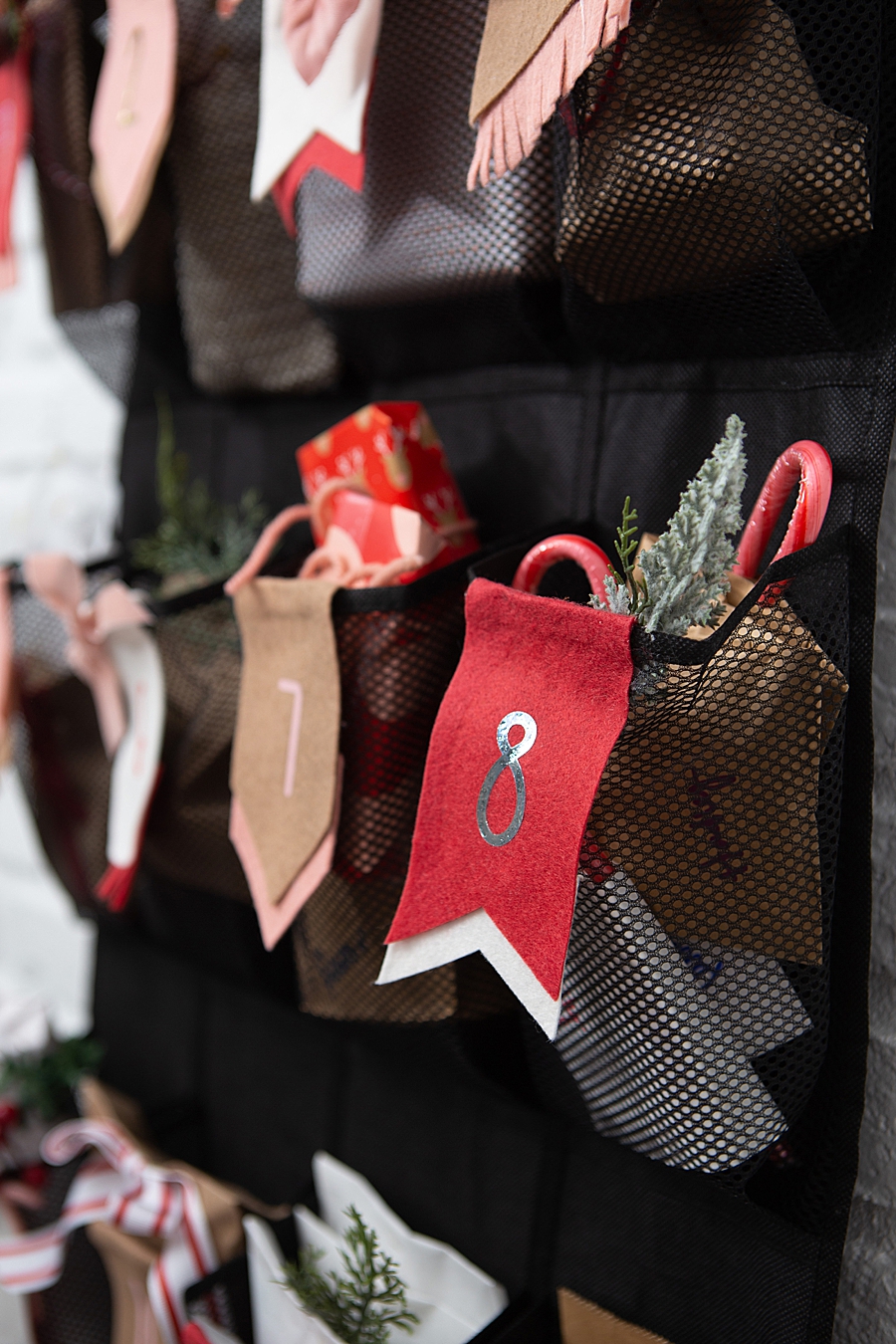
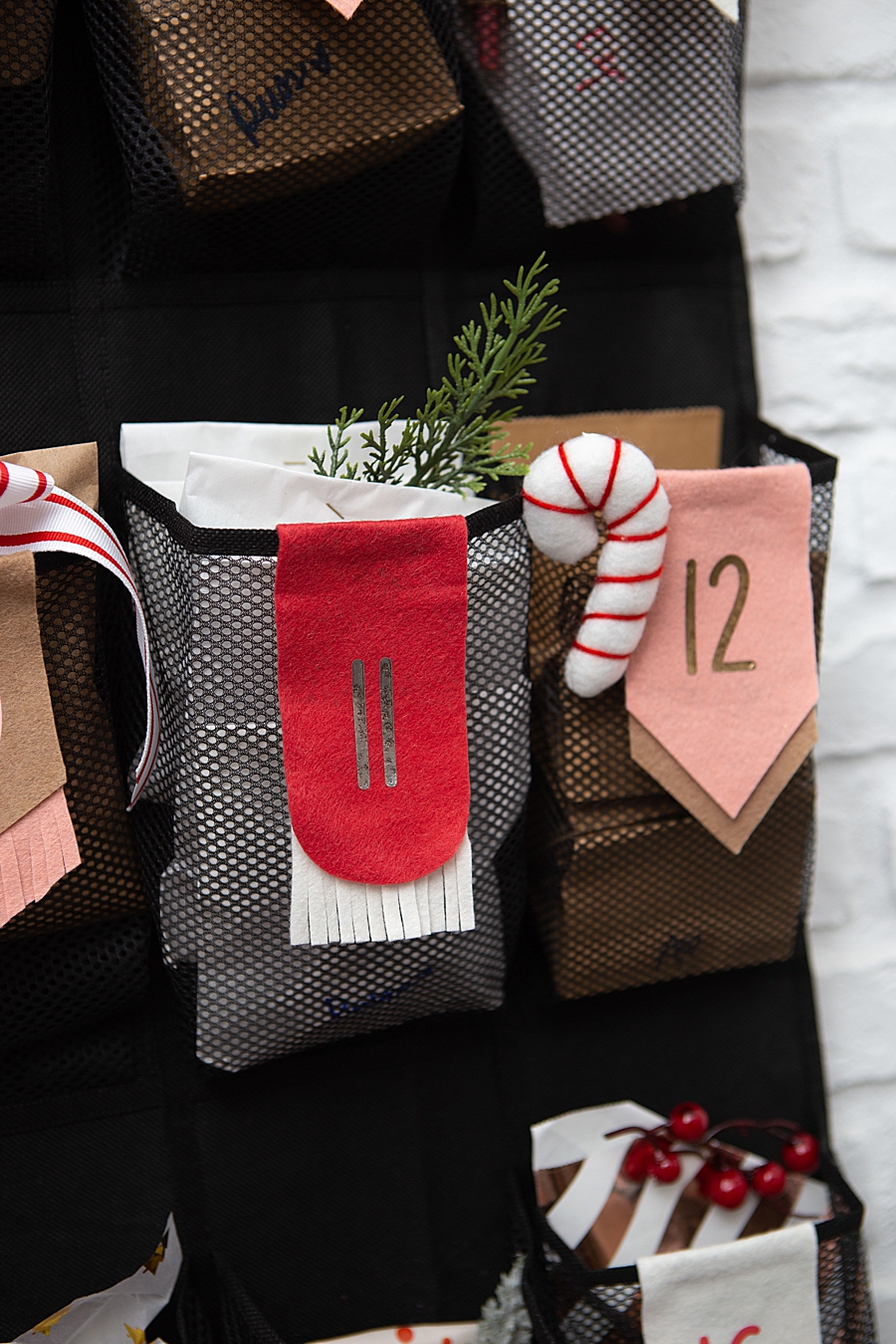
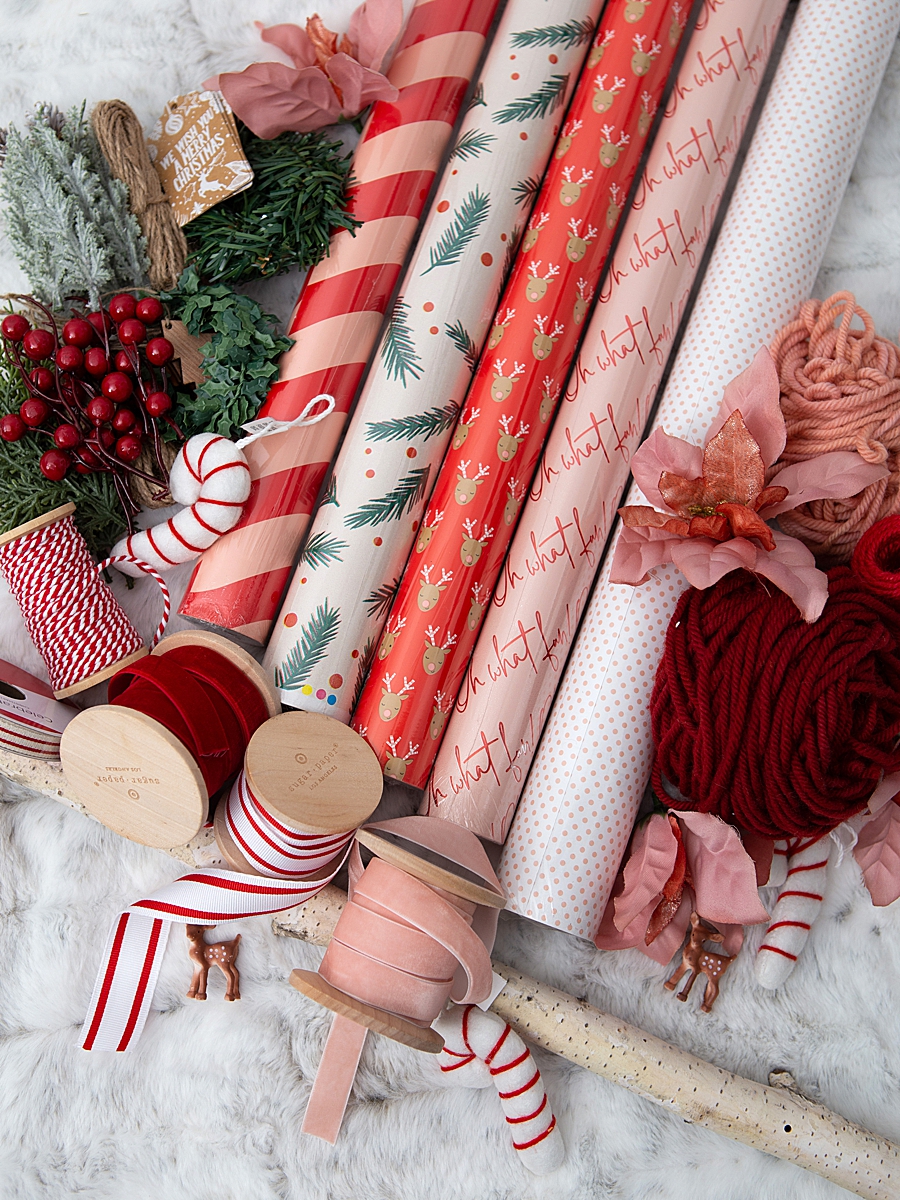
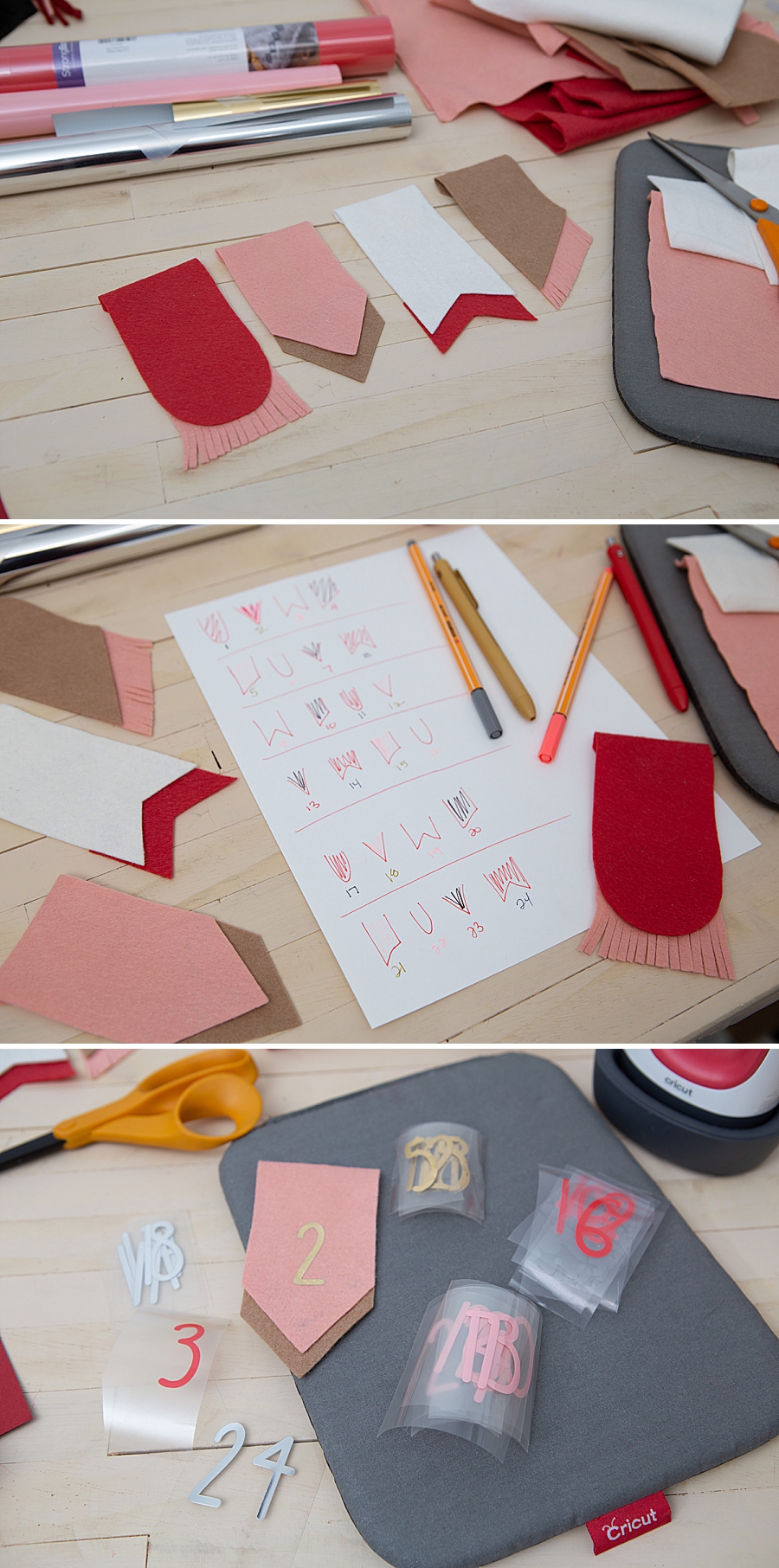
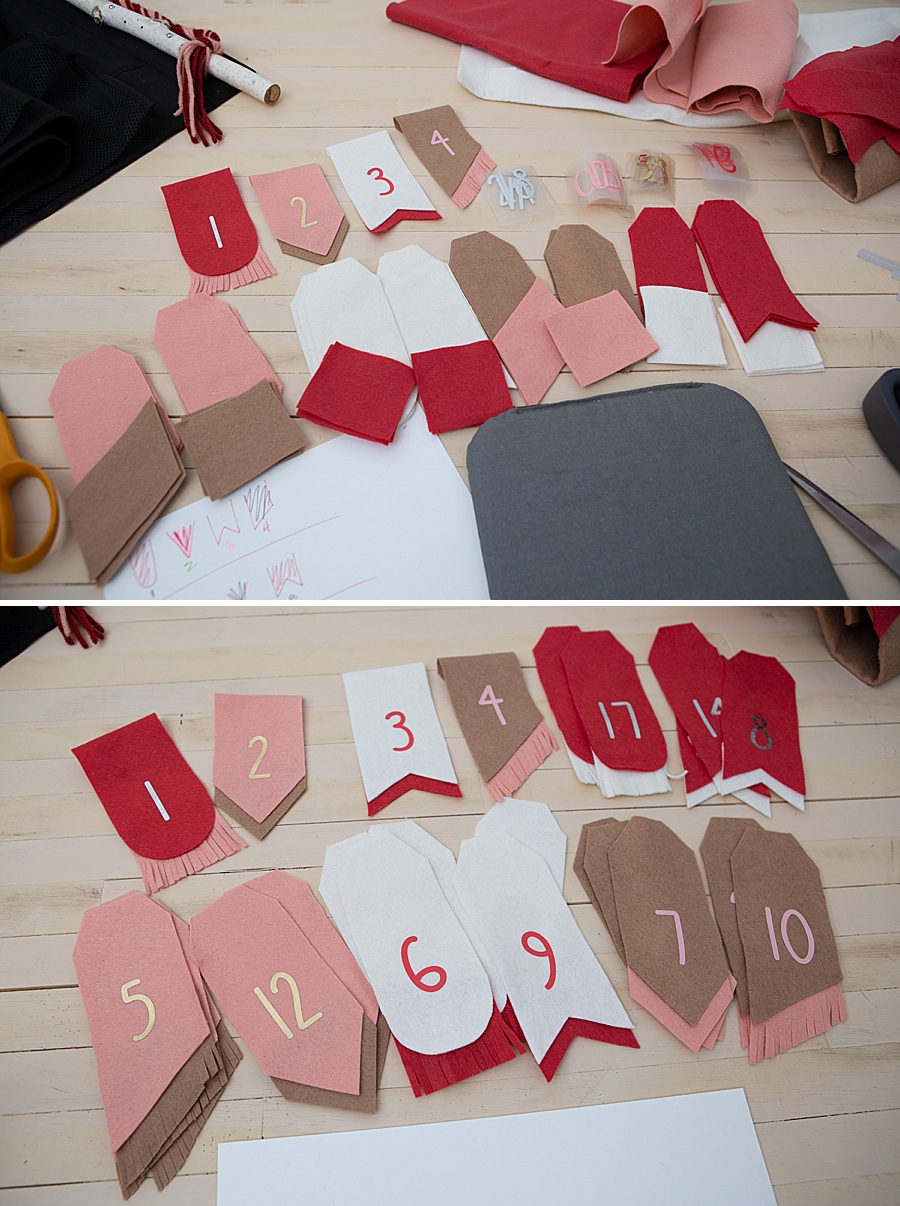
Aesthetic appeal is a critical component of the advent experience, serving to build anticipation throughout the month of December. The project utilized high-quality materials to create a cohesive visual theme. Using Benzie Felt in a palette of Red, Blush, White, and Castle, 24 individual number tags were constructed. These tags were further enhanced using Cricut Iron-on vinyl in Red, Pink, Gold Foil, and Silver Foil, utilizing the "BFC Autumn Harvest" font for a festive, professional finish.
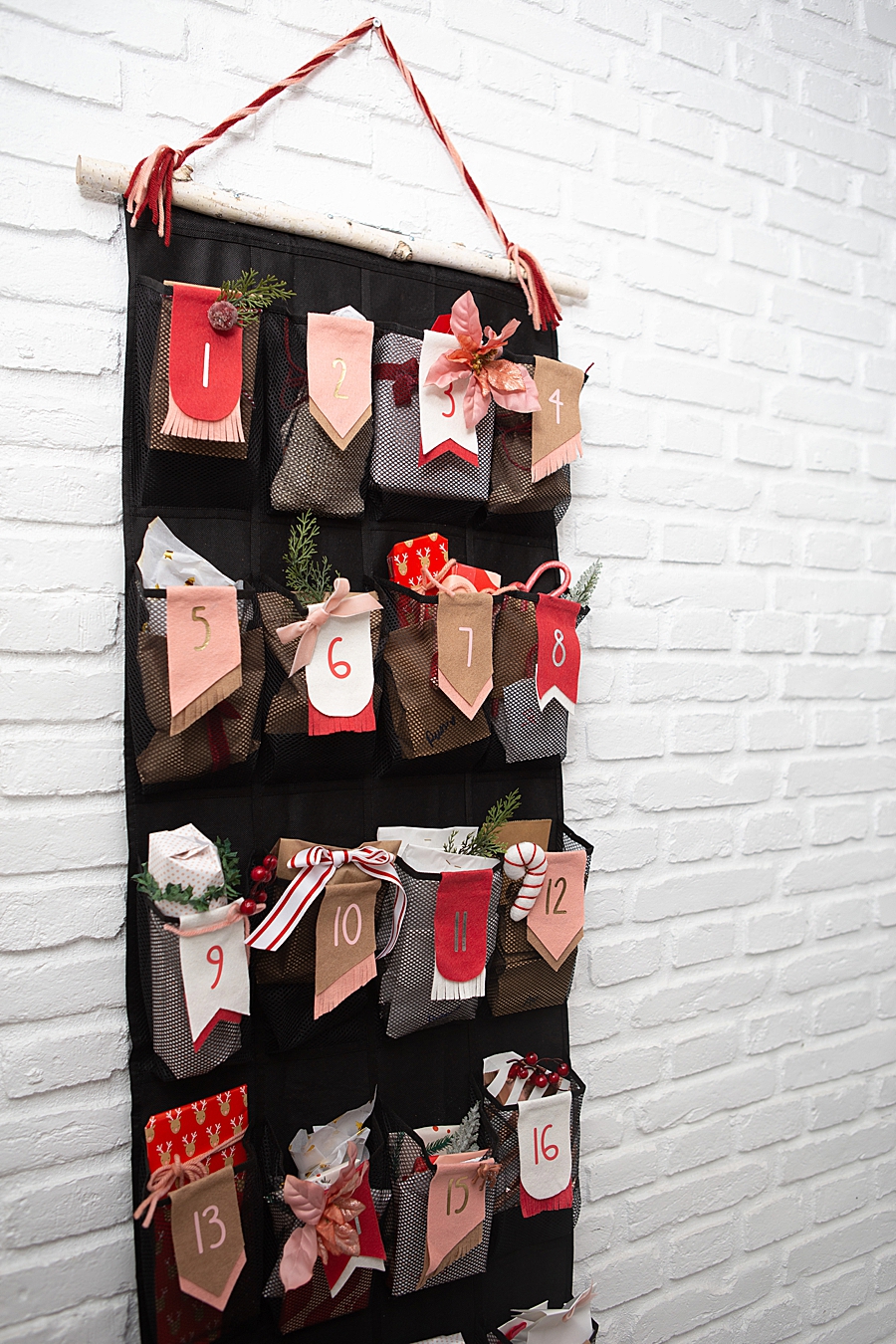
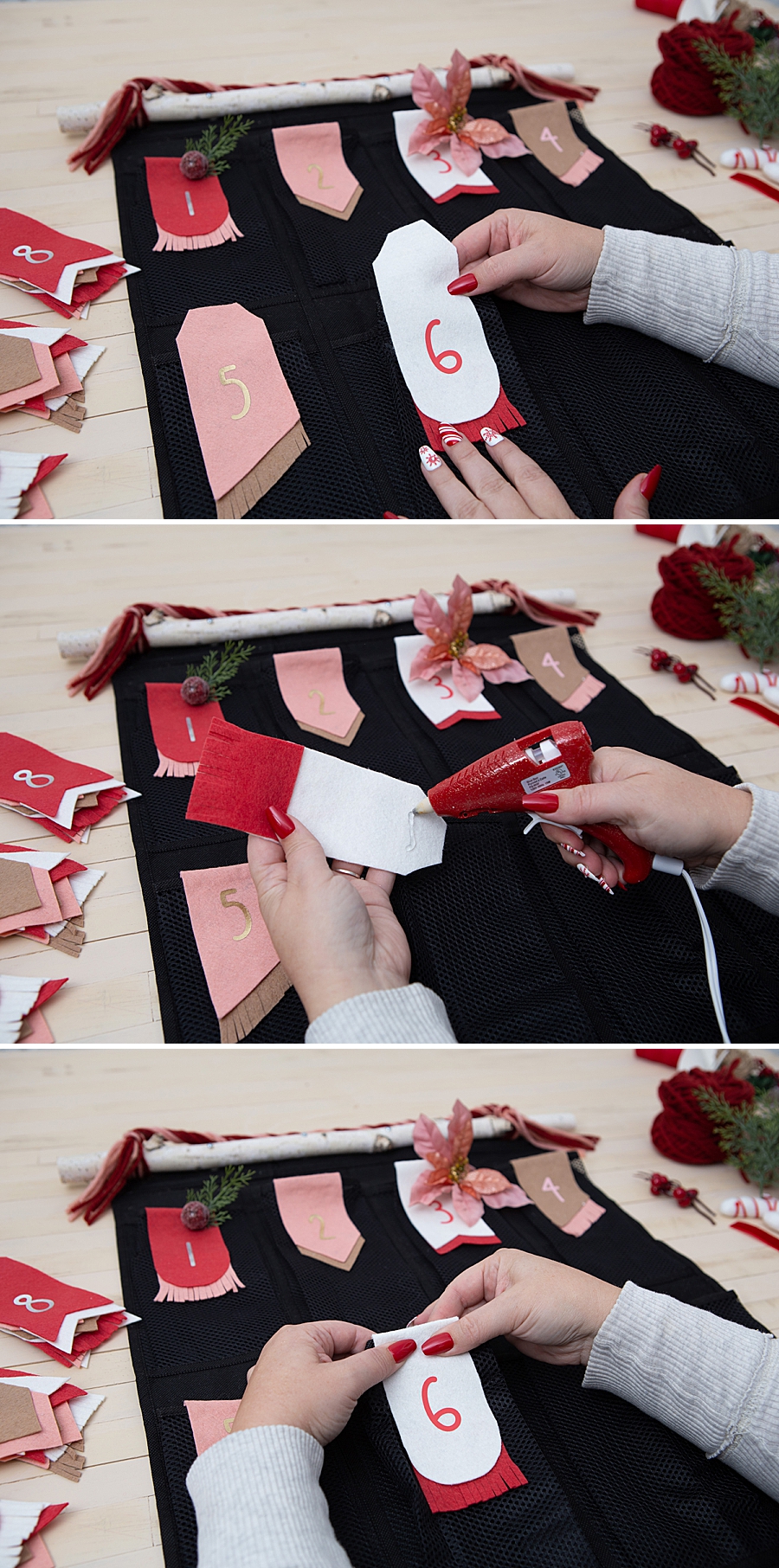
The design process involved a systematic "tag planning" phase, where four distinct felt styles were alternated across the 24 pockets. This methodical approach ensured a balanced distribution of colors and textures. Once the tags were completed, they were affixed to the shoe organizer pockets using high-temperature hot glue. To further elevate the presentation, small embellishments sourced from craft retailers like Michaels and Target were added, creating a bespoke look that rivals high-end department store decor.
Curation Strategy: Diverse Gift Selection
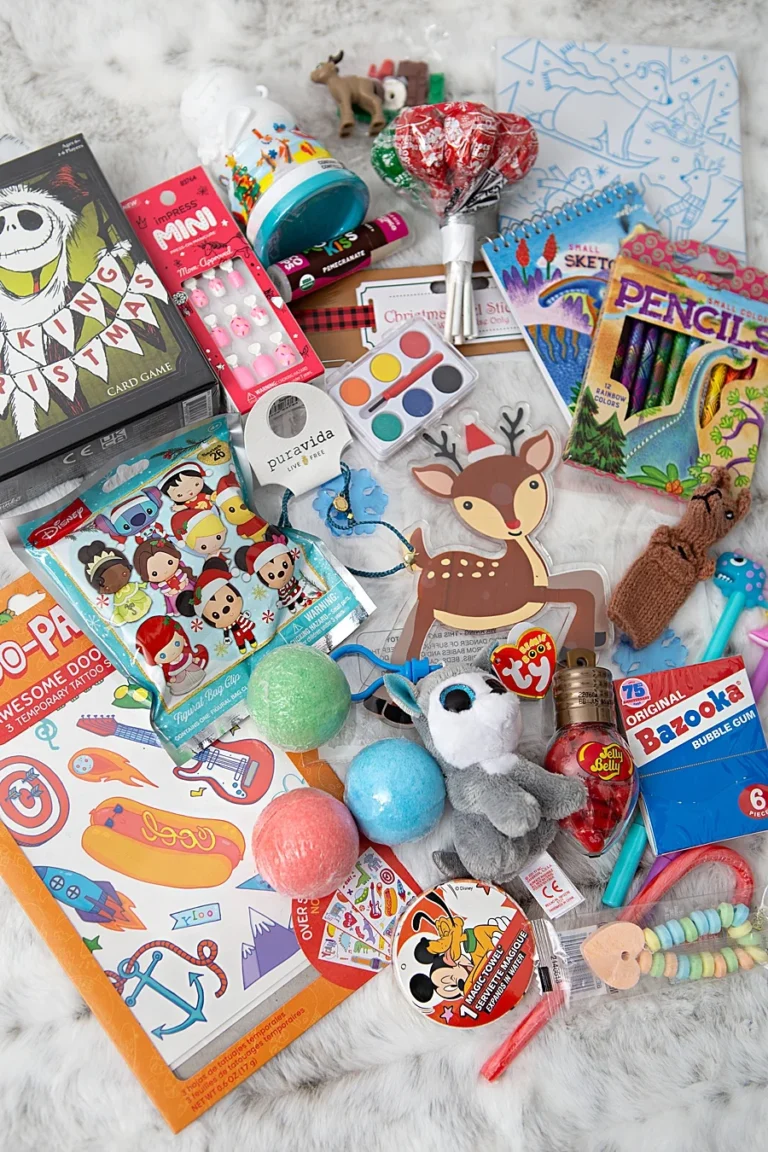
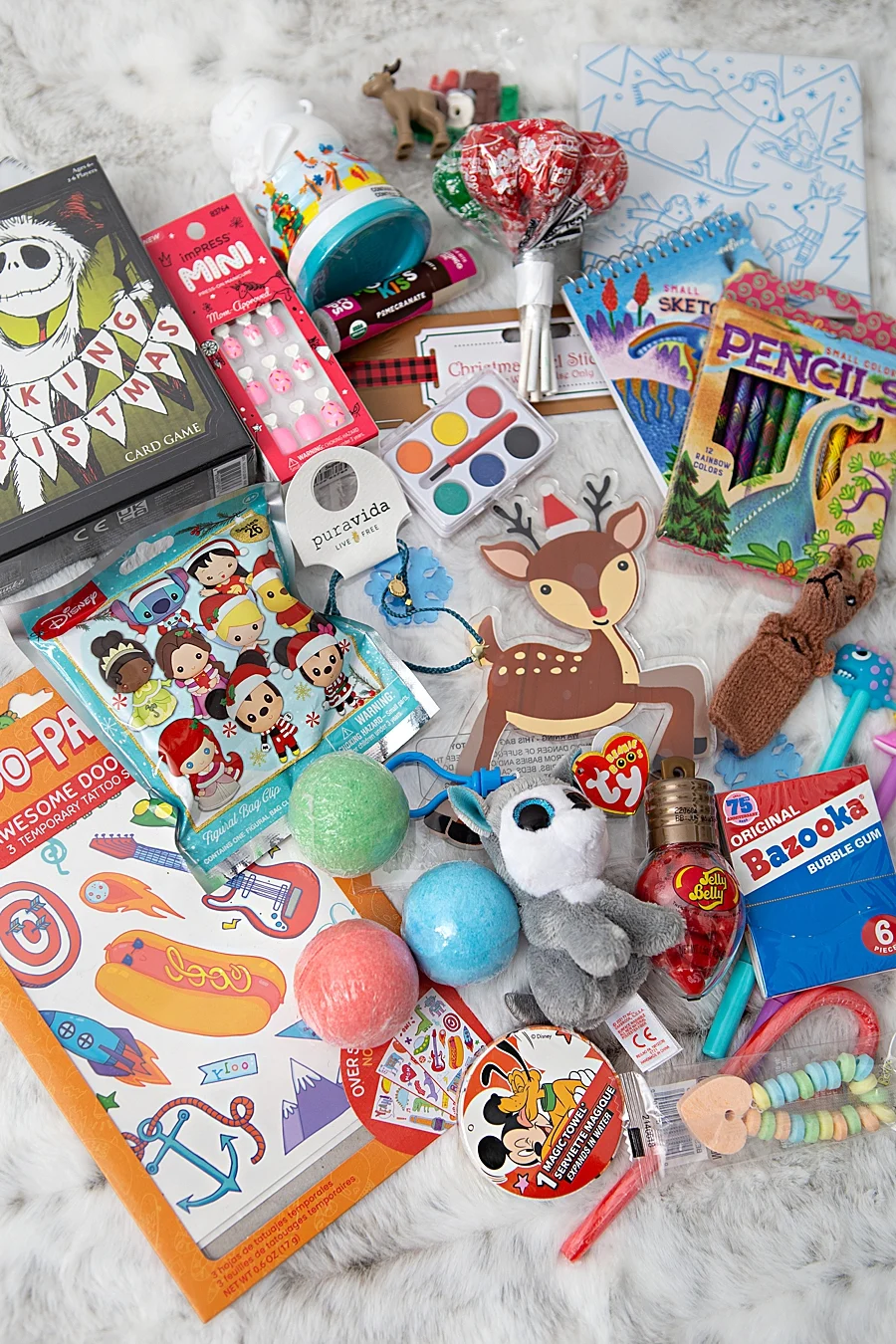
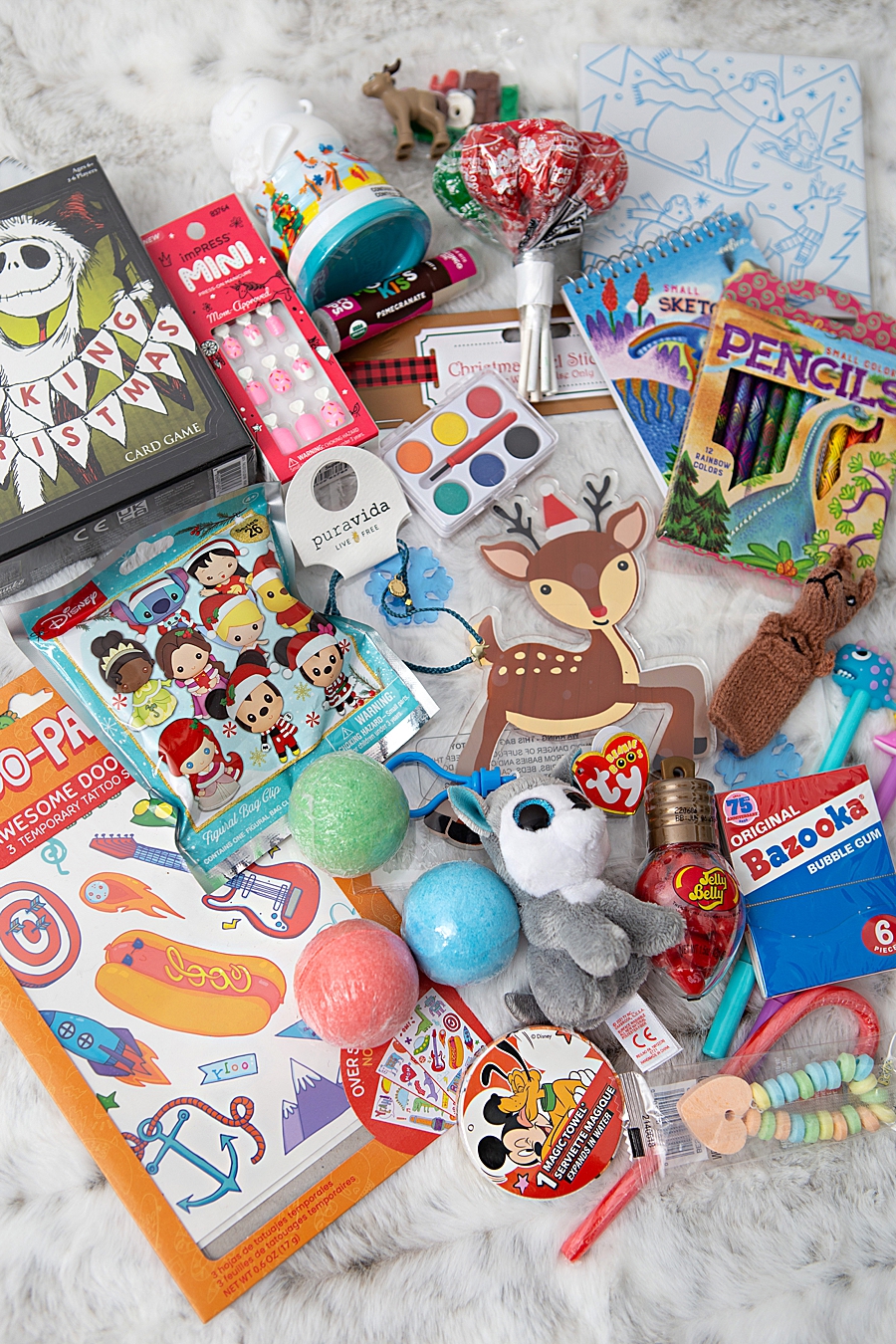
The primary advantage of a DIY advent calendar is the ability to curate a wide range of "micro-gifts" that cater to varying age groups. Unlike commercial sets that are limited to a single theme, the shoe rack system allows for a mixture of consumables, activities, and small toys. Over a two-month collection period, items were sourced from various retailers, including Target, Sprouts, Walgreens, and Dollar Tree.

The curated list for the 2022 season included:
- Accessories: Pura Vida bracelets and press-on nails from KISS imPress.
- Stationery and Art: Colored pencils, mini notebooks, mini watercolor sets, pens, and paper scratchers.
- Sensory and Play: Bath bombs, mini "stuffies," finger puppets, play dough, and magic towels.
- Activities: Temporary tattoos, window stickies, and a comprehensive family game meant for collective participation.
- Consumables: Gourmet gum, specialized candies, and lip balm (chapstick).
This diversity ensures that each day provides a unique experience, effectively eliminating the boredom associated with single-theme calendars. Furthermore, the inclusion of a family game highlights a shift toward "experience-based" gifting, where the calendar serves as a catalyst for family bonding rather than just individual consumption.
Tactical Implementation: The "Mom Trick" for Large Families
Managing a large family during the holiday season requires significant logistical oversight. With children ranging from a 14-month-old toddler to a seven-year-old, the risk of "premature opening" or accidental displacement of gifts is high. To mitigate this, Causey-Kidder introduced a tactical labeling system. Each wrapped gift was marked with the specific date it was intended to be opened.
This labeling serves two purposes:
- Order Maintenance: It ensures that if a younger child removes an item from a lower pocket, the parent can easily return it to its correct chronological position.
- Strategic Pacing: It allows parents to ensure that more significant gifts or family-oriented activities are opened on weekends or specific dates when the family has more time to engage with them.
The wrapping process itself was described as a significant time investment, but one that added a layer of mystery and excitement for the children. By wrapping every individual item, the tactile experience of the advent calendar is preserved, even within the open-pocket structure of the shoe rack.
Broader Implications and Sustainability
The move toward DIY advent calendars reflects a broader consumer trend toward sustainability and intentionality. Standard advent calendars generate a substantial amount of waste, including non-recyclable plastic inserts and thin cardboard outer shells. In contrast, the shoe organizer system is inherently circular. The organizer, the mounting branch, and the felt tags are designed to be stored and reused annually. The only recurring costs are the gifts themselves and the wrapping paper.
From a child development perspective, the variety of gifts in a personalized calendar can support different types of play and learning. Art supplies encourage creativity, while small figurines or puppets support imaginative role-play. The inclusion of a 14-month-old in the tradition—albeit with age-appropriate substitutions—fosters a sense of inclusion and routine from an early age.
Analysis of the DIY Holiday Market
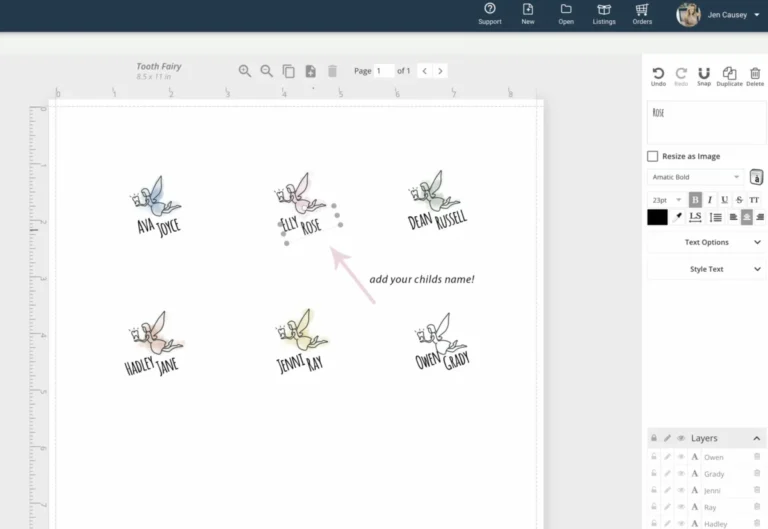
The success of such projects underscores the power of digital communities in sharing "life hacks" for parents. Platforms like Instagram and Pinterest have transformed holiday preparation from a solitary chore into a collaborative, creative endeavor. By sharing the specific "Cricut Design Space" canvas and supply lists, creators like Causey-Kidder lower the barrier to entry for other families looking to replicate the system.
In conclusion, the DIY shoe organizer advent calendar represents a sophisticated blend of financial savvy, structural engineering, and creative curation. It addresses the common pitfalls of commercial holiday products—namely high costs and low variety—while providing a durable framework for family traditions. As inflation continues to impact holiday spending, these types of resourceful, high-impact DIY projects are likely to become a permanent fixture in the modern family’s seasonal repertoire. The "labor of love" required to assemble such a system is ultimately rewarded by the sustained engagement and joy of the children throughout the month of December.