


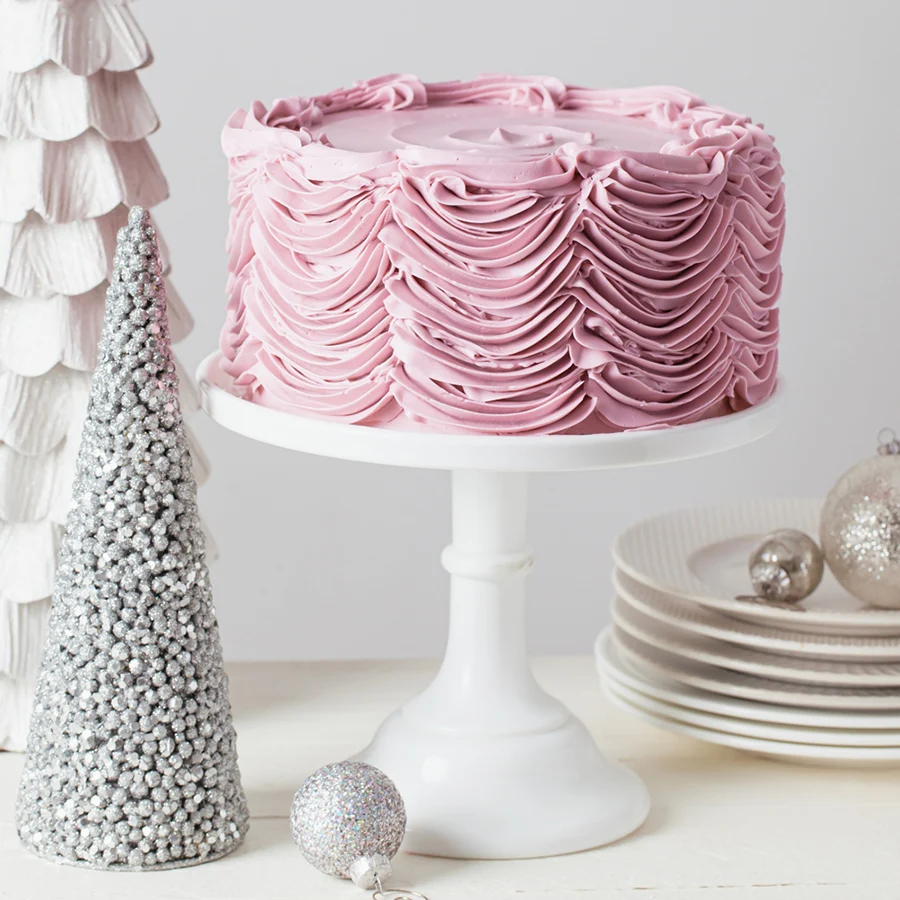
Conceptual Framework and Culinary Inspiration
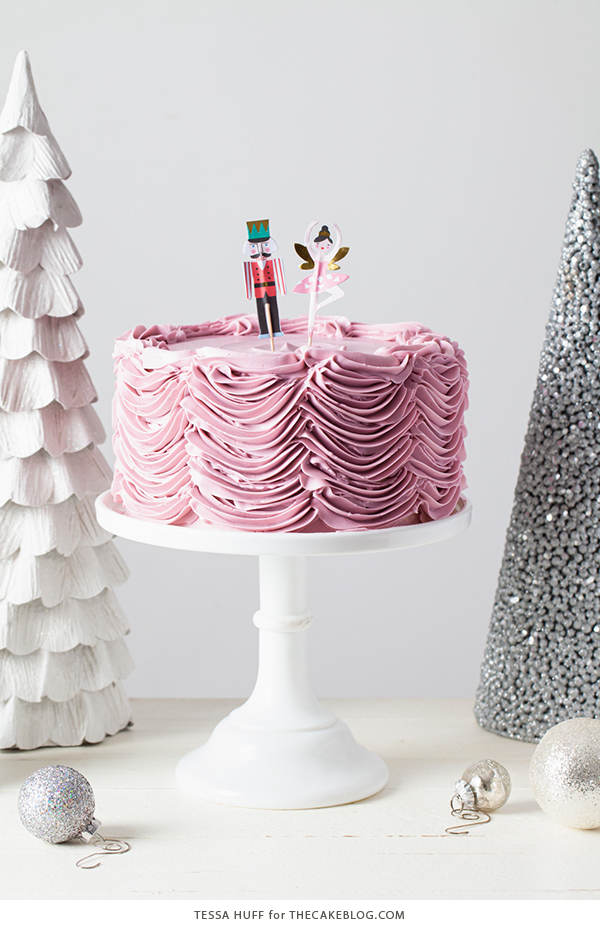
The Hazelnut Nutcracker Cake is designed as a culinary homage to the nostalgia and "child-like wonder" associated with the Christmas season. Tessa Huff, the architect of the recipe, draws from a personal history intertwined with the performing arts, specifically the annual tradition of The Nutcracker. In the professional baking landscape, thematic cakes often rely on literal interpretations—such as sugar sculptures of toy soldiers—but Huff’s approach is more evocative and atmospheric.

While the "Dance of the Sugar Plum Fairy" is perhaps the most recognizable movement of the ballet, Huff noted a logistical challenge in seasonal baking: plums are typically out of season during the winter months in the Northern Hemisphere. Consequently, the flavor profile was shifted toward the roasted hazelnut, a staple of winter harvests and European holiday traditions. By pairing the nuttiness of the hazelnut with the warmth of brown sugar and the aromatic depth of nutmeg, the cake provides a sensory experience that aligns with the "Land of Sweets" without relying on out-of-season fruit.
Technical Specifications of the Cake Construction
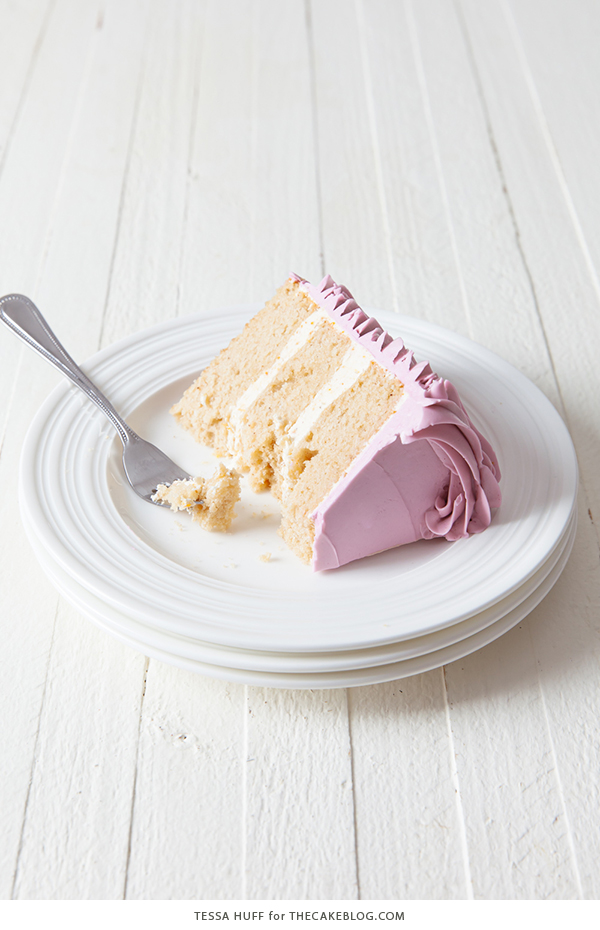
The construction of the Hazelnut Nutcracker Cake involves three distinct technical phases: the preparation of the brown sugar nutmeg sponge, the creation of a hazelnut praline brittle, and the assembly of a Swiss meringue buttercream.
The Brown Sugar Nutmeg Sponge
The foundation of the dessert is a cake base that deviates from standard white or yellow sponges. By utilizing brown sugar as the primary sweetener, the recipe introduces molasses notes that complement the woody profile of the nutmeg. This choice provides a denser, more moist crumb structure, which is essential for supporting the weight of the elaborate buttercream decorations. Nutmeg, a spice historically valued for its medicinal and preservative properties, serves here as a bridge between the sugar and the fats in the buttercream.
The Hazelnut Praline Component
A critical element of the cake’s internal texture is the hazelnut praline. The process involves caramelizing sugar to a specific amber stage before introducing roasted hazelnuts. Once cooled into a brittle, the mixture is pulverized into a fine praline powder. This technique is a hallmark of high-end French patisserie, allowing the baker to infuse a "silky" Swiss meringue buttercream with intense nutty flavor and a subtle, granular crunch that would be impossible to achieve with extracts or raw nuts alone.
Aesthetic Execution: The "Tutu" Piping
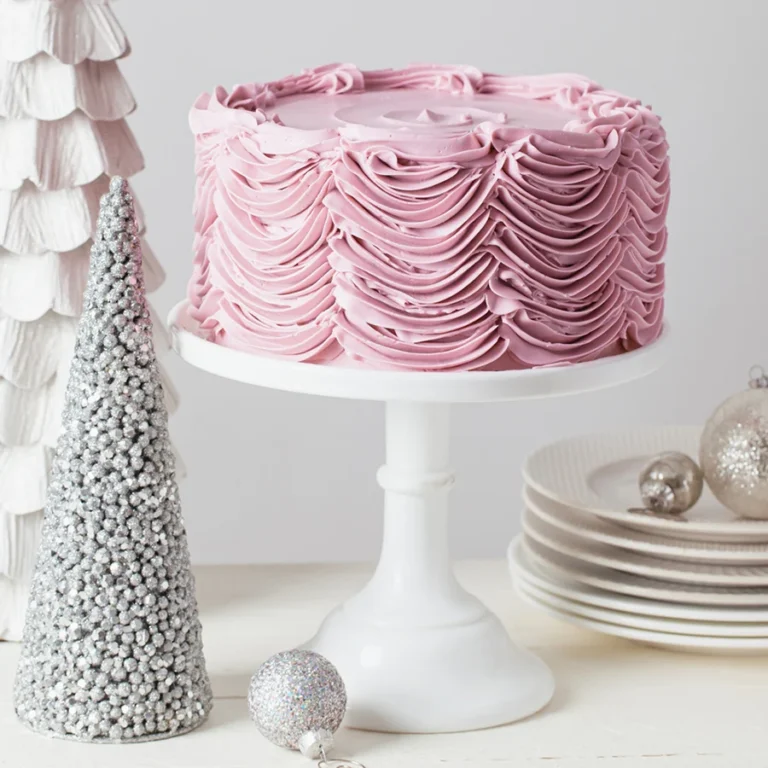
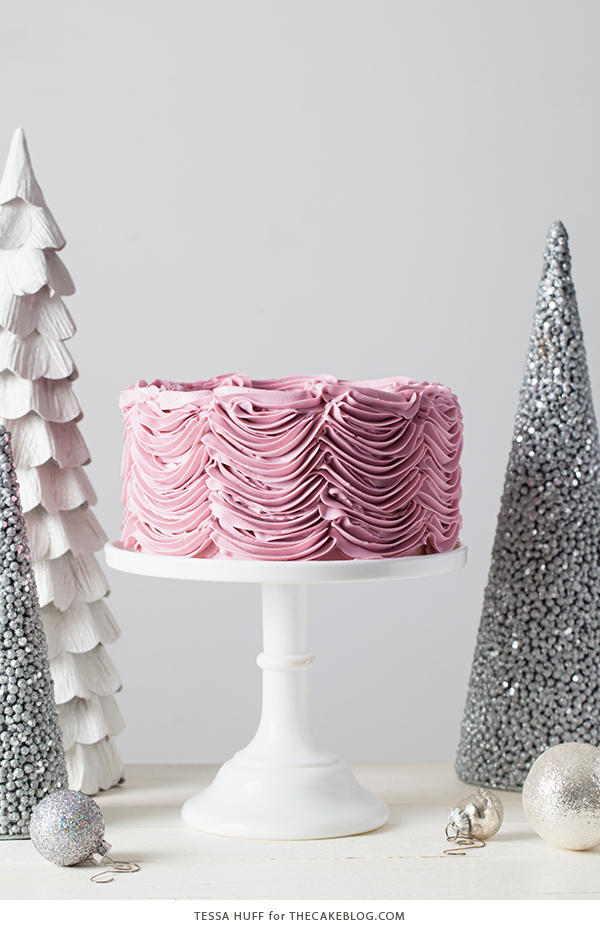
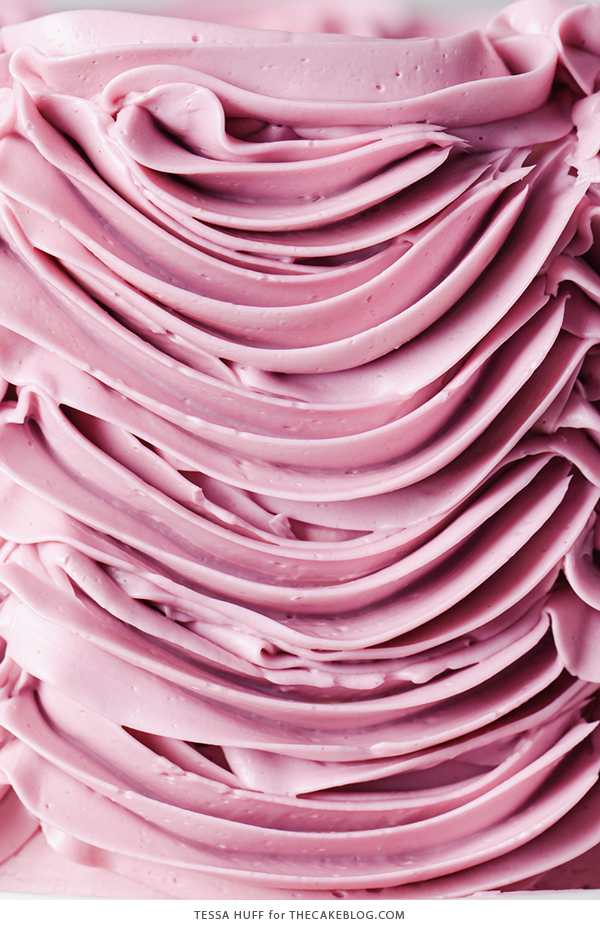
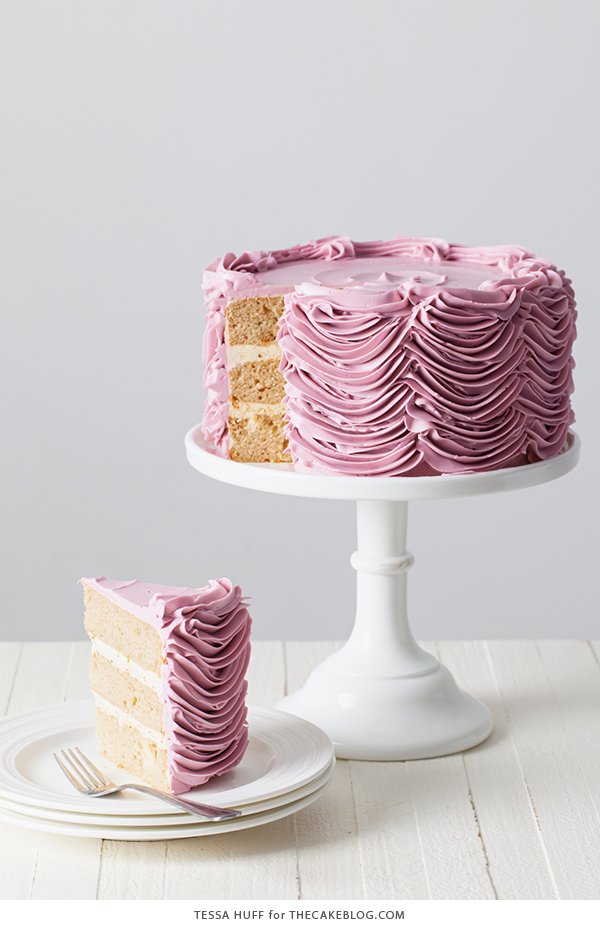
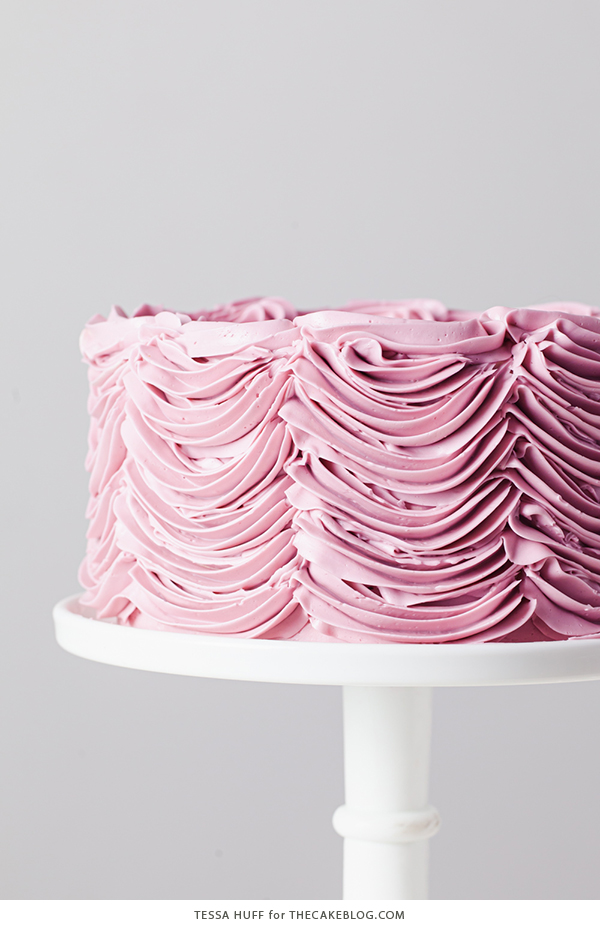
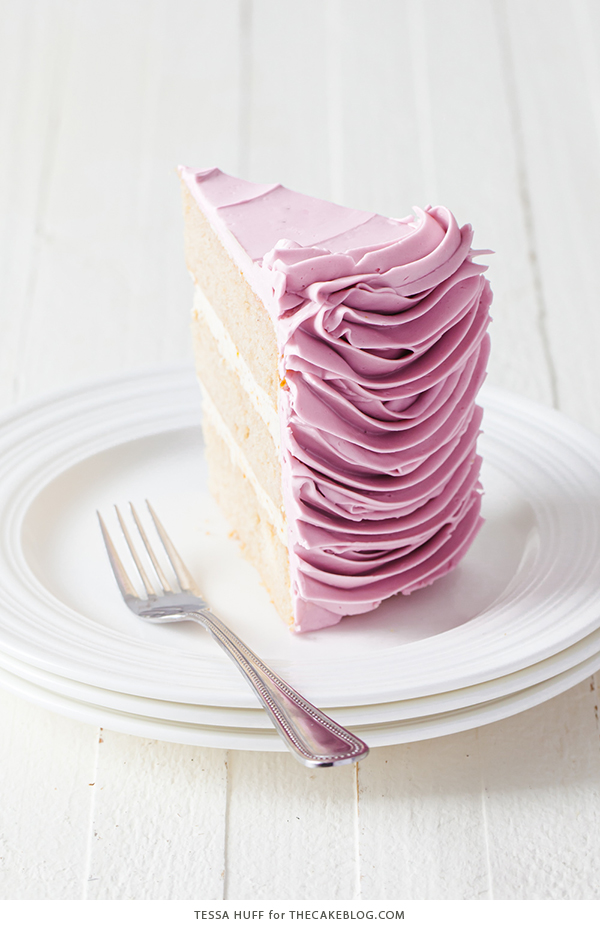
The visual identity of the Hazelnut Nutcracker Cake is defined by its "swag" buttercream piping. To mimic the delicate ruffles of a ballerina’s tutu, Huff utilizes a specific tinting process, creating a "sugared plum purple" hue. The piping is executed using a petal tip, layered in a series of overlapping ruffles along the sides of the cake. This technique requires significant manual dexterity and a stable buttercream—specifically Swiss meringue, which is favored by professionals for its structural integrity and smooth finish under varying temperatures.
Chronology of the Holiday Baking Tradition
The release of the Hazelnut Nutcracker Cake coincides with the peak of the global holiday baking season, a period that sees a significant surge in the consumption of luxury ingredients. The timeline of such a recipe’s development typically begins months in advance, as pastry chefs analyze seasonal trends and ingredient availability.
- September – October: Concept development and flavor pairing. During this phase, the decision to pivot from plum to hazelnut was finalized based on seasonal ingredient sourcing.
- November: Recipe testing and structural analysis. Ensuring the praline powder does not "break" the emulsion of the Swiss meringue buttercream is a critical technical hurdle.
- Late November: Visual styling and photography. For digital platforms like The Cake Blog, the aesthetic presentation is as vital as the recipe itself, requiring precise lighting to capture the "swag" piping.
- December: Public release. The recipe is disseminated to a global audience of home bakers and professional pastry chefs seeking to update their holiday menus.
Supporting Data: The Economics of Seasonal Ingredients
The choice of hazelnuts and nutmeg is not merely an aesthetic one; it reflects broader trends in the global agricultural market. Hazelnuts, primarily produced in Turkey (which accounts for approximately 70% of global supply) and the Willamette Valley in Oregon, have seen a steady increase in demand within the artisanal baking sector.
According to market reports, the global hazelnut market is projected to grow at a CAGR of approximately 5.9% through 2026. This growth is driven by the "premiumization" of snacks and desserts. Similarly, the spice trade sees a 30% to 40% spike in nutmeg and cinnamon sales during the fourth quarter of the fiscal year. By utilizing these ingredients, Huff’s recipe taps into a multi-billion dollar seasonal economy, providing a "high-value" dessert option for holiday celebrations.
Professional Perspectives and Inferred Reactions
While official statements from the broader culinary community were not released simultaneously with the blog post, the reception of Huff’s work typically follows a pattern of high engagement from the "cottage food" industry and hobbyist bakers. Industry analysts suggest that recipes of this complexity serve a dual purpose: they act as instructional material for skill-building (e.g., mastering Swiss meringue or praline) and as aspirational content that drives traffic to culinary platforms.
Pastry experts note that the "Nutcracker" theme is a perennial favorite because it bridges the gap between high culture and mass-market appeal. The use of "praline powder" in the buttercream is particularly noted by professionals as a sophisticated way to manage moisture content in a cake, preventing the oils from the nuts from separating the frosting—a common failure point in amateur baking.
Broader Impact and Cultural Implications
The Hazelnut Nutcracker Cake represents a shift in how holiday traditions are consumed. In previous decades, holiday desserts were often characterized by heavy fruitcakes or simple sugar cookies. The modern era, influenced by social media platforms like Instagram and Pinterest, demands "edible art."
The "Instagrammable" Cake Trend
The "swag" piping on the Hazelnut Nutcracker Cake is specifically designed for visual impact. In a digital economy, the success of a recipe is often measured by its "shareability." The intricate ruffles and the specific shade of purple provide a high-contrast, photogenic subject that encourages user-generated content, further extending the reach of the original recipe.
Educational Value in Home Baking
Beyond its visual appeal, the recipe serves an educational function. By detailing the process of making a praline from scratch and explaining the nuances of fresh nutmeg versus pre-ground varieties, the article elevates the technical literacy of the home baker. This democratization of professional pastry techniques has led to a significant increase in the quality of home-produced baked goods over the last decade.
Analysis of Seasonal Transitions
The transition from the "plum" concept to the "hazelnut" reality is a pragmatic reflection of the modern supply chain. While global shipping allows for the availability of most fruits year-round, the quality of out-of-season produce often lacks the organoleptic properties required for high-end baking. By choosing roasted hazelnuts, the recipe ensures a consistent result for bakers regardless of their geographic location, provided they have access to high-quality dry goods.
Furthermore, the inclusion of nutmeg provides a psychological link to the "warmth" of the holiday season. Chemically, nutmeg contains myristicin, which in culinary doses contributes to the complex aroma profile associated with winter comfort foods. This chemical-sensory link is a key reason why the Hazelnut Nutcracker Cake resonates with consumers on a subconscious level, evoking the "nostalgia" mentioned in the original text.
Conclusion: A Benchmark for Holiday Confectionery
The Hazelnut Nutcracker Cake by Tessa Huff stands as a benchmark for contemporary holiday baking. It successfully integrates the narrative elegance of classical ballet with the rigorous technical demands of professional pastry arts. Through its strategic use of seasonal ingredients, sophisticated flavor balancing, and high-concept decorative techniques, the recipe provides a comprehensive framework for creating a dessert that is both a centerpiece and a culinary achievement. As the holiday season continues to evolve, the influence of such high-caliber, thematic recipes is likely to grow, further blurring the lines between the professional kitchen and the domestic oven.