

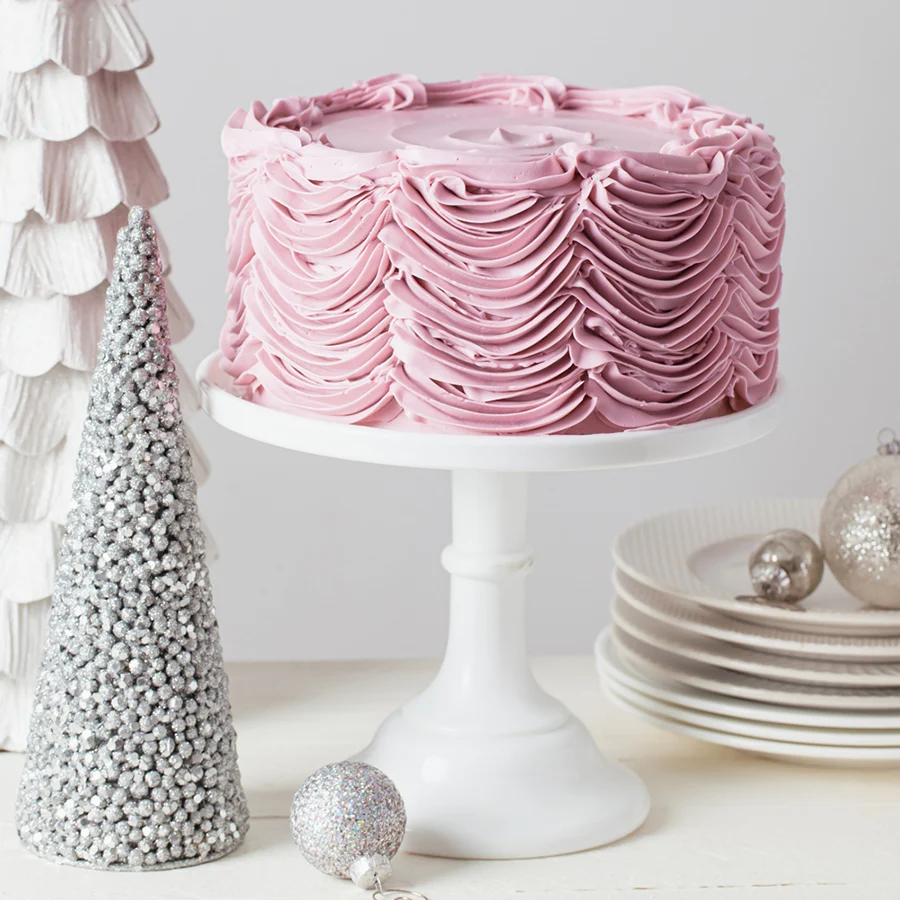
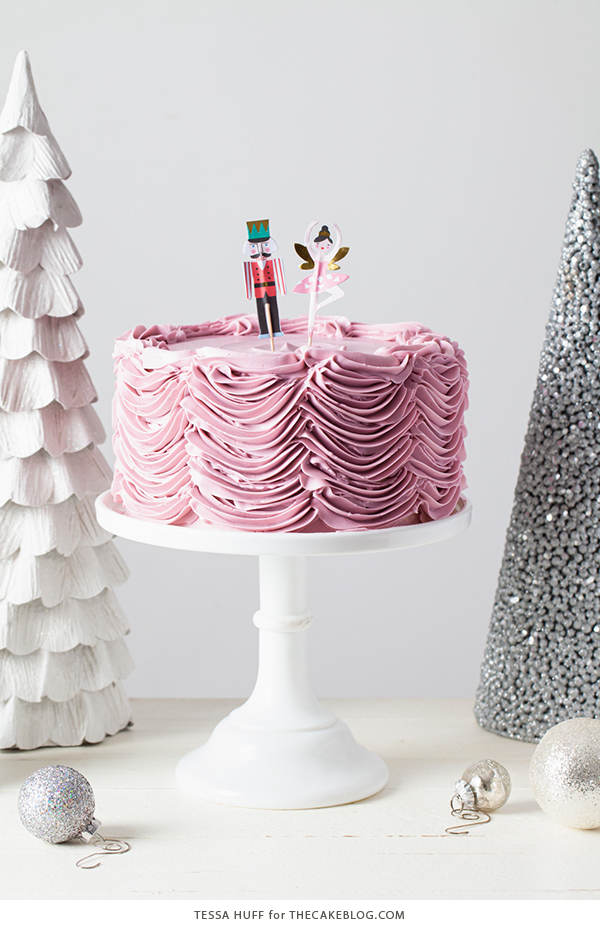
The release of the Hazelnut Nutcracker Cake marks a significant addition to the contemporary holiday baking repertoire, blending traditional seasonal flavors with advanced confectionery techniques. Developed by culinary contributor Tessa Huff for the industry-leading platform The Cake Blog, the recipe serves as a technical and aesthetic tribute to "The Nutcracker" ballet, a cornerstone of Western holiday tradition. This artisanal dessert is characterized by a brown sugar and nutmeg sponge, a hazelnut praline-infused Swiss meringue buttercream, and an intricate "swag" piping design intended to evoke the visual elements of classical dance costumery. As home baking continues to evolve into a form of high-level craftsmanship, the Hazelnut Nutcracker Cake represents the intersection of nostalgic storytelling and rigorous pastry science.

Composition and Flavor Profile Analysis
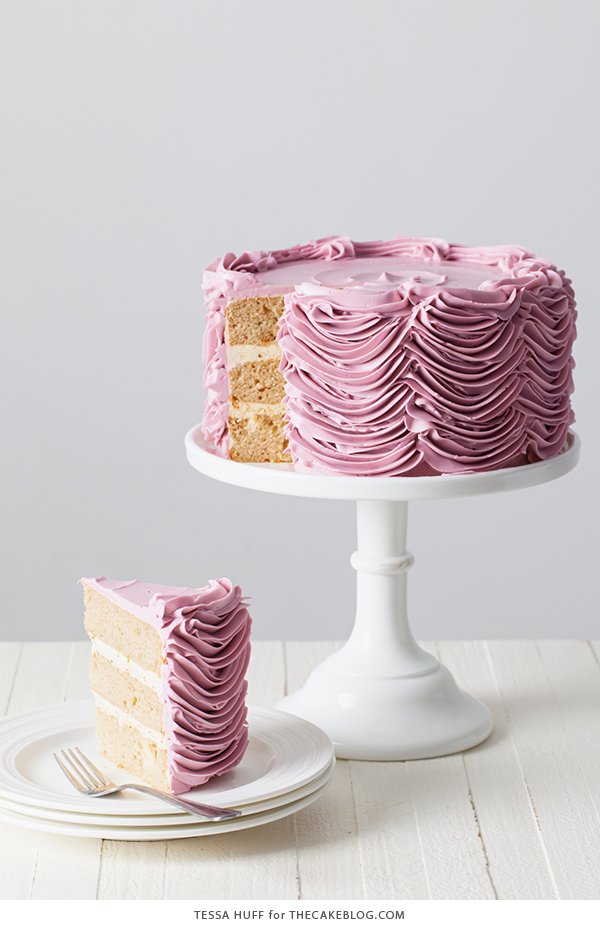
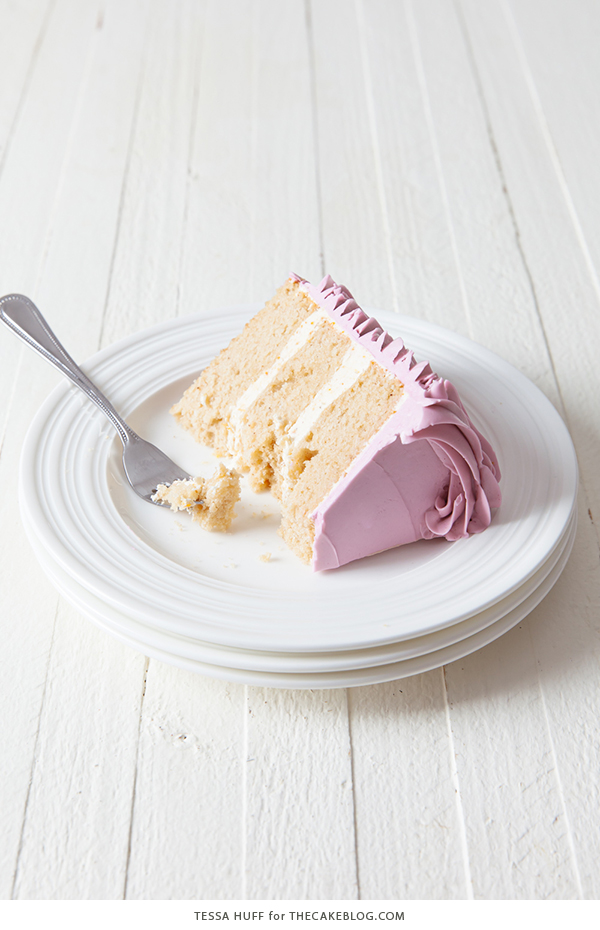
The structural foundation of the Hazelnut Nutcracker Cake is a dense yet tender sponge flavored with brown sugar and fresh nutmeg. Unlike standard white or yellow cakes, the use of brown sugar introduces molasses notes that provide a deeper, more robust sweetness, which is chemically balanced by the inclusion of warm spices. Nutmeg, a spice derived from the seed of the Myristica fragrans tree, is historically associated with winter festivities due to its aromatic properties and its ability to complement high-fat dairy components.
The secondary flavor layer is defined by a hazelnut praline buttercream. The preparation involves creating a hazelnut brittle—a mixture of roasted nuts and caramelized sugar—which is then processed into a fine praline powder. This powder is folded into a Swiss meringue buttercream (SMB). From a technical standpoint, SMB is preferred for this application due to its stability and silky texture, which results from the emulsification of cooked egg whites, sugar, and unsalted butter. The addition of the praline powder provides a textural contrast and a complex, nutty finish that distinguishes the cake from more traditional, fruit-based holiday desserts.
Chronology of Development and Inspiration
The development of the Hazelnut Nutcracker Cake follows a specific creative timeline, beginning with the conceptualization of a "Sugar Plum" theme. In the initial design phase, the creator sought to translate the ephemeral qualities of Tchaikovsky’s "The Nutcracker" into a tangible culinary format. While plums are the traditional fruit associated with the ballet’s "Land of Sweets," their limited seasonal availability in many regions led to a strategic pivot toward roasted hazelnuts and warm spices, which are more readily accessible during the December peak season.
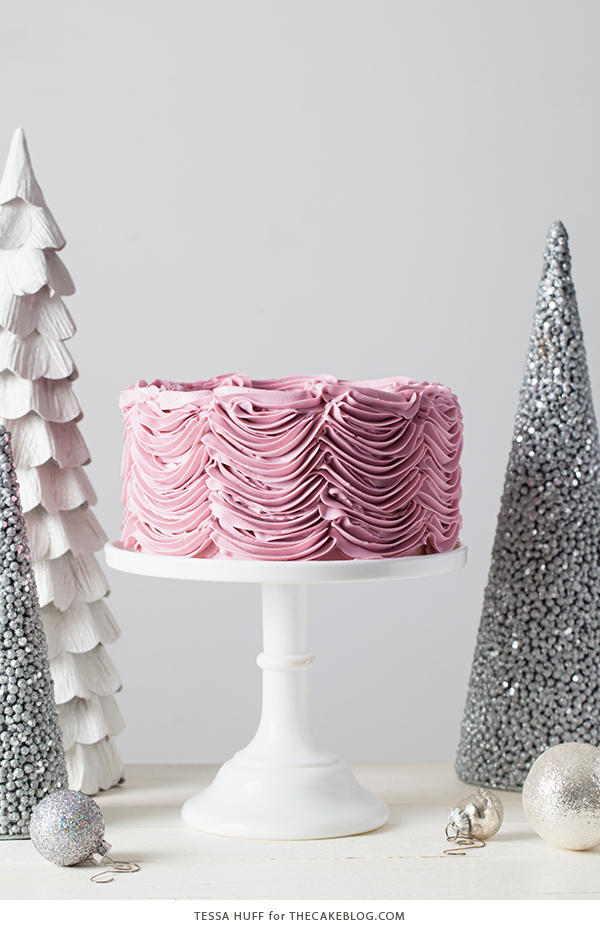
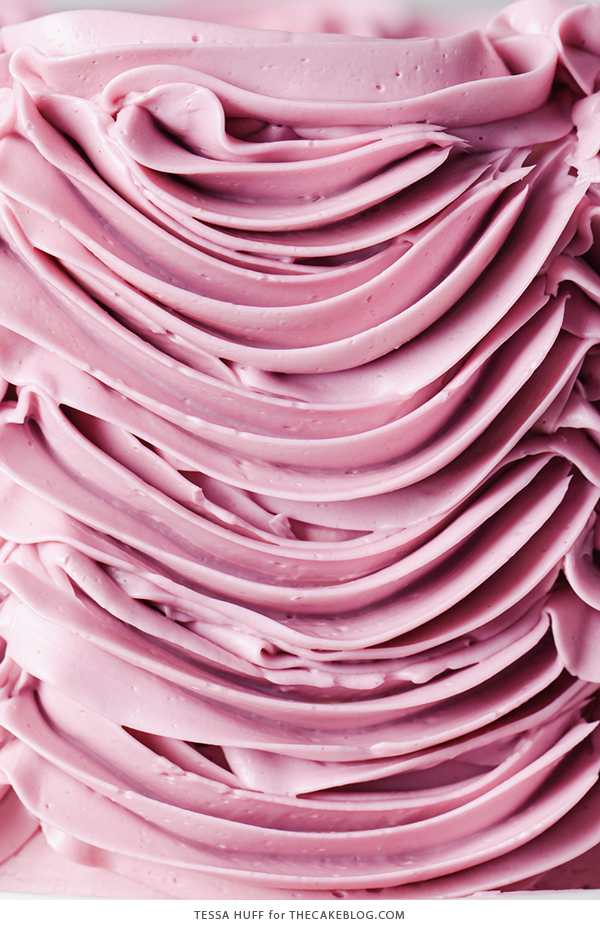
Following the flavor profile selection, the focus shifted to the visual narrative. The cake’s exterior was designed to mimic the ruffles of a ballerina’s tutu. This was achieved through the use of "swag" buttercream piping, a technique that requires precise pressure control and a specific rhythmic movement of the piping bag. The final aesthetic touch involves tinting a portion of the buttercream with a "sugared plum" purple hue, providing a direct visual link to the Sugar Plum Fairy, the ballet’s most iconic character.
The Cultural Significance of The Nutcracker in Modern Baking
The Nutcracker ballet, originally choreographed by Marius Petipa and Lev Ivanov with a score by Pyotr Ilyich Tchaikovsky, premiered in 1892. While it was not an immediate success in Russia, its popularity surged in the United States during the mid-20th century, eventually becoming a staple of the American holiday season. This cultural phenomenon has significantly influenced the food and beverage industry, leading to the creation of various "Nutcracker-themed" products.
The Hazelnut Nutcracker Cake leverages this cultural familiarity to provide consumers with a sense of "child-like wonder" and "nostalgia," as noted by the recipe’s creator. By utilizing the ballet as a thematic anchor, the cake transcends its role as a food item and becomes a piece of performance art. The inclusion of hazelnuts is particularly symbolic, referencing the traditional nutcracker dolls that have become synonymous with the holiday season and the ballet itself.
Supporting Data: The Rise of Artisanal Holiday Baking
The introduction of complex recipes like the Hazelnut Nutcracker Cake coincides with a documented increase in artisanal baking among home consumers. Market research indicates that during the fourth quarter of the fiscal year, sales of premium baking ingredients—including high-quality butter, specialty nuts, and whole spices—experience a 25% to 30% increase compared to other quarters.
Furthermore, hazelnuts (filberts) have seen a rise in domestic consumption. According to data from the USDA, Oregon produces approximately 99% of the U.S. hazelnut crop. In recent years, the demand for hazelnuts in confectionery applications has grown, fueled by the popularity of hazelnut-cocoa spreads and the increasing consumer preference for "earthy" and "savory-sweet" flavor profiles. The Hazelnut Nutcracker Cake aligns with these market trends by positioning the hazelnut as a primary flavor agent rather than a garnish.
Technical Execution and Official Guidance
For the successful replication of the Hazelnut Nutcracker Cake, culinary experts emphasize the importance of ingredient temperature and timing. The following technical stages are critical to the outcome:
- Sponge Integrity: The brown sugar nutmeg cake must be baked at a consistent 350°F (175°C) to ensure the molasses in the sugar does not cause the cake to sink. The crumb must be sturdy enough to support the weight of the praline buttercream.
- Praline Synthesis: The hazelnut brittle must reach the "hard crack" stage (approximately 300°F to 310°F) before cooling. If the sugar is undercooked, the resulting praline powder will be sticky rather than crisp, which can compromise the texture of the Swiss meringue buttercream.
- Buttercream Emulsification: When preparing the Swiss meringue buttercream, the egg white and sugar mixture must be whisked until stiff peaks form and the bowl is cool to the touch before adding butter. Failure to regulate temperature during this stage can lead to a broken or "soupy" emulsion.
- Piping Precision: The "swag" piping requires a petal tip (such as the Wilton 104). The wider end of the tip must be held against the cake surface, while the narrow end points outward, creating a ruffled effect as the hand moves in a continuous U-shaped motion.
Broader Impact and Implications for the Culinary Industry
The publication of the Hazelnut Nutcracker Cake on a platform such as The Cake Blog reflects a broader shift in the digital culinary landscape. Recipes are no longer merely instructional; they are increasingly presented as "editorial content" that combines photography, storytelling, and technical education. This trend has several implications for the industry:
- Elevated Consumer Expectations: As high-level techniques like praline making and Swiss meringue buttercream become accessible to home bakers via digital contributors like Tessa Huff, the barrier between professional pastry chefs and amateur enthusiasts continues to blur.
- Seasonal Marketing Strategies: The use of "The Nutcracker" as a branding tool demonstrates how the culinary industry can capitalize on intellectual property and cultural traditions to drive engagement during peak retail periods.
- Nutritional and Ingredient Awareness: The emphasis on "fresh nutmeg" and "roasted hazelnuts" reflects a growing consumer movement toward whole-food ingredients and away from artificial flavorings.
Summary of the Hazelnut Nutcracker Cake Experience
The Hazelnut Nutcracker Cake is more than a seasonal dessert; it is a meticulously engineered confection that honors historical traditions while utilizing modern pastry techniques. By combining the deep, spiced notes of nutmeg and brown sugar with the sophisticated texture of hazelnut praline buttercream, the recipe offers a complex flavor profile that appeals to a mature palate. Simultaneously, its visual design—inspired by the grace and movement of classical ballet—ensures its place as a centerpiece for holiday celebrations. As the baking community continues to seek out recipes that offer both a challenge and a narrative, the Hazelnut Nutcracker Cake stands as a definitive example of the heights that seasonal home baking can achieve. Through the lens of "The Nutcracker," this cake provides a sensory experience that captures the essence of the holidays: a blend of history, art, and the refined science of sweets.