



This evolution in discoverability was not a conscious choice made by vendors or even by many couples; rather, it emerged organically, mirroring the gradual, large-scale shifts typical of consumer behavior that often remain unnoticed until empirical data surfaces. The implications for businesses, especially those in service-oriented sectors like wedding planning, photography, catering, and officiant services, are significant, demanding a re-evaluation of established marketing and visibility strategies.
The Evolving Landscape of Digital Discovery: A Brief Chronology
The method by which consumers discover and select products and services has undergone several radical transformations over the past decades, culminating in the current AI-driven era.
Pre-Digital Era (Pre-1990s): Vendor discovery was largely analog, relying heavily on word-of-mouth referrals, local business directories (e.g., Yellow Pages), bridal expos, and community recommendations. Personal networks and reputation were paramount.
Early Internet & Search Engines (1990s-Early 2000s): The advent of the internet introduced static websites and nascent search engines like AltaVista and Yahoo. Businesses established an online presence, but discoverability was often rudimentary, relying on simple keyword matching and direct navigation.
Google’s Ascendancy & SEO (Mid-2000s-2010s): Google revolutionized search with sophisticated algorithms, making Search Engine Optimization (SEO) a critical marketing discipline. Keywords, backlinks, and content relevance became the pillars of online visibility. Wedding blogs, online directories, and specialized vendor platforms gained prominence, acting as crucial intermediaries between couples and service providers. Content marketing, through blog posts and articles, aimed to capture search traffic.
Social Media Dominance (2010s-Early 2020s): Platforms like Instagram, Pinterest, and Facebook became visual discovery engines, allowing couples to explore portfolios, connect with vendors, and gather inspiration. Influencer marketing and highly visual content took center stage, complementing traditional SEO efforts. Engagement metrics and follower counts became new indicators of a vendor’s reach.

The AI Era (Late 2020s Onwards): The proliferation of generative AI platforms marks the latest, and perhaps most disruptive, shift. These tools, capable of synthesizing vast amounts of information and providing direct, conversational answers, are fundamentally altering how information is consumed and how purchasing decisions are initiated. This era is characterized by the rise of "zero-click" searches and a new emphasis on semantic understanding and trusted mentions.
The Rise of Zero-Click Searches and AI-Driven Gatekeeping
Perhaps the most startling finding for digital marketers is that the traditional "search bar" is no longer the primary gateway to information, and website clicks are becoming increasingly scarce. Research indicates that approximately 60% of online searches now conclude without the user ever clicking through to a website. Instead, the AI platform directly provides the answer, summarising information gleaned from various sources. This phenomenon, often termed the "zero-click economy," means that a vendor’s meticulously crafted "About Us" page, stunning portfolio images, or thoughtfully written blog posts—assets painstakingly developed over years—may never be seen if the AI does not direct users to them.
This development fundamentally challenges the long-standing model of web traffic generation and conversion. For wedding vendors, whose businesses often thrive on showcasing their unique style, personality, and client testimonials through their own digital properties, this shift necessitates a profound re-evaluation of how they present themselves in the digital sphere. The objective is no longer solely to drive traffic to a website but to ensure that their business is accurately and favorably represented in the AI’s synthesized responses.
Industry analysts, such as those at Juniper Research, forecast that conversational AI will influence over 70% of online purchases by 2030, underscoring the permanence and growing impact of this trend. The convenience offered by AI assistants, which can quickly filter options, compare services, and provide concise recommendations based on complex queries, resonates deeply with today’s time-constrained consumers. This is particularly true for wedding planning, a process often fraught with numerous decisions and extensive research.
The New Currency of Visibility: Mentions Outweigh Backlinks
For years, the gold standard for online visibility and SEO involved securing high-quality backlinks from reputable websites. A feature on a popular wedding blog meant not only direct referral traffic but also a valuable "vote of confidence" for search engine algorithms, boosting a website’s authority. While backlinks still hold some residual value, their primacy has been significantly diminished in the AI era.
A comprehensive analysis by Bain & Company, examining roughly 500 million AI citations, revealed a critical insight: 89% of unbranded prompts—those that do not explicitly name a specific brand or vendor—receive answers synthesized from third-party sources, rather than the business’s own website. This means that when a couple asks an AI assistant like ChatGPT or Gemini a question such as, "Who are the best inclusive elopement photographers in the Pacific Northwest?", the AI isn’t primarily parsing individual vendor homepages. Instead, it’s constructing its answer from a diverse array of external data points.
These crucial third-party sources include:

- Google Business Profile listings: These comprehensive local business profiles provide essential contact information, services, reviews, and images.
- Specialized Wedding Vendor Directories: Platforms like Offbeat Wed, The Knot, or WeddingWire, which curate and categorize vendors, are prime sources for AI models.
- Real Wedding Features: Articles or blog posts showcasing actual weddings, where vendors are credited, contribute to the AI’s understanding of a vendor’s work and style.
- Collaborative Blog Posts and Industry Articles: Mentions in content created by other vendors, wedding planners, or industry publications.
- Online Review Platforms: Yelp, Google Reviews, and specific wedding vendor review sites provide crucial social proof and qualitative data.
The essence of this shift is that getting "mentioned" on a trusted platform now serves a dual purpose: it still exposes your brand to human eyes (albeit indirectly through an AI summary), but more importantly, it trains AI models to associate your business name with your specific expertise, style, and values. This constitutes a distinct form of marketing currency, one that a vendor’s own website, no matter how impeccably designed or written, cannot generate in isolation. It’s about establishing a distributed digital footprint that AI can readily consolidate.
Optimizing for Conversational AI: Beyond Keyword Stuffing
The old SEO adage dictated that bios and website content should be rich with keyword strings—e.g., "Pacific Northwest wedding photographer, PNW elopement photographer, Seattle elopement photographer." The goal was to match every conceivable search query directly. However, AI search operates on a fundamentally different principle: it doesn’t primarily rely on keyword density. Instead, it works by understanding actual questions, breaking them down semantically, and searching for contextually relevant answers across its knowledge base.
This shift demands a new approach to crafting vendor bios and descriptive content. The winning bio is no longer one stuffed with location-and-service combinations, but rather one that reads like a direct, natural-language answer to a question a couple would genuinely pose to a chatbot. For instance, instead of merely listing services, a bio should address queries such as "Who photographs queer elopements without making anyone perform for the camera?" or "Which local photographer has experience with culturally diverse weddings?"
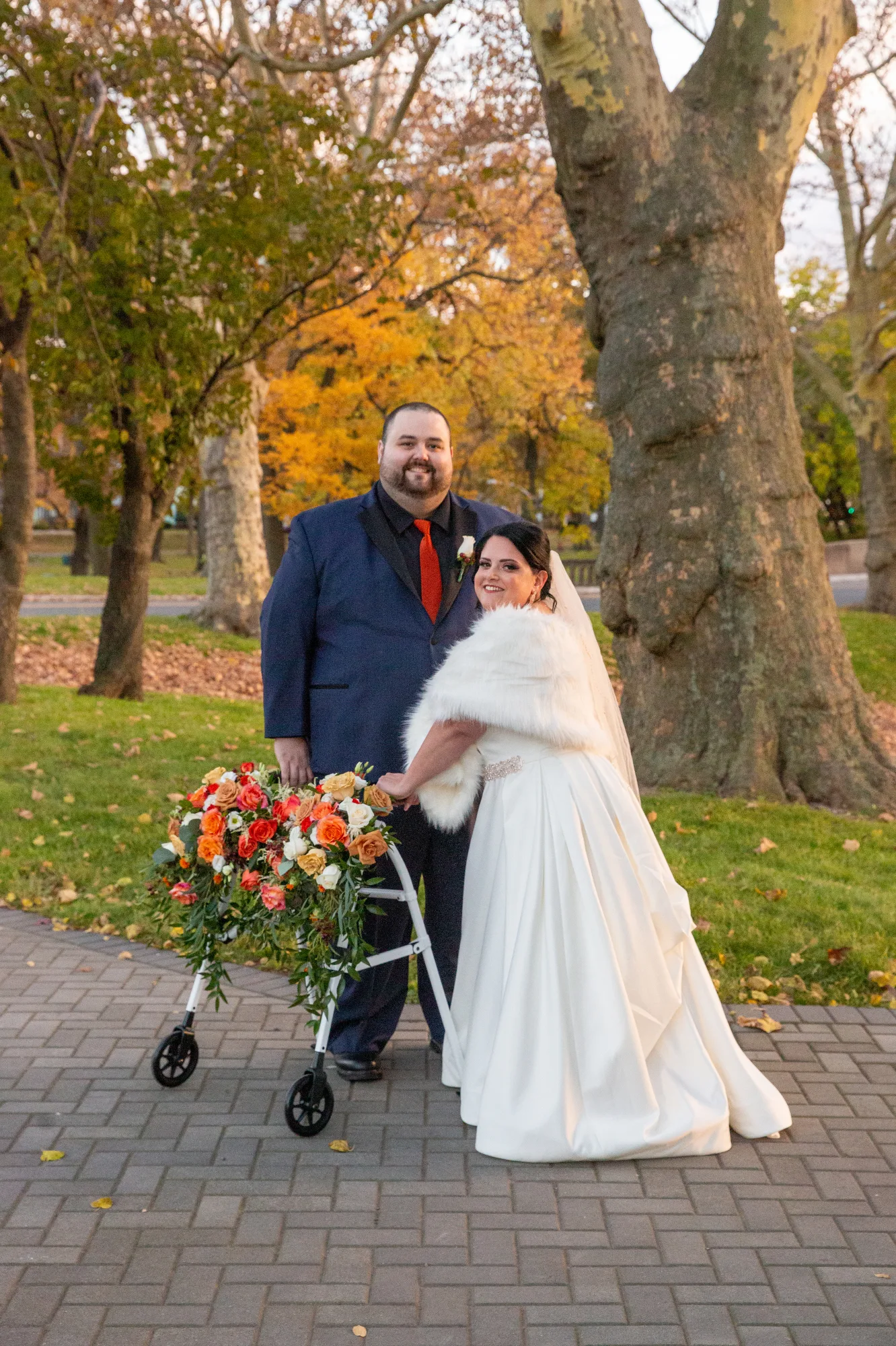
Consider the question, "Does this photographer have experience shooting disabled people?" A truly effective, AI-friendly bio would address this directly and specifically, demonstrating expertise and empathy:
"I have extensive experience photographing weddings where couples or guests utilized wheelchairs, walkers, service animals, and ASL interpreters. My approach involves meticulously planning every shot list around actual mobility considerations and sightlines, ensuring comfort and authenticity over staged backdrops, creating genuinely inclusive and joyful memories."
This example, notably exemplified by Offbeat Wed’s directory listings which now incorporate extensive Q&A sections for vendors, allows both human readers and AI models to gain a deeper, more nuanced understanding of a vendor’s capabilities and values. By providing detailed, conversational answers to anticipated questions, vendors can effectively "train" the AI to accurately represent their specialized offerings. This specificity, rather than broad keyword coverage, becomes the key differentiator in an AI-driven search landscape.
The Imperative of Content Freshness
Another crucial factor in the AI era is the emphasis on content freshness. AI models heavily weigh the recency of information, especially for time-sensitive industries like wedding planning. A well-researched, highly detailed article from two or three years ago, while once valuable, can now be outranked by a more recent, albeit potentially less comprehensive, piece. This is because AI prioritizes providing the most up-to-date information, reflecting current trends, prices, and availability.
While this aspect can be mildly frustrating for content creators, it is an inherent characteristic of how these systems are currently designed to operate. Practically, this means that a single, significant feature or mention secured years ago no longer carries the same long-term marketing weight if it hasn’t been complemented by ongoing visibility. Sustaining relevance in the AI landscape requires a continuous "drumbeat" of fresh content and mentions, rather than relying on a singular, past "spotlight" moment. Vendors must adopt a strategy of consistent engagement and content updates to remain discoverable.
AI Literacy: Adapting Without Adoption
It is understandable why many small business owners, including wedding vendors, may feel skeptical or even resistant to integrating AI tools directly into their daily operations. The good news is that navigating this new landscape does not necessarily require vendors to personally engage with AI tools, generate copy with chatbots, or alter their fundamental business practices.
Instead, the crucial skill is "AI literacy"—understanding how couples are now finding vendors and adapting existing marketing efforts accordingly. This is distinct from adopting the technology itself. For instance, a vendor can continue to hand-write every sentence of their bio in their authentic voice, yet still benefit immensely from knowing that specificity, genuine answers to natural questions, and third-party mentions now outperform generic keyword stuffing. Being AI-literate is akin to understanding the mechanics of the postal service to ensure your letters reach their destination, rather than being forced to write letters with a robot. It’s about strategic awareness, not technological adoption.
Practical Steps for Vendors This Month
The shift towards AI-driven vendor discovery presents both challenges and opportunities. For wedding professionals, taking proactive steps now can significantly enhance their visibility and competitive edge. Here are concrete, budget-friendly actions to consider:
- Optimize Google Business Profile: Ensure your Google Business Profile is meticulously updated with accurate contact information, services offered, high-quality images, and a descriptive, question-answering business description. Encourage clients to leave reviews here. This is often the first stop for AI models seeking local business information.
- Audit and Enhance Directory Listings: Review your profiles on all relevant wedding vendor directories (e.g., Offbeat Wed, The Knot, WeddingWire, local wedding associations). Update your bios to address specific client questions, highlight unique specializations (e.g., "LGBTQ+ friendly," "eco-conscious practices," "accessibility expertise"), and ensure all service offerings are clearly articulated. Leverage any Q&A features offered by these platforms.
- Seek Strategic Mentions: Actively pursue opportunities for your business to be mentioned by trusted third-party sources. This includes:
- Submitting Real Weddings: Share your work with wedding blogs and publications, ensuring you are properly credited with detailed descriptions of your role.
- Collaborate with Other Vendors: Partner with complementary businesses (planners, florists, venues) on styled shoots, joint blog posts, or referral networks, ensuring mutual mentions.
- Offer Expert Insights: Contribute advice or testimonials to industry articles or podcasts. For instance, Offbeat Wed is currently seeking vendor voices for a piece on navigating blended families and adult children at midlife weddings. Participating in such initiatives directly creates valuable, fresh third-party mentions.
- Refine Your "About Us" and Service Descriptions: Re-read your website content through the lens of a conversational AI. Does it answer common questions directly and specifically? Is your unique selling proposition immediately clear? Focus on clarity, empathy, and demonstrating your expertise in a natural, conversational tone rather than a keyword-dense format.
- Prioritize Fresh Content (Even Small Updates): While a major blog post might be a long-term goal, regularly update your portfolio with recent work, refresh testimonials, or post small updates on your social media that can be indexed. A steady stream of new content signals freshness to AI models.
- Engage with Reviews: Respond to all client reviews, positive or negative, across all platforms. This demonstrates engagement and provides fresh content that AI models can analyze for sentiment and service quality.
The landscape of vendor discovery has undeniably shifted, with AI platforms now acting as influential gatekeepers. While the prospect of adapting to new technologies can seem daunting, the core strategies for success remain rooted in authenticity, specificity, and establishing a trusted, distributed digital presence. By understanding the mechanisms of AI-driven search and proactively adjusting their marketing efforts, wedding vendors can ensure they remain visible, relevant, and ultimately, chosen by the couples of tomorrow.