


The intersection of mobile technology and physical media has reached a new milestone with the release and subsequent creative adoption of the Canon SELPHY Square QX10. As digital photo storage continues to expand, a counter-movement emphasizing "phygital" goods—physical items derived from digital assets—has gained significant momentum in the consumer crafting and home décor markets. The Canon SELPHY Square QX10, a compact and portable photo printer, has emerged as a central tool for this transition, enabling users to transform smartphone-captured images into high-quality, tangible keepsakes. This technological shift is exemplified by the recent rise in complex DIY projects, such as the creation of personalized photo shaker ornaments, which utilize the printer’s specific technical capabilities to merge modern photography with traditional scrapbooking and assembly techniques.
The Evolution of Portable Printing Technology
For decades, the printing industry struggled to bridge the gap between professional-grade photo finishing and the convenience required by home users. Early portable printers often sacrificed image resolution or color accuracy for the sake of size. However, the introduction of dye-sublimation technology into the consumer portable market has fundamentally altered this landscape. Unlike traditional inkjet printers that spray liquid ink onto paper, the Canon SELPHY Square QX10 utilizes a thermal transfer process.
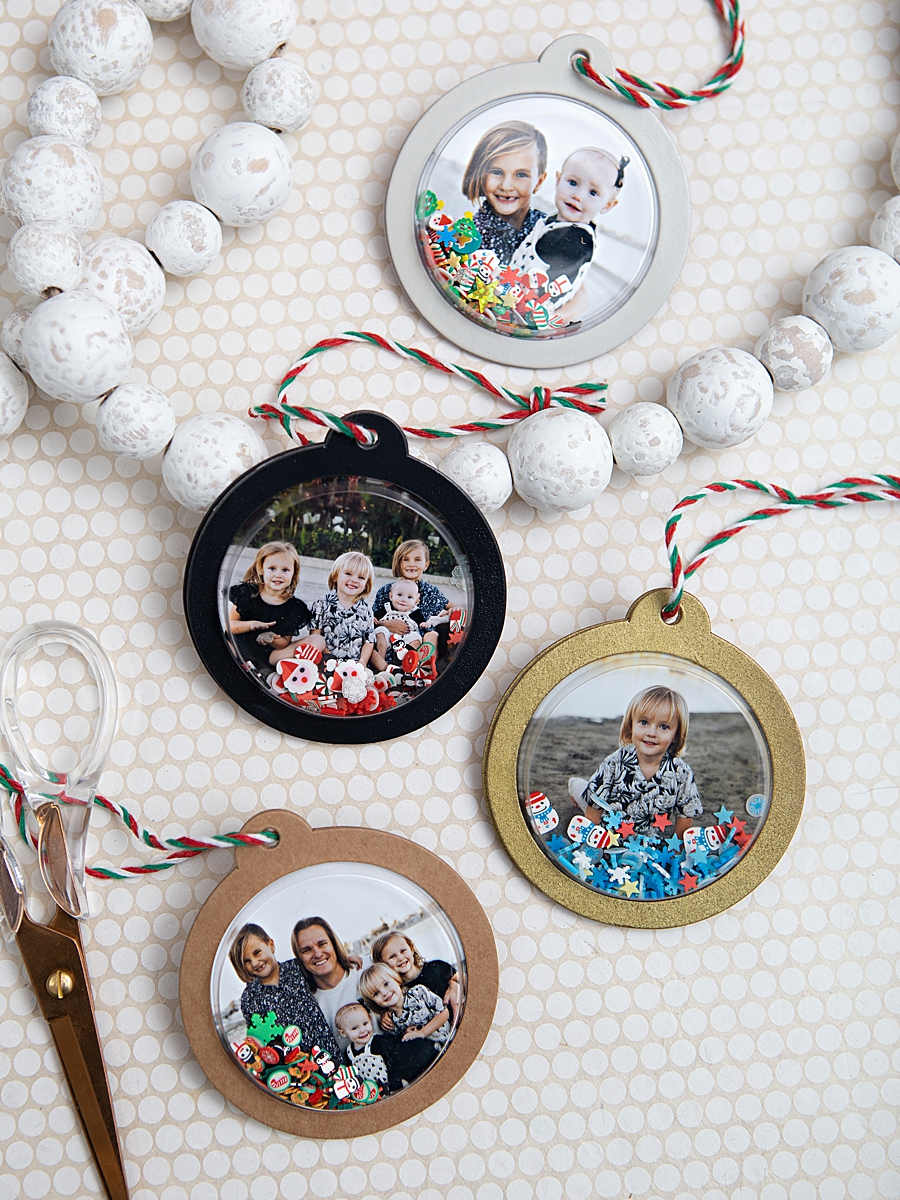
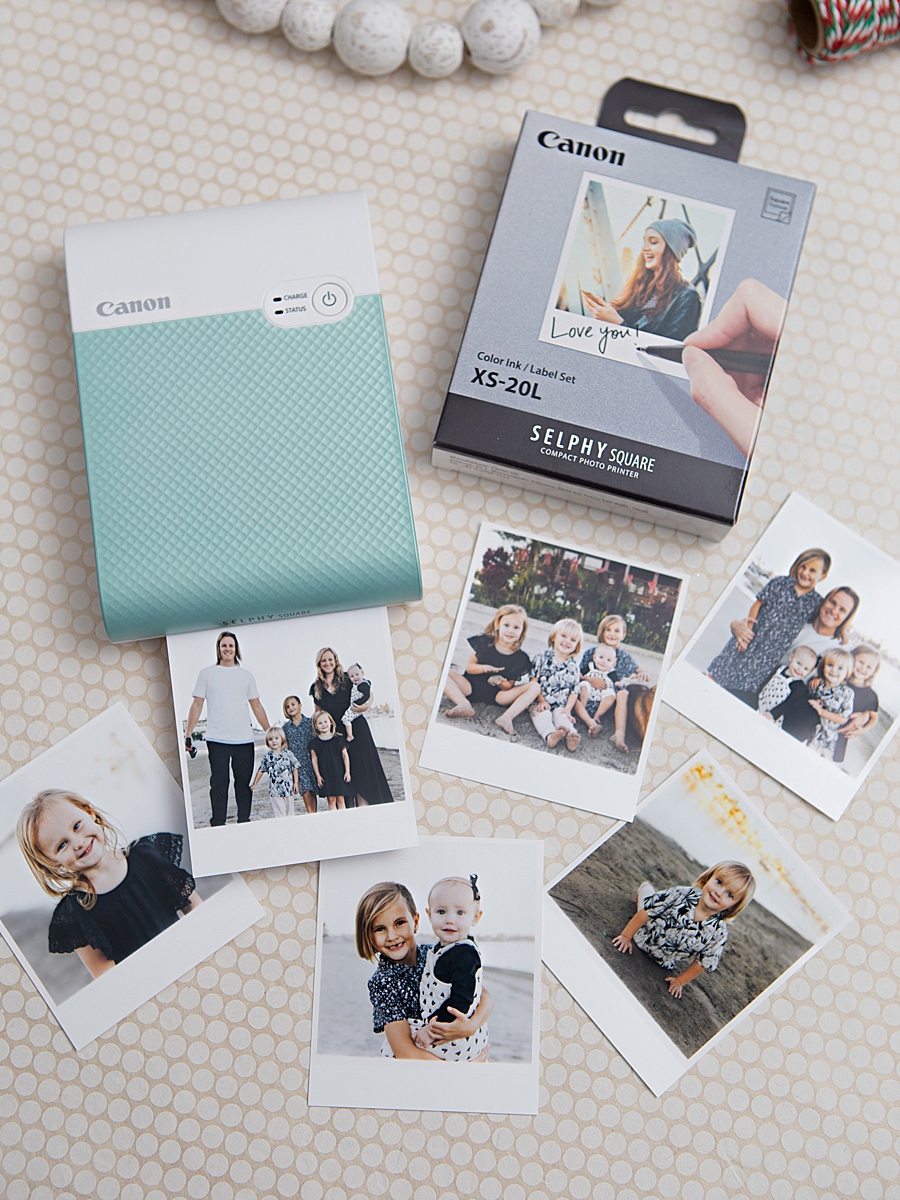
In this four-pass system, the printer applies three separate layers of dye—cyan, magenta, and yellow—followed by a final clear protective overcoat. This "overcoat" layer is critical for the longevity of the media; Canon asserts that when stored properly, these prints can maintain their color integrity for up to 100 years. This durability is a significant selling point for families looking to create archival-quality items, such as holiday ornaments, that are intended to be handled and displayed annually. The printer’s ability to produce 2.7” x 2.7” square prints mirrors the popular aesthetic of social media platforms like Instagram, further aligning hardware capabilities with contemporary digital habits.

Technical Specifications and User Interface
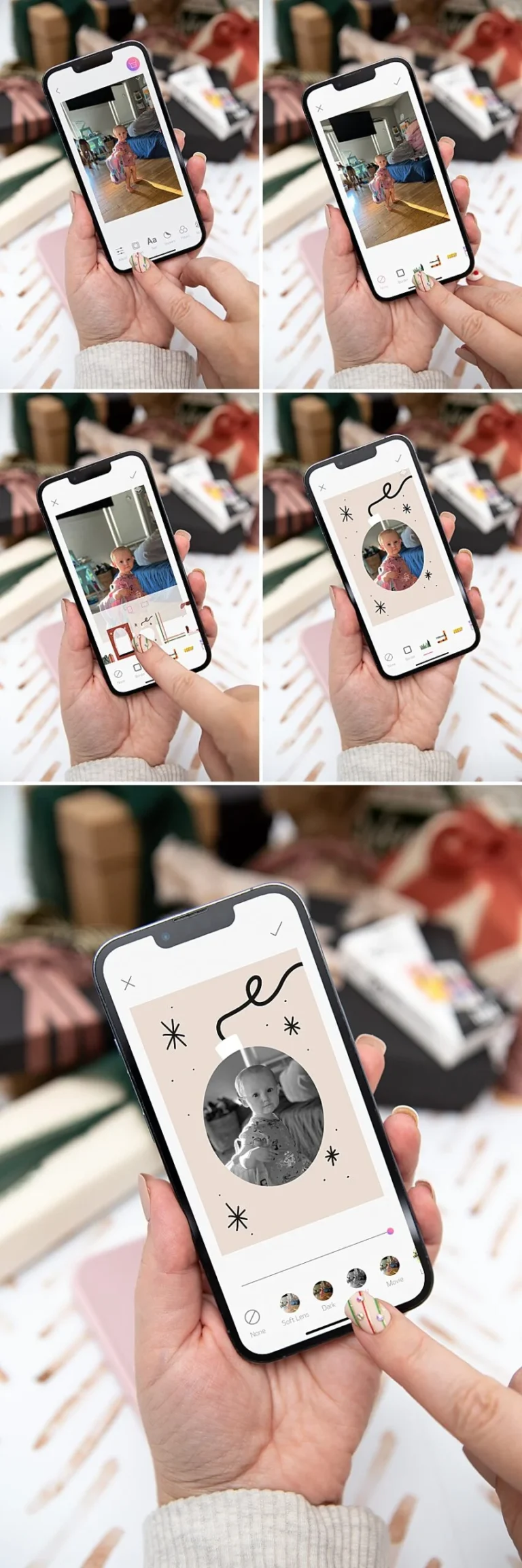
The QX10 is designed for high mobility, weighing less than one pound and featuring an internal rechargeable battery. This removes the necessity for a permanent workstation, allowing the device to be used in various environments, from craft rooms to social gatherings. The integration with the Canon SELPHY Photo Layout 2.0 app provides a seamless bridge between the smartphone’s camera roll and the physical printer.
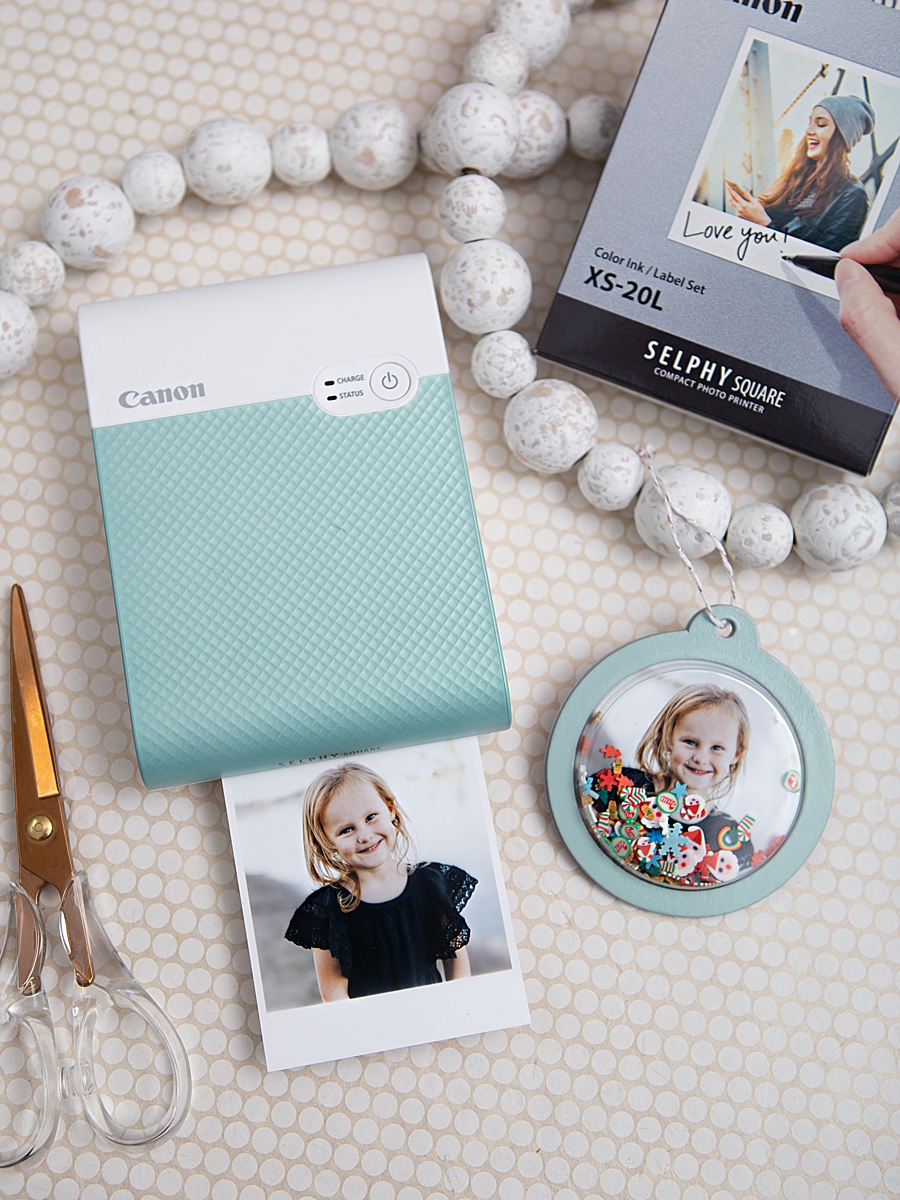
The application offers a suite of editing tools, including filters, borders, and text overlays, allowing for pre-print customization that was once the exclusive domain of desktop publishing software. Once the user selects "print," the device executes its four-pass dye-sublimation process, a visual and mechanical cycle that has been noted by consumer advocates for its engagement factor, particularly for younger users who are often disconnected from the mechanical realities of physical media production.
Case Study: The Photo Shaker Ornament Project
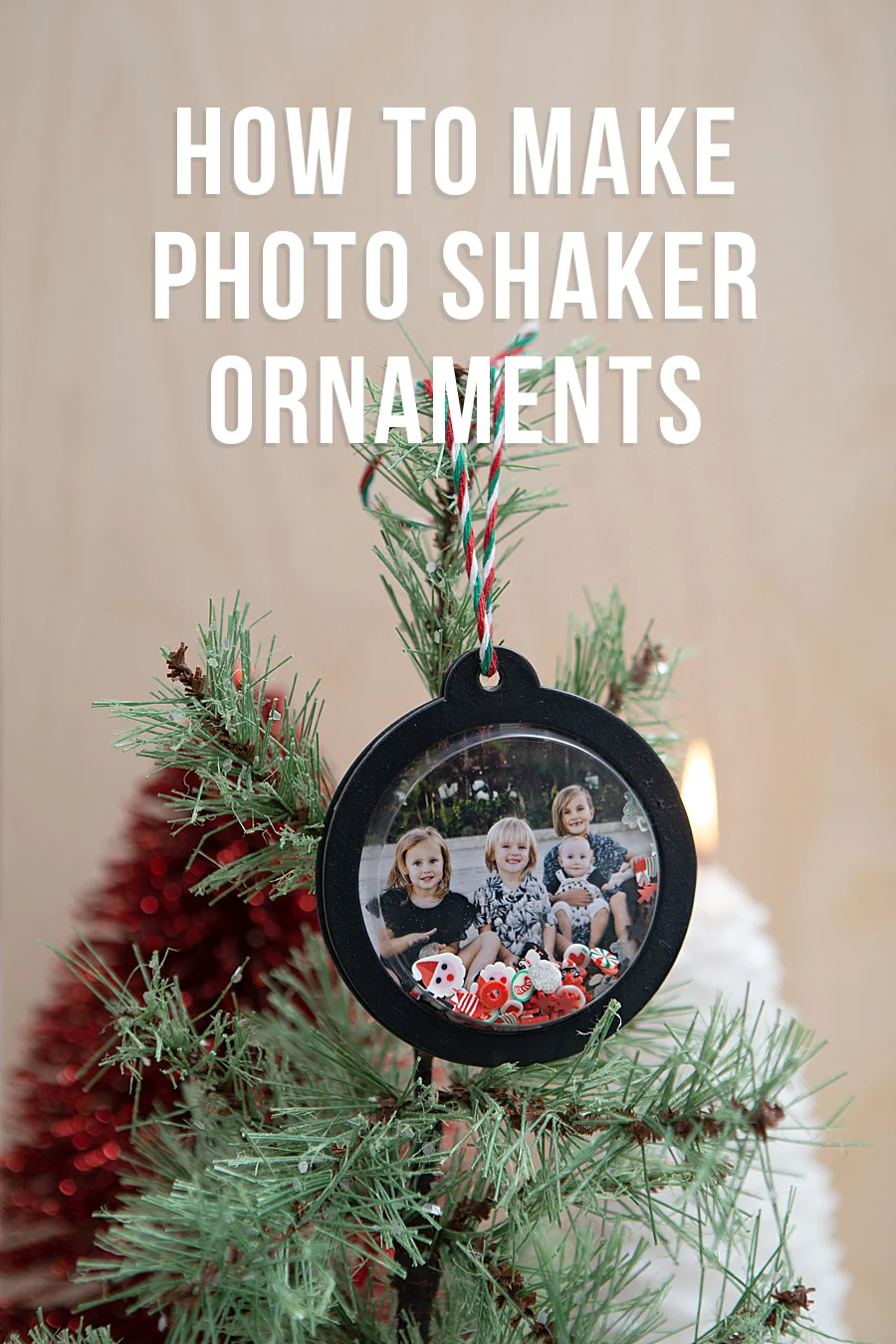
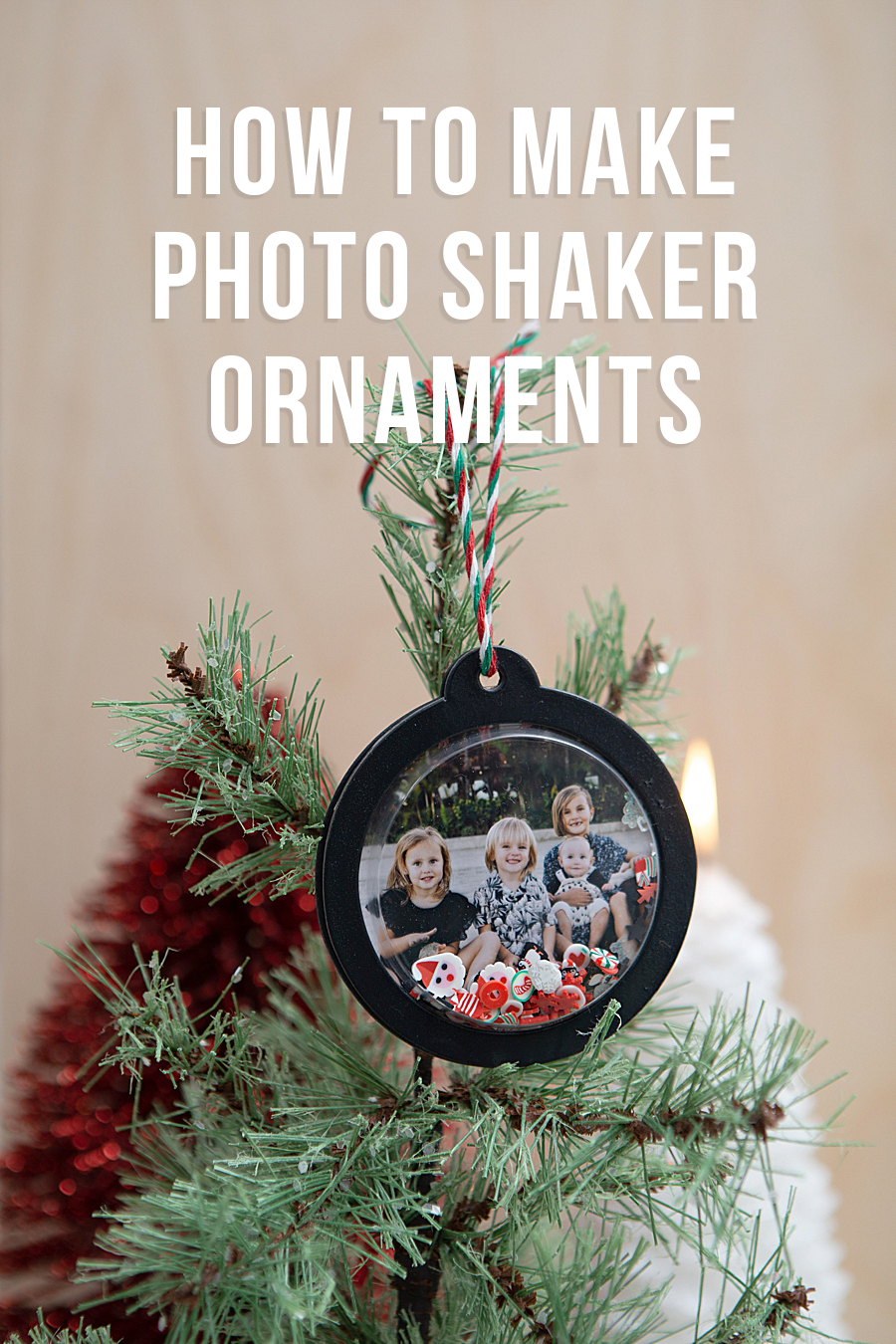
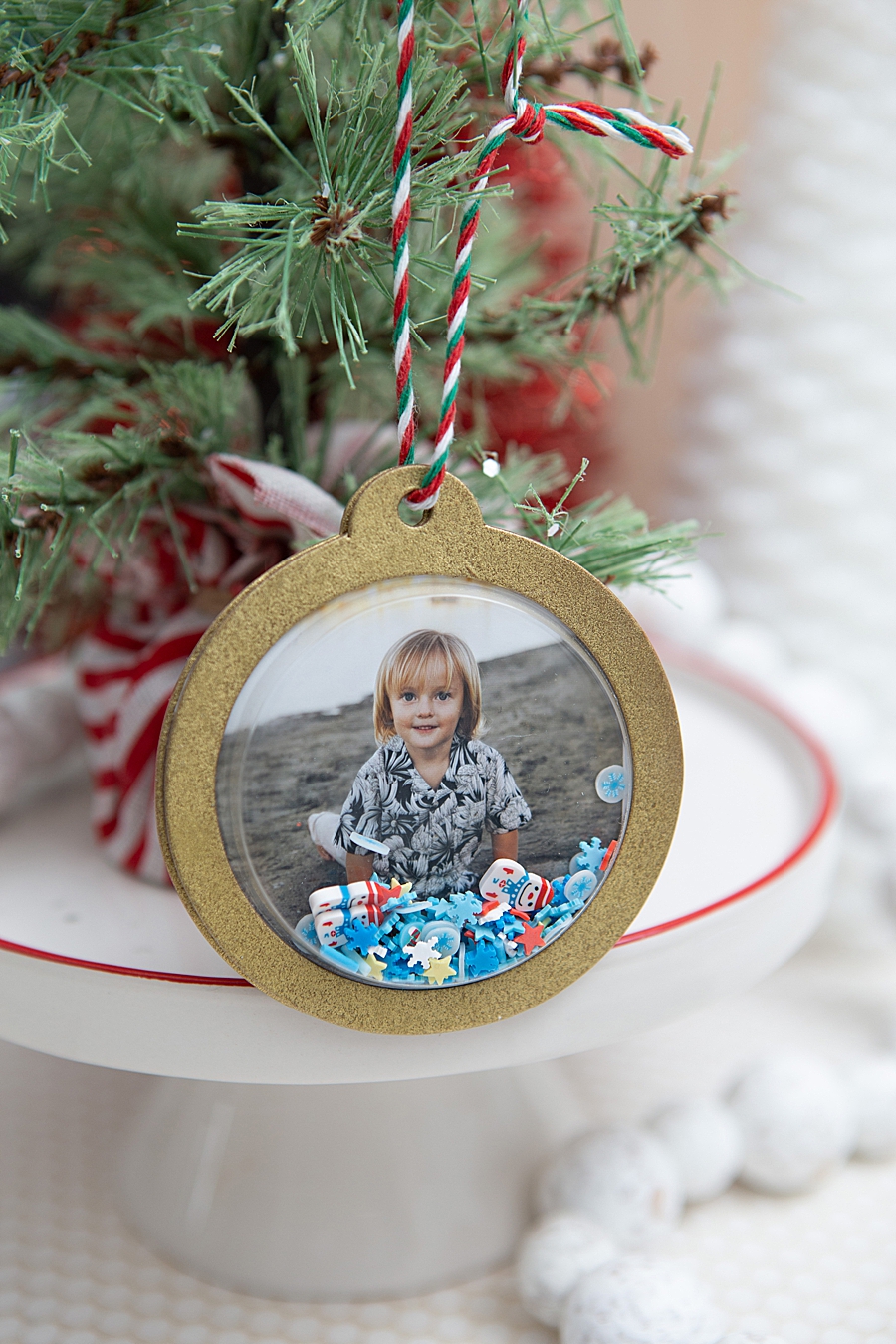
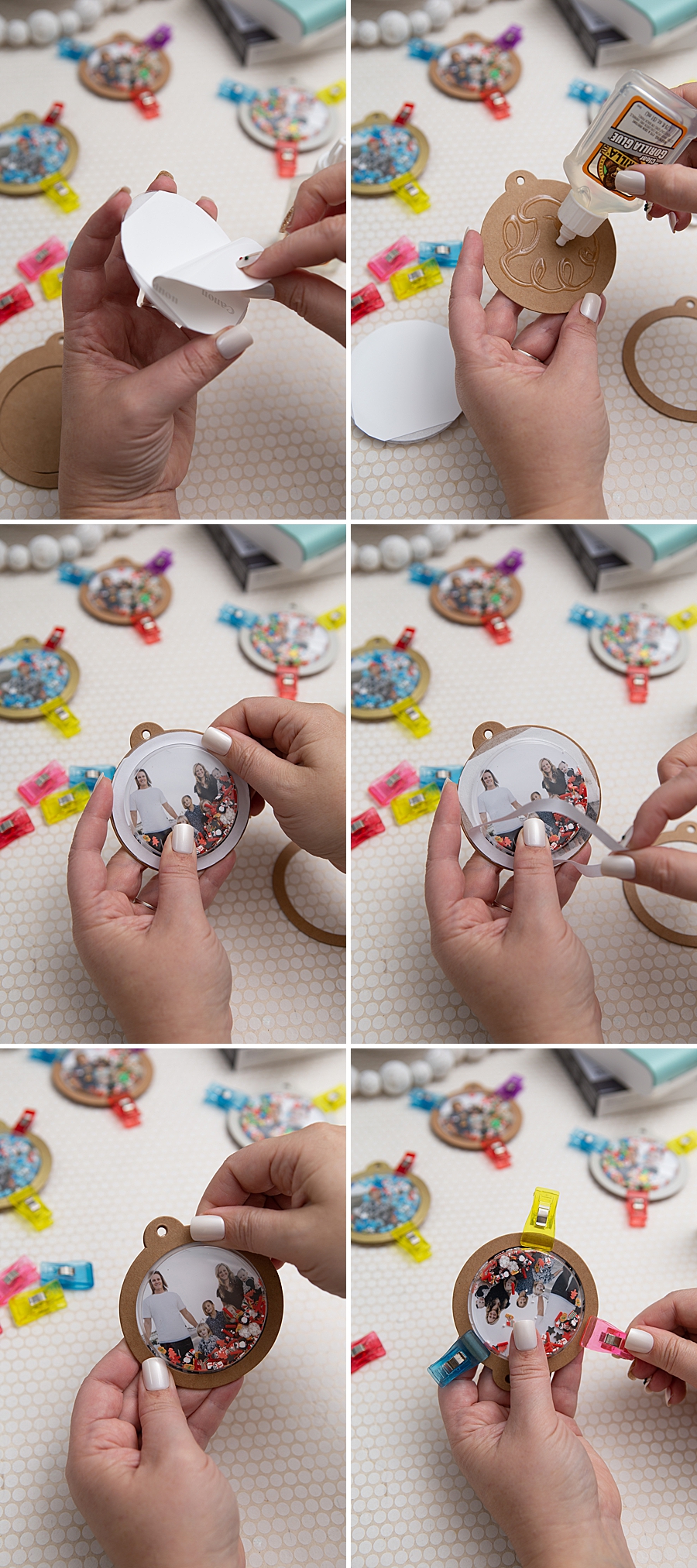
The versatility of the QX10 media is perhaps best demonstrated through the "photo shaker ornament" project, a multi-step crafting process that utilizes the adhesive backing of the SELPHY prints. This project represents a sophisticated application of the technology, moving beyond simple photo albums into three-dimensional object creation.
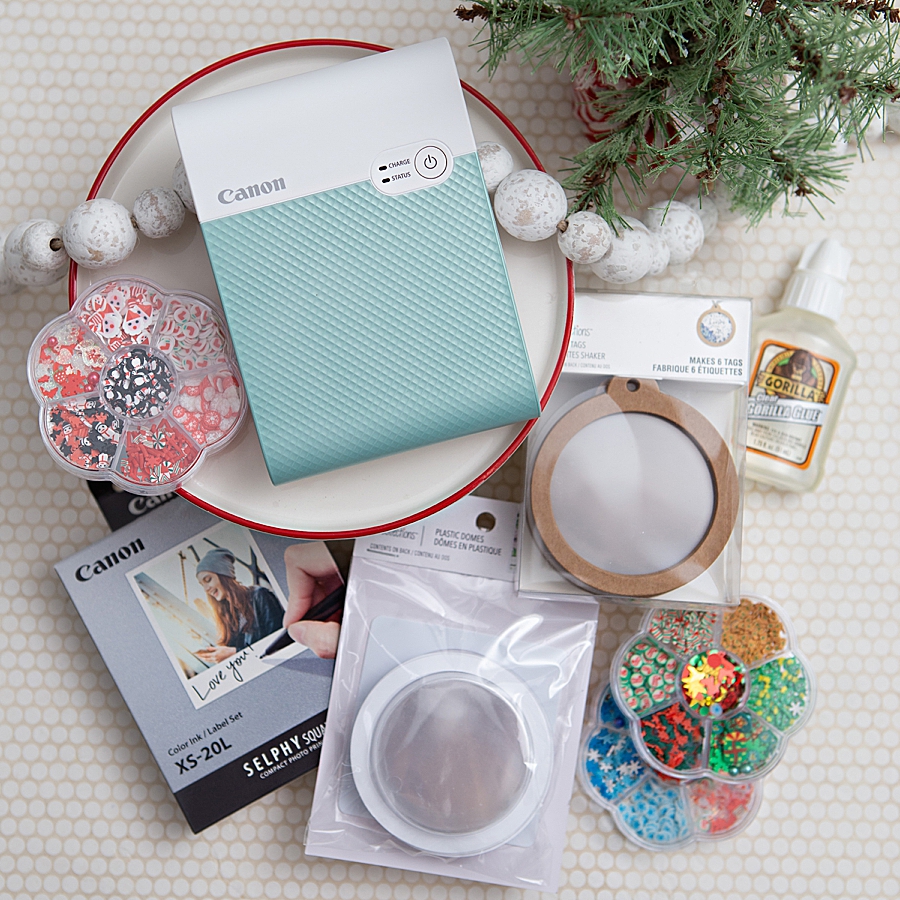
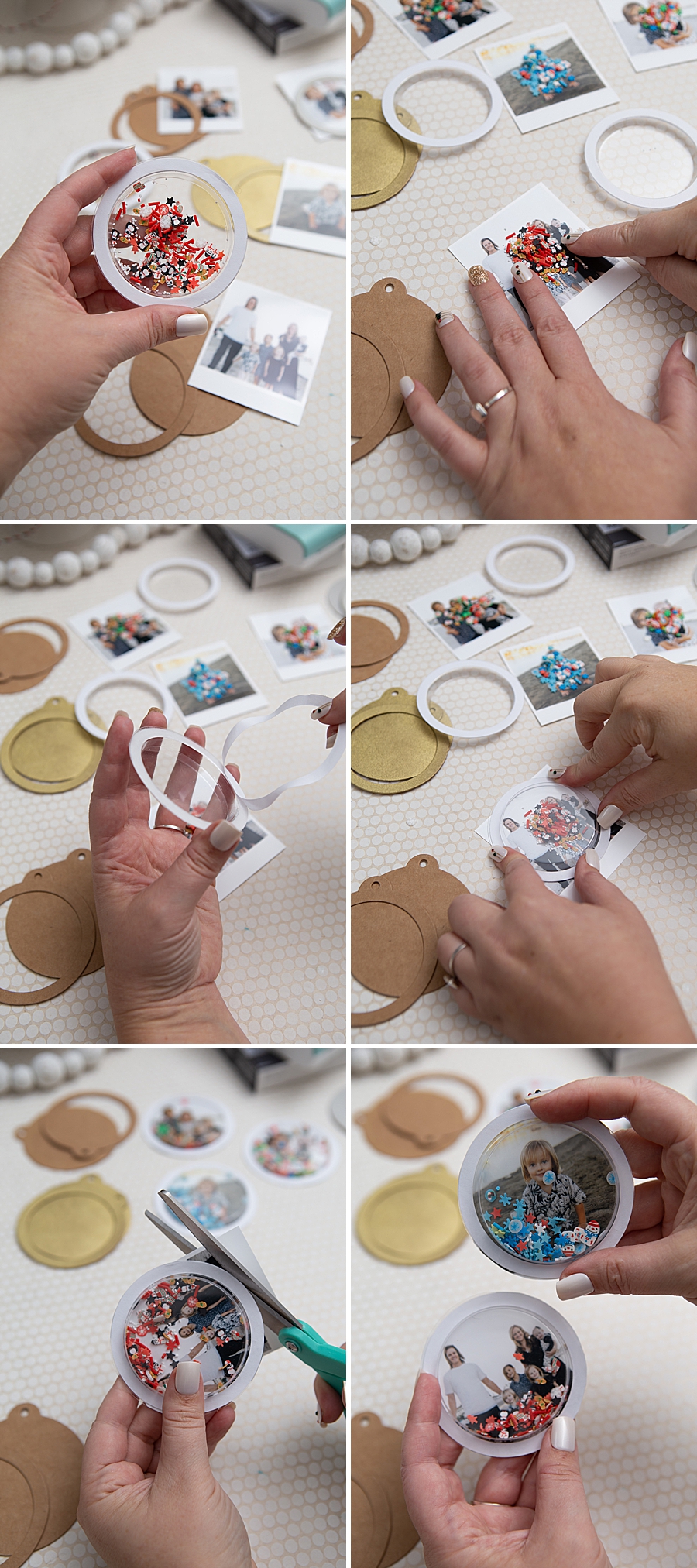
The Chronology of Assembly:
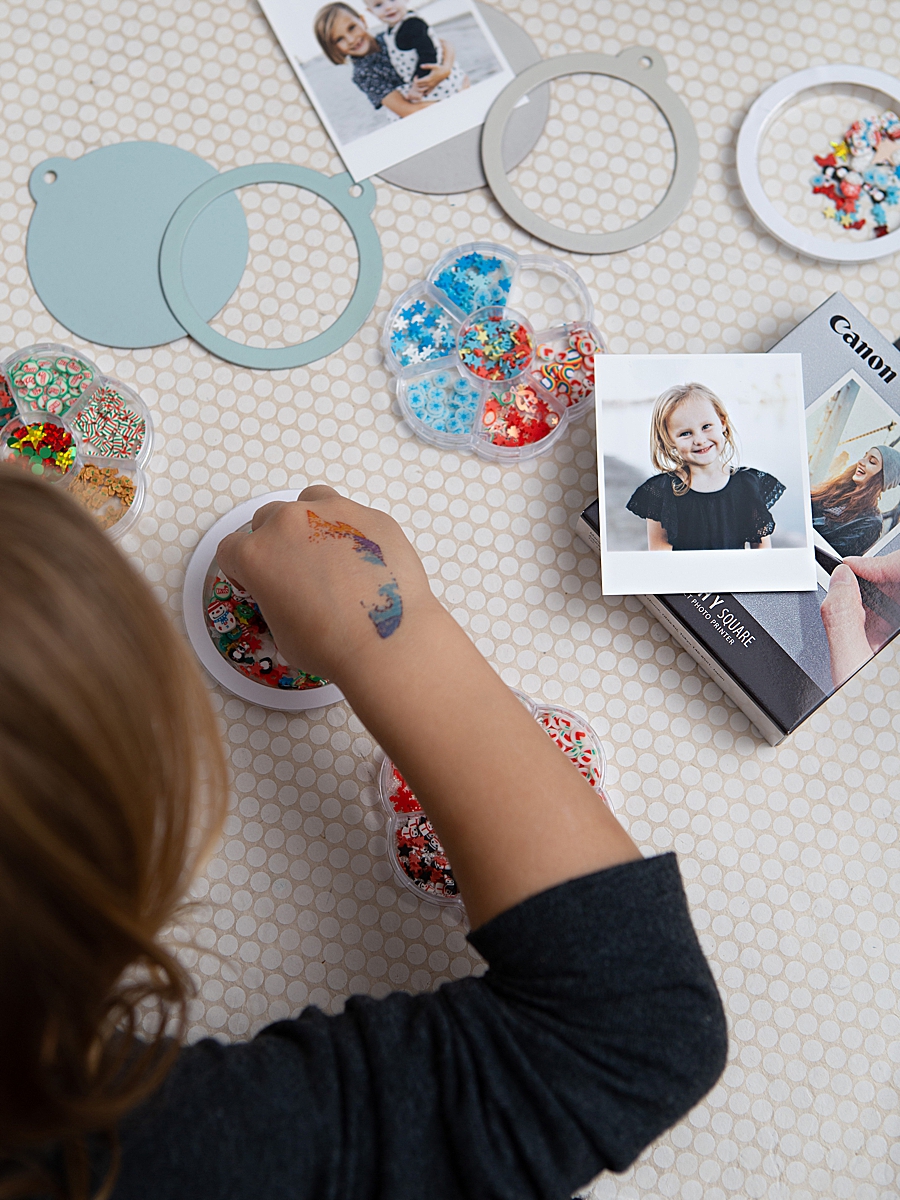
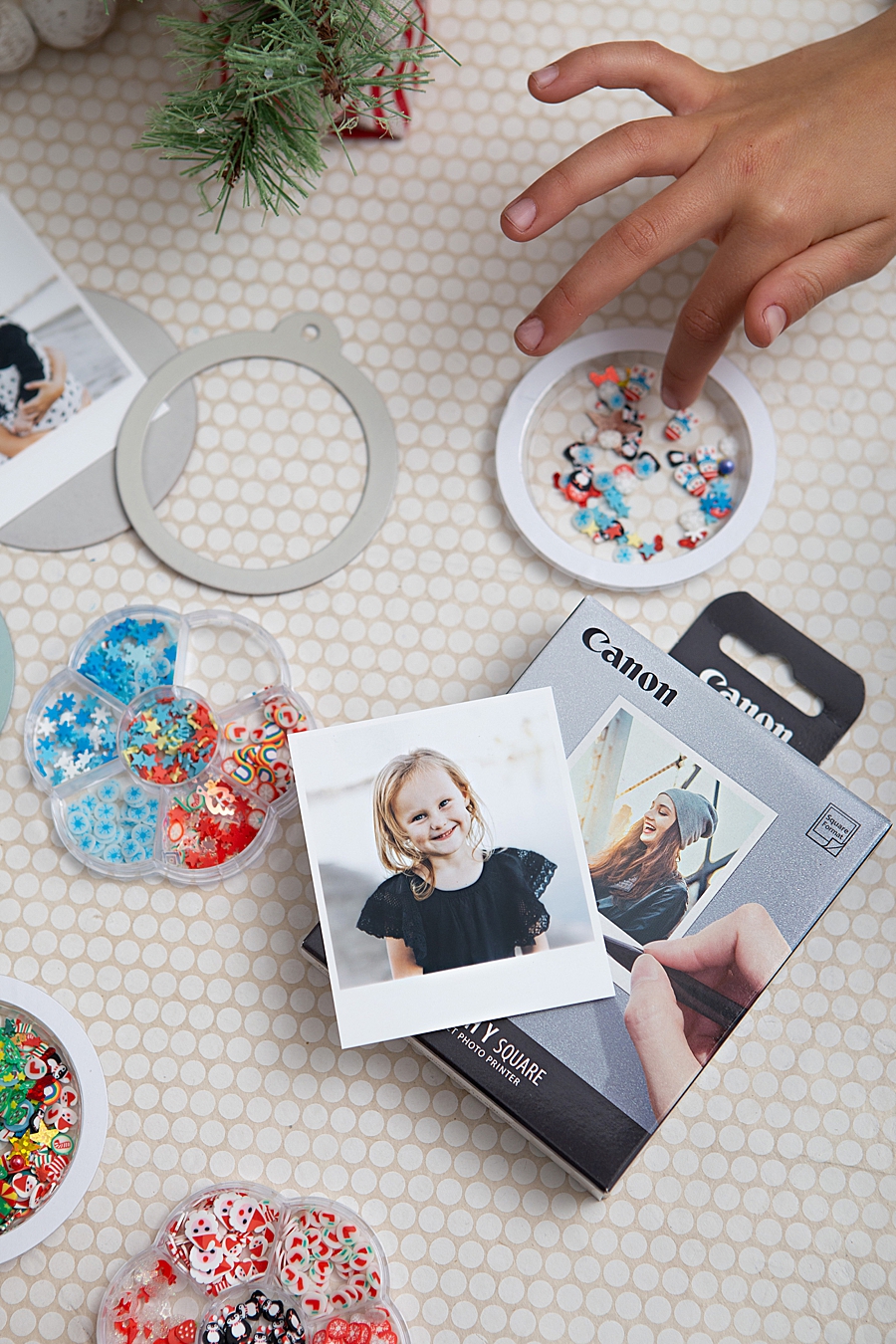
- Media Preparation: The process begins with the selection and editing of images within the SELPHY app. The square format of the QX10 prints is specifically compatible with standard crafting components, such as the 2.5-inch or 3-inch circular domes used in "shaker" style crafts.
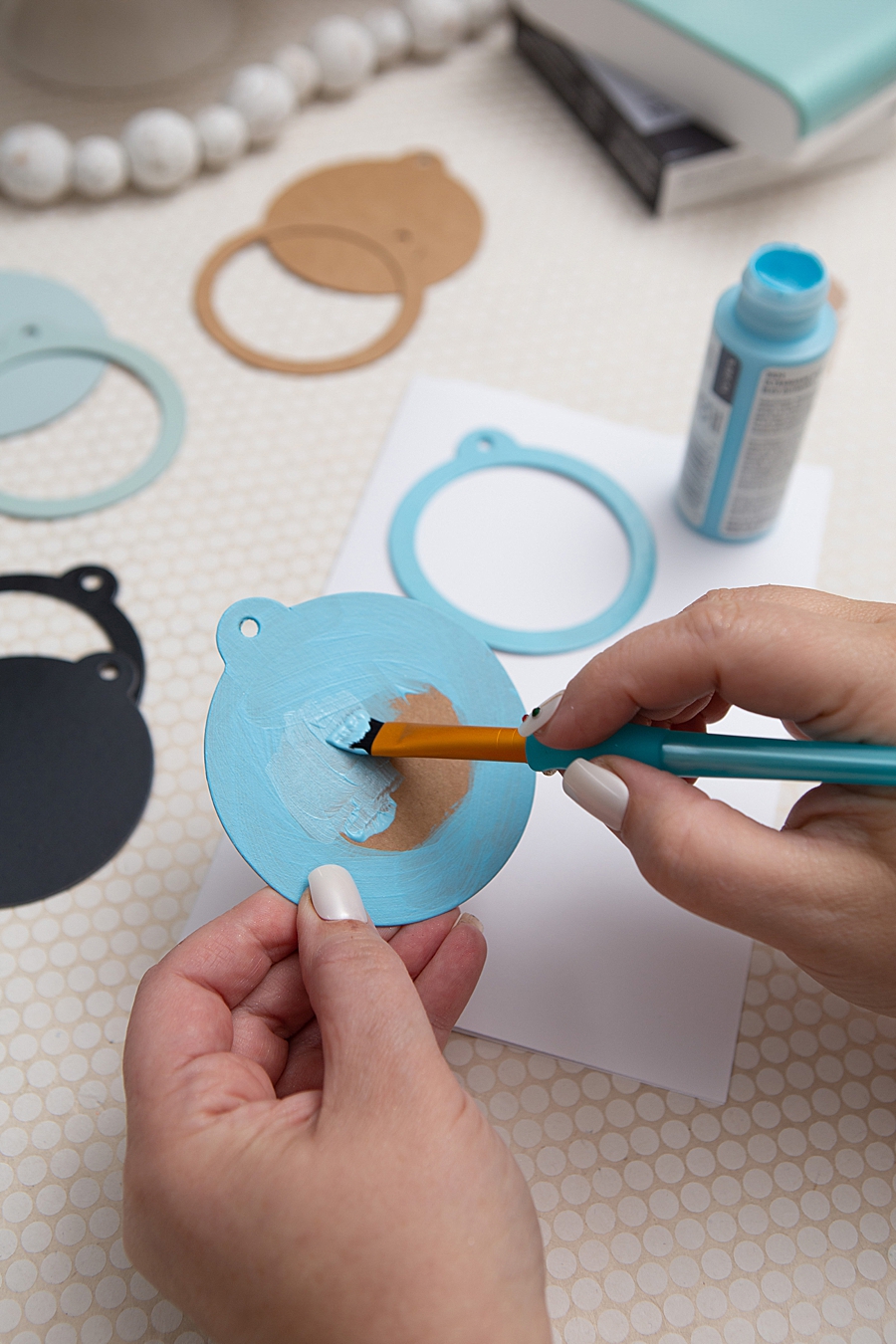
- Structural Foundation: Users often utilize kraft shaker tags as the base. These tags can be customized with craft or spray paint to match specific holiday themes. Technical observers note that the application of a clear gloss spray after painting ensures that the structural components of the ornament match the high-gloss finish of the Canon photo prints.
- The Printing Phase: The printing of the images occurs in real-time. Because the QX10 uses an integrated ink and paper cassette system (XS-20L), the risk of ink-to-paper mismatch is eliminated, ensuring consistent color calibration across a batch of ornaments.
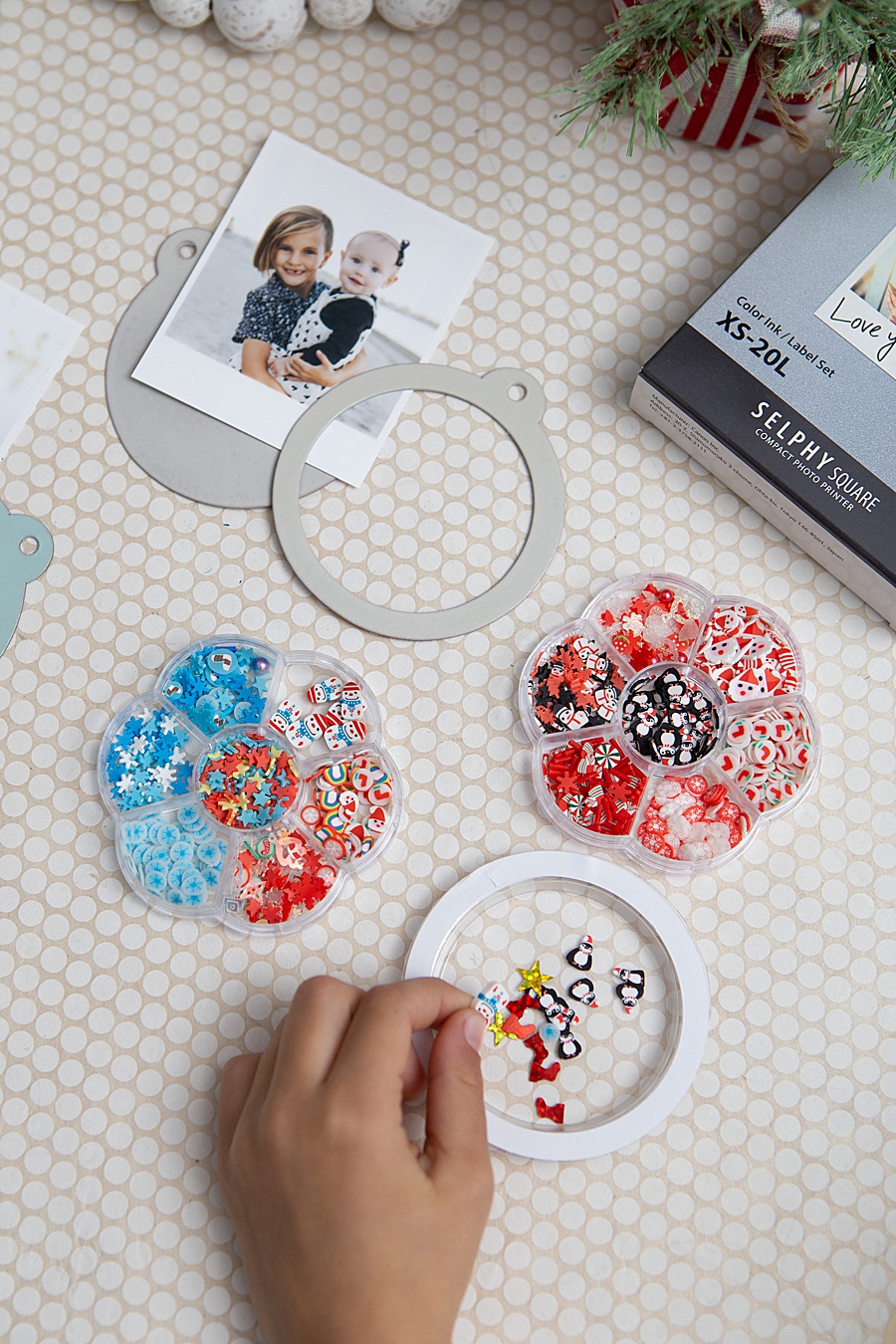
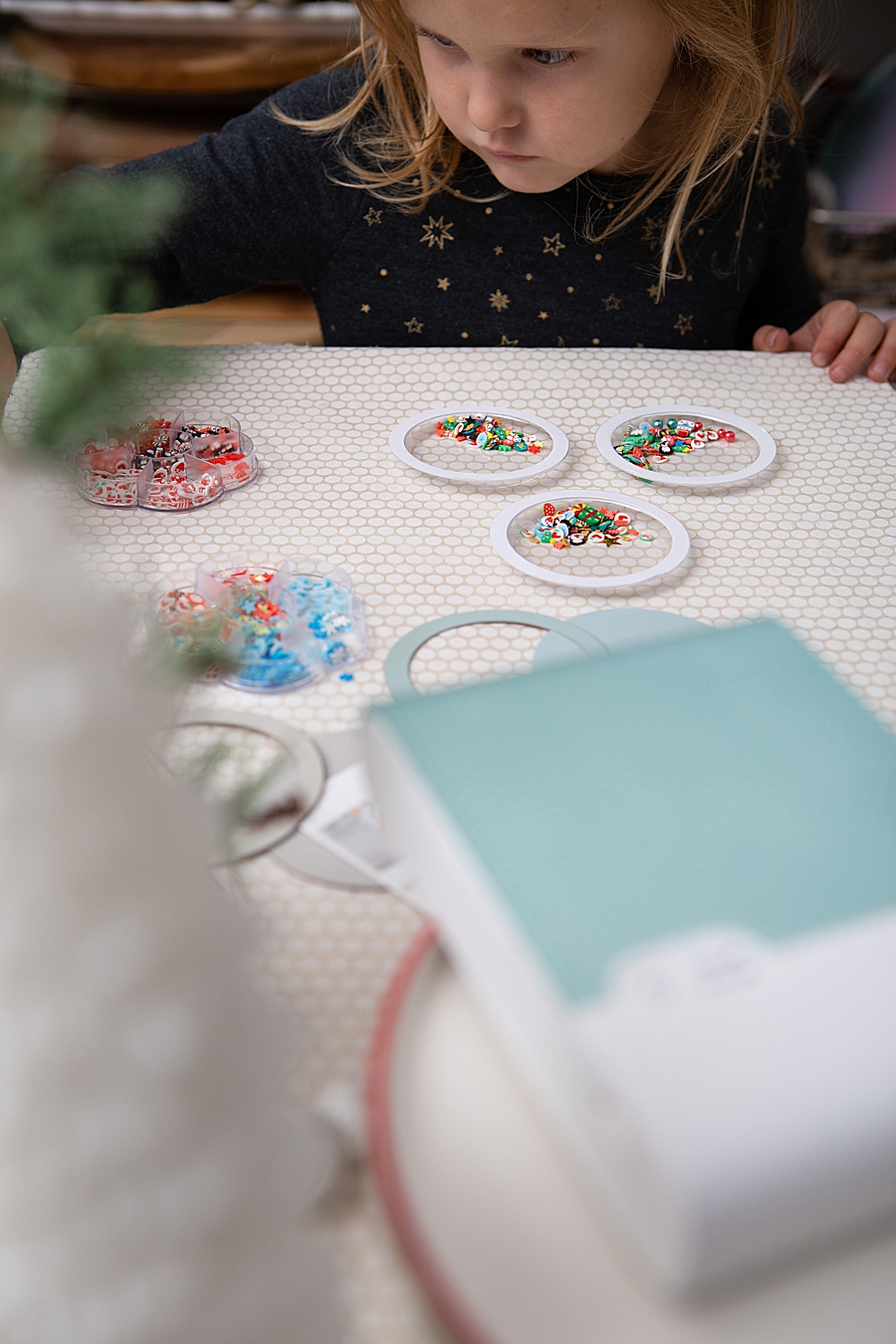
- Kinetic Elements: The "shaker" aspect involves filling a plastic dome with "bits"—small sequins, beads, or specialized craft glitter. Industry experts suggest filling the domes to approximately one-eighth capacity to ensure the photographic subject remains visible while maintaining the kinetic appeal of the ornament.
- Final Integration: The adhesive back of the SELPHY print allows it to be mounted securely to the base tag. The plastic dome is then adhered over the photo using high-strength adhesives, such as Gorilla Glue. Due to the weight of the plastic and the kinetic movement of the internal bits, a 24-hour curing period is recommended to ensure the structural integrity of the ornament.
Market Trends and Consumer Behavior
The success of devices like the SELPHY Square QX10 is reflective of broader trends in the consumer electronics sector. Market data suggests that while digital photo sharing remains the primary method of communication, the "souvenir value" of physical prints has seen a resurgence. This is particularly evident in the "DIY" (Do-It-Yourself) economy, which has grown into a multi-billion dollar industry.
Retailers such as Michaels and Amazon have reported steady demand for crafting components that complement portable printers. The "Photo Shaker Ornament" utilizes products from several major brands, including Recollections for the tags and domes, and Gorilla Glue for assembly. This cross-industry synergy indicates that the portable printer is not an isolated gadget but rather a hub for a wider ecosystem of creative production.
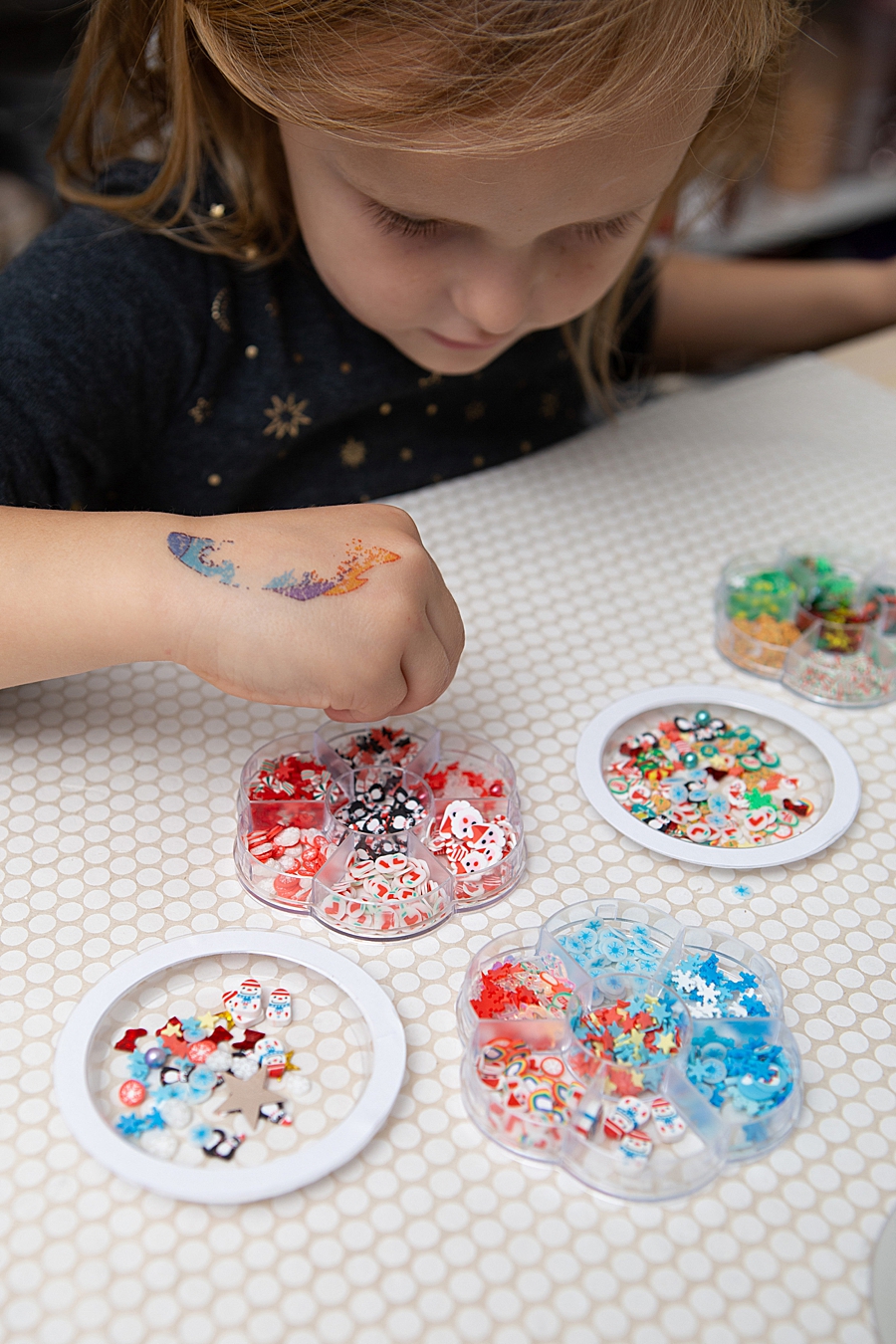
Furthermore, the social aspect of these projects cannot be overlooked. Consumer feedback indicates that the "maker" experience—the act of choosing photos, watching the printer cycle through colors, and assembling the final product—is a significant driver of purchase intent. For parents, these activities provide a tactile alternative to screen time, fostering a sense of accomplishment and creating tangible links to digital memories.
Economic and Practical Implications
From a practical standpoint, the QX10’s consumables model—selling ink and paper in matched sets of 20—simplifies the user experience but also establishes a clear "cost per print" metric. For hobbyists and small-scale creators (such as those selling custom items on platforms like Etsy), this predictability is essential for budgeting and pricing.
The implications of high-longevity printing also extend to the preservation of family history. As digital formats change and cloud storage services evolve or disappear, the physical print remains a stable medium. The 100-year archival rating of the dye-sublimation process positions the QX10 as a tool for legacy building, rather than just ephemeral decoration.
Official Responses and Industry Outlook
Canon U.S.A., Inc. has positioned the SELPHY line as a bridge for consumers to "create and preserve beautiful imagery, from capture to print." By focusing on wireless technology and seamless app integration, the company is targeting a demographic that values both the speed of modern technology and the sentimentality of traditional media.
Industry analysts predict that the portable printer market will continue to innovate in the areas of sustainable packaging and even smaller form factors. However, the current success of the QX10 lies in its balance of size and quality. The 2.7-inch square format has effectively standardized a new "classic" size for the mobile era, much as the 4×6 print defined the film era.
As the holiday season approaches, the adoption of these devices for personalized gifting and décor highlights a shift in consumer expectations. The ability to produce professional-grade, water-resistant, and smudge-proof prints at home has empowered the average consumer to act as their own photo lab and craft studio. The photo shaker ornament is more than a seasonal decoration; it is a testament to the enduring appeal of the physical photograph in an increasingly virtual world.
Broader Impact on the Creator Economy
The rise of portable printing also fuels the "creator economy," where individuals leverage technology to produce unique content and products. By simplifying the path from a digital file to a finished physical object, Canon and similar manufacturers are lowering the barrier to entry for high-end crafting. This democratization of production allows for a higher degree of personalization in home décor and gift-giving, moving away from mass-produced items toward bespoke, meaningful creations.
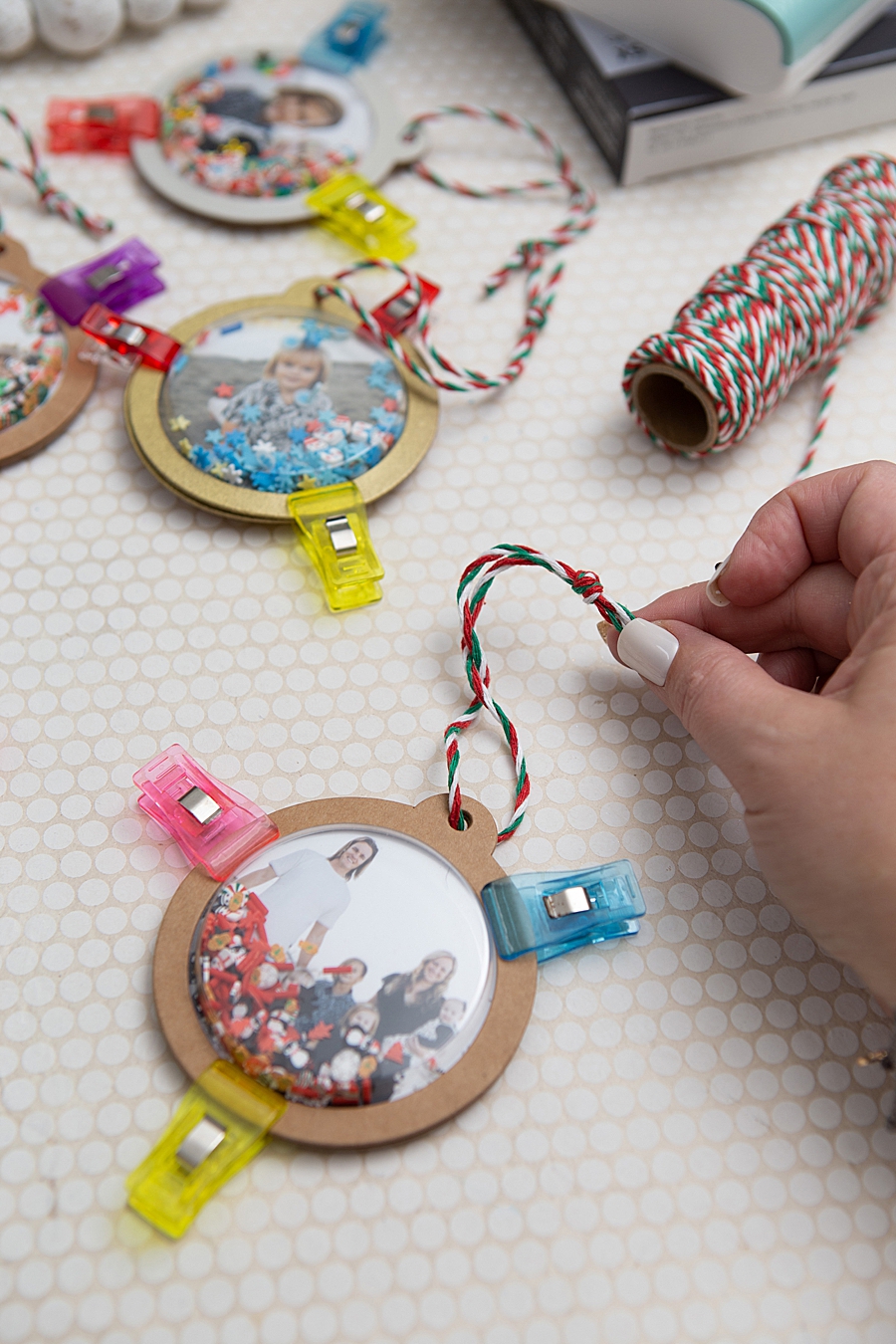
In conclusion, the Canon SELPHY Square QX10 represents a significant advancement in the accessibility of high-quality photo printing. Through its innovative use of dye-sublimation technology and user-friendly software, it has transformed the way digital memories are handled. Projects like the photo shaker ornament illustrate the creative potential of this technology, proving that even in a digital-first society, the value of a physical, "shakeable," and durable memory remains unmatched.