

The intersection of high-fidelity printing hardware and user-friendly digital design platforms is reshaping the traditional greeting card industry, as more consumers opt for customized, home-printed holiday correspondence. This shift is exemplified by recent collaborative efforts between technology leaders such as Canon U.S.A., Inc. and digital design influencers, providing a streamlined workflow for the production of professional-grade photo Christmas cards within a domestic setting. By utilizing specialized hardware like the Canon PIXMA TS9521C Crafting Printer alongside curated design assets, individuals are now able to bypass commercial printing services, gaining greater control over the aesthetic and logistical elements of their seasonal outreach.
The Evolution of the Personal Greeting Card Industry
The greeting card industry, long dominated by mass-market retail distributions, has undergone a significant transformation over the last decade. According to data from the Greeting Card Association, approximately 6.5 billion greeting cards are purchased annually in the United States, with Christmas cards accounting for the largest share of seasonal sales—estimated at 1.3 billion cards each year. While the tradition remains robust, consumer behavior has pivoted toward personalization. The rise of social media and high-resolution mobile photography has created a demand for "photo cards" that feature family portraits and personal updates, rather than generic festive imagery.
Historically, producing these high-quality photo cards required the services of professional print shops or online vendors, often involving long lead times and premium pricing. However, the introduction of "crafting-specific" printers has democratized this process. These devices are engineered to handle heavier paper stocks and provide color accuracy that rivals commercial-grade offset printing. This technological advancement allows for a "just-in-time" production model where households can print exactly the number of cards required, reducing waste and allowing for last-minute modifications to the recipient list or the design itself.

Technical Specifications of Modern Crafting Hardware
At the center of this DIY movement is the development of versatile hardware capable of multi-functional output. The Canon PIXMA TS9521C, frequently cited as a benchmark for home crafting, illustrates the technical requirements necessary for professional-level results. Unlike standard office printers, crafting printers are designed to support a wider range of media types and sizes, including the 12×12-inch cardstock commonly used in scrapbooking and large-format greeting cards.
The precision of these devices is largely attributed to sophisticated ink delivery systems. Many modern crafting units utilize a five-individual-ink system, which includes a pigment black ink for sharp text and dye-based colors for vibrant, high-contrast photography. This ensures that the deep greens and reds associated with holiday themes are rendered with high saturation and longevity. Furthermore, the integration of wireless technology allows users to print directly from mobile devices or cloud-based design platforms, removing the friction traditionally associated with desktop-to-printer connectivity.
Integration of Cloud-Based Design and Specialized Media
The hardware, however, is only one component of the modern DIY ecosystem. The emergence of software-as-a-service (SaaS) platforms like Corjl and Adobe Express has revolutionized the design phase for non-professionals. These tools offer "What You See Is What You Get" (WYSIWYG) editing environments, where users can manipulate templates, adjust typography, and integrate high-resolution images without requiring specialized graphic design training.
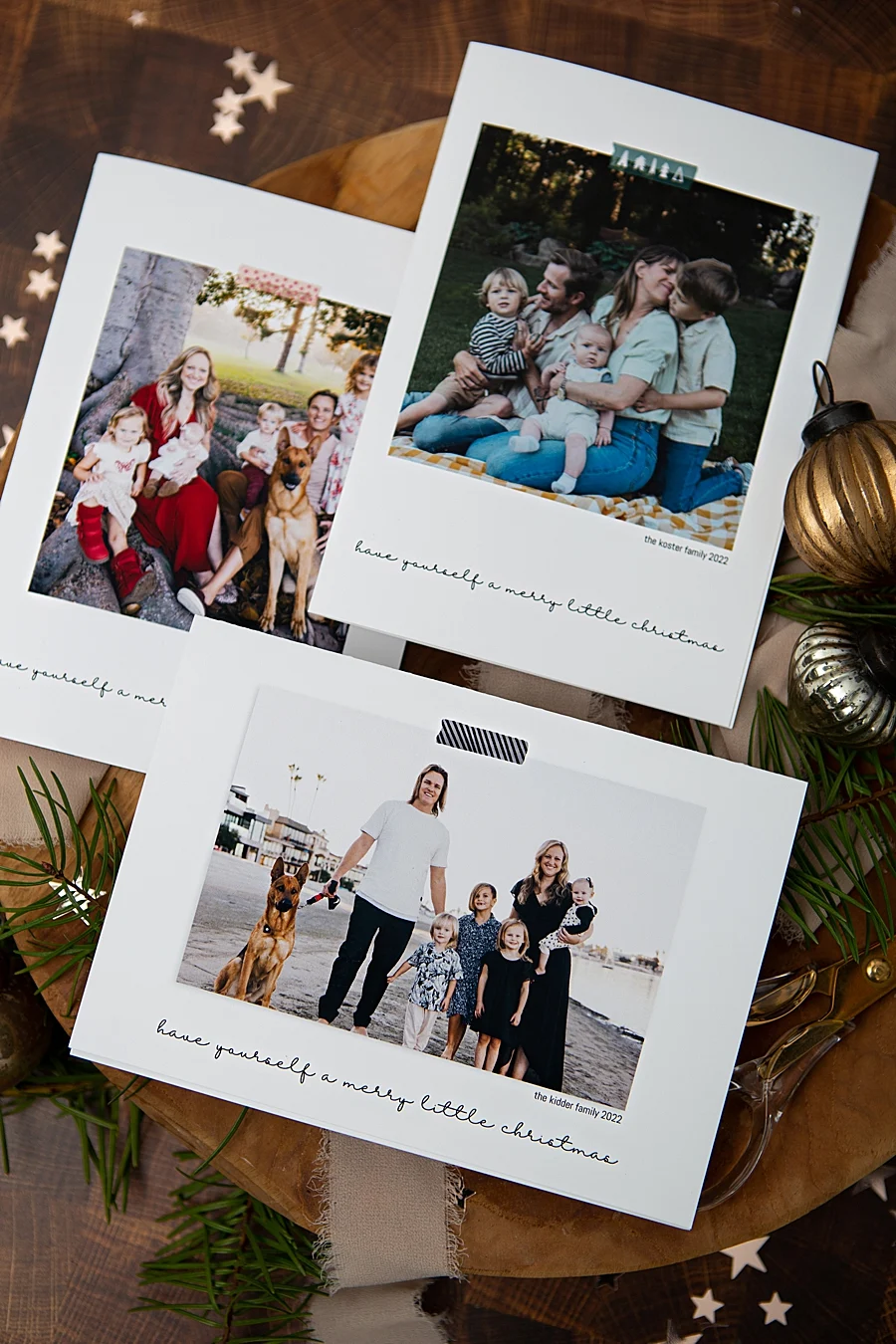
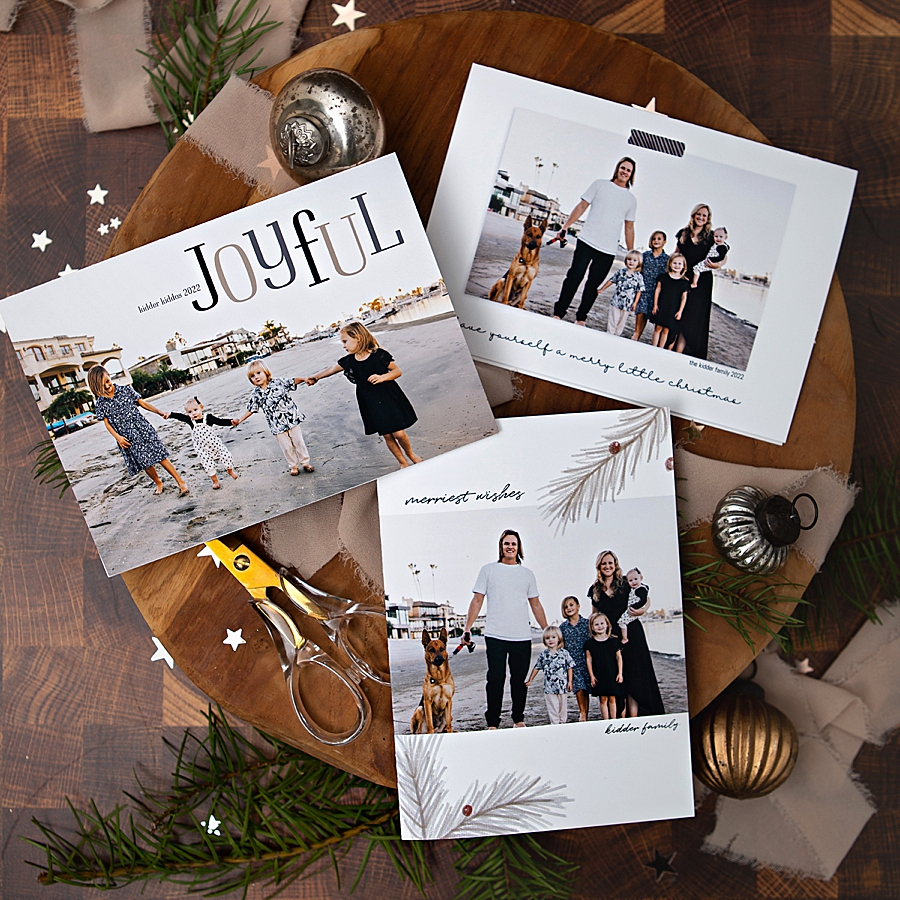
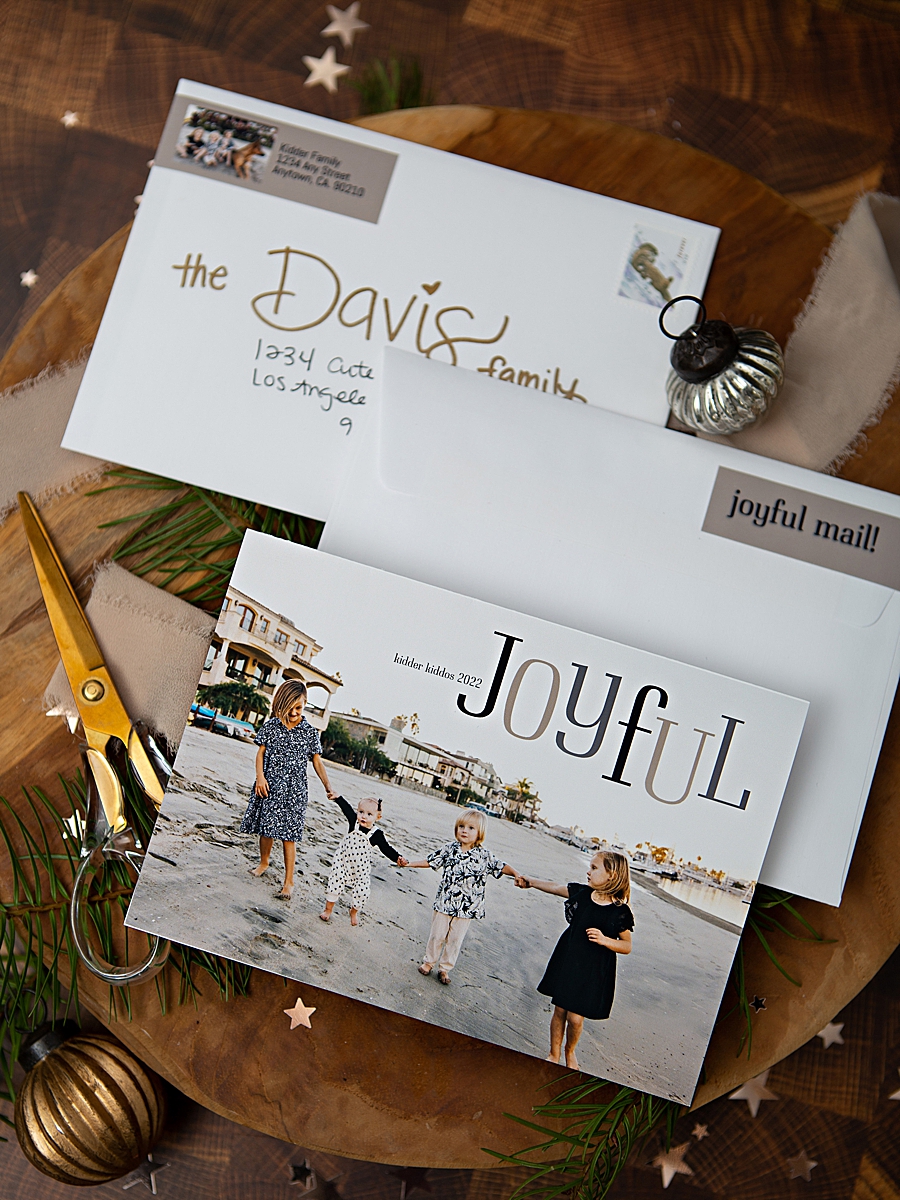
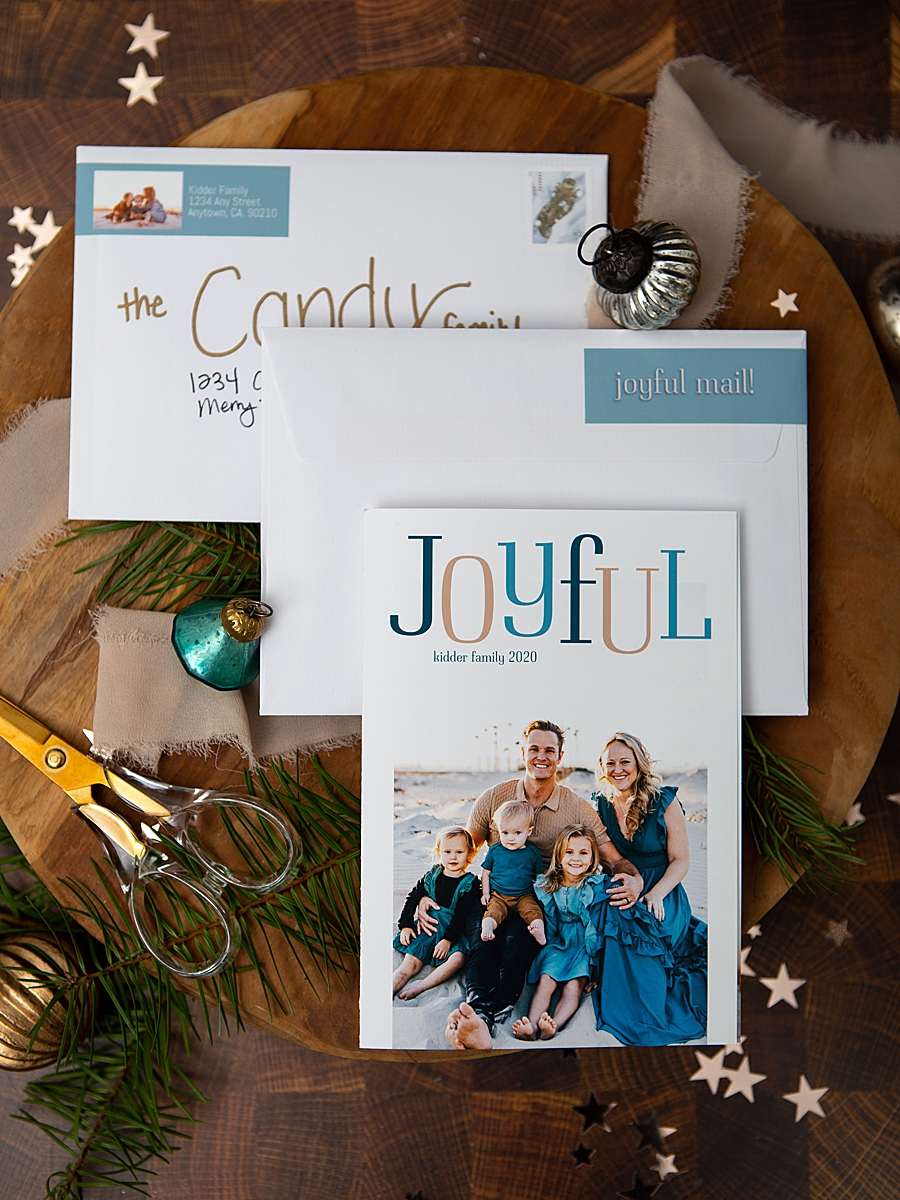
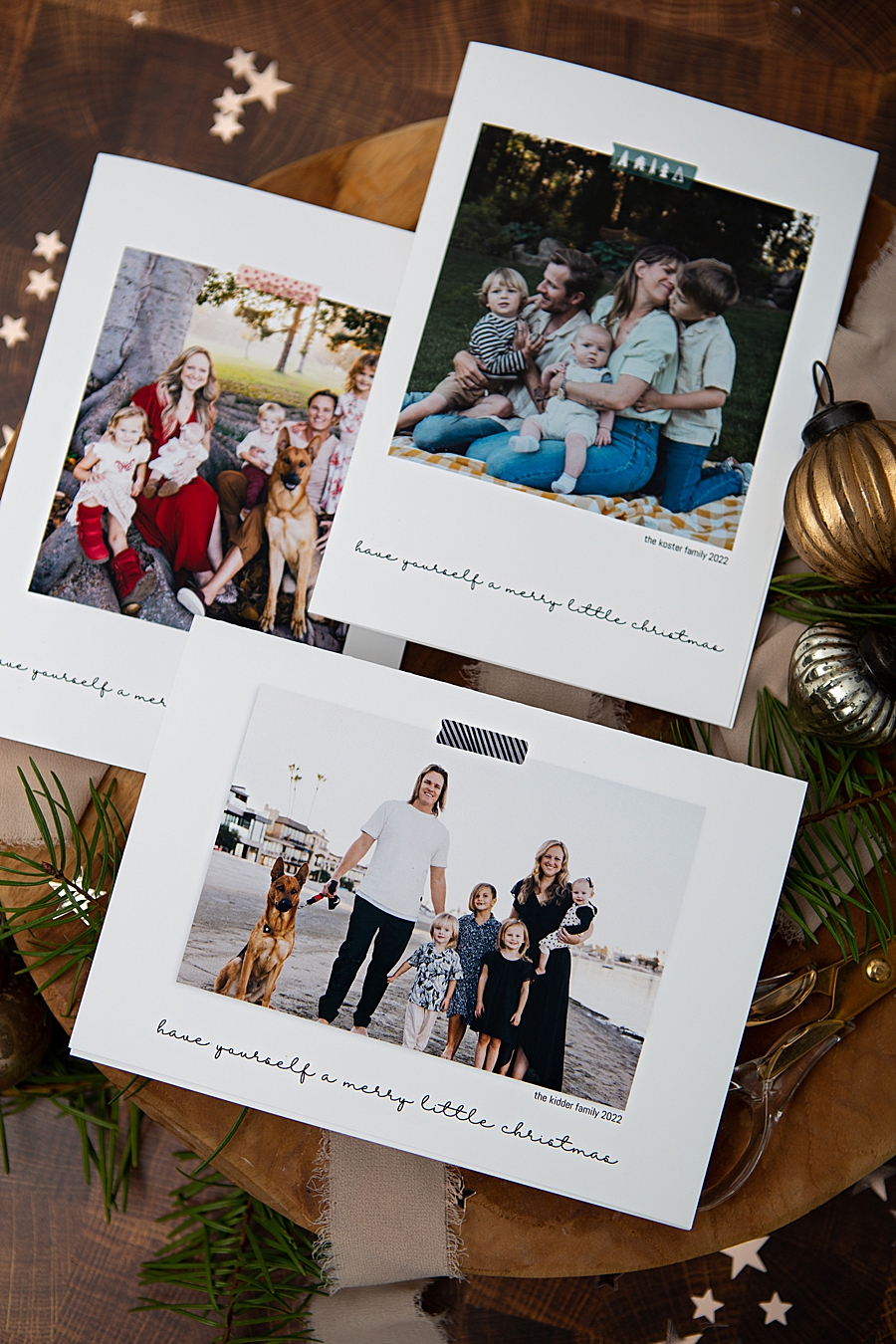
In the current holiday season, collaborations have emerged to provide consumers with free, high-quality templates. For instance, the "Something Turquoise" design suite offers three distinct motifs: "Joyful," "Tape," and "Berries." These designs utilize contemporary aesthetics—such as digital scrapbooking tape and minimalist botanical illustrations—that are specifically optimized for home printing.
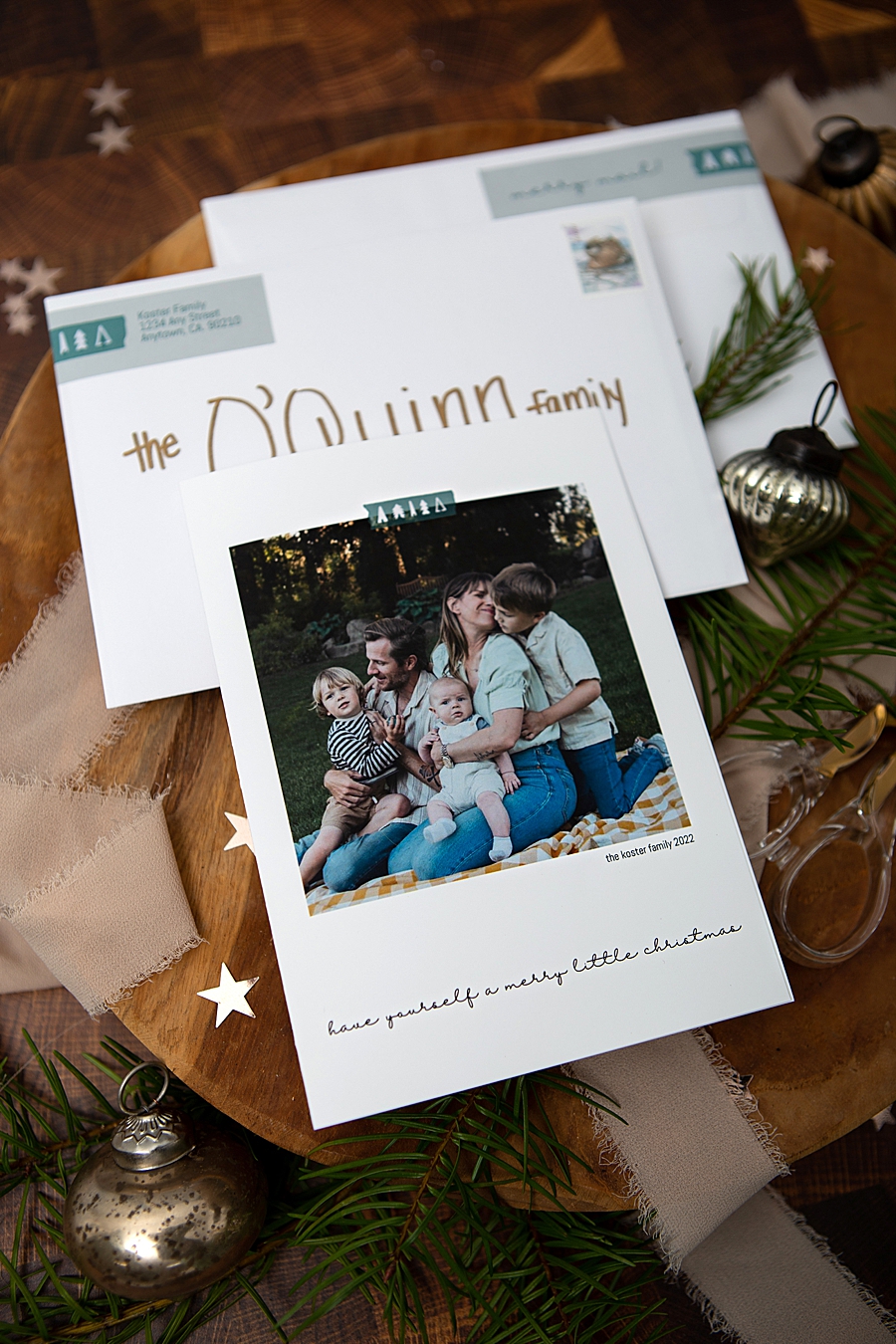
Complementing the software is the development of specialized media. Canon’s 7×10 Double-Sided Greeting Card Paper Pack represents a logistical solution to a common DIY hurdle: the "score and fold" process. By providing pre-scored, 7×10-inch double-sided matte photo paper that folds into a standard 5×7-inch card, manufacturers have eliminated the need for manual cutting and measuring, which often results in irregular edges or misaligned folds in amateur projects. The use of matte finishes is particularly notable, as it prevents the fingerprint smudging often associated with glossy photo paper while providing a sophisticated, tactile feel.
Chronology of a DIY Holiday Project
The workflow for producing a professional-grade holiday card at home has been distilled into a repeatable, multi-step process:

- Asset Selection and Customization: Users select a base design and utilize cloud-based software to upload personal photography. This stage involves adjusting color palettes to harmonize with the photo’s tones—such as matching the font color of the word "Joyful" to the clothing worn by family members in the image.
- Technical Configuration: The printer is loaded with specialized 7×10-inch media. On devices like the PIXMA TS9521C, the rear tray is often utilized for heavier cardstock to ensure a straight paper path, preventing jams or "head strikes" that can occur with thicker paper.
- Double-Sided Execution: Modern software facilitates the alignment of front-of-card imagery with interior messaging. The pre-scored nature of the paper ensures that the digital margins align perfectly with the physical fold.
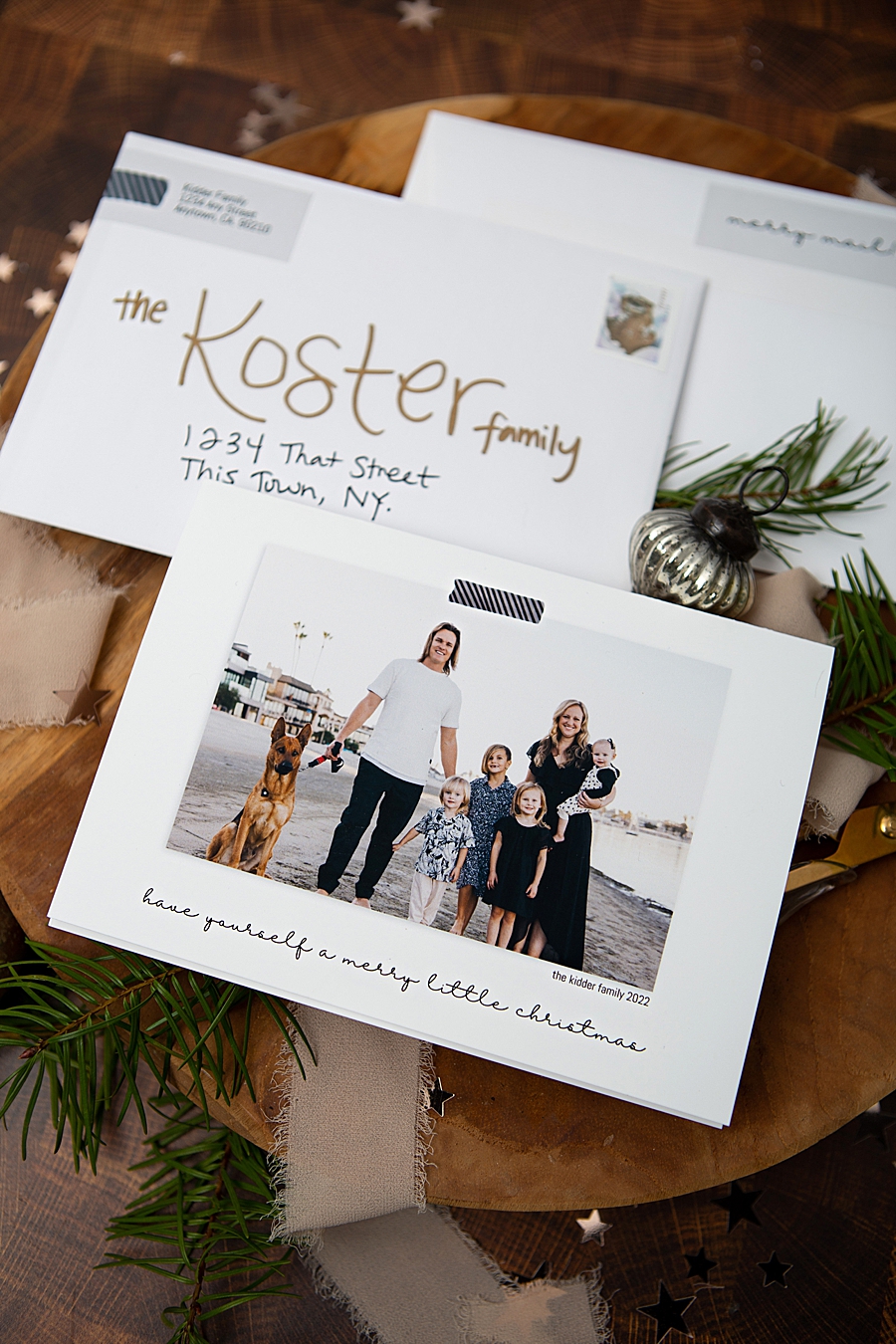
- Finishing and Labeling: The process concludes with the printing of matching address labels, often using restickable photo paper or specialized label sheets, ensuring a cohesive aesthetic from the envelope to the card itself.
Market Analysis and Economic Implications
The shift toward home-printed stationery has broader economic implications for the printing and paper industries. While traditional retail card sales may see a flattening of growth, the market for high-end photo paper and specialized ink is expanding. Consumers are demonstrating a willingness to invest in "prosumer" hardware if it offers a long-term cost-per-unit advantage over premium online stationery services.
Furthermore, the environmental impact of this shift is a subject of ongoing analysis. On-demand printing reduces the "overrun" waste common in commercial printing, where consumers might be forced to buy cards in sets of 25 or 50. Conversely, the increased consumption of individual ink cartridges and specialized paper packs presents its own set of sustainability challenges, prompting companies like Canon to emphasize recycling programs for their consumables.
Corporate Responses and the Creator Economy
In statements regarding their role in this market, Canon U.S.A., Inc. has emphasized its commitment to "allowing consumers to create and preserve beautiful imagery, from capture to print." This corporate philosophy aligns with the broader "Creator Economy," where the boundary between consumer and producer is increasingly blurred. By providing the tools and the templates for free or at a subsidized rate, hardware manufacturers are fostering a loyal ecosystem of users who view their printer as a creative engine rather than a utilitarian office appliance.
The role of influencers and DIY experts, such as Jen Causey-Kidder of Something Turquoise, is critical in this ecosystem. These creators serve as the bridge between technical hardware specifications and practical consumer applications. Their tutorials provide the "social proof" and instructional clarity needed to convince average consumers that professional results are achievable at home.
Broader Impact and Future Outlook
The success of DIY holiday card initiatives suggests a permanent change in how personal milestones are commemorated. The "mass personalization" trend is expected to extend beyond the holiday season into wedding invitations, birth announcements, and corporate correspondence. As printer technology continues to evolve, we can expect to see further improvements in ink efficiency, faster drying times for double-sided printing, and even more seamless integration with artificial intelligence-driven design tools that can automatically suggest layouts based on the content of a user’s photos.
The holiday season remains the ultimate testing ground for these technologies. As families across the country distribute millions of home-printed cards, the data gathered by manufacturers will inform the next generation of crafting hardware. The ability to produce a high-quality, tangible artifact in an increasingly digital world remains a powerful value proposition, ensuring that the tradition of the physical holiday card will endure, albeit in a more customized and technologically advanced form.
In conclusion, the DIY holiday card movement is more than a seasonal trend; it is a reflection of the maturation of home printing technology. By combining high-performance hardware with accessible design software and specialized media, the industry has empowered individuals to act as their own publishers, turning a traditional seasonal chore into a sophisticated creative outlet.