
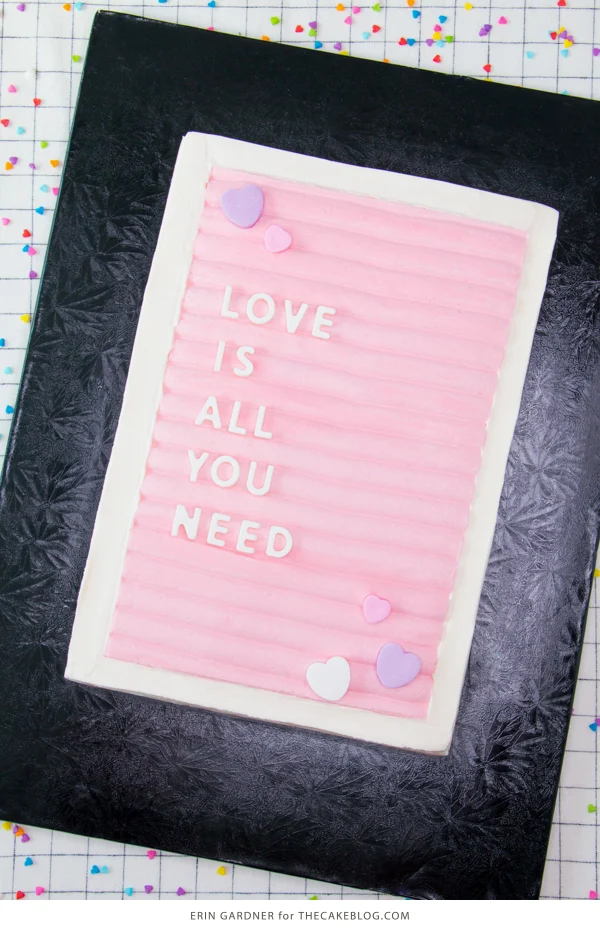
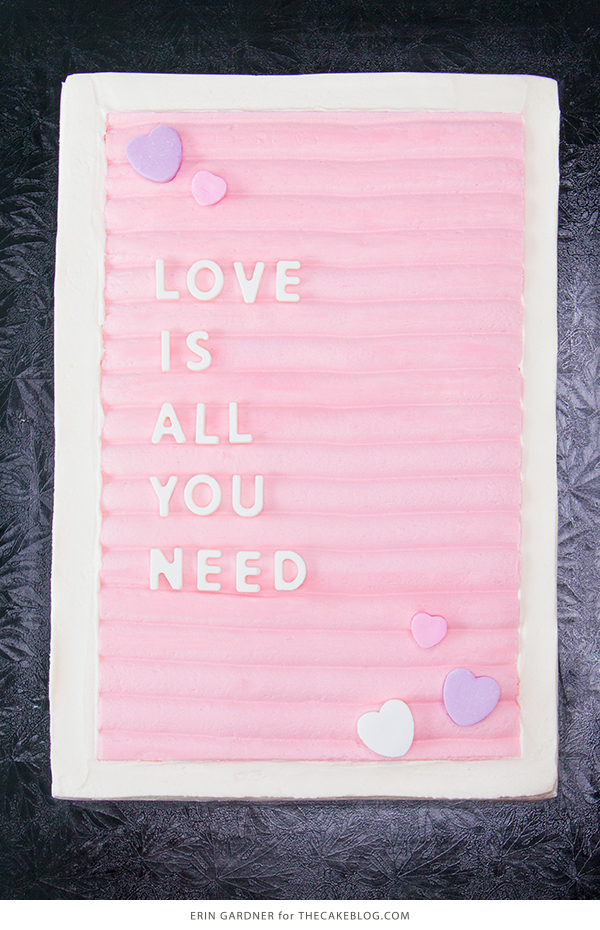
The evolution of confectionery arts has increasingly pivoted toward customizable and interactive designs, as evidenced by the recent introduction of the message board sheet cake technique by professional decorator Erin Gardner. This design concept, which utilizes a scalloped texture to mimic the appearance of vintage felt letter boards, represents a significant intersection between mid-century home decor aesthetics and modern pastry application. By providing a versatile canvas for personalized communication, the message board cake addresses a growing consumer demand for "expressive desserts" that serve as both a culinary centerpiece and a vehicle for social messaging.
The Rise of Expressive Confectionery in the Modern Market
The emergence of the message board cake occurs within a broader economic context of a flourishing home baking sector. According to market research data, the global baking ingredients market was valued at approximately $16.6 billion in 2021 and is projected to reach $22.3 billion by 2026, growing at a compound annual growth rate (CAGR) of 6.0%. This growth is driven largely by the democratization of professional-grade tools and the proliferation of digital tutorials that allow hobbyists to replicate complex designs.
Industry analysts note that the "message board" aesthetic specifically taps into a nostalgia-driven design trend. Originally popularized in the 1950s and 60s for menu displays and directory listings, felt letter boards saw a resurgence in interior design during the late 2010s. The translation of this tactile, analog medium into an edible format reflects a larger movement in the culinary arts to create "Instagrammable" content that prioritizes high-contrast visuals and legibility.
Technical Methodology: The Construction of the Message Board
The production of a message board sheet cake requires a systematic approach to buttercream manipulation and chocolate tempering. The process is divided into three distinct phases: the creation of the textured base, the fabrication of the typographic elements, and the final assembly and alignment.
Phase I: Architectural Buttercream Application
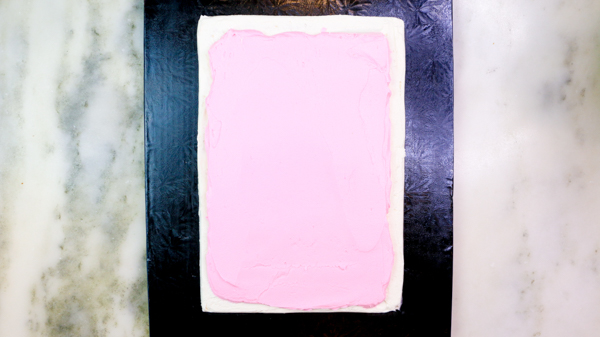
The foundational element of the design is a level layer of buttercream, which serves as the "felt" background of the board. Gardner’s methodology emphasizes the importance of a thick application to ensure structural integrity during the texturing process.
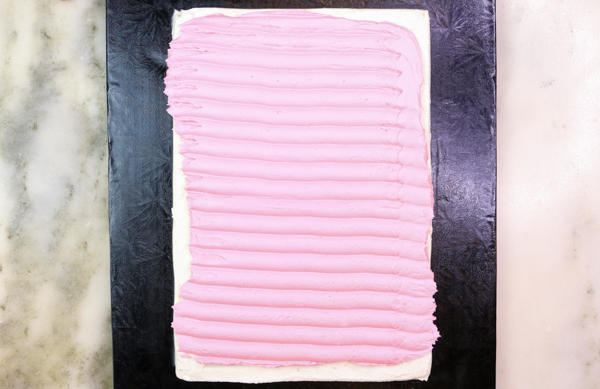
- Surface Leveling: A thick layer of pigmented buttercream—frequently in pastel or neutral tones to provide contrast—is applied to the surface of a standard sheet cake.
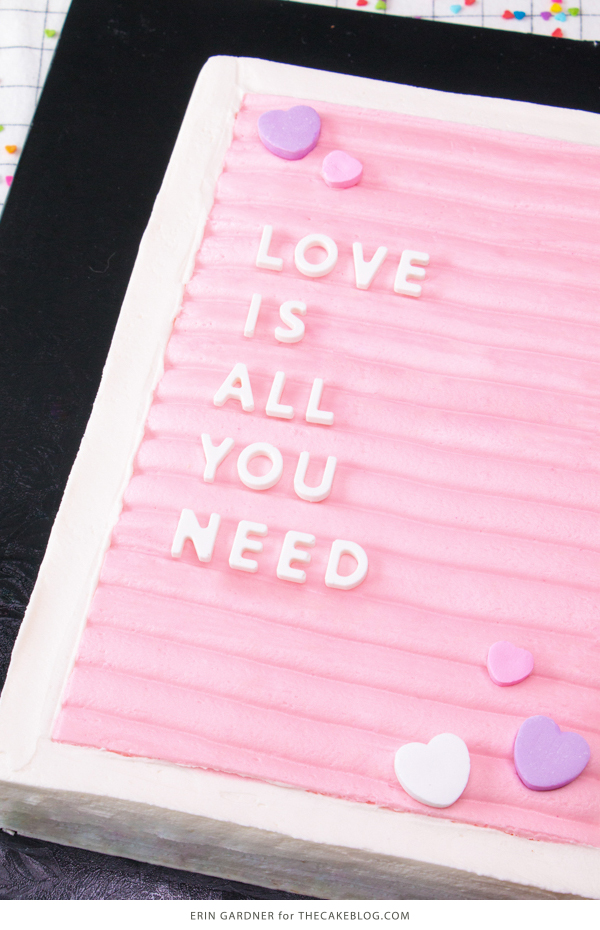
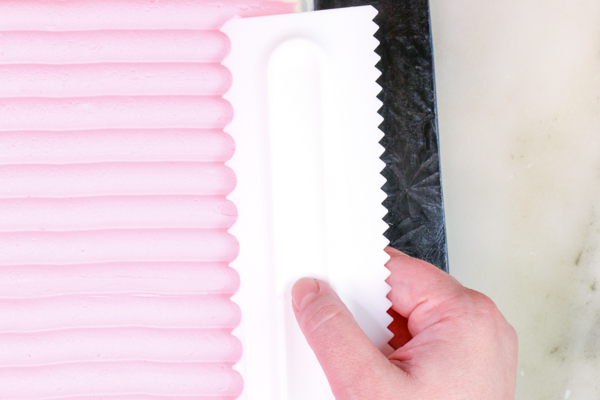
- Scalloped Texturing: The defining feature of the board is achieved through the use of a scalloped cake comb. By dragging the comb across the chilled buttercream, the decorator creates parallel horizontal ridges. These ridges serve a dual purpose: they provide the visual "track" of a letter board and act as a physical guide for the placement of letters.
- Thermal Stabilization: A critical step in the process involves chilling the cake until the buttercream reaches a firm state. This prevents the ridges from collapsing or smearing during the subsequent removal of the border and the placement of the message.
Phase II: Typographic Fabrication
The letters, mimicking the plastic characters of a physical board, are constructed from white chocolate or compound coating. This choice of medium provides the necessary rigidity to stand against the buttercream ridges without melting or deforming at room temperature.
The fabrication process allows for two distinct paths depending on the available equipment. The primary method involves the use of silicone letter molds, which ensure uniform serif or sans-serif typography. For decorators without specialized molds, the tutorial outlines a secondary "trace-and-pipe" method. This involves placing a template under parchment paper and piping melted chocolate directly onto the surface, demonstrating a commitment to accessibility in design.
Phase III: Assembly and Alignment
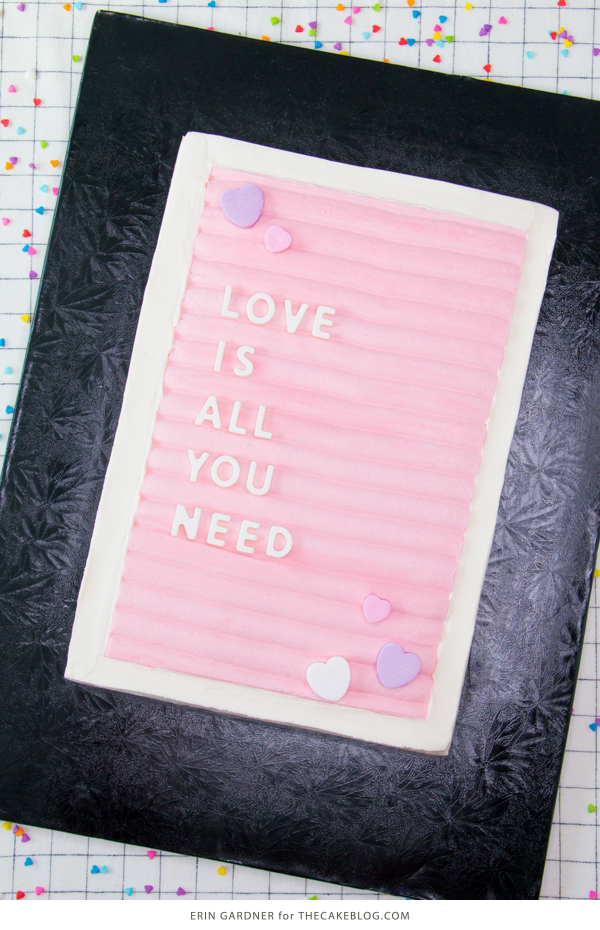
The final phase requires precision to ensure the message is centered and legible. Gardner recommends a "center-out" placement strategy. By identifying the median point of the cake and the central letter of the intended message, the decorator can maintain symmetry. This prevents the common error of running out of space on the right-hand margin, a frequent challenge in manual typesetting.
Chronology of the Sheet Cake’s Culinary Evolution
To understand the significance of the message board design, one must look at the historical trajectory of the sheet cake itself.
- Pre-1950s: Cakes were primarily tiered or round, reserved for formal celebrations and requiring significant labor.
- 1950s–1970s: The rise of the suburban "potluck" and the mass production of rectangular baking pans led to the ubiquity of the sheet cake. It became the standard for office parties and school events due to its ease of transport and high serving yield.
- 1980s–1990s: The introduction of edible ink printing allowed for photographic transfers onto sheet cakes, moving the medium toward personalization, though often at the expense of texture and flavor.
- 2010s–Present: A "craft" resurgence in baking saw the sheet cake reclaimed by artisanal decorators. Techniques such as palette knife painting, elaborate piping, and now, the message board effect, have elevated the rectangular format from a budget-friendly option to a high-design commodity.
Expert Perspectives on Design Accessibility
Professional pastry chefs have noted that the message board cake is part of a "low-barrier, high-impact" design philosophy. "What makes this specific tutorial effective is its scalability," says Marcus Thorne, a culinary instructor and industry consultant. "It utilizes basic geometric principles—parallel lines and repetitive molding—to create a professional-grade finish that doesn’t require the years of practice associated with traditional cursive piping."
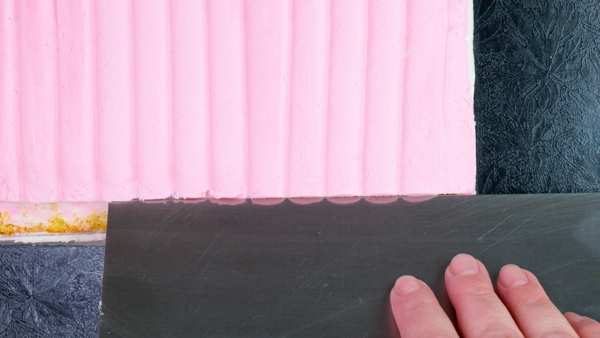
The removal of the border using a bench scraper and warm water is highlighted as a sophisticated "hack" that mimics the look of an inset frame. This technique, while simple, provides a clean finish that distinguishes the cake from standard grocery store varieties. By using a basketweave tip to pipe a flat border around the recessed "board," the decorator creates a three-dimensional frame that enhances the trompe l’oeil effect.
Market Implications and Consumer Behavior
The versatility of the message board cake has significant implications for the custom bakery market. Because the message is composed of individual chocolate letters, it allows for "on-the-fly" customization. Bakeries could theoretically stock pre-ridged "blank" cakes and a library of chocolate letters, allowing customers to dictate a personalized message in real-time—a service model similar to modern floral arrangements or engraved jewelry.
Furthermore, the design’s adaptability across various holidays—Valentine’s Day, birthdays, gender reveals, and corporate milestones—increases its utility for commercial kitchens. Data suggests that seasonal versatility is a key driver in the profitability of bakery menus, as it reduces the need for specialized inventory for every calendar event.
Implications for the Future of DIY Decorating
As digital platforms continue to influence culinary trends, the message board cake stands as a prime example of "modular" decorating. The ability to swap colors (e.g., a black board with white letters for a modern look, or a green board for a chalkboard effect) ensures the design remains relevant across shifting aesthetic cycles.
The tutorial provided by Erin Gardner serves as a bridge between professional technique and home-based execution. By addressing the "no-tools" scenario, the content fosters a more inclusive baking community. This inclusivity is vital for the continued growth of the industry, as it encourages consumers to invest in higher-quality ingredients and basic tools, eventually leading to increased spending within the specialty baking retail sector.
In conclusion, the message board sheet cake is more than a seasonal novelty; it is a refined application of typographic design to the medium of frosting. Its success lies in its ability to marry the nostalgia of analog communication with the tactile satisfaction of artisanal baking. As the industry moves forward, the principles of customization, accessibility, and high-contrast visual storytelling seen in this design are expected to remain central to the evolution of the confectionery arts.