

Cricut Infusible Ink represents a significant technological shift in the consumer crafting and personalization industry, moving away from traditional surface-level adhesives toward a sophisticated chemical bonding process known as sublimation. Unlike conventional heat-transfer vinyl (HTV) or iron-on materials, which utilize a heat-activated adhesive to bond a film to the surface of a substrate, Infusible Ink involves a molecular-level integration. This process results in a finish that is completely flush with the base material, characterized by vibrant colors and a total absence of the "hand" or textural feel typically associated with DIY transfers. As the global personalized gift market continues to expand—projected to reach a multi-billion dollar valuation by the end of the decade—technologies like Infusible Ink are bridging the gap between hobbyist capabilities and professional-grade manufacturing.
The Technical Foundations of Sublimation Technology
To understand the efficacy of Cricut Infusible Ink, one must examine the science of sublimation. In a standard thermal transfer, a solid layer of plastic or pigment is glued to a fabric or hard surface. Over time, mechanical stress, UV exposure, and laundering cause these adhesives to fail, leading to the cracking, peeling, or fading commonly seen in older custom apparel.
Infusible Ink operates on the principle of dye-sublimation. When a specific level of high heat (typically between 385°F and 400°F) is applied to the ink, it undergoes a phase change, transitioning directly from a solid state into a gas without ever becoming a liquid. Simultaneously, the heat causes the pores of the polymer-based substrate—such as polyester fibers or the specialized coating on a ceramic coaster—to open. The gaseous ink permeates these pores and, as the heat source is removed and the material cools, the ink reverts to a solid state, becoming trapped inside the material. This creates a permanent bond that is resistant to water, heat, and mechanical abrasion.
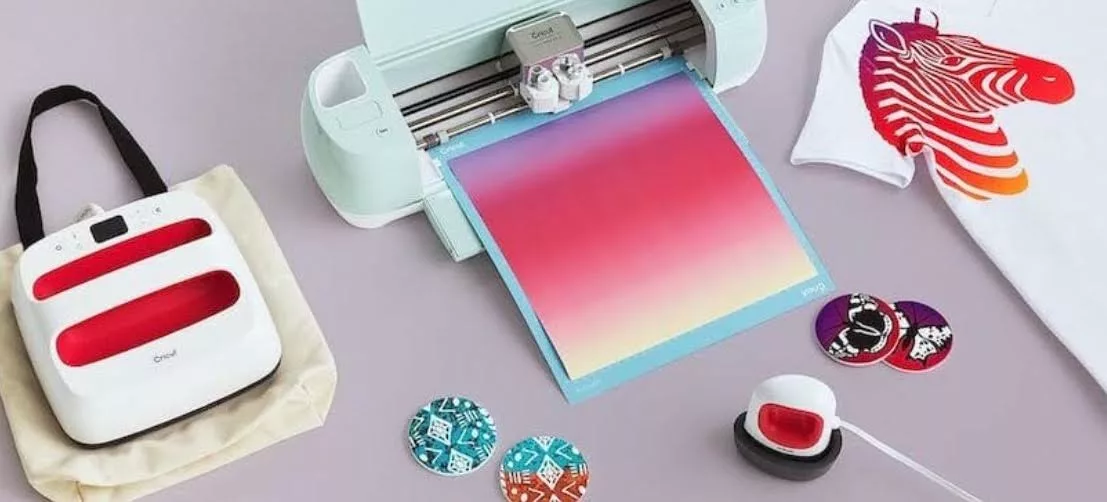
Comparative Analysis: Infusible Ink vs. Heat Transfer Vinyl
For professional designers and high-volume crafters, the choice between Infusible Ink and HTV depends largely on the desired outcome and the material composition of the "blank" or base item.
- Durability: HTV is prone to degradation after 25 to 50 wash cycles. In contrast, Infusible Ink is designed to last the lifetime of the garment. Because the ink is inside the fibers, it cannot flake or peel.
- Tactile Quality: HTV adds a layer of thickness to the fabric, which can sometimes feel stiff or heavy. Infusible Ink has zero thickness; the fabric remains as soft and breathable as it was in its original state.
- Color Vibrancy: While HTV offers a wide range of specialty finishes like glitter or holographic effects, Infusible Ink provides a "factory-printed" look with high-saturation colors that do not dim after washing.
- Substrate Requirements: HTV is highly versatile and can be applied to cotton, wood, and dark fabrics. Infusible Ink is more restrictive, requiring high-polyester counts (ideally 65% or higher) and light-colored surfaces to ensure the ink is visible and the chemical bond is successful.
Operational Workflow for Fabric-Based Projects
The application of Infusible Ink to soft goods, such as cosmetic bags or T-shirts, requires a systematic approach to ensure professional results. The following chronology outlines the technical process for decorating a polyester-blend cosmetic bag.
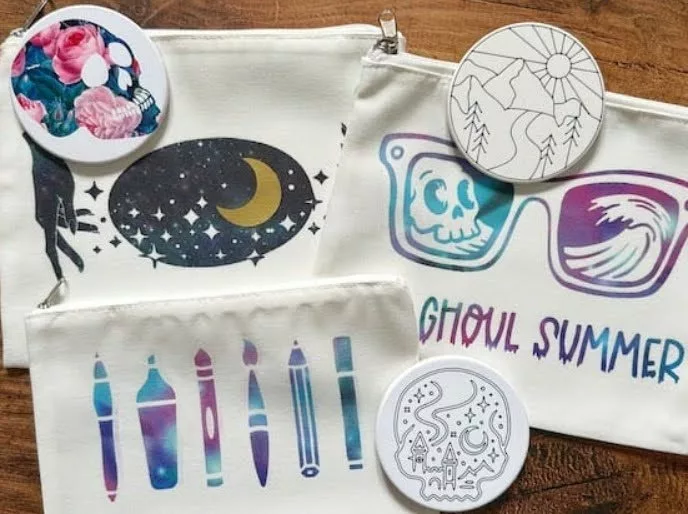
Phase 1: Digital Design and Preparation
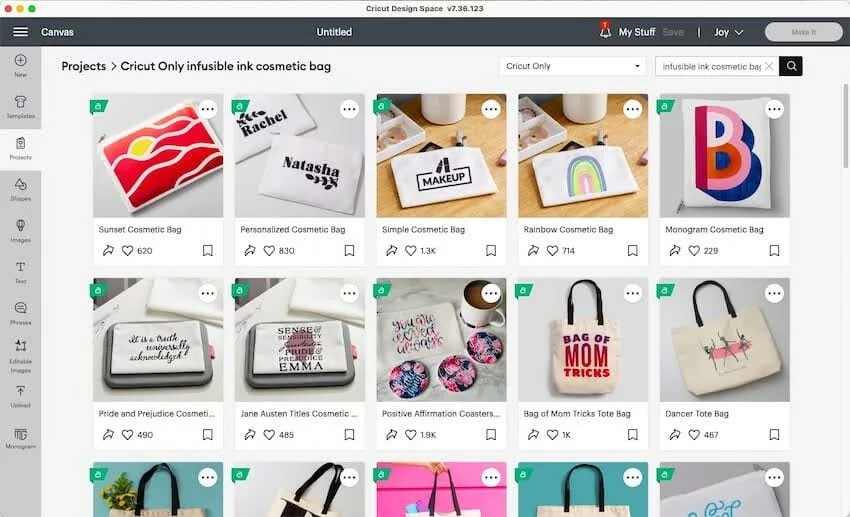
The process begins in a digital environment, typically utilizing the Cricut Design Space software. Users must select or create a vector-based design compatible with their cutting machine. A critical technical requirement at this stage is the "Mirror" function. Because the ink is transferred from the sheet to the substrate, the design must be cut in reverse to appear correctly upon application.
Phase 2: Precision Cutting and Weeding
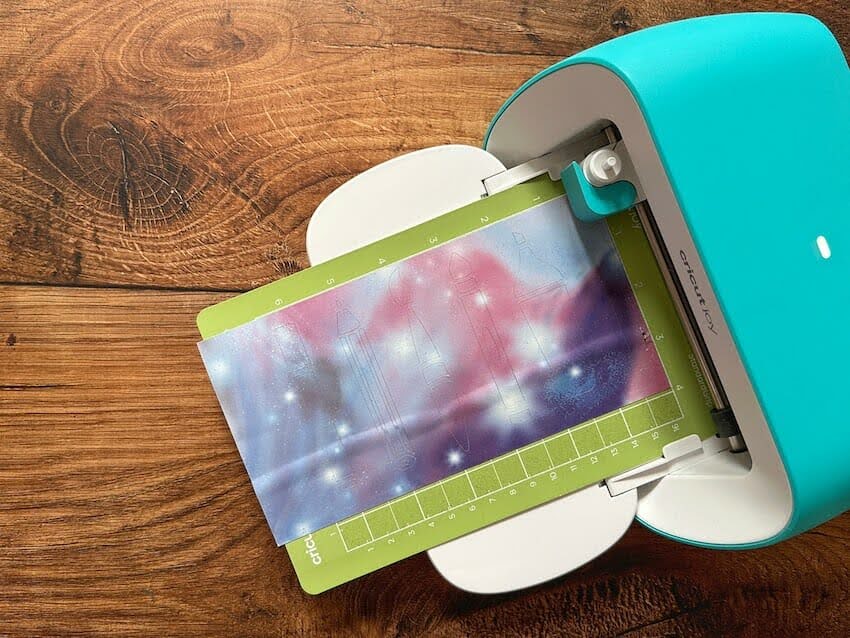
The Infusible Ink Transfer Sheet is loaded into a cutting machine (such as the Cricut Maker 3 or Explore 3) with the ink side facing upward. Unlike HTV, which is rubbery, Infusible Ink sheets are paper-like and require a fine-point blade. Once the cut is complete, the "weeding" process involves removing the excess ink sections. Industry professionals recommend using clean, dry hands for this stage, as oils or moisture from the skin can damage the sensitive ink pigments.
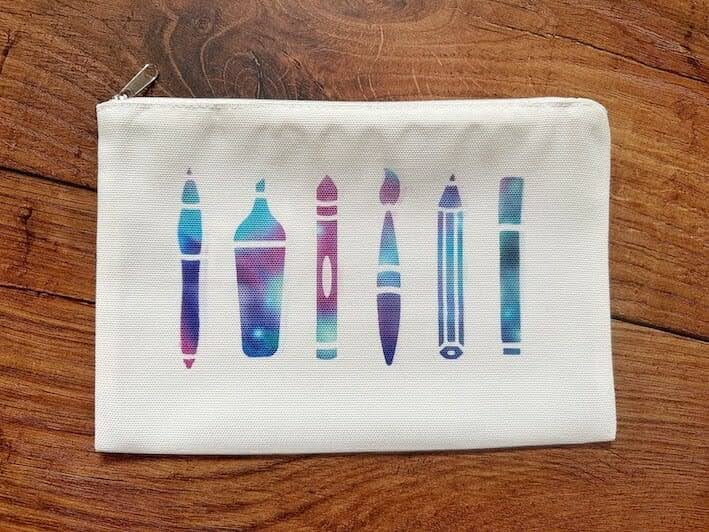
Phase 3: Thermal Integration
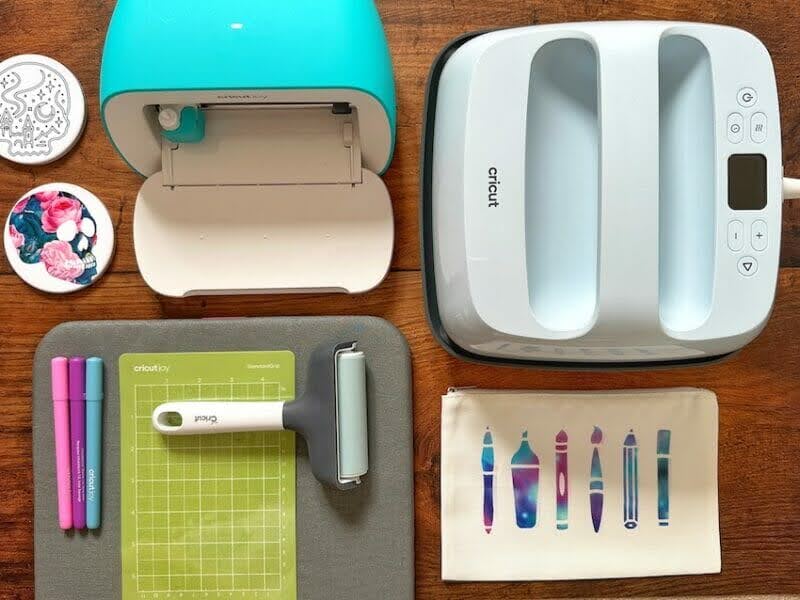
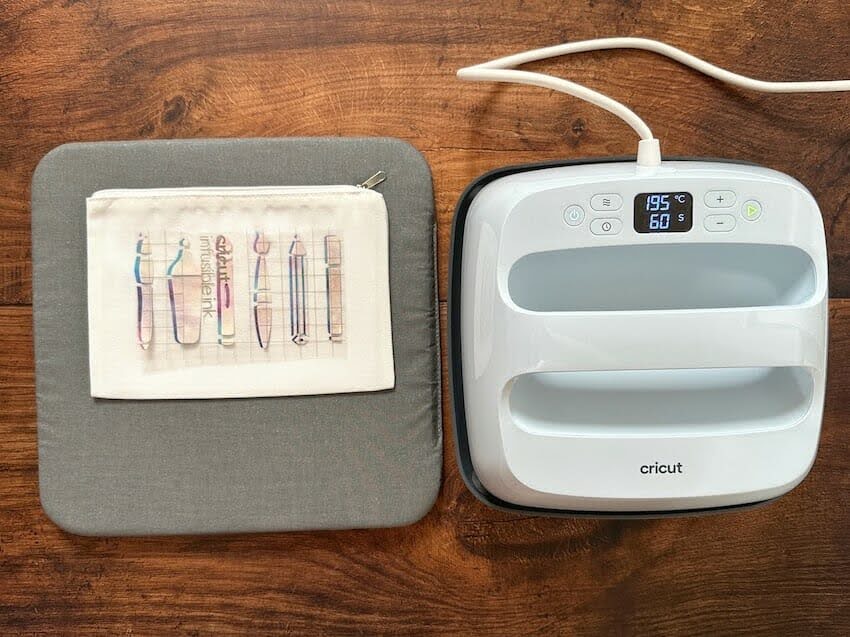
The final stage involves the use of a high-heat press, such as the Cricut EasyPress. The substrate must be pre-heated to remove moisture and wrinkles. A piece of cardstock is placed inside the bag to prevent "ghosting"—the accidental transfer of ink to the back layer of the fabric. The design is placed face down, covered with butcher paper (to protect the heat plate), and pressed at 385°F for 60 seconds with light pressure. The result is a vibrant, permanent infusion that is immediately ready for use once cooled.
Technical Workflow for Rigid Substrates: Ceramic Applications
The application of Infusible Ink to rigid, non-porous surfaces like ceramic coasters follows a slightly different set of physical requirements. This process often utilizes Infusible Ink Pens and Markers, allowing for hand-drawn or machine-sketched designs.
Phase 1: Substrate Preparation
Standard ceramic tiles from a hardware store are generally incompatible with this process. The substrate must be a "sublimation blank," meaning it is treated with a specialized polymer coating. Prior to application, the surface must be cleaned with a lint-free cloth and isopropyl alcohol to remove any microscopic debris or oils that could interfere with the gas transfer.
Phase 2: Drawing and Mapping
When using pens, the design is drawn onto standard laser printer paper. The Cricut machine can be programmed to "draw" intricate patterns using the pen housing. Because the ink remains in a solid state on the paper until heated, multiple colors can be layered or blended.
Phase 3: The Heat Cycle
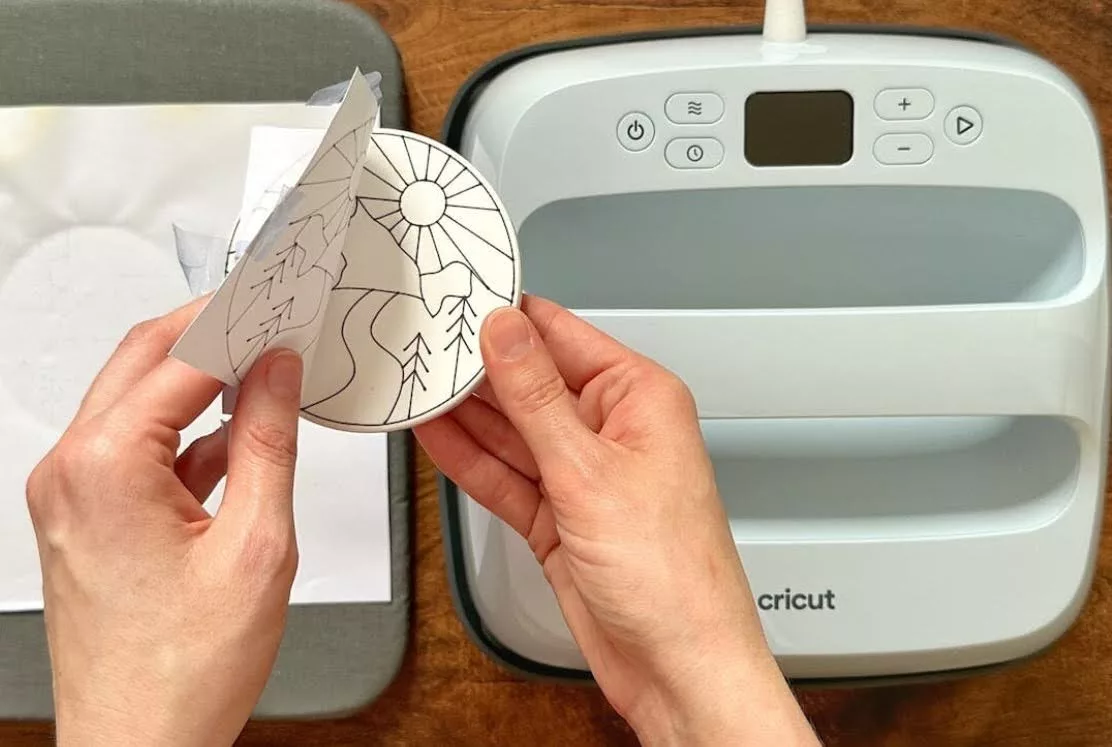
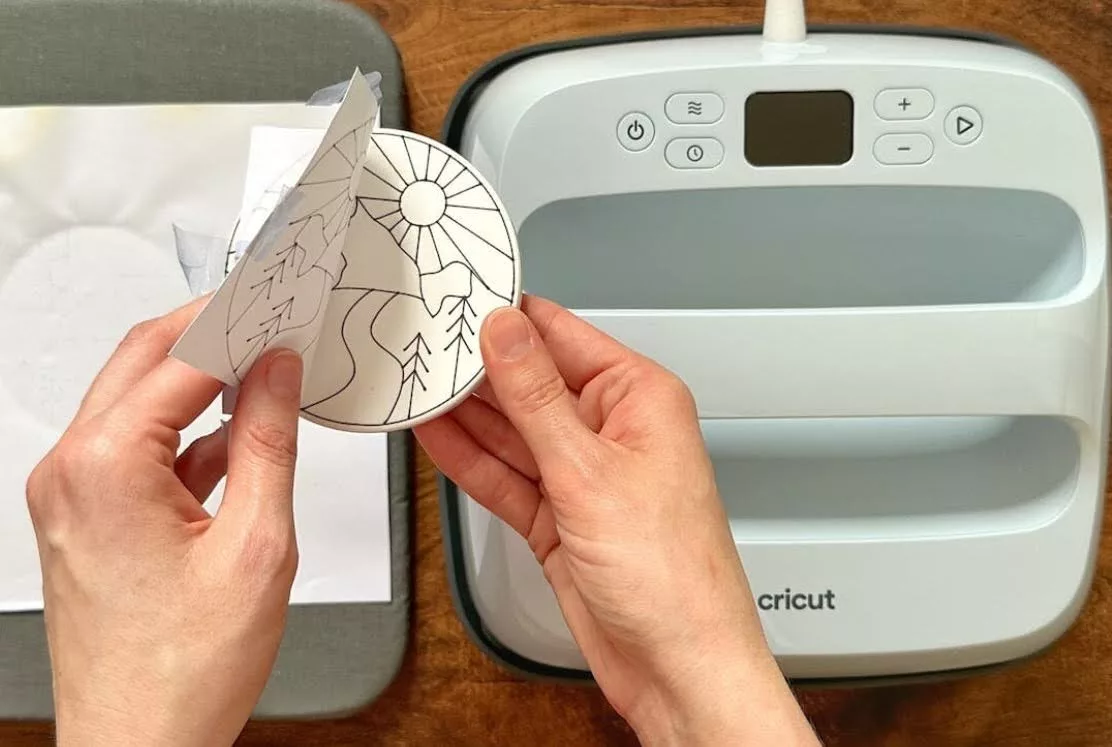
Applying heat to a rigid substrate requires even distribution. For ceramic coasters, the design is taped securely to the coaster using heat-resistant tape. The coaster is then placed face down on the heat press mat. The heat is applied from the top, through the ceramic, to ensure the entire surface reaches the required temperature for the sublimation gas to bond with the polymer coating. For ceramic items, the cooling period is significantly longer than for fabric, often requiring 15 to 20 minutes to reach a safe handling temperature.
Industry Implications and Market Context
The democratization of sublimation technology has significant implications for the "maker economy." Previously, sublimation required industrial printers costing thousands of dollars and volatile liquid ink systems. By stabilizing the ink in a dry sheet format, Cricut has allowed small-scale entrepreneurs and home-based businesses to produce professional-grade merchandise with minimal overhead.
According to market analysis, the demand for personalized apparel and home decor has seen a 12% year-over-year increase. This growth is driven by a consumer shift toward "slow fashion" and unique, durable goods. Experts in the textile industry suggest that the move toward infusion-based technology also has environmental benefits; because the designs do not crack or peel, the garments remain in use longer, potentially reducing the rate of textile waste in landfills.
Maintenance and Quality Assurance Standards
To maintain the integrity of the infused design, specific post-application protocols must be followed. For fabric items, the bond is stable enough to withstand machine washing, but it is recommended to use cold water and avoid bleach, which can chemically alter the ink pigments. For rigid substrates like coasters or mugs, hand-washing is preferred to avoid the high-abrasion environment of a dishwasher, which can slowly wear down the polymer coating over several years.
Future Outlook for Personalization Technology
As the chemical engineering behind these inks continues to evolve, the industry expects to see a broadening of compatible materials. Current research is focused on developing "bridge" coatings that would allow sublimation on 100% cotton fabrics or dark-colored materials, which currently remain the primary limitation of the technology.
Cricut Infusible Ink has effectively moved the "home-made" aesthetic into the realm of professional manufacturing. By mastering the variables of heat, time, and substrate composition, users can produce items that are indistinguishable from retail-grade products. This shift not only empowers the individual creator but also redefines the standards of quality in the DIY landscape, ensuring that personalization is no longer synonymous with temporary application.