

The culinary landscape of seasonal confectionery has been further enriched by the release of a sophisticated new tutorial from Mary and Brenda Maher, the founders of the Chicago-based studio Cakegirls. Their latest creation, a Winter Wonderland Snowflake Cake, represents a fusion of minimalist elegance and high-impact visual design, specifically tailored for the high-demand holiday hosting season. This tutorial provides a comprehensive blueprint for constructing a multi-layered dessert that mimics the aesthetic of a snow globe, utilizing professional techniques that remain accessible to the home-based pastry enthusiast.
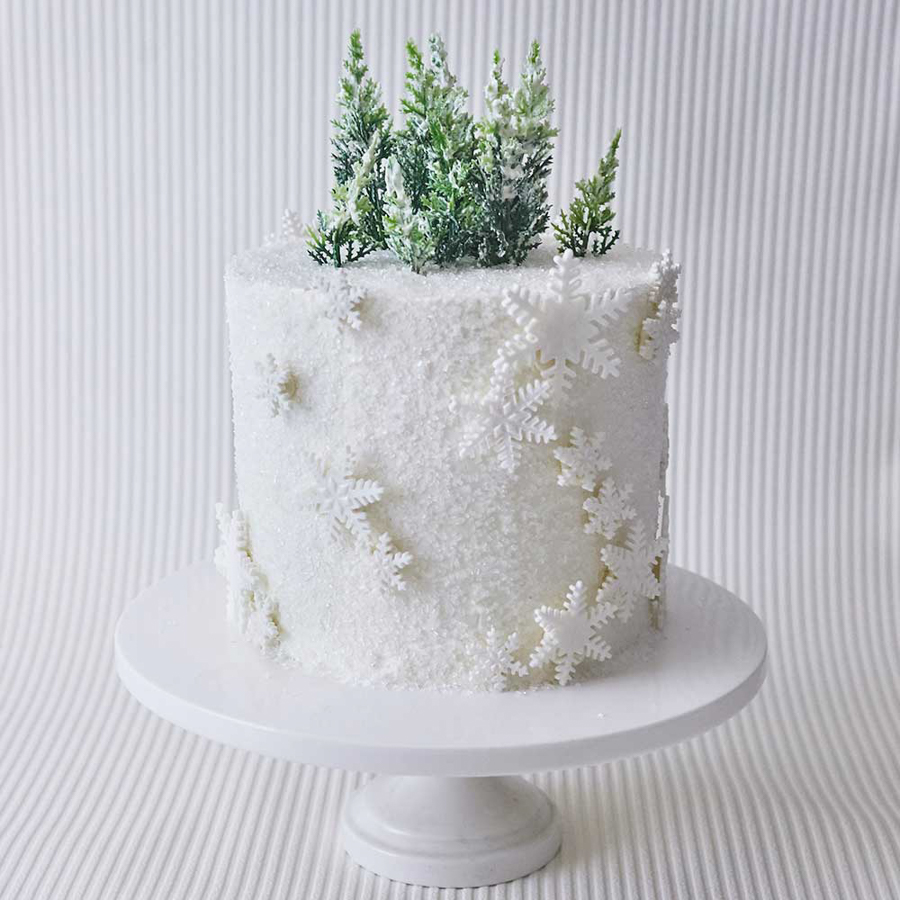
The unveiling of this design comes at a time when the "white-on-white" dessert trend continues to dominate luxury catering and social media platforms. By focusing on a monochromatic palette of pearlescent whites and crystalline textures, the Maher sisters have tapped into a broader cultural shift toward "quiet luxury" in the culinary arts—where the complexity of the craftsmanship is hidden behind a clean, serene exterior.
Technical Composition and Design Philosophy
The Winter Wonderland Snowflake Cake is characterized by its sparkle-coated exterior, intricate fondant snowflakes, and a "frosted forest" topper. According to the designers, the inspiration for the piece was a specific meteorological event: a snowy walk through Chicago that transformed the urban landscape into a scene reminiscent of a snow globe. This narrative-driven approach to cake design has become a hallmark of the Cakegirls brand, which focuses on translating atmospheric experiences into edible formats.
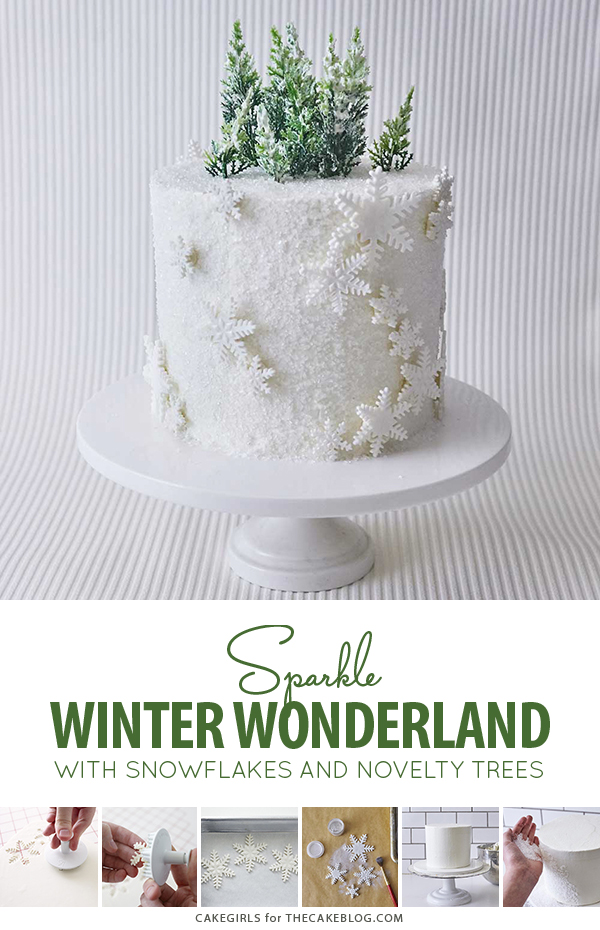
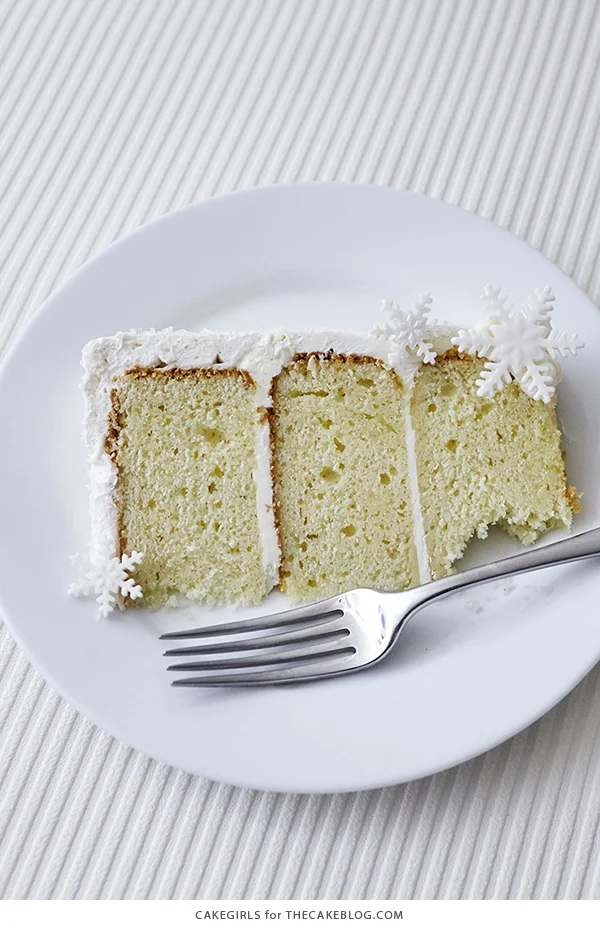
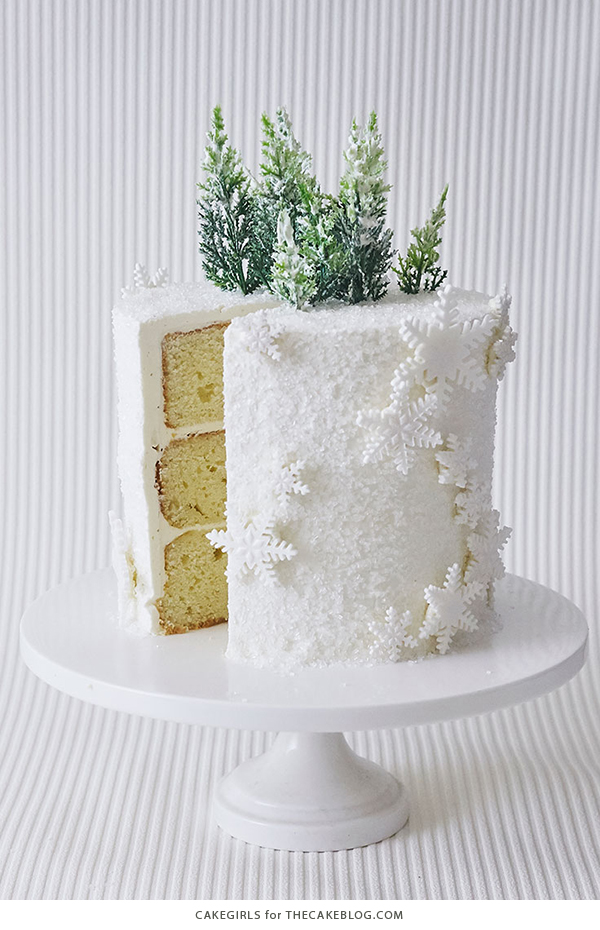
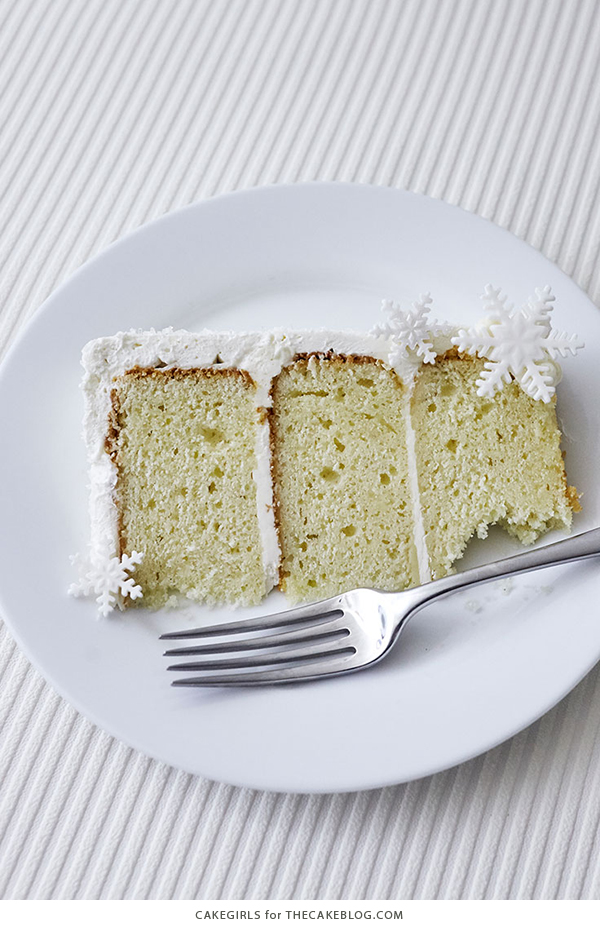
The cake’s internal structure is as deliberate as its exterior. The tutorial specifies a three-layer, 6-inch round vanilla cake paired with Swiss meringue buttercream. The selection of Swiss meringue is significant from a technical standpoint; unlike American buttercream, which can have a yellowish tint due to the high butter content and lack of aeration, Swiss meringue provides a lighter, whiter finish that is essential for maintaining the "wintery" aesthetic. Furthermore, the stability of this frosting type allows it to hold the weight of the sugar crystal coating without sagging or losing its crisp edges.
Chronology of Production: A Two-Phase Methodology
To achieve professional results, the tutorial outlines a strict timeline that separates the decorative elements from the structural assembly. This phased approach ensures that the delicate fondant components are sufficiently cured before being applied to the moist environment of the buttercream.
Phase I: Ornamental Preparation
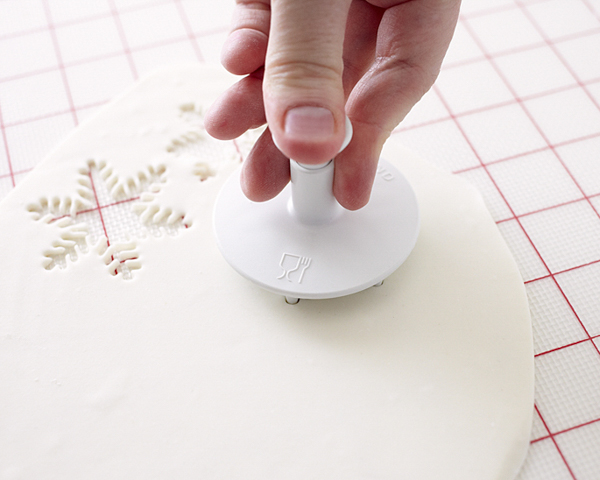
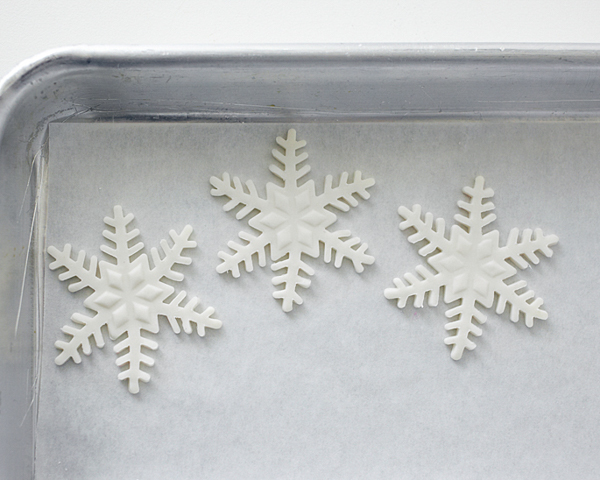
The process begins approximately 24 hours prior to the cake’s assembly. This period is dedicated to the creation of the fondant snowflakes. Technicians are instructed to roll white fondant to a precise thickness of 1/8 to 1/4 inch. Using snowflake-shaped plunger cutters—tools that have become essential in modern pastry kits—various sizes are produced.
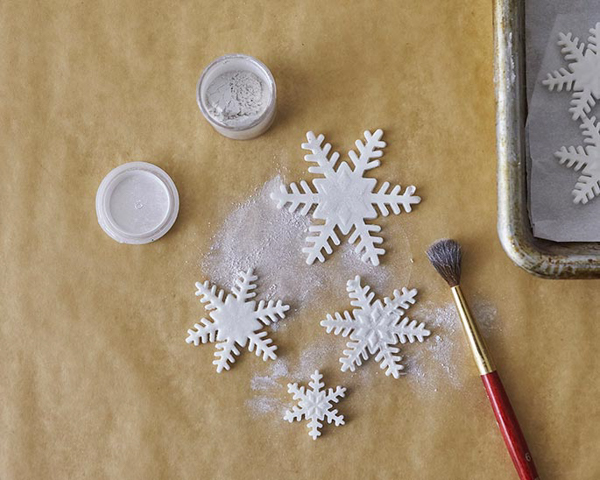
A critical step in Phase I is the application of Super Pearl luster dust. This dry-brushing technique imparts a metallic, shimmery finish without the need for liquid solvents, which can soften the fondant. The tutorial notes a distinction between purely decorative and fully edible finishes, advising that while luster dust provides the superior visual result, bakers should ensure their choice of dust is FDA-approved if the snowflakes are intended for consumption.
Phase II: Structural Assembly and Finishing
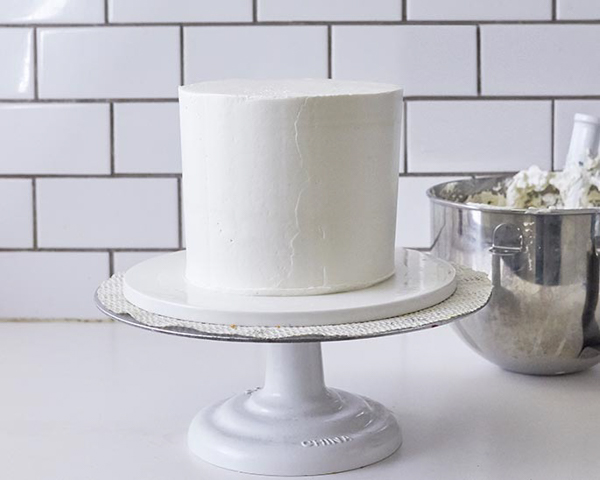
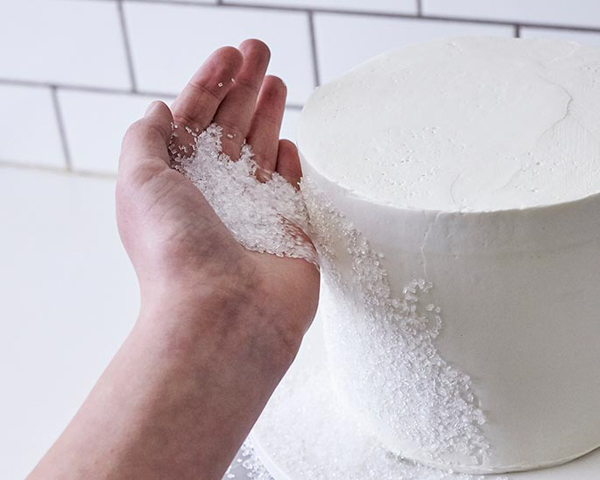
The second phase occurs on the day of service. Once the three-tier 6-inch cake is iced and chilled for at least 60 minutes to ensure a firm surface, the "sparkle coating" is applied. This involves pressing white sugar crystals manually into the sides of the cake. This technique requires a high degree of precision to ensure even distribution while managing the excess "fallout" of sugar.
The final assembly involves the integration of "novelty trees"—miniature decorative evergreens that are customized with smears of buttercream to simulate heavy snowfall. These are clustered on the crown of the cake to create a focal point. The previously prepared snowflakes are then affixed to the sides using small "dots" of buttercream as an adhesive, creating a sense of movement as if the flakes were drifting toward the base of the cake.
Supporting Data: The Growth of the Artisanal Baking Market
The release of high-end tutorials like the Winter Wonderland Snowflake Cake coincides with a significant surge in the global home baking market. According to recent market analysis, the global baking ingredients market is projected to reach a valuation of approximately $22.3 billion by 2026, growing at a CAGR of 5.8%. A substantial portion of this growth is attributed to the "premiumization" of home baking, where consumers are increasingly purchasing professional-grade tools such as fondant plungers, luster dusts, and high-quality fats.
Furthermore, social media data indicates that seasonal "DIY" content sees a 45% increase in engagement during the months of November and December. Tutorials that offer a "centerpiece quality" result, such as the Cakegirls’ snowflake design, are particularly successful because they address the consumer’s desire to reduce catering costs while maintaining a high aesthetic standard for holiday gatherings.

Market Trends and Ingredient Innovations
The choice of flavors suggested by the Mahers—ranging from traditional vanilla to eggnog and Champagne mimosa—reflects current shifts in consumer preferences. While chocolate remains a staple, there is an observable 12% year-over-year increase in the demand for "light and airy" flavor profiles during the winter months, moving away from the heavy, spice-laden cakes of the past.
The use of "crystal sugar" as a textural coating also aligns with the trend of "sensory eating," where the mouthfeel of a dessert is considered as important as its flavor. The contrast between the crunch of the sugar crystals and the silkiness of the Swiss meringue buttercream provides a complex eating experience that mimics the physical sensation of treading on fresh snow.
Industry Reactions and Expert Perspectives
Pastry chefs and industry analysts have noted that the accessibility of the Winter Wonderland Snowflake Cake is its greatest strength. "What Mary and Brenda Maher have done is democratize the high-end wedding cake aesthetic for the holiday host," says one industry consultant. "By using a simple snowflake cutter as the primary tool, they remove the barrier of entry for those who may not have advanced piping skills but have an eye for composition."
The decision to provide alternative flavor paths, such as the Champagne Mimosa Cake, has also been praised for its versatility. It allows the design to transition from a family-oriented Christmas buffet to a more sophisticated New Year’s Eve celebration, maximizing the utility of the tutorial for the end-user.
Broader Impact and Cultural Implications
The rise of the "tutorial economy" in the culinary world has changed how professional pastry artists interact with their audience. Rather than keeping techniques proprietary, experts like the Maher sisters are finding success through transparency. This shift has fostered a more educated consumer base that values the labor and skill involved in professional cake decorating.
Culturally, the Winter Wonderland Snowflake Cake serves as a symbol of the modern holiday experience: a blend of nostalgia and contemporary design. It evokes the classic "snowy park" imagery that has been a staple of holiday lore for decades, yet presents it through a lens of modern minimalism.
Future Outlook for Seasonal Confectionery
As the holiday season progresses, it is expected that variations of the "sparkle-coated" technique will appear across both professional and amateur platforms. The simplicity of the "hand-pressed sugar" method is likely to be adapted for other seasonal themes, such as "frosted" floral designs for spring or "sand-textured" cakes for summer.
The success of the Winter Wonderland Snowflake Cake tutorial reinforces the importance of narrative in food styling. By grounding a technical process in a relatable emotional experience—the beauty of a Chicago snowstorm—Cakegirls has provided more than just a recipe; they have provided a framework for seasonal storytelling through sugar and flour.
In conclusion, the Winter Wonderland Snowflake Cake stands as a testament to the evolving standards of home entertaining. It represents a move toward desserts that are not only delicious but also serve as significant architectural elements within a festive environment. As home bakers continue to seek out professional-grade challenges, the influence of designers like Mary and Brenda Maher will likely continue to shape the aesthetic boundaries of the holiday table.