
The contemporary photography landscape, while rich with artistic opportunity and personal connection, increasingly burdens its practitioners with a deluge of administrative responsibilities. What often begins as a passion for visual storytelling and human interaction quickly evolves into a complex entrepreneurial endeavor demanding expertise in areas far removed from the lens – from meticulous email correspondence and intricate spreadsheet management to sophisticated marketing strategies and client relationship oversight. This administrative burden, often underestimated, can significantly impede creative output, stifle business growth, and lead to burnout among independent photographers. It is within this challenging environment that the role of the virtual assistant (VA) has transitioned from a niche luxury to a strategic necessity, offering a robust solution to streamline operations and unlock scalability.
Historically, the independent photographer’s journey was primarily defined by their artistic skill and ability to capture compelling images. However, the advent of digital platforms, social media, and evolving client expectations has dramatically expanded the scope of tasks required to run a successful practice. What was once a straightforward process of shoot, edit, and deliver has morphed into a multi-faceted operation encompassing lead generation, contract management, brand promotion, and continuous client engagement. Industry data indicates that small business owners, including photographers, frequently dedicate upwards of 10 to 15 hours per week, or even more, to non-billable administrative tasks. This significant time investment diverts attention and energy from core creative work and high-value client interactions, directly impacting revenue potential and professional satisfaction.
The evolution of remote work capabilities and the burgeoning gig economy have simultaneously facilitated the rise of specialized virtual assistant services. These professionals, operating remotely, offer a flexible and cost-effective alternative to traditional in-house hires, providing expertise across a spectrum of business functions. Sara Rogers and Aileen Choi, seasoned Vancouver photographers and co-owners of Together We Co., a firm specializing in business management and virtual assistant services tailored for photographers, are at the forefront of advocating for this transformative shift. Their insights underscore that VAs are not merely assistants but strategic partners capable of handling a diverse array of tasks, thereby empowering photographers to refocus on their artistic craft and strategic business development.
Optimizing Client Lifecycle Management through Virtual Assistance
One of the most profound impacts a virtual assistant can have on a photography business is in the meticulous domain of client relationship management (CRM). The process of interacting with customers, from initial inquiry to final delivery and beyond, involves numerous touchpoints that, if not managed efficiently, can lead to lost opportunities and client dissatisfaction.
Streamlining CRM Setup and Ongoing Maintenance: The initial setup and continuous maintenance of a robust CRM system are often daunting for creative professionals. While essential for organizing leads, tracking client interactions, scheduling appointments, and managing availability, the technicalities can be overwhelming. A VA can expertly navigate these systems, configuring workflows, automating communication sequences, and ensuring timely follow-ups with potential and existing clients. This proactive management transforms a potentially chaotic client list into an organized, responsive system, enhancing client perception and operational efficiency. The strategic deployment of a VA in this area frees the photographer from the minutiae of data entry and system troubleshooting, allowing them to concentrate on building rapport and delivering exceptional service.
Mastering Email Management and Template Creation: An overflowing inbox is a common lament among busy entrepreneurs. The sheer volume of inquiries, follow-ups, and operational communications can consume hours daily, often leaving photographers feeling perpetually behind. A virtual assistant can take ownership of the business email account, ensuring prompt and professional responses to all correspondence. Beyond simple replies, VAs can develop and implement a comprehensive suite of email templates for common inquiries, proposals, booking confirmations, and post-event communications. This not only standardizes brand voice but also drastically improves response times and reduces the mental load on the photographer, ensuring no potential client is left waiting, a critical factor in a competitive market.
Enhancing the Client Experience with Online Gallery Stores and Albums: Providing clients with a seamless way to access, order, and cherish their images is vital for satisfaction and generating additional revenue. An online gallery store, where clients can purchase prints, frames, and custom albums, serves as a crucial passive income stream. However, setting up, integrating, and managing such a store, including coordinating with printing labs, handling promotions, and overseeing shipping, requires dedicated effort. A VA can manage this entire ecosystem, from initial design and integration to daily operations, ensuring a smooth, branded experience for clients and a consistent revenue stream for the photographer. Similarly, the creation of handcrafted wedding albums, while deeply valued by clients, is a significant time commitment. VAs can meticulously handle album design and proofing, including image selection, layout creation, and managing client feedback rounds, delivering a polished final product without consuming the photographer’s precious editing hours. This delegation ensures that clients receive tangible keepsakes, reinforcing the value of the photographer’s work.
Amplifying Brand Visibility and Market Reach
Beyond internal operations, a significant portion of a photographer’s administrative burden lies in the relentless pursuit of marketing and brand promotion. In today’s crowded digital landscape, visibility is paramount, demanding consistent effort across multiple platforms.
Strategic SEO-Friendly Blogging and Content Repurposing: The importance of a consistently updated, SEO-optimized blog for attracting organic traffic and showcasing expertise is universally acknowledged within the photography community. Yet, between shoots, edits, and client meetings, blogging often falls by the wayside. A virtual assistant can become the architect of a photographer’s content strategy, researching relevant keywords, crafting engaging blog posts (e.g., wedding stories, lifestyle shoot highlights, vendor recommendations, tips for clients), and ensuring they are optimized for search engines. This continuous flow of fresh content not only improves search rankings but also positions the photographer as an industry expert. Furthermore, VAs are adept at content repurposing, transforming blog posts into engaging social media snippets, email newsletter segments, or even podcast outlines, maximizing the reach and longevity of each piece of content. This integrated approach ensures a cohesive and impactful online presence.
Dynamic Social Media Management and Engagement: Maintaining an active, relevant presence across diverse social media platforms is non-negotiable for modern businesses. However, the ever-changing algorithms, the demand for fresh content, and the need for consistent engagement can be overwhelming. Delegating social media management to a VA frees photographers from the constant pressure of content creation and platform monitoring. VAs can curate and schedule posts, develop engaging captions, track trends, respond to comments and messages, and analyze performance metrics. This ensures a vibrant online community, consistent brand messaging, and effective lead generation without demanding the photographer’s direct, hourly involvement.
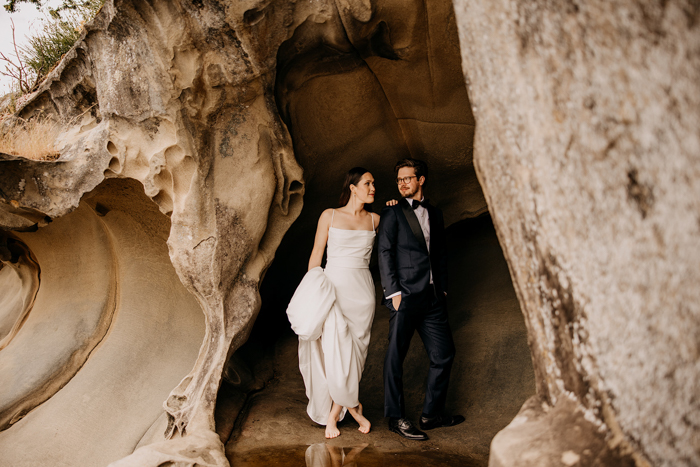
Facilitating Image Curation and Publication Submissions: Gaining features in reputable wedding blogs and magazines (such as Junebug Weddings) offers invaluable exposure, enhances credibility, and fosters connections within the vendor community. However, the process of curating specific images, optimizing them for web and print, adhering to submission guidelines, and tracking publication success is time-intensive and often complex. A virtual assistant can manage this entire workflow, from selecting the most compelling images that align with publication aesthetics to handling the technical submission requirements and following up on features. This strategic outsourcing significantly increases a photographer’s chances of being published, extending their reach to new audiences and reinforcing their professional standing.
Navigating Photography Contests and Awards: Participating in photography contests and awards programs provides a powerful avenue for peer recognition, industry networking, and a significant boost to a photographer’s credibility and search engine optimization. The administrative hurdles, however, can deter many. Researching suitable contests, keeping track of deadlines, preparing submissions, and understanding eligibility criteria are tasks perfectly suited for a VA. They can streamline this process, identify strategic opportunities, manage the submission pipeline, and even coordinate the announcement of any wins across the photographer’s digital channels, further amplifying their reputation and attracting premium clients.
Enhancing Operational Efficiency and Workflow Streamlining
Beyond client-facing and marketing tasks, a virtual assistant can profoundly impact the internal operational efficiency of a photography business, particularly in areas traditionally prone to bottlenecks and time sinks.
Precision in Event Day Document Preparation: The success of any photography event, be it a commercial shoot or a wedding, hinges on meticulous preparation. This often involves creating detailed timelines, compiling comprehensive shot lists, researching necessary permits and licenses, and coordinating logistics with other vendors. These pre-event administrative tasks, while crucial, can distract photographers from their creative vision and client interaction. A VA can assume responsibility for this entire preparatory phase, ensuring that all documentation is accurate, schedules are synchronized, and all necessary permissions are secured. This allows the photographer to arrive on set focused solely on capturing the moment, confident that all logistical details are expertly handled.
Optimizing Post-Production Coordination: The post-production phase, encompassing culling, editing, and final delivery, is arguably the most time-consuming aspect of a photographer’s work. While the final artistic touches remain with the photographer, much of the initial coordination and bulk processing can be delegated. A VA can manage the workflow with external post-production teams or integrate with AI-powered editing software, overseeing the culling process, ensuring consistency in initial edits, and preparing images for the photographer’s final review and artistic refinement. This collaborative approach, leveraging both human and artificial intelligence, dramatically reduces the hours spent on tedious editing, allowing photographers to reclaim their evenings and weekends without compromising quality.
Broader Implications and Future Outlook
The integration of virtual assistants into photography businesses represents a significant paradigm shift, moving beyond mere task delegation to a strategic partnership model. This trend is not isolated; the global virtual assistant market is experiencing robust growth, projected to expand significantly in the coming years, underscoring a broader industry recognition of the value of outsourced, specialized administrative support. For photographers, this translates into several critical implications.
Firstly, it fosters business sustainability. By offloading time-intensive, lower-value administrative tasks, photographers can dedicate their core hours to higher-value activities such as shooting, client consultations, and creative development, directly impacting their earning potential and allowing for strategic business expansion. This shift from "doing everything" to "leading everything" is crucial for long-term viability in a competitive market.
Secondly, it addresses the pervasive issue of work-life balance. Many independent creatives struggle with the relentless demands of their businesses, leading to burnout and diminished passion. A VA acts as a crucial buffer, providing the support needed to create boundaries between work and personal life, enabling photographers to recharge and remain creatively inspired.
Thirdly, the adoption of VAs professionalizes the industry. By ensuring prompt communication, organized processes, and consistent marketing efforts, photographers who utilize VAs present a more polished and reliable image to their clients and peers, elevating industry standards.
Finally, the increasing sophistication of AI tools is likely to augment the capabilities of VAs further. While AI can handle repetitive data tasks, VAs provide the crucial human element of judgment, nuanced communication, and strategic thinking. The synergy between AI and human virtual assistance promises an even more efficient and powerful support system for photographers in the future.
The rising volume of inquiries and rapidly filling schedules are clear indicators of a thriving photography business, yet they also signal a critical juncture where support becomes indispensable. Sara Rogers and Aileen Choi of Together We Co. articulate a compelling case for the virtual assistant as an essential strategic partner. Their comprehensive range of business management and virtual assistant services, specifically designed for the unique demands of photography professionals, offers a tangible pathway for photographers to reclaim their time, scale their operations, and elevate their creative impact without compromising their financial viability. In an era where efficiency and focused creativity are paramount, the virtual assistant stands as a cornerstone of the modern, successful photography enterprise.