



The arduous task of collecting wedding RSVPs has long been a source of significant stress and inefficiency for couples globally, often transforming what should be an exciting prelude to their special day into a demanding administrative burden. As planning timelines compress and guest lists expand, the traditional methods of gathering attendance confirmations are increasingly proving inadequate, prompting a growing demand for more streamlined, effective solutions. This article examines the historical challenges of wedding RSVP management, analyzes the shortcomings of conventional approaches, and highlights the emergence of innovative technologies like Festa, an AI-powered communication platform, that are reshaping how couples interact with their guests.
The Persistent Challenge of Wedding Guest Management
For generations, the cornerstone of wedding planning has been the accurate determination of guest attendance. This crucial information directly impacts critical budgetary decisions, vendor coordination, and logistical arrangements, from catering quantities and seating charts to venue capacity and favor allocation. The process, however, is rarely straightforward. Couples frequently find themselves weeks past their RSVP deadline with a substantial portion of their guest list still unconfirmed, leading to frantic follow-ups that consume valuable time and energy. This "chase" is not merely an inconvenience; it can introduce significant financial risks if final headcounts are inaccurate, potentially leading to overspending on unused meals or underspending on insufficient arrangements. Industry surveys consistently reveal that guest communication, particularly RSVP collection, ranks among the top stressors for engaged couples, underscoring the systemic nature of this challenge.
Traditional RSVP Methods: A Critical Examination
Couples typically rely on one of three primary methods for collecting RSVPs, each presenting its own set of practical difficulties that contribute to the overall friction in the planning process. Understanding these limitations is crucial to appreciating the need for modern alternatives.

Mailed Response Cards: The Enduring Legacy of Paper Invitations
The classic approach involves enclosing a pre-stamped response card within each formal wedding invitation, expecting guests to complete and return it via postal service. While embodying a sense of tradition and formality, this method is increasingly prone to inefficiencies in a digital age. Firstly, cards are susceptible to being misplaced in the mail or simply forgotten in the daily shuffle of household items. Data from postal services often indicates a small but persistent percentage of mail that is delayed or never reaches its intended destination. More significantly, the sheer inertia of physically mailing a card can be a deterrent for guests accustomed to instant digital interactions.
Beyond the logistical hurdles, the financial outlay for mailed response cards has become a notable consideration. As of July 2026, the cost of a First-Class Forever stamp increased to 82 cents. For an invitation requiring both outbound and return postage, this amounts to $1.64 per guest. For a wedding with 150 invitees, the postage alone could exceed $246, a figure that does not include the considerable expense of designing, printing, and assembling the physical response cards and envelopes themselves. For budget-conscious couples, these escalating costs represent a substantial, often unexpected, line item.
Wedding Website RSVP Forms: Digital Convenience Meets Digital Friction
The advent of wedding websites offered a seemingly elegant solution to the postage problem and the physical handling of response cards. By providing a digital RSVP form, couples could centralize information and simplify the submission process. However, this method introduces a different form of friction. Guests are required to remember or locate a specific URL, navigate to the website, find the designated RSVP page, and often input personal details or even create an account. While straightforward for digitally native or highly organized individuals, these steps can become significant barriers for others. Older guests, those less comfortable with technology, or simply busy individuals may bookmark the site with the intention of responding later, only for it to be forgotten amid their daily routines. The multiple-step process, even if digital, still demands proactive effort from the guest, which often translates to delayed or missed responses.
The Manual Spreadsheet and Text-Chase: The Unplanned Default
Despite initial intentions to use formal methods, many couples inevitably resort to a manual system: compiling a spreadsheet of guests and individually contacting unresponsive invitees via text message or phone call. This approach, while eventually yielding results, places an immense personal burden on the couple. Hours are spent cross-referencing lists, sending personalized reminders, and manually updating attendance statuses, dietary restrictions, and other crucial details. This unplanned "part-time job" often begins weeks after the RSVP deadline, when vendor headcounts are looming, exacerbating stress levels. It transforms the couple into a de facto communication hub and data entry clerk, diverting their focus from other critical aspects of wedding planning and, more importantly, from enjoying their engagement period.

The Rise of Digital Solutions: Leveraging Ubiquitous Communication
The pervasive nature of mobile technology and instant messaging platforms has created fertile ground for innovative solutions to wedding communication challenges. Americans, for instance, exchanged nearly 2.2 trillion text messages in a single year, according to CTIA’s annual wireless industry survey, a figure that continues to grow annually. This widespread adoption of SMS as a primary mode of personal communication offers a compelling opportunity for streamlined guest management. Unlike email, which can be overlooked in crowded inboxes, or apps that require downloads, text messages are inherently immediate, personal, and typically reside on a device’s home screen until addressed. This fundamental shift in communication habits provides the bedrock for platforms designed to meet guests where they already are.
Festa: An AI-Powered Paradigm Shift in RSVP Collection
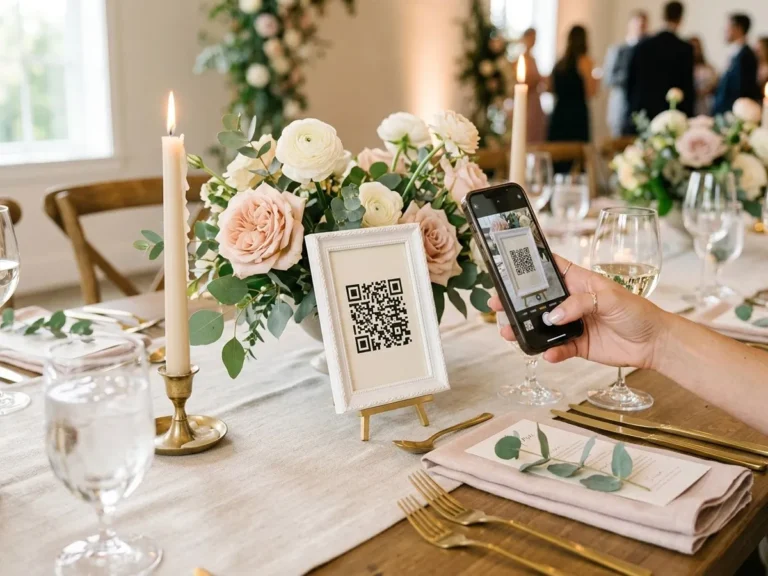
Amidst these challenges, platforms like Festa are emerging as a practical, technology-driven solution, offering an AI-powered communication system that handles RSVP collection and guest inquiries entirely over regular text messages. Positioned as a direct response to the prevalent frustrations of wedding planning, Festa aims to automate the administrative burden, allowing couples to focus on the celebratory aspects of their wedding.
The core innovation lies in its simplicity and accessibility. Guests are not required to download an app, create an account, or remember a URL. Instead, they interact with the system via standard SMS. This low-friction approach is designed to maximize response rates by leveraging a communication channel familiar to virtually every demographic, from tech-savvy millennials to less digitally inclined older relatives.
Streamlined Setup and Seamless Guest Experience
The setup process for couples is designed for efficiency. By simply providing their wedding website URL, Festa’s AI technology can parse and extract key event details, including venue information, schedule, and guest specifics. This eliminates the need for manual data entry or the creation of a separate guest database, integrating seamlessly with existing planning efforts.

From the guest’s perspective, the interaction is intuitive and conversational. Guests text a designated number, initiating a dialogue with the AI. They can confirm their attendance, specify dietary restrictions or meal preferences, and receive instant confirmation. This conversational interface mimics a personal exchange, making the process feel less like filling out a form and more like a casual, direct communication. The immediacy of the text message means the "I’ll do it later" procrastination factor is significantly reduced, as the conversation is already active within their primary messaging platform.
Automated Tracking and Intelligent Reminders
A critical feature of Festa is its real-time tracking and automated reminder system. As RSVPs are received via text, the guest count is updated instantly, eliminating the need for manual spreadsheet maintenance or cross-referencing multiple communication channels. This centralized, dynamic tracking provides couples with an accurate, up-to-the-minute overview of their guest list. Furthermore, for guests who have not responded by the specified deadline, Festa can automatically deploy friendly, non-intrusive follow-up reminders. This proactive automation offloads a significant portion of the "chase" from the couple, ensuring higher response rates without personal intervention.
Analyzing the Efficacy of Communication Channels: Data-Driven Insights
The channel chosen for RSVP collection has a direct and measurable impact on both the speed and completeness of responses. Traditional mailed cards inherently introduce delays and potential loss, while wedding websites, despite their digital nature, still require guests to initiate an action outside their primary communication stream. Text messaging, conversely, integrates directly into the most active and immediate communication channel for most individuals.
While a single case study does not constitute comprehensive demographic data, Festa’s experience with one wedding of 59 guests, where 57 responses were collected through the platform, offers an indicative illustration. This high response rate suggests that when the prompt to reply lands directly within a guest’s familiar messaging environment, the likelihood of an immediate and complete response increases dramatically. This aligns with broader communication research indicating that SMS messages boast significantly higher open rates and faster response times compared to email or other digital prompts. The implication is clear: by removing layers of friction and meeting guests on their preferred communication channel, platforms like Festa can significantly bridge the gap between intent to reply and actual reply.

Strategic Planning: Optimizing Your RSVP Timeline
Regardless of the method employed, a well-structured RSVP timeline remains paramount for efficient wedding planning. Integrating modern tools into this timeline can further enhance effectiveness:
- 8 to 10 Weeks Before the Wedding: Invitations should be sent, clearly detailing the RSVP method. For Festa users, this is the opportune moment to provide the dedicated text number to guests, either on the invitation card, the wedding website, or both. This early dispatch allows ample time for guests to receive and process the information.
- 4 to 6 Weeks Before the Wedding: The RSVP deadline should be set within this window. This critical buffer period is designed to precede vendor headcount deadlines, which typically fall 2 to 3 weeks prior to the event. This foresight is crucial for managing potential delays.
- 1 Week Past the Deadline: This is the designated time for follow-ups with any unresponsive guests. For couples utilizing Festa, these reminders are automated, minimizing manual effort. For those managing manually, a brief, cordial text message is generally more effective and less intrusive than a formal email or phone call.
This structured approach, particularly when augmented by automated systems, ensures that couples maintain control over their guest count without succumbing to last-minute panic, allowing sufficient time to finalize arrangements with caterers, venues, and other critical vendors.
The Economic and Emotional Dividends of Automation
The implementation of automated RSVP systems like Festa offers tangible benefits that extend beyond mere convenience, impacting both the financial and emotional well-being of engaged couples.
From an economic standpoint, efficient RSVP collection directly translates into cost savings. Accurate headcounts prevent over-ordering meals, unnecessary seating arrangements, and wasted favors. Considering that catering often represents a significant portion of the wedding budget, even minor inaccuracies can lead to substantial financial losses. Comparing Festa’s flat fee of $149 (or $129 with the "SAVVY" discount code for Budget Savvy Bride readers) to the traditional costs of mailed response cards (which can easily range from $300 to $600 for a 150-person wedding when factoring in postage, printing, and envelopes), the financial advantage is clear. Festa provides a comprehensive solution for both RSVPs and guest Q&A at a fraction of the cost, delivering responses more rapidly.

Emotionally, the reduction in stress is perhaps the most invaluable benefit. Wedding planning is inherently demanding, and the added pressure of chasing down unresponsive guests can detract significantly from what should be a joyful and memorable period. By automating a historically arduous task, platforms like Festa liberate couples from administrative drudgery, allowing them to redirect their energy towards more creative and personal aspects of their wedding, fostering a more positive and less anxious planning experience.
Beyond the Deadline: Addressing Unresponsive Guests
Even with the most sophisticated systems, a small percentage of guests may still fail to respond. This is often attributable to human nature – procrastination, forgetfulness, or the assumption that another household member has already replied. When personal follow-up becomes necessary for these final holdouts, the approach should remain warm and concise. A simple text such as, "Hey! Just finalizing our headcount for the wedding and want to make sure we have a spot for you. Are you able to make it on [date]?" is often sufficient. This non-pressuring tone typically elicits an immediate response without creating awkwardness. While Festa significantly minimizes the number of manual follow-ups required through its automated reminders, recognizing that a personal touch is sometimes needed for the very last few guests ensures a complete and accurate guest list while preserving positive guest relations. The objective is to maximize automation without entirely sacrificing the human element of communication.
The Future of Wedding Communication: A Glimpse Forward
The trend towards integrating AI and digital tools into wedding planning is indicative of a broader industry shift. As technology continues to evolve, we can anticipate even more sophisticated solutions for managing guest communication, logistical coordination, and personalized experiences. Platforms like Festa, currently available in the USA and Canada via SMS with plans for global expansion through iMessage and WhatsApp, represent the vanguard of this transformation. Their model suggests a future where wedding planning is characterized by greater efficiency, reduced stress, and enhanced guest engagement, ultimately allowing couples to savor their journey to matrimony without being bogged down by administrative complexities.
Conclusion: Reclaiming the Joy of Wedding Planning
The collection of wedding RSVPs should be a seamless component of the planning process, not a demanding second job. For too long, couples have grappled with outdated methods that generate unnecessary stress, consume valuable time, and inflate budgets. The emergence of AI-powered communication platforms like Festa offers a compelling solution, streamlining RSVP collection and guest inquiries through the universally accessible medium of text messaging. By embracing these technological advancements, couples can significantly improve response rates, reduce administrative burdens, and reclaim the joy and excitement that should define their engagement period. The goal remains consistent: to ensure accurate guest counts with minimal effort, allowing couples to focus on celebrating their union rather than managing an endless to-do list.