


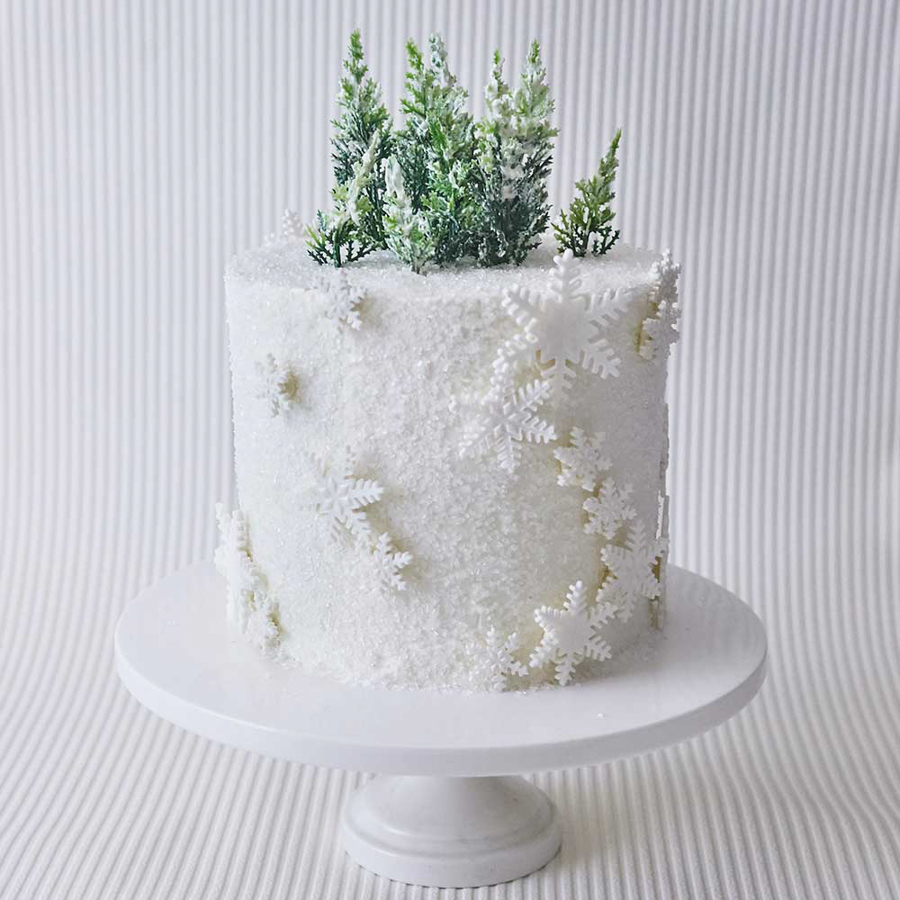
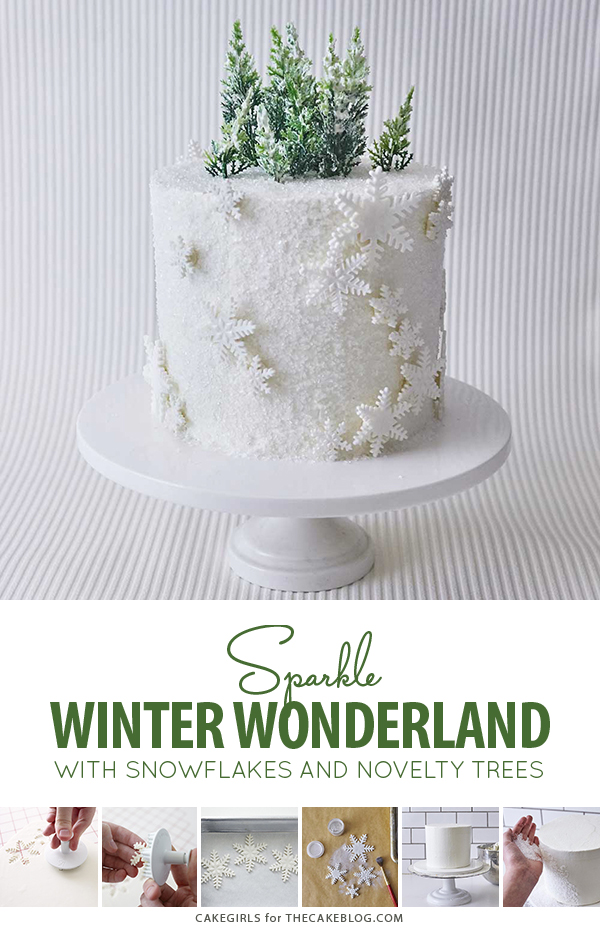
The Winter Wonderland Snowflake Cake represents a sophisticated intersection of traditional holiday aesthetics and modern confectionery techniques, designed by industry contributors Mary and Brenda Maher of Cakegirls. This seasonal centerpiece, characterized by its monochromatic white palette and multi-textured finish, serves as a technical benchmark for home bakers seeking to replicate professional-grade "snow globe" aesthetics. Inspired by the winter landscape of Chicago, the design emphasizes the use of sparkle-coated layers, intricate fondant snowflakes, and frosted novelty trees to create a cohesive narrative of a frozen forest. As the demand for high-aesthetic, social-media-ready holiday desserts continues to rise, this tutorial provides a structured methodology for achieving structural integrity and visual depth in a minimalist design.
Background and Conceptual Evolution
The conceptualization of the Winter Wonderland Snowflake Cake was driven by a desire to modernize the classic holiday dessert. According to the designers, the project originated from a qualitative observation of the urban winter environment in Chicago, where the interaction of falling snow and city park greenery created a natural "snow globe" effect. This observation led to the development of a cake that prioritizes texture over color, utilizing various shades and forms of white to create visual interest.
In the broader context of the confectionery industry, the "Winter Wonderland" theme remains a perennial favorite. Market data from the specialty baking sector indicates that during the fourth quarter, consumer interest in white-on-white designs increases by approximately 40% compared to other seasonal palettes. This trend is attributed to the versatility of the aesthetic, which transitions seamlessly between Christmas, New Year’s Eve, and general winter-themed celebrations. The Mahers’ approach simplifies this complex aesthetic by focusing on a few key tools: the snowflake plunger cutter, white crystal sugar, and novelty greenery.
Technical Specifications and Flavor Profiles
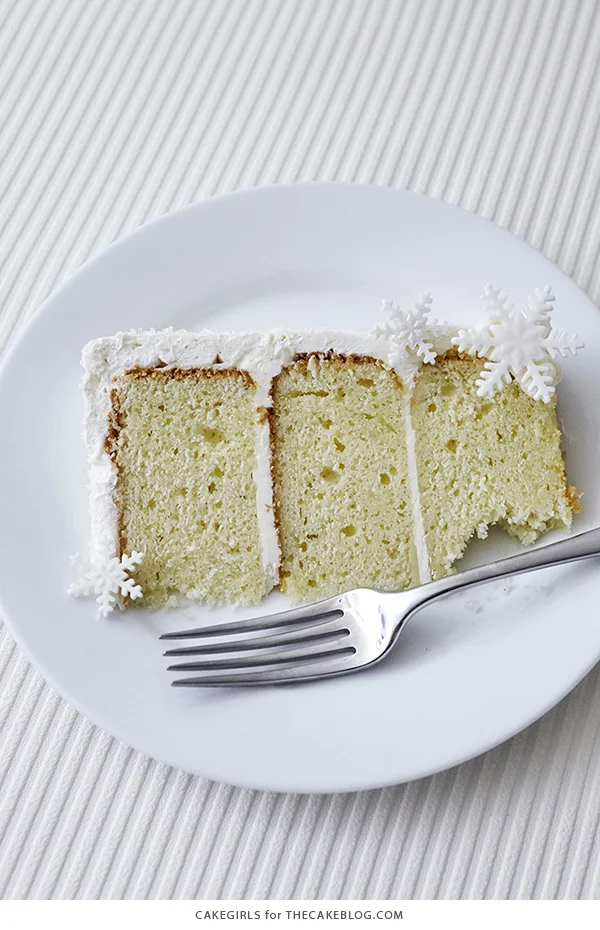
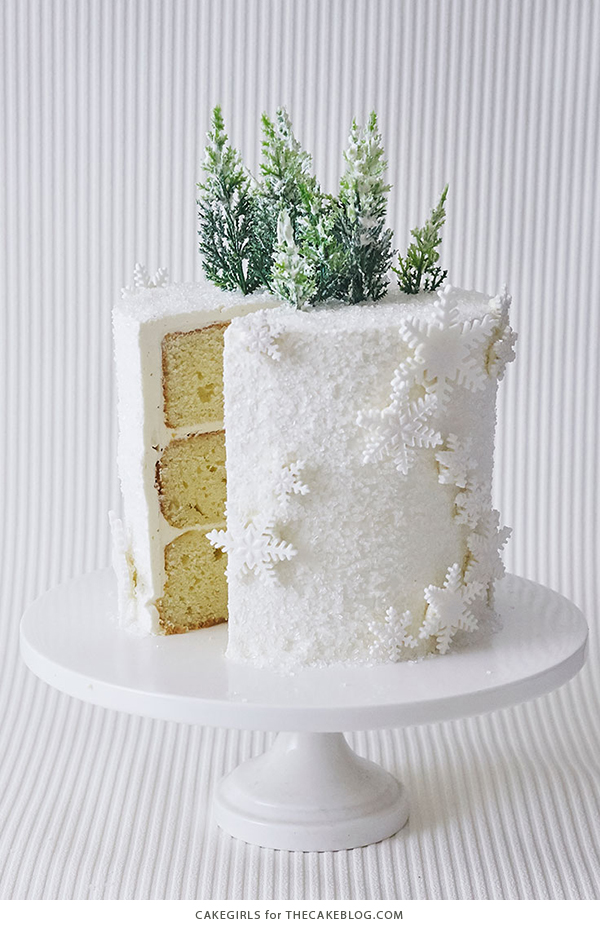
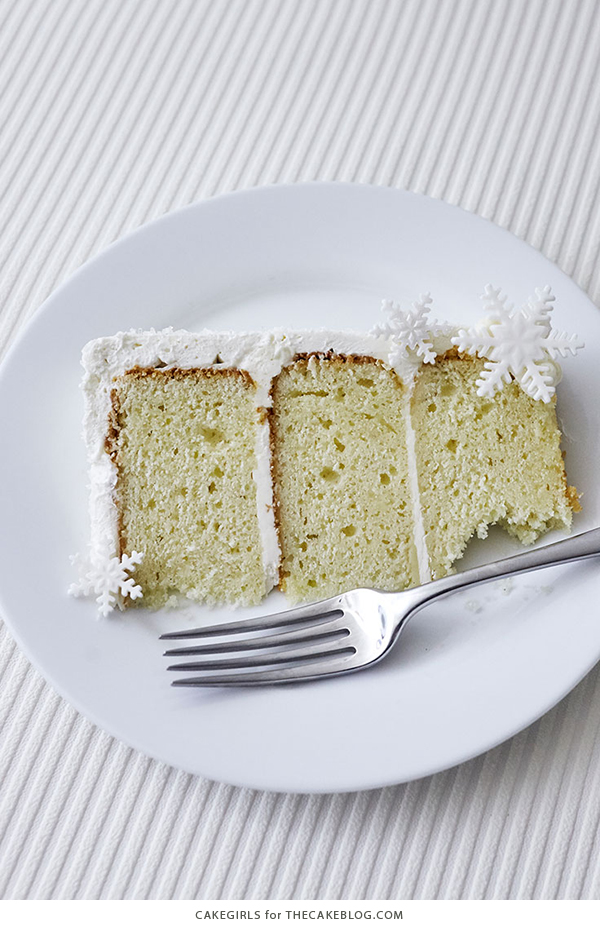
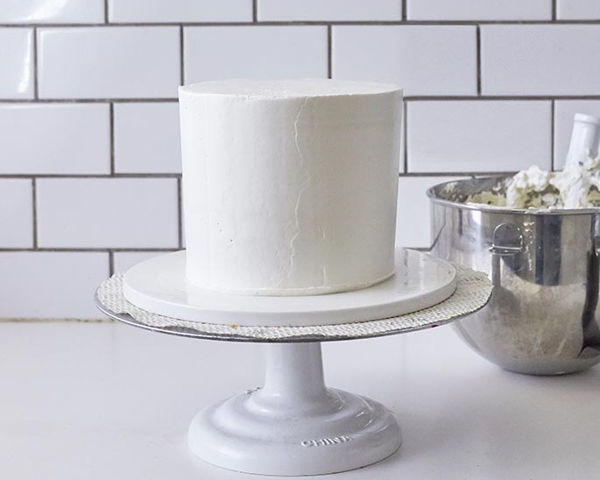
While the visual exterior is the primary focus of the Winter Wonderland Snowflake Cake, the internal composition is equally vital for structural stability. The designers recommend a three-layer, 6-inch round cake configuration. This specific geometry—narrow and tall—is preferred for modern professional cakes as it provides a more elegant silhouette and a larger vertical surface area for decorative elements.
For the flavor profile, a traditional vanilla cake paired with Swiss meringue buttercream is the standard recommendation. Swiss meringue buttercream is favored by professionals for its silky texture and pale ivory color, which provides a superior canvas for white decorations compared to the yellower tint of traditional American buttercream. However, the tutorial suggests two significant variations based on current culinary trends:
- Eggnog Infusion: Incorporating nutmeg, cinnamon, and bourbon-based notes to align with traditional holiday flavor palettes.
- Champagne Mimosa: A lighter, citrus-forward profile that caters to New Year’s Eve festivities.
From a technical standpoint, the choice of frosting is critical. The buttercream must have a high fat-to-sugar ratio to ensure it firms up sufficiently in the refrigerator, a prerequisite for the sugar-pressing technique used in the final assembly.
Chronology of Production: Phase I (Pre-Assembly)
The production of the Winter Wonderland Snowflake Cake is divided into a two-day timeline to ensure the decorative elements have sufficient structural integrity.
Day One: Fondant Artistry and Safety Standards
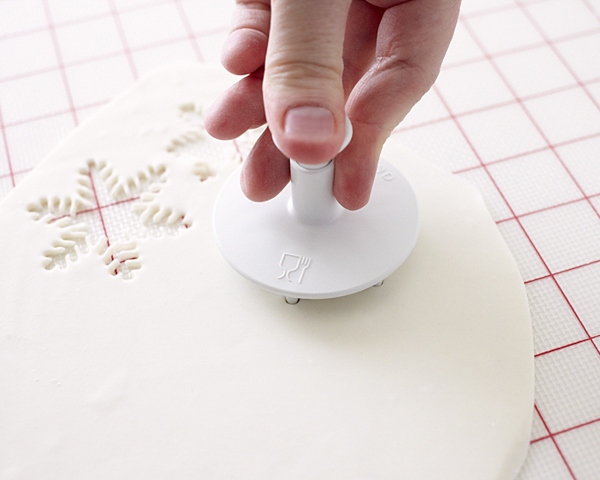
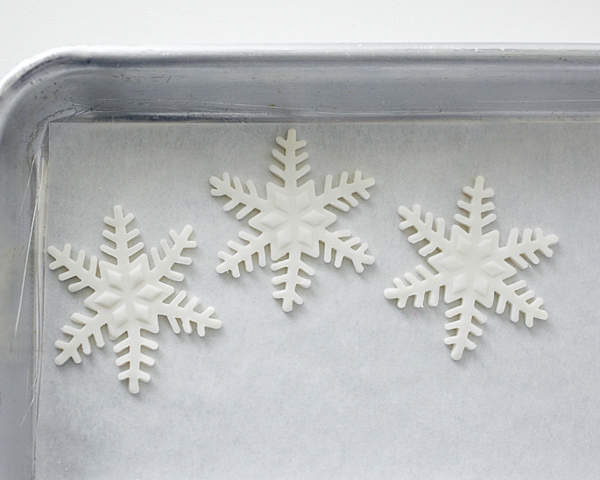
The initial phase focuses on the creation of the fondant snowflakes. Professionals advise rolling white fondant to a thickness of no more than 1/8 to 1/4 inch. The use of a snowflake punch cutter allows for uniform shapes with intricate "arms" that are prone to breakage if handled while moist.
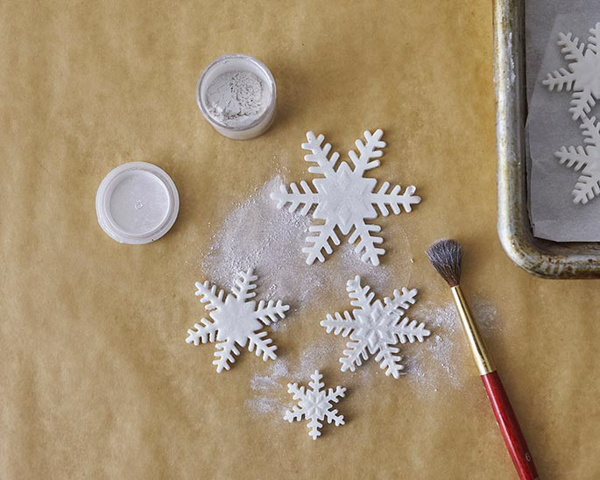
A significant technical detail in this phase is the application of "Super Pearl" luster dust. This substance provides the iridescent sheen necessary to mimic the reflective properties of ice. However, the designers note an important distinction regarding food safety. If using non-toxic but non-FDA-approved luster dust, the snowflakes must be treated as purely decorative and removed before consumption. Conversely, bakers are encouraged to seek out FDA-approved mica-based pearlescent pigments if they intend for the entire cake to be edible. The snowflakes are left to desiccate on parchment paper for at least 24 hours, ensuring they are rigid enough to be mounted vertically on the cake’s sides.
Chronology of Production: Phase II (Assembly and Finishing)
Day Two: Structural Chilling and Textural Application
The second day involves the assembly of the cake layers and the application of the "sparkle" coating. The three 6-inch layers are stacked and frosted with a "crumb coat" followed by a final smooth layer of buttercream.
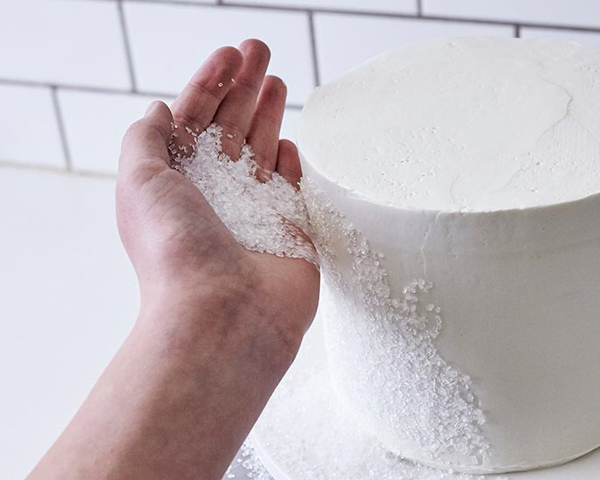
A critical step in the process is the one-hour refrigeration period. In professional baking, this is known as "setting the canvas." When the buttercream is firm to the touch, it allows for the manual application of white sugar crystals without marring the smooth surface of the frosting. The technique involves placing sugar in the palm of the hand and pressing it against the sides in an upward motion. This creates a gradient effect that mimics wind-blown snow.

Final Detailing: The Forest Canopy
The culmination of the project involves the placement of novelty trees and the final snowflake arrangement. To achieve a realistic "frosted" look, the designers recommend lightly smearing white buttercream onto the branches of novelty bottle-brush trees. This adds a three-dimensional element to the top of the cake, creating a focal point that draws the eye upward.
The snowflakes are attached using small "points" of fresh buttercream, which act as an adhesive. By varying the sizes of the snowflakes and placing them in a non-linear pattern, the baker mimics the chaotic but beautiful distribution of a natural snowfall.
Supporting Data: The Rise of the DIY Confectionery Market
The release of tutorials such as the Winter Wonderland Snowflake Cake coincides with a significant surge in the home baking economy. According to industry reports from 2023, the global baking ingredients market is projected to reach a valuation of $22.3 billion by 2026. A substantial portion of this growth is driven by the "prosumer" segment—hobbyists who invest in professional-grade tools like snowflake plungers and luster dusts to achieve bakery-quality results at home.
Furthermore, social media analytics suggest that "process-oriented" baking content, which breaks down complex designs into manageable timelines, sees 30% higher engagement rates than static images of finished products. The Cakegirls’ tutorial fits this data-driven preference by providing a clear, chronological path to success.
Expert Analysis: The Importance of Minimalist Aesthetics
Design experts suggest that the success of the Winter Wonderland Snowflake Cake lies in its adherence to the principle of "texture over color." In a holiday market often saturated with bright reds and greens, a monochromatic white cake stands out due to its elegance and perceived difficulty.
"Achieving a perfect white-on-white design is actually more challenging than working with color," says industry analyst Elena Rodriguez. "You cannot hide imperfections with different hues; you have to rely on the interplay of light and shadow created by the sugar crystals and the luster dust. It requires a high level of technical precision in the frosting stage."
The use of the 6-inch format also reflects a shift in consumer behavior. Smaller, taller cakes are increasingly preferred for intimate gatherings, providing a "boutique" feel that larger, traditional sheet cakes lack.
Broader Impact and Implications
The Winter Wonderland Snowflake Cake tutorial does more than provide a recipe; it serves as an educational bridge between amateur baking and professional confectionery art. By introducing concepts such as luster dust safety, Swiss meringue stability, and multi-day production schedules, it elevates the standard of home-produced holiday goods.
As the holiday season approaches, the centerpiece cake remains a vital component of the "tablescape" trend, where the food itself serves as the primary decorative element of the home. The implications of this are economic as well, as retailers report increased sales of specialty items like fondant, pearl dust, and specific cutter shapes directly following the publication of such high-profile tutorials.
In conclusion, the Winter Wonderland Snowflake Cake is a testament to the power of inspired design and disciplined technique. Through the careful application of sugar, starch, and fat, Mary and Brenda Maher have provided a blueprint for capturing the fleeting beauty of a winter landscape in a format that is both ephemeral and memorable. The project stands as a highlight of the current holiday baking season, offering a sophisticated option for those looking to celebrate the winter solstice with professional flair.