

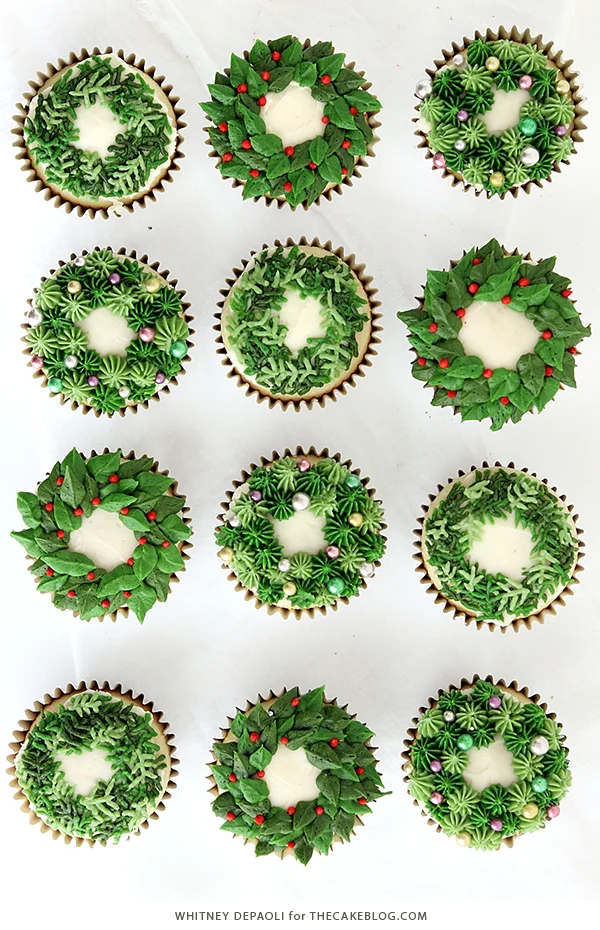
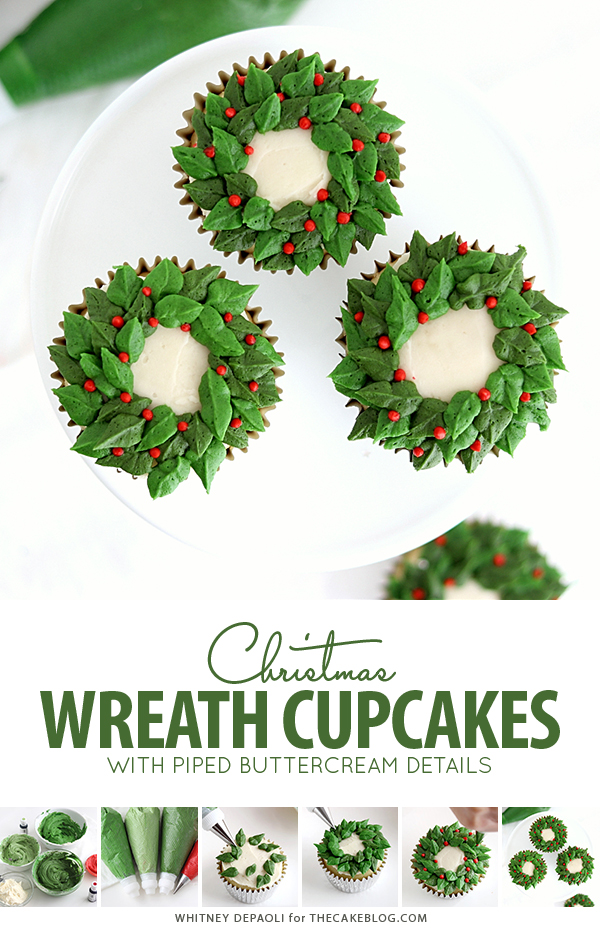
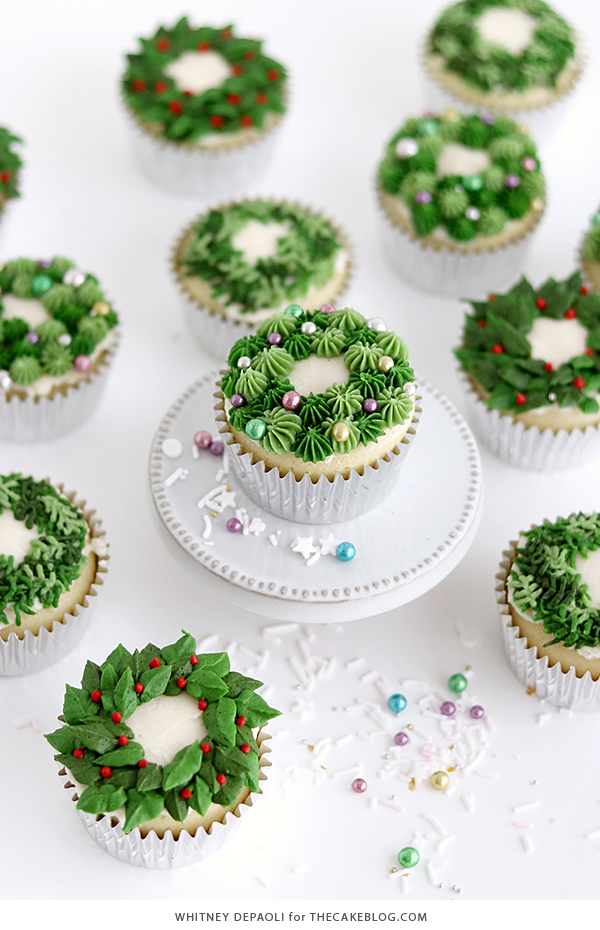
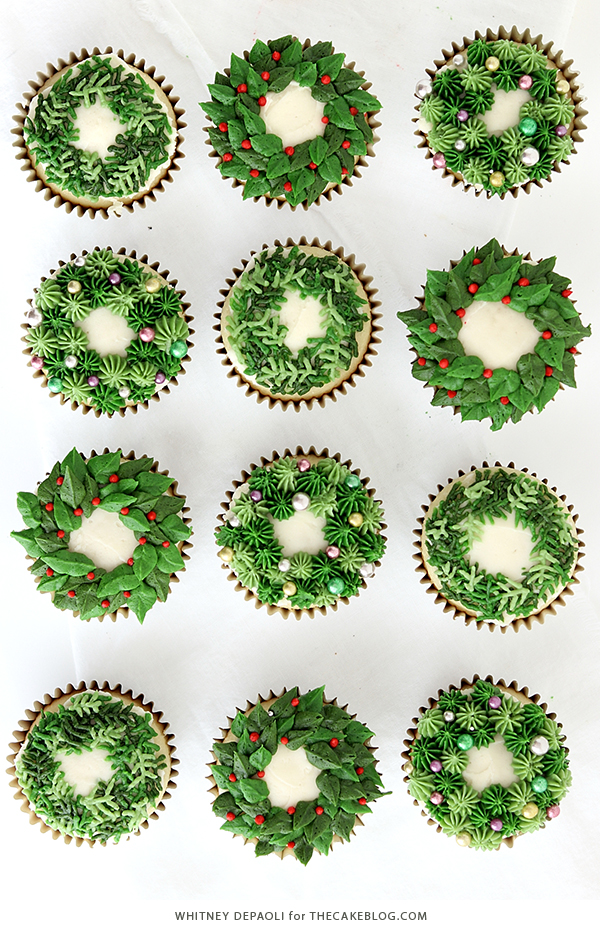
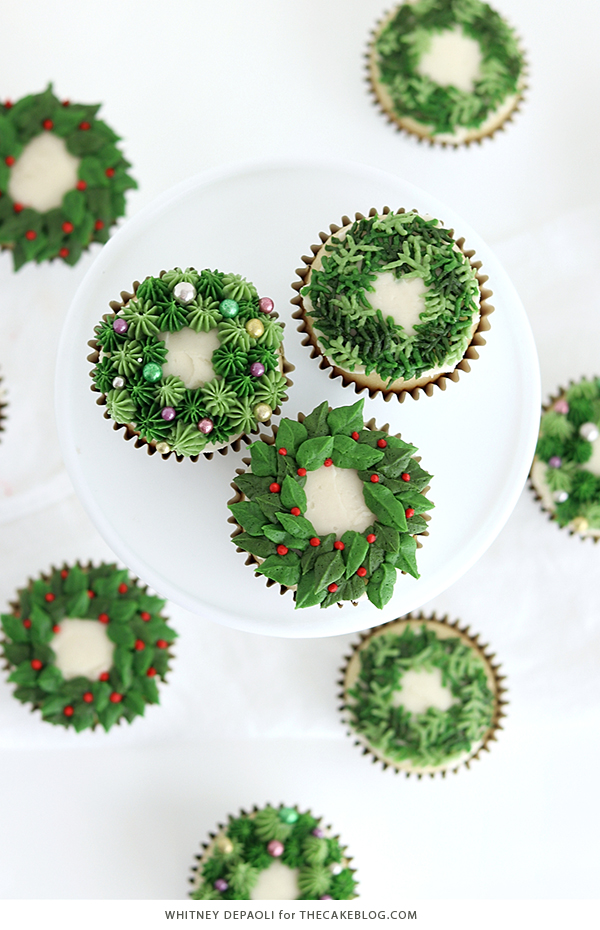
The culinary arts have long served as a cornerstone of seasonal celebrations, with holiday-themed confections acting as both edible centerpieces and vessels for cultural tradition. In the latest contribution to the specialized baking sector, Whitney DePaoli, a prominent contributor to The Cake Blog, has unveiled a comprehensive tutorial for Christmas Wreath Cupcakes. This project introduces three distinct buttercream piping designs—the Berry Wreath, the Pine Sprig Wreath, and the Sprinkled Wreath—offering home bakers and professional pastry chefs alike a scalable method for producing high-quality, festive aesthetics. The tutorial emphasizes the intersection of technical precision and creative expression, utilizing specific piping tips and color-layering techniques to mimic the textures of traditional holiday greenery.
The initiative comes at a time when the "DIY" (Do-It-Yourself) baking movement continues to see significant growth. According to market research, the global baking ingredients market is projected to reach substantial valuations by the mid-2020s, driven largely by seasonal demand and the influence of social media platforms such as Pinterest and Instagram, where visual appeal is paramount. DePaoli’s tutorial addresses this demand by providing a structured, step-by-step methodology that elevates the standard cupcake into a sophisticated holiday dessert.
The Evolution of Holiday Baking and the Symbolic Wreath
The use of the wreath as a decorative motif dates back centuries, rooted in ancient Greco-Roman traditions where they symbolized victory and status. In the context of the Christian holiday of Christmas, the circular shape of the wreath has traditionally represented eternity and the "everlasting" nature of the season. By translating this historical and symbolic icon into a miniature edible form, DePaoli taps into a deep-seated cultural aesthetic.
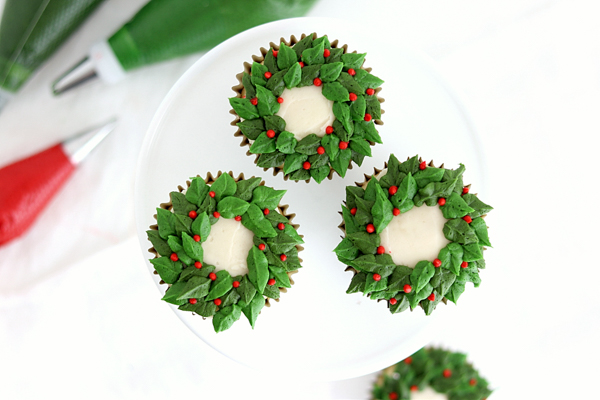
The shift from large-scale cakes to specialized cupcakes reflects broader consumer trends in the hospitality and catering industries. Cupcakes offer portion control, ease of distribution at social gatherings, and a larger "canvas" for repetitive design practice. The three designs showcased in this tutorial—ranging from the structured leaf patterns of the Berry Wreath to the delicate, time-intensive lines of the Pine Sprig—represent the diversity of holiday flora found in North American and European decor.
Technical Specifications and Tooling Requirements
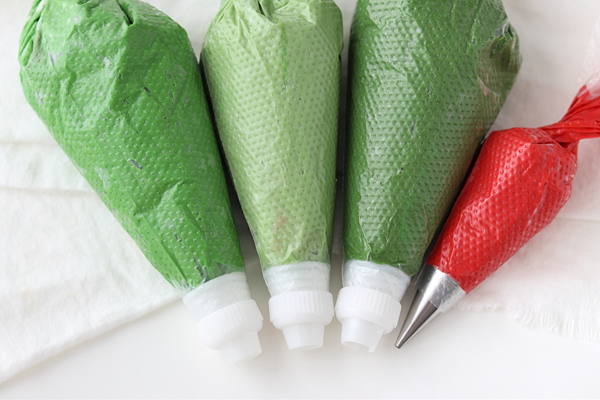
A critical component of DePaoli’s tutorial is the emphasis on efficiency through the use of piping couplers. In professional confectionery work, a coupler is a two-part plastic set that allows a baker to switch piping tips on a single bag without emptying the frosting. This is particularly vital for the Christmas Wreath project, which requires alternating between different shades of green while using various tip shapes.
The tutorial identifies several essential tools for achieving the desired textures:
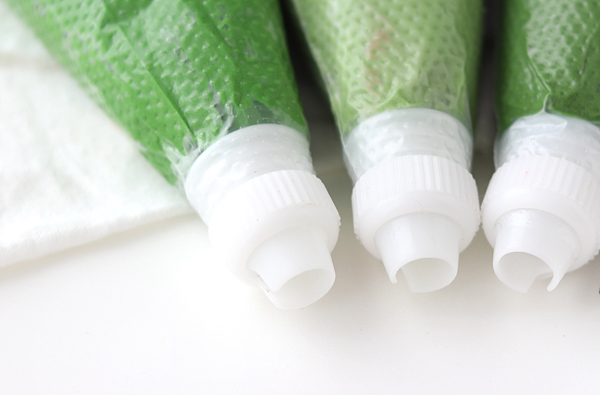
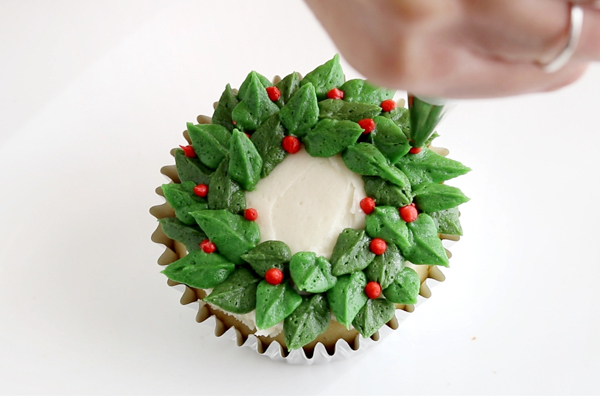
- Piping Tip #352 (Leaf Tip): Utilized for the Berry Wreath to create a realistic, notched leaf shape.
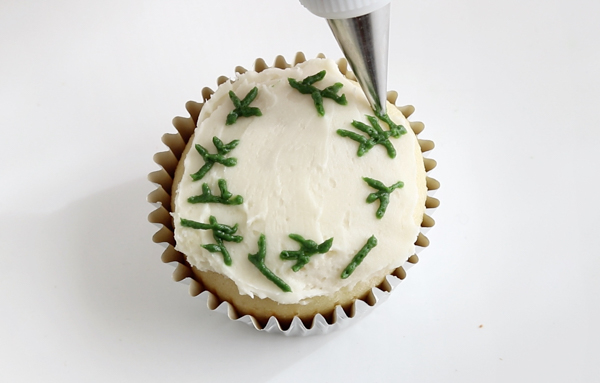
- Piping Tip #3 (Small Round Tip): Used for the intricate Pine Sprig design and the placement of red buttercream berries.
- Piping Tip #199 (Star Tip): Employed to create "drop stars" for the Sprinkled Wreath, providing a textured base for decorative ornaments.
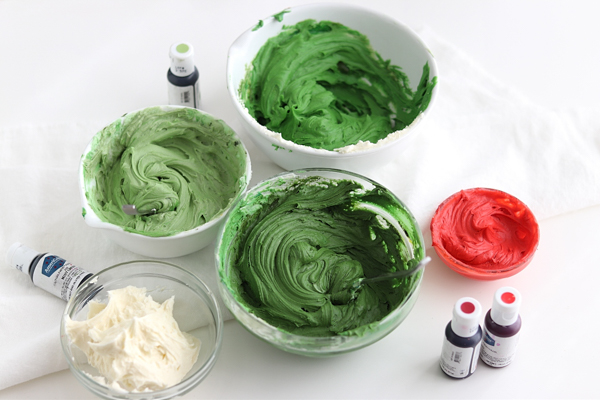
- Coloring Agents: The project specifies the use of gel food coloring, specifically Americolor Super Red, Forest Green, and Avocado. Gel colors are preferred in professional baking over liquid dyes because they provide high-intensity pigment without thinning the consistency of the buttercream.
Chronological Methodology: From Preparation to Final Assembly
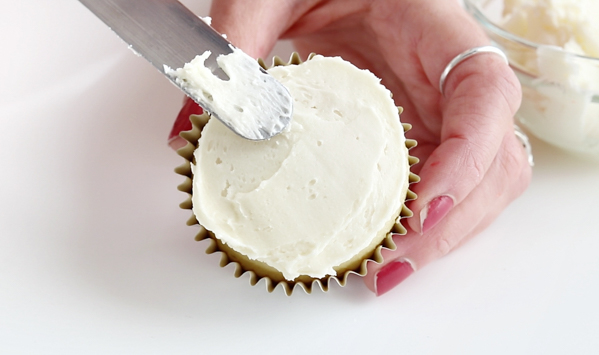
The production process for these cupcakes follows a strict chronological order to ensure consistency across the batch. The workflow begins with the preparation of the "canvas"—a base layer of uncolored buttercream applied with a small icing spatula to provide a smooth, neutral surface.
Step 1: Color Calibration and Bag Preparation
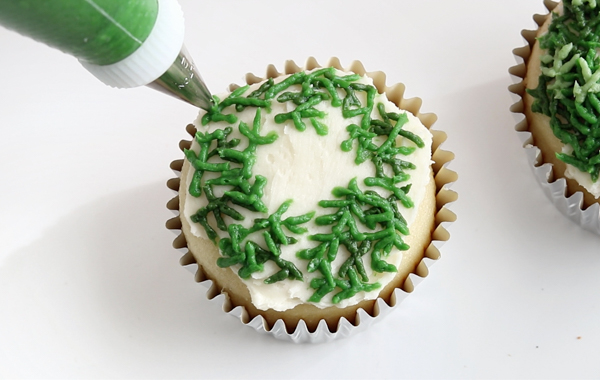
The first phase involves dividing a batch of buttercream into specific ratios. Approximately 1/3 cup is reserved as white for the base, while another 1/3 cup is tinted red. The remainder is divided into three bowls and tinted to create a gradient of light, medium, and dark green. This tonal variety is what grants the finished wreaths their visual depth, mimicking the natural variation found in evergreen boughs.
Step 2: The Berry Wreath Execution
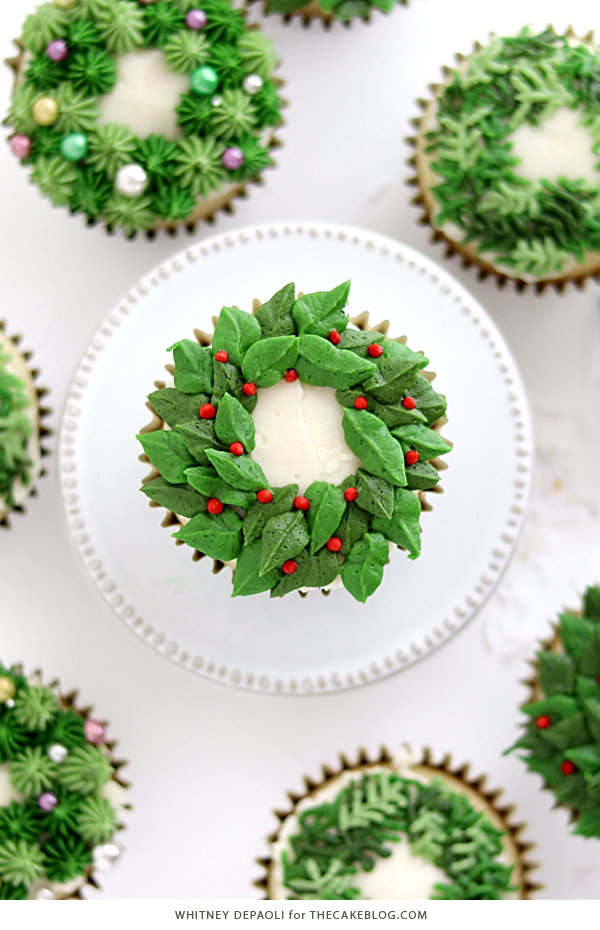
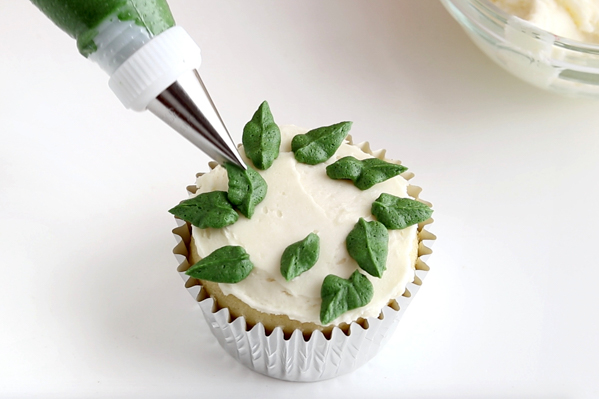
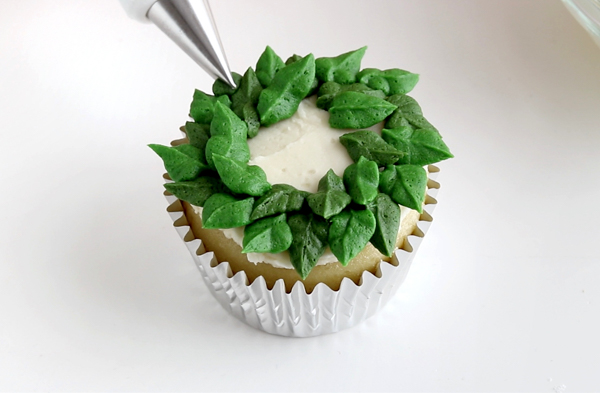
The Berry Wreath utilizes the #352 leaf tip. The technique requires the baker to hold the tip parallel to the cupcake surface, with the "beak" of the tip oriented vertically. By applying pressure and pulling the bag away, a leaf shape is formed. DePaoli suggests a two-tone approach, alternating between medium and dark green to fill the circumference of the cupcake. The design is finalized with small red dots piped via the #3 tip to represent holly berries.
Step 3: The Pine Sprig Wreath Construction
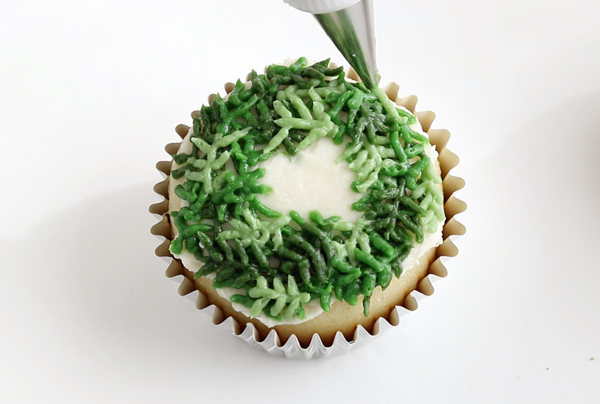
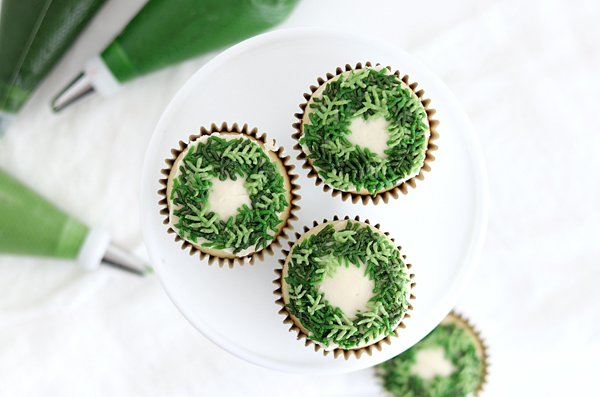
The Pine Sprig design is the most technically demanding of the trio. Using the #3 round tip, the baker must pipe a central line followed by a series of "V" shapes over the top to simulate the needles of a pine branch. This process is repeated with all three shades of green, overlapping the sprigs until the white base is no longer visible. This design highlights the importance of "layering" in food styling to create a 3D effect.
Step 4: The Sprinkled Wreath and Ornamentation
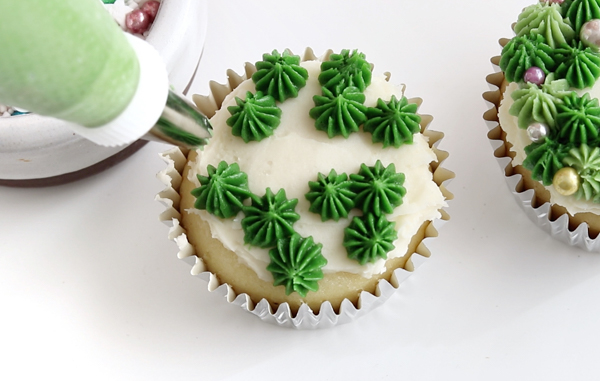
The final design, the Sprinkled Wreath, focuses on texture and contrast. Using the #199 star tip, the baker creates a series of "drop stars" around the edge. This design is less about botanical realism and more about festive whimsy. The application of spherical sprinkles—specifically the "Serendipity" mix from Fancy Sprinkles—acts as a surrogate for traditional glass ornaments.
Data and Trends in the Home Baking Sector
The release of specialized tutorials like the Christmas Wreath Cupcakes aligns with significant data regarding holiday consumer behavior. According to a survey by the American Bakers Association (ABA), baking remains the top activity for families during the December holiday season. Furthermore, the "premiumization" of home-baked goods—where hobbyists use professional-grade tools like couplers and leaf tips—has seen a 15% year-over-year increase in related retail sales.
Industry analysts note that tutorials that offer "assorted" designs are more successful than those featuring a single look. The variety provided in DePaoli’s spread caters to the "dessert table" aesthetic, which has become a staple of modern holiday entertaining. By providing three levels of difficulty and three distinct textures, the tutorial ensures that the final display is visually dynamic rather than repetitive.
Analysis of the "American Buttercream" Foundation
While the tutorial notes that any pipeable frosting will suffice, DePaoli expresses a preference for American Buttercream. From a structural engineering perspective in baking, American Buttercream (a mixture of butter and powdered sugar) offers a higher "crust" factor and greater stability than European varieties like Swiss or Italian Meringue. This stability is essential for the Christmas Wreath designs, as the leaf and pine sprig shapes must maintain their sharp edges and vertical height during transport and display.
The use of American Buttercream also facilitates easier color mixing. The high sugar content allows the gel dyes to bond effectively, resulting in the vibrant "Super Red" and "Forest Green" tones necessary for a festive palette.
Broader Impact and Community Response
The response to DePaoli’s Christmas Wreath Cupcakes within the online baking community has been overwhelmingly positive, reflecting a broader trend toward "accessible elegance." By breaking down complex floral piping into manageable steps, the tutorial lowers the barrier to entry for novice decorators while providing enough detail to satisfy experienced artisans.
Social media metrics indicate that holiday-themed tutorials see a peak in engagement between December 1st and December 20th. Analysts suggest that projects like the Wreath Cupcakes serve a dual purpose: they provide a creative outlet for the baker and serve as a cost-effective alternative to high-end boutique bakery purchases. In an era where inflation has impacted food prices, the ability to create "bakery-style" treats at home has significant economic appeal for the average household.
Conclusion: The Intersection of Tradition and Technique
The Christmas Wreath Cupcake tutorial by Whitney DePaoli is more than a simple recipe; it is a technical guide to seasonal food styling. By leveraging professional tools like couplers and specific piping tips, the project bridges the gap between amateur home baking and professional pastry arts. The inclusion of three distinct designs—the Berry, Pine Sprig, and Sprinkled wreaths—provides a comprehensive framework for creating a sophisticated holiday display.
As the holiday season progresses, the influence of such tutorials is evident in the kitchens of millions of home bakers. The project reinforces the idea that with the right tools, a clear methodology, and a bit of creative patience, the symbols of the season can be beautifully and deliciously brought to life. The success of this tutorial underscores the enduring power of holiday traditions and the evolving ways in which we share them through the medium of culinary art.