


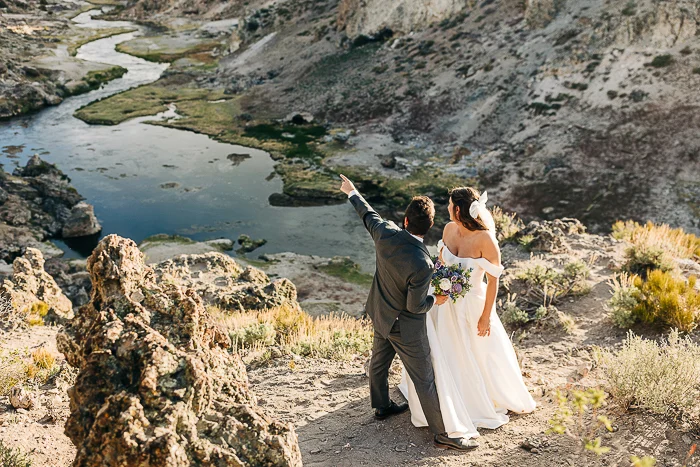
A single image possesses the remarkable capacity to transmit a spectrum of human emotions—from unbridled joy to profound sadness, deep pain, or serene contentment. Yet, an intriguing question arises when the most immediate signifier of emotion, the human face, is obscured or absent: can an image still evoke the same depth of feeling? The Photobug Community decisively answered this query in June with its "Body Language" photo challenge, demonstrating with compelling clarity that emotions transcend facial expressions, finding powerful articulation in posture, gesture, and physical interaction. The initiative has garnered significant attention within the global photography community, highlighting the nuanced power of non-verbal communication in visual art.
The Art of Non-Verbal Communication: A Photographic Legacy
The premise of the "Body Language" challenge is rooted in the fundamental understanding of non-verbal communication, a field extensively studied in psychology and sociology. Humans communicate an estimated 70-93% of their messages non-verbally, relying heavily on cues such as body posture, gestures, eye contact (even if inferred), proximity, and touch. In photography, this translates into a powerful tool for visual storytelling. Master photographers throughout history have intuitively leveraged body language to convey narrative, character, and emotion, often transcending language barriers and cultural differences. From Henri Cartier-Bresson’s decisive moments capturing the essence of human interaction to Robert Doisneau’s iconic "Kiss by the Hôtel de Ville," where the couple’s embrace speaks volumes, the absence of clear facial expressions often amplifies the mystery and universal appeal of an image. This challenge specifically sought to push contemporary photographers to consciously explore and master this sophisticated aspect of their craft, moving beyond the conventional focus on facial expressions.
The psychological impact of body language in photography is profound. When a viewer cannot see a subject’s face, their brain is prompted to engage more actively in interpreting the scene. This active engagement fosters a deeper, more personal connection, as the viewer projects their understanding onto the image, often identifying with the universal human experiences portrayed. This interpretive process can make the emotional resonance even more potent, as the viewer becomes a co-creator of the narrative rather than a passive observer. Studies in visual perception indicate that while faces are primary sources of emotional information, the context provided by body posture and interaction can often override or significantly influence the interpretation of ambiguous facial cues. By removing the facial element, the "Body Language" challenge forces both the photographer and the viewer to rely solely on these contextual and gestural cues, thereby sharpening their perceptual skills.
The Photobug Community: A Catalyst for Creative Exploration
The Photobug Community, a globally recognized platform for professional photographers and enthusiasts, has long served as a vital hub for artistic development and peer inspiration. With a robust online presence, including a highly active Facebook group boasting tens of thousands of members, the community consistently fosters an environment of learning, sharing, and creative challenge. Monthly photo challenges are a cornerstone of its engagement strategy, designed not only to showcase talent but also to encourage photographers to experiment with diverse themes, techniques, and narrative approaches. Past challenges have explored themes ranging from innovative lighting techniques and dramatic landscapes to candid street photography and intimate portraiture, each pushing members to refine specific aspects of their photographic repertoire.
The "Body Language" challenge for June emerged from a desire within the Photobug Community leadership to explore the deeper layers of emotional expression in photography, particularly within genres like wedding, engagement, and lifestyle photography where human connection is paramount. The inspiration was to shift focus from mere aesthetic appeal to profound emotional resonance. The challenge was formally announced in late May, with a call for submissions open throughout June. Photographers were encouraged to submit images that powerfully conveyed emotions such as love, joy, solace, anticipation, or vulnerability, exclusively through the subjects’ physical interactions, postures, and gestures, without relying on visible facial expressions. The criteria emphasized composition, storytelling, and the sheer communicative power of the human form. The response was overwhelming, with hundreds of submissions from photographers across continents, each offering a unique interpretation of the theme. This enthusiastic participation underscored the community’s readiness to embrace challenging artistic directives and explore new frontiers in visual storytelling.
Showcasing the Emotional Spectrum: A Deep Dive into Submissions
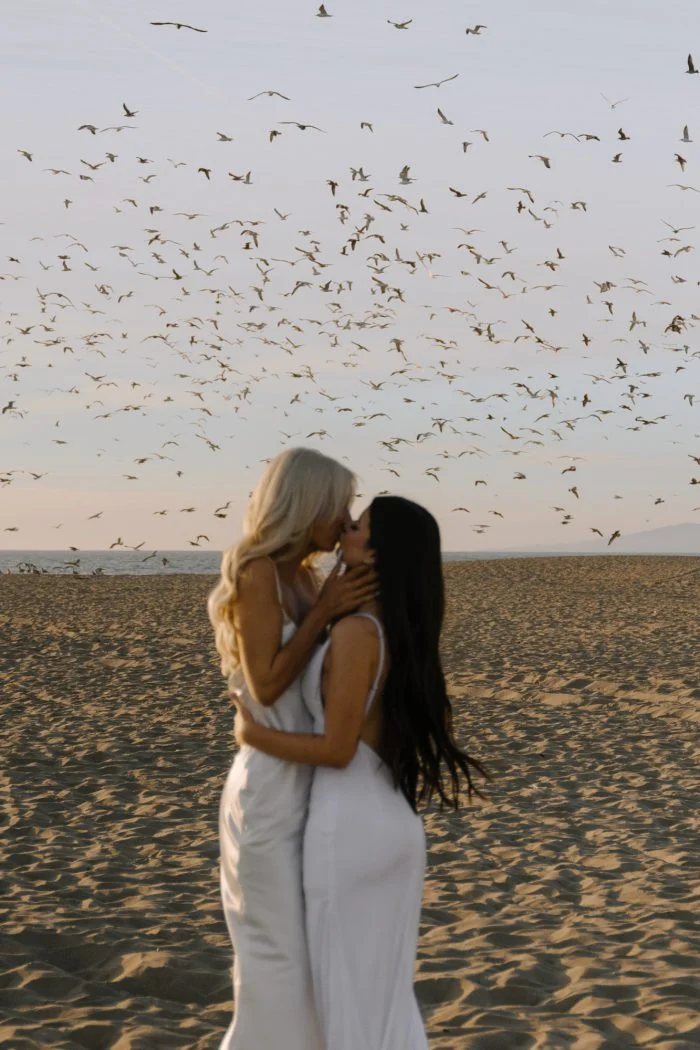
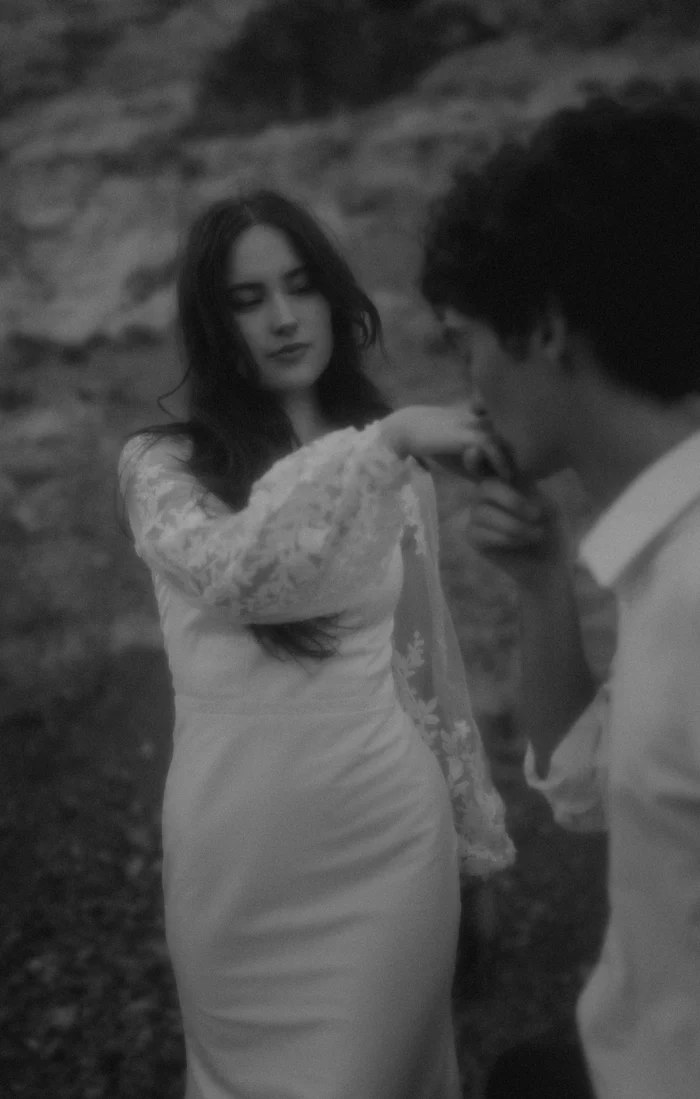
The images submitted to the "Body Language" challenge collectively formed a compelling testament to the universality and expressiveness of non-verbal cues. Each photograph, devoid of explicit facial emotion, managed to convey complex feelings with remarkable clarity and impact. For instance, the featured image by Samsul Hidayat masterfully exemplifies the challenge’s core principle. While specific details of the interaction are inferred, the composition likely showcases a moment of profound intimacy or shared vulnerability between two individuals. Perhaps it captures a tender embrace where shoulders slump in comfort, hands intertwine with protective grace, or bodies lean into each other, creating a silhouette of mutual support. The photographer’s skillful use of framing, possibly isolating the subjects against a soft background or emphasizing their intertwined forms, elevates the image beyond a simple snapshot into a powerful emotional narrative. The way light interacts with their forms, highlighting contours and shadows, further emphasizes the physical connection, making the viewer feel the weight and tenderness of the moment.
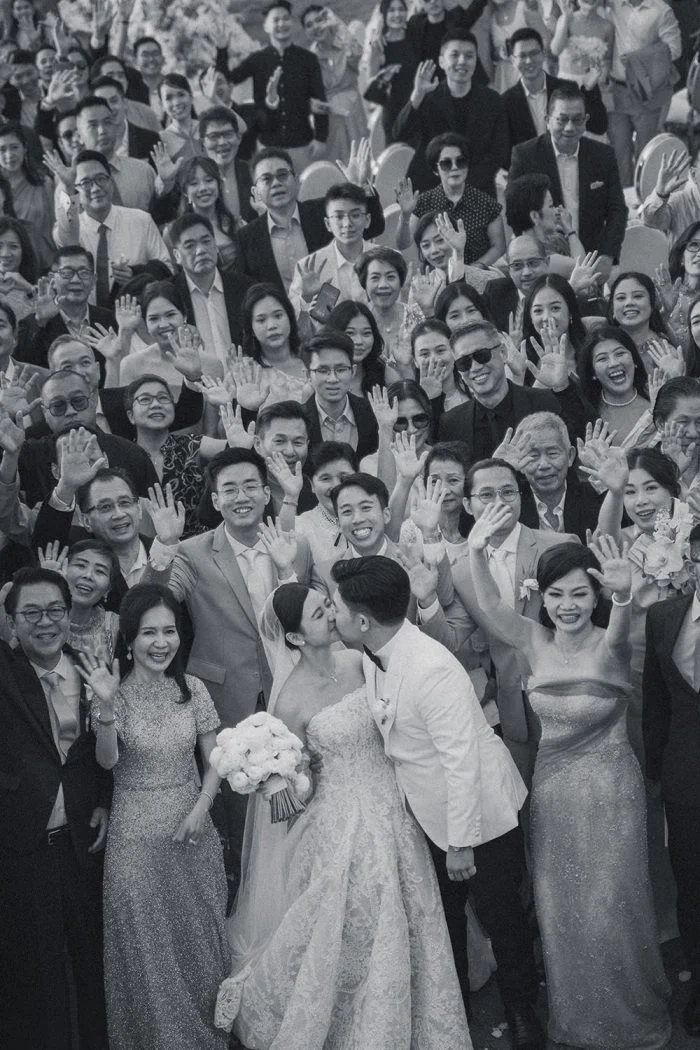
Other submissions, though not individually detailed here, explored a vast emotional landscape. Some depicted jubilant celebrations, where the upward thrust of arms, the spontaneous leap, or the communal huddle spoke volumes of shared joy and excitement. Others delved into moments of quiet contemplation or longing, conveyed through slumped shoulders, heads resting on another’s chest, or hands reaching out in a gesture of solace. The photographers employed various techniques to achieve these effects: dramatic backlighting to create powerful silhouettes, tight cropping to focus on specific gestures, and wide-angle shots that used environmental context to amplify the emotional narrative of the figures within. The sheer diversity of emotions and photographic styles demonstrated the incredible versatility of body language as a storytelling device. The consistent thread through all successful entries was the ability to make the viewer feel the emotion, despite the lack of a visible face, thereby validating the challenge’s core hypothesis.
Expert Perspectives and Community Reactions
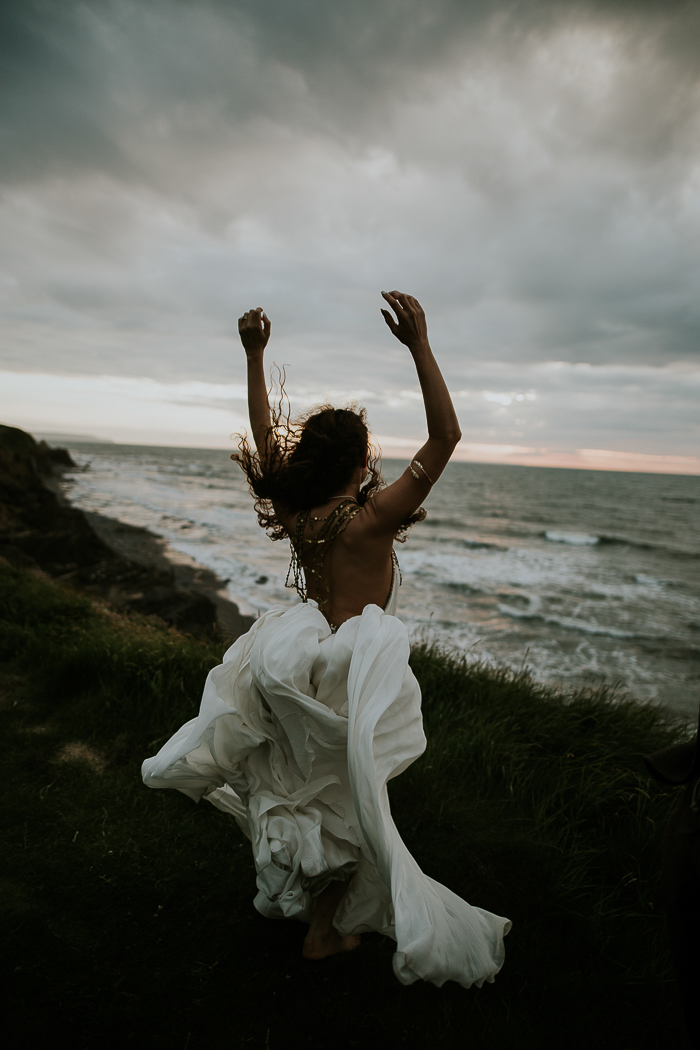
The "Body Language" challenge has drawn widespread acclaim from within the Photobug Community and from broader photographic circles. A spokesperson for the Photobug Community, commenting on the success of the initiative, stated, "We are absolutely thrilled by the exceptional caliber of submissions to our ‘Body Language’ challenge. It has unequivocally proven that human connection and emotion can be profoundly expressed without ever seeing a subject’s face. Our community members have once again demonstrated their incredible talent and willingness to push creative boundaries, delivering images that are not just visually stunning but deeply moving. This challenge reinforces our mission to foster innovative artistic approaches and cultivate a deeper understanding of visual narrative among photographers worldwide."
One participating photographer, who preferred to remain anonymous but whose work was highly commended, shared insights into their creative process: "This challenge was incredibly difficult but immensely rewarding. It forced me to observe human interactions with an entirely new lens, focusing on the subtle shifts in posture, the way hands meet, or how bodies lean into each other. I spent hours simply watching people, trying to understand the silent language they spoke. Capturing that essence without a face felt like unlocking a new dimension in my photography. The feeling when you realize you’ve nailed an emotion just through a gesture is unparalleled."
A renowned photography critic and educator, Dr. Evelyn Reed, offered an external perspective on the artistic significance: "The Photobug Community’s ‘Body Language’ challenge is a brilliant exercise in artistic discipline and emotional intelligence. In an era often dominated by superficial visual cues and reliance on direct expressions, this challenge reminds us of the profound power of implied narrative. It harks back to classical art forms where the human figure, in all its complexity, was the primary vehicle for storytelling. For contemporary photographers, mastering this skill is crucial. It elevates their work from mere documentation to evocative art, requiring a keen eye for human psychology and exceptional compositional prowess. This initiative is a clear indicator of a maturing photographic landscape, prioritizing genuine emotional resonance over conventional aesthetics."
Broader Implications for Visual Storytelling and the Industry
The success of the "Body Language" challenge carries significant implications for various facets of visual storytelling and the photography industry.
For Photographers: The challenge encourages a paradigm shift in how photographers approach their subjects. It emphasizes the importance of understanding human connection, non-verbal cues, and compositional techniques that amplify emotional impact. It pushes photographers to move beyond formulaic poses and seek out authentic moments, fostering a deeper, more empathetic engagement with their subjects. This can lead to more unique and powerful portfolios, distinguishing artists in a crowded market. It also highlights the value of continuous learning and experimentation, urging professionals to step outside their comfort zones.
For Viewers: The curated images from this challenge encourage a more active and interpretive viewing experience. Viewers are prompted to engage their empathy and imagination, deciphering emotions from subtle cues rather than being spoon-fed explicit expressions. This process can make the viewing experience more profound and memorable, fostering a deeper appreciation for the art form and the nuances of human interaction. It reminds audiences that true connection often resides in the unspoken.
For the Photography Industry: The challenge could catalyze a broader trend towards more authentic and emotionally resonant photography, particularly in genres like wedding, portrait, and documentary work. As clients increasingly seek images that tell a story and evoke genuine feeling, photographers adept at capturing body language will be highly sought after. It validates artistic approaches that prioritize feeling and implied narrative over explicit representation, potentially influencing educational curricula in photography schools and professional workshops. This could also lead to new criteria for judging photographic excellence, placing a greater emphasis on the emotional depth and narrative power conveyed through non-facial expressions.
Future Trends and Community Engagement:
The success of June’s "Body Language" challenge firmly establishes it as a landmark event in the Photobug Community’s history, setting a high bar for future creative explorations. The overwhelming participation and the exceptional quality of submissions indicate a strong appetite within the photographic community for challenges that push artistic and technical boundaries. As the Photobug Community continues to evolve, similar themed challenges focusing on other subtle aspects of visual communication are likely to emerge, further enriching the art of photography.
The Photobug Community continues to invite photographers worldwide to join its vibrant platform and participate in upcoming challenges. By fostering an environment of continuous learning and creative exploration, it remains at the forefront of shaping contemporary photographic practices, proving that the most profound stories are often told not through words, nor even through faces, but through the silent, eloquent language of the body.