

The landscape of childhood milestones is undergoing a significant transformation as modern parents increasingly pivot away from mass-produced accessories in favor of bespoke, handcrafted keepsakes. Among the traditions seeing a notable resurgence in creative innovation is the "Tooth Fairy" ritual. While the traditional felt pillow has long served as the primary vessel for lost primary teeth, a new methodology involving personalized ceramic dishes and advanced decal application techniques is gaining traction within the domestic crafting community. This shift reflects a broader consumer trend toward personalization and the utilization of professional-grade materials, such as inkjet waterslide paper and specialized sealants, to create durable family heirlooms.
The Evolution of the Tooth Fairy Tradition and the Rise of the Keepsake Dish
The tradition of the Tooth Fairy, while deeply ingrained in Western culture, has evolved significantly since its early 20th-century origins. Historically, the practice of exchanging a lost tooth for a small sum of money or a gift served as a rite of passage, helping children navigate the physical transition of losing teeth with a sense of wonder rather than anxiety. In recent years, the aesthetic surrounding this tradition has become a focal point for parents who value artisanal quality and photographic "memory-making."
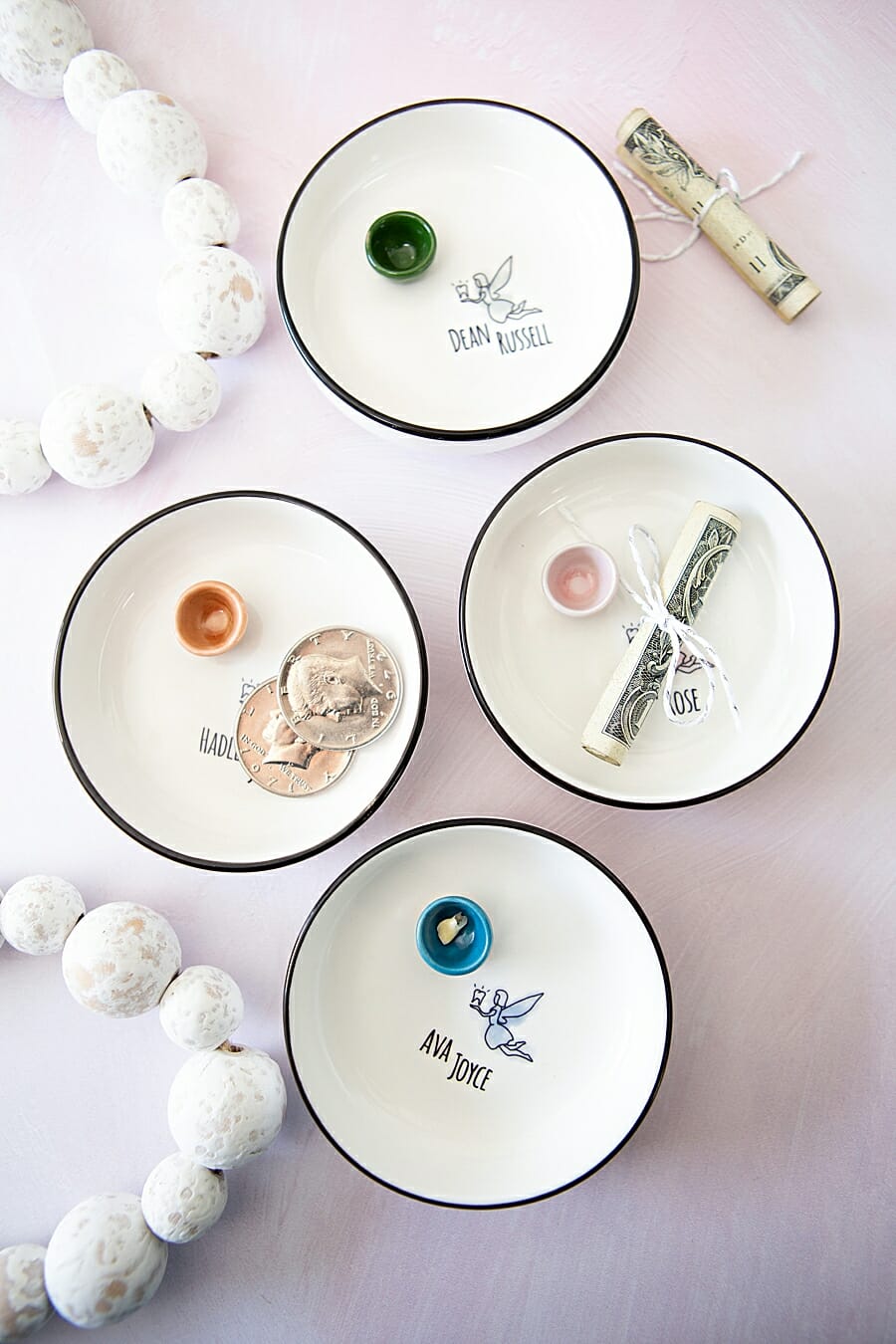
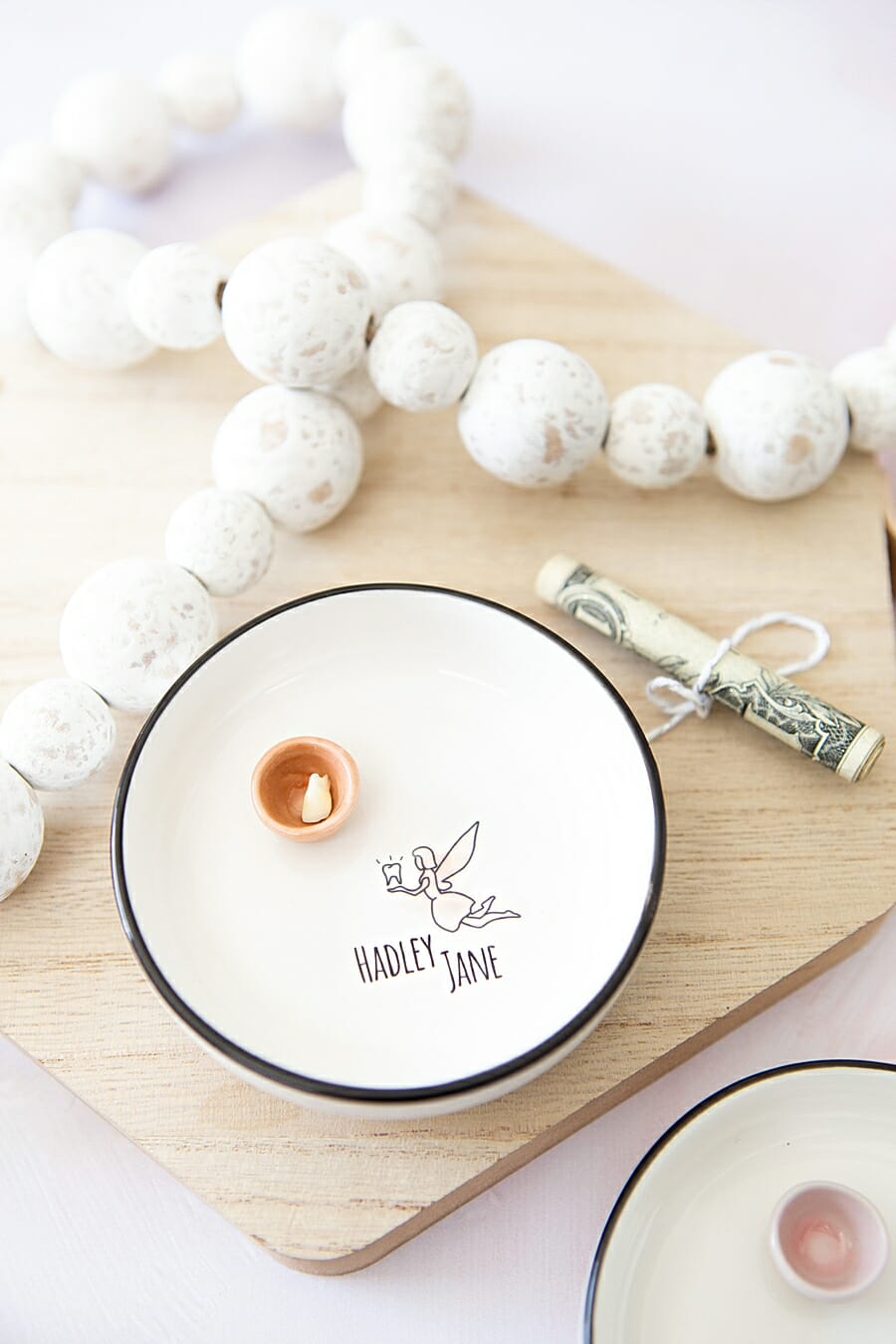
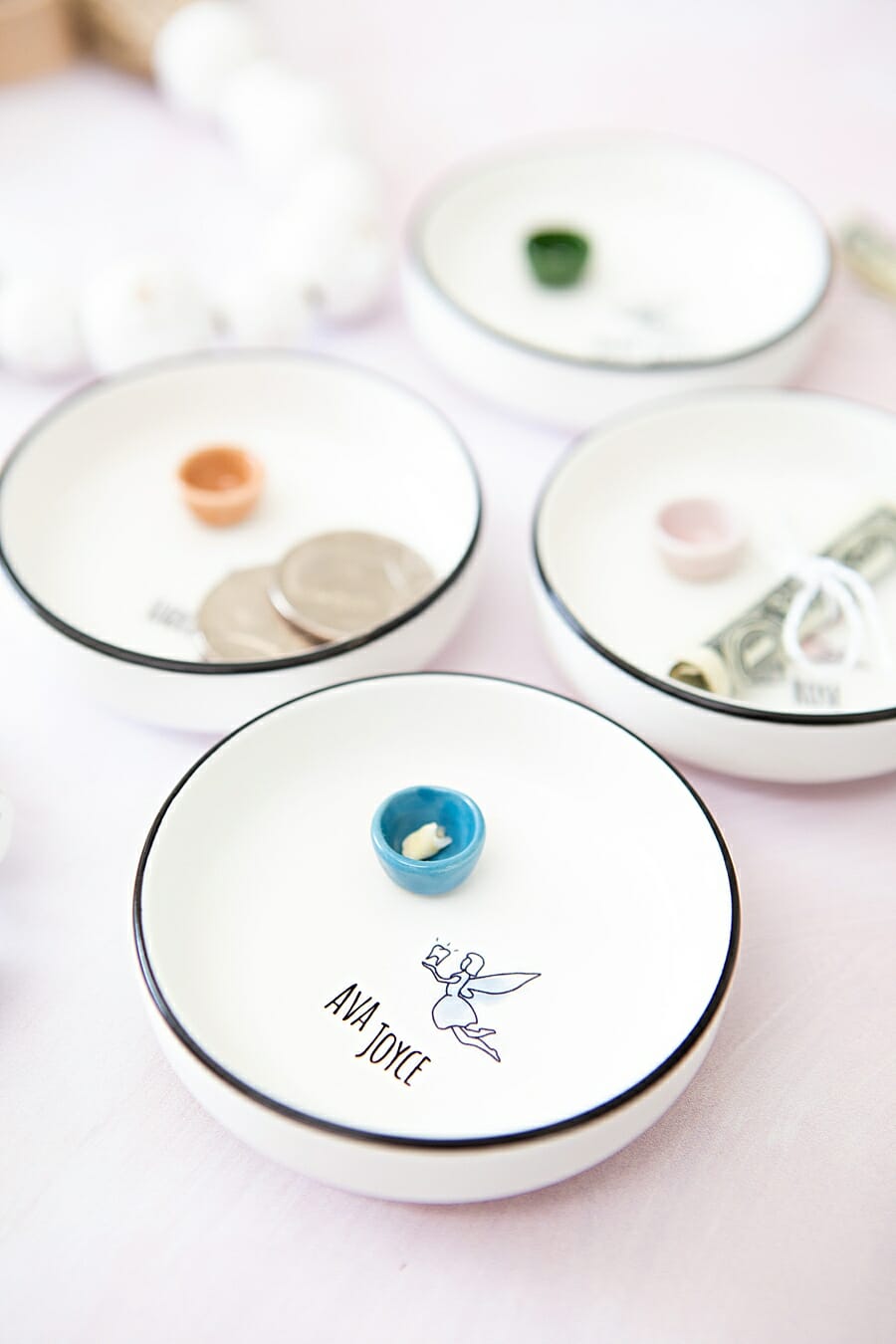
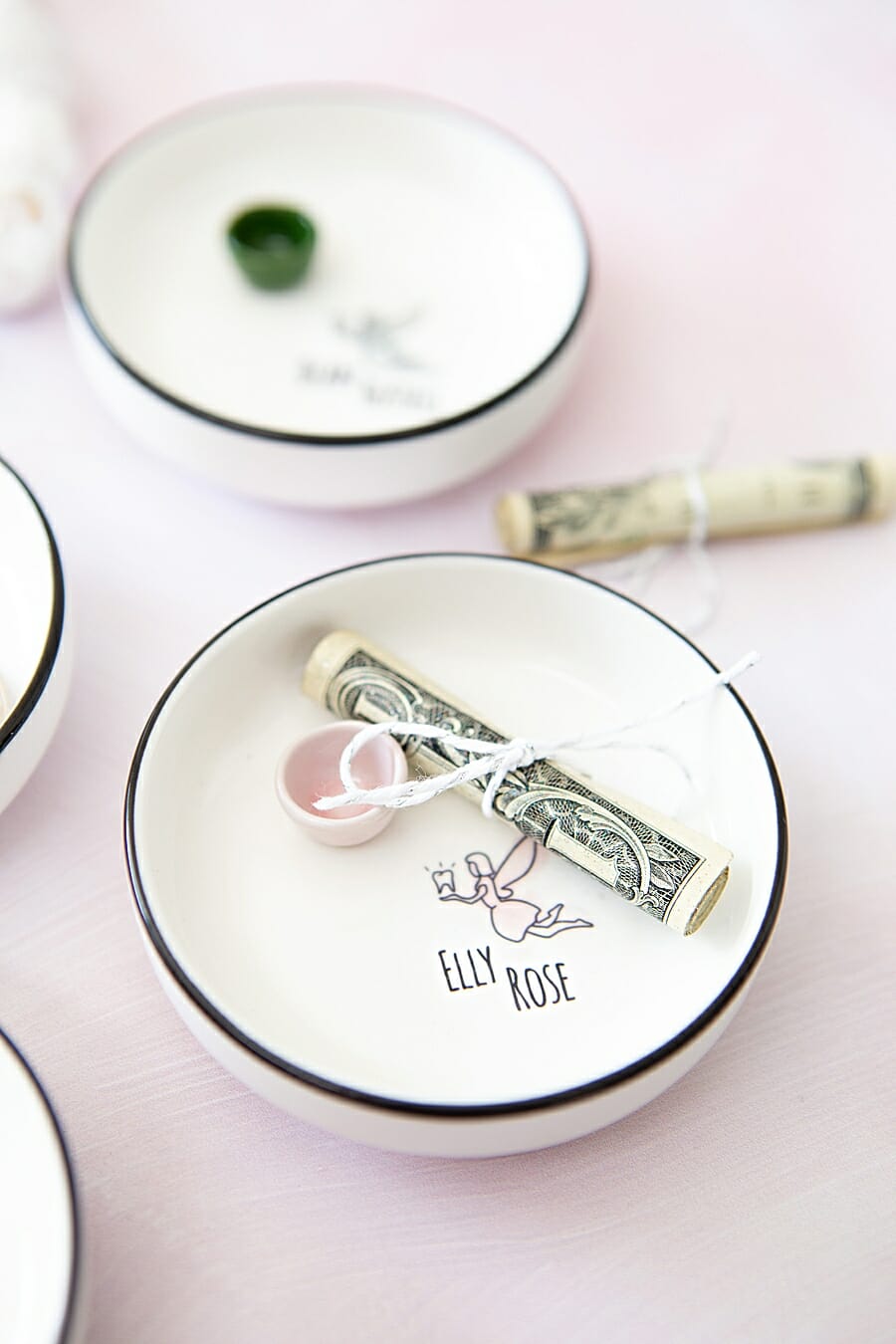
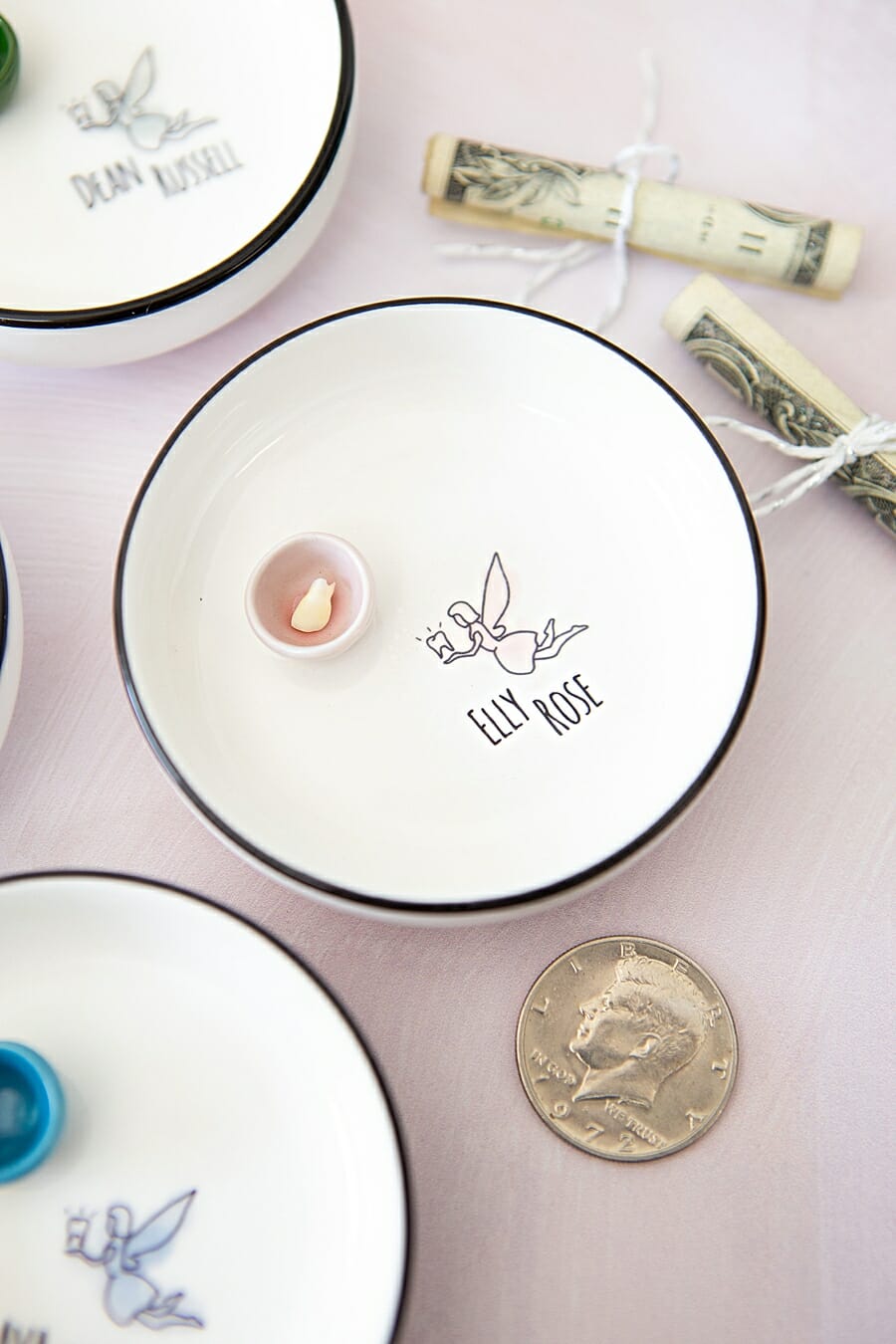
The transition from the "tooth pillow"—which often involves fumbling under a sleeping child’s head—to a stationary bedside dish represents a functional evolution. These dishes, often constructed from a combination of ceramic sauce dishes and miniature dollhouse bowls, provide a stable and accessible platform for both the child and the "fairy." This development aligns with the broader growth of the global handicrafts market, which was valued at approximately USD 752.2 billion in 2022 and is projected to continue its upward trajectory as digital tools make complex crafting techniques accessible to the general public.
Technical Components and Material Specifications
The creation of a personalized tooth fairy dish requires a specific set of materials that bridge the gap between amateur hobbyism and professional product design. The primary innovation in this specific project is the use of inkjet waterslide paper. This medium, technically a dextrin-coated paper, allows for the transfer of high-resolution digital imagery onto non-porous surfaces such as ceramic or glass.
Key materials identified in the production process include:
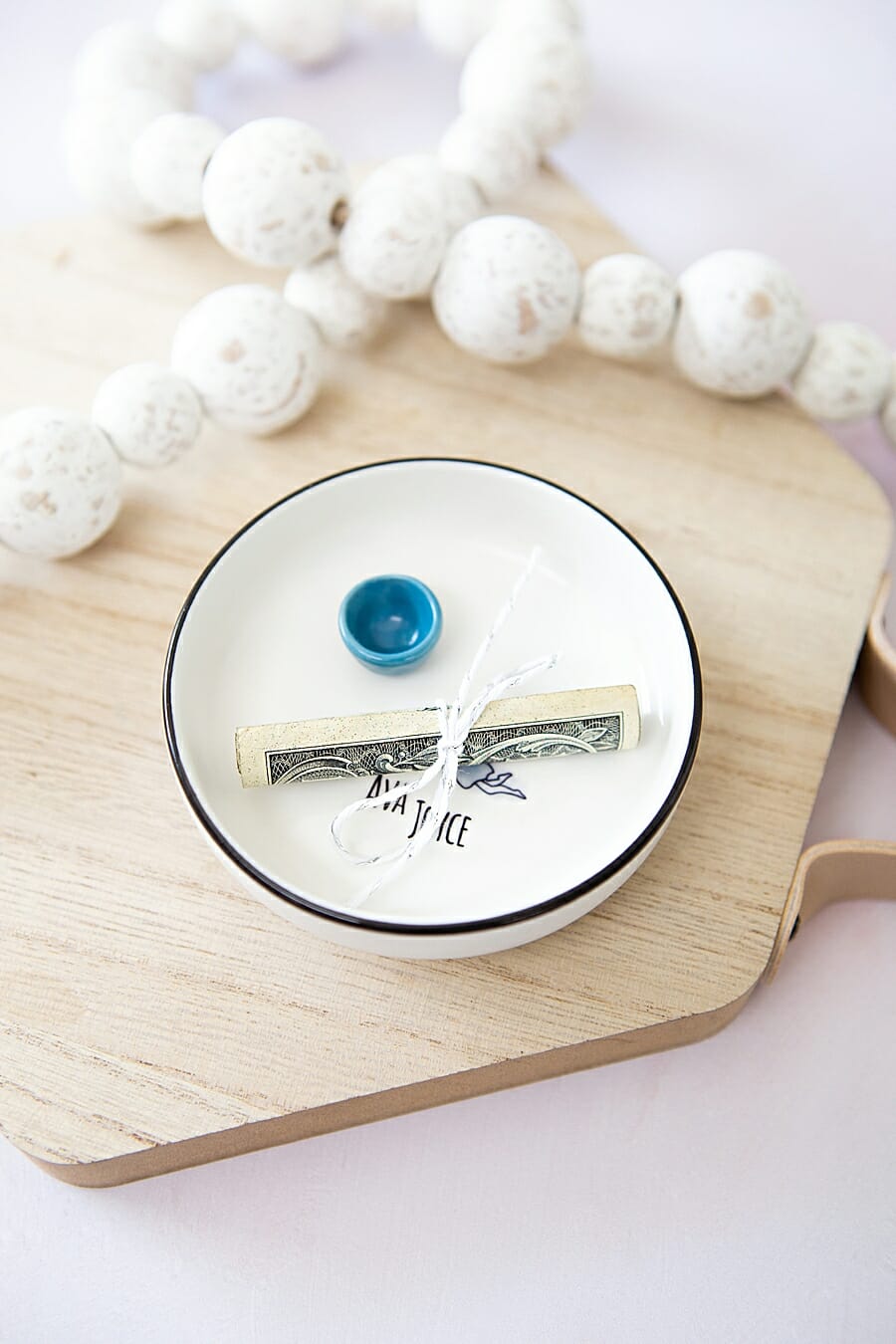
- Substrates: Ceramic sauce dishes serve as the base, while miniature dollhouse bowls are utilized as the elevated "tooth receptacle."
- Adhesives: Polyurethane-based adhesives, such as Gorilla Glue, are employed for their high-strength bonding capabilities, particularly when joining dissimilar ceramic pieces.
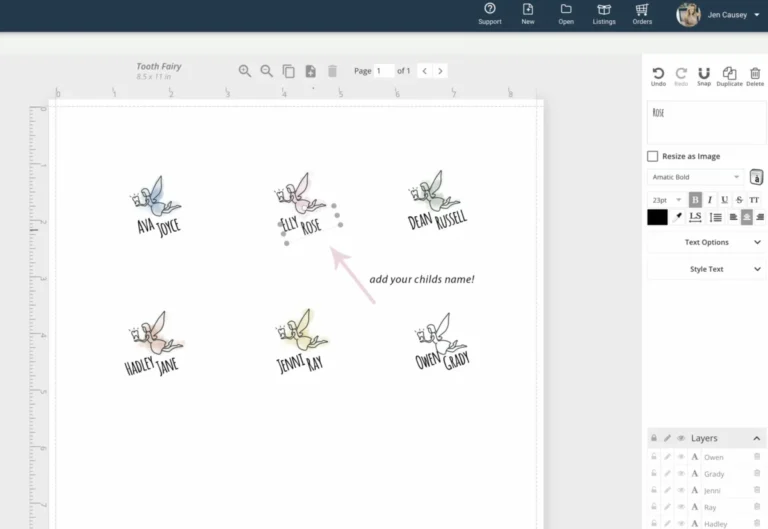
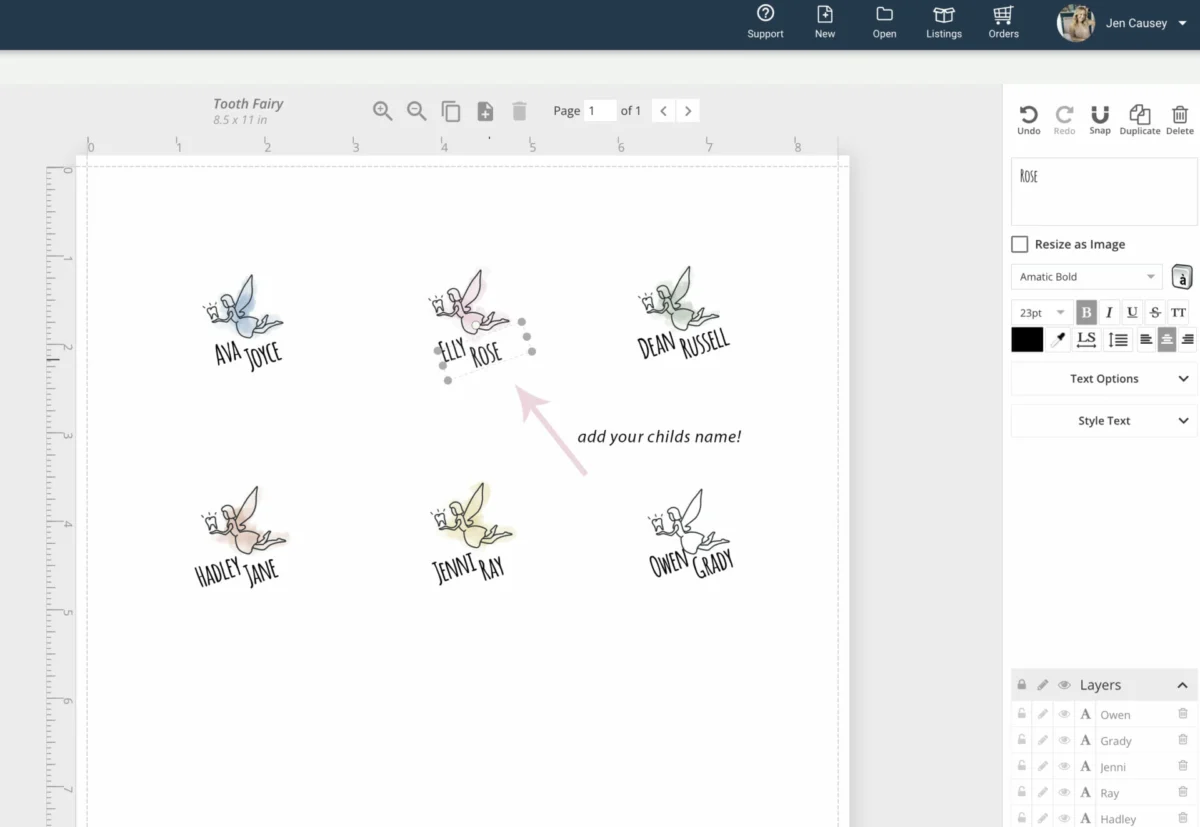
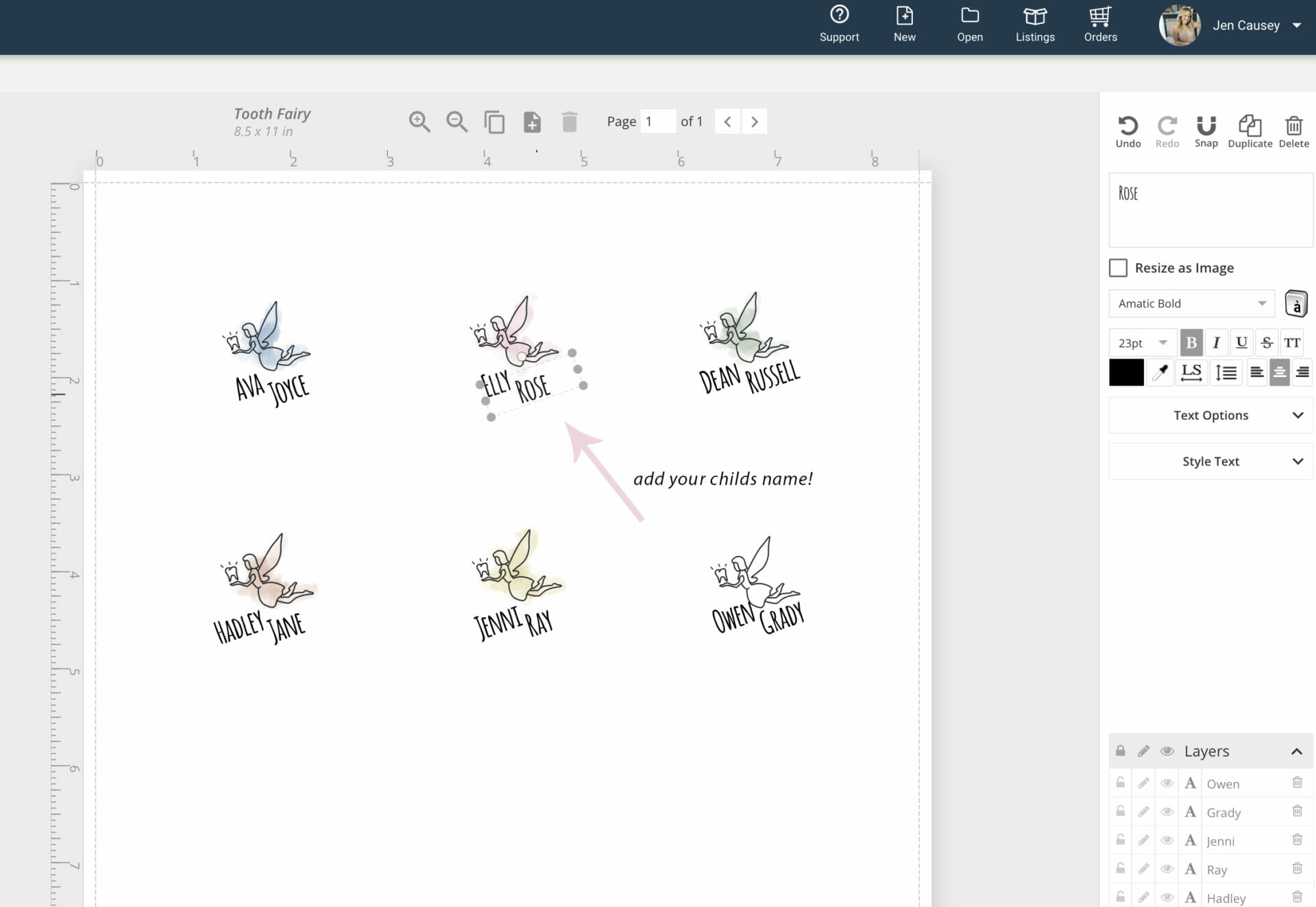
- Digital Interface: The use of Corjl, a web-based template editor, allows users to manipulate typography (such as the Amatic Bold font) and color palettes without requiring advanced graphic design software.
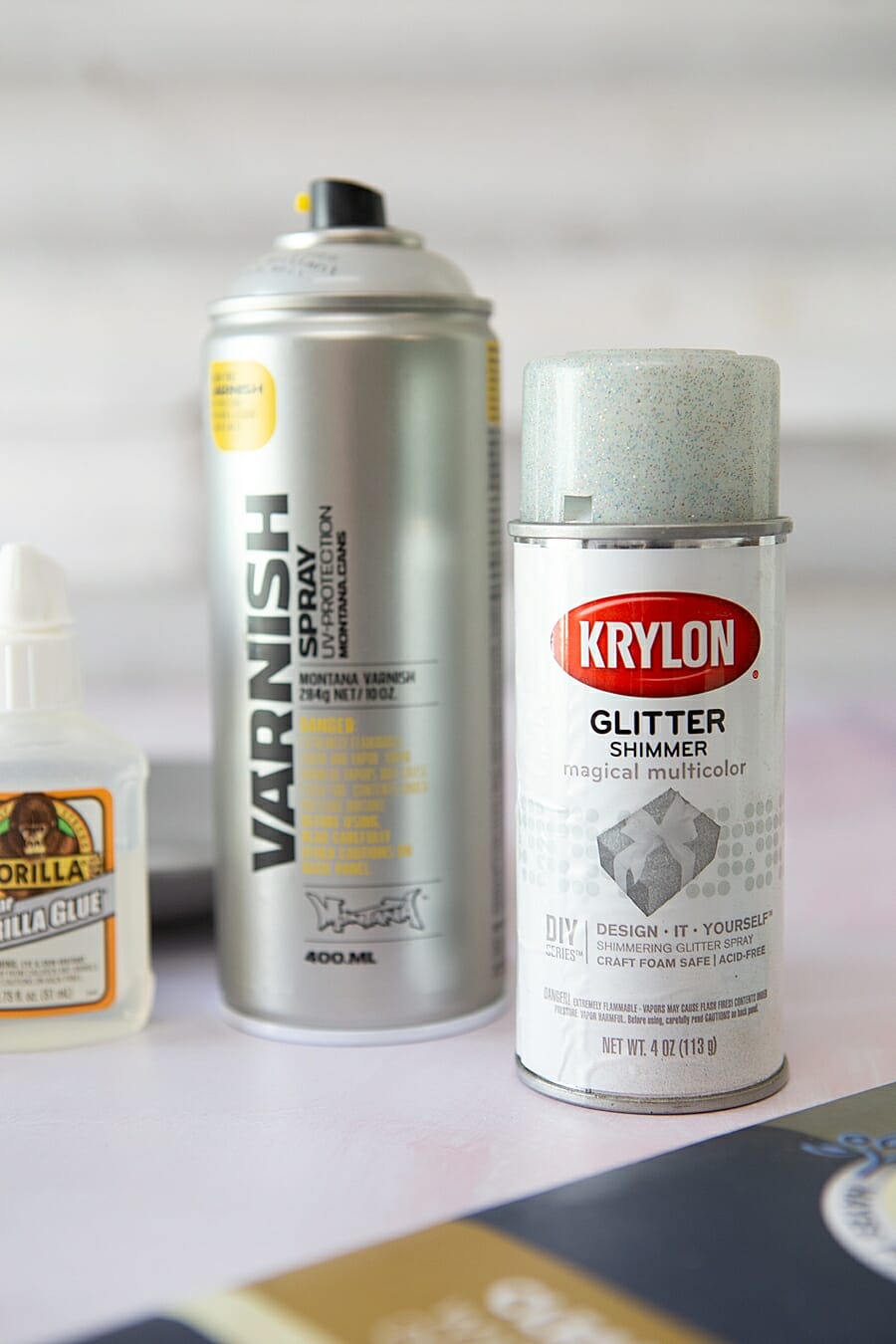
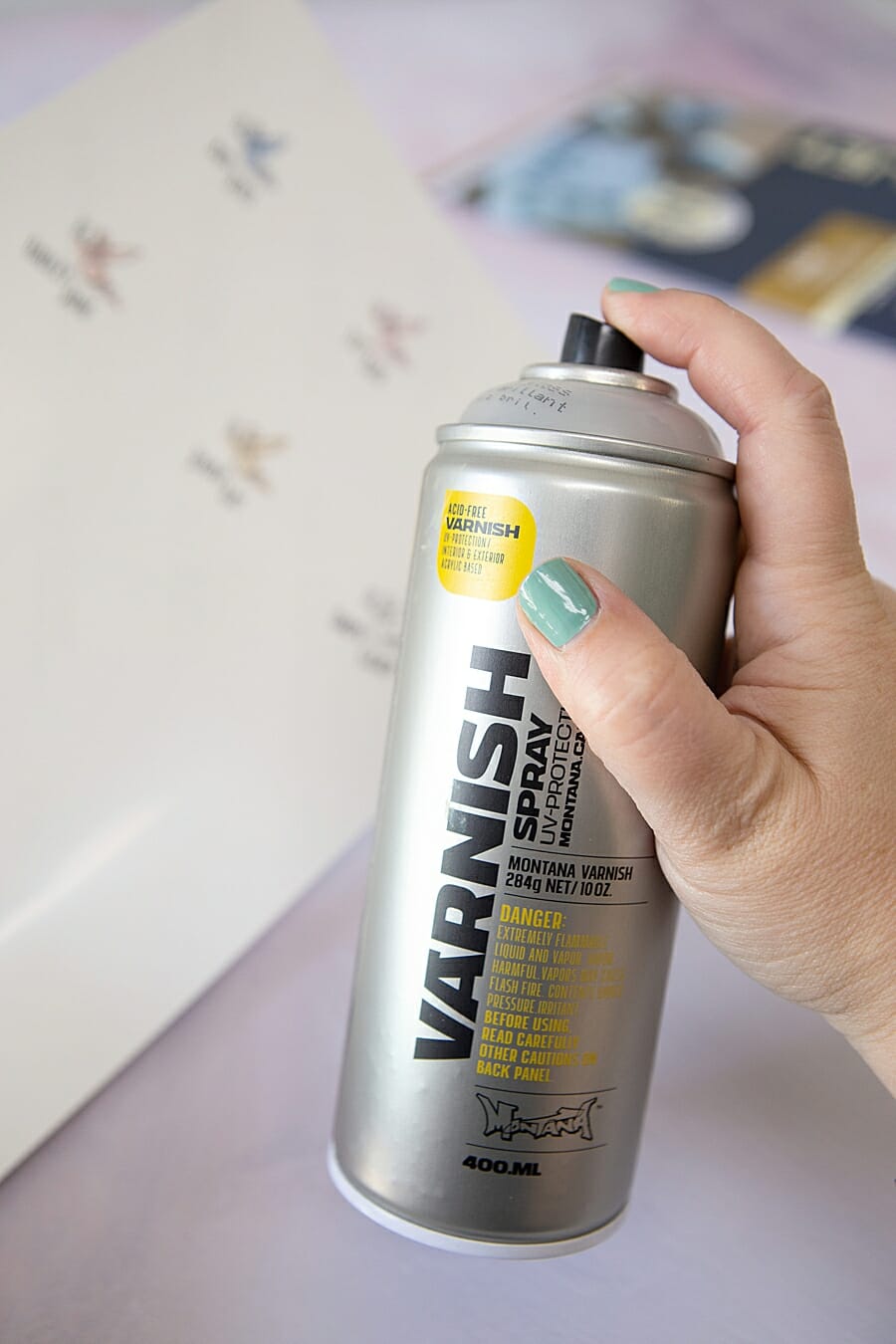
- Sealants: Clear varnish, specifically high-quality sprays like Montana Varnish, is essential for "fixing" the inkjet ink. Because standard inkjet ink is water-soluble, the varnish acts as a hydrophobic barrier, preventing the design from bleeding during the water-soak phase of application.
Chronology of the Crafting Process
The assembly of a personalized tooth fairy dish follows a precise technical timeline, requiring patience and attention to curing periods to ensure the longevity of the final product.

Phase I: Design and Digital Preparation
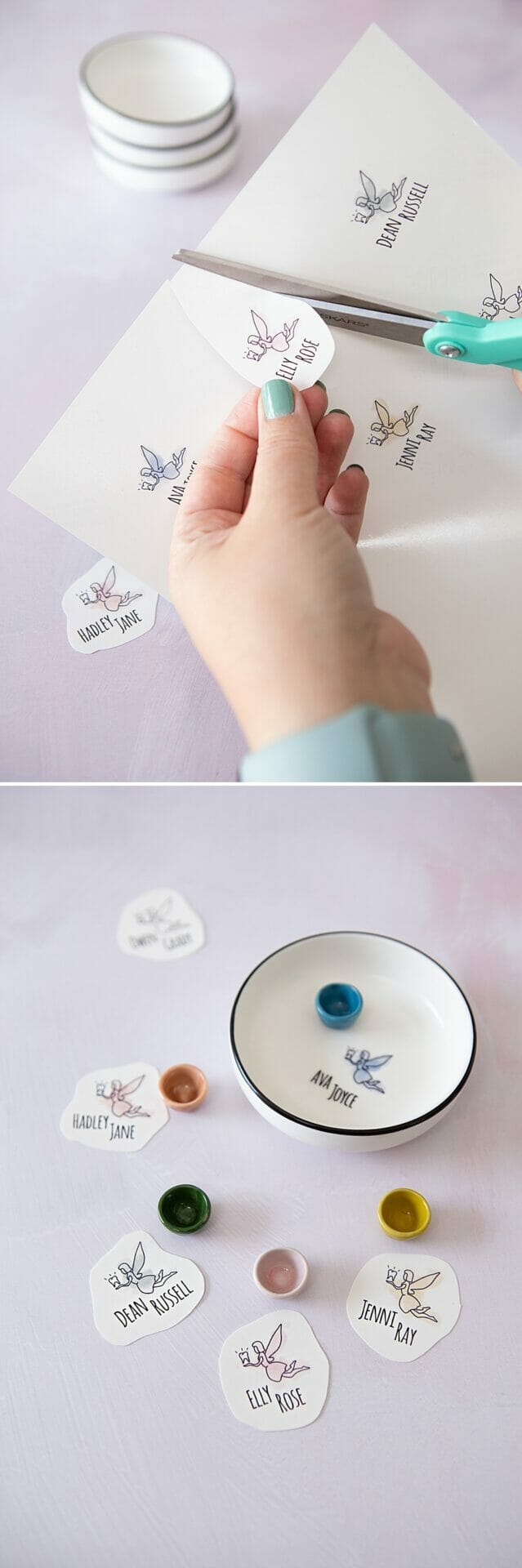
The process begins with the customization of a digital decal. Parents select from a variety of color profiles—typically including green, peach, pink, and blue—to match the physical substrate of the dollhouse bowl. The integration of the child’s name into the design serves to enhance the sentimental value of the object.
Phase II: Printing and Chemical Stabilization
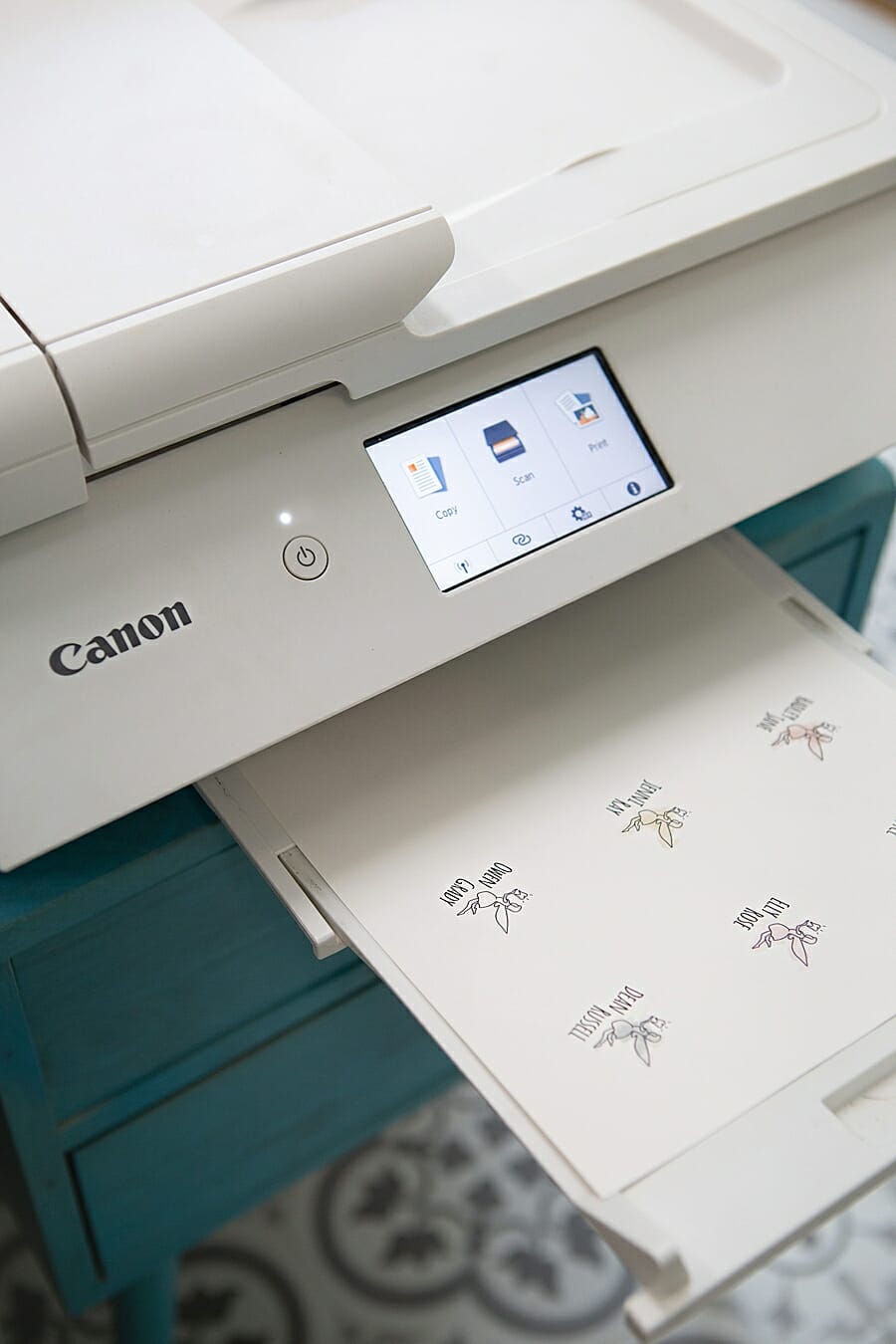
Once the design is finalized, it is printed onto inkjet waterslide paper using high-resolution settings. A critical window follows the printing: the ink must dry completely for a minimum of five minutes before a sealant is applied. The application of the clear varnish is a multi-step procedure involving three distinct coats, with brief drying intervals between each. This creates a permanent film over the temporary decal.
Phase III: The Waterslide Transfer
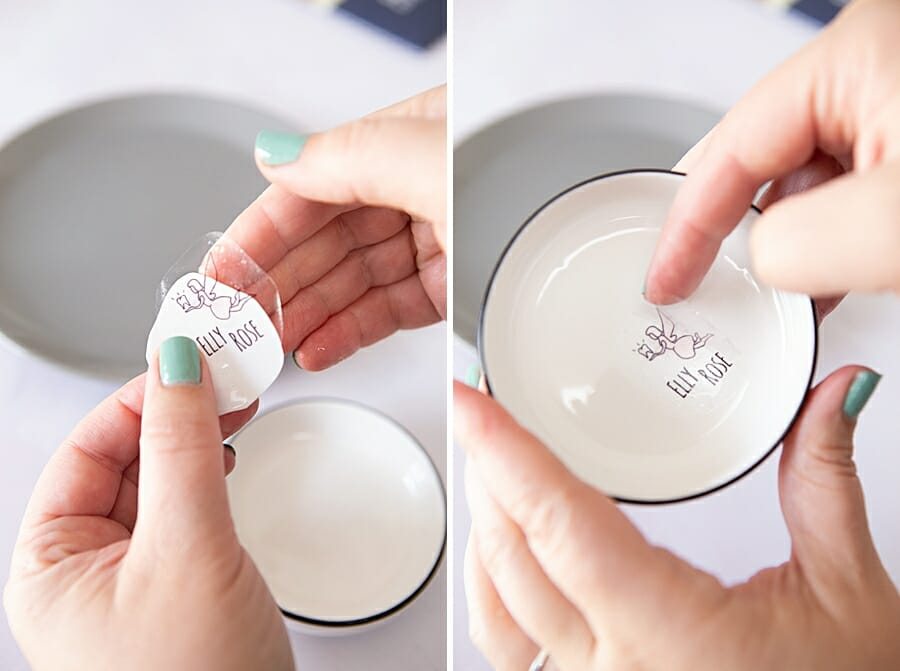
After the sealed decal has dried—ideally in a controlled environment or under natural sunlight to accelerate evaporation—it is trimmed to size. The decal is then submerged in water for approximately 30 seconds. This process dissolves the water-soluble dextrin layer, allowing the thin polymer film carrying the image to slide off its paper backing.
Phase IV: Application and Curing
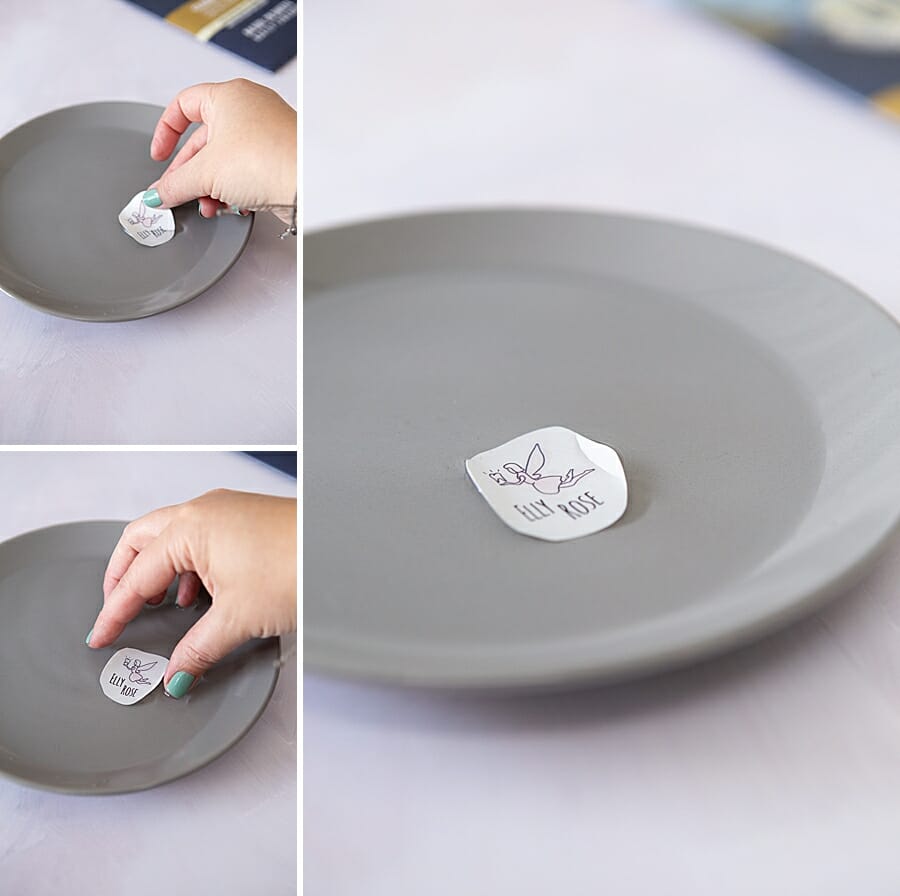
The decal is meticulously positioned onto the ceramic dish. During this phase, the crafter has a limited window to remove air bubbles and excess water. Once positioned, the dish requires a three-day curing period. While some ceramics can be oven-cured to increase durability, industry experts note that for decorative items not intended for food use, air-curing is sufficient.
Phase V: Structural Assembly
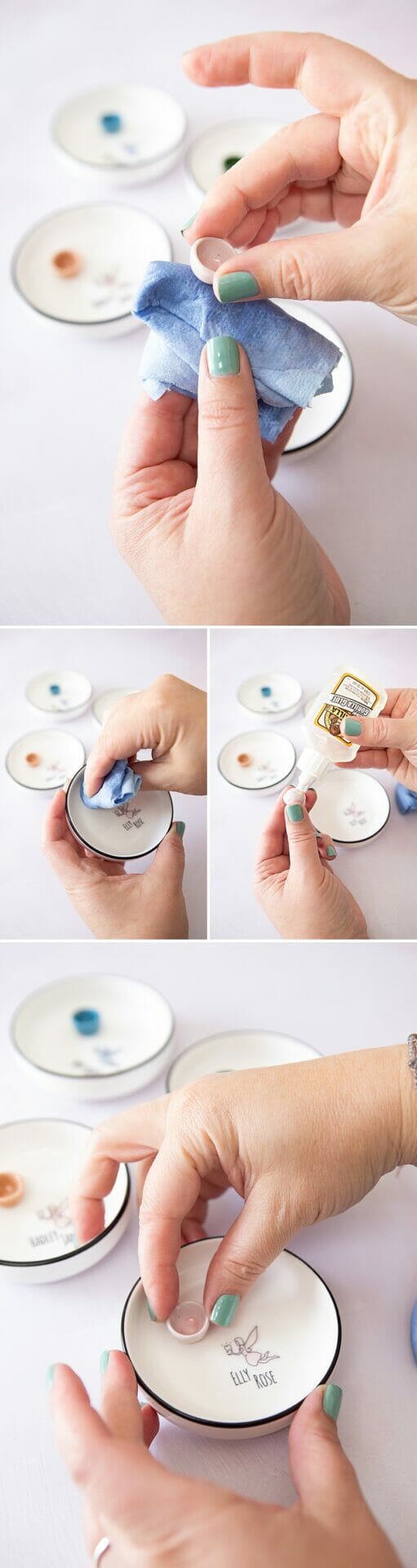
Simultaneously with the decal application, the dollhouse bowl is bonded to the sauce dish. This involves a "damp-bond" technique where the surfaces are lightly moistened before the application of Gorilla Glue, which reacts with moisture to create a robust structural connection.
Safety Protocols and Functional Limitations
A critical aspect of this DIY methodology is the recognition of material limitations. Journalistic analysis of the chemicals involved—specifically the varnishes and adhesives—highlights that these finished products are not food-safe. The presence of industrial sealants means the dishes should never be used for snacks or liquids, nor should they be cleaned in a dishwasher.
Furthermore, the use of aerosol varnishes necessitates proper ventilation. Safety data sheets for products like Montana Varnish emphasize the importance of using these materials in well-ventilated areas or outdoors to avoid the inhalation of volatile organic compounds (VOCs). For parents creating these items for children, ensuring the dish remains a decorative "tooth-and-money" vessel is paramount for safety.
The Role of Multimedia and Social Commerce
The democratization of this crafting project has been significantly bolstered by social media platforms, particularly Instagram Reels. Short-form video content allows creators like Jen Causey-Kidder of Something Turquoise to demonstrate the tactile nuances of the process—such as the "gentle peel" of the decal—which are often difficult to convey through text alone.
This project also highlights the symbiotic relationship between independent designers and large-scale retailers. By utilizing "Shop Something Turquoise" for digital assets and Amazon for physical hardware (like the Canon PIXMA TS9521C Crafting Printer), the modern DIYer operates within a sophisticated ecosystem of social commerce. This model allows for the rapid dissemination of trends and the immediate procurement of necessary specialized tools.
Broader Implications for Family Traditions
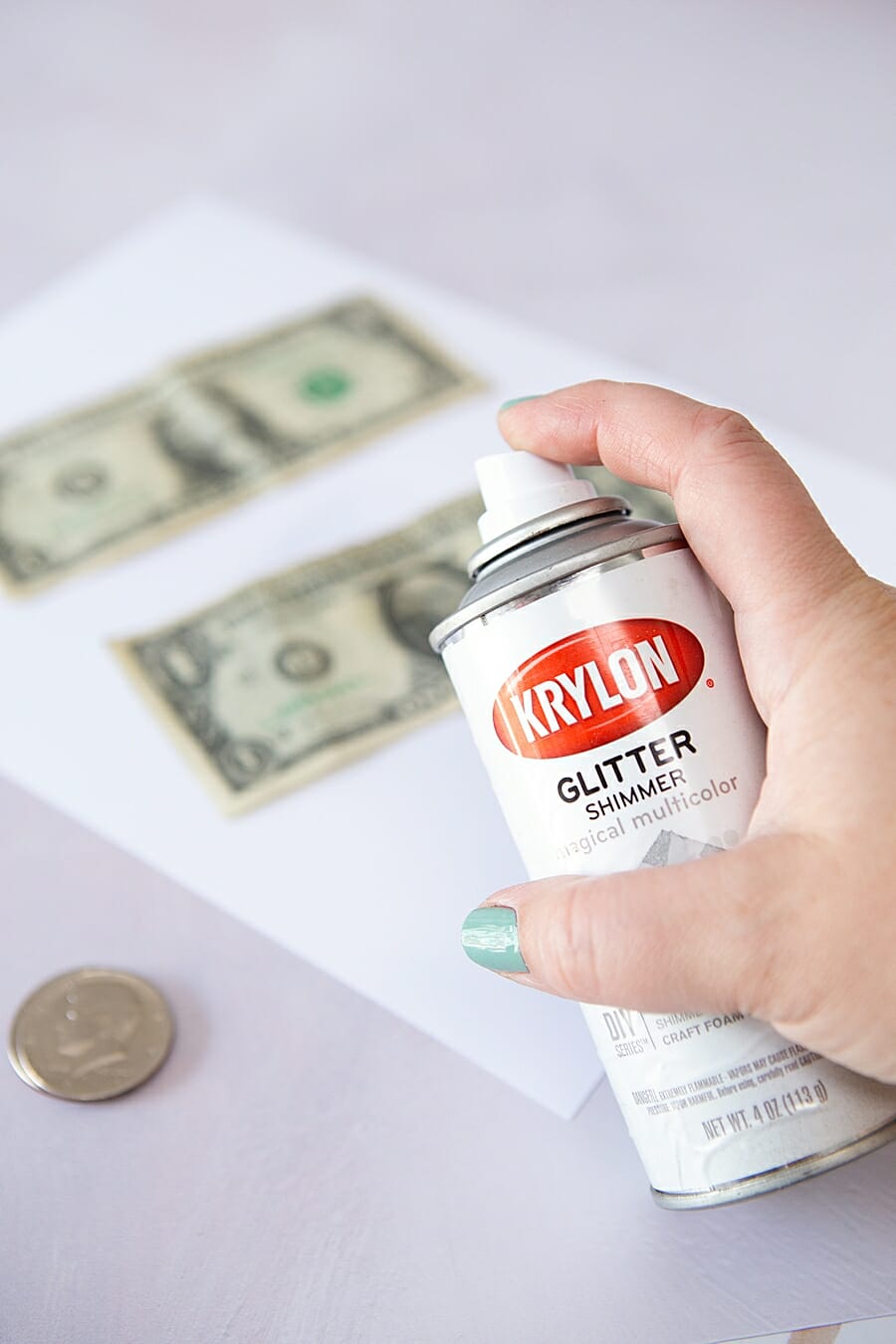
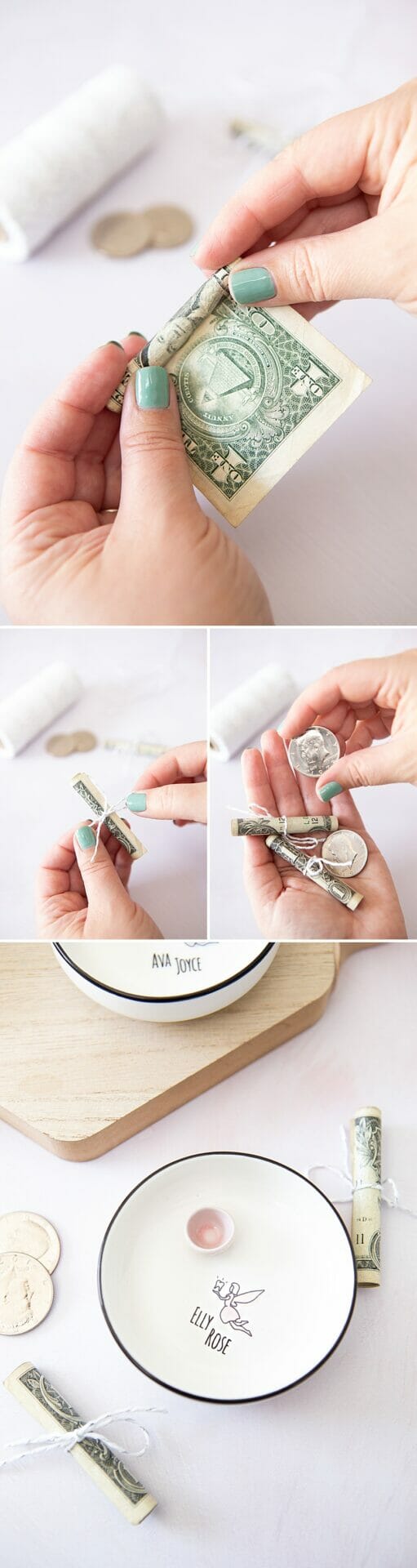
Beyond the technical execution, the rise of the personalized tooth fairy dish suggests a shift in how families view "magical" childhood experiences. There is a growing emphasis on "The Tooth Fairy’s Currency," with parents often going to lengths to provide "glitter money" (currency treated with adhesive glitter spray) or polished half-dollar coins.
Sociological observations suggest that these heightened levels of detail in childhood rituals serve several purposes:
- Bonding: The collaborative nature of choosing colors and names involves the child in the ritual’s preparation.
- Documentation: These aesthetically pleasing objects are designed to be photographed and shared, fitting into the "digital scrapbook" culture of modern parenting.
- Tradition Building: By creating a permanent dish rather than a disposable envelope or a fragile pillow, families are establishing a physical "station" for the tradition that can be reused for multiple children or kept as a memento of early childhood.
Conclusion: The Intersection of Technology and Sentiment
The personalized tooth fairy dish project is more than a simple craft; it is a case study in the intersection of digital design, chemical engineering (in the form of waterslide transfers), and traditional parenting. By leveraging accessible technology and professional-grade materials, the modern parent can transform a fleeting biological milestone into a structured, artistic, and deeply personal experience. As the DIY movement continues to evolve, the emphasis on high-quality, "permanentized" versions of childhood magic is likely to remain a cornerstone of domestic creativity. Through careful adherence to drying times, safety protocols, and design principles, these miniature ceramic installations represent the new gold standard in childhood keepsake production.