

In an evolving landscape of personal expression and conscious consumerism, sapphire engagement rings are experiencing a significant resurgence, positioning themselves as a compelling and increasingly popular alternative to traditional diamonds. This shift reflects a broader movement among couples seeking unique, meaningful, and often more budget-friendly options for their betrothal jewelry. Far from being merely a secondary choice, sapphires offer a rich tapestry of history, symbolism, and aesthetic versatility that appeals to modern sensibilities. Their inherent beauty, robust durability, and diverse color palette provide a compelling proposition for those embarking on their lifelong commitment. This article explores the multifaceted appeal of sapphire engagement rings, examining their historical roots, market dynamics, factors influencing their cost, and their growing prominence in the bridal jewelry sector.

A Royal Legacy and Evolving Traditions
The appeal of sapphires is deeply rooted in history, predating the modern diamond engagement ring tradition by centuries. Historically, sapphires have been revered by royalty and nobility across various civilizations, symbolizing wisdom, loyalty, truth, and protection. Ancient Greeks and Romans believed sapphires protected their owners from envy and harm, while medieval clergy wore them to symbolize heaven. The gemstone’s association with royalty is perhaps most famously underscored by the iconic sapphire and diamond engagement ring worn by Princess Diana and later by Catherine, Duchess of Cambridge. This particular ring, featuring an oval blue sapphire surrounded by diamonds, sparked a global interest in sapphire engagement rings, demonstrating their timeless elegance and regal stature. This royal endorsement provided a powerful impetus for consumers to reconsider alternatives to diamonds, highlighting sapphires not as a compromise, but as a distinguished choice with a rich lineage. Furthermore, sapphires, particularly in their classic blue hue, fulfill the tradition of incorporating "something blue" into a wedding, adding an additional layer of sentimental value for many brides.

Economic Drivers: Affordability Meets Luxury
While diamonds have historically dominated the engagement ring market, often positioned as the ultimate symbol of enduring love, their substantial price tag has prompted many couples to explore alternatives. Sapphires present an attractive proposition for those desiring a luxurious aesthetic without the exorbitant cost typically associated with diamonds. This affordability does not come at the expense of beauty or quality; rather, it opens up opportunities for larger stones, more intricate settings, or simply reallocating budget to other wedding expenses.

Analysis of market data from August 2026 reveals a broad spectrum of pricing for sapphire engagement rings, catering to diverse budgets. Entry-level options, such as sterling silver rings featuring lab-created sapphires and cubic zirconia accents, typically ranged from $50 to $100. Mid-range choices, encompassing solid 14k gold bands with genuine sapphires from independent artisans on platforms like Etsy, were observed between $175 and $550. For those seeking designer pieces in solid gold with diamond accents, prices escalated to the $1,390 to $1,930 bracket. Mainstream jewelers, including prominent brands like Kay and Blue Nile, offered sapphire rings with diamond halos from $1,895 to $2,980, often with significant discounts applied. At the premium end, fine jewelry pieces featuring natural sapphires and nearly a carat of surrounding diamonds commanded prices between $4,280 and $4,740. This wide price range underscores a key takeaway for savvy shoppers: the overall cost is heavily influenced by the setting, the choice of metal, and the inclusion of diamond accents, often more so than the sapphire itself. This flexibility allows consumers to prioritize the central stone’s beauty while adjusting other elements to fit their financial parameters.
Understanding Sapphire Quality: Beyond the 4 Cs

Just like diamonds, sapphires are evaluated based on a set of criteria often referred to as the "4 Cs": color, clarity, cut, and carat weight. However, the prioritization of these factors differs significantly for sapphires.
- Color: For sapphires, color is paramount. The most coveted blue sapphires exhibit a vivid, saturated "cornflower blue" or "royal blue" hue, with even distribution and no visible zoning. Beyond blue, sapphires occur in a spectrum of "fancy colors," including pink, yellow, teal, lavender, peach, and even colorless (white) varieties. The intensity and purity of these colors are key determinants of value.
- Clarity: While clarity is important, minor inclusions are more acceptable in sapphires than in diamonds, especially if they do not detract from the stone’s brilliance or transparency. Sapphires are naturally less clear than diamonds, and some inclusions can even be indicative of their natural origin.
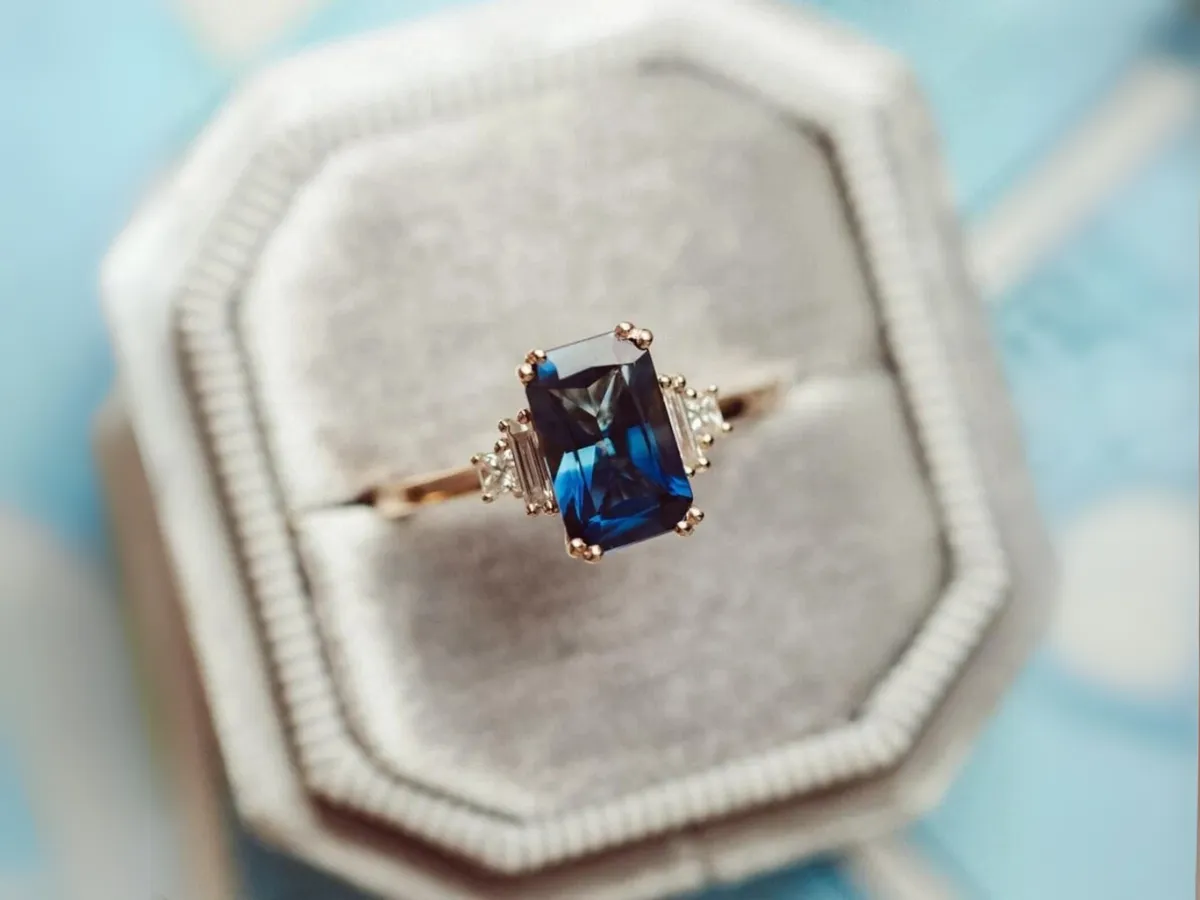
- Cut: The cut of a sapphire influences its brilliance and how well its color is displayed. While not standardized like diamond cuts, a well-executed cut will maximize the stone’s color and sparkle, ensuring symmetry and proper proportions. Common cuts include oval, round, cushion, emerald, and pear.
- Carat Weight: As with all gemstones, carat weight refers to the sapphire’s size. Larger sapphires are generally rarer and thus more expensive, assuming other quality factors remain constant. However, a smaller sapphire with exceptional color and cut can be more valuable than a larger one with poorer characteristics.
The discussion surrounding lab-grown versus natural sapphires also plays a crucial role in pricing and ethical considerations. Lab-grown sapphires are chemically, physically, and optically identical to their natural counterparts but are created in controlled laboratory environments, making them significantly more affordable and eliminating concerns about mining practices. Natural sapphires, while often commanding higher prices due to their rarity and unique formation over millennia, require careful vetting for ethical sourcing.

Diversity in Design and Color: Personalization at its Core
The versatility of sapphires extends beyond their traditional blue. The availability of "fancy" sapphire colors has fueled a trend towards personalized and distinctive engagement rings. Peach, yellow, teal, and lavender sapphires offer couples an opportunity to select a gemstone that truly reflects individual style and personality, moving beyond conventional expectations. This spectrum of colors allows for unique combinations with different metal types—rose gold enhancing peach sapphires, yellow gold complementing teal or yellow stones, and white gold or platinum providing a classic contrast to any hue.

Design trends for sapphire engagement rings are also diverse, ranging from classic solitaires that highlight the stone’s inherent beauty to elaborate halo settings that amplify sparkle with surrounding diamonds. Vintage-inspired designs, often featuring intricate milgrain detailing or unique stone arrangements like baguette side stones or floral clusters, appeal to those seeking old-world charm. Modern minimalist settings allow the sapphire to take center stage, while more unconventional "east-west" settings for oval or emerald cuts offer a contemporary twist. This breadth of choice ensures that a sapphire ring can be tailored to virtually any aesthetic preference, making it a truly personal symbol of love.
Ethical Sourcing and Sustainability

The modern consumer is increasingly conscious of the ethical and environmental impact of their purchases, and engagement rings are no exception. The jewelry industry has faced scrutiny regarding the sourcing of gemstones, particularly concerning labor practices and environmental degradation in mining regions. Sapphires, like diamonds, can be subject to these concerns. This has led to a growing demand for transparently sourced natural sapphires and, notably, an surge in the popularity of lab-grown alternatives.
Lab-grown sapphires offer a compelling solution for environmentally conscious couples. Produced in controlled environments, they eliminate the social and environmental risks associated with traditional mining, such as habitat destruction, water pollution, and conflict financing. Leading jewelers and industry analysts report a significant increase in consumer inquiries and purchases of lab-grown gemstones, reflecting a shift towards more sustainable and ethical choices. Certifications from reputable organizations further assure consumers that their chosen sapphire, whether natural or lab-grown, adheres to stringent ethical and environmental standards. This focus on responsible sourcing aligns perfectly with the values of a new generation of engaged couples.

Durability and Practicality: A Gemstone for a Lifetime
Beyond their beauty and symbolic meaning, sapphires are highly practical gemstones for everyday wear. Ranking 9 on the Mohs scale of mineral hardness, sapphires are exceptionally durable, second only to diamonds (which rank 10). This high hardness makes them resistant to scratches and abrasions, ensuring that an engagement ring can withstand the rigors of daily life without significant damage. This longevity is a crucial factor for a piece of jewelry intended to be worn for a lifetime, representing an enduring commitment. Their resilience, combined with their stunning appearance, makes sapphires a sensible and lasting choice for an engagement ring.

Industry Implications and Future Outlook
The rising popularity of sapphire engagement rings has notable implications for the broader jewelry industry. It encourages diversification in product offerings, moving beyond a diamond-centric market to embrace a wider array of precious gemstones. This shift fosters innovation in design and manufacturing, with jewelers exploring new cuts, settings, and color combinations to meet evolving consumer demands. Online retailers and independent artisans have played a pivotal role in this democratization of choice, making unique sapphire rings more accessible to a global audience.

Industry experts suggest that this trend is not merely a fleeting fashion, but a sustained movement driven by deeper cultural and economic shifts. As younger generations prioritize individuality, ethical considerations, and financial prudence, the appeal of sapphires is likely to continue growing. The inherent beauty, profound symbolism, practical durability, and diverse price points of sapphires position them as a cornerstone of the modern engagement ring market, offering a sophisticated and meaningful declaration of love for years to come.
In conclusion, sapphire engagement rings represent a compelling intersection of historical gravitas, modern aesthetics, and responsible consumerism. They offer couples an opportunity to make a statement that is both deeply personal and universally resonant, symbolizing a love that is as enduring and multifaceted as the gemstone itself.