
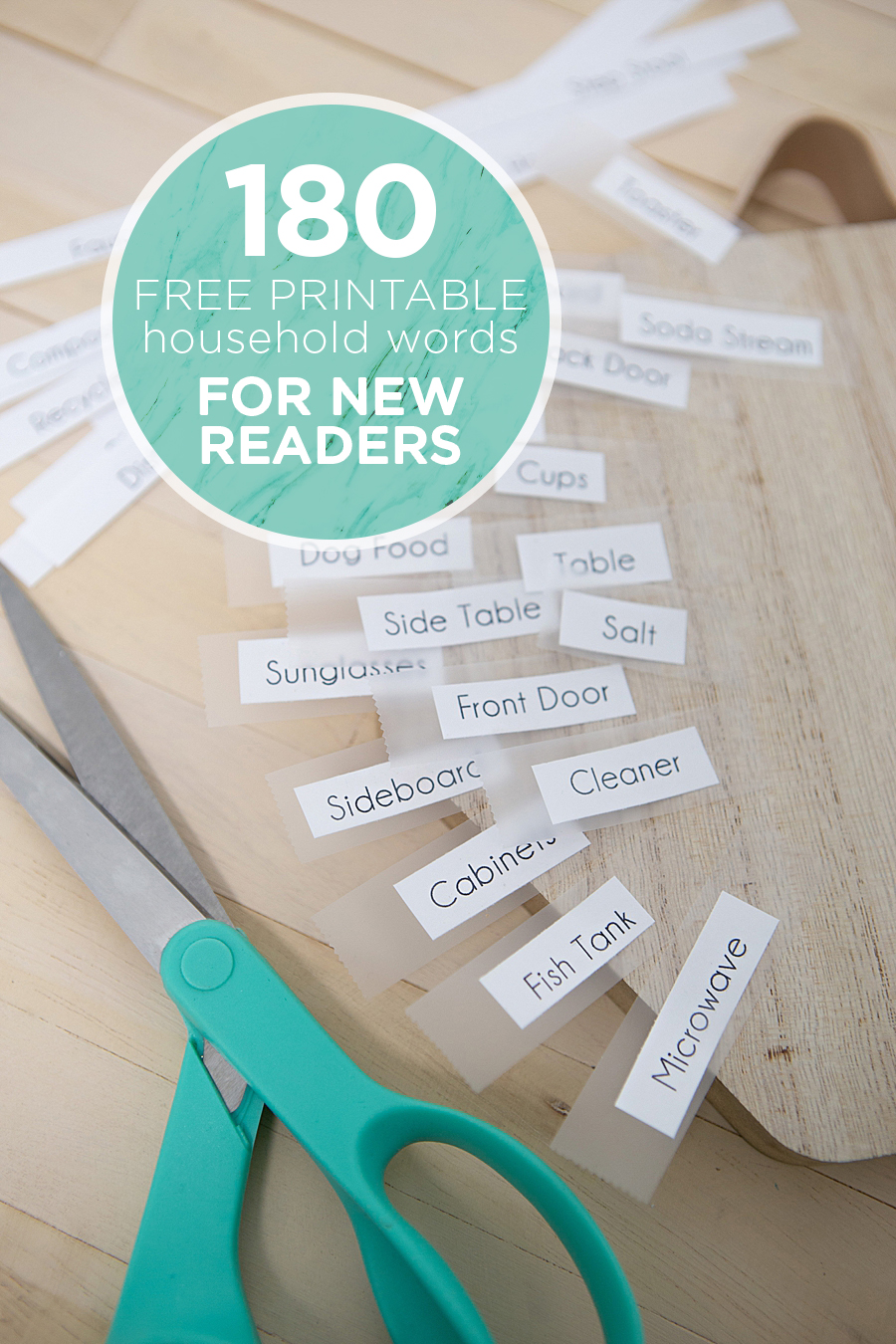
The strategic integration of environmental print within the home has emerged as a significant methodology for enhancing early childhood literacy, as evidenced by a comprehensive DIY initiative recently launched by the lifestyle and educational resource platform Something Turquoise. The project, titled 180 Free Printable Household Words for New Readers, provides a systematic framework for parents and educators to transform domestic environments into immersive learning centers. By utilizing a curated list of 180 high-frequency household terms, the initiative seeks to bridge the cognitive gap between a child’s existing oral vocabulary and their developing word recognition skills. This methodology, often recommended by reading specialists, leverages the familiarity of a child’s surroundings to foster "incidental learning," a process where children acquire knowledge without formal instruction through repeated exposure to visual stimuli.
Theoretical Framework: The Role of Environmental Print in Literacy
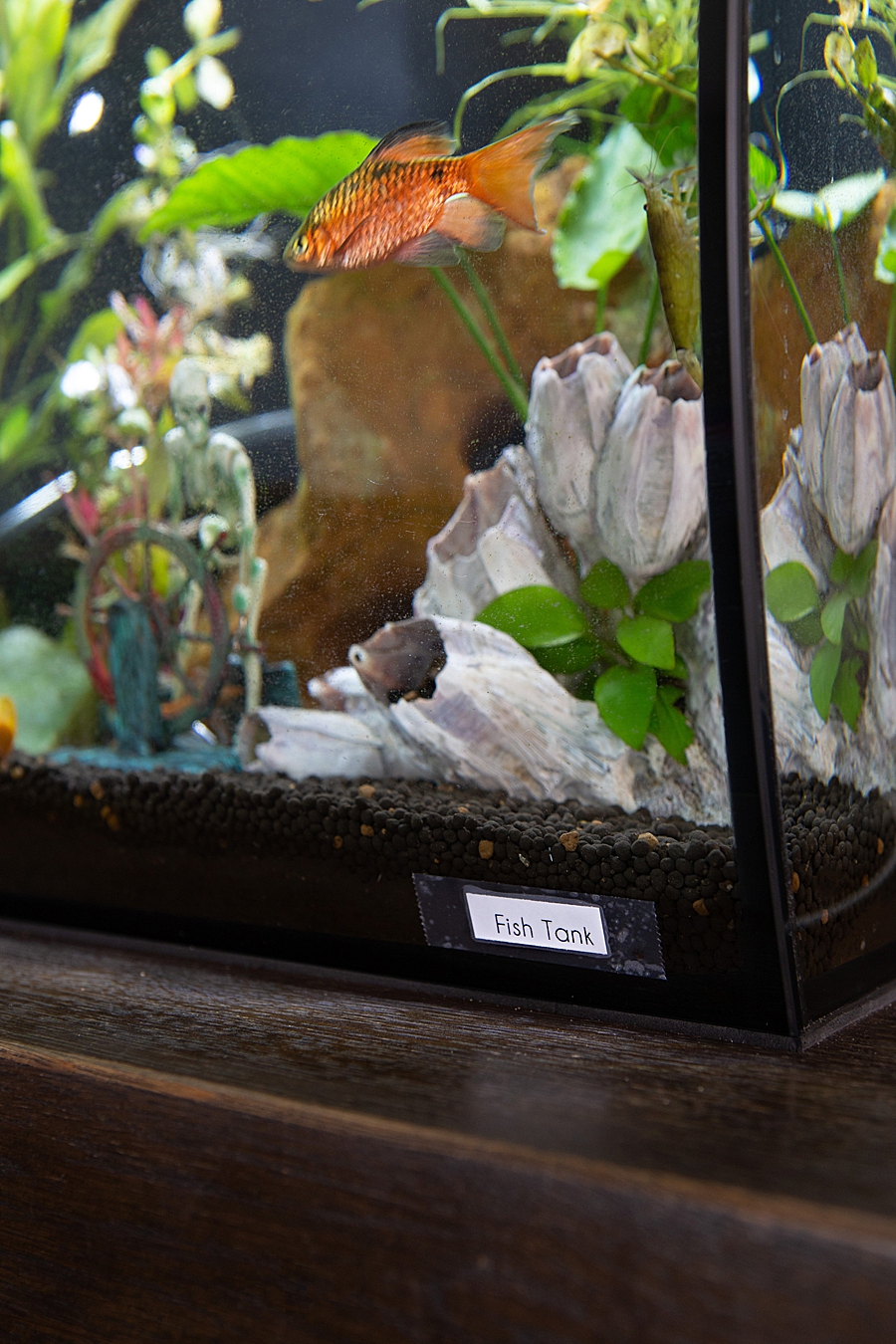
Environmental print refers to the text found in everyday life—labels on food containers, street signs, advertisements, and, in this specific application, labels on household furniture and appliances. According to literacy experts, environmental print is often the first type of reading material children recognize. Before a child can decode a book, they may "read" the logo of a favorite cereal or the word "STOP" on a red octagonal sign. The Something Turquoise initiative formalizes this natural phenomenon by providing a standardized set of labels that cover nearly every functional item within a standard residence.
The pedagogical logic behind this approach is rooted in the concept of "scaffolding." Children are already intimately familiar with the objects in their homes, such as a "refrigerator," "door," or "lamp." By affixing a clear, printed label to these objects, parents provide a visual anchor for the written word. Over time, the child moves from recognizing the object to recognizing the word associated with it, eventually internalizing the orthographic structure of the term. This creates a foundation for "sight word" recognition, a critical component of reading fluency that allows children to identify words instantly without needing to sound them out phonetically.
Technical Specifications and Typographic Considerations
A critical component of the Something Turquoise project is the emphasis on typographic clarity. Educational research suggests that the choice of typeface can significantly influence a child’s ability to process and retain letterforms. Many decorative or "fancy" fonts utilize "double-story" characters—such as the letter "a" with a hook at the top or a "g" with a closed loop—which differ from the way children are taught to write by hand. These variations can cause cognitive dissonance for emergent readers.
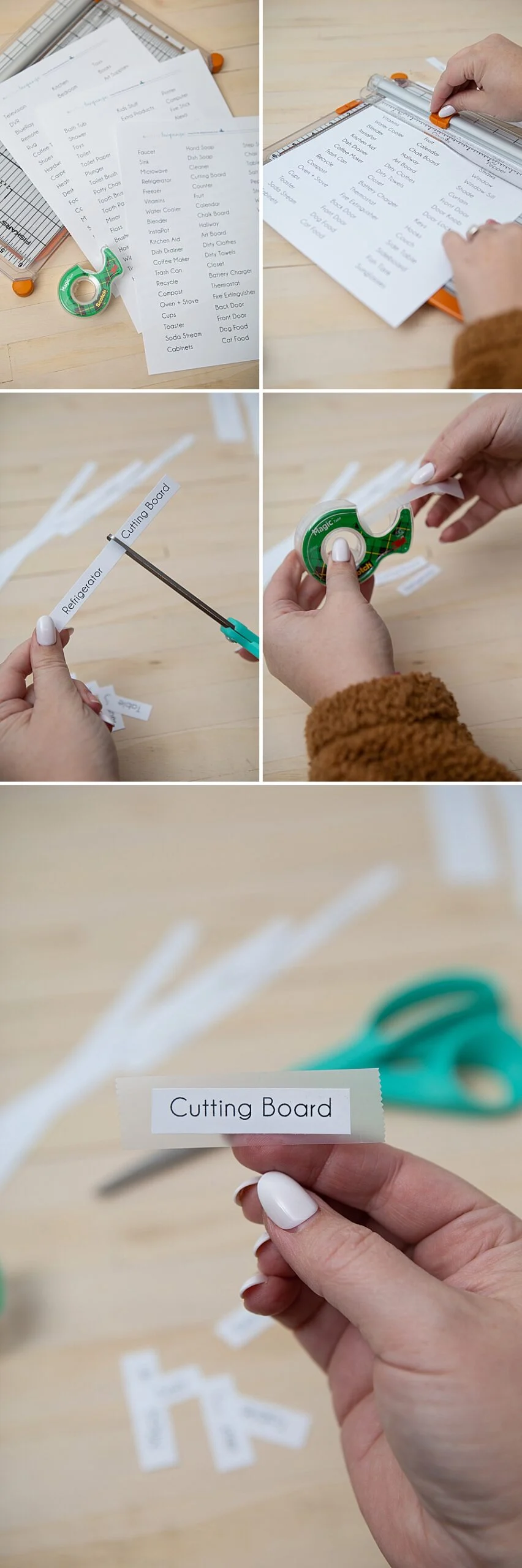
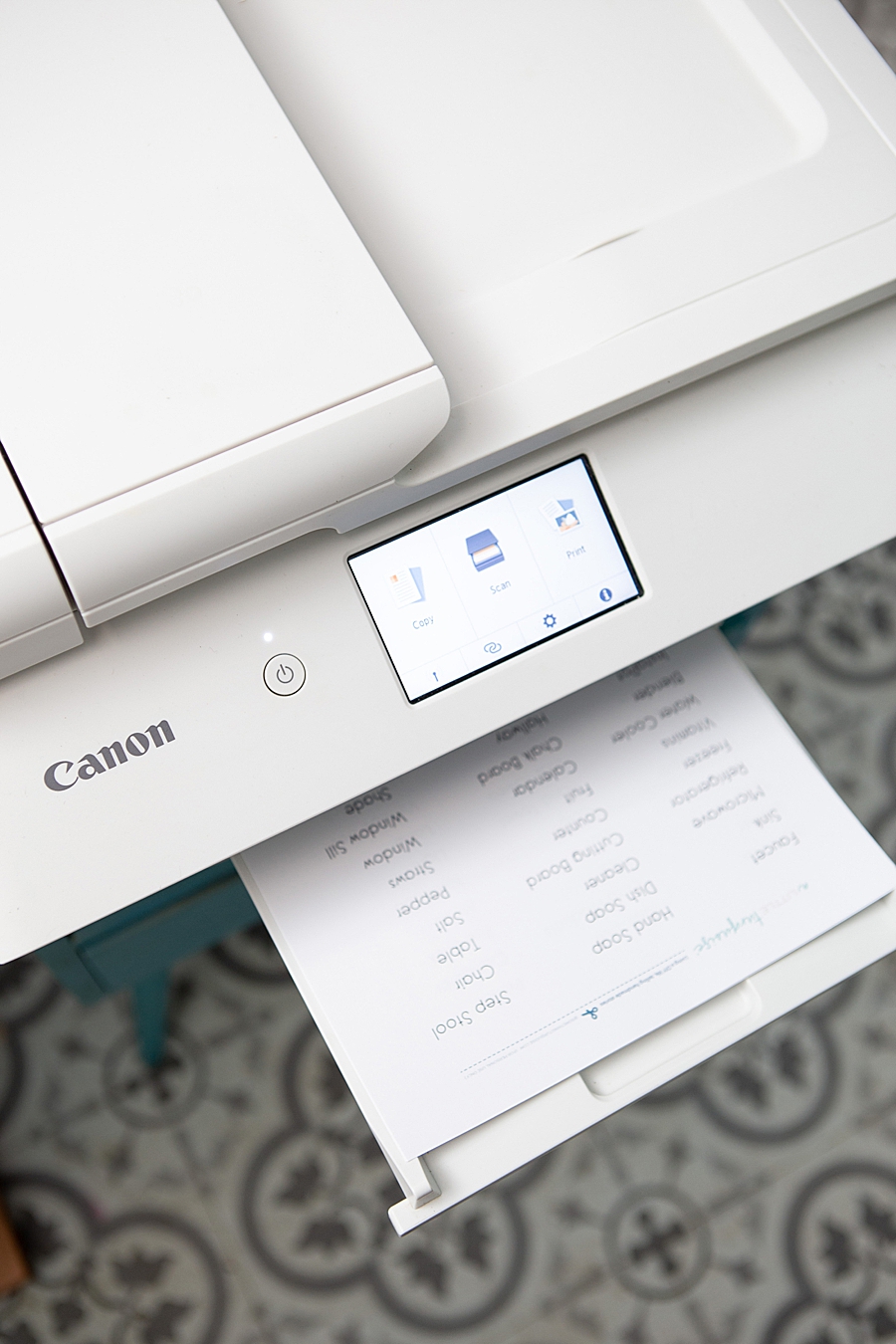
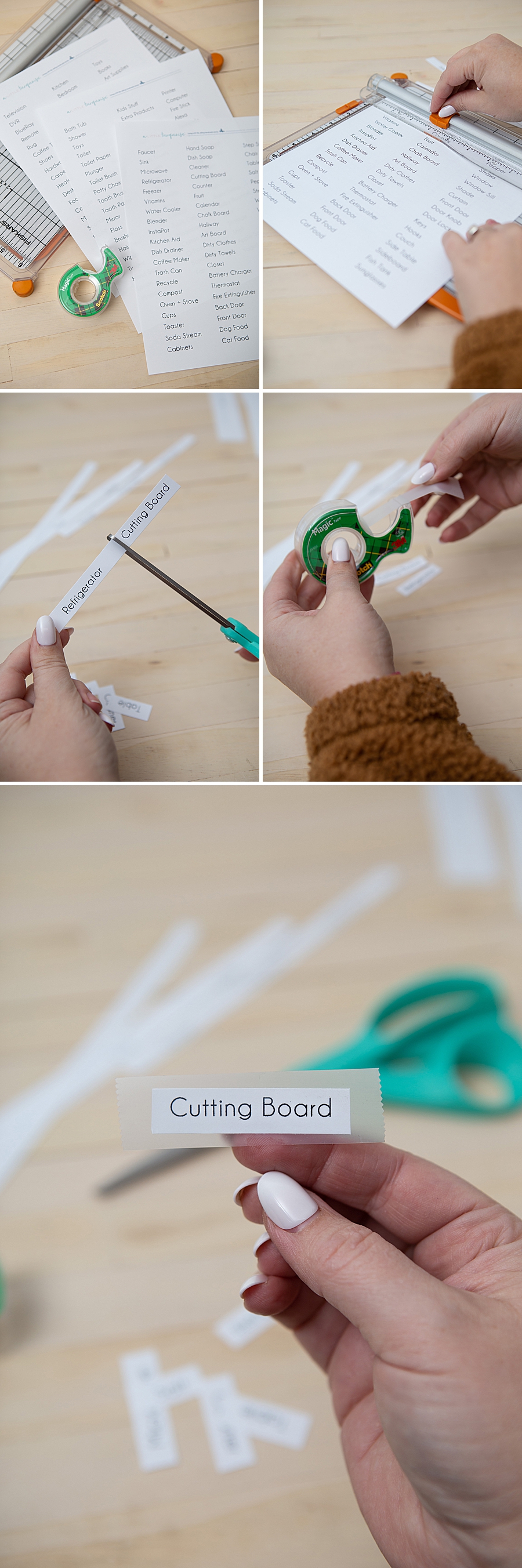
To mitigate this, the project utilizes the font "Champagne & Limousines," a sans-serif typeface characterized by its geometric simplicity and "single-story" letterforms. This choice ensures that the letters "a," "g," and "t" appear in their most basic shapes, aligning with the handwriting models typically used in early elementary education. The project consists of a three-page printable document containing 180 words, printed on standard 8.5 x 11-inch paper. The technical execution involves a "Print, Trim, and Tape" workflow, emphasizing accessibility for parents who may not have specialized crafting equipment, though the use of high-quality printers like the Canon TS9521C is noted for optimal legibility.
Implementation Chronology: A Four-Day Methodology
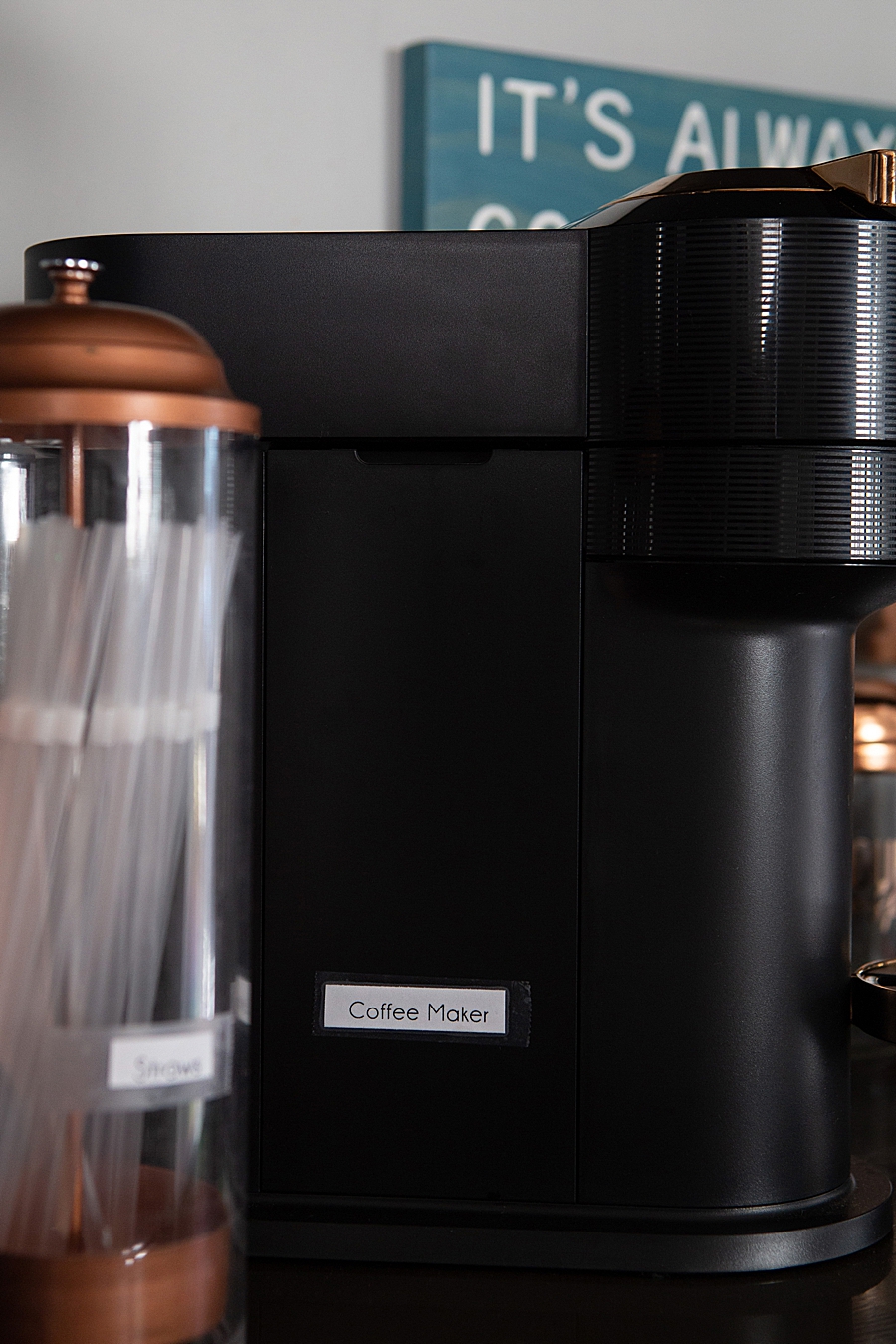
The adoption of this labeling system is described as a multi-day collaborative process between caregivers and children. This timeline is essential for ensuring that the child feels a sense of agency and participation in the transformation of their environment.
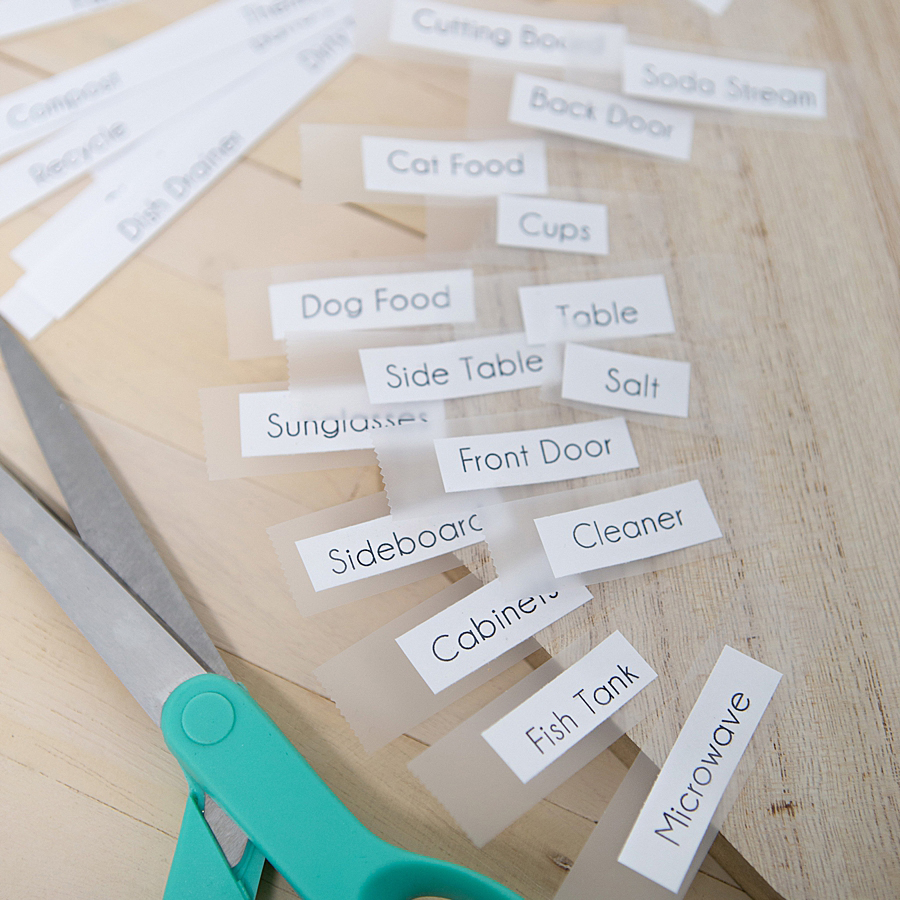
- Phase One: Selection and Production: The process begins with the printing of the 180-word list. Parents are encouraged to review the list and select the terms that correspond to their specific household inventory. This stage involves the physical trimming of the labels into individual strips.
- Phase Two: Categorization: Words are sorted based on the rooms in which they will be placed. This provides an opportunity for children to practice categorization skills, grouping "kitchen" words separately from "bedroom" or "bathroom" words.
- Phase Three: Interactive Installation: Over the course of approximately four days, the labels are affixed to their respective objects. The Something Turquoise report indicates that involving the children in the placement of the "stickers" (using tape as an adhesive) increases engagement and reinforces the connection between the word and the object.
- Phase Four: Active Reinforcement: Once the labels are installed, the home becomes a living textbook. Caregivers are encouraged to engage in "environmental tours," where they walk through the house with the child, reading the labels aloud and encouraging the child to identify words independently during their daily routines.
Supporting Data: The Impact of Literacy-Rich Environments
The necessity for such DIY interventions is supported by data regarding early childhood development and the "literacy gap." Research from the National Institute of Child Health and Human Development (NICHD) has consistently shown that children raised in "print-rich environments" demonstrate higher levels of reading readiness upon entering kindergarten. A print-rich environment is defined as one where children see adults reading and writing, and where they have access to various forms of printed text.
Furthermore, statistics from the American Academy of Pediatrics (AAP) suggest that early exposure to literacy-building activities is a strong predictor of later academic success. In the United States, approximately 37% of children arrive at kindergarten without the skills necessary to begin learning to read. Initiatives that provide free, easily implementable tools for parents—such as the 180-word household list—serve as a low-cost, high-impact solution to this systemic issue. By removing the financial barriers to educational materials, these projects empower families to take a proactive role in their child’s cognitive development.
Professional Analysis of Aesthetic vs. Functional Design
A notable aspect of the Something Turquoise initiative is its candid rejection of "aesthetic-first" design. In a digital landscape dominated by "Pinterest-perfect" home decor, the project openly acknowledges that affixing hundreds of paper labels to furniture may not be visually appealing. However, the report argues that the functional utility of the system far outweighs its aesthetic drawbacks.
From a sociological perspective, this represents a shift toward "functional parenting," where the home environment is prioritized as a tool for development rather than a curated showroom. The reaction from visitors and guests, as noted in the project overview, has been overwhelmingly positive, suggesting a growing social acceptance of "educational clutter." The "priceless" nature of a child’s interaction with the text is presented as a superior value proposition to the visual integrity of the home’s interior design.
Expert Reactions and Broader Educational Implications
While the Something Turquoise project is a grassroots DIY effort, it aligns with established educational theories such as the "Whole Language" approach and "Constructivism." Educational consultants often advocate for the "labeling of the environment" in classrooms for English Language Learners (ELL) and students with special needs, as it provides constant, non-threatening reinforcement of vocabulary.

Reading specialists note that this method is particularly effective because it contextualizes language. Instead of learning words in isolation on a flashcard, the child learns the word "door" while physically touching a door. This multi-sensory experience—combining visual, tactile, and auditory input—enhances memory retention.
The broader implications of this project extend to the "home-schooling" movement and the "after-schooling" trend, where parents supplement traditional education with at-home activities. As the cost of educational software and tutoring services continues to rise, the demand for high-quality, free digital downloads is expected to increase. The Something Turquoise model demonstrates how lifestyle influencers can pivot toward educational advocacy by providing practical, evidence-based resources to their audiences.
Conclusion: The Longevity of Domestic Literacy Hubs
The 180-word household labeling project represents a pragmatic intersection of DIY culture and early childhood pedagogy. By providing a structured, easy-to-implement system, it addresses the critical need for literacy-rich domestic environments. While the physical labels are temporary—destined to be removed once the child achieves reading proficiency—the cognitive foundations they help build are permanent.
As families continue to navigate the challenges of early education in a post-pandemic world, tools that facilitate "learning through living" will remain essential. The Something Turquoise initiative serves as a blueprint for how simple materials—paper, ink, and tape—can be harnessed to produce significant educational outcomes, proving that the most effective learning tools are often those that integrate seamlessly into the fabric of daily life. The project encourages a communal sharing of these experiences through social media platforms like Instagram, using hashtags such as #somethingturquoisediy to foster a community of practice among parents dedicated to early literacy. Through these efforts, the domestic sphere is redefined not just as a place of residence, but as a primary site of intellectual growth and discovery.