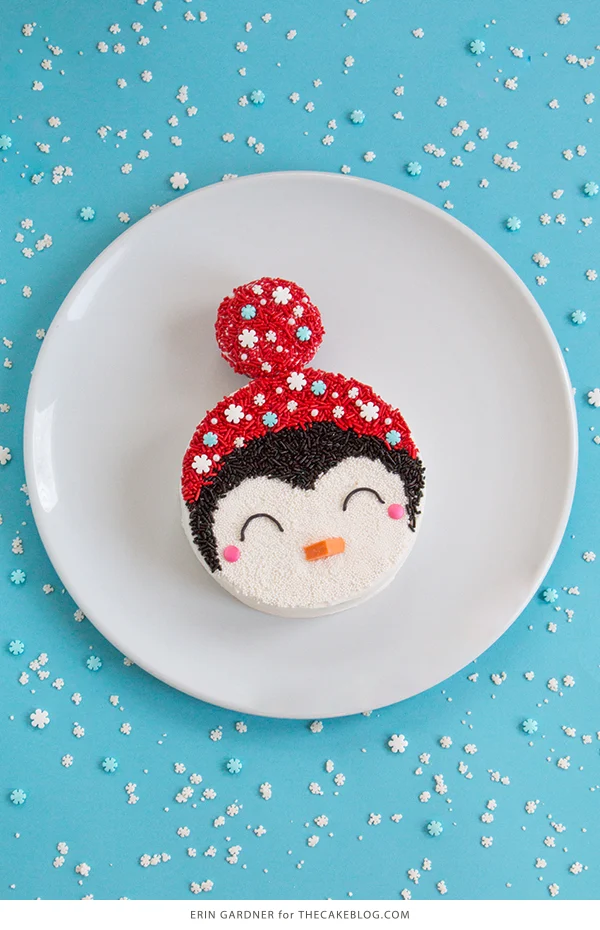

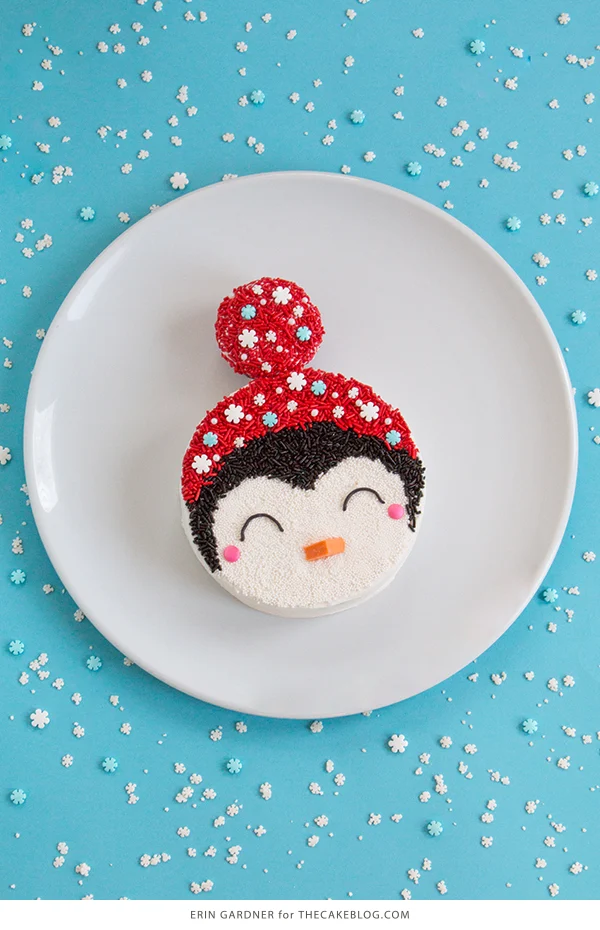
The winter baking season has reached a new peak of creativity with the release of a specialized tutorial for a sprinkle-coated penguin cake, a design that merges high-aesthetic appeal with accessible home-baking techniques. Authored by noted culinary contributor Erin Gardner for the industry-leading platform The Cake Blog, the tutorial introduces a whimsical yet structured approach to character-themed confectionery. This latest addition to Gardner’s portfolio serves as a stylistic successor to her previously celebrated "Sprinkle Girl" cake series, further expanding a design language that utilizes nonpareils and candy shapes to create intricate, textured portraits on a buttercream canvas.
As the home baking market continues to see robust growth—a trend that accelerated significantly over the last three years—tutorials that offer professional-grade results without requiring advanced sculpting skills have become highly sought after. The penguin cake addresses this demand by utilizing common pantry items and standard decorating tools to achieve a result that is both visually striking and structurally sound for small-scale winter celebrations and seasonal birthdays.
Evolution of the Sprinkle Art Technique
The conceptual framework for the penguin cake is rooted in Gardner’s established "sprinkle universe," a design philosophy that treats various types of sugar sprinkles as a medium for "painting" on cake surfaces. This method represents a shift away from traditional fondant-heavy decorating, which can often be intimidating for novice bakers and less palatable for consumers. By using nonpareils—tiny, spherical sugar pearls—decorators can create a dense, velvet-like texture that mimics the appearance of fabric or, in this case, the sleek plumage of a penguin.
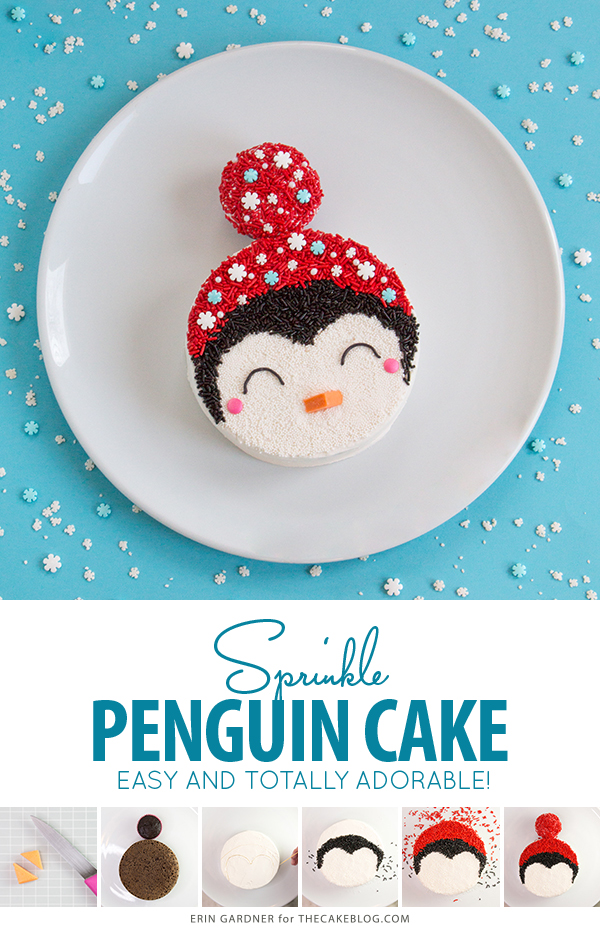
The lineage of this specific design can be traced back to the "Sprinkle Girl" cakes, which utilized similar methods to create stylized human faces. The adaptation of this technique for animal characters highlights the versatility of the medium. According to industry analysts, the "kawaii" or "adorable" aesthetic in baking has seen a 25% increase in social media engagement over the past twenty-four months, suggesting that the penguin cake’s visual appeal is strategically aligned with current consumer preferences for charming, character-driven desserts.
Technical Chronology and Methodology
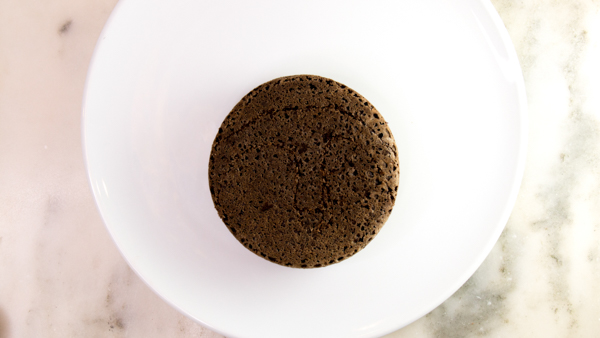
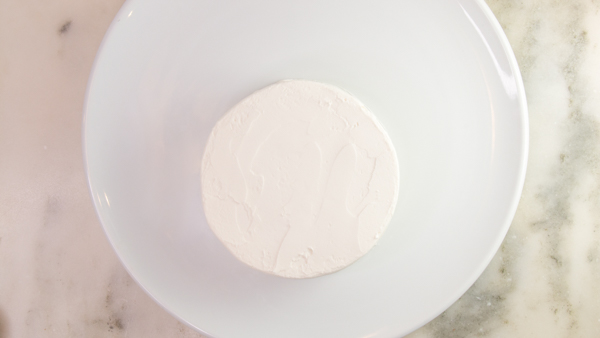
The production of the penguin cake follows a specific technical chronology designed to ensure the integrity of the design and the freshness of the final product. The process begins with the "prep" phase, where the cake is encased in a thick layer of plain buttercream. Unlike traditional smooth-iced cakes, the requirement for a flawless finish is waived, as the subsequent sprinkle application serves to mask any underlying imperfections. This makes the project particularly viable for those still mastering their offset spatula techniques.
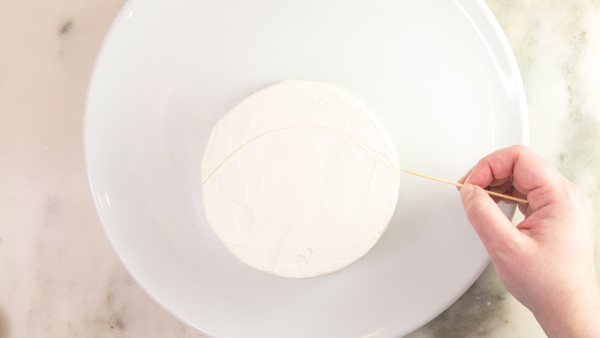
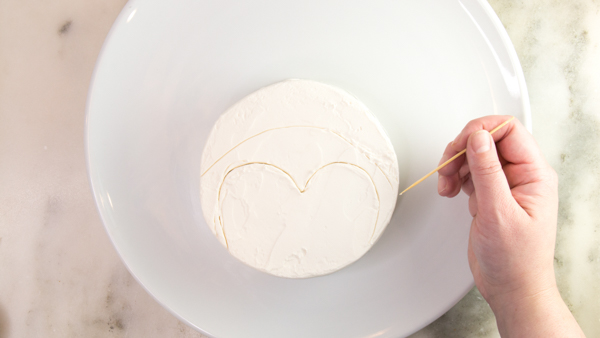
Once the base layer is established, the decorator uses a toothpick or skewer to etch the blueprint of the design directly into the frosting. This stage involves drawing a half-moon shape across the top of the cake to delineate the "hat" area and an open-bottom heart shape to define the penguin’s face. This "mapping" phase is critical, as it provides the boundaries for the color-blocked sprinkle application.
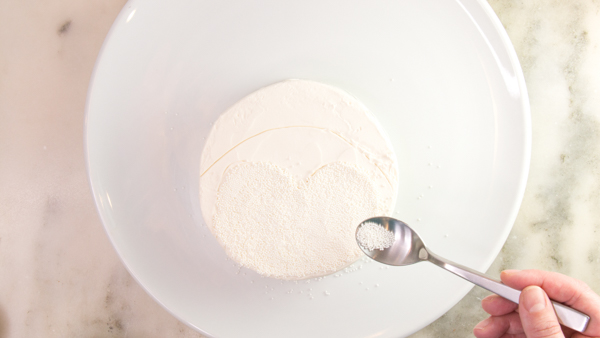
The application of the sprinkles follows a "center-out" logic. Gardner recommends starting with the largest area—the white face—using a spoon to distribute white nonpareils and the back of the spoon to compress them into the buttercream. This is followed by the application of black sprinkles for the "skin" or outer body and red sprinkles for the hat. The use of a baking sheet to catch excess sprinkles is noted as a necessary logistical step to manage the inherent mess of the process.
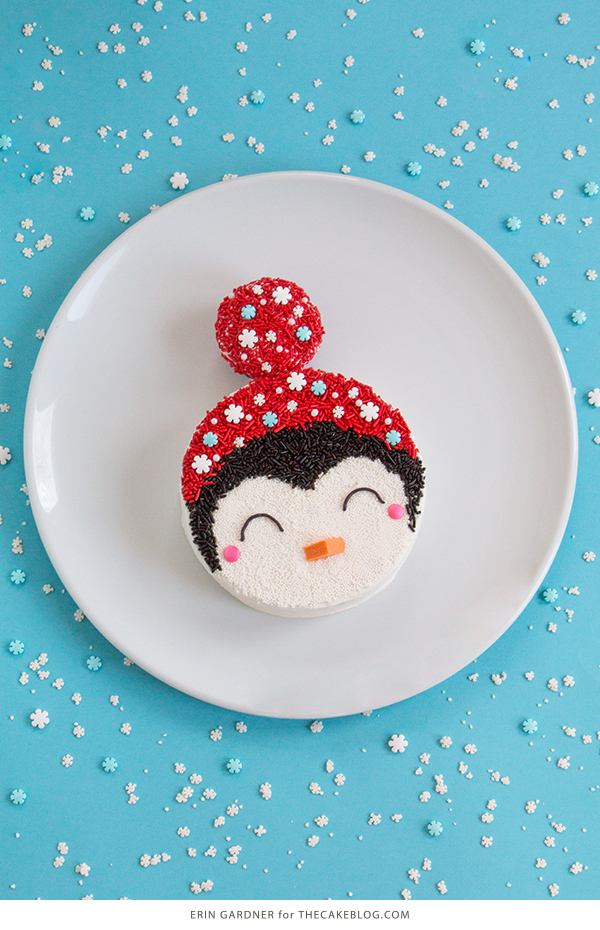
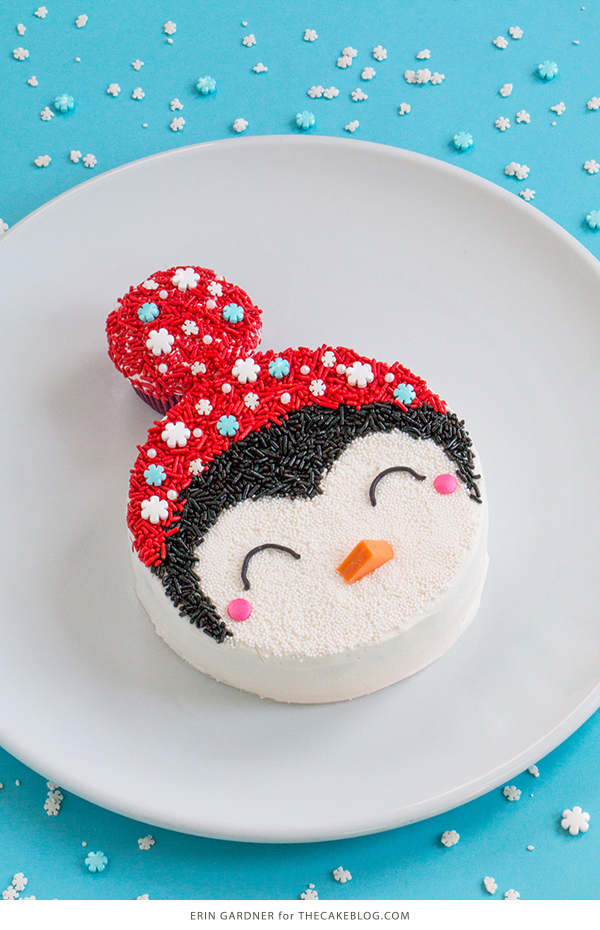
The final decorative flourishes involve a mixture of confectionery and candy-based elements. A Starburst fruit chew, sliced diagonally, provides the triangular beak, while pink confetti sprinkles serve as the cheeks. The eyes are piped using black buttercream and a small round tip, and the "pom-pom" of the hat is cleverly constructed from a coated cupcake adhered to the cake board.
Supporting Data and Market Context
The release of this tutorial coincides with a broader trend in the $13 billion global cake decorating market, where there is an increasing emphasis on "micro-celebrations." Market research indicates that since 2020, there has been a 40% rise in the demand for smaller, 6-inch or 8-inch cakes that do not compromise on artistic detail. The penguin cake, designed for small holiday gatherings, fits perfectly into this niche.
Furthermore, the choice of materials reflects current supply chain and consumer behavior patterns. Nonpareils and standard buttercream ingredients are widely available and cost-effective compared to specialized modeling chocolates or imported fondants. This accessibility is a key driver in the viral potential of Gardner’s tutorials, as it lowers the barrier to entry for hobbyists looking to replicate professional designs at home.
Maintenance and Structural Integrity
From a professional pastry perspective, the tutorial includes essential advice regarding the hygroscopic nature of sugar sprinkles. Sprinkles are known to soften and "bleed" color when exposed to the high-moisture environment of a refrigerator for extended periods. Consequently, the tutorial advises that the decorative coating be applied on the day of service to maintain the textural contrast and color vibrancy.
The choice of buttercream also dictates the storage requirements. While American buttercream—high in sugar and butter—is stable at room temperature for short periods, meringue-based butters (Swiss or Italian) may require more careful temperature management. These technical nuances are vital for ensuring that the "adorable" penguin remains intact from the kitchen to the serving table.
Professional and Community Response
While official statements from major culinary institutions are rare for individual blog tutorials, the "sprinkle art" movement has received quiet acclaim from professional pastry chefs for its ability to democratize cake design. Inferred reactions from the online baking community suggest a high level of enthusiasm for Gardner’s work, with many citing the "customizability" of the penguin—such as adding chocolate sunglasses or striped hats—as a primary draw.
The ability to adapt a single template into multiple variations is a hallmark of successful digital content in the culinary space. By providing a base design that can be modified for different skill levels and aesthetic preferences, Gardner ensures the longevity of the tutorial beyond a single holiday season.
Broader Impact and Implications
The implications of the penguin cake tutorial extend beyond the immediate joy of a winter dessert. It represents a broader shift in how culinary knowledge is disseminated and consumed in the digital age. The use of video tutorials combined with high-resolution photography and step-by-step written instructions creates a multi-modal learning experience that is becoming the standard for the industry.
Furthermore, the success of such designs reinforces the importance of "brand voice" in the baking world. Erin Gardner’s ability to create a "sprinkle universe" gives her work a recognizable signature, which is essential in a crowded marketplace of digital creators. This branding strategy not only drives traffic to The Cake Blog but also influences the types of products—such as specific sprinkle blends and decorating tools—that consumers choose to purchase.
As the winter season progresses, the penguin cake is expected to be a frequent sight on social media platforms, serving as a testament to the enduring appeal of character-themed baking. It stands as a successful case study in how simple materials, when applied with thoughtful technique and a clear creative vision, can result in a product that resonates with a wide audience.
In conclusion, the sprinkle-coated penguin cake is more than a seasonal recipe; it is a sophisticated intersection of market trends, accessible technology, and artistic expression. By breaking down complex visual designs into manageable steps, Gardner and The Cake Blog continue to empower a new generation of home bakers to explore the boundaries of their creativity, one sprinkle at a time. The tutorial remains a definitive guide for those looking to add a touch of professional-grade "adorability" to their winter festivities, ensuring that the spirit of the "sprinkle universe" continues to thrive in kitchens around the world.