

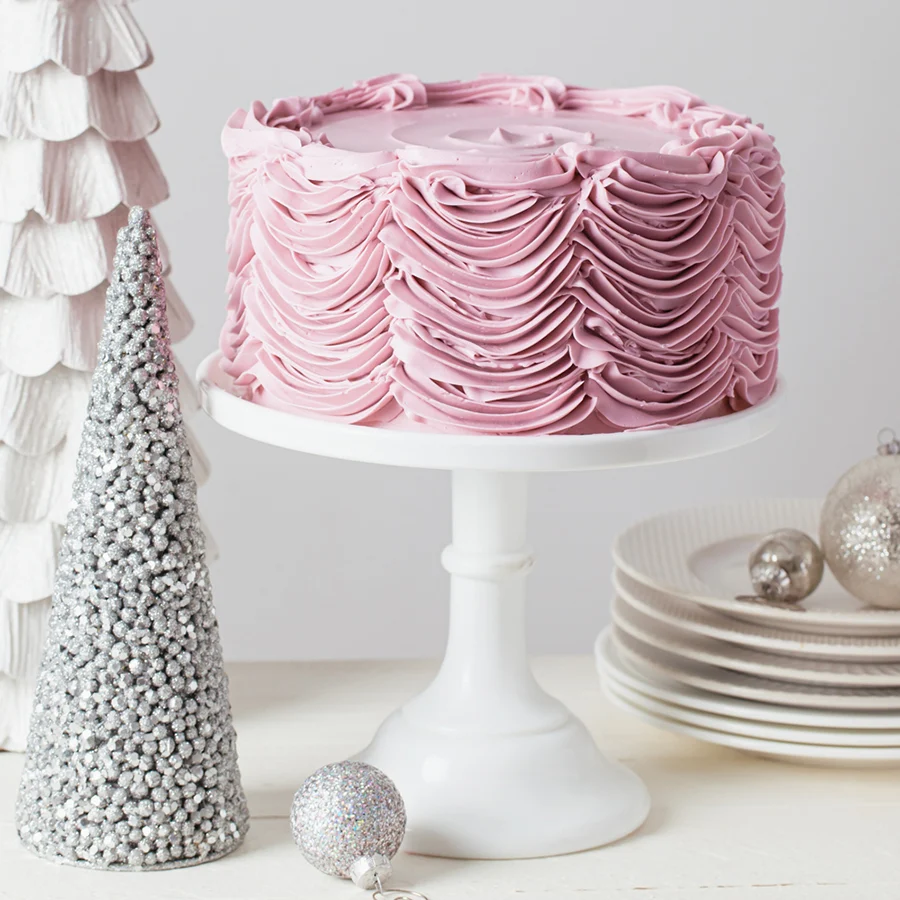
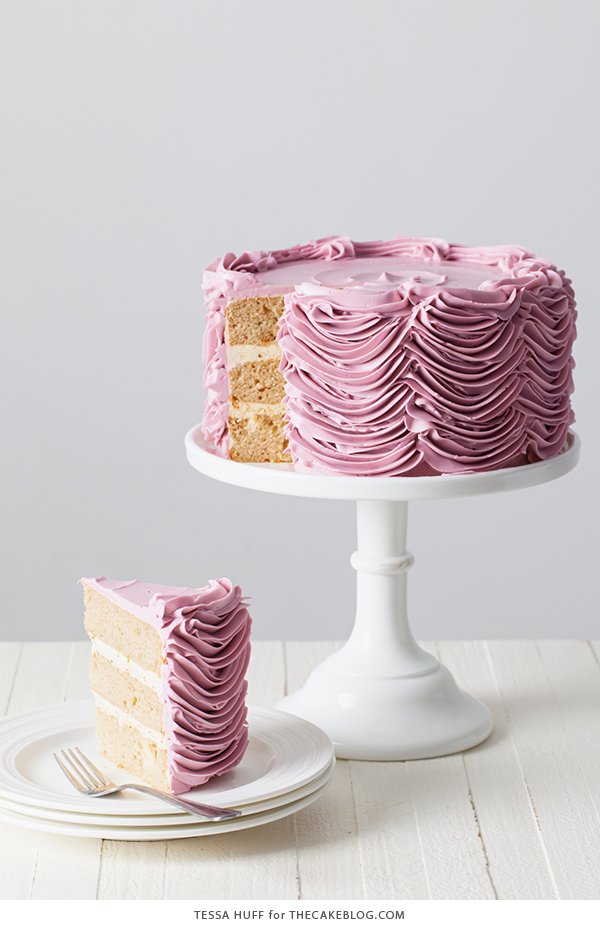
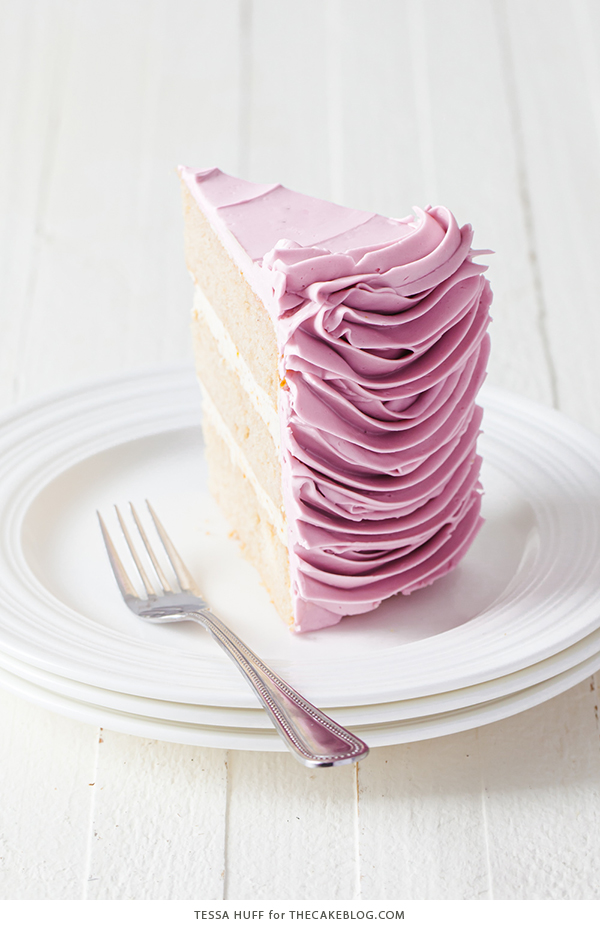
The culinary landscape of the holiday season has been further enriched by the introduction of a sophisticated dessert profile that bridges the gap between classical performing arts and contemporary pastry design. Developed by renowned cake designer and contributor Tessa Huff, the Hazelnut Nutcracker Cake represents a strategic fusion of seasonal spice palettes and advanced confectionery techniques. The recipe, which has gained significant traction within the professional baking community, utilizes a brown sugar and nutmeg sponge base, complemented by a hazelnut praline Swiss meringue buttercream and intricate swag piping. This release coincides with a period of heightened consumer interest in artisanal home baking, a sector that has seen consistent growth as enthusiasts seek to replicate professional-grade aesthetics in domestic kitchens.

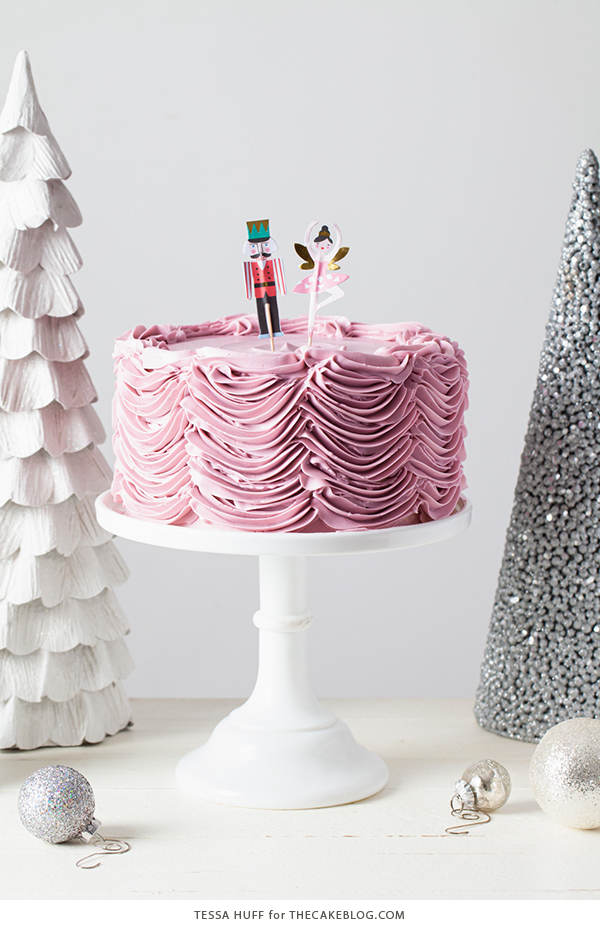
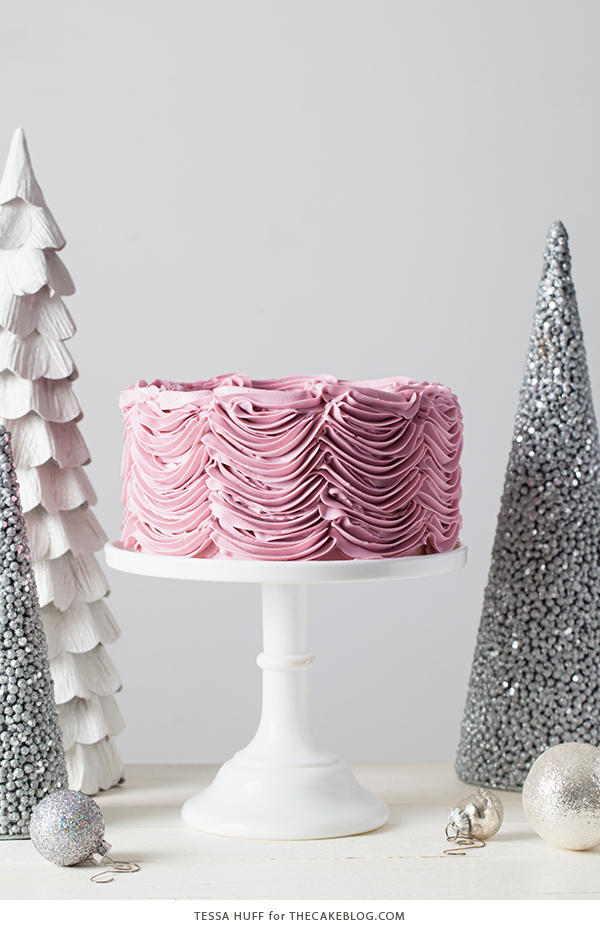
The architecture of the cake is purposefully designed to evoke the aesthetic traditions of the 19th-century ballet, specifically Pyotr Ilyich Tchaikovsky’s "The Nutcracker." By substituting the traditional, yet seasonally scarce, plum flavor with roasted hazelnuts and warm spices, the creator has established a flavor profile that aligns with modern winter culinary trends while maintaining a thematic connection to the source material. The cake serves as a case study in how thematic inspiration can be translated into technical execution, featuring a visual design that mimics the ruffles of a tutu through specialized buttercream applications.
Technical Specifications and Flavor Profile Development
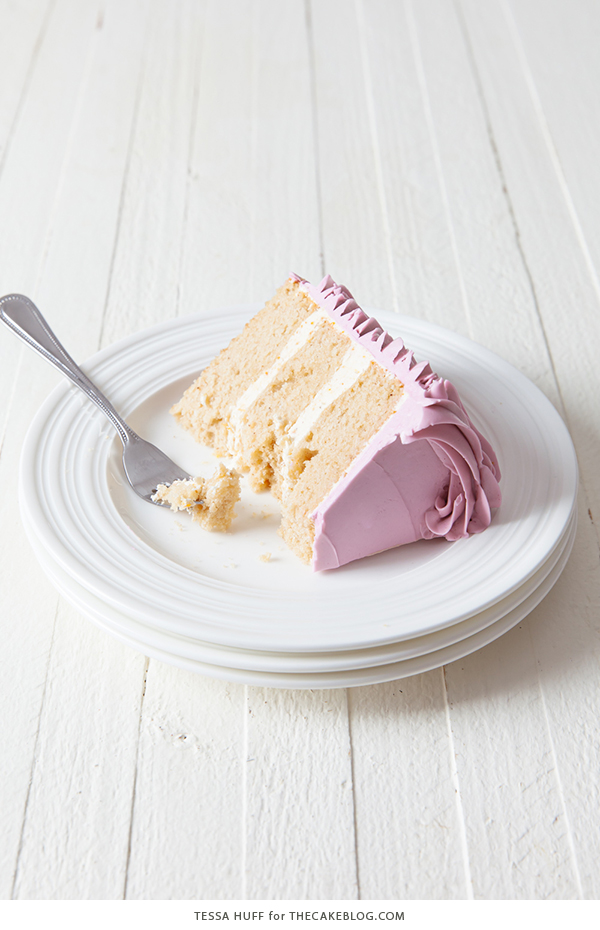
The Hazelnut Nutcracker Cake is built upon a foundation of brown sugar and fresh nutmeg. In professional pastry applications, the use of brown sugar over refined white sugar serves a dual purpose: it introduces molasses, which provides a deeper, more complex sweetness, and it acts as a humectant, ensuring the sponge remains moist over a longer period. The inclusion of fresh nutmeg and cinnamon provides the olfactory profile associated with traditional holiday gatherings, a factor that market analysts identify as a key driver in seasonal food consumption.
A critical component of the recipe is the hazelnut praline. The process involves creating a candied hazelnut brittle which is then pulverized into a fine powder. This technique allows for the infusion of intense nutty flavors without compromising the structural integrity of the buttercream. The choice of Swiss meringue buttercream (SMB) as the medium for this praline is significant. Unlike American buttercream, which relies on powdered sugar for stability, SMB is an emulsion of cooked egg whites, sugar, and butter. This results in a silky texture that is less cloying and provides a superior canvas for the "sugared plum" purple tint used in the final decoration.
Historical and Cultural Context of The Nutcracker Theme
The Nutcracker ballet, which premiered in 1892 at the Imperial Mariinsky Theatre in Saint Petersburg, has become an indelible part of the global Christmas tradition. The transition of this artistic work from the stage to the dining table is a phenomenon rooted in the "Land of Sweets" sequence of the performance. Tessa Huff’s cake specifically draws from the "Waltz of the Flowers" and the "Sugar Plum Fairy" segments, utilizing visual cues to establish a narrative.
Historically, hazelnuts—also known as filberts—have been a staple of European winter festivals. Their inclusion in this recipe pays homage to the Germanic origins of the Nutcracker story, originally written by E.T.A. Hoffmann. By combining these historical elements with modern piping styles, the recipe offers a bridge between late 19th-century romanticism and 21st-century culinary minimalism.
Market Trends and the Rise of the "Prosumer" Baker
The release of complex recipes like the Hazelnut Nutcracker Cake reflects a broader shift in the global baking industry. Data from the "Global Baking Ingredients Market" reports indicate a 5.4% compound annual growth rate (CAGR) in the demand for specialty nuts and premium spices. Furthermore, the "prosumer" movement—consumers who purchase professional-grade equipment and ingredients—has transformed the digital landscape of food media.
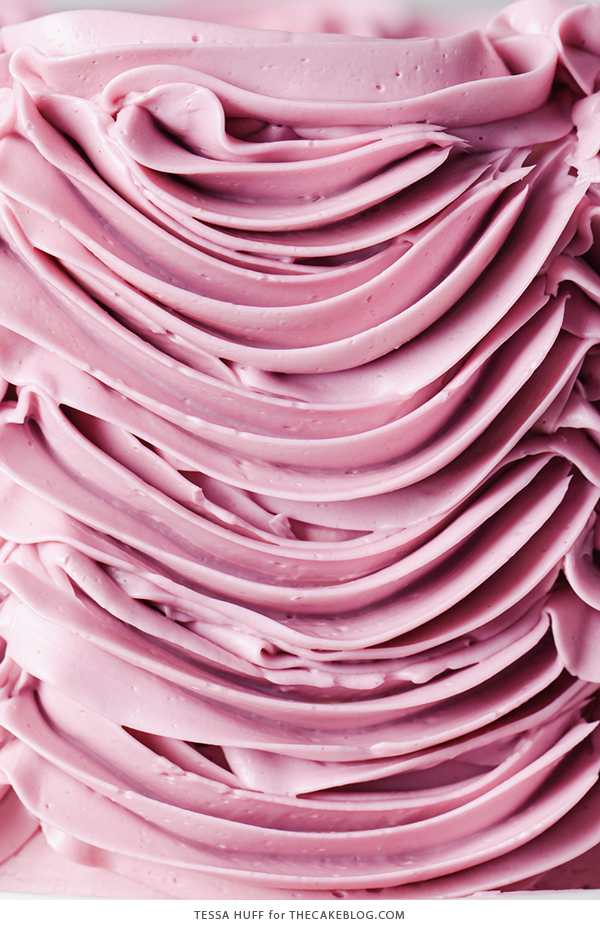
Industry analysts note that recipes requiring multi-stage processes (such as making a praline from scratch before incorporating it into a meringue) are no longer reserved for commercial bakeries. The accessibility of high-quality instructional content has empowered home bakers to attempt "swag buttercream piping," a technique that requires precise pressure control and a steady hand. This specific piping style, which mimics fabric drapery, has seen a resurgence on social media platforms, often categorized under "vintage" or "maximalist" cake trends.
Chronology of Recipe Development and Publication
The development of the Hazelnut Nutcracker Cake followed a structured timeline typical of professional recipe testing:
- Conceptualization (Late Autumn): The project began with the identification of a holiday theme that avoided the oversaturated peppermint and gingerbread markets. The Nutcracker was selected for its timeless appeal and aesthetic versatility.
- Flavor Testing (Early November): Initial trials focused on the balance of nutmeg and hazelnut. The decision to use a praline powder rather than a paste was made to maintain the "silky" mouthfeel of the Swiss meringue buttercream.
- Aesthetic Design (Mid-November): The "swag" piping technique was refined to ensure it could be replicated by intermediate bakers. The color palette was narrowed down to a specific shade of "sugared plum" purple to maintain thematic consistency.
- Publication and Distribution (December): The recipe was officially released through The Cake Blog, a platform known for hosting high-level confectionery content.
Supporting Data: The Economics of Holiday Baking
The impact of such recipes extends into the retail sector. According to consumer spending reports, the period between Thanksgiving and New Year’s Day accounts for nearly 25% of annual nut sales in North America. Hazelnuts, specifically, have seen an increase in popularity due to their perceived health benefits and their association with premium chocolate and praline products.
Furthermore, the "home baking effect" continues to influence grocery supply chains. During the month of December, there is a documented 40% increase in the sale of unsalted butter and a 30% increase in the sale of specialty extracts and whole spices. The Hazelnut Nutcracker Cake, with its emphasis on fresh nutmeg and high-quality butter for the Swiss meringue, exemplifies the type of luxury-tier domestic project that drives these seasonal spikes.
Community and Professional Response
The response from the baking community has been characterized by an appreciation for the recipe’s technical depth. Professional pastry chefs have noted that the use of a praline powder is an effective way to introduce texture without the grittiness often found in nut-based frostings.
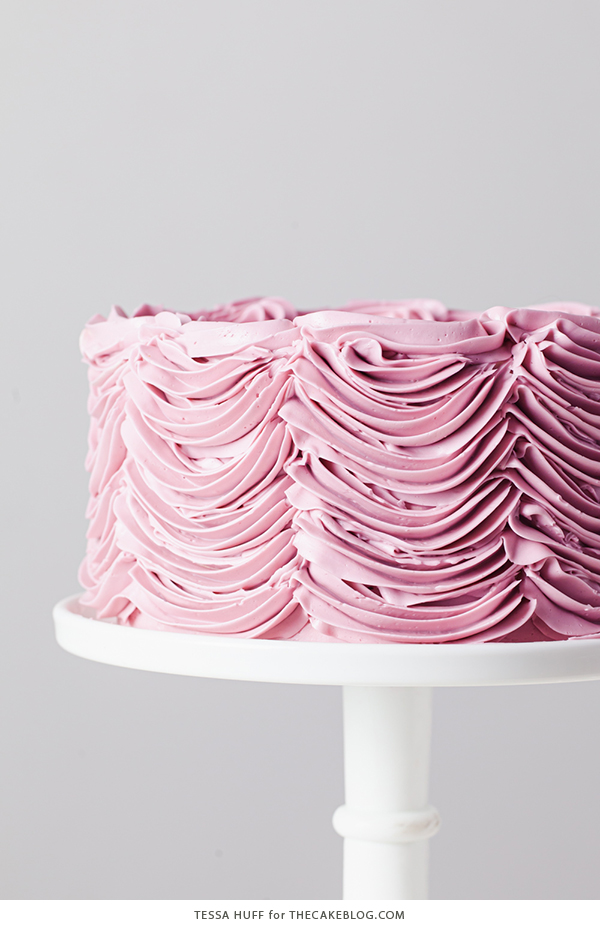
Inferred commentary from digital platforms suggests that the "swag" piping is the most discussed visual element. While traditionally associated with wedding cakes from the mid-20th century, its application here in a monochromatic purple has been praised for its "modern-vintage" appeal. Experts in food styling suggest that the cake’s height and the verticality of the ruffles make it an ideal centerpiece for holiday tablescapes, aligning with the "edible art" movement.
Broader Implications and Future Outlook
The success of the Hazelnut Nutcracker Cake points toward a future where seasonal recipes are expected to offer more than just flavor; they must offer an "experience" and a "narrative." As home bakers become more skilled, the demand for recipes that challenge their technical abilities—such as making candy brittle or mastering meringue stability—is expected to rise.
This trend also suggests a move away from hyper-realistic fondant-based cakes toward buttercream-focused designs that prioritize taste and texture. The Hazelnut Nutcracker Cake stands as a testament to the enduring power of classical themes when reimagined through the lens of modern culinary science. It reinforces the idea that holiday traditions are not static but are constantly being reshaped by the creativity of contributors like Tessa Huff and the evolving preferences of a global audience.
In conclusion, the Hazelnut Nutcracker Cake is more than a seasonal dessert; it is a sophisticated intersection of history, art, and food science. By grounding a whimsical theme in rigorous technical execution and high-quality ingredients, it provides a blueprint for the next generation of holiday baking. As the industry moves forward, the integration of theatrical themes and professional-grade techniques will likely remain a cornerstone of the festive culinary experience.