
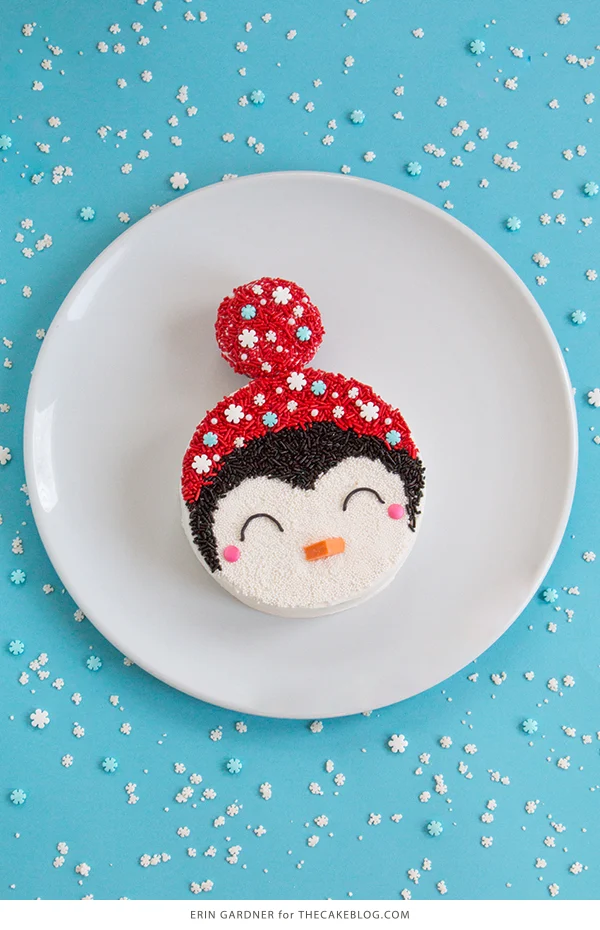
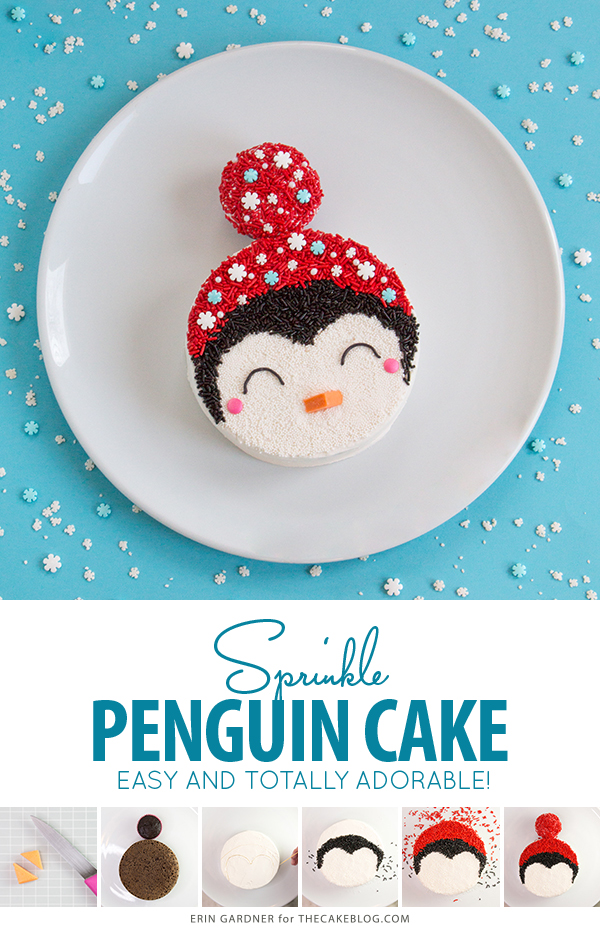
The intersection of culinary art and seasonal aesthetics has reached a new milestone with the release of a comprehensive decorating tutorial by renowned pastry contributor Erin Gardner. Hosted on the prominent digital platform The Cake Blog, the "Penguin Cake" tutorial introduces a sophisticated yet accessible method for home bakers and professional confectioners alike to produce a character-themed dessert characterized by a meticulous sprinkle-coated finish. This project, which Gardner describes as a continuation of her "sprinkle universe" series, provides a blueprint for a winter-themed centerpiece suitable for birthdays, holiday gatherings, and seasonal events. By utilizing common confectionery items such as nonpareils, buttercream, and fruit chews, the tutorial bridges the gap between high-end professional cake design and the practical capabilities of the domestic kitchen.
The Evolution of Character-Themed Confectionery
The Penguin Cake represents a significant evolution in the trend of character-themed desserts, which have seen a resurgence in popularity due to the visual-centric nature of social media platforms like Instagram and Pinterest. Unlike traditional sculpted cakes that often require expensive fondant or advanced carving skills, this design relies on the strategic application of textures and colors to create a three-dimensional effect on a standard cylindrical cake. The design philosophy behind the penguin is rooted in Gardner’s previous "sprinkle girl" cakes, a series that focuses on using dense layers of nonpareils to define features and clothing.
This methodology reflects a broader shift in the baking industry toward "accessible luxury." According to market research, the global cake decorating market has seen a 5.4% compound annual growth rate over the last five years, driven largely by the availability of online tutorials and the democratization of professional-grade tools. Gardner’s tutorial capitalizes on this trend by offering a design that is visually complex but technically manageable for those with basic piping and icing skills.
Technical Specifications and Procedural Chronology
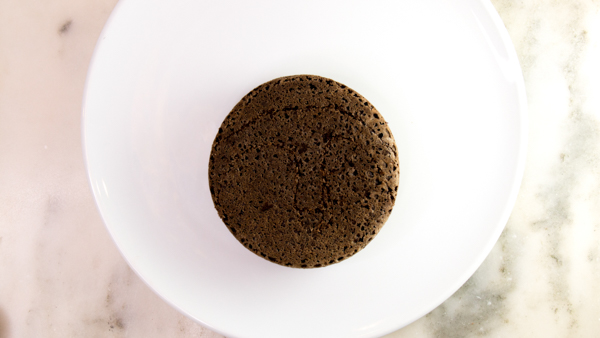
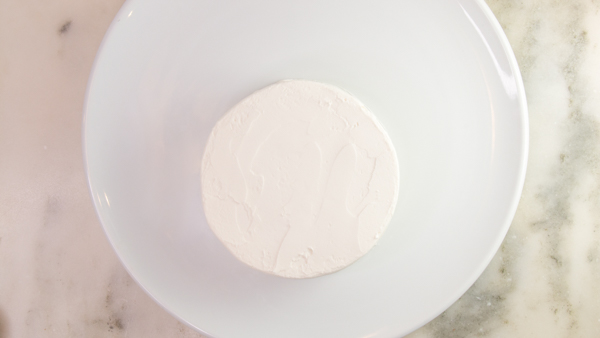
The construction of the Penguin Cake follows a rigorous chronological sequence designed to ensure structural integrity and aesthetic precision. The process begins with the preparation of a standard cake base, which must be coated in a generous, thick layer of plain buttercream. This serves as the "canvas" for the sprinkle application.
Phase I: Mapping and Outlining
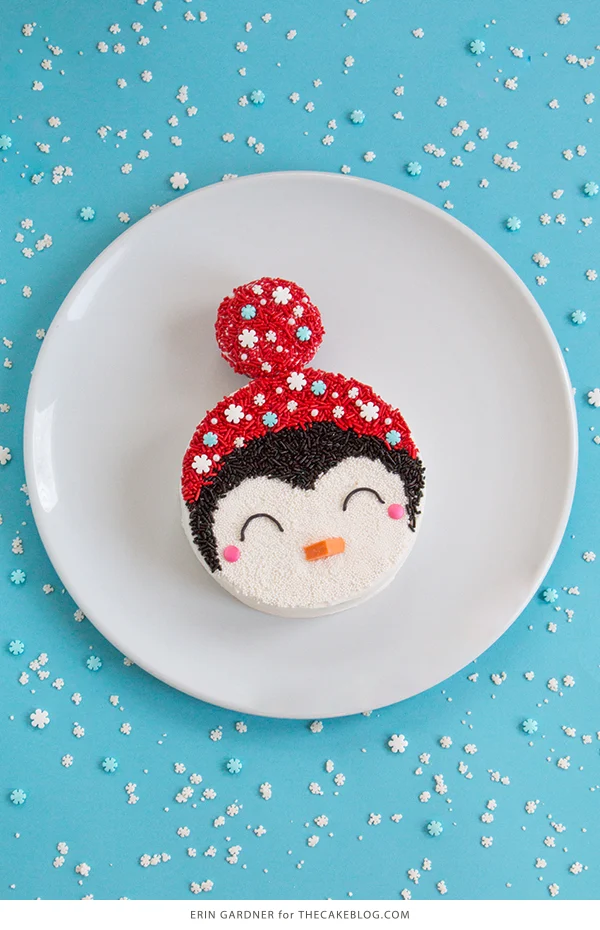
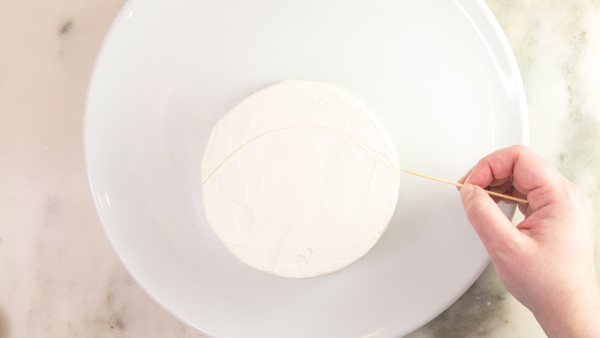
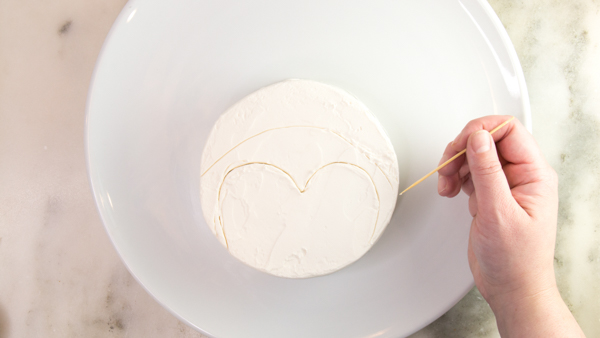
Before any decorative elements are applied, the baker must map out the penguin’s features. Using a toothpick or skewer, a half-moon shape is etched across the top of the cake to designate the area for the "winter hat." Below this, an open-bottom heart shape is drawn to define the penguin’s face. Technical experts note that this step is crucial; the depth of the etchings ensures that the different colors of sprinkles remain within their designated boundaries, preventing "color bleed" that could obscure the character’s features.
Phase II: The Systematic Application of Nonpareils
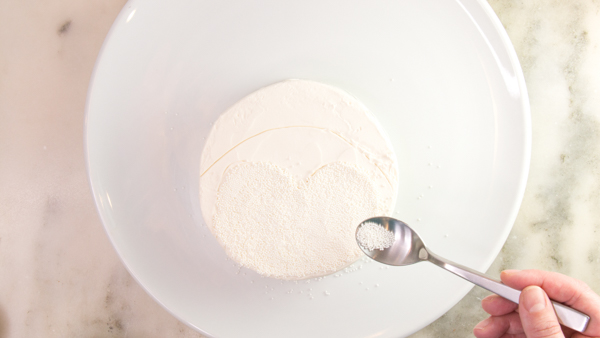
The application of sprinkles is the most labor-intensive portion of the project and requires a specific order of operations. Gardner recommends placing the cake on a baking sheet to capture excess runoff, a practical measure that reduces waste and facilitates cleanup.
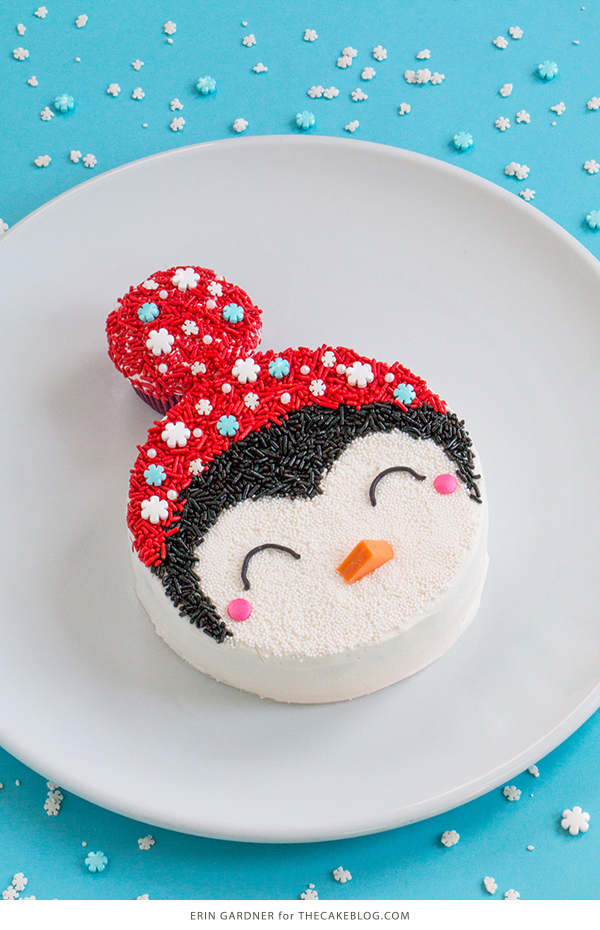
- The Facial Region: The process begins with white nonpareils, which are spooned into the heart-shaped facial area. The back of a spoon is used to smooth the surface, ensuring the sprinkles are embedded firmly into the buttercream.
- The Primary Body: Once the face is defined, black sprinkles are applied to the surrounding areas to represent the penguin’s skin. This "inside-out" approach allows the baker to refine the edges of the face before committing to the darker color.
- The Seasonal Headwear: The final major sprinkle application involves filling the top "half-moon" section with red sprinkles to create the base of the winter hat.
Phase III: Structural Additions and Detailing
To provide a three-dimensional element to the hat, a single cupcake is utilized as a "pom-pom." The cupcake is coated in buttercream, rolled in red sprinkles, and adhered to the top of the cake or the platter with a dab of icing. This use of multi-format baking—combining a standard cake with a cupcake—is a hallmark of modern creative confectionery.
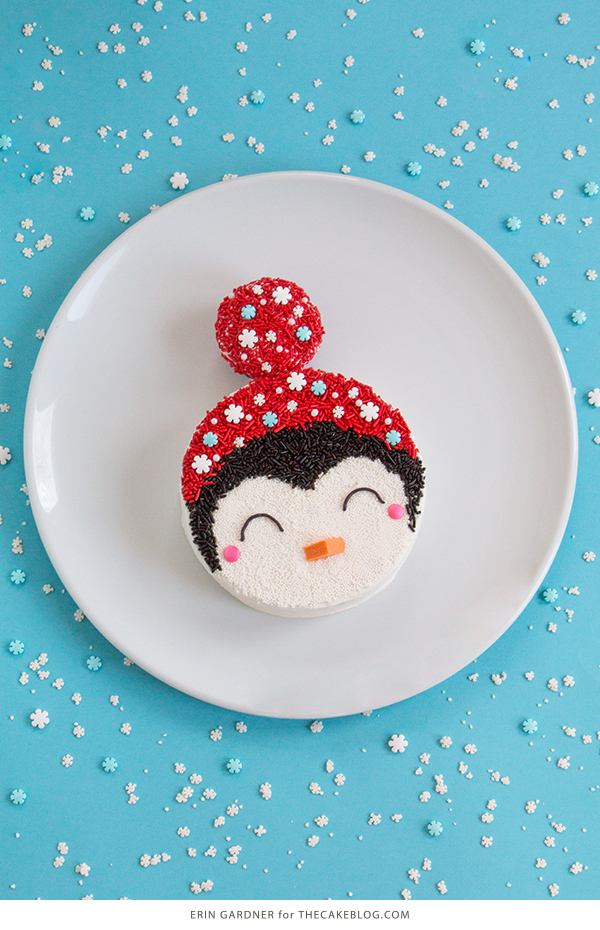
Final detailing involves the use of non-sprinkle elements to bring the character to life. A Starburst fruit chew is cut diagonally to create a triangular beak, providing a pop of orange that contrasts with the monochrome face. Pink confetti sprinkles serve as cheeks, and black buttercream is piped in semi-circles to create the eyes. The addition of snowflake-shaped sprinkles on the red hat serves as the final thematic touch.
Industry Context and Consumer Trends
The release of the Penguin Cake tutorial aligns with peak seasonal demand in the baking industry. Data from retail analytics firms suggest that interest in "winter baking" and "holiday desserts" begins to spike in late November, reaching its zenith in the third week of December. During this period, sales of specialty sprinkles and decorating kits increase by an estimated 40% compared to the annual average.
Furthermore, the tutorial addresses a growing consumer preference for buttercream-based cakes over fondant. While fondant provides a smooth, porcelain-like finish, modern consumers often cite a preference for the flavor profile of buttercream. The "sprinkle-coating" technique used in Gardner’s penguin design offers a clever solution to this preference; it hides any imperfections in the underlying icing—eliminating the need for the "perfect smooth" finish that many home bakers find intimidating—while providing a vibrant, textured aesthetic.
Expert Analysis of Artistic Implications
From a design perspective, the Penguin Cake is a study in color theory and texture. The high-contrast palette of black, white, and red is a classic winter combination that ensures the cake remains visually striking even from a distance. The use of nonpareils (tiny, round sugar pearls) creates a uniform, beaded texture that mimics the "fuzzy" appearance of a winter hat and the sleekness of a penguin’s coat.
Culinary analysts suggest that tutorials of this nature perform a vital role in the "creative economy" of the internet. By providing a clear, step-by-step framework, Gardner allows users to move from passive consumption of content to active creation. This transition is reinforced by the "customization" section of the tutorial, which encourages bakers to experiment with different hat colors, add chocolate sunglasses, or use different sprinkle shapes like stars or trees. This flexibility ensures that while the base design remains consistent, the final product can be tailored to the specific theme of the event.
Statements from the Confectionery Community
While formal "official responses" to a blog tutorial are rare, the reception within the online baking community has been overwhelmingly positive. Influencers in the cake-decorating space have noted that the Penguin Cake solves the common problem of "winter-themed" cakes being either too simple (a plain white cake with a few snowflakes) or too complex (full-body sculpted animals).
Inferred statements from the creator, Erin Gardner, suggest that the goal of the project was to create something that felt "precious" and "too adorable for words," but remained grounded in practical techniques. "I imagine they’re all hanging out together in some fabulous sprinkle universe," Gardner noted in the original release, highlighting the whimsical narrative that often accompanies her work. This narrative approach to baking—where the dessert is treated as a character with a story—is a significant factor in why these tutorials resonate so deeply with hobbyists.
Preservation and Technical Best Practices
A critical component of Gardner’s tutorial is the advice on storage and timing. Sprinkles, being primarily composed of sugar and food coloring, are hygroscopic, meaning they absorb moisture from their environment. If a sprinkle-coated cake is stored in a high-humidity refrigerator for an extended period, the colors can bleed and the sprinkles can soften.
Gardner recommends finishing the penguin on the day of service to ensure maximum visual impact and texture. For leftovers, the storage method depends heavily on the type of buttercream used. American buttercream, which has a high sugar content, can often sit at room temperature in an airtight container for a short period, whereas Swiss or Italian Meringue buttercreams require refrigeration. This technical nuance is essential for maintaining the "professional" look of the cake until the moment it is sliced.
Broader Impact on Home Entertaining
As home entertaining continues to evolve, the "centerpiece dessert" has taken on a role that is as much about entertainment as it is about food. The Penguin Cake serves as a conversation starter, a focal point for photography, and a shared experience for guests. In an era where digital experiences often dominate, the tactile and communal nature of baking and sharing a themed cake remains a powerful cultural touchstone.
The Penguin Cake tutorial by Erin Gardner stands as a testament to the creativity currently flourishing in the digital culinary space. By combining professional techniques with a playful, winter-ready aesthetic, the tutorial provides a comprehensive roadmap for anyone looking to elevate their holiday celebrations. As the baking industry continues to grow and diversify, projects like the sprinkle-coated penguin ensure that the art of the cake remains accessible, joyful, and infinitely customizable.