
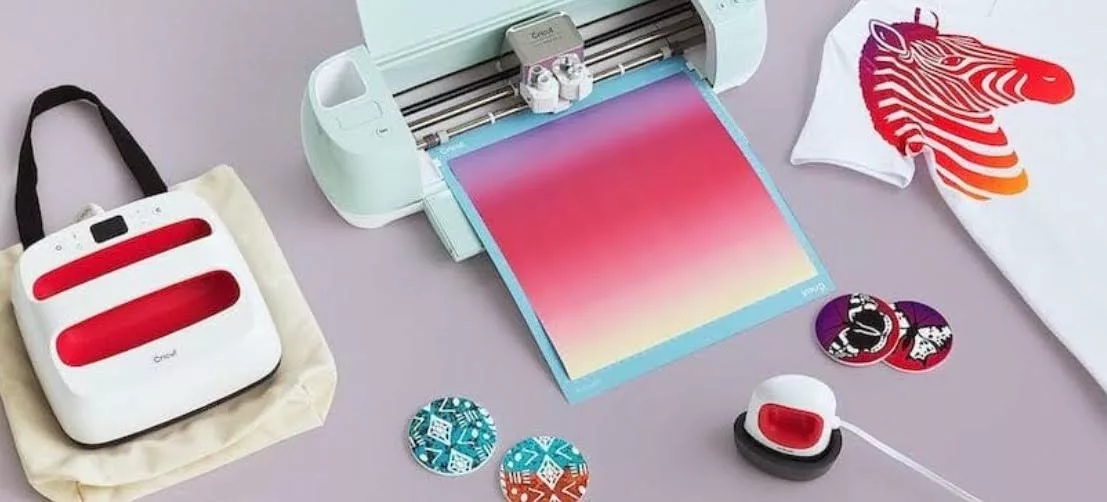
The evolution of home-based crafting has reached a significant milestone with the widespread adoption of sublimation technology, specifically through the introduction of the Cricut Infusible Ink system. This technology represents a departure from traditional heat-transfer methods, moving away from surface-level adhesives toward a molecular-level bond that integrates pigments directly into the substrate. For independent creators, small business owners, and hobbyists, this advancement facilitates the production of custom apparel, home decor, and giftware that mirrors the durability and finish of factory-manufactured goods. Unlike traditional iron-on or heat-transfer vinyl (HTV), which sits atop a material and is prone to eventual degradation, Infusible Ink ensures that designs remain vibrant, resistant to peeling, and immune to the cracking that often plagues secondary-layer applications.
The Science of Sublimation: Understanding the Infusible Ink Mechanism
At the core of the Cricut Infusible Ink system is a scientific process known as sublimation. In chemical terms, sublimation occurs when a substance transitions from a solid state directly into a gaseous state without passing through an intermediate liquid phase. When heat and pressure are applied to Infusible Ink products—whether they are pre-printed transfer sheets or freehand designs created with Infusible Ink pens—the ink turns into a gas.
This gas permeates the fibers of polyester fabrics or the specialized polymer coatings of "blank" items such as ceramic coasters and mugs. As the material cools, the gas reverts to a solid, becoming a permanent part of the item’s structure. The result is a seamless finish where the design is embedded within the material rather than layered on its surface. This "infusion" is what grants the finished product its professional aesthetic and exceptional longevity, as the design is as durable as the material itself.
Market Context and the Growth of Personalization Technology
The rise of systems like Infusible Ink coincides with a broader expansion in the global "personalized gifts" market, which was valued at approximately $26.3 billion in 2022 and is projected to reach over $47 billion by 2030. Industry analysts attribute this growth to the "Maker Movement," characterized by a consumer shift away from mass-produced items toward unique, bespoke products.
Cricut Inc., a leader in the creative technology space, has positioned itself as a central player in this shift by simplifying industrial-grade processes for the domestic environment. Prior to the release of Infusible Ink, sublimation required expensive wide-format printers, specialized ink tanks, and complex software. The Cricut ecosystem has effectively democratized this process, providing a streamlined workflow that integrates hardware (cutting machines and heat presses), software (Cricut Design Space), and proprietary materials.
Technical Requirements and Material Compatibility
Success with Infusible Ink is predicated on the use of compatible substrates, often referred to in the industry as "blanks." Because the sublimation process requires a molecular bond with polymers, the ink will not adhere effectively to 100% natural fibers like cotton or untreated wood. For fabric-based projects, a high polyester content—ideally 80% or higher—is required to achieve the vibrant color saturation for which the technology is known.
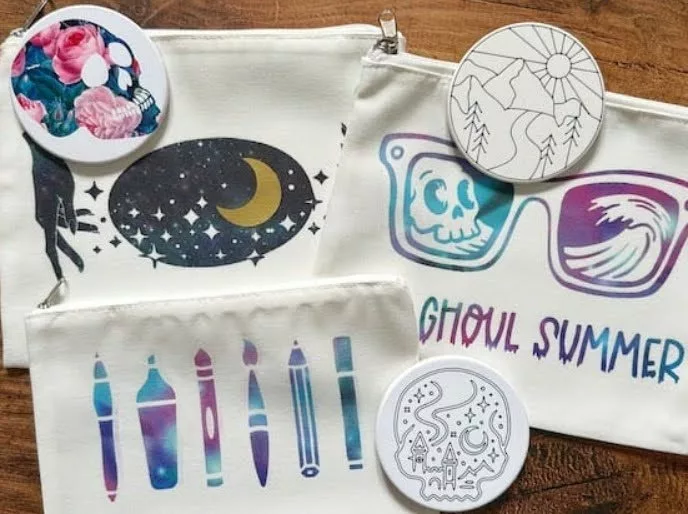
For hard goods, such as mugs, coasters, and luggage tags, the items must be treated with a polyester-based coating. While Cricut produces a line of certified "Infusible Ink Compatible" blanks, third-party sublimation-ready items can also be used, provided they are designed to withstand the high temperatures (typically 385°F to 400°F) required for the transfer.
Procedural Workflow: Case Study on Soft and Hard Goods
To illustrate the versatility of the system, two distinct application methods are utilized: the use of pre-printed Transfer Sheets and the application of Infusible Ink Pens and Markers.
Project A: Soft Good Application Using Transfer Sheets
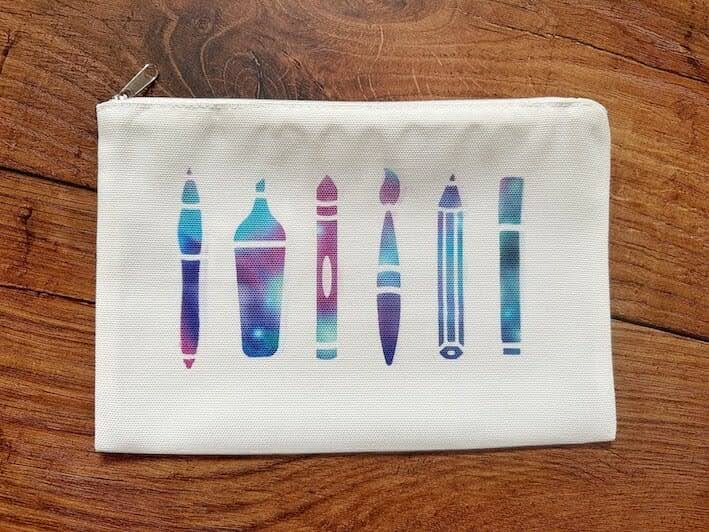
The application of transfer sheets to a polyester cosmetic bag follows a rigorous technical sequence:
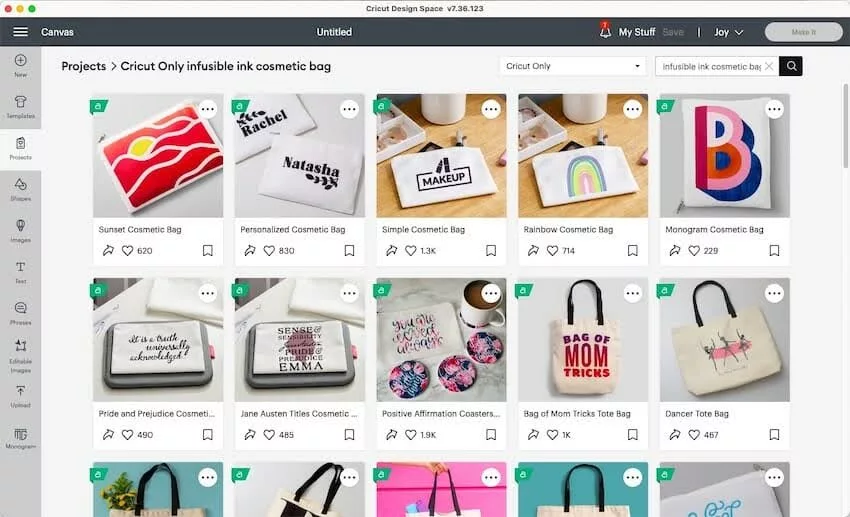
- Digital Design and Mirroring: Using the Cricut Design Space software, the user selects or uploads a vector design. A critical step in the sublimation process is the "Mirror" toggle; because the sheet is placed face-down on the substrate, the image must be reversed in the software to appear correctly once infused.
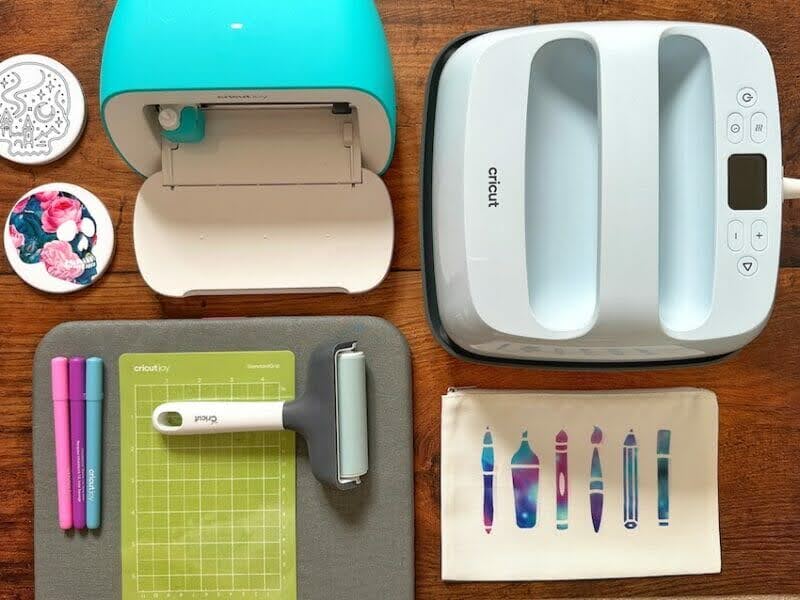
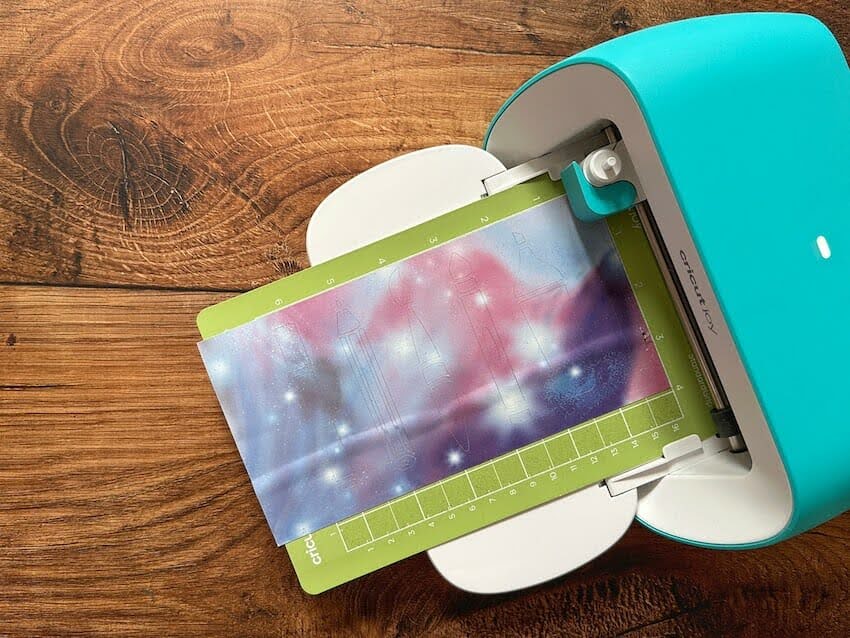
- Precision Cutting: The Infusible Ink Transfer Sheet is placed onto a standard grip cutting mat with the ink side facing upward. The Cricut machine (such as the Explore 3, Maker 3, or Joy) executes the cut based on the digital path.
- Weeding and Preparation: Unlike vinyl, which is pliable, Infusible Ink sheets have a paper-like consistency. "Weeding"—the process of removing excess material—is typically done by "cracking" the paper and using fingers or tweezers to remove unwanted segments, leaving only the intended design on the clear liner.
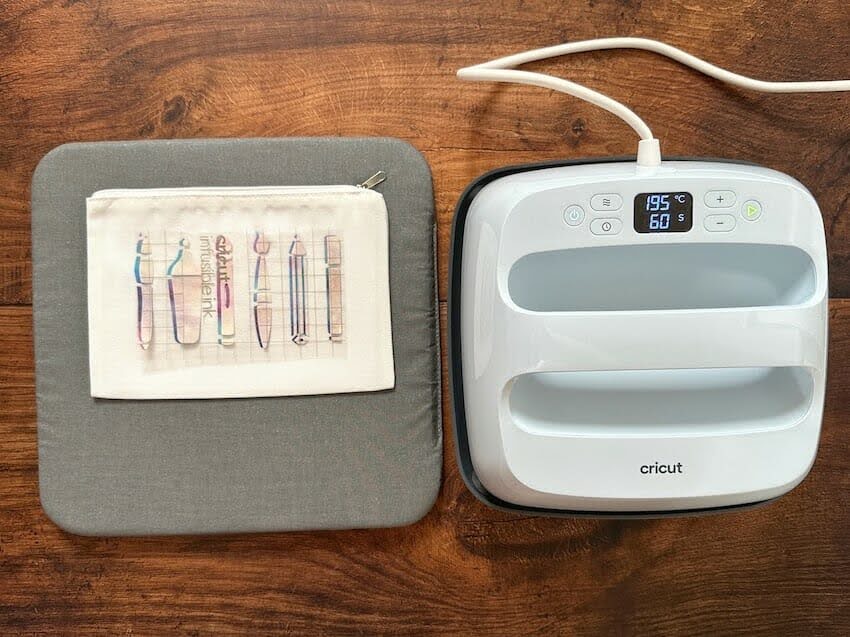
- Thermal Transfer: The substrate is pre-heated to remove moisture and wrinkles. The design is placed face-down, covered with butcher paper (to protect the heat press from gas leakage), and pressed at 385°F for 60 seconds.
Project B: Hard Good Customization Using Pens and Markers
For items like ceramic coasters, the process utilizes the drawing capabilities of the Cricut machine:
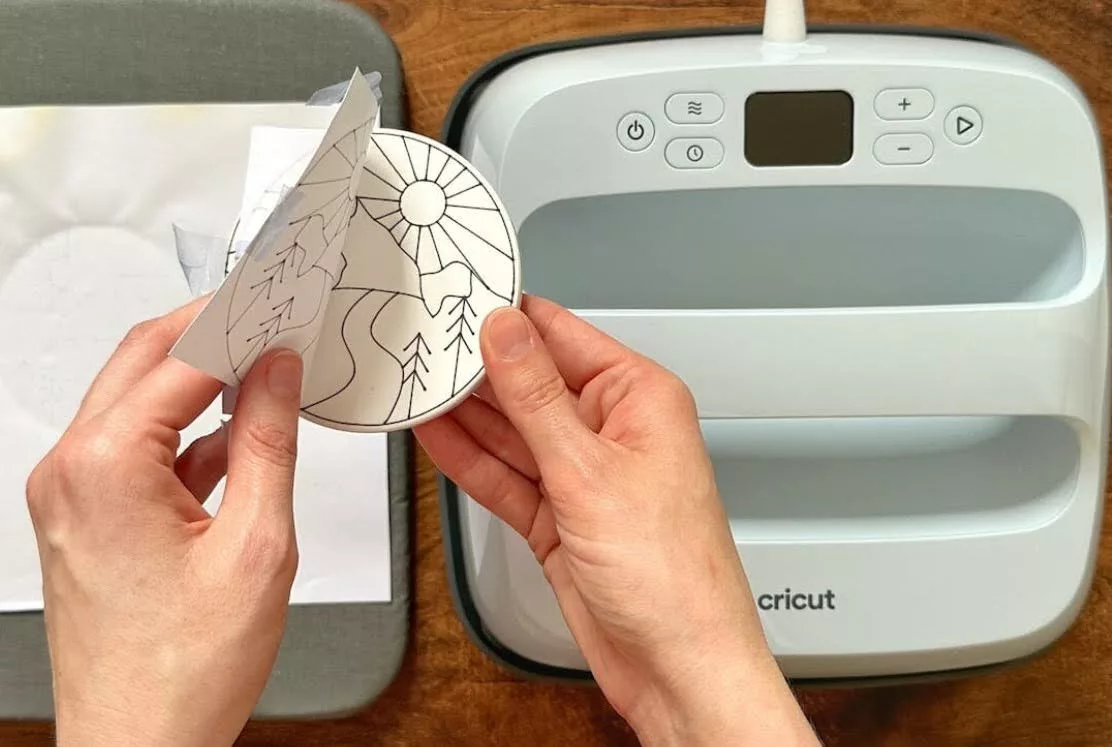
- Automated Drawing: Infusible Ink Pens are inserted into the machine’s accessory clamp. The machine draws the design onto standard laser copy paper. This allows for intricate line work and multi-color designs that would be difficult to achieve with cut sheets.
- Manual Enrichment: Users can further customize the design by coloring in the drawn outlines with Infusible Ink Markers.
- Application to Ceramic: The paper design is secured to the coaster using heat-resistant tape. The coaster is then placed upside down on the heat press. Because ceramic is a heat sink, the application usually requires a longer duration (up to 300 seconds) at 400°F to ensure the heat penetrates the entire thickness of the coaster.
Chronology of Innovation in DIY Sublimation
The path to Infusible Ink’s current market dominance followed several key industry milestones:
- 2010–2015: The rise of Heat Transfer Vinyl (HTV) provides the first accessible way for home crafters to customize apparel, though durability remains a concern.
- 2017: Cricut introduces the EasyPress, providing the consistent heat and pressure necessary for professional-grade transfers, laying the groundwork for sublimation.
- 2019: Cricut officially launches the Infusible Ink product line, marking the first time a major consumer brand offered a complete, end-to-end sublimation system for the home.
- 2021–Present: Expansion of the product line to include specialized markers, "glow-in-the-dark" variants, and the Mug Press, further automating the sublimation of cylindrical objects.
Analysis of Professional Implications and Small Business Impact
The introduction of Infusible Ink has significant implications for the "side-hustle" economy. For entrepreneurs operating on platforms like Etsy or Shopify, the technology allows for the production of high-margin items with low overhead. Because the finished products are "permanent"—meaning they can be washed, microwaved, and used daily without the design degrading—small businesses can compete with larger retailers on quality.
Furthermore, the lack of "hand" (the feel of the material on the fabric) is a major selling point for apparel. In the professional garment industry, the "hand" of a print often determines its perceived value. Infusible Ink provides a "zero-hand" finish, which is highly desirable in the athletic and leisurewear markets.
Best Practices for Optimal Results
To maintain the integrity of the sublimation process, industry experts recommend several quality control measures:
- Environmental Control: Moisture is the enemy of sublimation. Storing ink sheets in a cool, dry place and pre-pressing fabrics to evaporate latent moisture is essential to prevent "ghosting" or uneven color.
- Contaminant Prevention: Oils from human skin can interfere with the ink transfer. Handling the sheets by the edges or wearing lint-free gloves can prevent spotting.
- Thermal Consistency: The use of a dedicated heat press, such as the Cricut EasyPress or a commercial swing-away press, is mandatory. Household irons are generally insufficient as they cannot maintain the precise temperature or provide the uniform pressure required for the gas-infusion process.
Future Outlook and Conclusion
As digital crafting continues to evolve, the distinction between professional manufacturing and home-based creation continues to blur. Cricut’s Infusible Ink stands as a testament to this convergence, offering a sophisticated chemical process packaged in a user-friendly format. The technology not only empowers individual creativity but also serves as a robust tool for small-scale commercial production. With the continued development of new substrates and more advanced heat-transfer hardware, the potential for personalized, professional-grade manufacturing in the domestic sphere appears poised for sustained growth. Whether for the creation of a single personalized gift or the launch of a boutique brand, Infusible Ink has redefined the standards of durability and quality in the modern crafting era.