
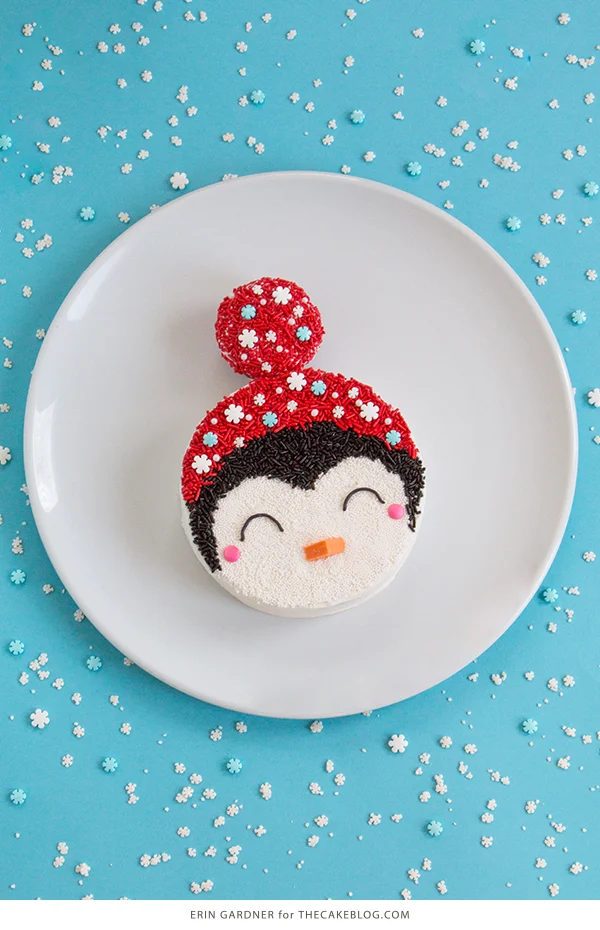
The landscape of contemporary confectionery arts continues to evolve as professional decorators bridge the gap between high-end pastry techniques and accessible home-baking projects. Noted pastry artist and regular contributor to The Cake Blog, Erin Gardner, has unveiled a comprehensive tutorial for a "Sprinkle Coated Penguin Cake," a design that emphasizes texture, character-driven aesthetics, and the strategic use of nonpareils. This latest addition to Gardner’s portfolio serves as an extension of her "sprinkle girl" series, a stylistic lineage that utilizes full-surface sprinkle coverage to create vibrant, tactile imagery on a buttercream canvas. The tutorial arrives as seasonal demand for winter-themed culinary projects reaches its annual peak, offering a versatile template for birthdays and holiday celebrations alike.
The Conceptual Framework of the Sprinkle Universe
The "Sprinkle Coated Penguin Cake" is not an isolated design but rather a component of what Gardner describes as a "fabulous sprinkle universe." This conceptual framework suggests a cohesive aesthetic where various characters—ranging from the original "sprinkle girls" to this new avian iteration—share a common design language. The core of this methodology lies in the replacement of traditional piped details or fondant sculpting with the dense application of sugar beads, known as nonpareils.
This approach addresses several challenges faced by novice and intermediate decorators. By utilizing sprinkles to define the visual field, the requirement for a perfectly smooth buttercream finish—often a significant hurdle in professional-grade decorating—is mitigated. The texture of the nonpareils masks underlying imperfections in the icing, allowing the decorator to focus on the silhouette and color blocking rather than structural smoothing. Furthermore, the design offers a high degree of modularity; Gardner notes that the penguin can be customized with chocolate accessories, such as sunglasses, or variations in the color and pattern of the character’s winter headwear.
Chronology of the Decorating Process
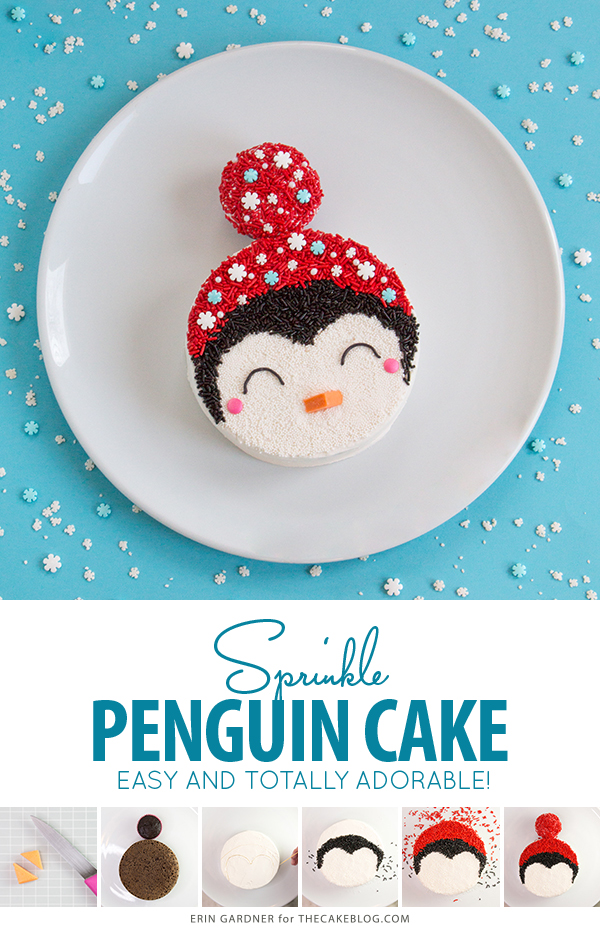
The assembly of the penguin cake follows a specific technical sequence designed to maintain the integrity of the color boundaries and ensure the stability of the decorative elements.
Phase I: Foundation and Mapping
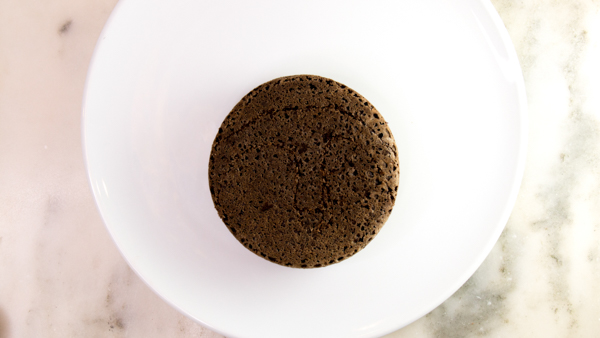
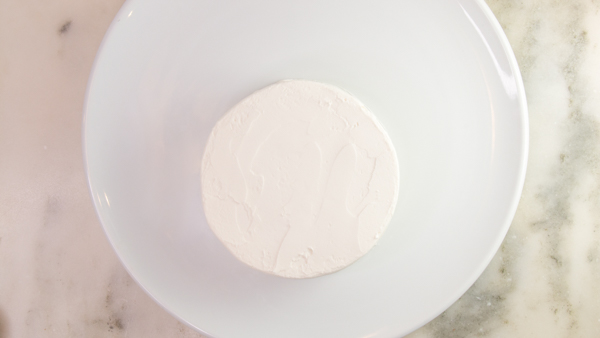
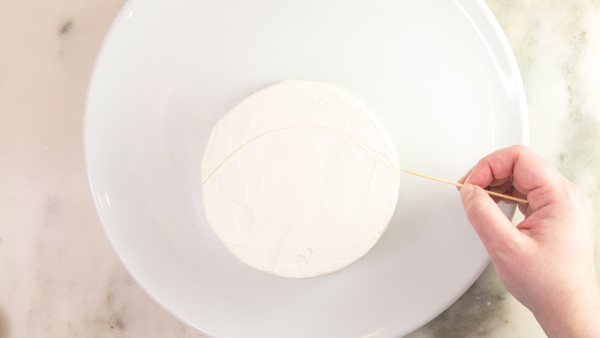
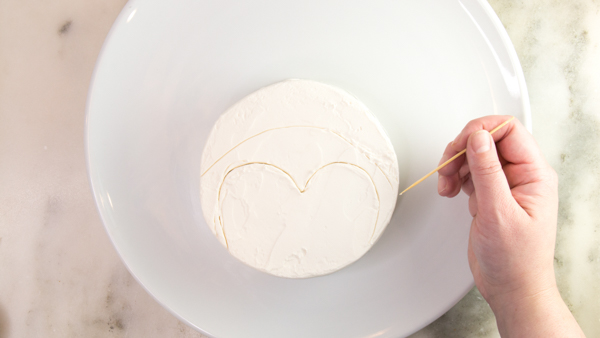
The process begins with the preparation of a standard round cake, which is encased in a generous layer of plain buttercream. Unlike traditional finishes, this layer acts primarily as an adhesive. Once the cake is iced, the decorator employs a "mapping" technique using a toothpick or skewer. This involves etching a half-moon shape across the upper quadrant of the cake to designate the hat area, followed by an open-bottom heart shape to define the facial structure. This stage is critical, as it establishes the geometric proportions that will guide the subsequent sprinkle application.
Phase II: Strategic Sprinkle Application
The application phase follows a "large-to-small" logic. Gardner recommends placing the cake on a baking sheet to capture excess runoff—a logistical necessity given the volume of nonpareils required. The white facial area is filled first, utilizing a spoon for distribution and the back of the spoon to compress the sprinkles into the buttercream. This is followed by the application of black nonpareils for the penguin’s body and red nonpareils for the hat. By starting with the largest central area (the face) and working outward, the decorator maintains better control over the "bleeding" of colors at the borders. Any misplaced sprinkles are removed individually using a toothpick, a precision step that ensures clean lines between the black, white, and red sections.
Phase III: Structural Additions and Detailing
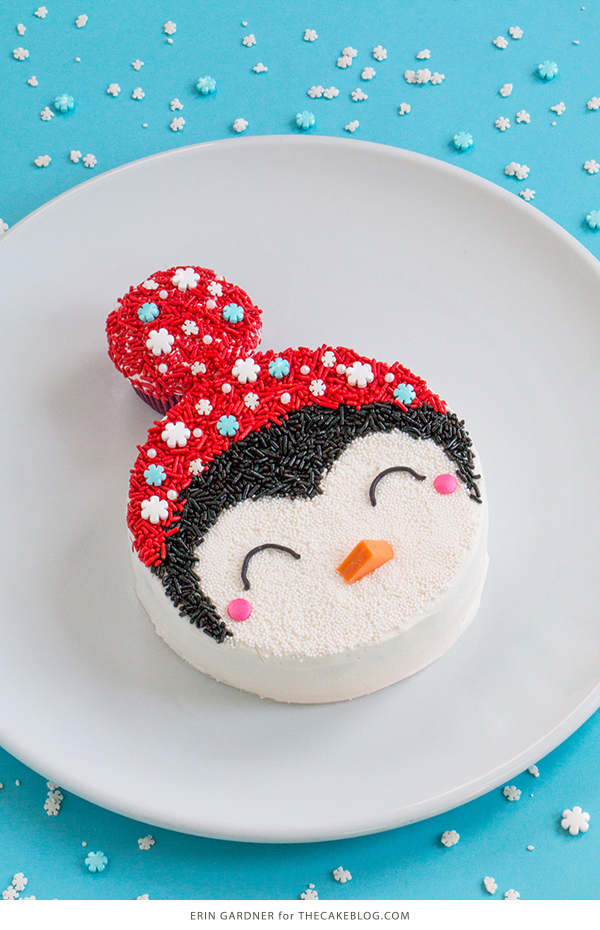
The design incorporates a three-dimensional element in the form of a "pom-pom" for the penguin’s hat, created using a standard cupcake. The cupcake is inverted, coated in buttercream, and dipped into red sprinkles before being secured to the cake platter with a dab of icing. This adds verticality and a playful structural contrast to the primary cake.
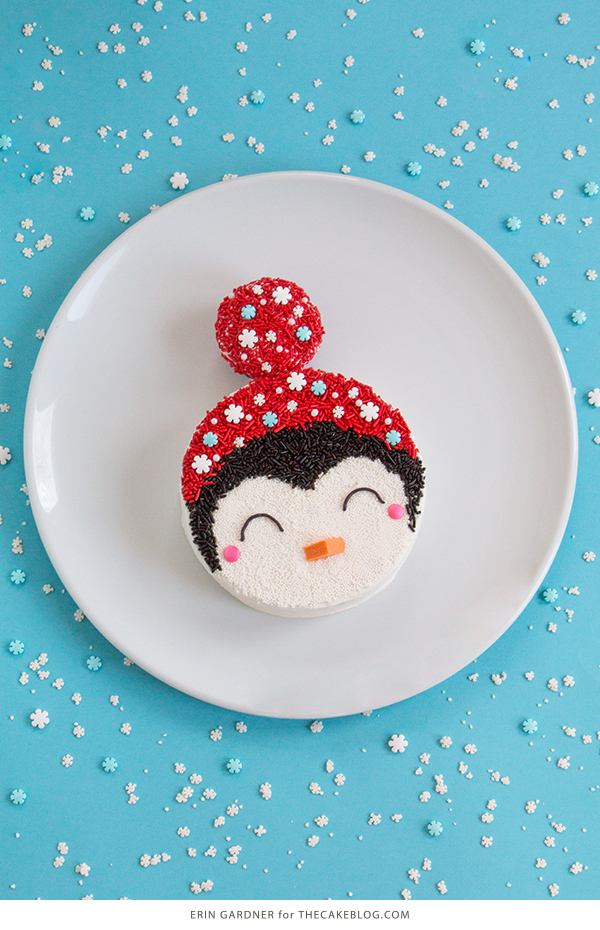
The final detailing involves a mixture of confectionery and candy elements. A Starburst fruit chew is bisected diagonally to create a triangular beak, while pink confetti sprinkles serve as the cheeks. The eyes are rendered using black buttercream piped through a small round tip in a semi-circle "sleeping" or "smiling" expression. The hat is further embellished with snowflake-shaped sprinkles, reinforcing the winter theme.
Technical Considerations: Humidity and Storage
A significant factor in the successful execution of this design is the management of moisture. Nonpareils are hygroscopic, meaning they readily absorb moisture from their environment. Gardner advises that sprinkles can soften and lose their structural "crunch" if left in a refrigerated environment for extended periods. Consequently, the tutorial recommends that the final sprinkle application be performed on the day of service.
For storage, the type of buttercream used dictates the environment; while the cake can be kept in an airtight container, the interaction between the sugar coating and the fat content of the frosting remains a primary concern for long-term aesthetic preservation. This technical insight highlights the delicate balance between visual appeal and the chemical properties of the ingredients used in modern cake design.
Market Context and the Rise of DIY Confectionery
The release of the penguin cake tutorial aligns with broader trends in the global baking industry. According to market analysis, the "do-it-yourself" (DIY) baking segment has seen a steady Compound Annual Growth Rate (CAGR) of approximately 5.8% over the last five years. This growth is driven by the democratization of professional techniques through digital platforms like The Cake Blog.
Consumers are increasingly seeking "experience-based" culinary projects that yield "Instagrammable" results. The penguin cake, with its high-contrast colors and adorable anthropomorphic features, is specifically designed for viral social sharing. Furthermore, the use of accessible supermarket items—such as Starburst candies and standard nonpareils—lowers the barrier to entry for consumers who may be intimidated by specialized pastry supplies.
Professional Analysis: The Psychology of "Cute" in Food Design
From a design perspective, the penguin cake utilizes several principles of "kawaii" or "cute" aesthetics, which have a documented impact on consumer engagement. The use of oversized heads, simplified facial features, and the inclusion of "blush" (the pink confetti sprinkles) triggers a positive emotional response. In the context of the winter holiday market, these features provide a sense of warmth and whimsy that contrasts with the traditional, often formal, holiday aesthetic.
Industry experts suggest that tutorials like Gardner’s play a vital role in brand loyalty for platforms like The Cake Blog. By providing high-quality, actionable content, these platforms establish themselves as authoritative voices in a crowded digital marketplace. The "sprinkle universe" concept also encourages repeat engagement, as home bakers are likely to return to the site to find "cousin" designs to complement their first attempt.
Broader Implications for the Baking Community
The "Sprinkle Coated Penguin Cake" represents a shift toward "texture-forward" decorating. While fondant has long been the standard for character cakes, its polarizing taste and the skill required to handle it have led to a resurgence in buttercream-based techniques. The use of sprinkles as a primary medium offers a middle ground: the precision of a molded design with the flavor profile of traditional frosting.
Moreover, the tutorial reflects a broader movement toward inclusivity in the arts. By stating that "all flaws will be covered with sprinkles," Gardner removes the "perfectionist’s anxiety" that often prevents beginners from attempting complex designs. This democratization of the craft ensures that the baking community continues to grow, fostering a new generation of hobbyists and semi-professional decorators.
As the winter season progresses, the penguin cake stands as a testament to the power of creative simplification. It is a design that prioritizes joy and accessibility without sacrificing the professional polish that has made Erin Gardner a staple contributor to the culinary world. Whether served at a child’s birthday party or as a centerpiece for a winter solstice gathering, the sprinkle-coated penguin is more than a dessert; it is a calculated intersection of art, industry trends, and the enduring human affinity for the adorable.