



In an increasingly volatile retail landscape, legacy brands grappling with declining fortunes are frequently seeking radical transformations, with a striking number of them pivoting towards artificial intelligence. This phenomenon, often dubbed "AI washing," sees companies with deep-seated operational and financial issues rebranding themselves as technology innovators. A prominent recent example is Allbirds, the sustainable shoe company whose valuation plummeted from four billion dollars in 2021 to a fraction of that figure. Two weeks ago, Allbirds announced its rebranding as NewBird AI, declaring a strategic shift into "AI compute infrastructure" – a bewildering move for a company known for eucalyptus fiber sneakers now seemingly positioning itself as a middleman for un-sourced computer chips. This trend, however, is not isolated, and its latest high-profile manifestation comes from the beleaguered wedding retail giant, David’s Bridal, which has declared bankruptcy twice in recent years and now aims to reinvent itself as a "high-velocity media, content, entertainment, and technology engine."
The Shifting Sands of Retail: An Era of "AI Pivots"
The year 2026, as some analysts suggest, appears to be the definitive year for struggling consumer brands to embrace AI as their supposed panacea. The pattern is becoming distressingly familiar: a once-dominant retailer, unable to adapt to evolving market dynamics or correct systemic mismanagement, witnesses its stock value, store count, or credit rating collapse. In response, it announces a fundamental transformation into a "high-velocity AI-powered ecosystem." This rebranding often involves shedding traditional retail assets and adopting an "asset-light" model, ostensibly designed to mitigate the risks that led to previous failures. While such pivots promise innovation and resilience, they frequently raise questions about the genuine technological capabilities of these firms and the ethical implications for stakeholders, particularly independent contractors and consumers previously impacted by their financial woes.
David’s Bridal: A History of Financial Instability
To understand the gravity and skepticism surrounding David’s Bridal’s latest strategic shift, it is crucial to examine its recent financial history. As the largest bridal retailer in the United States for decades, David’s Bridal commanded a significant market share, once operating hundreds of stores nationwide. However, the company has faced profound challenges, leading to two separate bankruptcy filings in less than five years.
The first bankruptcy occurred in November 2018. The company cited a heavy debt load, changing consumer preferences (including a shift away from traditional, expensive wedding gowns), and increased competition from online retailers and specialty boutiques. At the time, David’s Bridal carried approximately $760 million in debt. While it successfully exited Chapter 11 bankruptcy in January 2019, having shed over $400 million in debt and closed a few underperforming stores, the underlying market pressures persisted.
The respite was short-lived. In April 2023, David’s Bridal filed for Chapter 11 bankruptcy a second time, announcing plans to sell the company. This filing highlighted a continued decline in sales, exacerbated by the economic uncertainties following the COVID-19 pandemic, which significantly disrupted the wedding industry. The company reported assets between $100 million and $500 million and liabilities between $500 million and $1 billion. This second filing cast a long shadow over its future, impacting thousands of employees, numerous independent vendors, and countless brides-to-be.
The Fallout: Unpaid Debts and Voided Promises
The immediate aftermath of the second bankruptcy filing in 2023 was particularly harsh for many stakeholders. Independent contractors, crucial to the wedding industry’s intricate ecosystem, found themselves in a precarious position. The Philadelphia Inquirer reported in December 2023 on the plight of a sample of these independent vendors—photographers, seamstresses, stylists, and other service providers—who had performed work for David’s Bridal but remained unpaid. These small businesses, often operating on thin margins, were left with significant outstanding invoices.
The United States Bankruptcy Court for the District of New Jersey dismissed the case in September 2023, two months after the company’s assets were sold to CION Investment Corporation. The outcome was stark: there were no remaining assets from the sale to satisfy the claims of these independent vendors. David’s Bridal’s co-counsel confirmed this unfortunate reality in an email to the Inquirer, stating unequivocally: "given the dismissal of the case, unpaid creditors will remain unpaid." This statement underscored a systemic issue where large corporations, through bankruptcy proceedings, can effectively shed their financial obligations to smaller entities that often cannot absorb such losses.
Customers were similarly affected. WeddingWire and Reddit forums from the summer of 2023 were flooded with reports from brides whose gift cards and store credits were voided without warning. Prior to the sale, David’s Bridal had published a customer FAQ explicitly reassuring shoppers that these financial instruments would continue to be honored. This promise, however, did not survive the bankruptcy process, leaving many customers frustrated and financially out of pocket during an already stressful period of wedding planning. This erosion of trust, both with vendors and consumers, forms a critical backdrop to the company’s subsequent AI pivot.
The "Aisle to Algorithm" Strategy: David’s Bridal’s AI Reinvention
Despite its troubled past, David’s Bridal is now aggressively pursuing a new identity, branding itself as a "tech-powered multihyphenate." CEO Kelly Cook, in a recent interview with Retail Dive, asserted that the company had "fundamentally moved from a legacy retailer" into this new, multi-faceted entity. This transformation, dubbed the "Aisle to Algorithm" strategy and reportedly announced in March 2025 as its operational target, represents an "asset-light pivot."
In practical terms, an asset-light strategy means shedding the very physical assets—owned inventory and expensive store leases—that contributed to its previous vulnerabilities. Cook explicitly stated to CNBC that this move is designed to insulate the company from the "existential risks" that triggered its two bankruptcies. However, this shift does not eliminate risk; rather, it strategically relocates it. The burden of inventory, fulfillment, and direct customer service largely transfers to the small business owners and independent vendors who will now fulfill drop-shipped orders, license the David’s Bridal brand name, and advertise on the company’s new digital platforms.
Central to this new strategy are David’s Bridal’s new "media properties." In December 2024, the company acquired Love Stories TV, a wedding video platform, and concurrently launched the Pearl Media Network. This network functions as a retail media platform, selling advertising space to wedding vendors, leveraging David’s Bridal’s first-party customer data. Building on this, August 2025 saw the launch of Pearl Planner, an AI-powered tool designed to recommend vendors to engaged couples. While couples can use Pearl Planner free of charge, vendors are expected to pay for placement and matching services. This model positions David’s Bridal as a digital intermediary, connecting couples with vendors, a significant departure from its historical role as a direct seller of bridal wear.
The Wedding-Tech Extraction Model: A Familiar Playbook
This new direction for David’s Bridal bears striking resemblance to the business models already prevalent in the wedding industry, particularly that of The Knot Worldwide. The Knot, an incumbent wedding marketplace, has spent the better part of a decade perfecting a similar "extraction model," monetizing connections between couples and vendors through advertising and lead generation. This model has garnered significant criticism, with many independent vendors reporting diminishing returns on investment, opaque algorithms, and a sense of being trapped within a system that increasingly demands more for less.
Reports from the wedding industry frequently detail how The Knot’s platform, despite its wide reach, has led to intense competition among vendors, driving down prices and increasing marketing costs. Many small businesses find themselves compelled to pay for premium listings or advertising to remain visible, often without a clear return on that investment. The company has also faced scrutiny for its data practices and the perceived lack of transparency in its vendor matching algorithms. This is the highly competitive and often controversial market David’s Bridal is now entering, armed with an AI facade and a history of unpaid debts. The question arises: can a twice-bankrupt retailer, infamous for stiffing its independent contractors, credibly position itself as a trusted data steward and matchmaker for the same independent wedding economy?
Underlying Market Shifts and the Irony of the Pivot
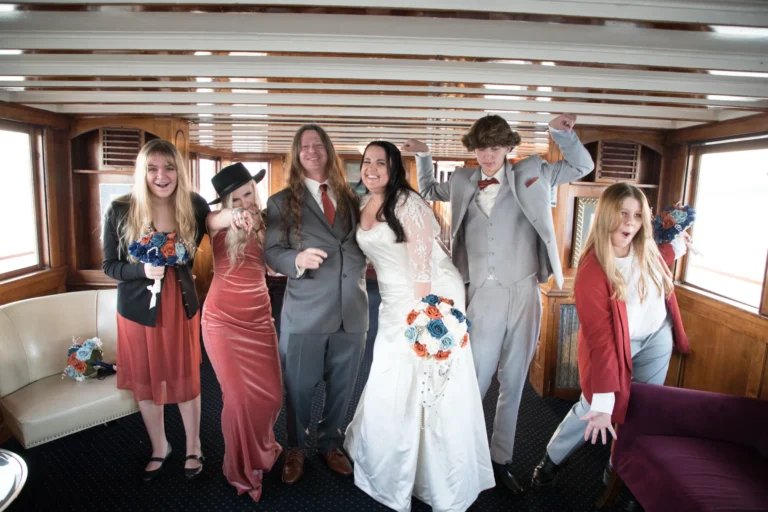
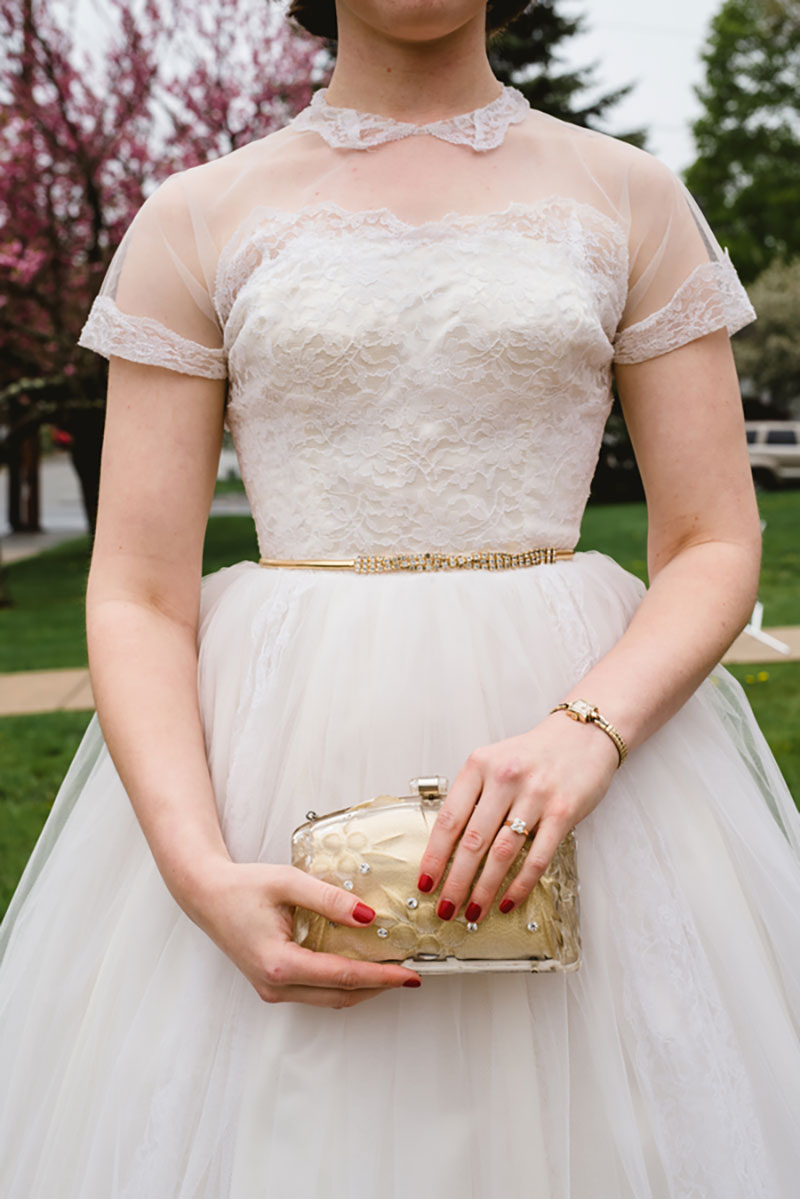
David’s Bridal’s pivot is not merely a response to its internal financial woes but also, ironically, a reaction to broader shifts in consumer behavior that it once cited as contributing factors to its decline. In one of its bankruptcy filings, the company explicitly attributed part of its struggles to an increasing number of brides opting for less traditional wedding attire, including thrifted wedding dresses or bespoke creations from independent boutiques. The image of a bride in a $50 thrifted dress, a favorite among Offbeat Wed readers, encapsulates this trend away from mass-produced, conventional bridal wear.
A logical strategic response to such a finding might have involved a genuine re-evaluation of its product offerings or a pivot towards more personalized, niche markets. Instead, David’s Bridal has chosen a path that seems to monetize the very trends it struggled to adapt to. By building an AI algorithm to match "nontraditional" customers with independent vendors, it is attempting to extract value from a segment it previously alienated. The incongruity is stark: a company that once blamed customers for choosing thrifted dresses is now seeking to profit by connecting those same customers with the independent vendors who cater to such preferences, all while leveraging a past history of neglecting its financial obligations to similar small businesses.
Challenges and Skepticism: Why the AI Pivot Faces Hurdles
The success of David’s Bridal’s AI pivot hinges on a critical assumption: that stakeholders—both engaged couples and independent vendors—will overlook its troubled past and embrace its new identity. The playbook relies on the familiarity of its brand logo to project continuity and trustworthiness to couples planning their weddings. It also banks on vendors being swayed by tech-infused promises of "first-party data no competitor can match" and a belief that "this time will be different."
However, the wedding industry is deeply rooted in personal relationships, trust, and the highly specific, human-centric work of fitting clothing onto a body, orchestrating events, and capturing memories. It is an industry where reputation, reliability, and ethical conduct are paramount. Slapping an "AI" label onto a dying retail brand does not magically transform a creditor list of unpaid vendors into a trusted marketplace. The inherent credibility gap, stemming from two bankruptcies and a history of failing to pay contractors and honor customer commitments, presents a formidable obstacle.
The wedding industry has witnessed this "extraction model" movie before with platforms like The Knot. Independent vendors are increasingly savvy and wary of new middlemen, especially those with a history of financial instability. They understand that genuine value in this sector often comes from direct, transparent relationships, not from opaque algorithms and advertising models that frequently favor the platform over the service provider.
Implications for the Wedding Ecosystem and Future Outlook
The implications of David’s Bridal’s AI pivot for the broader wedding ecosystem are significant. While proponents might argue it introduces another player into the wedding tech space, potentially fostering competition, critics point to the potential for further vendor exploitation. If David’s Bridal succeeds in attracting a substantial vendor base to its Pearl Media Network and Pearl Planner, it could intensify the pressure on small businesses to pay for visibility, further eroding their profit margins in an already competitive environment.
For engaged couples, the promise of an AI-powered planning tool might seem appealing, offering convenience and tailored recommendations. However, without transparent vetting processes and a clear commitment to vendor support, such platforms risk becoming another conduit for generic listings rather than a truly curated and trustworthy resource. The lingering question of how David’s Bridal, with its history, plans to build and maintain trust with both segments of its new market remains unanswered.
Independent vendors built the wedding economy, often through word-of-mouth, community engagement, and genuine relationships. They were present long before The Knot’s market dominance, before David’s Bridal’s first bankruptcy, and before its second. They will undoubtedly endure beyond any potential third. The critical decision now rests with these independent businesses: will they continue to support, and hand their hard-earned receipts to, companies that have consistently demonstrated a profound lack of value for their contributions and livelihoods? The future of wedding retail, and indeed, the integrity of its digital marketplaces, may well depend on this collective discernment.
Further Reading and Analysis:
For those seeking a deeper dive into the complexities and criticisms surrounding David’s Bridal’s financial history and strategic shifts, several reputable sources have provided detailed coverage:
- The Philadelphia Inquirer: Provided crucial reporting on the impact of David’s Bridal’s second bankruptcy on independent contractors, detailing the instances of unpaid debts.
- Retail Dive: Featured interviews with CEO Kelly Cook, outlining the company’s "Aisle to Algorithm" strategy and its vision for an "asset-light" future.
- CNBC: Covered the broader trend of struggling retailers pivoting to AI, with specific mentions of David’s Bridal and Allbirds, discussing the motivations and potential pitfalls of such transformations.
- Bloomberg Law and The Wall Street Journal: Offered comprehensive financial reporting on David’s Bridal’s bankruptcy filings, including details on debt restructuring, asset sales, and court proceedings.
- WeddingWire and Reddit Forums: Served as crucial platforms for customer feedback and vendor discussions regarding the impacts of the bankruptcies, particularly concerning gift card policies and vendor relations.
- Offbeat Wed: Acknowledged the growing trend of non-traditional wedding attire, including thrifted dresses, offering context to David’s Bridal’s own stated challenges.
These resources collectively paint a comprehensive picture of a company at a critical juncture, attempting a radical reinvention in a rapidly evolving market, while grappling with a legacy of financial instability and strained stakeholder relations. The success of its AI pivot remains highly speculative, hinging on its ability to rebuild trust and deliver genuine value in an industry where human connection and reliability are paramount.