
The landscape of childhood traditions is undergoing a significant transformation as modern parents increasingly turn toward bespoke, handcrafted alternatives to mass-produced items. A recent innovation in this sector involves the transition from the traditional "tooth fairy pillow"—a soft fabric pouch often tucked under a child’s sleeping head—to permanent, personalized ceramic dishes. Developed by Jen Causey-Kidder of the lifestyle and DIY platform Something Turquoise, these personalized tooth fairy dishes utilize accessible home-printing technology and specialized adhesives to create a durable milestone marker. This development highlights a broader trend in the "maker movement," where high-end customization, once reserved for professional artisans, is now being achieved by hobbyists using inkjet-compatible materials and digital editing software.
The Evolution of the Tooth Fairy Tradition
To understand the shift toward personalized ceramic vessels, it is necessary to examine the historical context of the tooth fairy myth. Unlike many folklore figures with ancient roots, the tooth fairy is a relatively modern creation, gaining widespread popularity in the United States during the early 20th century. The first recorded mention of the character appeared in an eight-page playlet for children by Esther Watkins Arnold in 1927.
Historically, the tradition involved a simple exchange: a primary tooth placed under a pillow in exchange for a small sum of money. Over the decades, this evolved into the use of specialized "tooth fairy pillows," which were designed to make the exchange easier for parents (the "fairies") to navigate without waking the child. However, the move toward ceramic dishes reflects a shift in parental priorities. Modern consumers are increasingly seeking "keepsake" items that can be displayed on a nightstand rather than hidden under bedding. This transition also mitigates the logistical difficulty of the "under-the-pillow" exchange, providing a stable, stationary target for the nocturnal transaction.
Technical Implementation and Material Analysis
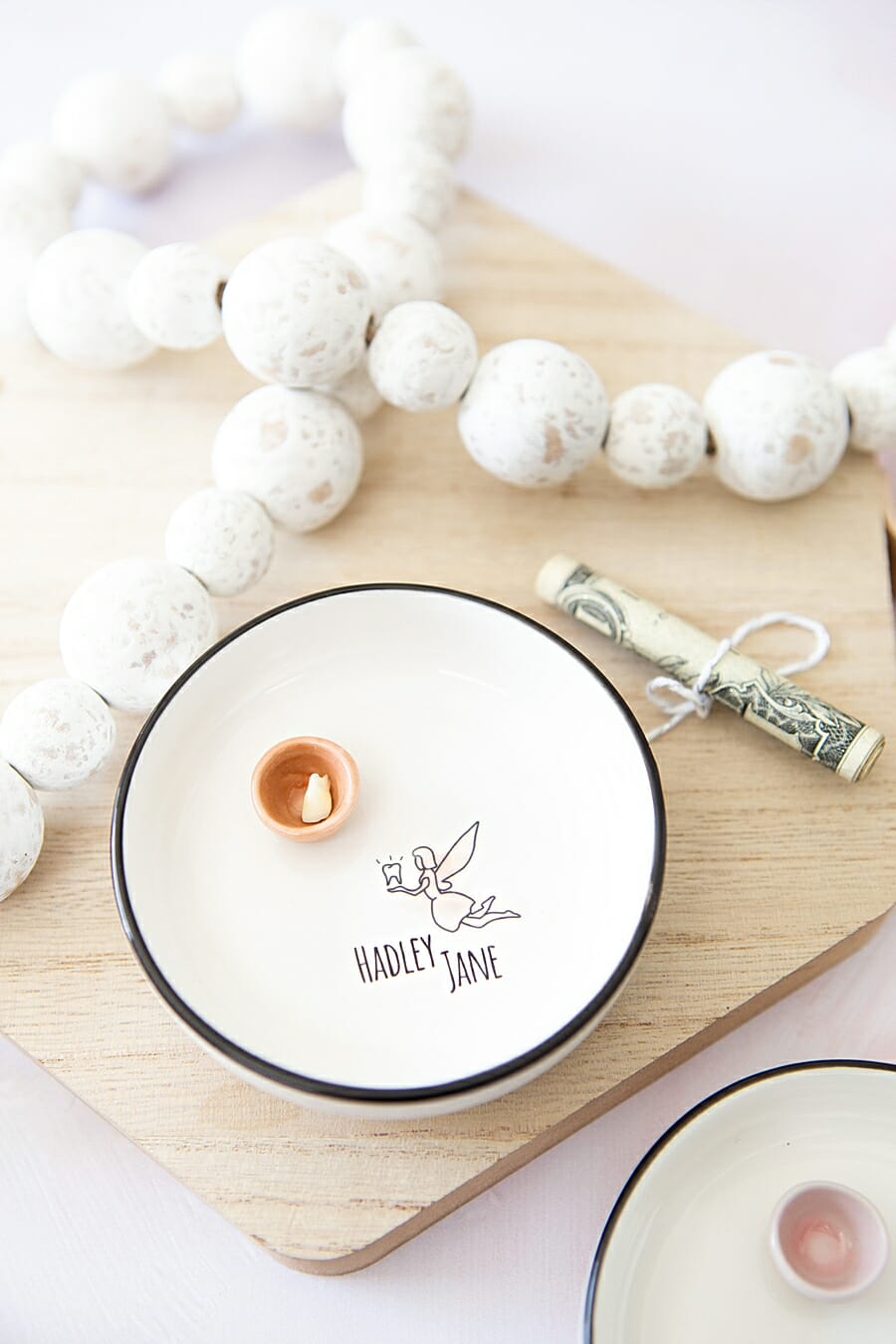
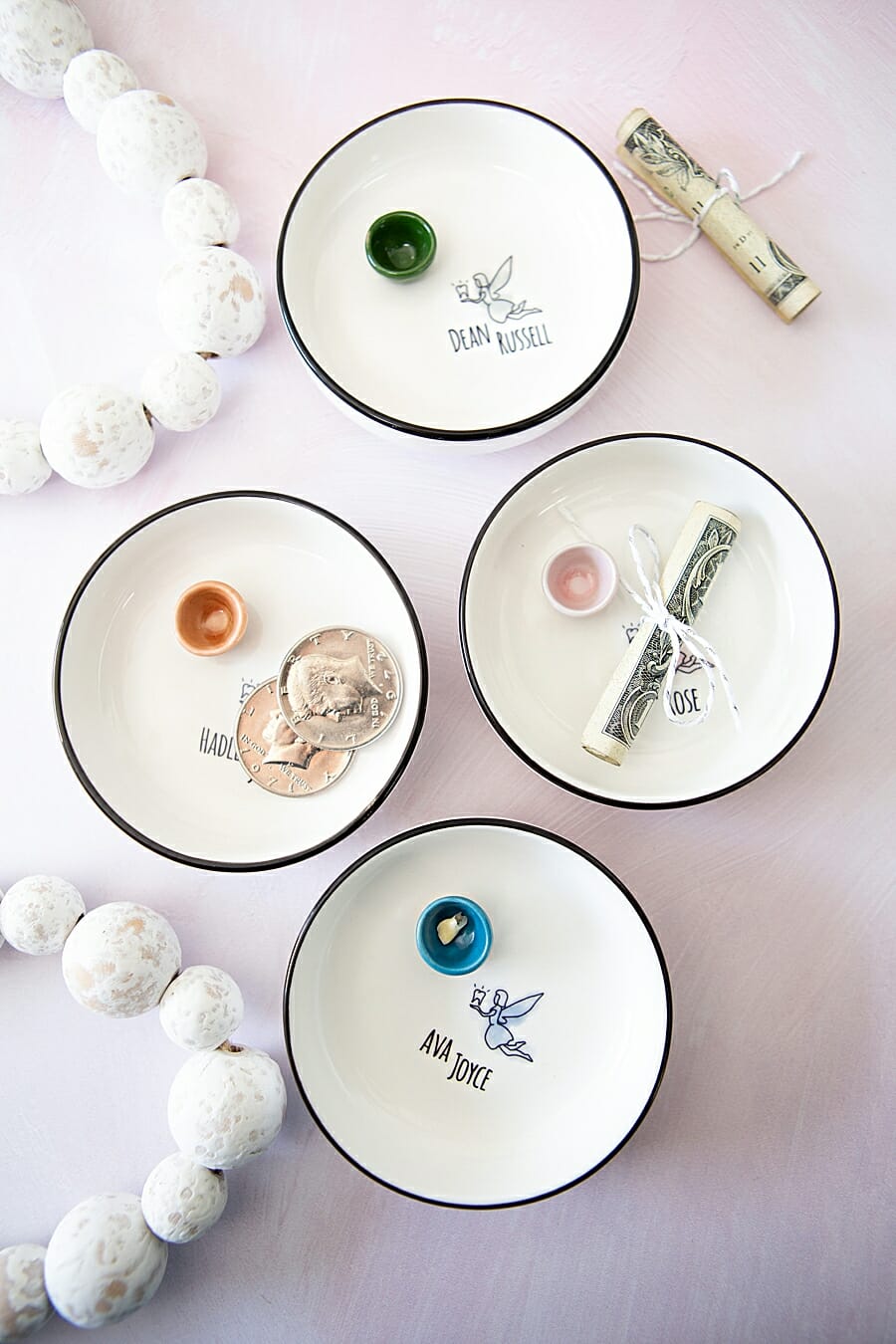
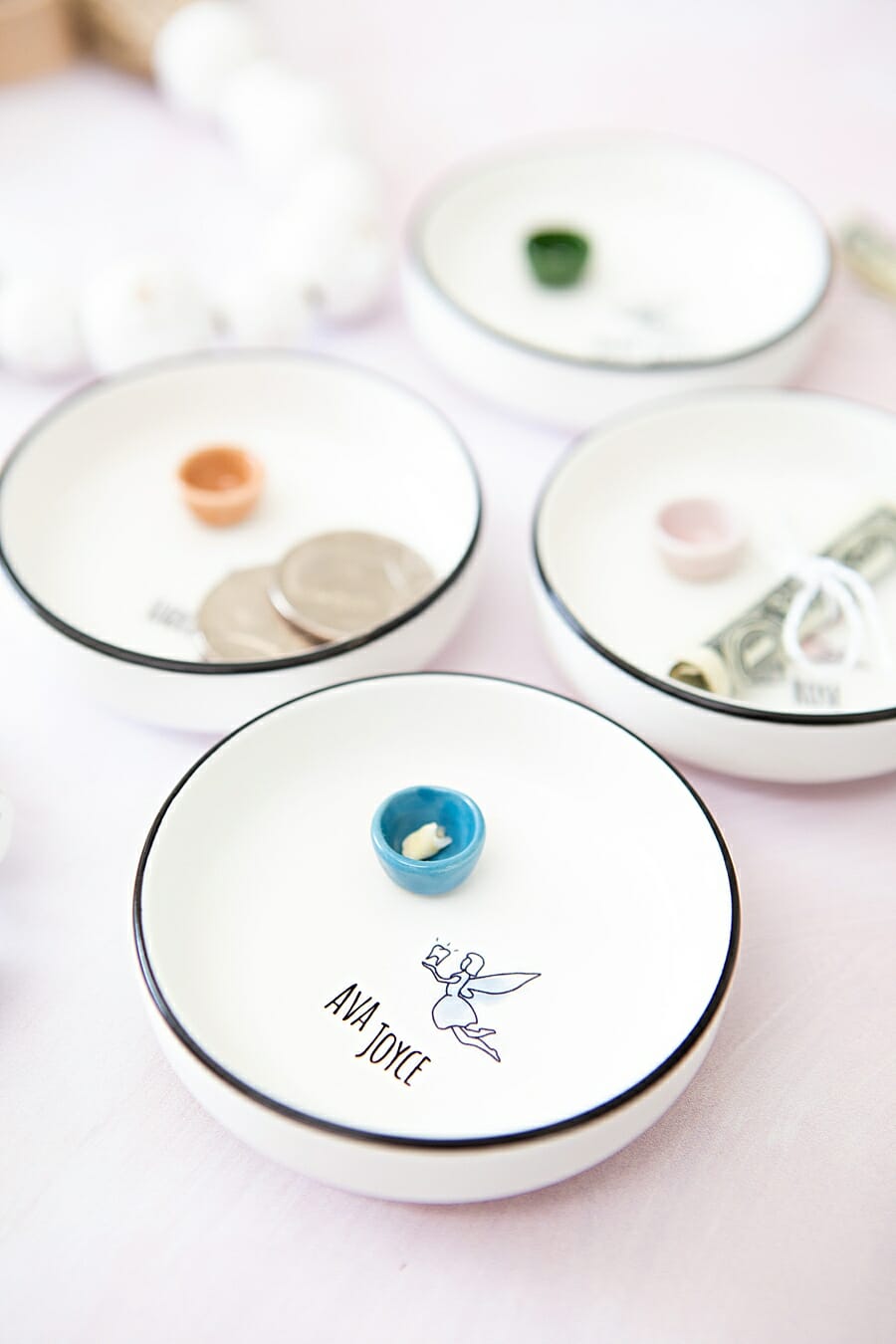
The production of these personalized dishes involves a multi-step chemical and mechanical process. The foundation of the project relies on the combination of two distinct ceramic elements: a standard sauce dish and a miniature "dollhouse" bowl. These components are joined using a moisture-activated polyurethane adhesive, such as Gorilla Glue, which creates a high-strength bond between the two ceramic surfaces.
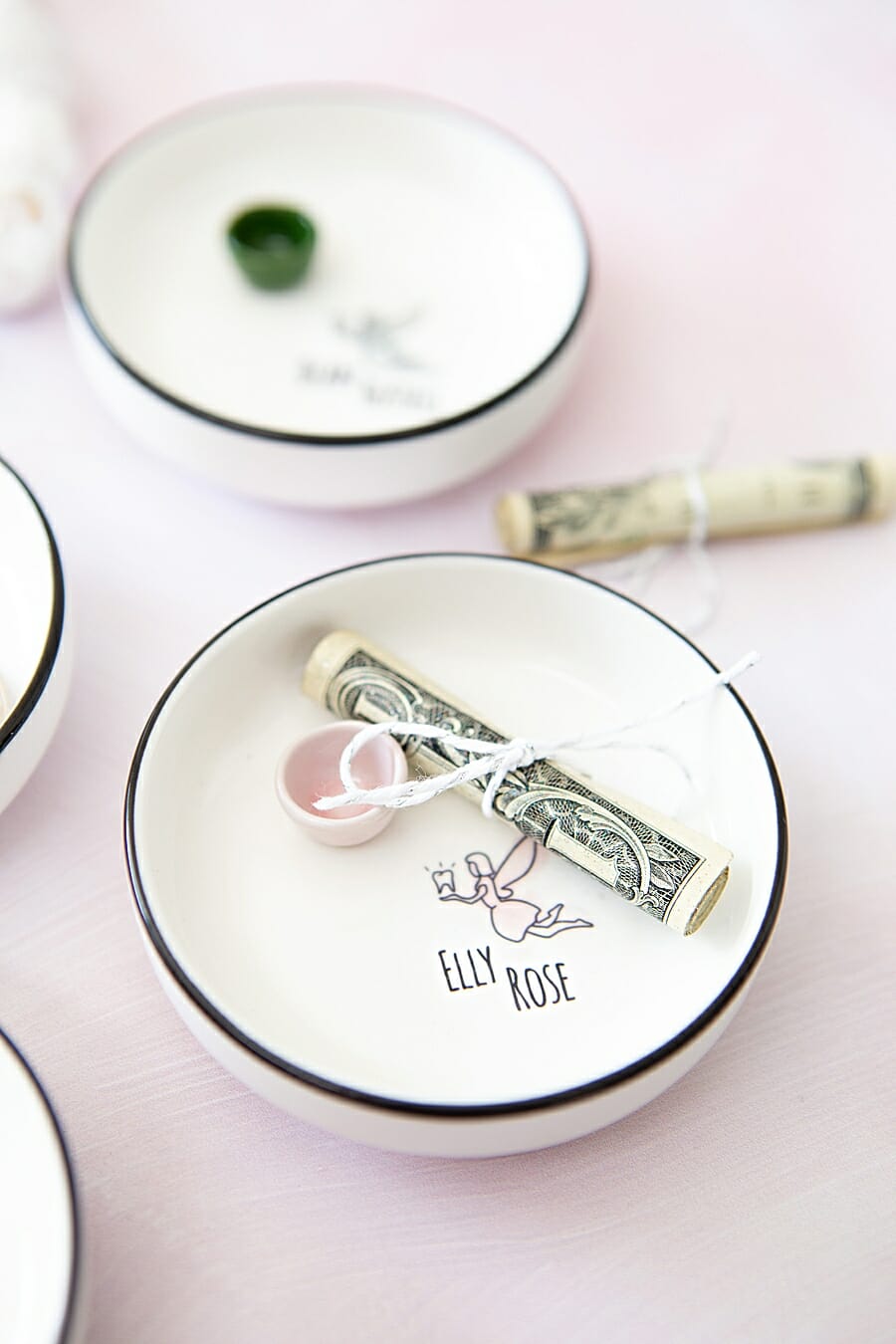
The most technically significant aspect of the project is the application of the graphic design. Causey-Kidder utilizes inkjet waterslide paper, a medium that allows for the transfer of high-resolution digital imagery onto non-porous surfaces. The process follows a specific chronological sequence:
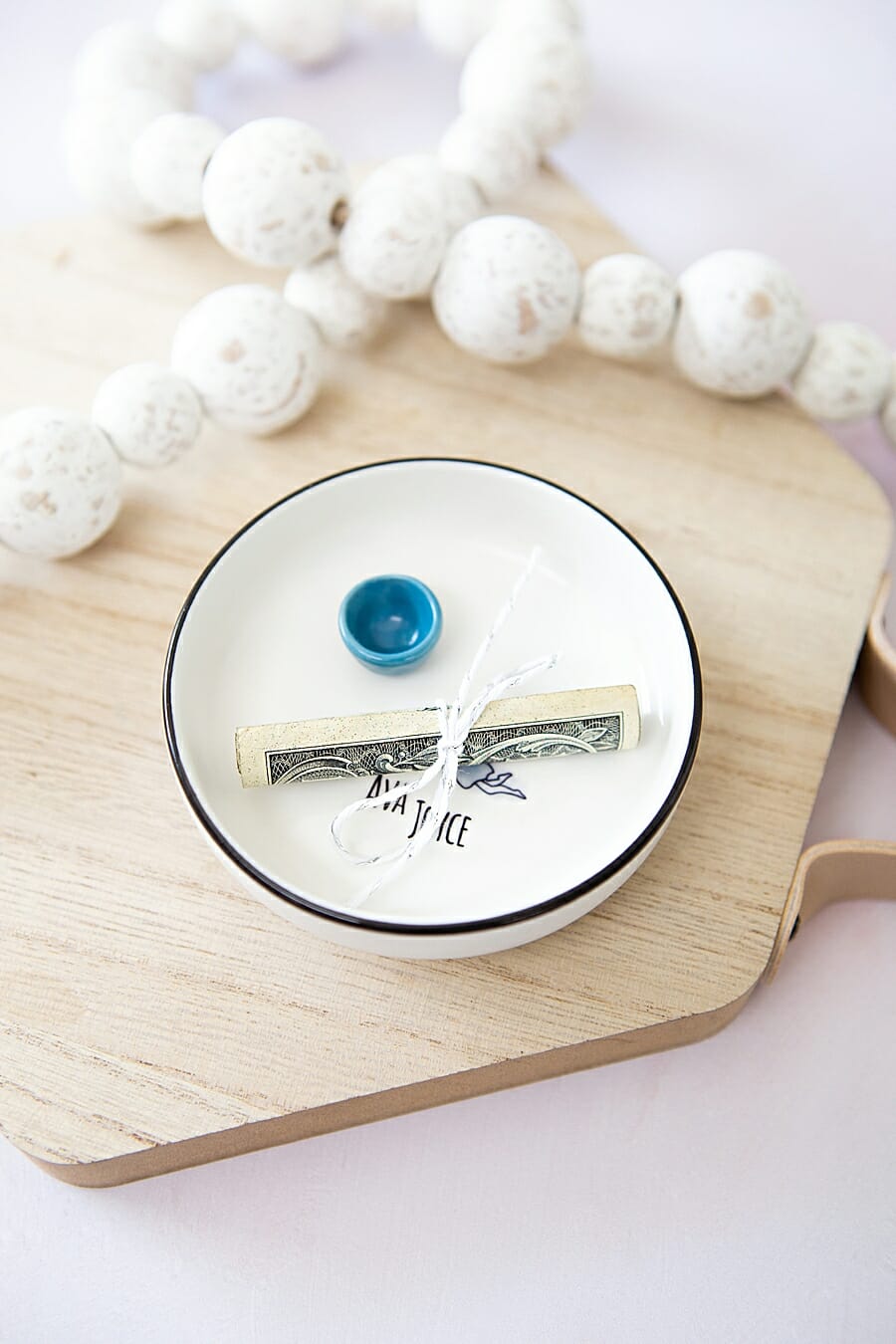
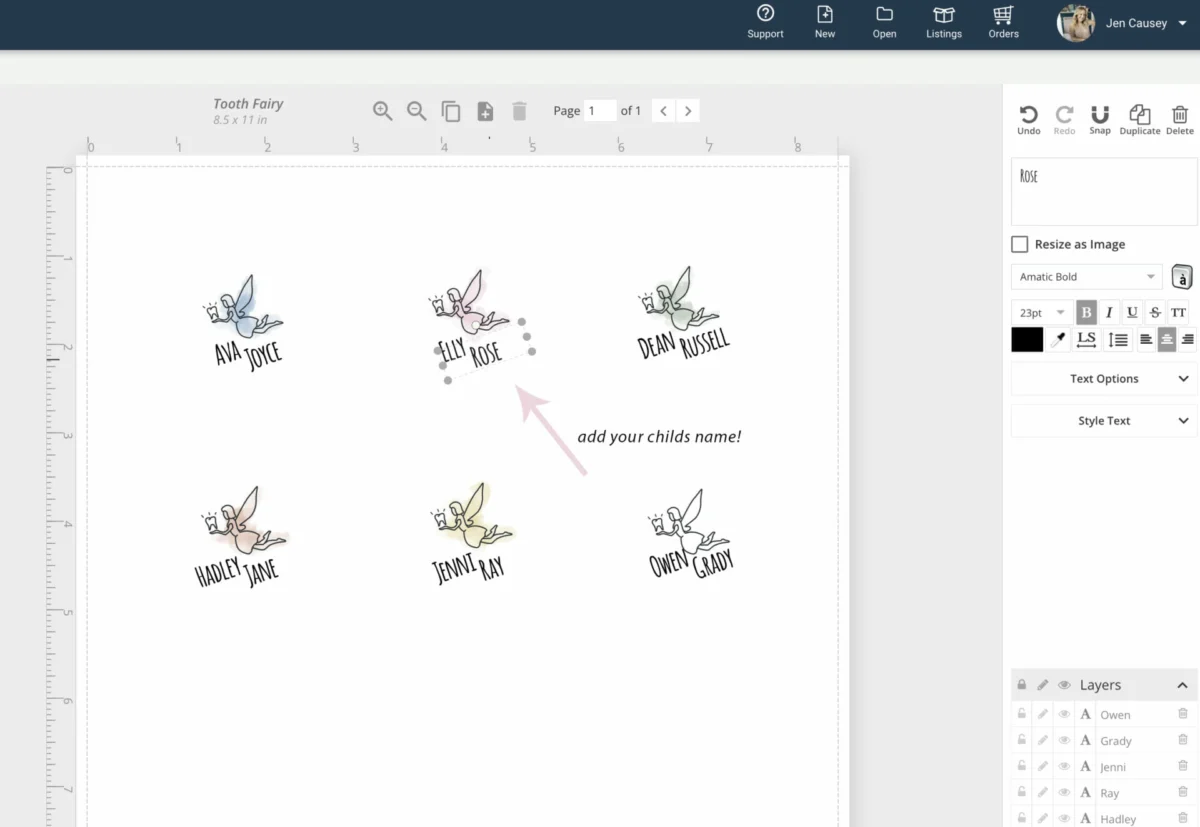
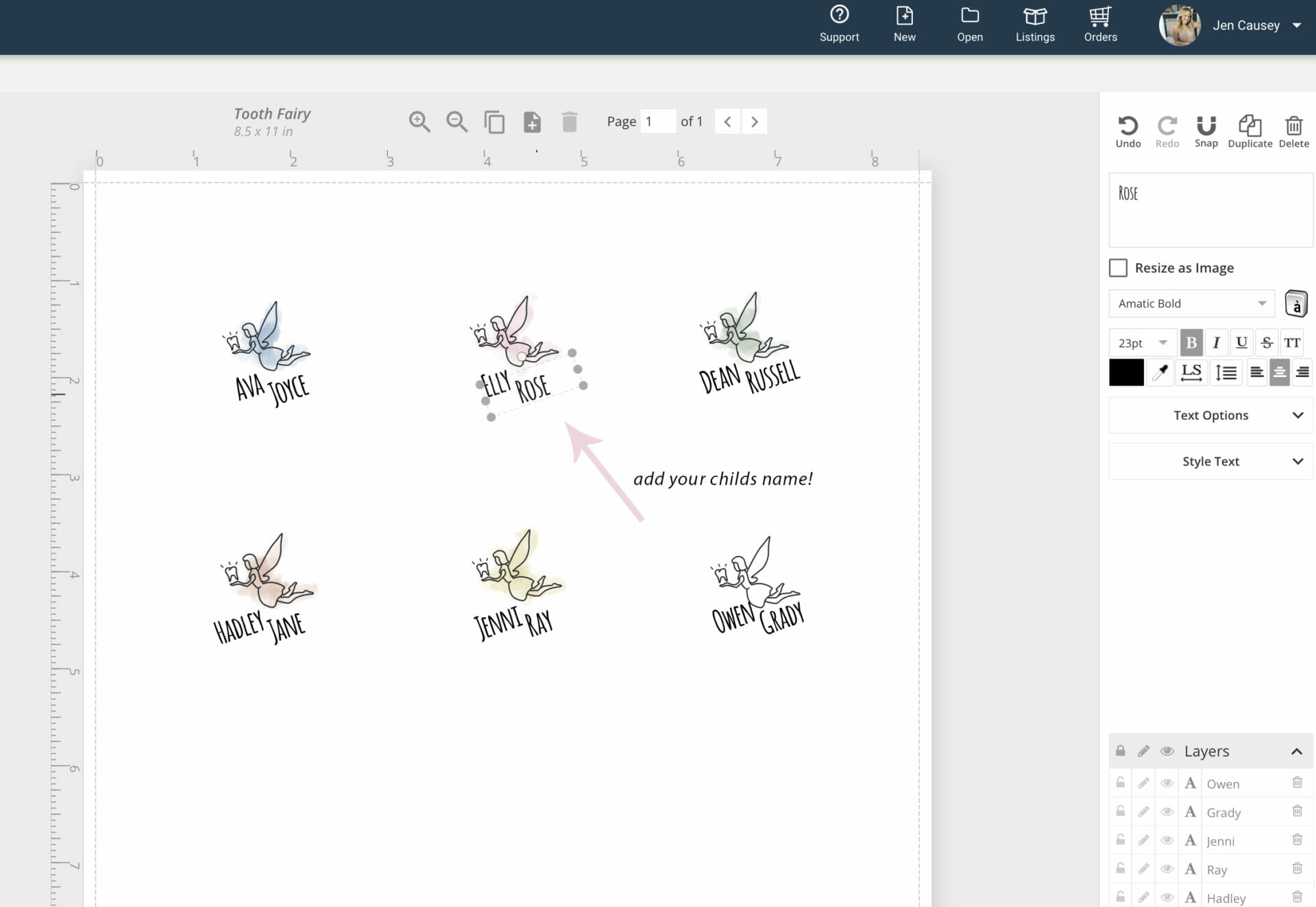
- Digital Customization: Using the Corjl platform, users edit a template featuring a fairy motif and the child’s name. The font choice, typically a stylized sans-serif like Amatic Bold, reflects current aesthetic trends in the nursery and juvenile product markets.
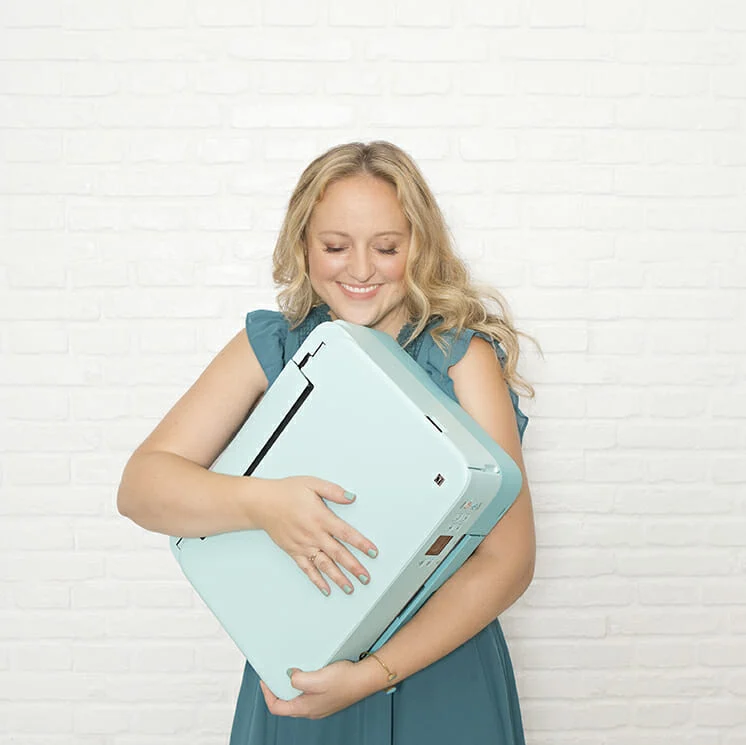
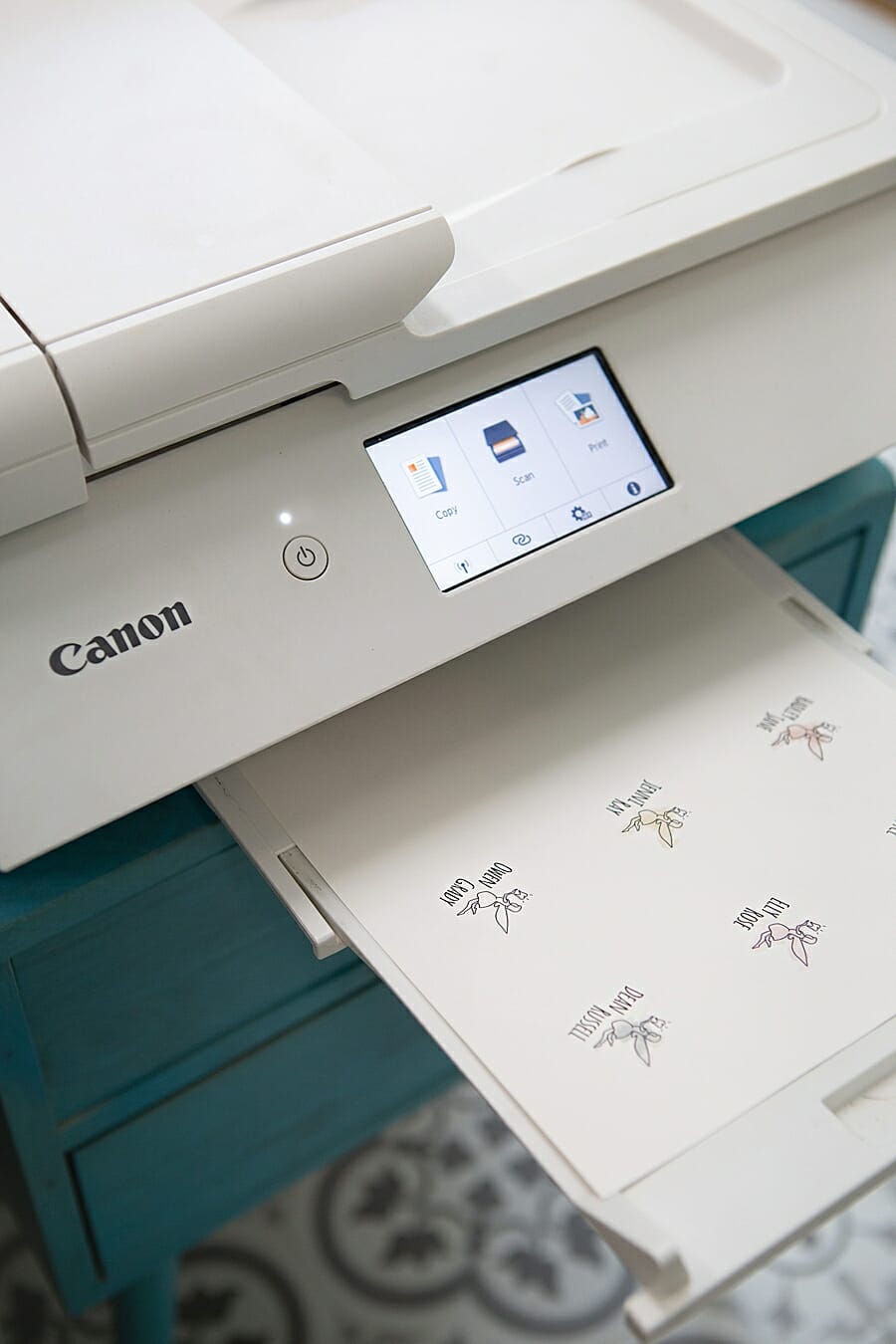
- High-Resolution Printing: The design is printed using a specialized crafting printer, such as the Canon PIXMA TS9521C, which is designed to handle heavier media and provide photo-quality ink saturation.
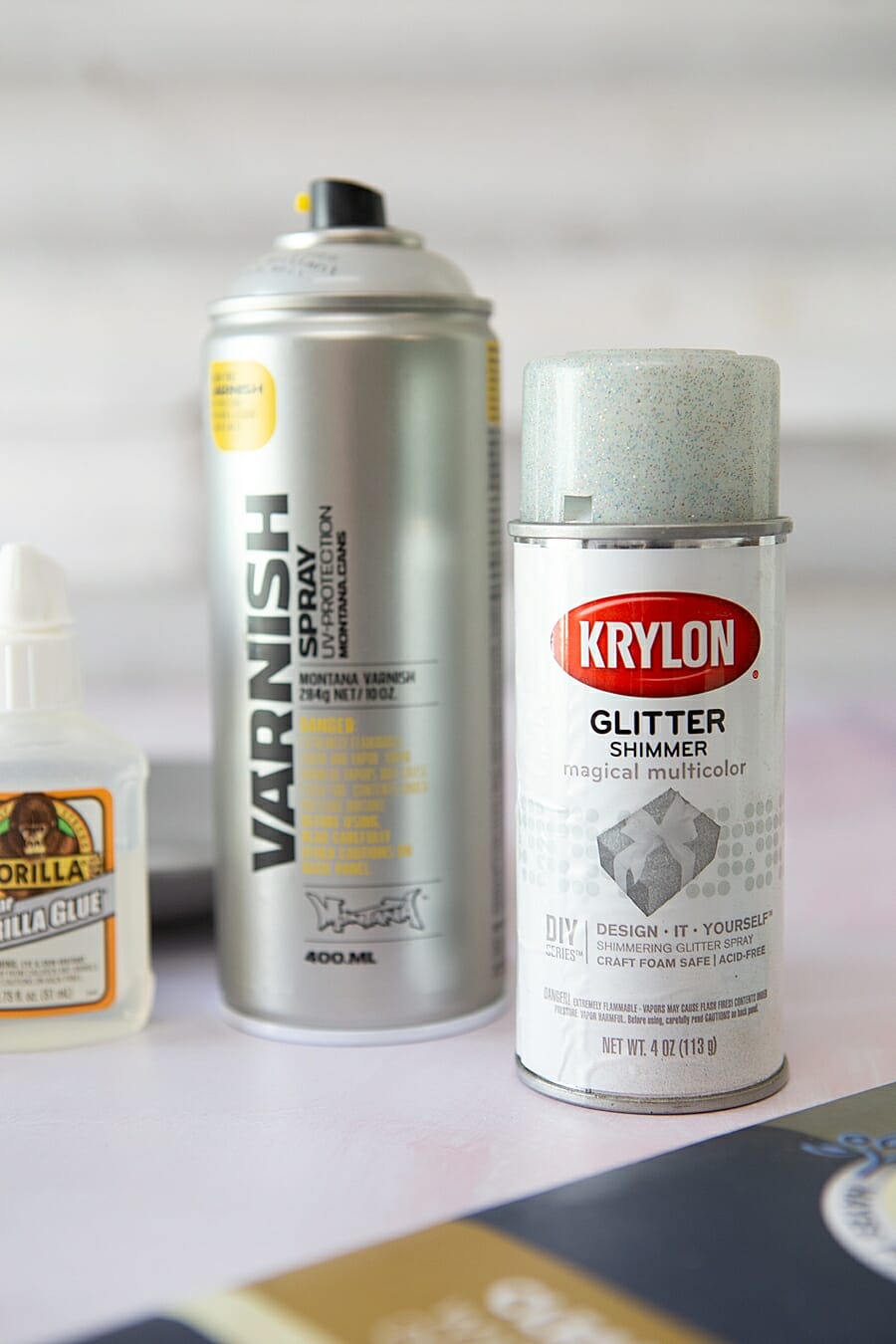
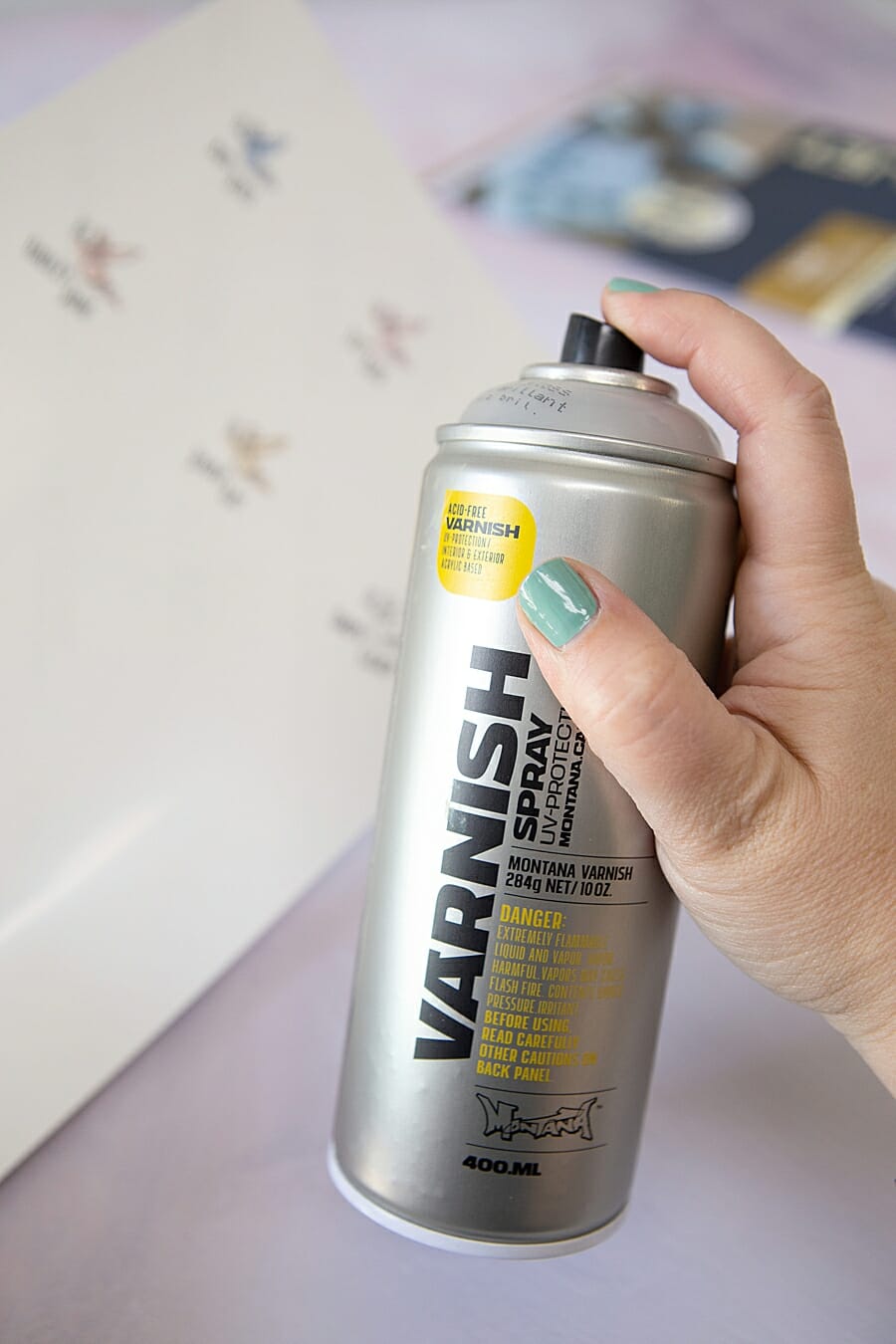
- Chemical Sealing: Because inkjet ink is water-soluble, the printed decal must be sealed with an aerosol varnish. Montana Gold clear varnish is frequently cited as the industry standard for this application. The protocol requires three successive coats with specific drying intervals to ensure the ink remains trapped between the paper backing and the varnish seal.
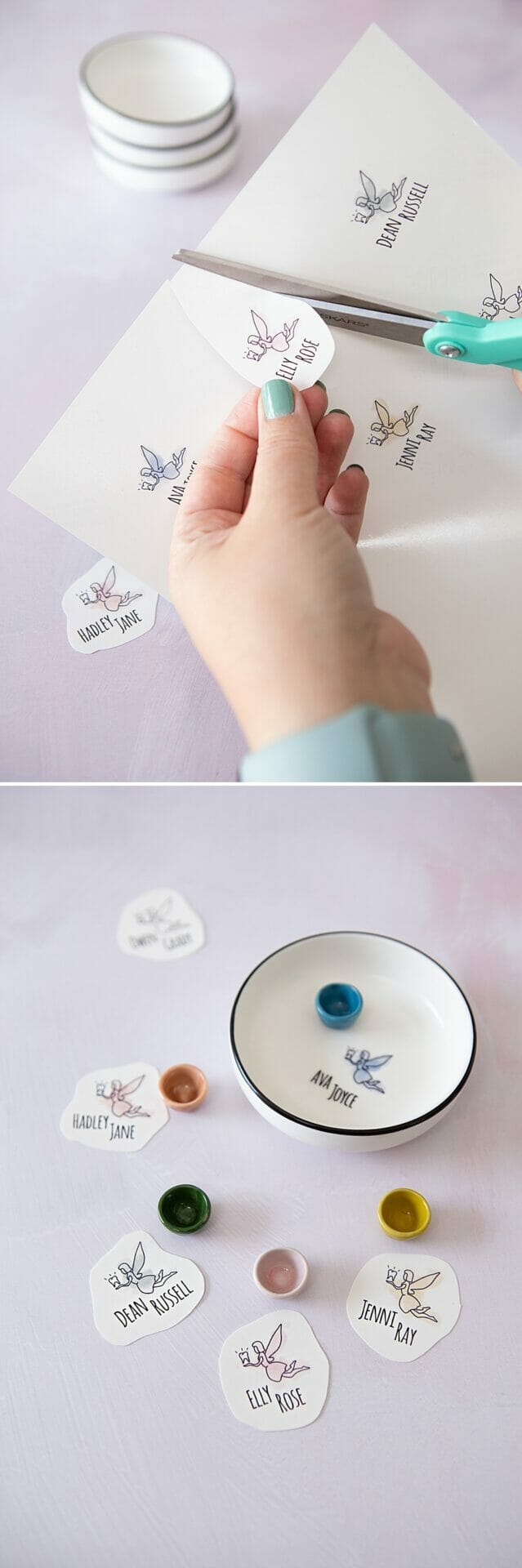
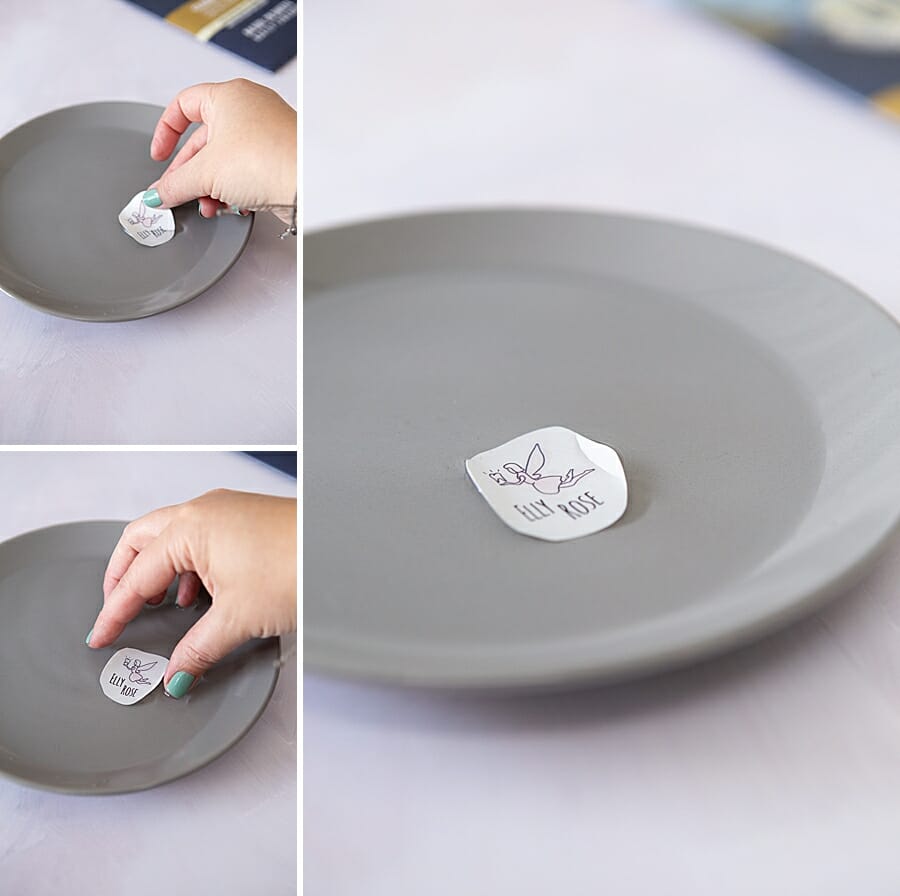
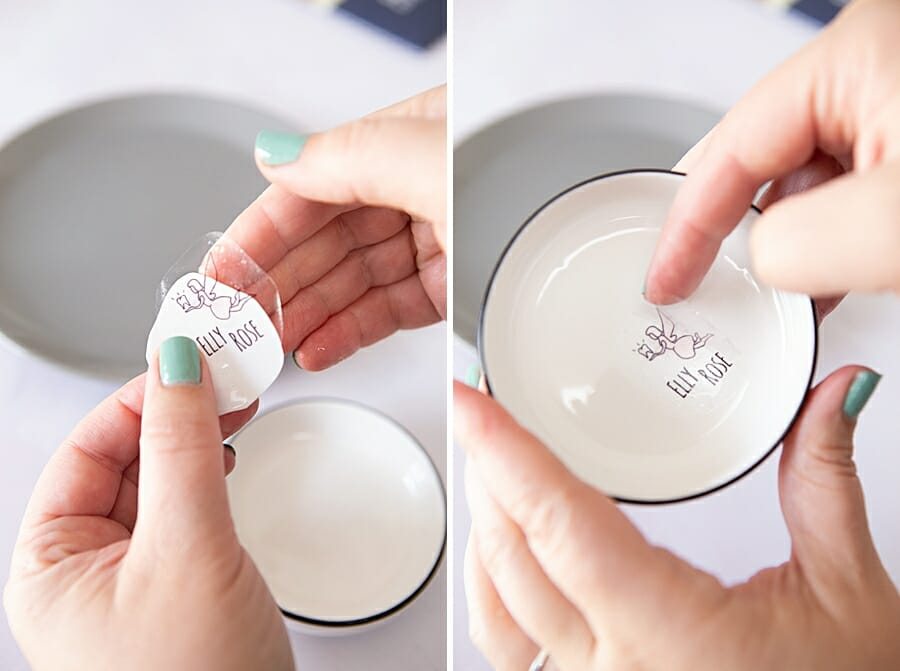
- Hydration and Transfer: The sealed decal is submerged in water for approximately 30 seconds. This dissolves the water-soluble adhesive on the paper, allowing the thin polymer film (the decal) to slide off.
- Curing: Once applied to the ceramic dish, the decal requires a 72-hour curing period to achieve maximum adhesion. While ceramic-based decals can often be oven-cured for food safety, these specific items are designated for "keepsake use only" and are not considered food-safe or dishwasher-safe due to the chemical composition of the varnish and the adhesive.
Market Trends in the DIY Personalization Sector
The rise of projects like the personalized tooth fairy dish is supported by significant growth in the DIY and home-crafting market. According to market research data, the global handicrafts market reached a valuation of approximately $750 billion in 2022 and is projected to continue growing at a compound annual growth rate (CAGR) of over 9% through 2028. This growth is driven largely by the "milestone economy"—a subset of the parenting market focused on documenting and celebrating specific developmental stages of childhood.
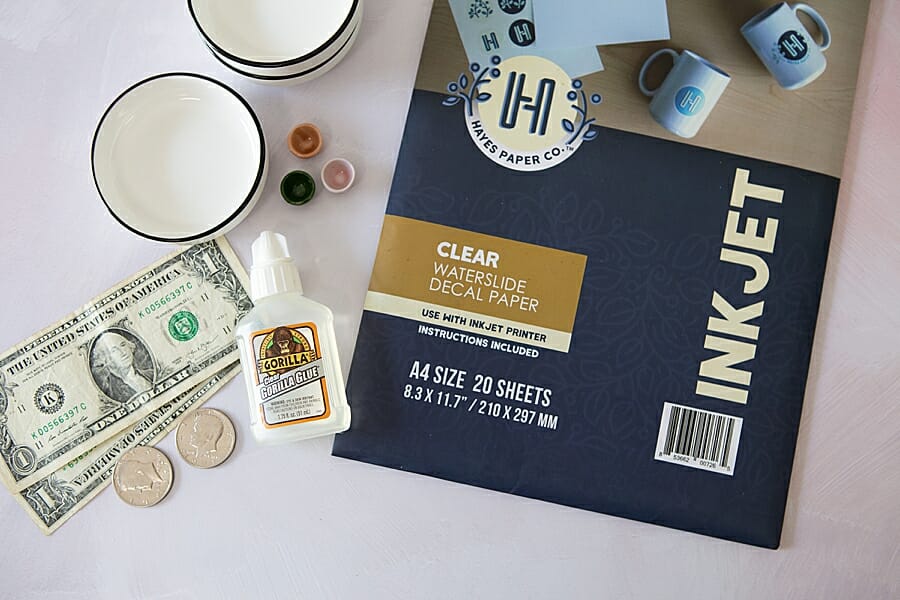
The availability of specialized materials on platforms like Amazon has lowered the barrier to entry for complex projects. Items such as waterslide paper and miniature dollhouse components were previously niche products sold primarily to model train enthusiasts or professional restorers. Today, they are marketed directly to parents looking to create "Instagrammable" moments. The integration of social media, specifically Instagram Reels, serves as a primary distribution channel for these methods, turning a solitary craft into a viral, replicable event.
Safety and Practical Considerations
While the aesthetic appeal of the personalized dish is a primary driver for its adoption, the project necessitates a clear understanding of material safety. The use of clear varnish and industrial adhesives renders the final product non-potable. In a journalistic analysis of the project’s utility, it is noted that the dishes are strictly intended for the storage of "teeth and money."
From a practical standpoint, the "tooth fairy dish" addresses a common pain point for parents. Traditional pillows are prone to being lost in bedsheets or falling onto the floor, leading to failed "missions" and disappointed children. The weight of the ceramic dish provides a stable receptacle that remains in a fixed location. Furthermore, the inclusion of "tooth fairy money"—often involving the application of glitter spray to dollar bills or the polishing of half-dollar coins—adds a secondary layer of "magical" realism that is facilitated by the dish’s open design.
Broader Cultural Impact and Implications
The shift toward these DIY projects represents a broader cultural movement toward "curated parenting." In this paradigm, everyday childhood experiences are elevated through design and personalization. This movement has both psychological and economic implications. For the child, a personalized dish serves as a tangible acknowledgment of their growth, potentially easing the anxiety associated with losing a tooth. For the parent, the act of creation provides a sense of agency and a break from the digital world, despite the project’s reliance on digital tools for the design phase.
Industry experts suggest that the "hyper-personalization" of childhood will continue to evolve as home-manufacturing technology improves. The use of waterslide decals is a precursor to more advanced home-based methods, such as sublimation printing and 3D resin printing, which are beginning to enter the mainstream hobbyist market.
Conclusion and Future Outlook
The personalized tooth fairy dish, as popularized by Jen Causey-Kidder, is more than a simple craft project; it is a synthesis of modern technology, traditional folklore, and current market trends. By leveraging digital editing platforms, specialized printing media, and industrial-grade adhesives, parents are redefining how milestones are celebrated and preserved.
As the "maker movement" continues to intersect with the parenting industry, the demand for unique, high-quality alternatives to traditional items is expected to rise. The success of these DIY initiatives depends on the continued availability of specialized supplies and the ongoing desire of consumers to inject personal meaning into the commercialized landscape of childhood. For now, the humble tooth fairy dish stands as a testament to the creativity of the modern parent and the enduring power of a well-told myth, updated for a new generation.
Through the sharing of these projects on social media platforms under hashtags such as #somethingturquoisediy, a community of "makers" is formed, ensuring that while the methods of the tooth fairy may change, the tradition itself remains a vibrant and evolving part of the family experience.