
The Intersection of Culinary Art and Classical Performance
The "Hazelnut Nutcracker Cake" represents a deliberate departure from the literal interpretations of holiday flavors, such as the sugarplum, which often face seasonal availability challenges. Instead, the design focuses on the evocative power of scent and texture to mirror the atmosphere of the 19th-century ballet. The Nutcracker, which premiered in Saint Petersburg in 1892, has become a cornerstone of global holiday traditions, particularly in North America, where it accounts for nearly 40% of the annual revenue for many major ballet companies.

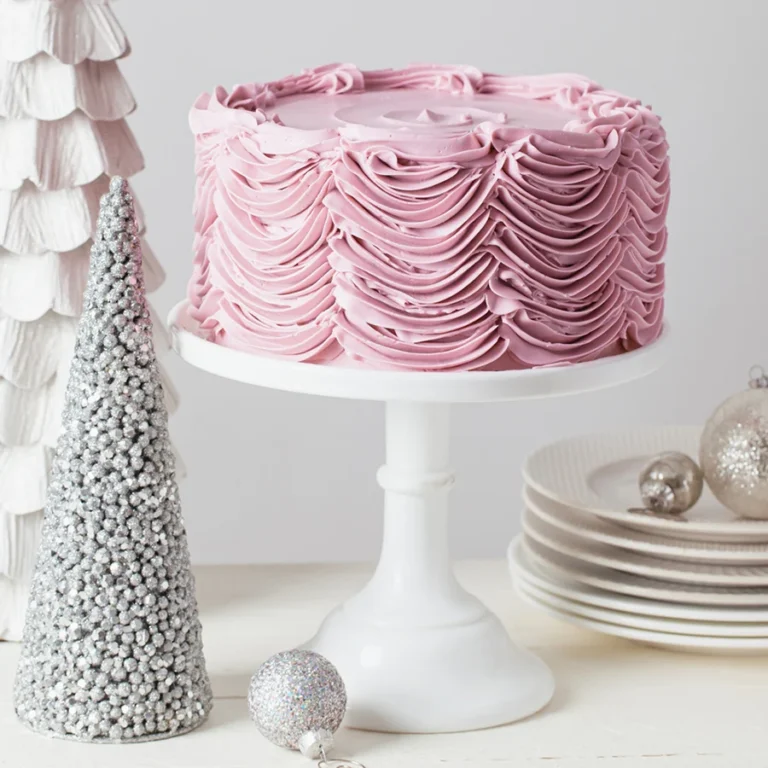
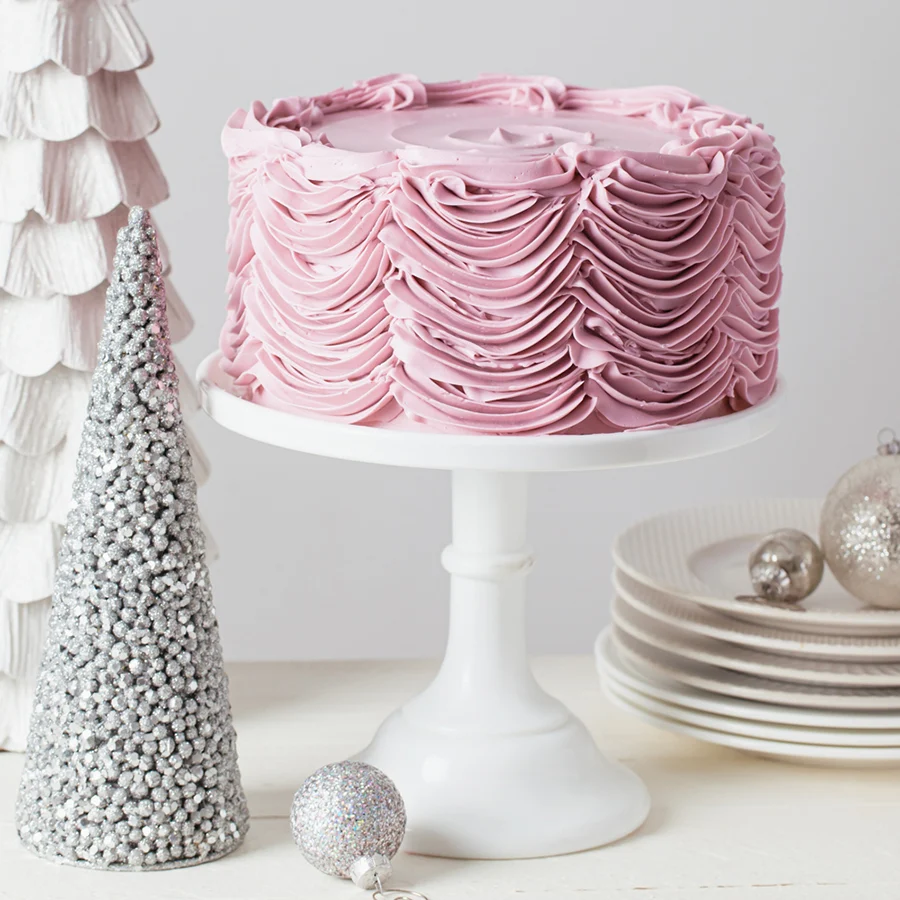
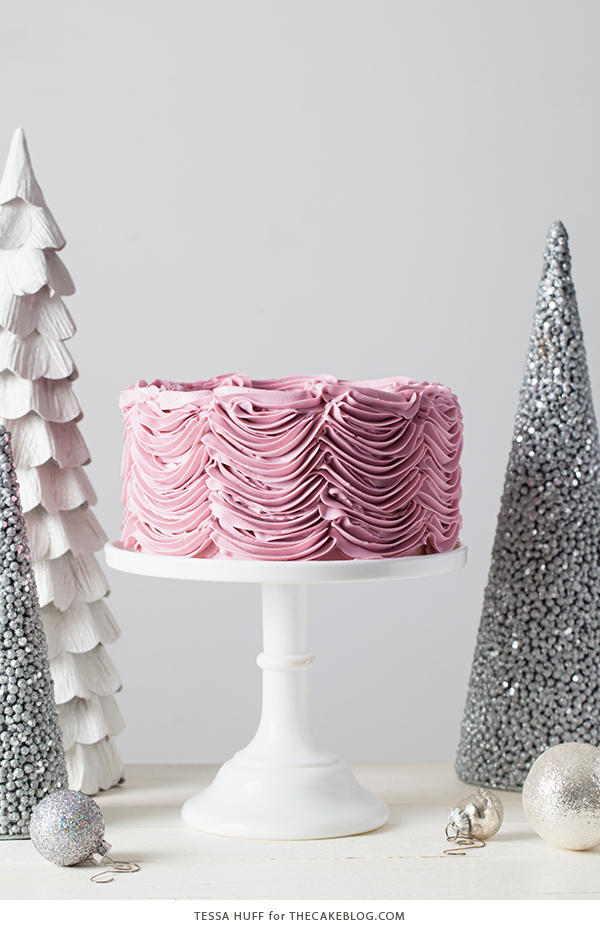
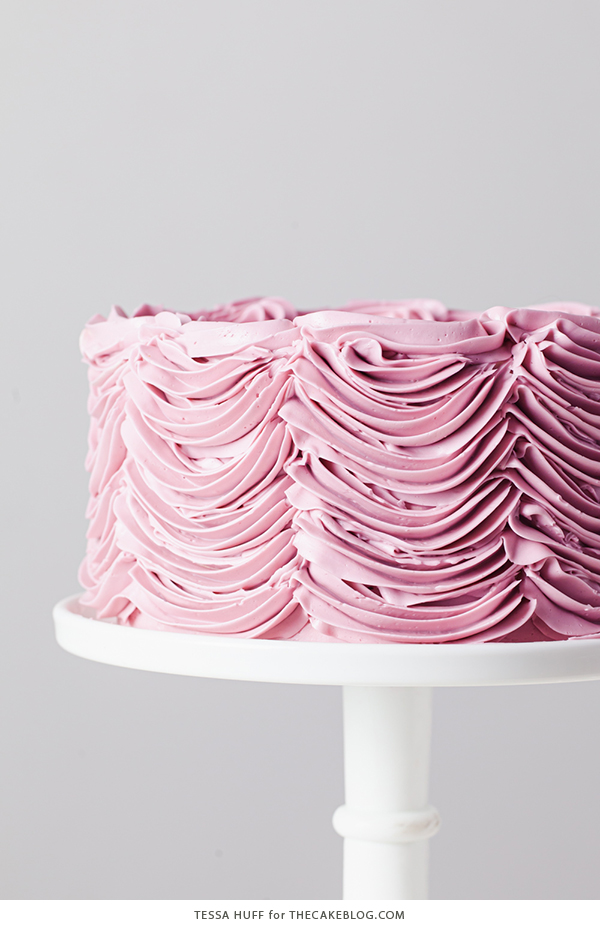
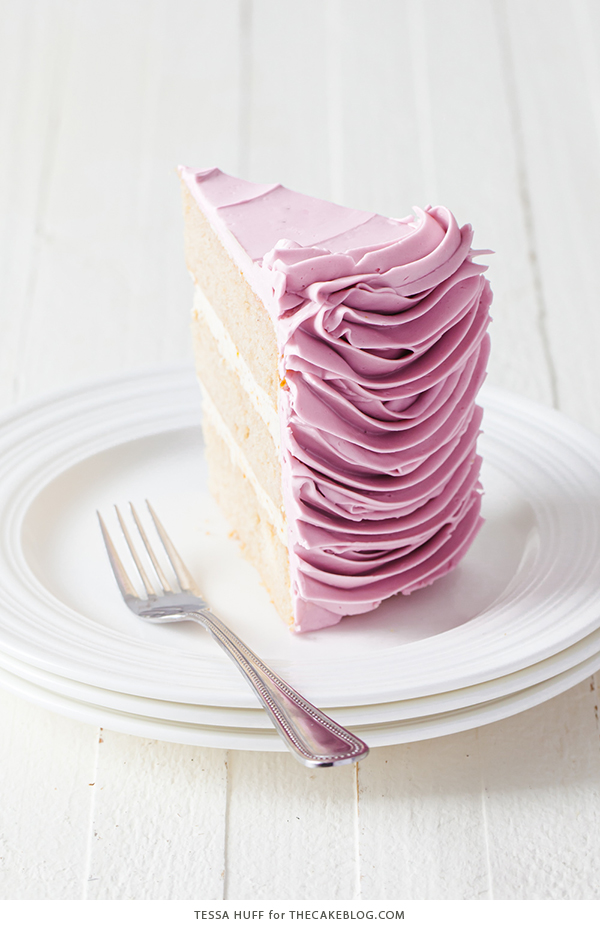
Huff’s creation leverages this cultural ubiquity, utilizing a "sugared plum" purple palette for the exterior buttercream while substituting the elusive fresh plum with the grounded, earthy notes of roasted hazelnuts. This choice reflects a strategic adaptation to the winter harvest, where nuts and warm spices are more accessible and resonant with the "Land of Sweets" narrative. The cake’s structure is intended to mimic the ruffles of a tutu, specifically referencing the Sugar Plum Fairy, thereby bridging the gap between performance art and the culinary discipline.
Technical Composition and Flavor Profile
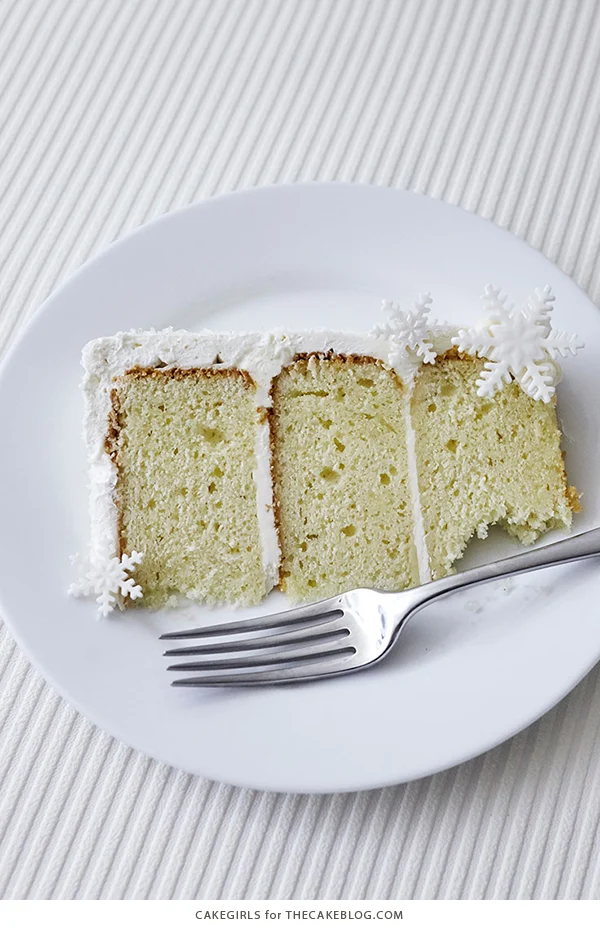
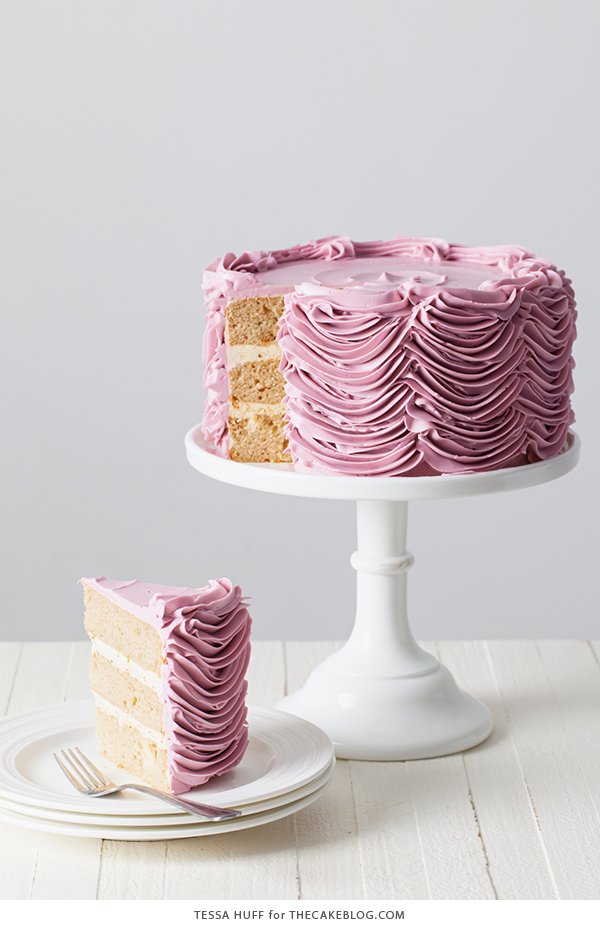
The foundation of the dessert is a brown sugar nutmeg cake, a choice that moves away from the standard white or yellow sponge to provide a more robust, molasses-forward base. Brown sugar is hygroscopic, meaning it attracts and holds moisture more effectively than granulated sugar, resulting in a denser, more tender crumb. When combined with fresh nutmeg—the seed of the Myristica fragrans tree—the cake achieves a depth of flavor that is synonymous with Victorian-era holiday baking.
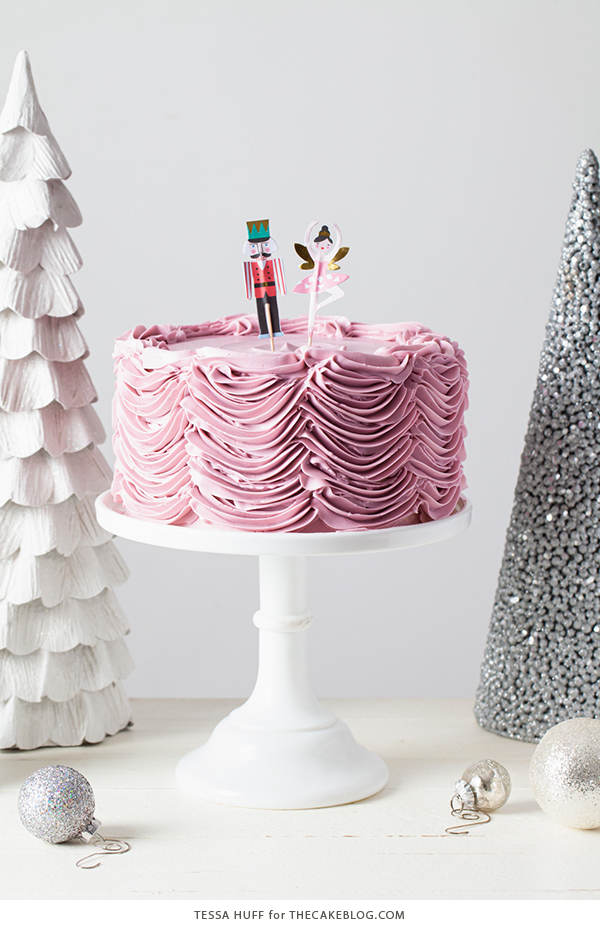
According to technical specifications provided by the designer, the flavor profile is built on three distinct pillars:
- The Sponge: A spice-forward cake utilizing cinnamon and fresh nutmeg to provide warmth.
- The Praline: A crunchy, caramelized hazelnut brittle that is processed into a fine powder to ensure flavor distribution without compromising the silkiness of the frosting.
- The Frosting: A Swiss meringue buttercream (SMB), which is preferred by professional decorators for its stability and smooth finish. Unlike American buttercream, which relies on powdered sugar for structure, SMB is created by cooking egg whites and sugar over a bain-marie to 160°F before whipping into a meringue and incorporating unsalted butter.
The Science of the Hazelnut Praline Component
A key innovation in the Nutcracker Cake is the integration of a hazelnut praline powder. The process involves roasting hazelnuts to release their natural oils and then coating them in a hard caramel. Once cooled, this brittle is pulverized. This technique serves two purposes: it provides a concentrated "nutty" flavor and introduces a unique mouthfeel that contrasts with the softness of the sponge.
From a food science perspective, the inclusion of hazelnuts aligns with current market trends. Global hazelnut production has seen a steady increase, with Turkey producing approximately 70% of the world’s supply, followed by Italy and the United States (primarily Oregon). The use of hazelnuts in high-end pastry has grown by an estimated 15% over the last five years, driven by consumer interest in "premium" ingredients that offer a more complex nutritional and flavor profile than peanuts or walnuts.
Architectural Elements: The Swag Piping Technique
The visual centerpiece of the Hazelnut Nutcracker Cake is its "swag" buttercream piping. This technique requires a high degree of manual dexterity and a specific consistency of buttercream. The "swag" refers to the semicircular, draped patterns piped onto the sides of the cake, which are then layered to create a ruffled, three-dimensional effect.
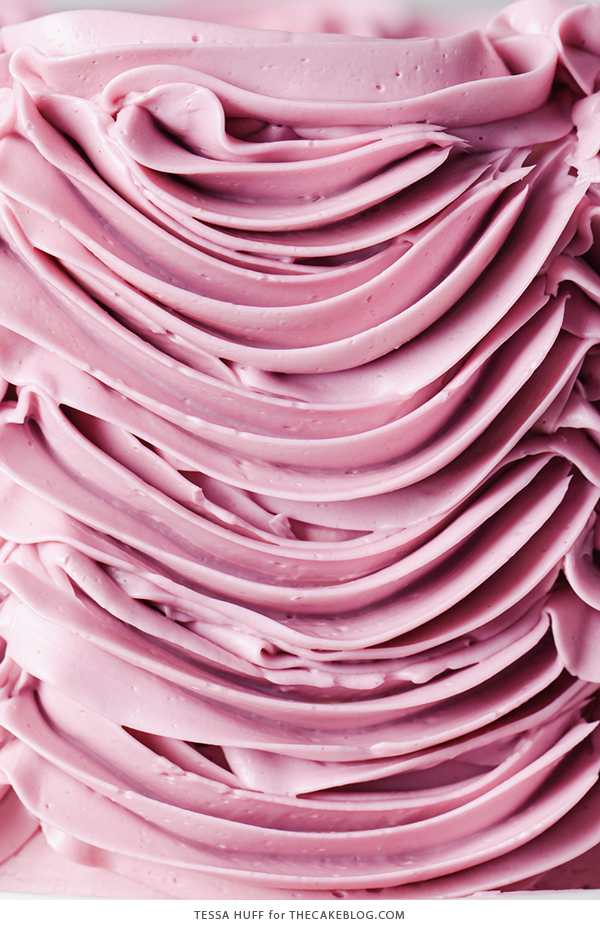
In the professional baking industry, this style of decoration is considered a revival of classical "Lambeth" or "over-piping" styles, which originated in the United Kingdom. However, Huff’s application is more minimalist and modern, focusing on the fluid motion of the lines to suggest the movement of a dancer. The use of a "sugared plum" tint is achieved through the precise application of gel-based food coloring, which maintains the integrity of the buttercream’s emulsion without thinning it, a common risk with liquid-based dyes.
Chronology of Development and Seasonal Impact
The development of the Hazelnut Nutcracker Cake follows a typical timeline for high-traffic culinary content, which is often prepared and photographed months in advance of the holiday season.
- Conceptualization (Late Summer): Analysis of seasonal trends and the selection of "The Nutcracker" as a thematic anchor.
- Recipe Testing (Early Autumn): Multiple iterations of the brown sugar nutmeg cake to ensure structural integrity for the heavy buttercream applications.
- Design Finalization: Selection of the hazelnut praline as the primary textural element and the development of the "tutu" piping style.
- Publication (December): The recipe is released to the public, coinciding with the peak of the global ballet season and the height of home-baking activity.
The impact of such recipes on the digital economy is significant. Specialized cake blogs and platforms see a 200% to 300% increase in traffic during the month of December. The "Hazelnut Nutcracker Cake" is positioned to capitalize on this surge by offering a "project cake"—a recipe that requires several hours of labor and is intended for special occasions, appealing to the growing demographic of "prosumer" home bakers.
Market Analysis: Seasonal Trends in the Baking Industry
The release of this recipe occurs within a broader economic context of the holiday baking market. In the United States alone, the baking ingredients market is valued at over $15 billion, with a substantial portion of sales occurring in the fourth quarter. The demand for "experiential baking"—where the process of creating the item is as valued as the consumption—has led to a rise in complex, multi-component recipes like the Nutcracker Cake.
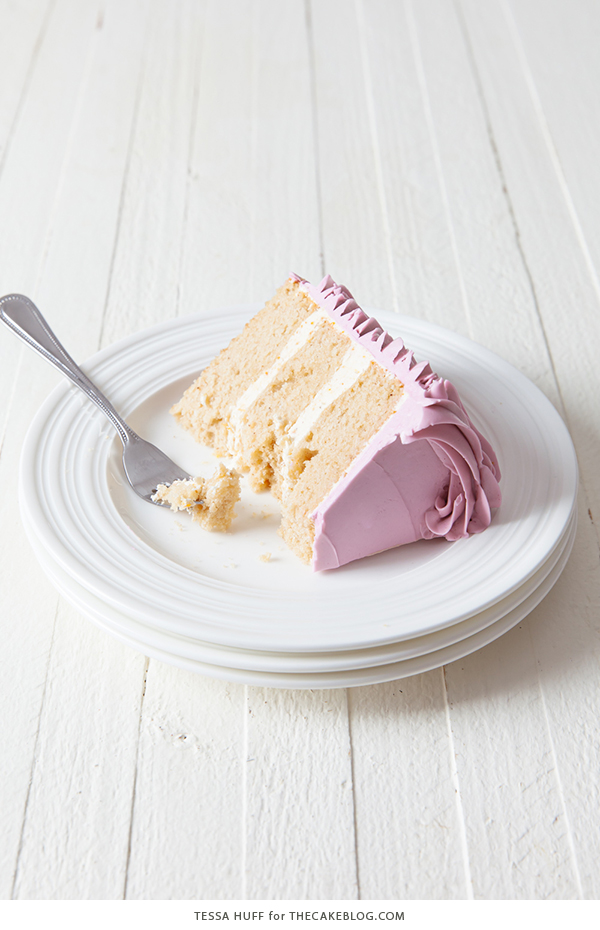
Industry analysts note that consumers are increasingly looking for recipes that offer "Instagrammability." The visual appeal of the swag piping and the thematic tie-in with a beloved cultural institution make the Hazelnut Nutcracker Cake highly "shareable." Data suggests that recipes with a strong visual identity receive 40% more engagement on social media platforms compared to standard holiday recipes like gingerbread or sugar cookies.
Official Responses and Culinary Reception
While there is no "official" governing body for holiday cakes, the reception from the online baking community has been overwhelmingly positive. Early reviews of the recipe highlight the "addictive" nature of the hazelnut brittle and the effectiveness of the spice blend in the sponge. Professional pastry chefs have noted that the use of Swiss meringue buttercream makes the cake more approachable for intermediate bakers who want to practice advanced piping techniques without the immediate crusting issues associated with traditional frostings.
Tessa Huff, the creator, noted in her technical brief that the cake was born from a desire to capture "child-like wonder" and "nostalgia." This emotional branding is a common tactic in successful recipe development, as it creates a personal connection between the baker and the final product. By framing the cake as a "tribute" to the ballet, the recipe transcends being a simple list of instructions and becomes a cultural artifact.
Broader Implications and Future Outlook
The Hazelnut Nutcracker Cake is emblematic of the "boutique" approach to modern pastry. It signifies a move toward more artisanal, ingredient-focused desserts that tell a specific story. As the culinary world continues to overlap with other art forms—such as dance, literature, and film—we can expect to see more "narrative-driven" confectionery.
Furthermore, the emphasis on hazelnuts may indicate a shift in seasonal flavor palettes. While peppermint and chocolate remain dominant, the "nutty and spiced" profile of the Nutcracker Cake suggests a growing consumer appetite for more sophisticated, less overtly sweet options. The success of this recipe likely ensures that thematic, performance-inspired desserts will remain a staple of the holiday culinary landscape for years to come.
In conclusion, the Hazelnut Nutcracker Cake is more than a seasonal treat; it is a meticulously engineered piece of edible art. Through its combination of high-level piping techniques, scientifically grounded ingredient choices, and deep cultural resonance, it serves as a benchmark for contemporary holiday baking. Whether viewed as a technical challenge for the home baker or a thematic celebration of Tchaikovsky’s legacy, the cake stands as a testament to the enduring power of the holiday spirit when translated through the medium of professional pastry.