
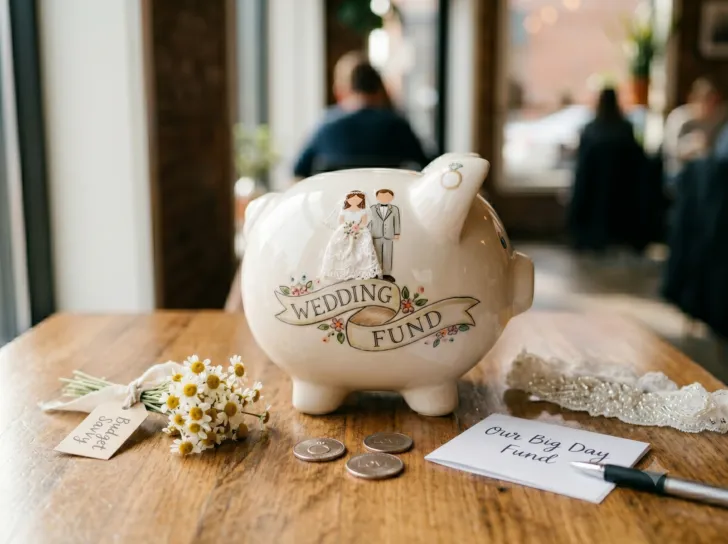
Navigating the complexities of wedding planning often leads couples down a path fraught with escalating costs, making budget management a paramount concern. With the national average cost of a wedding frequently cited in the tens of thousands, many couples find themselves seeking innovative strategies to celebrate their union without incurring substantial debt. This guide, drawing on extensive experience in cost-effective event planning, compiles over 60 actionable tips designed to empower couples to create a memorable and meaningful wedding within their financial means. The core philosophy posits that a fabulous wedding is not predicated on extravagant spending, but rather on thoughtful planning and strategic choices.
Understanding the Modern Wedding Landscape and Financial Realities
The contemporary wedding industry is a multi-billion-dollar sector, characterized by rising vendor fees, venue costs, and an array of services designed to fulfill every bridal dream. Economic fluctuations and evolving consumer expectations have pushed the average wedding expenditure upwards, often creating significant financial pressure on engaged couples. Research consistently shows that the largest portions of a wedding budget are typically allocated to the venue, catering, and photography. Acknowledging these financial realities is the first step toward effective budget planning. Many couples, influenced by social media and industry trends, may feel compelled to adhere to conventional expectations, often overlooking the substantial savings achievable through unconventional or personalized approaches. The shift towards more intimate, experience-focused celebrations, often driven by financial prudence, reflects a broader cultural re-evaluation of what truly constitutes a "perfect" wedding.
I. Foundational Financial Strategies: Setting the Stage for Savings
Effective budget management begins with establishing a clear financial framework and adhering to it rigorously. This initial phase is crucial for preventing overspending and ensuring that every decision aligns with the couple’s financial goals.
1. Create a Budget and Stick to It: This is arguably the most critical step. Before engaging any vendors or making any purchases, couples must define their total wedding budget. This involves understanding income, savings, and any contributions from family. Financial experts recommend using dedicated wedding budgeting tools or spreadsheets to track every expense. The initial budget serves as a blueprint, guiding all subsequent decisions and preventing impulsive spending. Sticking to it requires discipline and regular review, making adjustments as needed without exceeding the overall cap.
2. Establish Your Priorities: A wedding is a reflection of the couple, and identifying shared priorities is key to allocating funds wisely. Discuss what elements are most important—be it food, photography, guest experience, or a specific aesthetic. By ranking priorities, couples can determine where to splurge and where to save. For example, if exceptional food is paramount, cuts might be made in floral arrangements or guest favors. This intentional prioritization prevents unnecessary expenses on less valued aspects of the day.
3. Do What Feels Right for YOU: Societal expectations and external opinions can heavily influence wedding decisions, often leading to expenses that don’t genuinely resonate with the couple. Financial advisors often highlight that a wedding should reflect the couple’s values, not external pressures. Couples are encouraged to resist the urge to conform to traditions they don’t value, thereby eliminating significant costs associated with elements like elaborate cakes, large bridal parties, or expensive transportation. Authenticity in planning often translates to financial savings and a more personal celebration.
II. Strategic Vendor Selection and Timing: Maximizing Value
The choice of wedding date, venue, and key vendors can dramatically impact overall costs. Strategic timing and creative venue selection are powerful tools for budget-conscious planning.
4. Cut the Guest List: This is consistently cited as one of the most impactful cost-saving measures. Every guest adds to the cost of catering, beverages, invitations, favors, and even venue size. Reducing the guest list can lead to exponential savings across multiple categories. For instance, if the average per-guest cost is $150-$250, cutting 20 guests could save between $3,000 and $5,000. This enables couples to either reduce their total budget or reallocate funds to higher-priority items for a smaller, more intimate group.
5. Choose an Off-Peak Wedding Date: Demand drives pricing in the wedding industry. Saturdays during peak seasons (typically spring and fall) command the highest prices for venues and vendors. Opting for a weekday (Monday-Thursday) or an off-season month (e.g., January, February, August) can lead to significant discounts, sometimes as much as 20-40% off standard rates. Even choosing a Friday or Sunday can yield noticeable savings compared to a Saturday.
6. Find a Venue That Will Let You BYOB: Alcohol can constitute a substantial portion of the catering budget. Venues with in-house bar services often mark up alcohol significantly. By selecting a venue that permits couples to bring their own alcohol (BYOB), they can purchase beverages at retail prices, leading to considerable savings. This approach also offers greater control over beverage selection and quantity, further optimizing costs.
7. Choose a Naturally Beautiful Location: Venues requiring minimal decoration reduce expenses on rentals, floral arrangements, and other aesthetic elements. Outdoor settings like national parks (with proper permits), botanical gardens, or scenic overlooks provide stunning backdrops that require little enhancement. Beyond the aesthetic benefits, many public spaces offer significantly lower rental fees than traditional wedding venues, aligning with a budget-savvy approach.
8. Consider a Local Restaurant Instead of a Caterer: Traditional wedding caterers often come with premium pricing, service charges, and minimums. Many local restaurants, especially those specializing in casual fare like barbecue, tacos, or Italian cuisine, can provide delicious, high-quality food at a fraction of the cost. This option often eliminates setup fees, rental charges for dishware, and other hidden costs associated with dedicated wedding catering services.
9. Choose a Non-Traditional Venue: Thinking beyond conventional ballrooms and banquet halls can unlock unique and affordable options. Public libraries, art galleries, university campuses, community centers, or even a local zoo can offer distinctive atmospheres at lower rental costs. These venues often provide a blank canvas, allowing for personalized decor without the "wedding premium" often associated with traditional spaces.
10. Choose a Dual-Purpose Venue: Selecting a single venue that can host both the ceremony and reception eliminates transportation costs between locations for guests and the wedding party. It also streamlines decoration efforts, as items can often be repurposed or rearranged between events, leading to efficiency and savings on labor and rentals.
11. Hold Your Wedding at Home: For couples with access to a large backyard or family property, an at-home wedding can drastically reduce venue costs. While external rentals for tents, tables, chairs, and restrooms may still be necessary, the overall savings compared to a traditional venue can be substantial. This option also offers a highly personal and relaxed atmosphere.
12. Consider Having a Destination Wedding: While seemingly counterintuitive, a destination wedding can often result in significant savings due to a naturally smaller guest list. Fewer guests typically attend international or distant weddings, reducing overall costs for food, beverages, and favors. As an added bonus, the wedding location can often double as an extended honeymoon destination.
13. Think Outside the Box for Wedding Catering: Beyond restaurants, consider food trucks, potluck-style receptions (for very casual gatherings), or themed food stations (e.g., pasta bar, slider station) as more affordable and memorable alternatives to plated dinners or elaborate buffets. These options can often be more engaging for guests and significantly reduce per-person food costs.
14. Consider a Day of the Week Other Than Saturday: As previously noted, Saturdays are premium days. Fridays and Sundays offer a good balance between weekend convenience and cost savings, typically priced 10-20% lower than Saturdays. Weekday weddings, while potentially less convenient for some guests, offer the deepest discounts.
15. Book a Vacation Rental Wedding Venue: Platforms like Airbnb or VRBO offer large properties that can serve as intimate wedding venues, often accommodating both the ceremony and reception, and even lodging for the wedding party. This can provide a more personal setting and often at a lower cost than traditional venues, especially when booked well in advance.
III. Attire and Aesthetics: Smart Choices for Style
Achieving a desired aesthetic without breaking the bank requires thoughtful choices in attire, cake, and overall design elements.
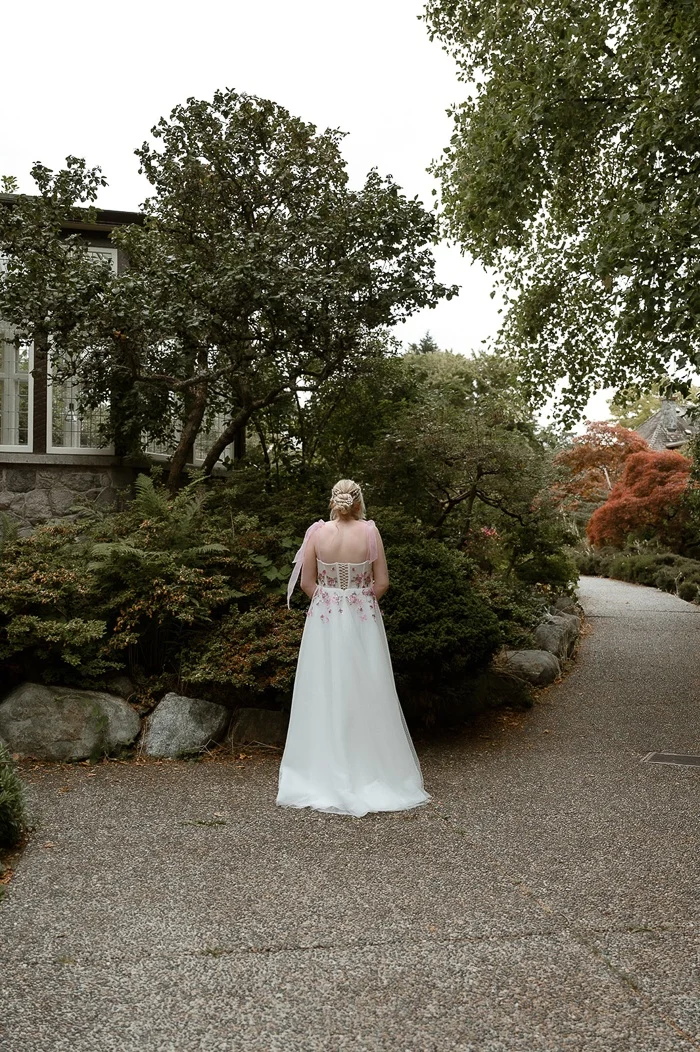
16. Consider Buying a Pre-Owned Wedding Dress: High-end designer gowns can be purchased for 50% or more off their retail price from previous brides through reputable online resellers or consignment shops. This not only offers significant savings but also contributes to sustainable consumption.
17. Shop Wedding Dress Sample Sales: Bridal salons frequently host sample sales to clear out inventory. These events offer designer gowns at deep discounts, as they are typically floor models that have been tried on. With minor cleaning or alterations, these dresses can be a steal.
18. Rent Wedding Attire and Decor Instead of Buying New: For items worn only once, renting is a financially savvy choice. This applies not only to tuxedos and suits for groomsmen but also increasingly to bridal gowns, bridesmaids’ dresses, and even decorative elements like backdrops, lighting, and specialty linens.
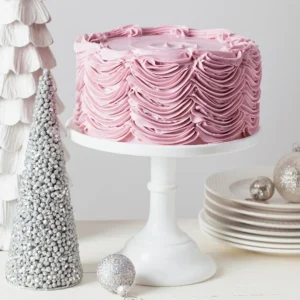
19. Choose a Simple Cake Design: Elaborate, multi-tiered cakes with intricate detailing require significant time and artistry from bakers, leading to higher costs. Opting for a simpler, elegant design, perhaps with minimal frosting and fresh floral accents, can save hundreds.
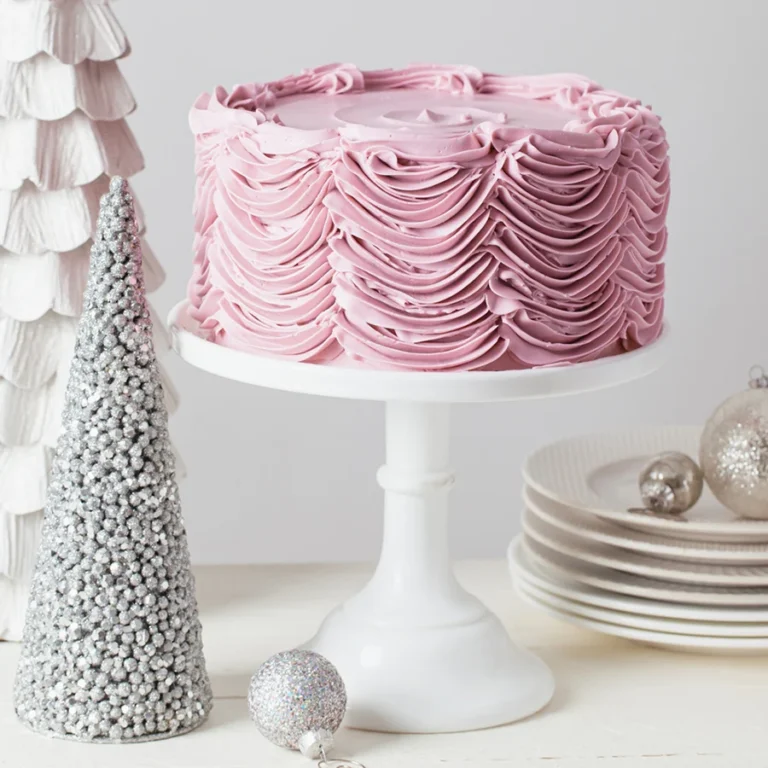
20. Go for Buttercream Over Fancy Fondant: Fondant, while offering a smooth, sculptural finish, is more labor-intensive and expensive than traditional buttercream. Buttercream cakes are often more palatable to guests and offer a classic, elegant look at a lower price point.
21. Choose a Grocery Store Wedding Cake: Many grocery store bakeries have skilled decorators capable of creating beautiful, simple tiered cakes at a fraction of the cost of a specialized wedding bakery. These can be easily personalized with fresh flowers or custom toppers.
22. Try the Wedding Cake Switcheroo: Display a small, beautifully decorated "show" cake for cutting ceremonies and photographs, while serving guests slices of a more affordable sheet cake from the kitchen. This provides the aesthetic without the high cost per slice for an elaborate cake.
23. Buy a Suit over Renting a Tux: For grooms and groomsmen, purchasing a well-fitting suit can sometimes be more cost-effective than repeatedly renting a tuxedo, especially if the suit can be reused for future events. This investment provides a versatile wardrobe staple.
IV. Decor and Floral Ingenuity: Crafting Beauty on a Budget
Flowers and decor are often areas where budgets can quickly inflate. Creative solutions and DIY efforts can significantly reduce these expenses.
24. Use Fresh Flowers Sparingly: While beautiful, fresh cut flowers are one of the most expensive decor items. Instead of grand arrangements, use flowers as accents or focus on statement pieces in key areas.
25. Do DIY Projects to Save Money: For creative couples, DIY can be a powerful cost-saving tool. Crafting invitations, creating centerpieces, assembling favors, or designing signage can reduce costs significantly, provided the couple has the time and skill. Examples include homemade photo booths, custom backdrops, or personalized stationery.
26. Borrow What You Can: Friends and family members often have decor items, serving dishes, vases, or even personal accessories like jewelry that can be borrowed. This "something borrowed" tradition extends beyond personal items to decorative elements, reducing purchase costs.
27. Find Affordable Decor at Thrift Stores: Secondhand stores, antique shops, and flea markets are treasure troves for unique and affordable decor items like vases, picture frames, vintage books, candle holders, and even linens. These items can be upcycled or used as-is for a charming, eclectic aesthetic.
28. Upcycle Items to Use as Wedding Decor: Transforming everyday items into decorative pieces is a sustainable and budget-friendly approach. Glass jars can become candle holders or vases, old crates can be repurposed for displays, and spray paint can revitalize almost anything.
29. Choose In-Season Flowers: Seasonal flowers are more readily available and therefore less expensive. Consult with a florist or research local blooms to select flowers that are naturally abundant during the wedding month.
30. Use Inexpensive Filler Flowers Like Baby’s Breath and Greenery: These elements can add volume and texture to arrangements without the high cost of premium blooms. Baby’s breath, eucalyptus, and ferns can create lush, elegant displays for a fraction of the price.

31. Use Non-Floral Items as Decor: Explore alternatives to fresh flowers entirely. Candles, lanterns, potted plants (which can double as favors), fruit displays, books, or fabric draping can create stunning visual impact without the floral expense.
32. Buy Wholesale Flowers and DIY Your Floral Arrangements: For couples confident in their arranging skills, purchasing flowers in bulk from wholesale suppliers and assembling them personally can save a significant amount on florist labor costs.
33. Swap Fresh Flowers for Faux: High-quality silk or artificial flowers have come a long way and can look incredibly realistic. Renting faux arrangements for bouquets, boutonnieres, and centerpieces can offer substantial savings, often less than half the cost of fresh flowers.
34. Use Decorations that Pull Double Duty: Maximize the impact of each decor item. For example, bridesmaids’ bouquets can be repurposed as centerpieces on reception tables, or ceremony aisle markers can become part of the reception decor.
V. Entertainment and Guest Experience on a Budget
Providing a memorable experience for guests doesn’t require extravagant spending; clever alternatives can be just as engaging and enjoyable.
35. Be Your Own DJ: Curating a personalized playlist on a streaming service and using a quality sound system can eliminate the need for an expensive professional DJ or band. An outgoing friend or family member can serve as an MC to manage announcements.
36. Consider Having a Brunch Wedding: Daytime celebrations are often less expensive than evening events. Brunch menus are typically more affordable than dinner options, and alcohol consumption may be lower, focusing on mimosas or Bloody Marys rather than a full open bar.
37. Skip the Open Bar and Offer Signature Cocktails Instead: Instead of a full bar with every spirit imaginable, offer one or two signature cocktails that reflect the couple’s tastes, alongside wine and beer. This significantly limits alcohol costs while still providing attractive beverage options.
38. Serve Only Wine and Beer to Cut Bar Costs: If a full bar or signature cocktails are still too costly, offering only wine and beer is a perfectly acceptable and budget-friendly option that most guests will appreciate.
39. Skip the Favors or Make Something Edible: Many wedding favors are left behind or discarded. If favors are desired, edible treats like homemade cookies, local honey, or coffee beans are often more appreciated and less wasteful. Eliminating favors entirely is a straightforward way to save.
40. Opt for a Dessert Buffet Instead of a Traditional Wedding Cake: A spread of various desserts—cupcakes, pies, cookies, brownies—can be more affordable and offer guests more choices than a single large wedding cake. Store-bought options can be arranged attractively for a gourmet feel.
41. Skip the Pricey Champagne! A champagne toast is traditional but not mandatory. Guests can raise a glass with whatever beverage they are already enjoying, or a more affordable sparkling wine can be substituted.
42. Close the Bar an Hour Early: If a venue controls the bar, asking them to cease alcohol service an hour before the reception ends can reduce costs. Offer coffee, tea, or water for the final hour.
VI. Logistics and Hidden Savings: Uncovering Every Opportunity
Many small choices and overlooked details can add up to significant savings. Attention to these logistical elements is key to staying on budget.
43. Recruit Talented Friends to Help: Leverage your personal network. A friend who is a graphic designer could create invitations, a talented baker could make cupcakes, or a photographer friend could capture candid moments. This relies on goodwill and should be approached respectfully.
44. Remember to Factor in the Cost of Rentals: For "raw space" venues or backyard weddings, rentals for tables, chairs, linens, dishware, and lighting can add up quickly. Always get detailed quotes and compare all-inclusive venues with raw spaces plus rentals to make an accurate comparison.
45. Skip the Pricey Limo Rental: For bridal party transportation, consider carpooling, ride-sharing services, or asking a friend or family member to drive. This eliminates a luxury expense often used for only a few hours.
46. Sign Up for a Credit Card to Earn Rewards Points: For couples disciplined enough to pay off balances monthly, using a rewards credit card for wedding expenses can accrue points for honeymoon travel, cash back, or gift cards. Large deposits for venues or caterers can yield substantial rewards.
47. Do Your Research and Explore All the Options: Comparison shopping is crucial for every wedding expense. Gather multiple quotes for each vendor, explore different styles and options, and always look for wedding deals and discounts.
48. Choose Items That You Can Resell or Reuse: When purchasing decor, accessories, or even attire, consider their post-wedding utility. Can they be resold, repurposed in your home, or donated? This conscious consumption reduces waste and can recoup some costs.
49. DIY Your Wedding Invites! Designing and printing invitations at home or through an affordable online printer can save hundreds compared to custom stationery. Utilize free templates or affordable design software.
50. Choose Flat Printing to Save Money on Your Paper Items: If using a stationery company, flat or digital printing is significantly more affordable than letterpress, thermography, or other specialized printing methods, while still offering a professional finish.
51. Find a Photographer with A La Carte Options: Instead of purchasing a full package with items you don’t need (e.g., engagement shoot, multiple albums), find a photographer who offers hourly rates or allows you to customize services.
52. Book Your Wedding Photographer for Fewer Hours: Often, the most crucial photos are taken during the ceremony, formal portraits, and the beginning of the reception. Cutting an hour or two off photography coverage, especially towards the end of the night, can lead to savings without sacrificing essential memories.
53. Save Your Receipts and Stay Organized: Meticulous record-keeping is vital for budget adherence. Use a dedicated spreadsheet or budgeting app to track every expense, compare it against the budget, and keep all receipts for reference and potential returns.
54. Ask Yourself, "Is This Really Important?": When faced with a purchasing decision, pause and reflect on its true value. Does it align with your priorities? Is it essential for the overall experience? This critical self-interrogation can prevent unnecessary spending.
55. Utilize a Wedding Website: A comprehensive wedding website can disseminate all necessary information to guests, including RSVP options, registry details, and travel information, thereby reducing the need for expensive printed inserts with invitations.
56. Opt for a Small Wedding Party: A smaller wedding party reduces costs associated with attire, hair, makeup, and gifts for attendants. This also simplifies logistics and can create a more intimate atmosphere.
57. Feel Free to Buck Traditions: Not every wedding tradition needs to be observed. Couples should feel empowered to selectively choose traditions that resonate with them or create new ones, eliminating expenses associated with outdated or unvalued customs.
58. Buy Discounted Gift Cards to Save on Wedding Purchases: Websites that sell discounted gift cards (e.g., Raise, Gift Card Mall) can offer savings on purchases from retailers where you plan to buy wedding-related items, providing instant discounts.
59. Have a Long Engagement: A longer engagement (18-24 months) provides more time to save money, research vendors, secure preferred dates, and potentially take advantage of sales or discounts. It also allows for a more relaxed planning process.
60. Opt for DIY Videography: If a professional videographer is out of budget, consider setting up discreet cameras during the ceremony, or encouraging guests to capture moments and share them. A friend with a good camera might also be able to create a simple montage.
61. Consider a Staged Wedding Exit: To save on photography costs, stage your grand exit earlier in the evening, after all the key events, and then send your photographer home. This ensures you get those iconic "leaving the reception" shots without paying for hours of late-night coverage.
62. Watch Out for Hidden Fees and Extra Costs: Many venues and vendors have hidden charges. Always clarify potential corkage fees, cake-cutting fees, service charges, gratuities, insurance requirements, and delivery fees. Small items like ribbons, postage for RSVPs, or welcome bag components can also add up, so budget for these "incidentals."
63. Shop Affordable Sites for Wedding Stuff: Online marketplaces like Amazon, Etsy, and dedicated used wedding item marketplaces offer a vast array of decor, accessories, and gifts at competitive prices. Leveraging these platforms requires careful vetting of sellers and product quality.
64. Take Advantage of Seasonal Sales: Strategic shopping during major sales events like Black Friday, Cyber Monday, or post-holiday clearances can yield significant savings on decor, accessories, and even some attire. Planning purchases around these periods is a savvy move.
65. Have a Friend Officiate Your Wedding: Asking a close friend or family member to become ordained and officiate your ceremony can be deeply personal and eliminate the fee associated with a professional officiant. Ensure they understand legal requirements in your jurisdiction.
Broader Implications and the Value of Intentional Spending
The pursuit of a budget-savvy wedding extends beyond mere cost-cutting; it represents an intentional approach to celebrating love. Data suggests that couples who prioritize experiences and meaning over lavish displays often report higher satisfaction with their wedding day. Furthermore, avoiding wedding-related debt can significantly contribute to a couple’s long-term financial health, enabling them to start their married life on a more secure footing. Financial literacy in wedding planning is increasingly seen as a vital component of preparing for a shared financial future.
Ultimately, the essence of a wedding lies not in the monetary expenditure but in the commitment exchanged and the joyous celebration shared with loved ones. While the industry often promotes a vision of extravagance, a growing movement champions personalization, sustainability, and financial prudence. By embracing the principles outlined in these 60+ tips, couples can orchestrate a beautiful, meaningful, and unforgettable wedding that truly reflects their journey, without compromising their financial well-being. This guide serves as a practical resource for any couple determined to tie the knot without tying themselves up in debt, proving that savvy planning can indeed lead to a fabulous day.